
Main Category Group

Infographic: Types of Safety Lenses
Types of Safety Lenses
Main Category Group
Types of Safety Lenses
11 Feb 2020 Last 30 Days February 10 - Region 4 - [...]
One of the core elements that a confined spaces entry program must include is a safe entry procedure. And one of the things required for entry into a confined space is an entry permit.
Confined spaces are notorious for hazards, often hidden that you can’t see or smell. Too many times when a hazard in a confined space is recognized it is too late for the entrants in the space to save themselves. Here are six hazardous and deadly confined space situations.

Do you know how many workplace eye injuries could be prevented if eye protection had been worn? Read on to find out.
Use/modify this form to identify hazards associated with a confined space and to determine procedures and safety precautions required for entry into the space. This form is to be completed by a trained and competent Confined Space Entry Supervisor.
Are your workers in danger of becoming a statistic? Thousands of people are blinded each year from work-related eye injuries that could have been prevented with the proper selection and use of eye and face protection. Personal protective equipment (PPE) for the eyes and face is designed to prevent or lessen the severity of injuries to workers. But, to be effective you must first know what hazards your workers are exposed to by doing a hazard assessment.
Permit required confined spaces have long been – and still are - the leading cause of multiple fatalities in the workplace.
Use and modify this sample form to help you determine what hazards workers are exposed to and what PPE must be worn to protect them.
Use this Decision Tree to help you determine if a confined space is a permit-required confined space or a non-permit confined space.
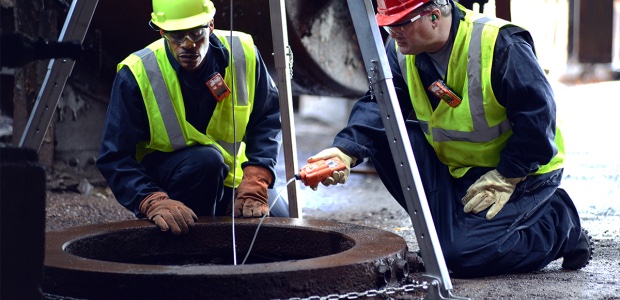
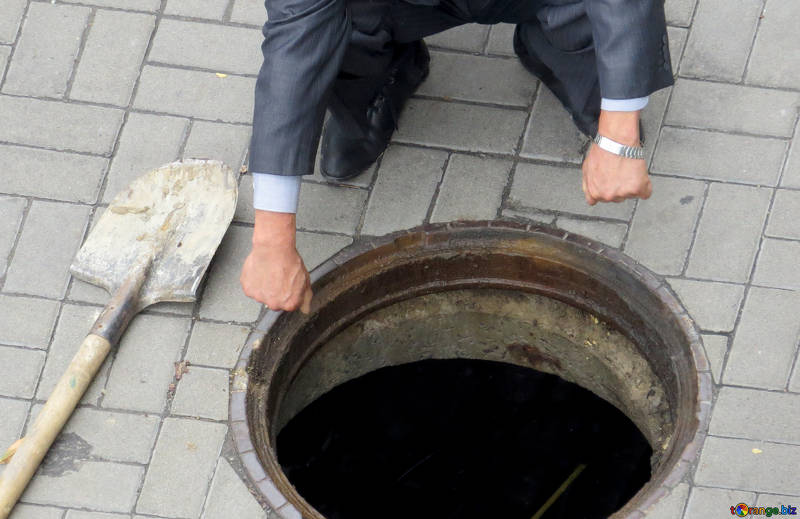
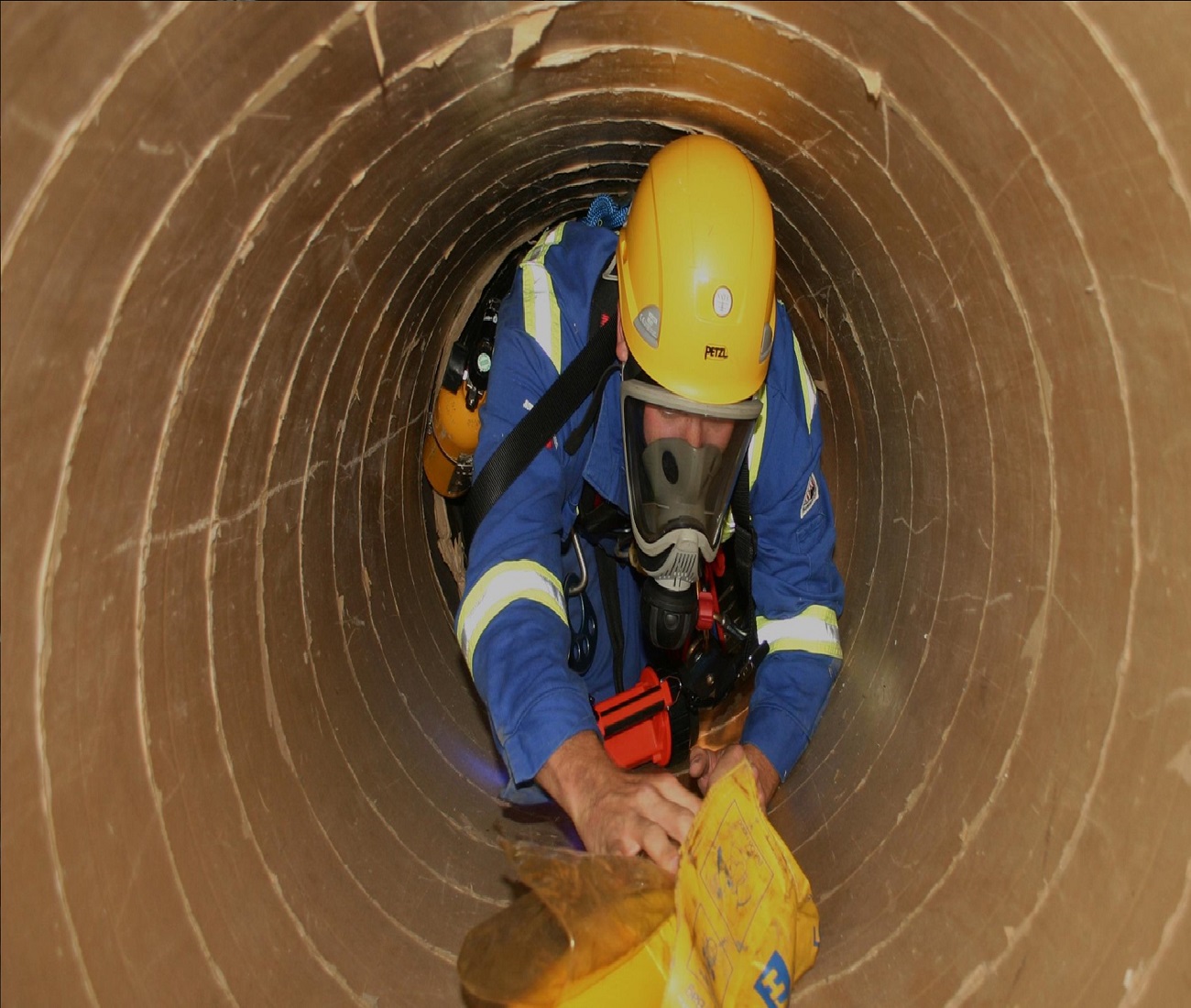
Let’s get serious about confined space safety. Confined spaces can be seriously dangerous and are the leading cause of multiple fatalities in the workplace. Here’s why… A confined space has limited openings for entry or exit, is large enough for entering and working, but is not designed for continuous worker occupancy.
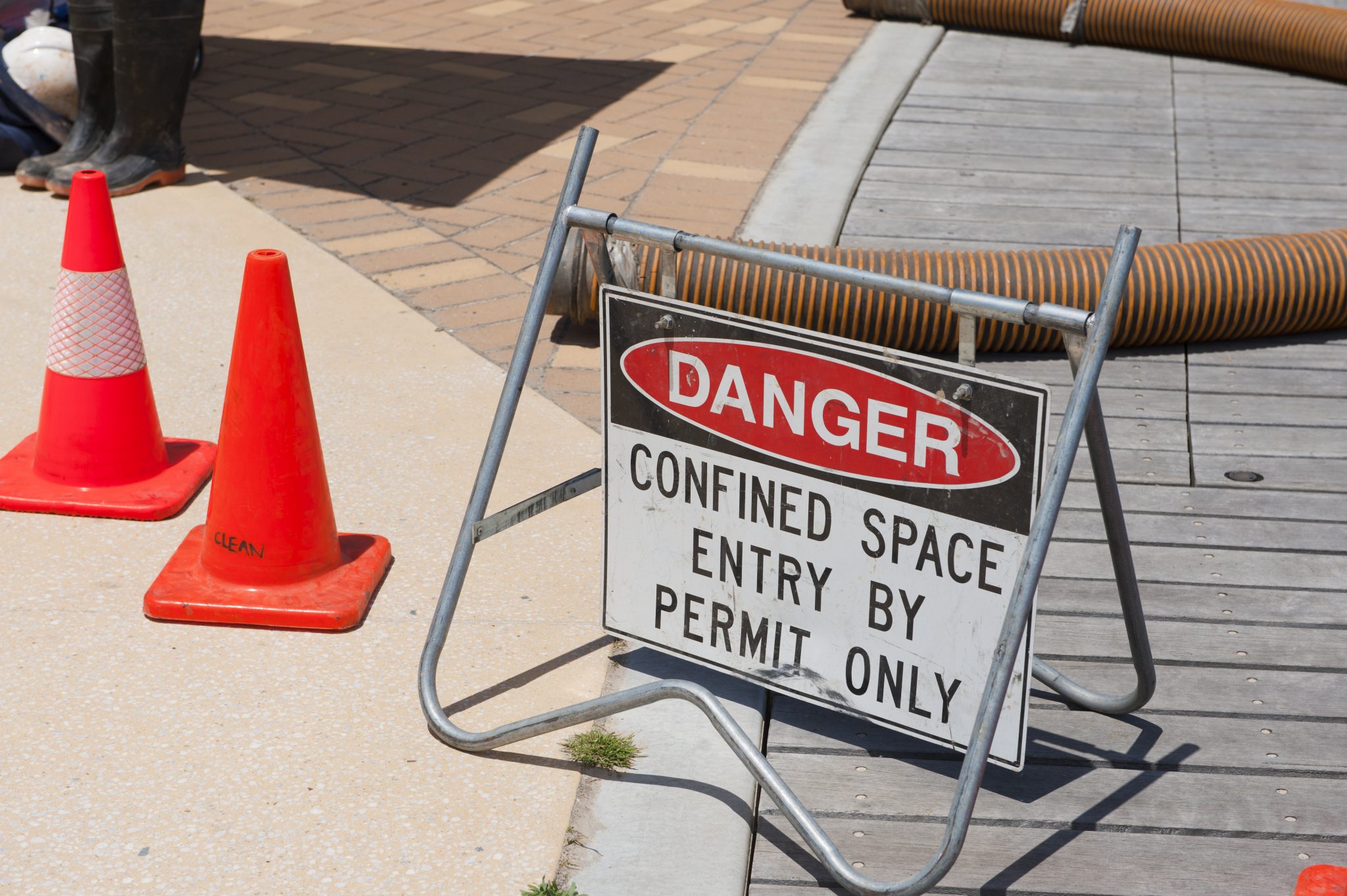
Working in a confined space is one of the most dangerous of all workplace hazards. In fact, it’s been calculated that working in a confined space is 150 times more dangerous than doing the same job outside of the space. While this Workplan is geared toward compliance remember, compliance is often only the minimum set of requirements for safety.

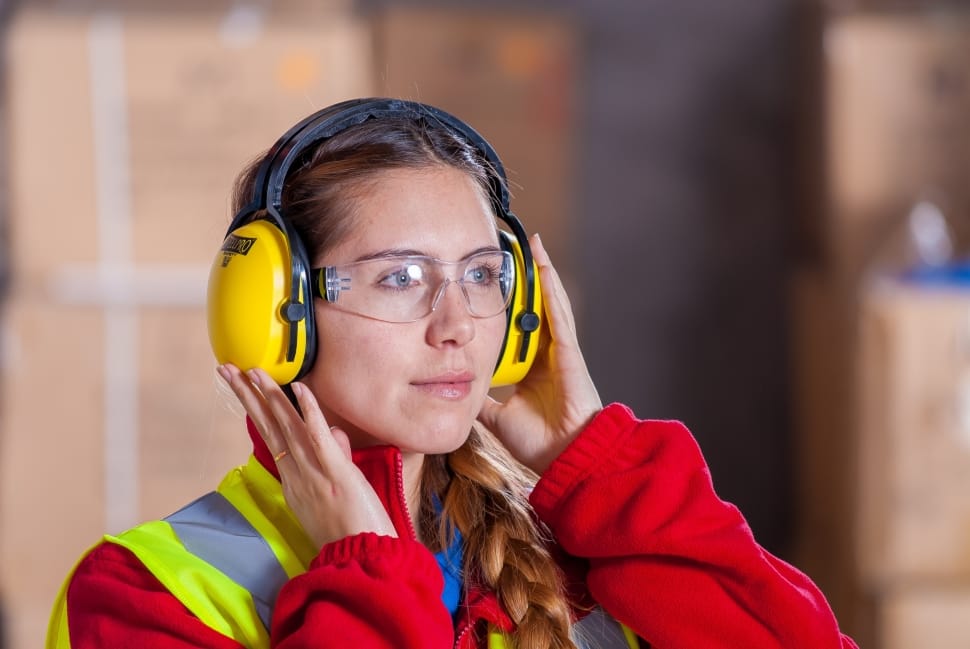
Safety eyewear and face shields can save you from injuries which can lead to blindness and facial disfigurement. Prompt treatment of eye and facial injuries reduces the risk of permanent damage.
A Permit-Required Confined Space may be reclassified as a non-permit confined space under certain conditions. Use this form to document reclassification.
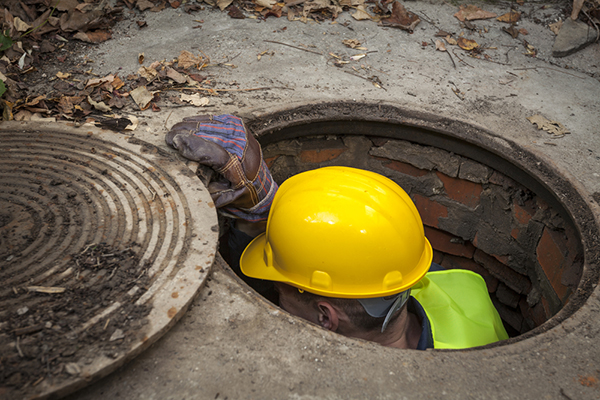
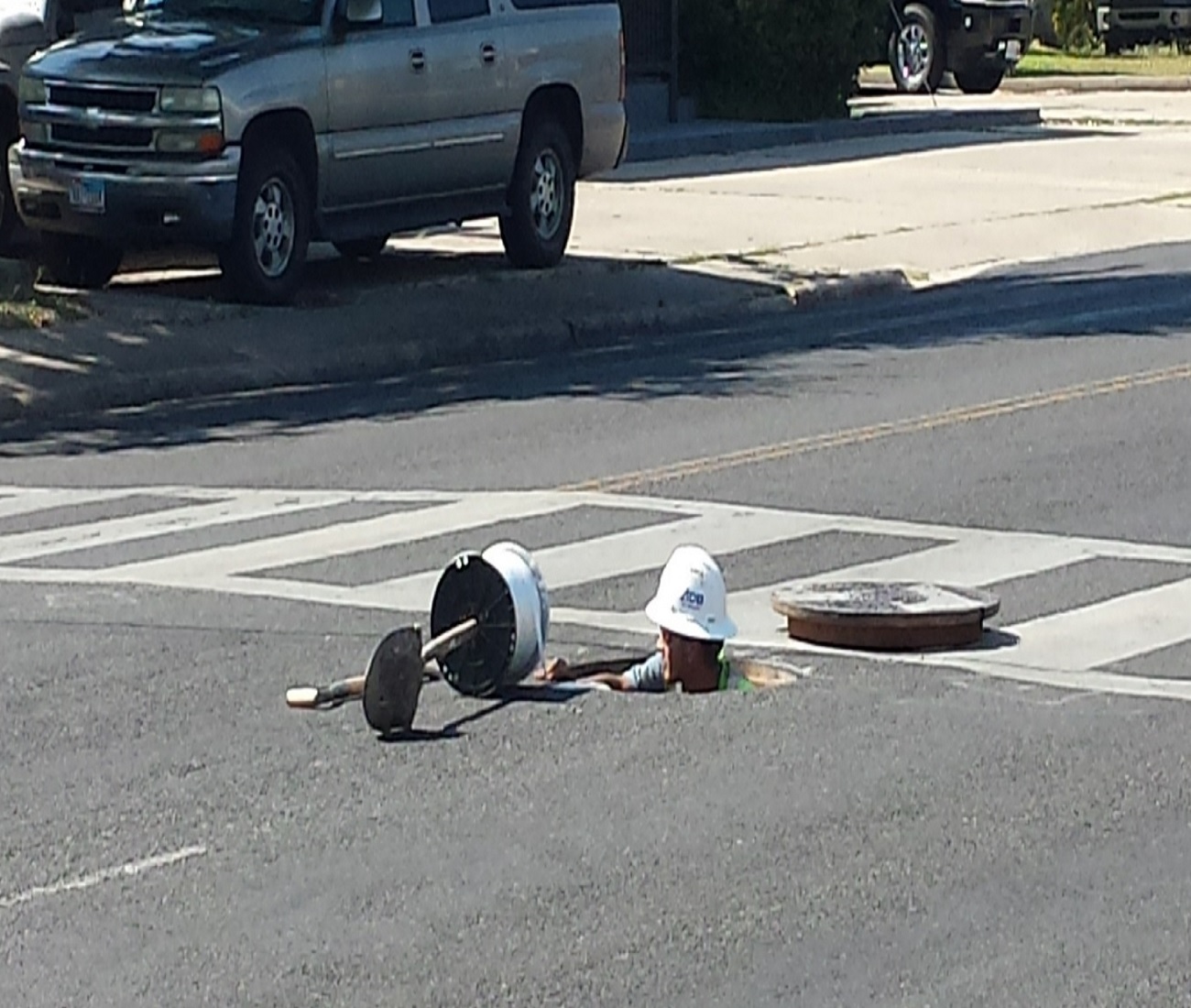
Two employees from a local construction company were assigned to repair a sewer line leak. One employee was responsible for entering the sewer—a confined space—to repair the leak. The other stayed topside as a standby person.
High risk Jobs for eye and face injury and Recommended protective eyewear.

The use of proper eye and face protection, such as safety glasses, goggles, face shields and helmets can prevent countless eye injuries. This Workplan focuses on implementing an Eye and Face PPE program but can easily be modified to include all PPE.
Multiple-fatality confined space incidents are far too common as untrained and unprotected would-be rescuers attempt to save their co-workers and others who have fallen victim to the dangers of confined spaces.
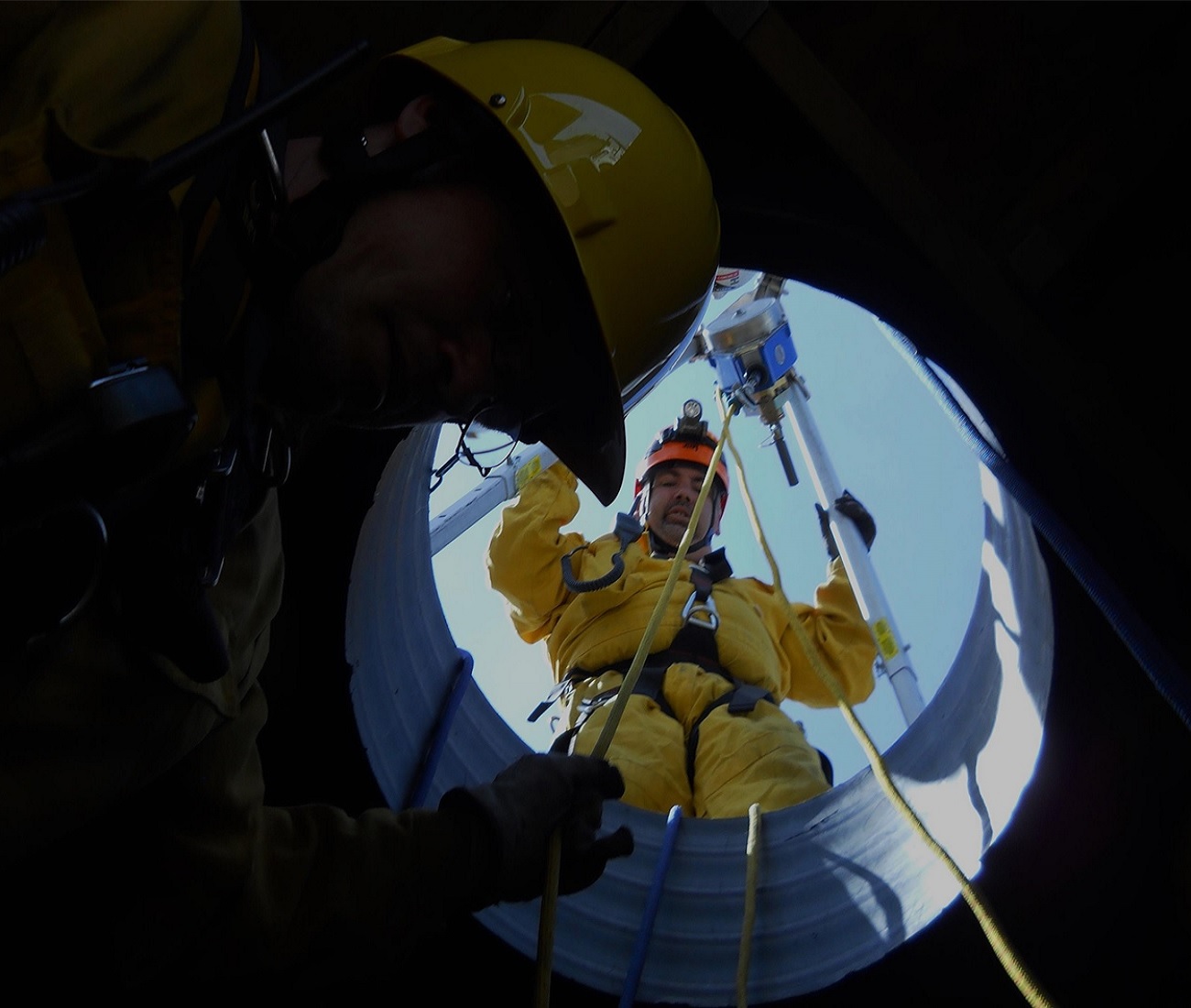
Permit-required confined space entry procedures must be part of your employers confined space entry program. Following these procedures will save your life and the lives of bystanders who may attempt rescue (unprepared and unprotected).
Seven Confined Space Entry Do's and Don'ts
On November 9, 2018 OSHA published a Final Rule amending the requirements for crane and derrick operator training, certification, and employer evaluation (29 CFR 1926 Subpart CC). The evaluation and documentation requirements become effective on February 7, 2019. Here’s what you need to know.
Sandblasting and other abrasive blasting is a potentially life-threatening operation without proper training. This video covers all of the important topics including PPE, equipment set & inspection, safe operating procedures, job site conditions, bystander safety and more!
Designed to complement a variety of HAZWOPER applications. Includes definitions of TLV, TWA, TLV-C, methods of exposure, dust, fumes, gases and more. Security risks associated with transporting hazardous materials, Methods that have been designed to enhance transportation security, How to recognize security risks and Responding to possible security threats.
Reach trucks, also known as narrow aisle trucks, are designed to operate in warehouses with narrow aisles. These trucks have some things in common with standard sit down forklifts, but also have some unique features that need to be taken into account in order to operate safely. This program covers: Pre-shift inspections Load capacities Basic safe operating procedures Turning and lifting And engineering principles
Since it's your first time, you may want to checkout some of the video tutorials.









 800-ICW-SAFETY (800.429.7233)
 SAFETYOnDemand@icwgroup.com