Main Category Group
6 Typical Electrical Hazards in the Workplace
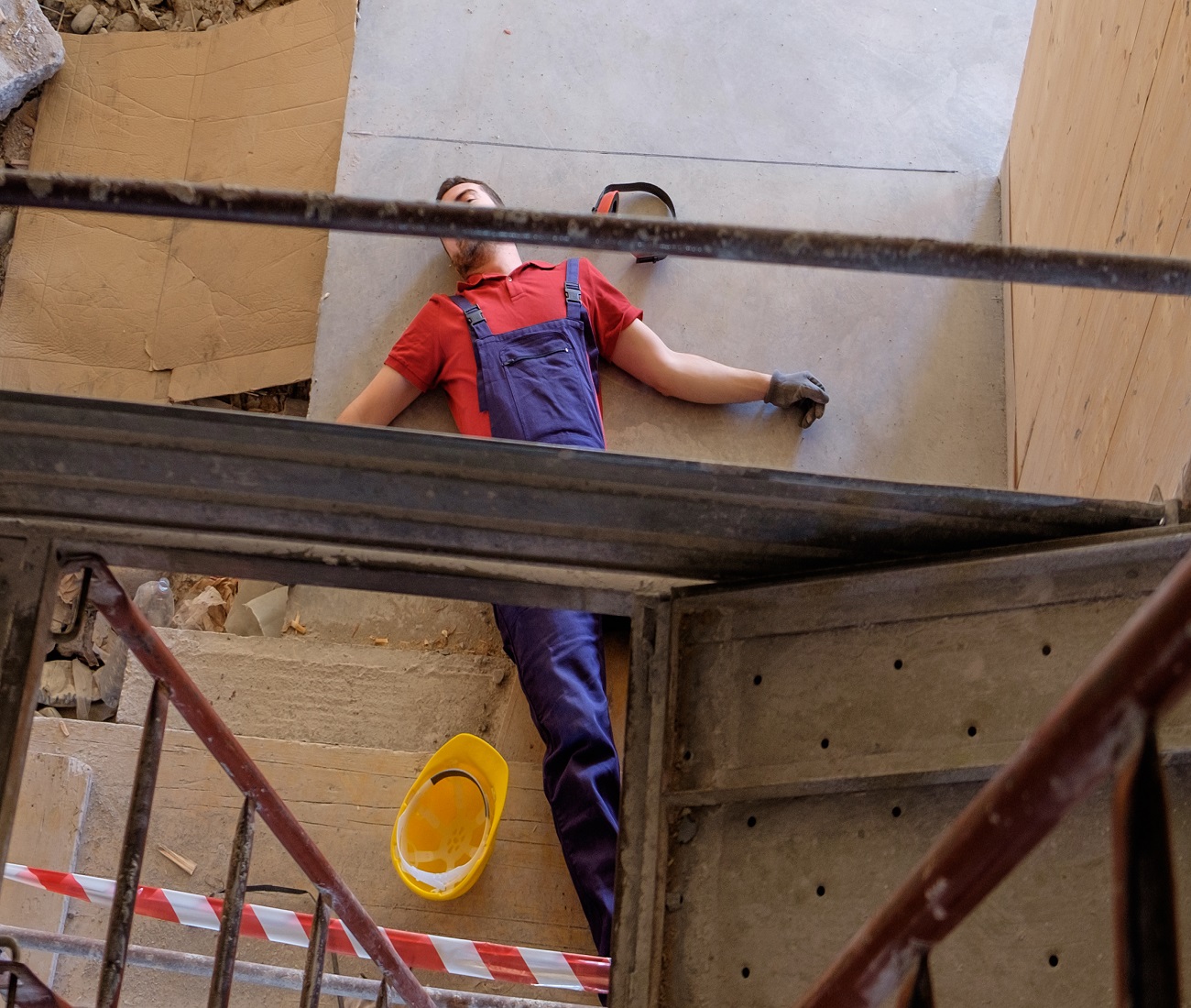
Electrical shock is a leading cause of workplace fatalities and almost every day approximately one electrocution, 10 disabling injuries and 100 electrical shocks are reported.
Main Category Group
Electrical shock is a leading cause of workplace fatalities and almost every day approximately one electrocution, 10 disabling injuries and 100 electrical shocks are reported.

Workplace safety can be a complex issue, but learning and adhering to a few safety basics can go a long way toward keeping employees safe on the job. Many workplace injuries and fatalities are directly related to either not knowing how to do something and attempting it anyway or committing unsafe acts through inattention or for other reasons.
Focusing on a stationary object like a screen for a long period of time can have health consequences. The most common is a temporary condition called Computer Vision Syndrome (CVS).
Every tool has a purpose, but many workers attempt to find new and unsafe applications for the tools they use. And the common screwdriver just might be the most misused tool in the workplace.
Using poor-fitting respiratory protection can be as bad as using nothing at all. Even worse, the harm to your body from respiratory hazards can be impossible to detect or even take years to develop.

In this Safety Talk, we’ll discuss what happens during a caught-between incident, how to avoid hazardous situations when working with machinery, and provide some tips on how to work around machinery without getting hurt.
The holiday season often brings two very unwelcomed guests – stress and depression. With increased demands on your time, your wallet, and your patience it can be hard to enjoy the season with family and friends.
Road rage is defined as aggressive or violent behavior stemming from a driver's uncontrolled anger at the actions of another motorist.
A job hazard analysis (JHA), sometimes called a job safety analysis (JSA), is a thorough work plan that is the cornerstone of any safety program.
Almost every organization has the need for hot work?welding, cutting, brazing, etc.? on some level. Some workplaces do more hot work than others and have designated areas for this work, such as a welding station. These areas are set up to be free of combustible materials and other ignitable materials, and have welding screens that surround the workers to catch any stray sparks. The use of flammable substances in these areas is prohibited and appropriate fire extinguishers are kept nearby. But this is not the case when a welder has to do spot hot work in a facility.

We all know about the dangers of using a cell phone while driving. But if you think driving a car while talking on a cell phone is dangerous, imagine the hazards of operating a forklift, working on an assembly line or performing other safety-sensitive jobs while chatting away on a cell phone.
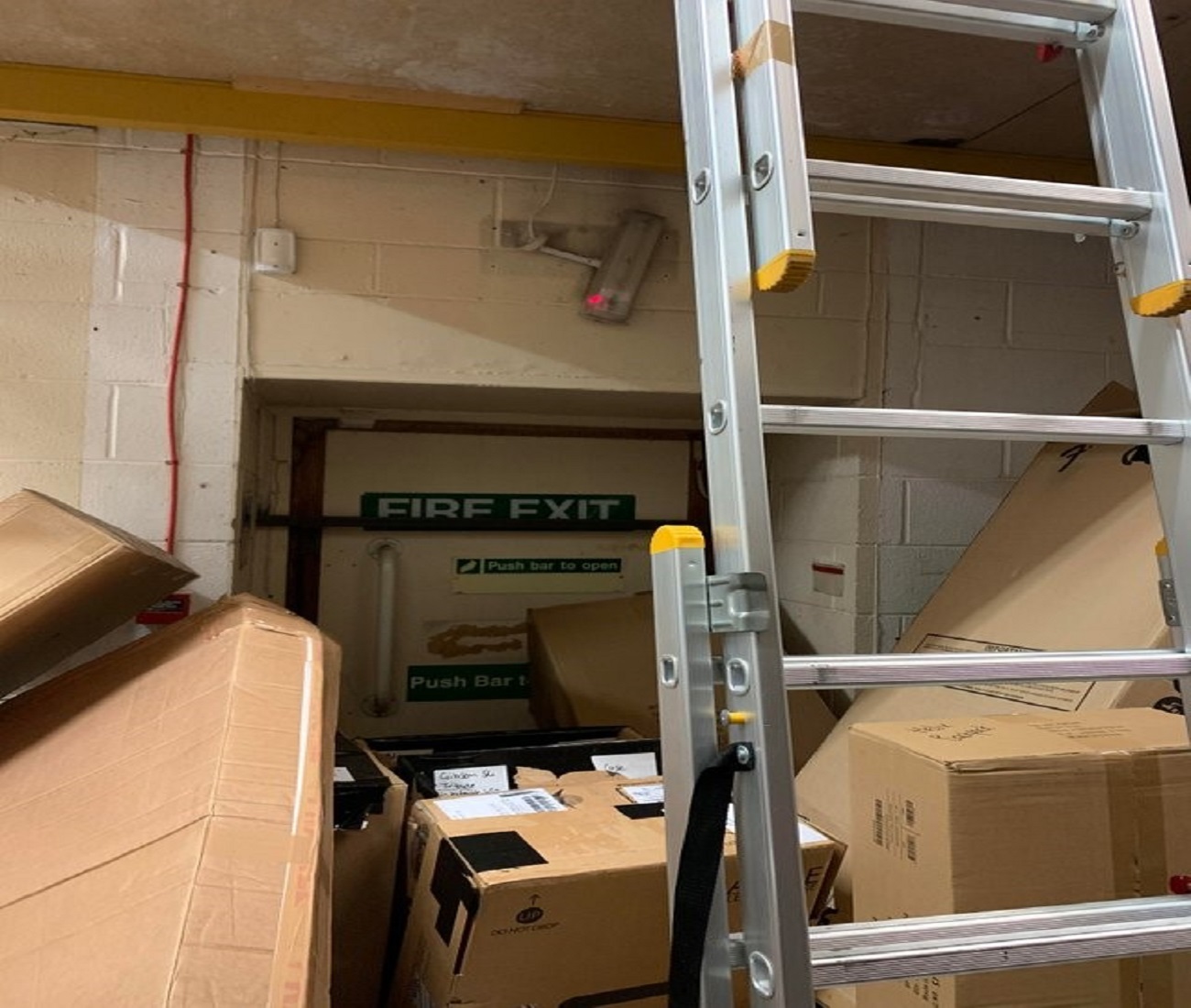
Poor housekeeping is one of the leading causes of nonfatal occupational injuries.
Forklift safety is an essential part of warehouse and housekeeping safety. A forklift incident can easily injure its driver, as well as workers who share floor space with forklifts.
Plumbers are treated most often for eye injuries, but the job has many other dangers, including: explosive solvent vapors from glues, joint compounds and primers biohazards from human waste corrosive chemicals asbestos used for insulation
These cylinders have numerous applications, from breathing and welding to sample testing. The gases commonly found in them include oxygen, nitrogen, acetylene, chlorine and liquid propane (LPG). Many cylinders contain high pressure and will hurtle
Aluminum ladders are lightweight and easy to use. But aluminum ladders have one major drawback-they conduct electricity more readily than ladders made of other materials such as wood or fiberglass.
Tools using compressed air can be worth their weight in gold. Handled properly, they save a lot of sweating, grunting and possibly swearing.
Tool belts are the next best thing to sliced bread, but they can turn a normally productive day into misery if you're careless.

Your workplace probably has countless electrical tools and devices capable of delivering a fatal electrical shock.
Safety doesn't punch a time clock, so when you leave work, take your safety attitude home with you.
If traveling up or down stairs is a daily part of your job, you may be at risk of injury, especially if carrying items.

Qué tiene que ver usted con la seguridad de los montacargas?
If your job involves repeated motion or vibration to the hands, carpal tunnel syndrome could creep up on you. It tends to occur in carpentry, cashiering and assembly line work, but it can also occur in many other kinds of work.
Workplace housekeeping has been an important part of job safety programs for many years. Whether you are working in a traditional factory or a 21st century work setting such as a wind energy tower, good housekeeping can be a life-saver.