
Slips. Trips. Falls: Taking Steps to Keep Everyone on Their Feet
Claims resulting from same-level slips, trips, and falls are a [...]
Claims resulting from same-level slips, trips, and falls are a [...]
Did you know that there are more than 164,000 emergency [...]

When it comes to heat, indoor workers can face the [...]

Conducting a Job Hazard Analysis (JHA) can help prevent work-related [...]
10 Consejos Para La Respuesta a Emergencias Estar preparado para [...]


Preparedness; save lives; confusion Prevent injuries; uncertainty; emergencies; Prevent injuries; [...]
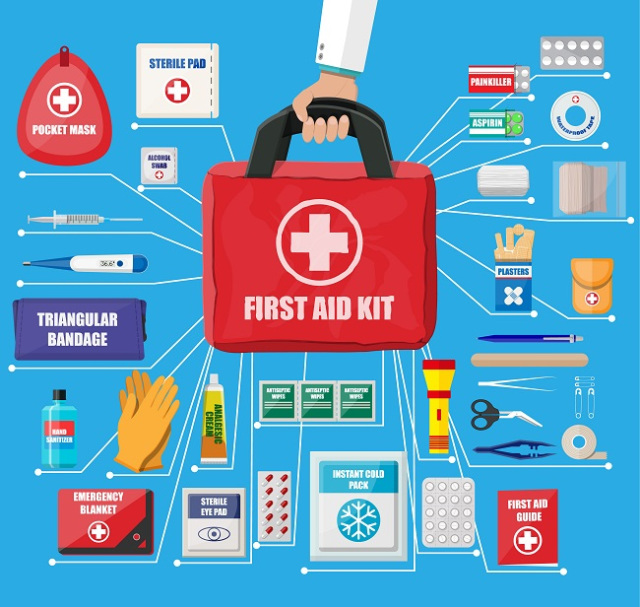
Emergency situations; readiness; training. Emergency equipment; power supply; maintenance. Emergency [...]
INCIDENT STILLWATER, N.J. – Two people are dead after a [...]

INCIDENT January 20th, 2020 VINELAND, N.J. (AP) — A Philadelphia [...]
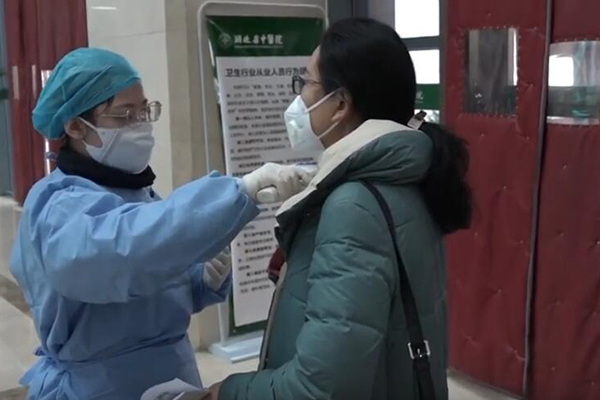
The first thing you need to do to safeguard your [...]

This video is the perfect way to introduce new employees to general occupational hazards to which they may be exposed and to re-train experienced workers. Program includes basic safety rules, electrical hazards, powered equipment and machinery, back injury prevention, fire protection and more.
Key Takeaways: - Accepting that it is more effective to [...]

Key Takeaways: - Learning about the origin and goals of [...]
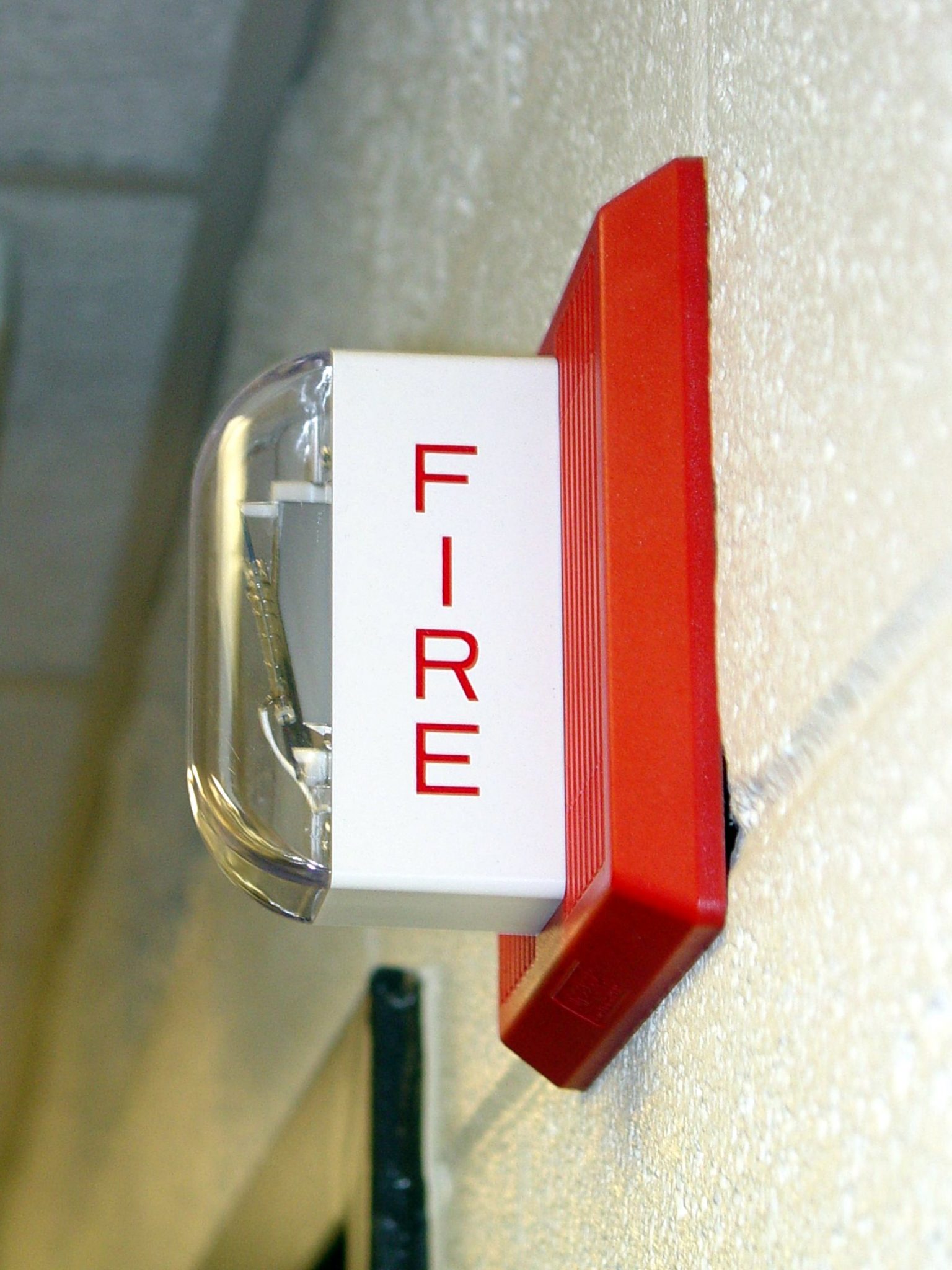
Key Takeaways: - Observing the dangers associated with fire and [...]
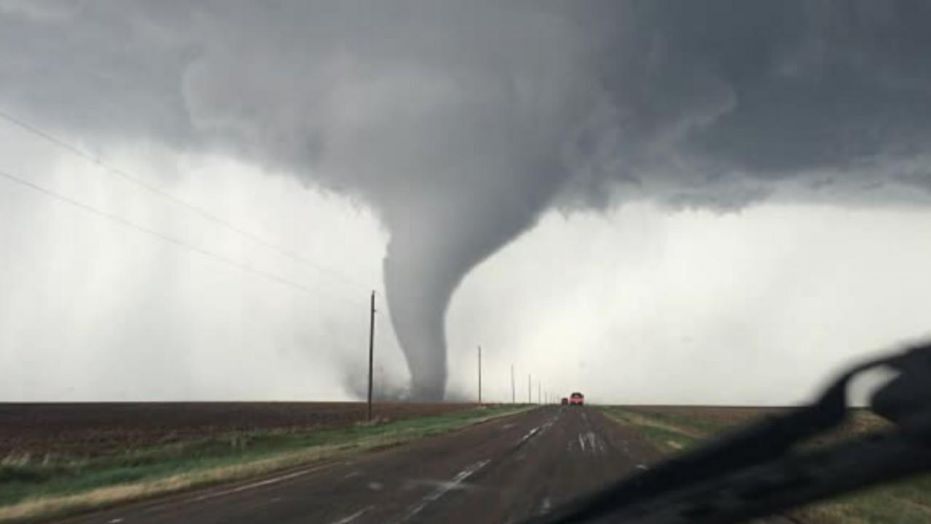
Key Takeaways: - Learning about the hazards of tornadoes - [...]
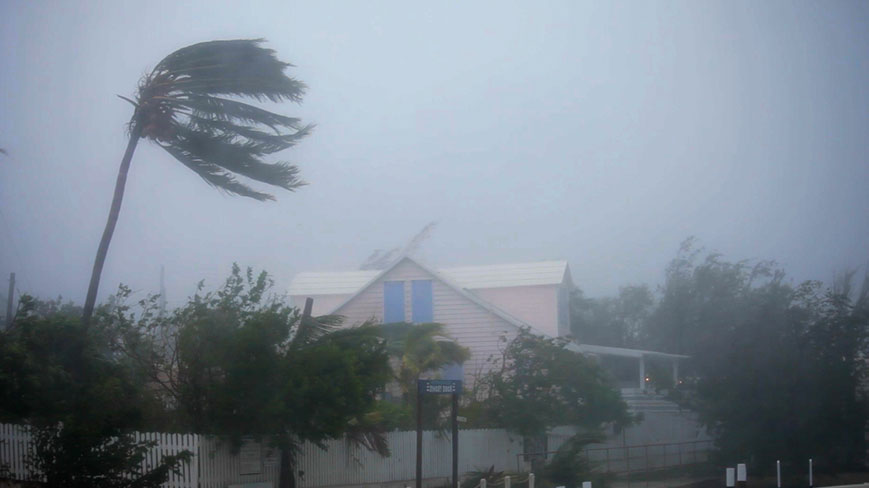
Key Takeaways: - Learning about hurricanes and their properties. - [...]
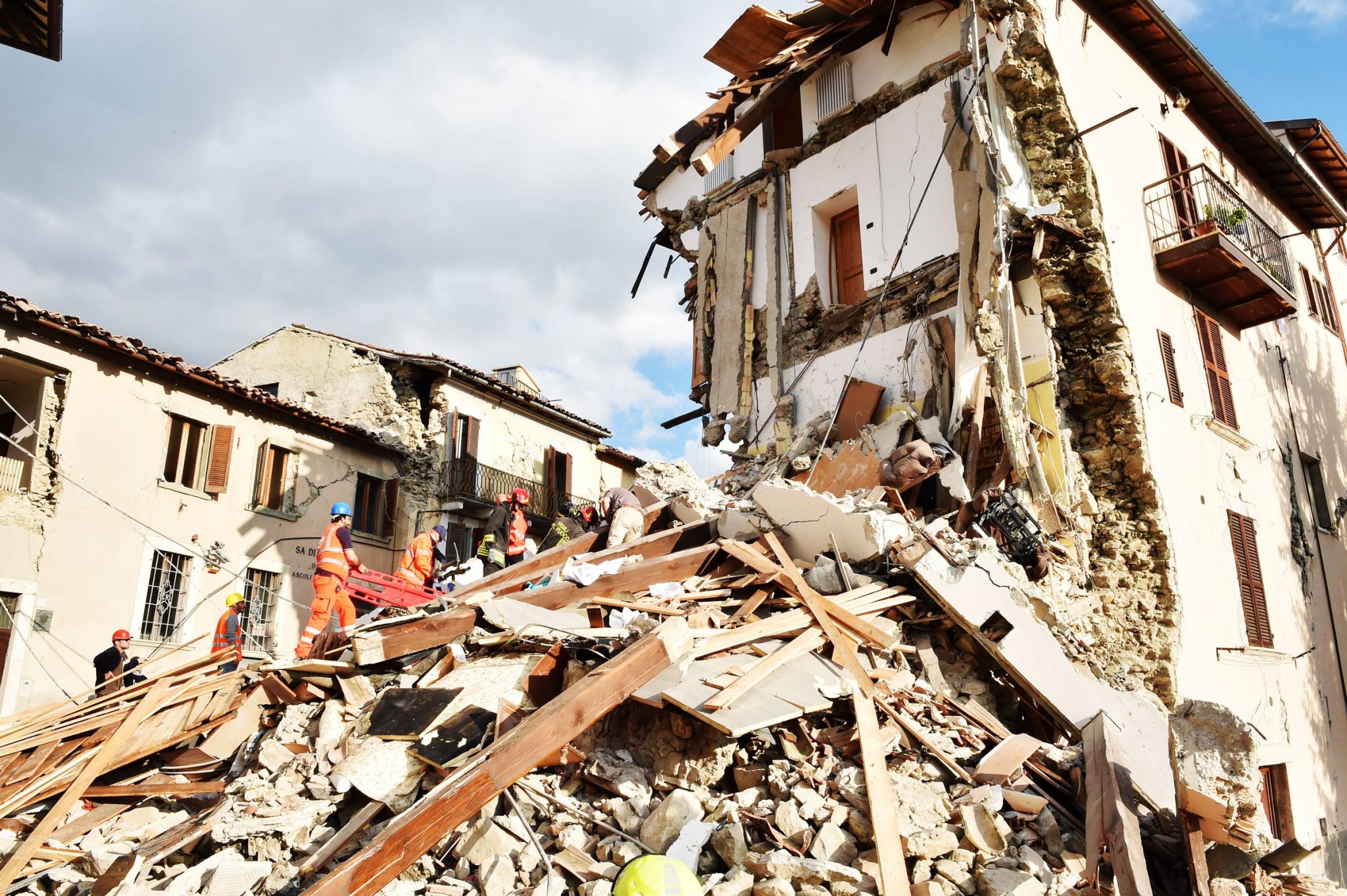
Key Takeaways: Learning the dangers of earthquakes Knowing the actions [...]
Incidents involving active shooters continue to be in the news. These acts of violence are becoming more commonplace in today???s society, and although your chances of being a victim of an active shooter incident are minuscule, it is important your organization and your associates plan and be prepared for such an incident. Active shooters can strike where we live, where we work, where we study, where we shop or any other environment. No business or institution is immune to the potential of an active shooter attack. The purpose of this informational training is not to alarm viewers, but to enlighten them regarding some of the elements of an active shooter scenario and what they should do to be prepared to deal with such an act.

Fire, natural disaster, and other emergencies can strike your workplace without warning at any time. While you can’t predict them, you can prepare for them and preparedness save lives, prevent injuries and limits property damage. If that’s not motivation enough, being prepared for workplace emergencies may save your business thousands and even hundreds of thousands in safety fines avoided.

Knowing what to do in an emergency (fire, chemical spill, natural disaster, etc.) helps evacuation move quickly and safely, allows for the quick contact of emergency services, prevent further destruction, and save lives. Use this Questionnaire to quiz workers on how they would respond in an emergency. Their answers and feedback will help you identify holes in your emergency planning programs and your training. You can edit it to fit the specific needs of your organization.
Most workplaces are required to establish and implement an Emergency Action Plan. Use this Checklist to determine if your EAP includes all required elements – or to help create a new EAP.

Unexpected emergencies occur every day in many facilities, including laboratories, offices, and residential buildings. It might be a fire, flood, earthquake, shooting, tornado, or hazardous chemical spill. If you don’t know what to do during an emergency the odds increase that you or others around you will be injured or killed.
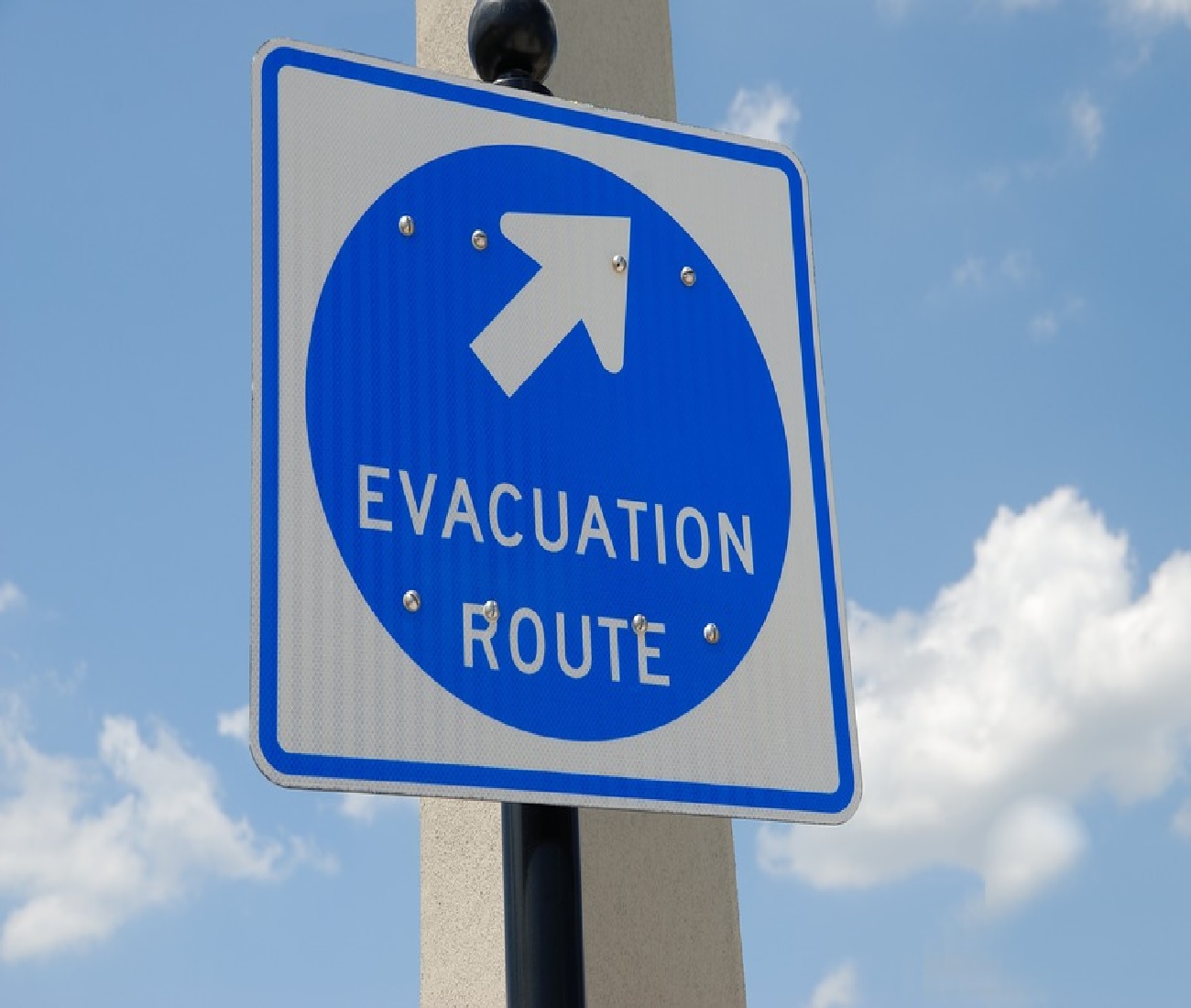
We are all vulnerable to disasters–whether they’re the work of Mother Nature in the form of earthquake, tsunami, hurricane, tornado or flood or deliberate acts of mankind in the form of arson, bombing or other act of terrorism. Surviving such disasters often hinges on being prepared.

OSHA conducted an inspection after an employee was struck by [...]
Since it's your first time, you may want to checkout some of the video tutorials.




 800-ICW-SAFETY (800.429.7233)
 SAFETYOnDemand@icwgroup.com