

Emergency Action Plan Infographic: Essential Elements
An EAP should address emergencies that the employer may reasonably [...]
An EAP should address emergencies that the employer may reasonably [...]
In case of emergency, employees need to know exactly what [...]
Don’t risk more lives! Make sure you are thoroughly prepared [...]
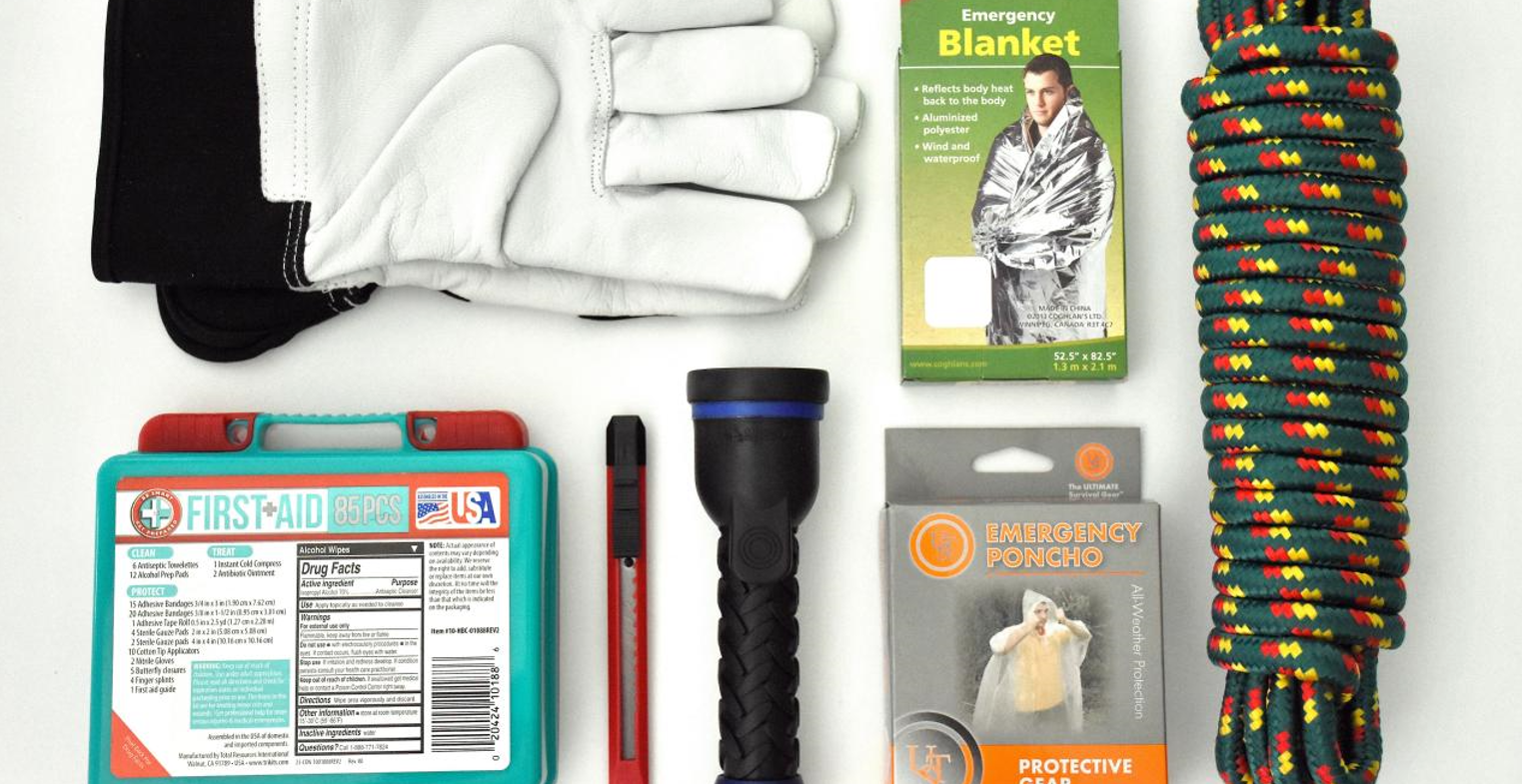
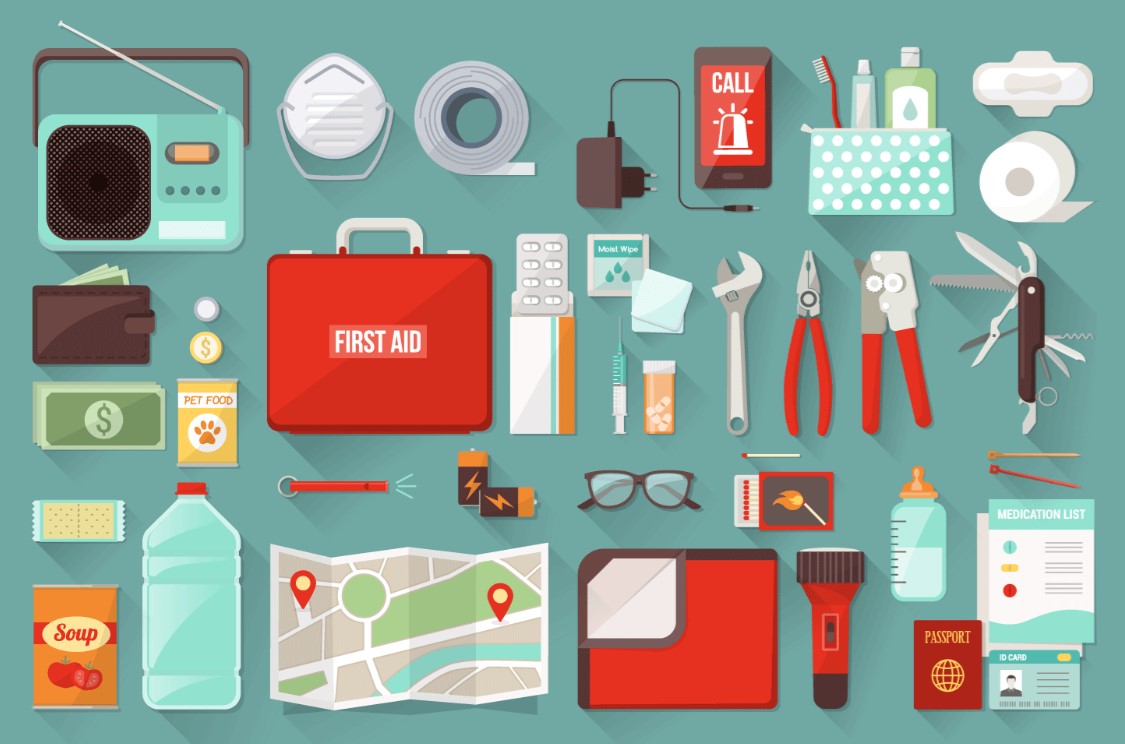
Having the right equipment in an emergency can help prevent [...]
From Tornados to active shooters, there are many types of [...]
Course Description Even if the danger of an emergency would [...]
En esta sección se abordan cuestiones y reglamentos, así como [...]
Esta sección trata de los planes de acción de emergencia, [...]

The following assessment provides insight into the stage of program [...]
WHAT’S AT STAKE? MEANS OF EGRESS DEFINITION: A continuous and [...]
INCIDENTE 20 de enero de 2020 VINELAND, N.J. (AP) - [...]
La mayoría de los lugares de trabajo deben establecer y [...]
INCIDENTE STILLWATER, N.J. - Dos personas han muerto tras un [...]
DID YOU KNOW? Emergency evacuations are more common than many [...]

When emergencies happen, they require quick, correct, and [...]
En las secuelas de un desastre natural como un huracán, [...]
WHAT’S AT STAKE? Emergencies can create a variety of hazards [...]
A risk assessment should be completed to determine the controls [...]

Safety Talk ¿QUE ESTÁ EN RIESGO? Emergencias inesperadas ocurren todos [...]
Los incendios, los desastres naturales y otras emergencias pueden afectar [...]
Safety Talk ¿QUE ESTÁ EN RIESGO? Dos empleados de una [...]

This video is the perfect way to introduce new employees to general occupational hazards to which they may be exposed and to re-train experienced workers. Program includes basic safety rules, electrical hazards, powered equipment and machinery, back injury prevention, fire protection and more.

Heat illness is deadly. In fact, each year thousands of workers succumb to heat exposure. Now that it is starting to heat up, safety is essential for your outdoor workers! The good news is heat illnesses and related deaths are preventable.

Ergonomic-related injuries occur more than any other injury in the [...]
Since it's your first time, you may want to checkout some of the video tutorials.















 800-ICW-SAFETY (800.429.7233)
 SAFETYOnDemand@icwgroup.com