Picture This! Excavation Puts Safety Out of Reach
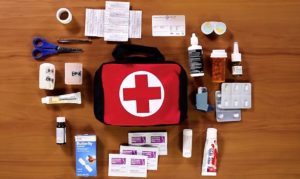
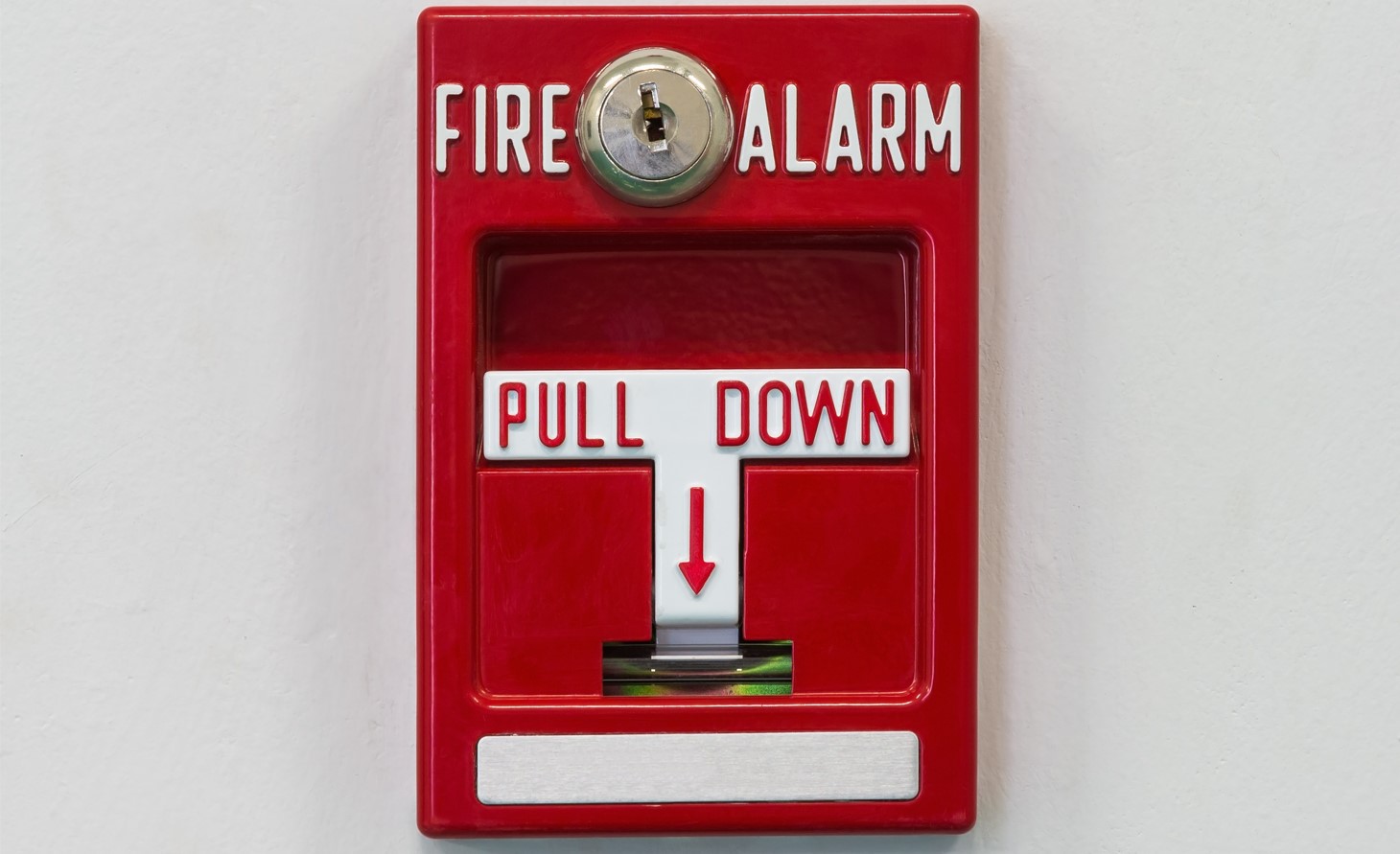
Clutter and an excavation could create considerable risk for anyone needing to access a first-aid kit or fire extinguisher.

We don't know how fond forklift operator Tomasz Wiszniewski is [...]
Location is everything, particularly when one is speaking about access to a fire extinguisher during an emergency. This device is well out of reach for all but the tallest people.
You can't always believe what you read, especially when a sign points the way to an emergency telephone that doesn't exist.
Earthquakes, like tornadoes and hurricanes, hit with little or no warning. Being properly prepared can make all the difference in how you and your workplace are affected. This program teaches you how to prepare for the emergencies, from storing supplies and earthquake-proofing your environment to training your employees in all emergency and evacuation procedures. Learn how to greatly reduce the impact of earthquakes, or any natural disaster.
(12 minutes)

This video is the perfect way to introduce new employees to general occupational hazards to which they may be exposed and to re-train experienced workers. Program includes basic safety rules, electrical hazards, powered equipment and machinery, back injury prevention, fire protection and more.
(15 Minutes)

This program explains how to prepare for earth quakes, tornadoes, hurricanes, and other emergencies at work. Designed to property damage and prevent injuries during emergencies.

(13 Minutes)

Repeat and Serious Violations OSHA initiated an investigation of a [...]
Every day, without noticing, we pass doors that have "Exit" signs. Usually we don't remember that emergency exit doors are vital to our safety.
Quick! A co-worker has just been seriously injured and emergency medical assistance is needed. Do you know what to do?
Many places where we live and work are in high risk earthquake zones.
Unexpected emergencies occur in workplaces every day in factories, plants, offices and warehouses, as well as construction sites and on the road. It could be a fire, fatal injury, flood, earthquake, shooting, tornado, chemical spill or another kind of crisis. So it’s important that companies have an emergency response plan to cover all expected and unexpected disasters. For this plan to be effective, all employees must be trained in the roles they will play in an emergency.

People who aren’t expecting to end up in water often are not prepared for that possibility and the results can be tragic. Every year in the United States and Canada, an estimated 3,800 people drown, with many of these victims being people who ended up in the water unintentionally.

Any workplace can be too hot for safety, both outdoors and in hot, humid conditions indoors. Whenever you’re exposed to heat, you’re at risk of developing heat illness.
What would you do if you encountered an emergency, either in the workplace or outside? Would you call for help? Would you know who to call and what to tell them?
If you have to rescue someone who is receiving an electric shock, be careful or you might end up becoming a shock victim yourself.
Most of us are familiar with winter safety tips for our vehicle. But have you given much thought to prepping your home and family for the long cold winter?
According to a recent report released by the CDC, nearly 1 in 5 Americans make a trip to the emergency room each year. And Canadians are among the most frequent users of emergency departments in the world, with an average of 17 million visits a year.
If you have never experienced a serious emergency in your workplace, you might find it hard to imagine such a thing could happen. However, every day in job settings just like yours, something goes seriously wrong.

Front desk workers have the job of greeting and directing workplace visitors. Their courteous manner and prompt service are important to the company?s public image and reputation with customers.
Workers need to prepare for all possible emergencies, even those as unlikely as terrorist attacks. In some workplaces, this threat is considered more possible than in others.

The tornado season in North America begins in April, peaks in June and July, and ends in September. But really the storms can occur at any time, with approximately 1,000 tornadoes being reported in the United States and 80 in Canada each year.

How This Affects You: Don't think fate wouldn't leave you stranded in a vehicle during a snow storm. This happened to school bus driver Carl Miller in Colorado.

In a heroic attempt to extinguish an apartment fire, two men working in a residential building found extinguishers in a hallway and raced to the unit. Although they had just rescued a tenant from the same unit, they were both overcome by thick smoke and died of cardiac arrest.