
Supervisor Secret: Training Adults Using Participatory Learning
Want to see a higher rate of retention and return on investment in your training program? Keep these characteristics in mind when it comes to adult learning.

Want to see a higher rate of retention and return on investment in your training program? Keep these characteristics in mind when it comes to adult learning.

The only thing you can count on in today’s workplace is change. Just when you get accustomed to one way of doing things, a new plan comes along.

Keep workers safe (and warm) by training them on the signs, symptoms, and first aid treatment for cold-related illnesses. You can download and edit this chart to share with your workers.
Some people believe stress makes them perform better. But that’s rarely true. Research consistently shows the opposite — that stress usually causes a person to make more mistakes. Besides making you forget where you put your keys, stress also can have dramatic negative impacts on your health. Read on for nine examples.
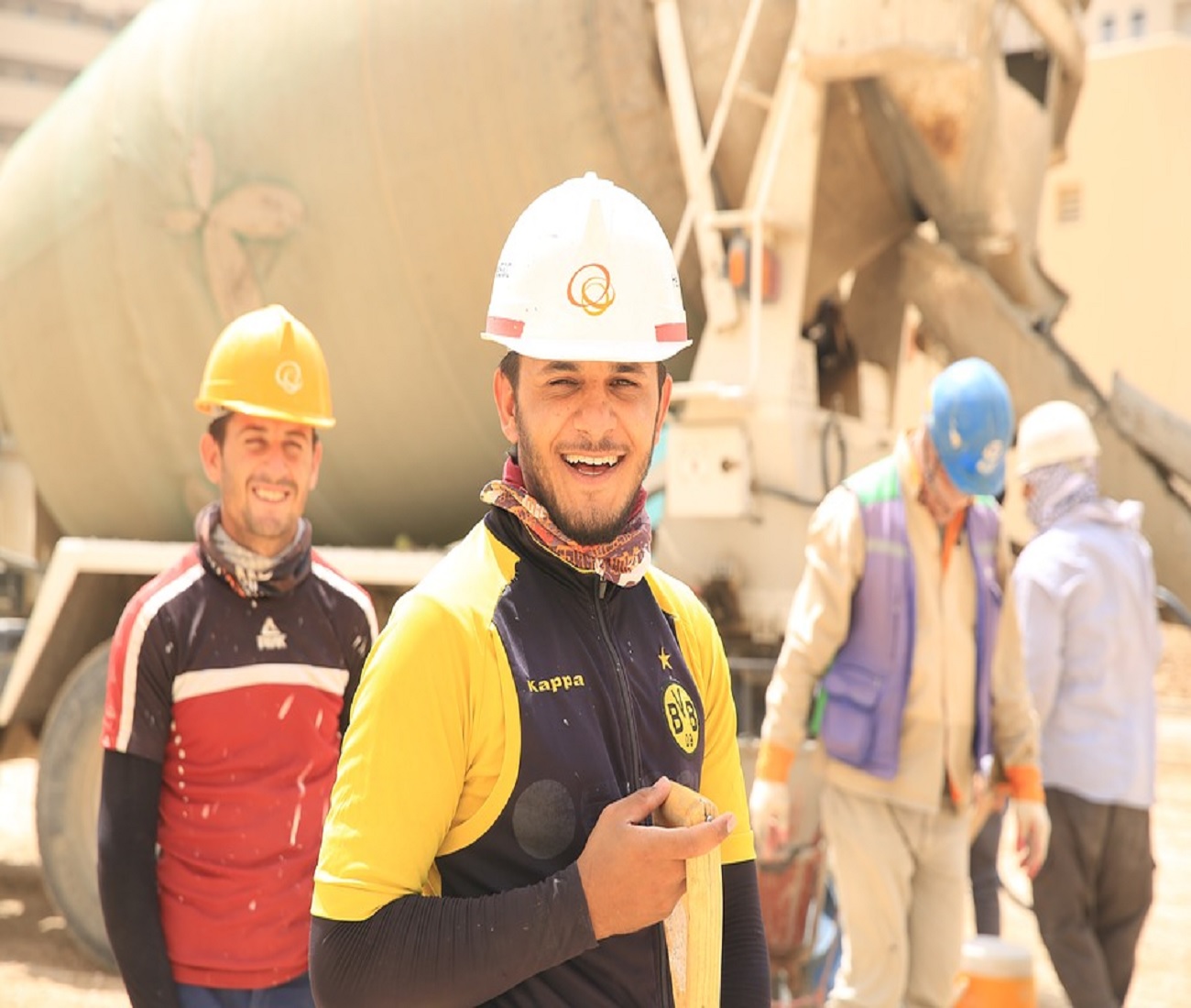
Physically and mentally healthy employees are happier, safer, and more productive. An employee wellness program can provide support to employees who are facing challenging times and help all employees with their overall wellness. More and more companies are hopping on board the wellness wagon because they understand the connection between wellness and work.
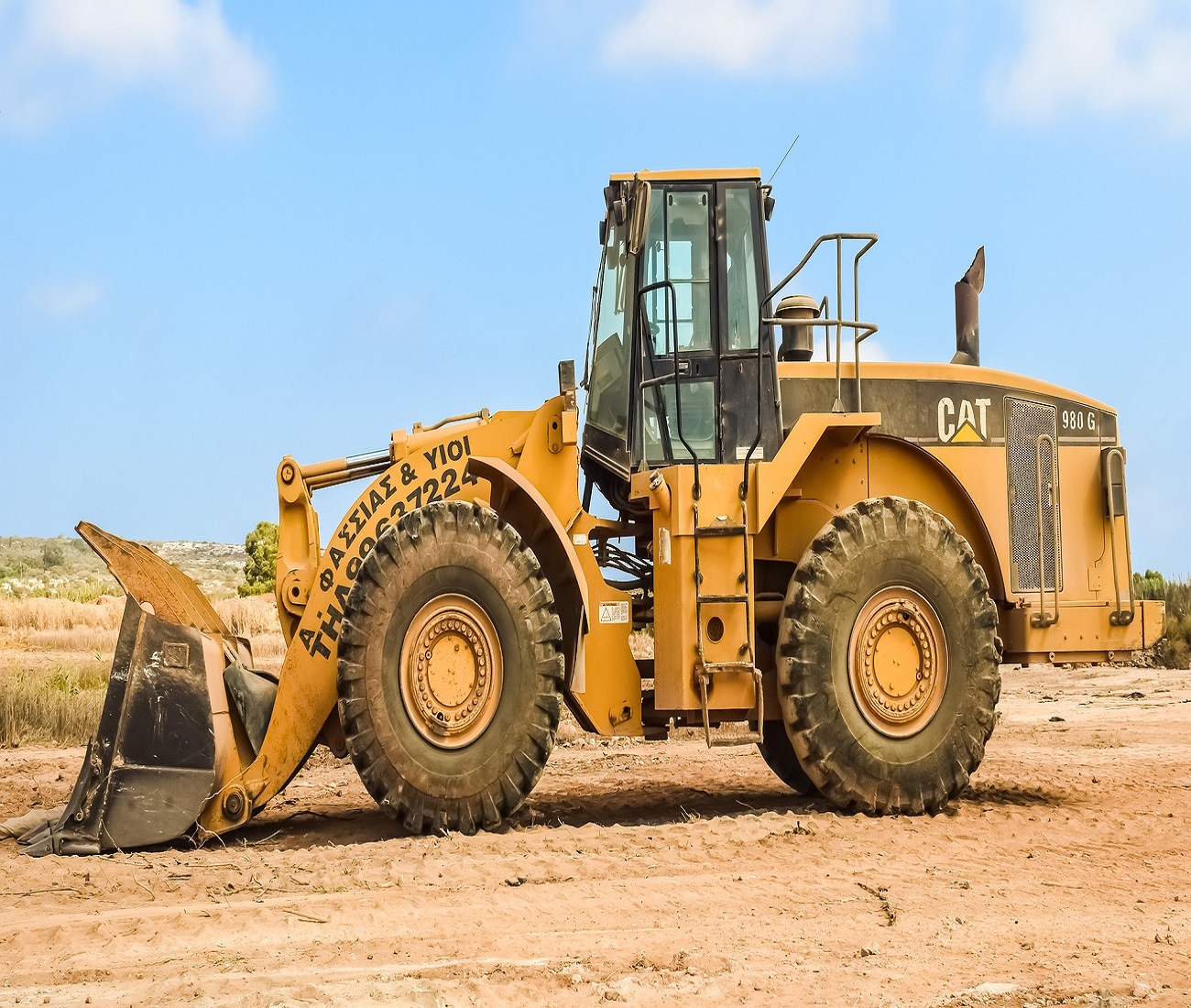
Are you considering the following heavy-equipment-related hazards and safe work practices in your heavy equipment policies and programs? Whether you’re creating a policy for the first time or reviewing and updating existing policies and procedures, use these recommendations as a guide for heavy equipment safety.
The overwhelming majority of health-related productivity losses occur on the job from reduced performance by employees who show up for work not feeling their best. This is commonly known as presenteeism. The implications and costs of presenteeism are enormous and can be highly disruptive. Integrating wellness strategies into a safety program can help combat the effects. Here’s a 4-step model by the Canadian Mental Health Association, Manitoba Division (Manitoba Model) to consider.
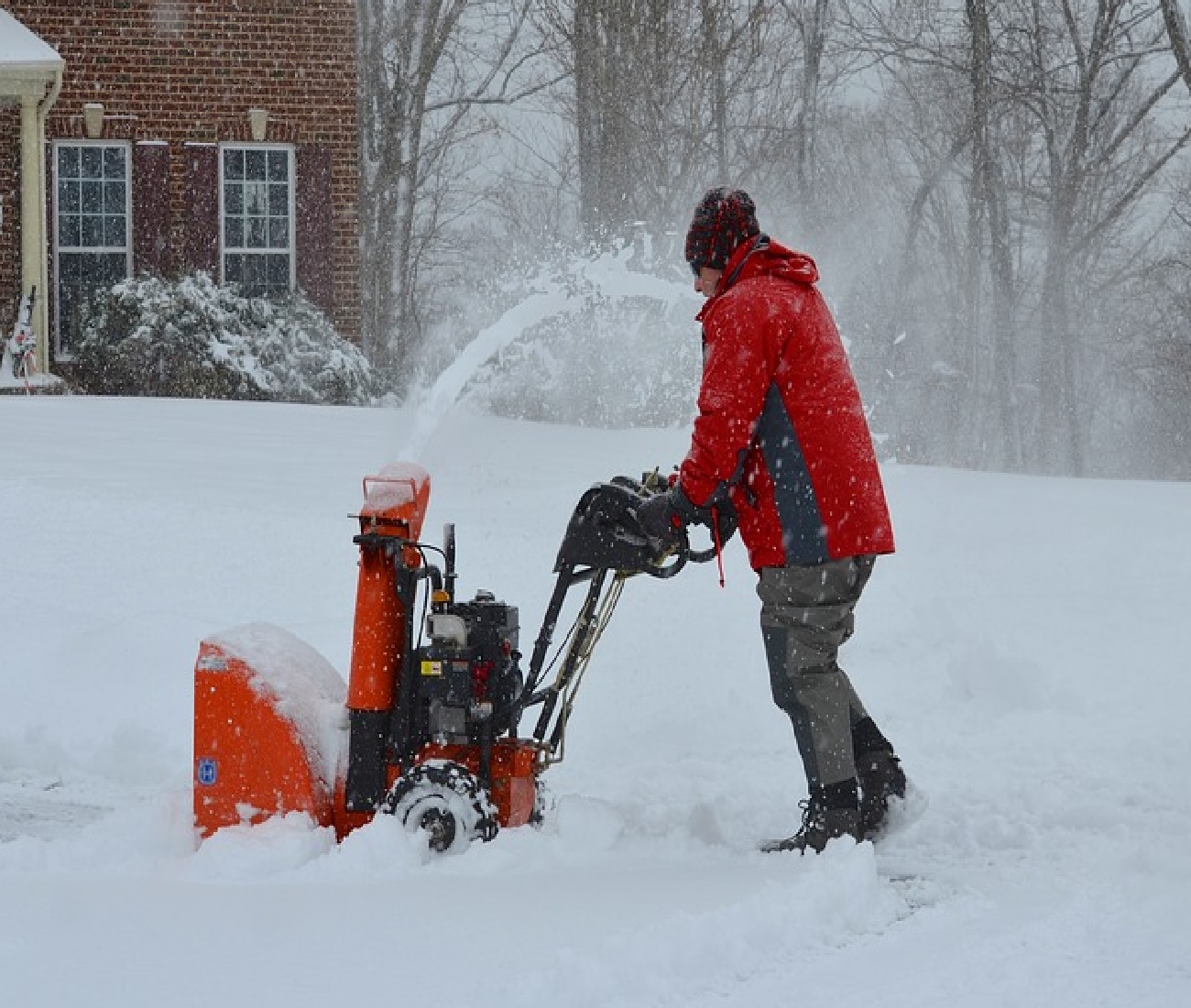
Those fabulous machines eat snow for breakfast, lunch and dinner. Unfortunately, they can also chew the operator up if you’re not careful.

Hearing damage, and the symptoms can take time to develop. You are likely to be exposed to different types and levels of noise during you work day.
Ten things to consider if you are responsible for the safety of lone workers.
The hazards you and your workers are up against depend on factors such as the type of job, how it’s done, and the environment in which it’s carried out. As a supervisor part of your responsibility lies in identifying exposure to hazards and finding ways to protect workers from them. One of the best ways to do this is by conducting hazard and risk assessments.
Do you know the six elements of a successful hazard control plan? Here’s a hint…an effective hazard control plan involves worker input; reduces or removes hazards; and minimizes or eliminates risk.
Many of the procedures and precautions taken for general employee safety and health are applicable and necessary for those employees who work alone. However, as a supervisor you do need to take into consideration additional factors for lone workers.
There is a direct link between the profitability of your business and your manager’s focus on what is important - the quality and quantity of time they spend actively planning, communicating and following up on the key drivers of profit - but the odds are against you.
CEO’s that identify, recognize, and attack the business constraint win – but they can’t do it themselves. In a survey of 1,000 qualified, intelligent and hard-working managers, only 10% could accurately identify and describe the constraints in their business.

You should be evaluating your safety program on a regular basis - at least annually – to determine what is working and what’s not and whether the program is on track to meet its goals. Tracking and analyzing leading and lagging indicators are one effective way to monitor the performance and progress of your safety program.

It can be tricky dealing with the various personality types, levels of experience, and differing backgrounds of meeting participants. You can’t always predict what their reaction will be, and you may not have advance knowledge of who will be in attendance, but you can still prepare. One way is by understanding the four general types of meeting participants you’re likely to encounter and how best to interact with them. You may also encounter entire groups that have these characteristics – the response is the same.

In a 2013 webinar former, OSHA administrator David Michaels said, “We have known for decades that new workers, when they first start at a new job, are at greatly increased risk of injury – and we know why: New workers are often not adequately trained in the potential hazards at the new jobsite and the measures they can take to protect themselves.” And yet, according to the Toronto-based Institute for Work & Health, only 1 out of 5 new workers receives safety training.
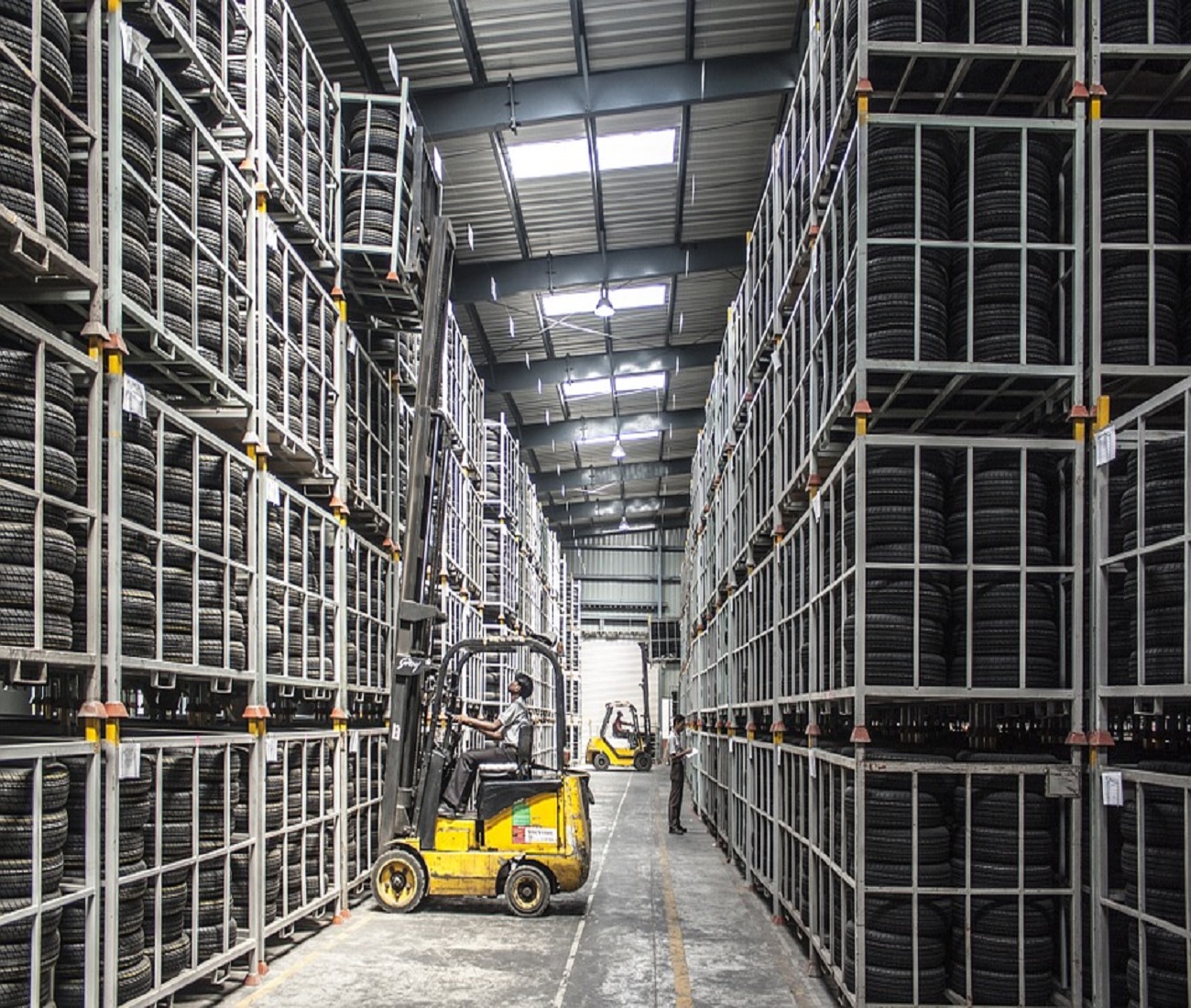
Fork lift accidents are a leading source of fatal and serious work injuries; failure to ensure proper use of fork lifts is also perennially among the Top 10 most frequent causes of OSHA and OHS citations. Here’s a 12-step compliance plan to help you avoid both things.
People or profits? Results or relationships? Safety or Savings? As supervisors we often feel an enormous amount of pressure (spoken or unspoken) to make these types of difficult decisions. We also feel a great deal of conflict as well over the choices we make. Effective leaders focus on both results and relationships.
You must create a safety culture where workers feel comfortable participating. Build trust by engaging employees in all aspects by asking for concerns, opinions and solutions.

When a serious incident happens in the workplace, everyone will be busy dealing with the emergency. Helping injured victims, assessing if the danger has abated, trying to piece together what happened. So, it’s critical to be prepared to investigate an incident before one occurs.
As “safety people” we spend a good deal of our time consciously or unconsciously trying to persuade others. We try to persuade management to support and fund safety initiatives. We try and persuade supervisors to enforce safety rules. We try and persuade workers to follow those same safety rules. In his article, Powerful Secrets of Persuasion, speaker, trainer, and coach James Hurford, DTM, he goes over 20 ways to get people to take action.

Slips, trips, and falls are consistently rank as one of the top 2 causes of injuries and deaths on the job. Our contributor, Zachary O’Dell from SafetyLine asks, “Have you taken these 6 precautions to avoid injuries in your own workplace?”
An excavation is any man-made cut, cavity, trench, or depression in an earth surface formed by earth removal. Trench is a narrow excavation (in relation to its length) made below the surface of the ground. In general, the depth is greater than the width.
Since it's your first time, you may want to checkout some of the video tutorials.












 800-ICW-SAFETY (800.429.7233)
 SAFETYOnDemand@icwgroup.com