Workplan: 8 Components of a Fall Protection Plan
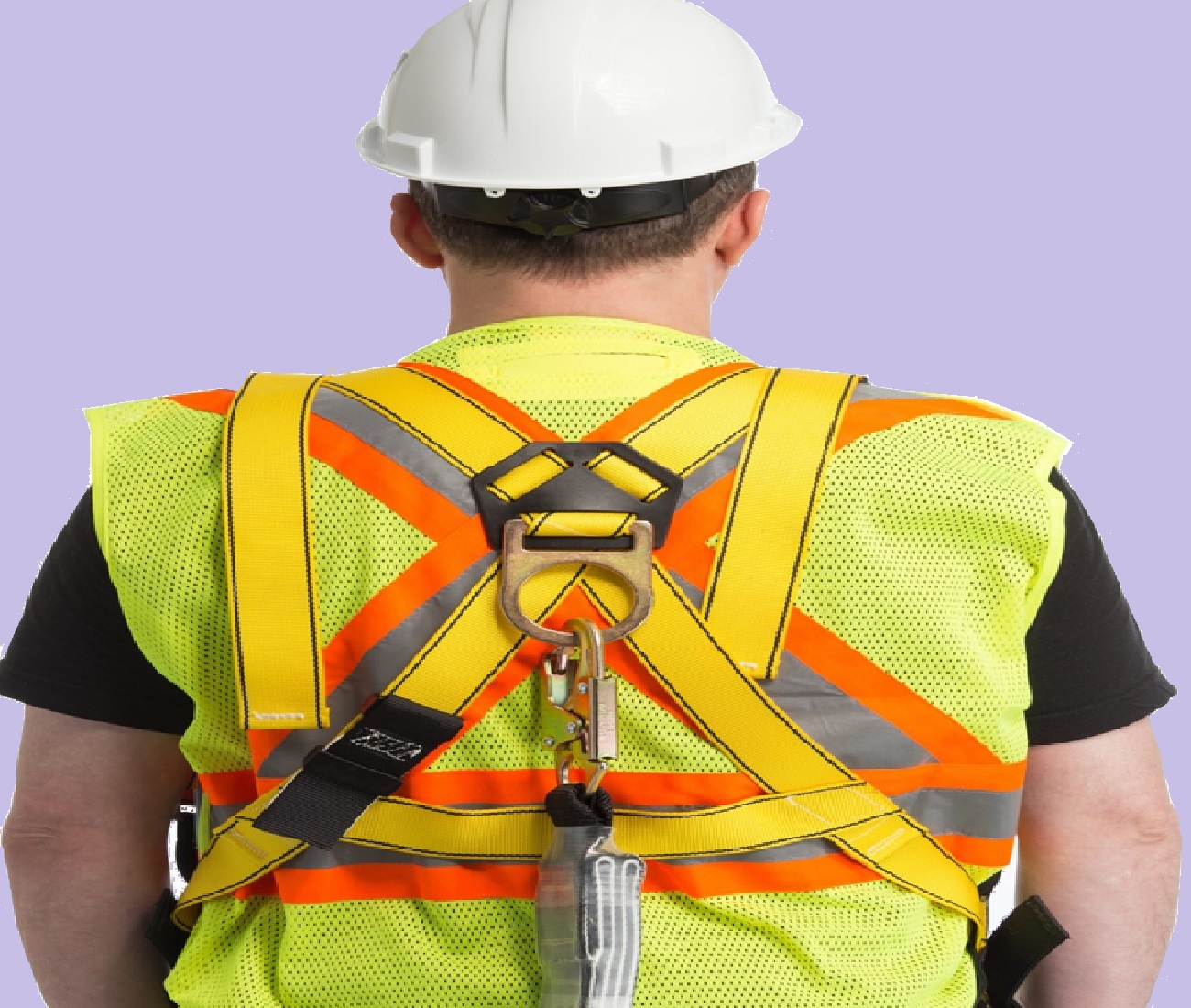
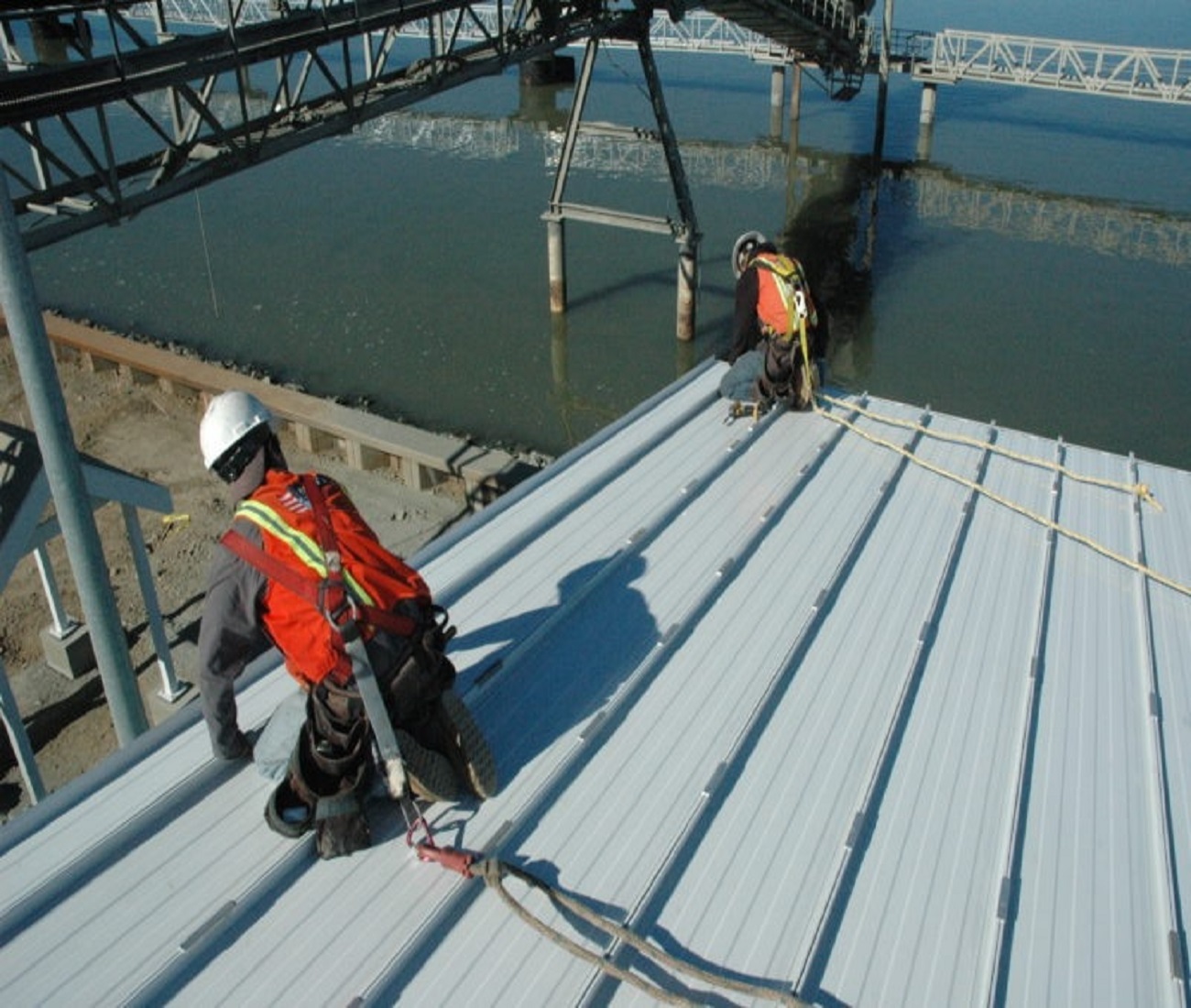
A well-developed and implemented fall protection plan for working at heights will keep workers safe. Here are eight components of a well-developed fall protection plan.

Hundreds of workers die from falls every year. You can prevent such deaths by planning to get the job done safely, providing the right fall protection equipment, and training all workers when and how to use the equipment safely. Here are some basic ideas for developing fall protection strategies.
Energy control procedures (ECP) are required for any operations where unexpected energization, start up or release of stored energy could harm workers during the servicing or maintenance of machines and equipment.

Safety devices like barrier guards that are designed to keep workers away from operating machinery don’t do much good when machines are shut down for maintenance and repairs. The danger is that the machinery will start up while being serviced and crush, electrocute, burn and/or amputate the limbs of workers performing the servicing operations. These incidents are typically caused by the inadvertent and unforeseen release of energy left in the system. That’s why OHS laws require you not only to turn off the machine but ensure it’s isolated from its energy source before servicing it. The way to do this is by implementing what’s called a lockout/tagout (LOTO) program.

Safety meetings work best if the whole crew actively participates. This makes it more interesting and more likely that people will remember the information you’ve given them. Here are six ways to encourage everyone to get involved.

Are you regularly doing scheduled workplace inspections? If you’re not, you should be and now is a great time to start. Workplace inspections give you a chance to thoroughly evaluate equipment, processes, tasks, tools, and other factors. Regular inspections help you find new hazards, see how existing hazard controls are working, correct or fix issues, and implement new controls (engineering, administrative, PPE) where needed.

Conducting regular safety inspections is a key component of any workplace safety program. Unfortunately, safety inspection methods leave a lot to be desired at many workplaces. Although the specific details of the inspection process will vary from operation to operation, here are five strategies just about any employer can use to improve inspections.
A 64-year-old male employee was fatally injured when the stairway [...]
Most crane collapses, failures, injuries, and deaths can be prevented by using a lift plan. All lifts require at least some planning – how much does the load weigh, what’s the capacity of the crane – but critical lifts require more planning and oversight to ensure a safe and successful lift.
Working with cranes, either operating or working around them exposes workers to the hazards of lifted and moving loads and equipment, shock and electrocution hazards from overhead powerlines, and the falling or collapse of the crane itself. The good news is there are things you can do immediately and in the long-term to keep your workers safe and equipment in safe working condition.
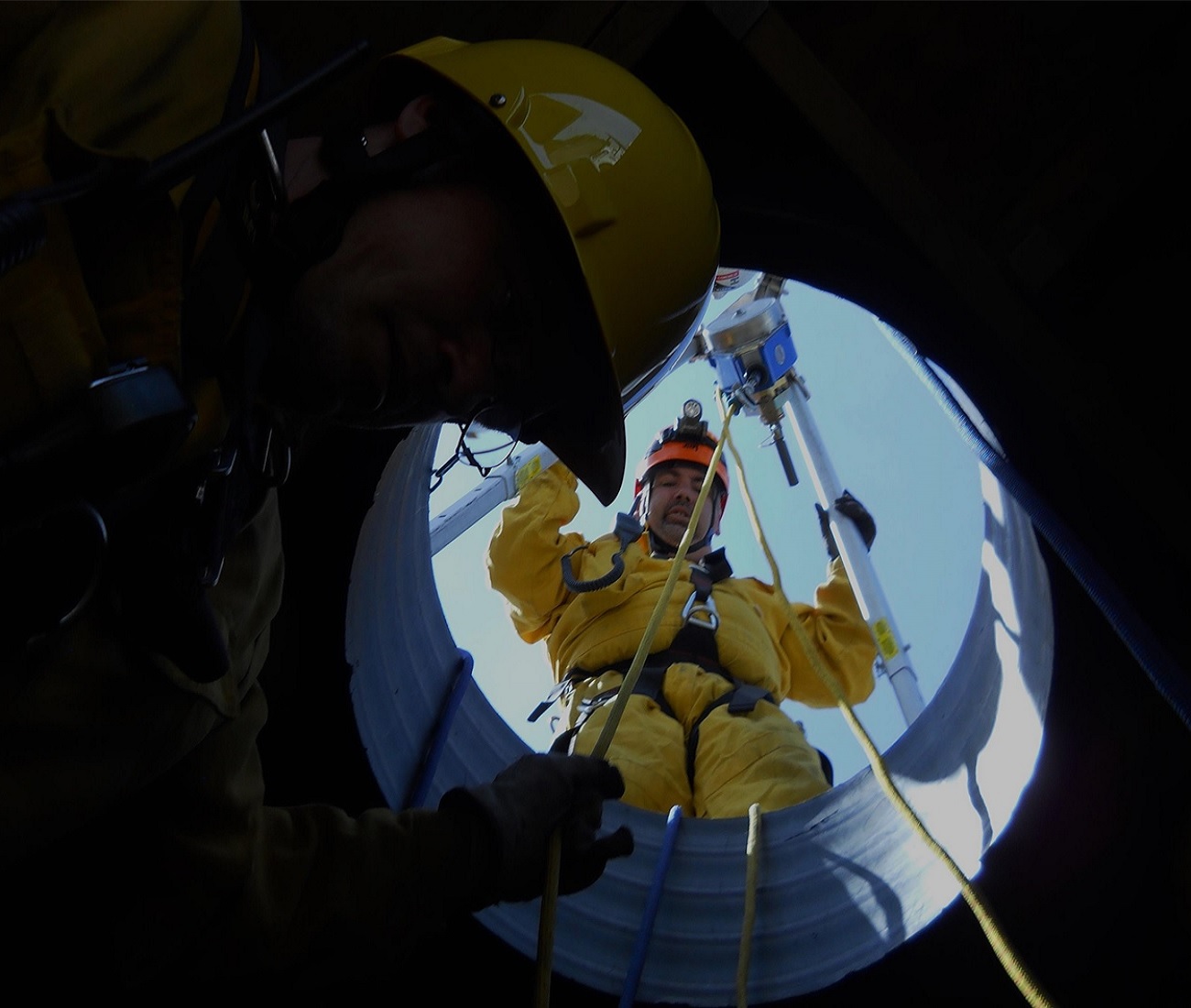
Confined spaces are notorious for hazards, often hidden that you can’t see or smell. Too many times when a hazard in a confined space is recognized it is too late for the entrants in the space to save themselves. Here are six hazardous and deadly confined space situations.

Working in a confined space is one of the most dangerous of all workplace hazards. In fact, it’s been calculated that working in a confined space is 150 times more dangerous than doing the same job outside of the space. While this Workplan is geared toward compliance remember, compliance is often only the minimum set of requirements for safety.
Multiple-fatality confined space incidents are far too common as untrained and unprotected would-be rescuers attempt to save their co-workers and others who have fallen victim to the dangers of confined spaces.
Are your workers in danger of becoming a statistic? Thousands of people are blinded each year from work-related eye injuries that could have been prevented with the proper selection and use of eye and face protection. Personal protective equipment (PPE) for the eyes and face is designed to prevent or lessen the severity of injuries to workers. But, to be effective you must first know what hazards your workers are exposed to by doing a hazard assessment.
Let’s get serious about confined space safety. Confined spaces can be seriously dangerous and are the leading cause of multiple fatalities in the workplace. Here’s why… A confined space has limited openings for entry or exit, is large enough for entering and working, but is not designed for continuous worker occupancy.

The use of proper eye and face protection, such as safety glasses, goggles, face shields and helmets can prevent countless eye injuries. This Workplan focuses on implementing an Eye and Face PPE program but can easily be modified to include all PPE.
On November 9, 2018 OSHA published a Final Rule amending the requirements for crane and derrick operator training, certification, and employer evaluation (29 CFR 1926 Subpart CC). The evaluation and documentation requirements become effective on February 7, 2019. Here’s what you need to know.
Use this checklist from the Electronic Library of Construction Occupational Safety and Health (eLCOSH) to ensure that you’ve taken all reasonable steps to protect your workers from the hazard of cold stress. If you identify any gaps in your protections while completing the checklist, make sure that you address them. Adapt it to meet your specific needs.
To best way to prepare your workers for working in cold environments (indoor and outdoor) it’s helpful for you to understand how cold conditions can affect them.

A first aid program is required for most employers in the U.S. and Canada. The program should be based on the hazards, risks, and proximity to medical services of an individual site, however there are several elements that every program should include.

Training your first aid attendants and first responders is a required part of every first aid program. But do you know what exactly should be covered or what training methods to use? Hazards are present at all worksites, from offices to mines. So too are the chances of injuries and illnesses. Sudden cardiac arrest, severe bleeding, shock, a near-drowning, or lack of oxygen during confined space work are all life-threatening emergencies. Without prompt and properly performed first aid a victim of any of these situations will very likely die or be permanently disabled while waiting for emergency services to arrive and begin care.

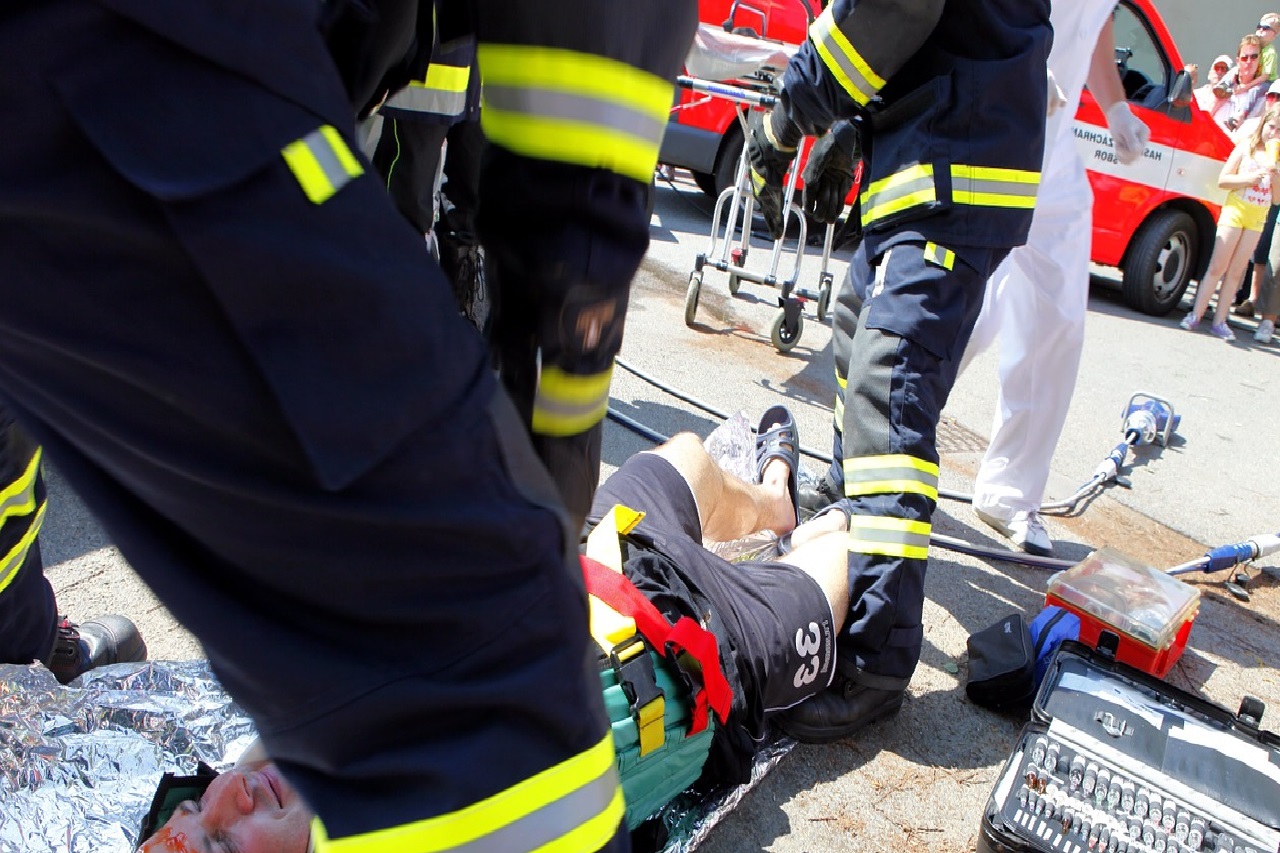
Timely first aid saves lives. As these four fatal incidents show, accidents at work vary greatly in type, cause, and location. The common thread between them is the chance that first aid might have made a difference in how these workers’ stories ended.

Here are 8 crucial skills supervisors need to have.

Want to see a higher rate of retention and return on investment in your training program? Keep these characteristics in mind when it comes to adult learning.

The only thing you can count on in today’s workplace is change. Just when you get accustomed to one way of doing things, a new plan comes along.