

Fines Levied in Child Labor
A blueberry farm in New Jersey, its owners and a [...]
A blueberry farm in New Jersey, its owners and a [...]

A worker who was loading an all-terrain vehicle (ATV) onto [...]
Six traffic safety statistics that may shock you. Odds of [...]
This program helps employees comply with DOT regulations relating to securing loads on tractor trailers. Topics include: different types of trucks and associated loading requirements, load securement procedures, number of straps needed for different loads, working load limits and other related safety information.
(11 Min)
Remind workers about the dangers of texting and driving with this safety video featuring personal stories and interviews from drivers that have experienced first-hand the fall-out from texting and driving.
(20 Minutes)
This video is designed for parents and teachers of small children who ride school bus or other transportation vehicles. Topics covered in this safety video include: Safe and danger zones, basic safety tips, on the bus safety, and crossing in front of the bus.
(12 Minutes)
A true story of what happened when Bob drank a few beers at a party and decided to drive home...a young girl dead, his wife paralyzed and Bob in jail.
(20 Minutes)
This gripping story revolves around the fact that every 15 minutes a death occurs from drunk driving. Viewers will have the chance to see the overall effect on families and friends of victims.
(15 Minutes)
This short yet powerful video recounts the tragic true story of 20-year-old Phil Cummings, who was killed by an alcohol-impaired driver.
(7 Minutes)
This video is a general overview of the Federal Motor Carrier Safety Administration's (FMCSA) Alcohol and Drug Testing Rules for persons required to obtain a Commercial Drivers License (CDL).
In today’s busy world, distractions are everywhere, especially behind the wheel. Phones, ipods, texting, talking, you name it, they’re all distractions. The tempatation to use these devices behind the wheel is very real.
(13 minutes)
Backing, parking and driving in intersections are three extremely vulnerable moments for a driver that all require the proper knowledge, skill and attention. This presentation will show how to prevent the usual hazards that pres¬ent themselves when backing, parking and at intersections. Instruction will be provided on minimizing distractions, handling blind spots and preventing accidents through proper vehicle operation and awareness.
(18 minutes)
Two professional drivers demonstrate the difference between defensive driving and aggressive driving as they participate in a safe driving test.
(15 minutes)

Odds of winning the lottery: 1 in 135,145,920 (multi-state, mega-millions [...]

Here are six useful facts about transportation safety. Odds of [...]
Reverse can be more dangerous than forward. Backing up causes many damaging collisions as well as fatal accidents, particularly ones involving pedestrians. Think ahead and try to avoid many backing-up situations. Before you park, enter
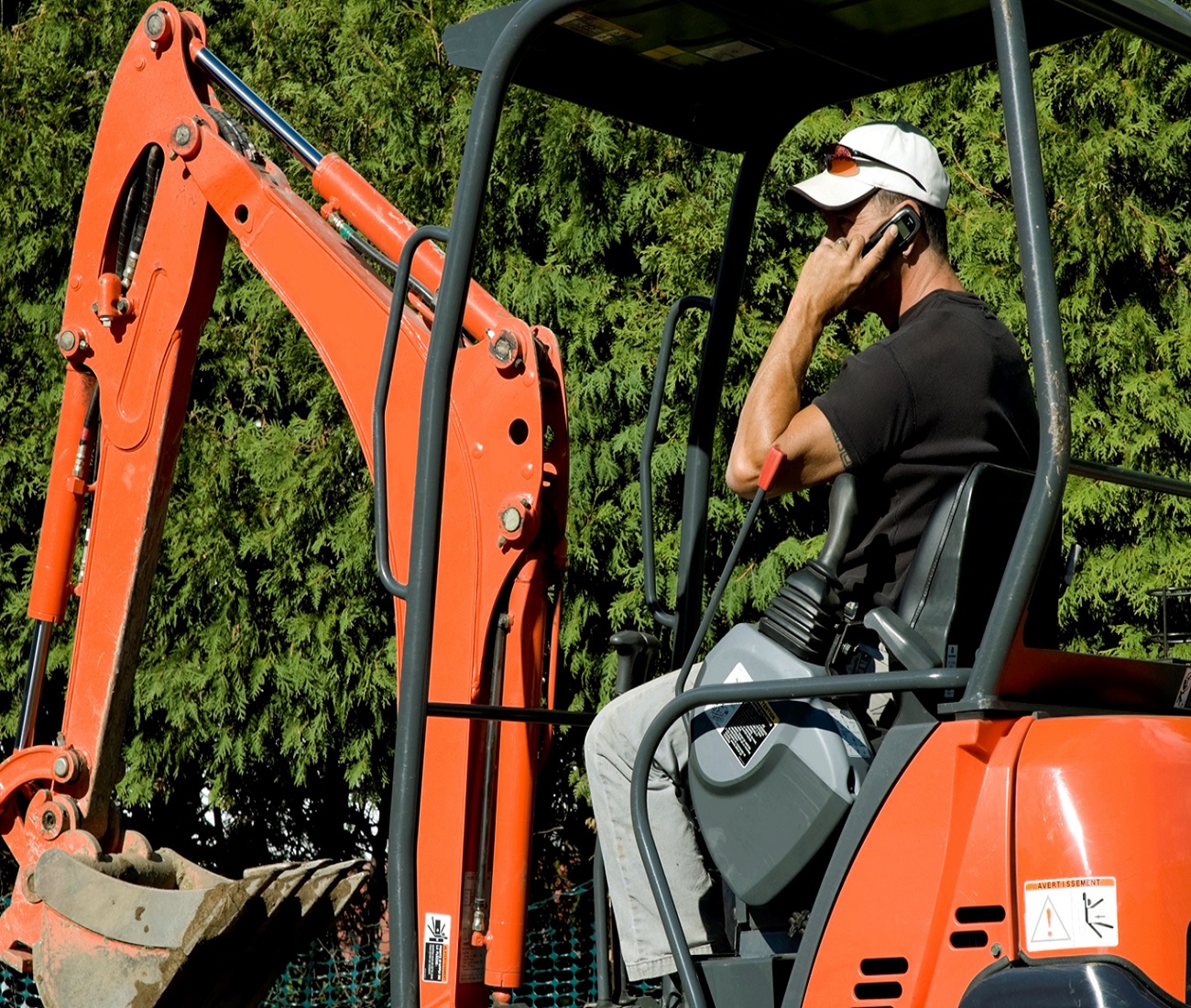
We all know about the dangers of using a cell phone while driving. But if you think driving a car while talking on a cell phone is dangerous, imagine the hazards of operating a forklift, working on an assembly line or performing other safety-sensitive jobs while chatting away on a cell phone.
Keep control of your emotions when you drive. Take a few deep breaths, check your speedometer and slow down mentally and physically if necessary. Allow enough time to get to your destination, taking into account
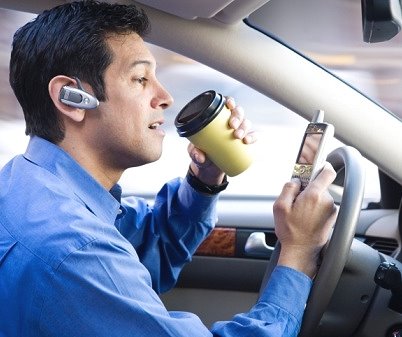
Distracted driving is a factor in approximately four million crashes in North America each year. Read this Safety Talk and learn what the Canadian and American Automobile Associations (CAA and AAA) have identified as the most deadly driving distractions.
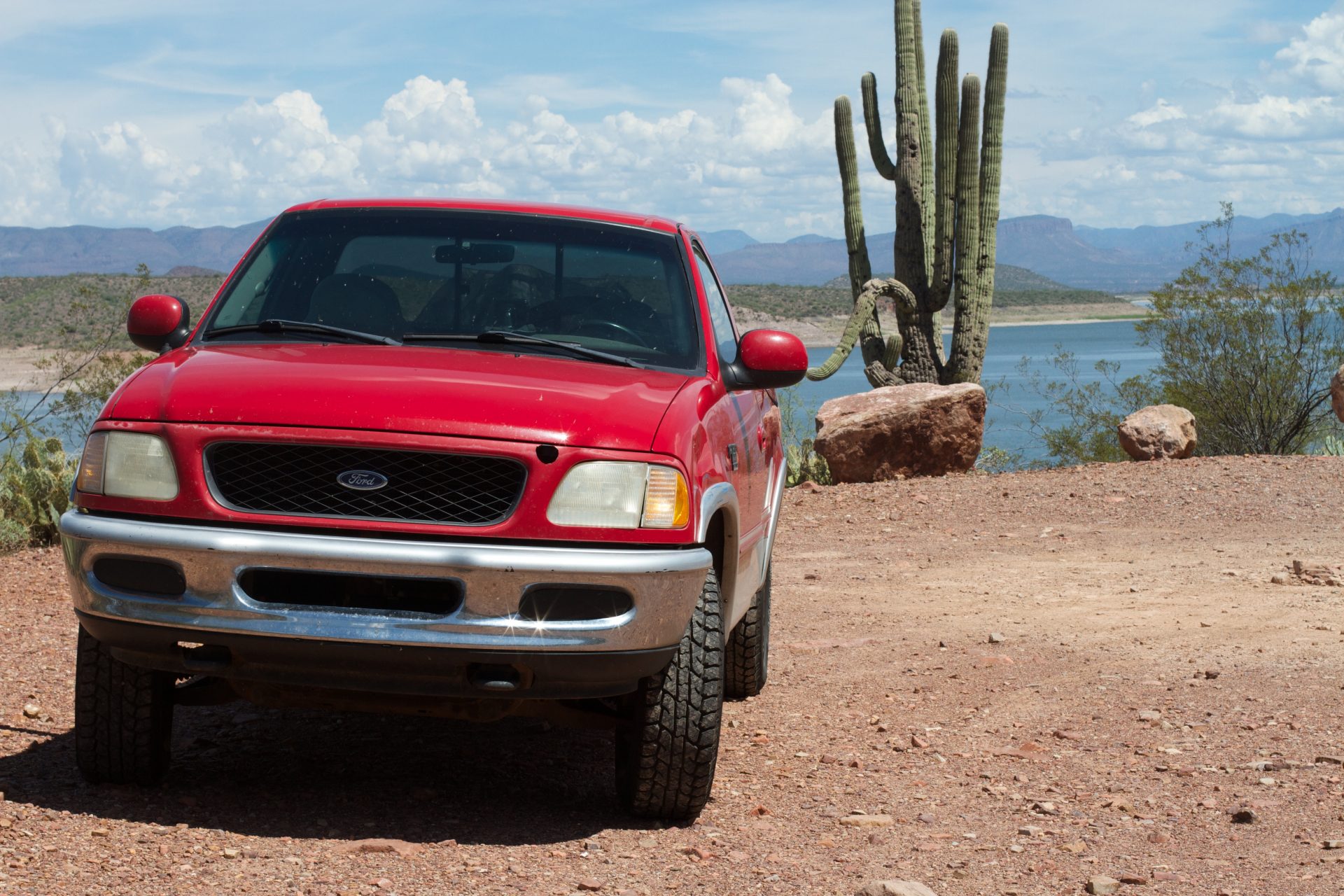
All drivers need to watch out for small vehicles on the road – the compact car hiding in the truck driver's blind spot, the bicycle courier passing on the right side at an intersection and the oncoming motorcycle.
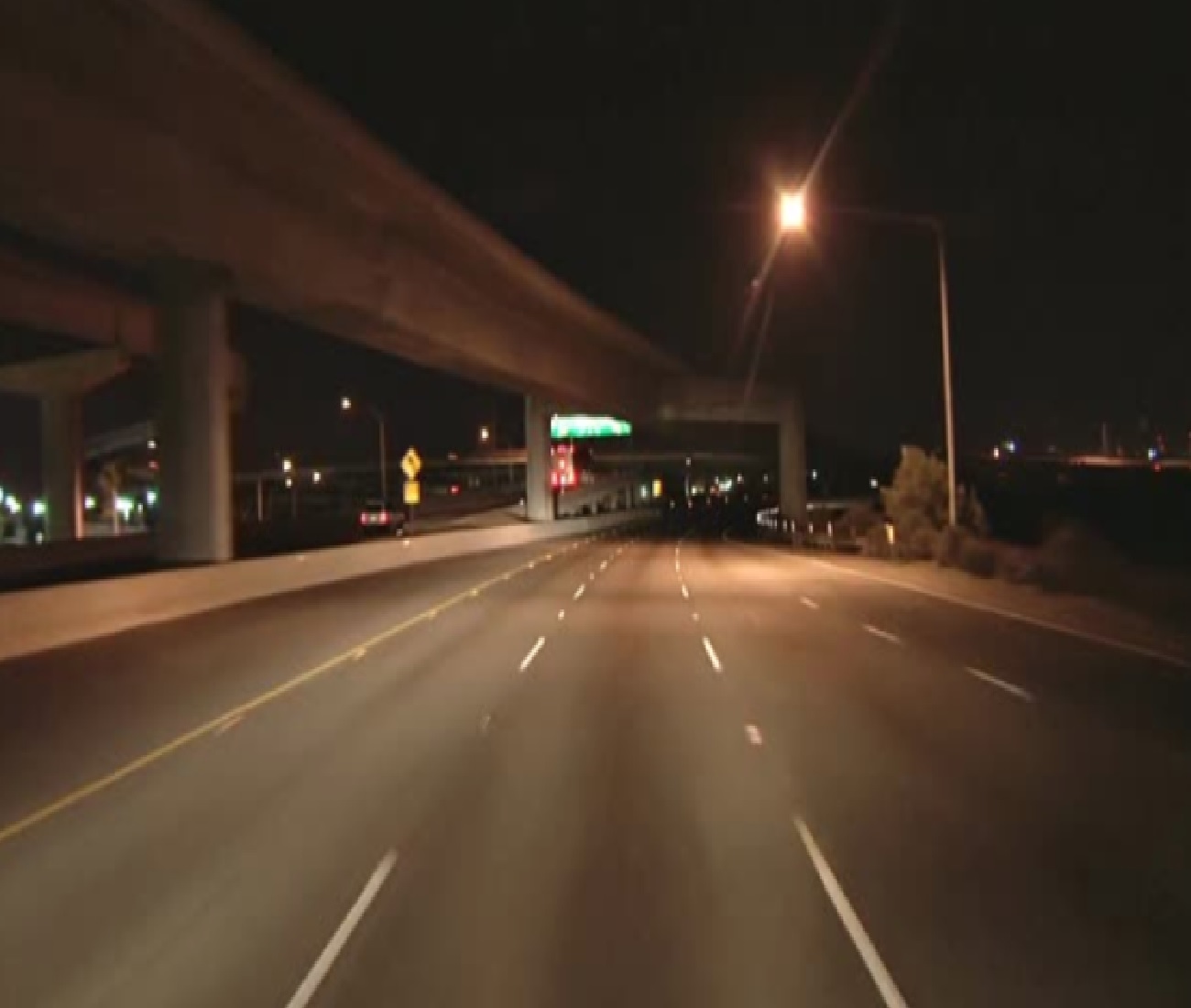
Most motor vehicle fatalities happen after dark, even though we drive less at night than in the daytime.
We’ve all seen one - or been one. We’re talking about that distracted driver, one hand on the steering wheel and the other on the phone, with the job of driving safely clearly far from his mind. Cell phone use has escalated considerably in the past decade. So has the number of phone-related traffic fatalities and the number of jurisdictions enacting laws that prohibit or restrict cell phone use. Many companies are following suit by introducing policies that prohibit or limit a worker’s cell phone use while driving.
What we call black ice is sleet or rain or melted snow that freezes as a sheet and is not visible as ice. The road looks the same as it always does, which is why
Operating a vehicle in reverse puts you at a disadvantage. It's difficult to see all the obstacles in your way. And because the driver seating and controls are designed primarily for forward travel, it's hard to respond quickly enough to changing traffic situations. According to the National Safety Council, one in four motor vehicle accidents can be attributed to poor backing techniques.
Once the snow starts to fall, our driving skills are pushed to the limit. Do you know how to drive properly in winter conditions? A few moments spent thinking about it now could save you from problems later when you’re out on the road.
Since it's your first time, you may want to checkout some of the video tutorials.











 800-ICW-SAFETY (800.429.7233)
 SAFETYOnDemand@icwgroup.com