
By the Numbers: Sexual Harassment
DID YOU KNOW? Awareness of Sexual Harassment in the Workplace [...]

DID YOU KNOW? Awareness of Sexual Harassment in the Workplace [...]
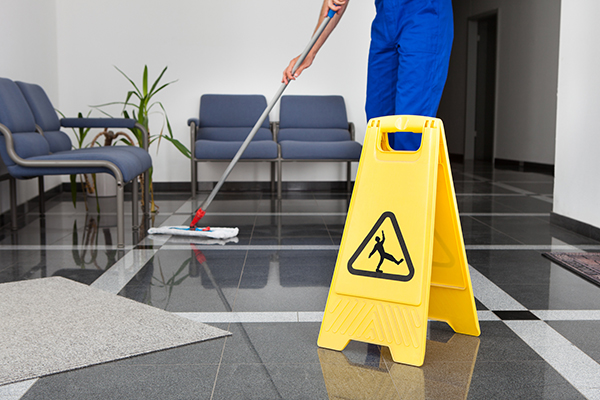
DID YOU KNOW? The third leading cause of unintentional injury-related [...]
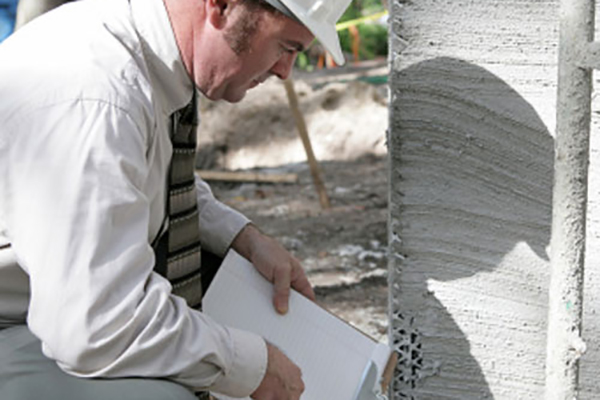
DID YOU KNOW? The lead role in the U.S. to [...]

Lockout /tagout is an important safety measure to ensure that [...]
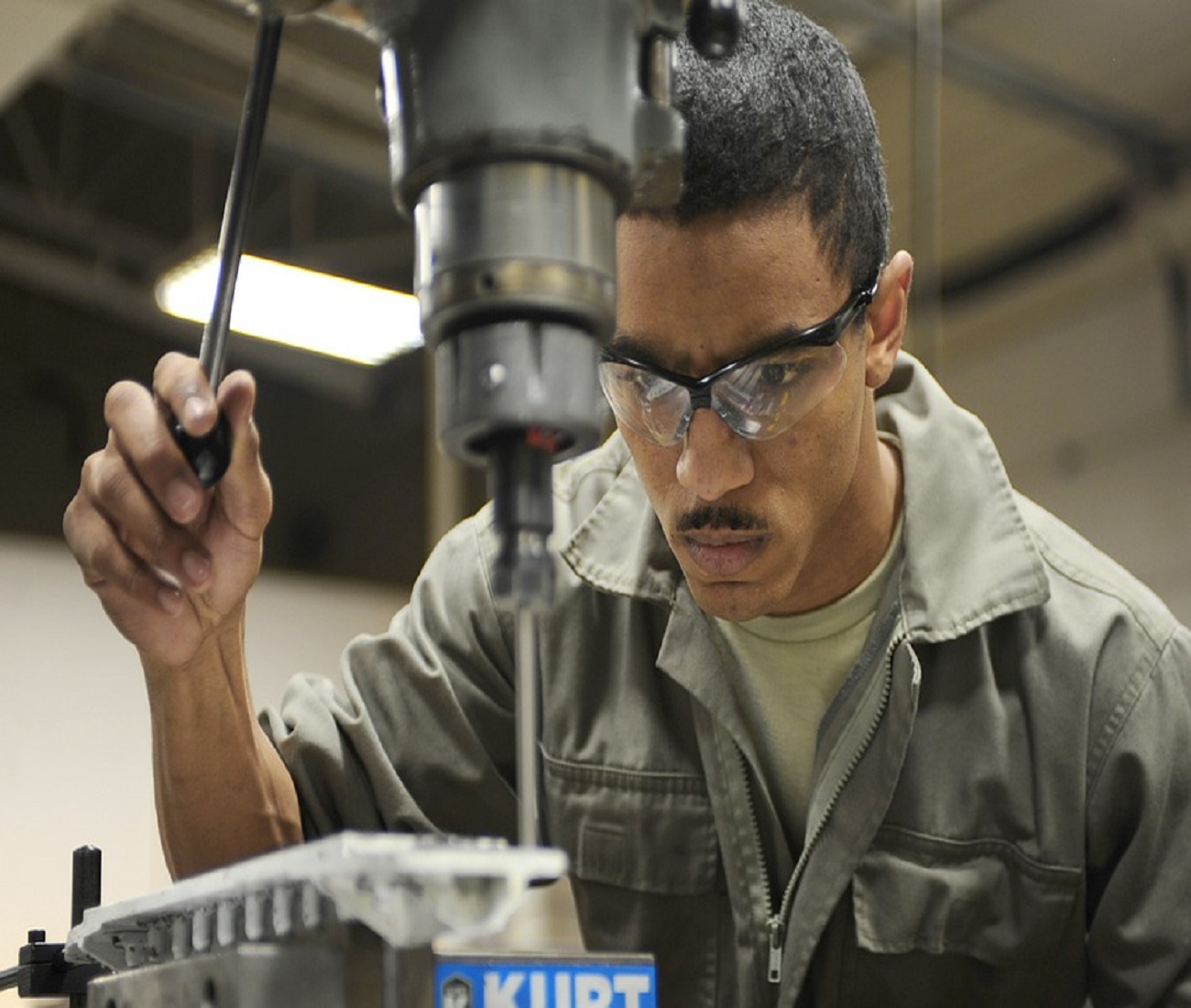
Across North America, more than 18,000 amputations, lacerations, crushing injuries, abrasions, and over 800 deaths per year result from machines and equipment that were not properly guarded.
Crane accidents are one of the leading causes of construction workers’ deaths. Are you protecting your workers, bystanders, equipment and property from these six types of crane accidents?
A construction site is a noisy place, meaning construction workers [...]
Do you know your legal duties when it comes to [...]
Date: January 15, 2020 Time: 9-10AM PST Speakers: Rick Tobin [...]
Our certified safety trainers and OHS lawyers have selected the [...]
Want to go beyond the basics of online safety training? [...]

Sexual Harassment is a form of unlawful discrimination under state [...]

Learning Objectives Recognize what constitutes sexual harassment, its negative impacts, [...]

This video is the perfect way to introduce new employees to general occupational hazards to which they may be exposed and to re-train experienced workers. Program includes basic safety rules, electrical hazards, powered equipment and machinery, back injury prevention, fire protection and more.
This video is the perfect way to introduce new employees to general occupational hazards to which they may be exposed and to re-train experienced workers. Program includes basic safety rules, electrical hazards, powered equipment and machinery, back injury prevention, fire protection and more.
This video is the perfect way to introduce new employees to general occupational hazards to which they may be exposed and to re-train experienced workers. Program includes basic safety rules, electrical hazards, powered equipment and machinery, back injury prevention, fire protection and more.

This video is the perfect way to introduce new employees to general occupational hazards to which they may be exposed and to re-train experienced workers. Program includes basic safety rules, electrical hazards, powered equipment and machinery, back injury prevention, fire protection and more.
This video is the perfect way to introduce new employees to general occupational hazards to which they may be exposed and to re-train experienced workers. Program includes basic safety rules, electrical hazards, powered equipment and machinery, back injury prevention, fire protection and more.

This video is the perfect way to introduce new employees to general occupational hazards to which they may be exposed and to re-train experienced workers. Program includes basic safety rules, electrical hazards, powered equipment and machinery, back injury prevention, fire protection and more.
This video is the perfect way to introduce new employees to general occupational hazards to which they may be exposed and to re-train experienced workers. Program includes basic safety rules, electrical hazards, powered equipment and machinery, back injury prevention, fire protection and more.
This video is the perfect way to introduce new employees to general occupational hazards to which they may be exposed and to re-train experienced workers. Program includes basic safety rules, electrical hazards, powered equipment and machinery, back injury prevention, fire protection and more.

This video is the perfect way to introduce new employees to general occupational hazards to which they may be exposed and to re-train experienced workers. Program includes basic safety rules, electrical hazards, powered equipment and machinery, back injury prevention, fire protection and more.
This video is the perfect way to introduce new employees to general occupational hazards to which they may be exposed and to re-train experienced workers. Program includes basic safety rules, electrical hazards, powered equipment and machinery, back injury prevention, fire protection and more.

This video is the perfect way to introduce new employees to general occupational hazards to which they may be exposed and to re-train experienced workers. Program includes basic safety rules, electrical hazards, powered equipment and machinery, back injury prevention, fire protection and more.

This video is the perfect way to introduce new employees to general occupational hazards to which they may be exposed and to re-train experienced workers. Program includes basic safety rules, electrical hazards, powered equipment and machinery, back injury prevention, fire protection and more.
Since it's your first time, you may want to checkout some of the video tutorials.


 800-ICW-SAFETY (800.429.7233)
 SAFETYOnDemand@icwgroup.com