
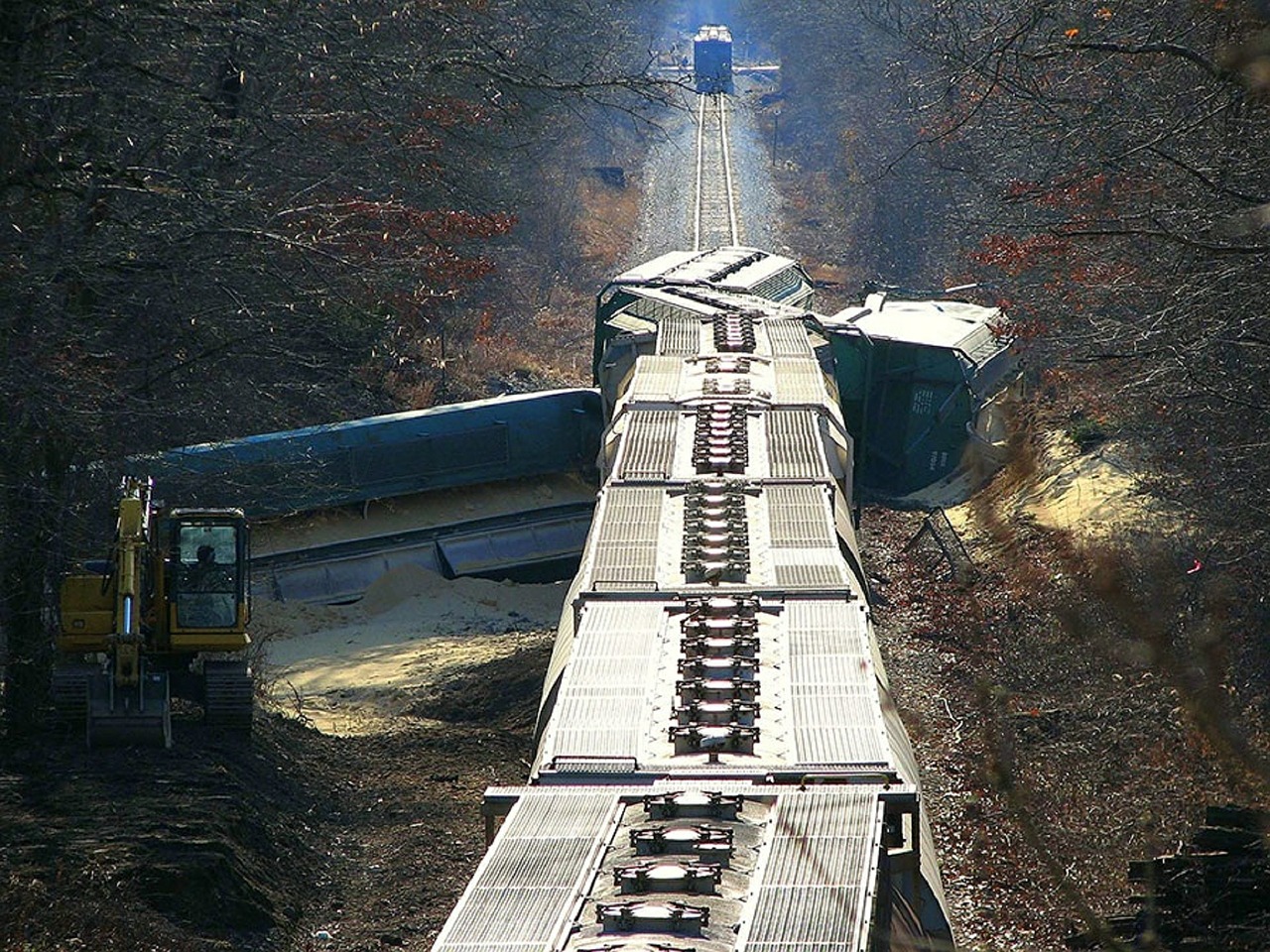
Train Derailment – Focus on the WHY and not the WHO
Looking deeper to uncover the causes for a tragic and deadly train derailment.
Looking deeper to uncover the causes for a tragic and deadly train derailment.

Unsafe working conditions and unsafe work practices lead to a staggering number of workplace and work-related injuries, illnesses, and deaths.

Seventy-five percent of all accidents are preceded by one or more near misses, according to the National Safety Council. So, if you’re trying to reduce the number of injuries and incidents with property damage and other incident-related loss, it makes sense to measure and manage your near misses.

Flammable and combustible liquids can create a fire and explosion risk. Fortunately, most of the risk can be eliminated through careful use, storage, and disposal. This Workplan sets out a strategy you can implement over a 30-day period (and beyond) to prevent flammable and combustible liquid fires, fatalities, injuries and costly citations.
When someone is choking with a completely blocked airway, no oxygen can enter the lungs. The brain is extremely sensitive to a lack of oxygen and begins to die within four to six minutes. Irreversible brain death occurs in as little as 10 minutes.

Workplace fire safety is about preventing fires from starting —but also vital is dealing with a fire when it does start. If fire breaks out in your workplace, do your workers know what to do?
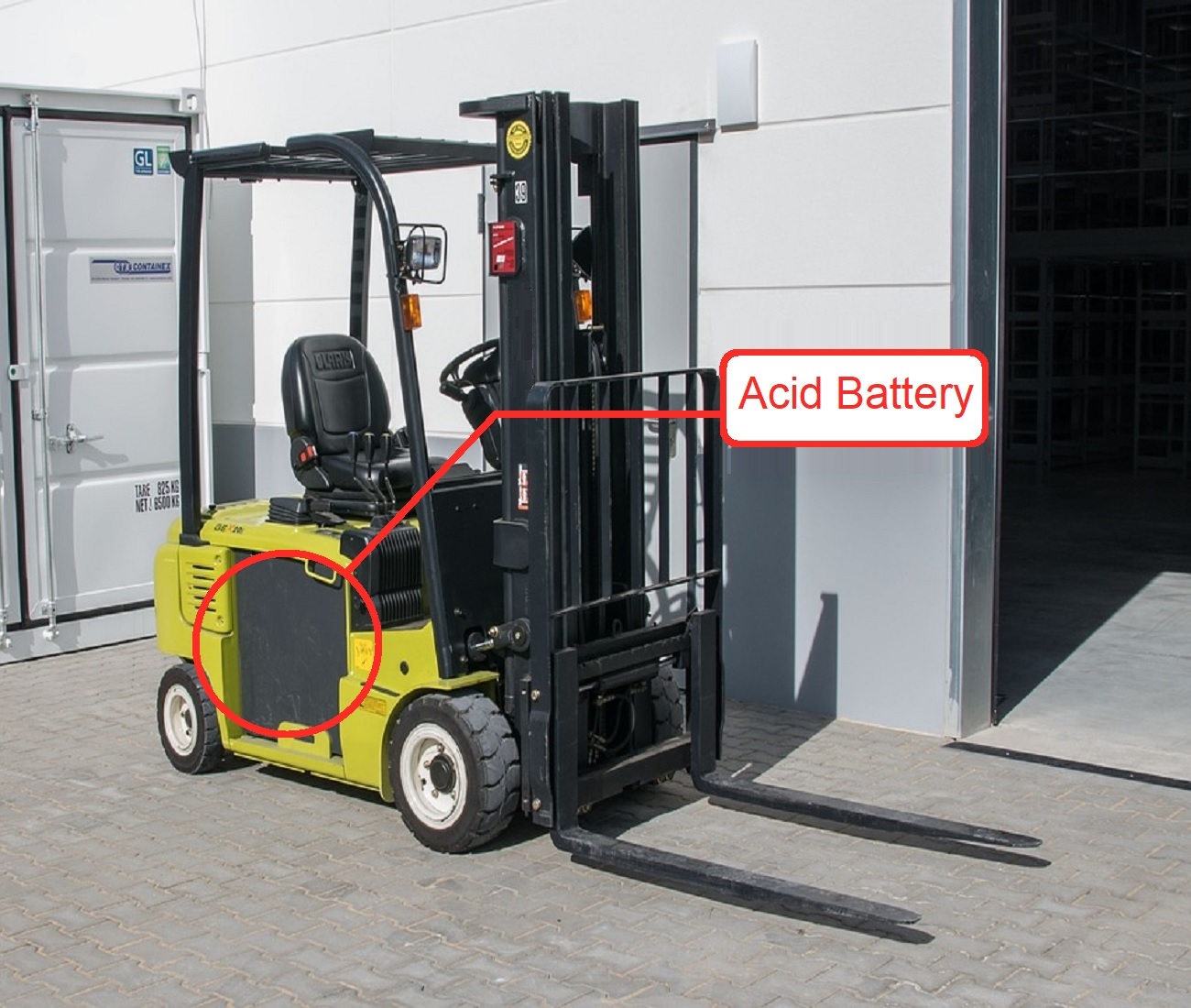
These are sample emergency procedures for acid splashes and spills.

As a host employer you may find yourself responsible for the safety and health of your workers, temporary workers provided by staffing agencies, and workers employed by other contractors or subcontractors. This can create several challenges and hazards for you and your workers, and contractors and their employees.
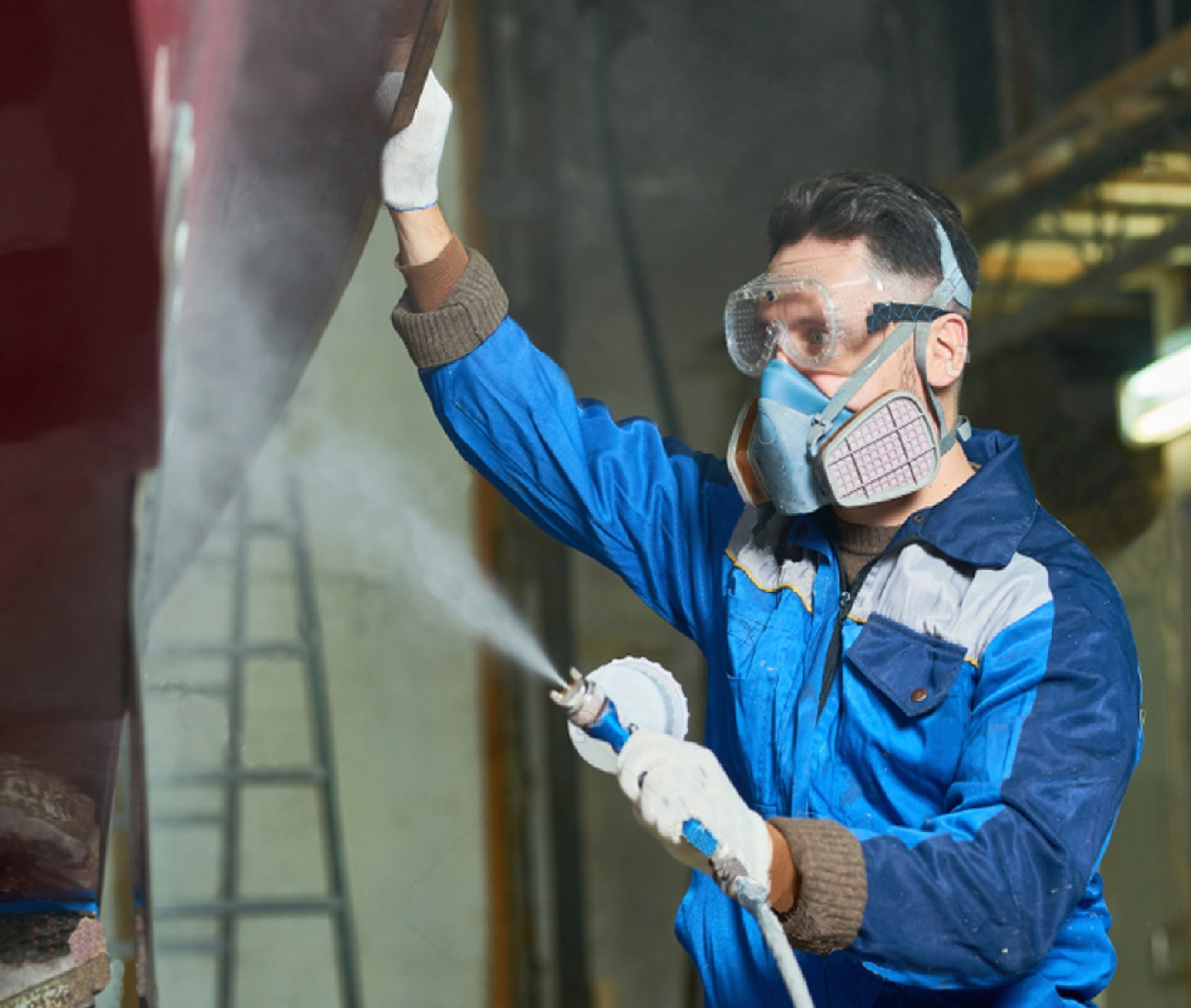
Your workers are about to enter a storage bin to perform cleaning operations. The bin is a permit confined space; and since it has an IDLH (immediately dangerous to life and health) atmosphere, workers must use a respirator to do the work.
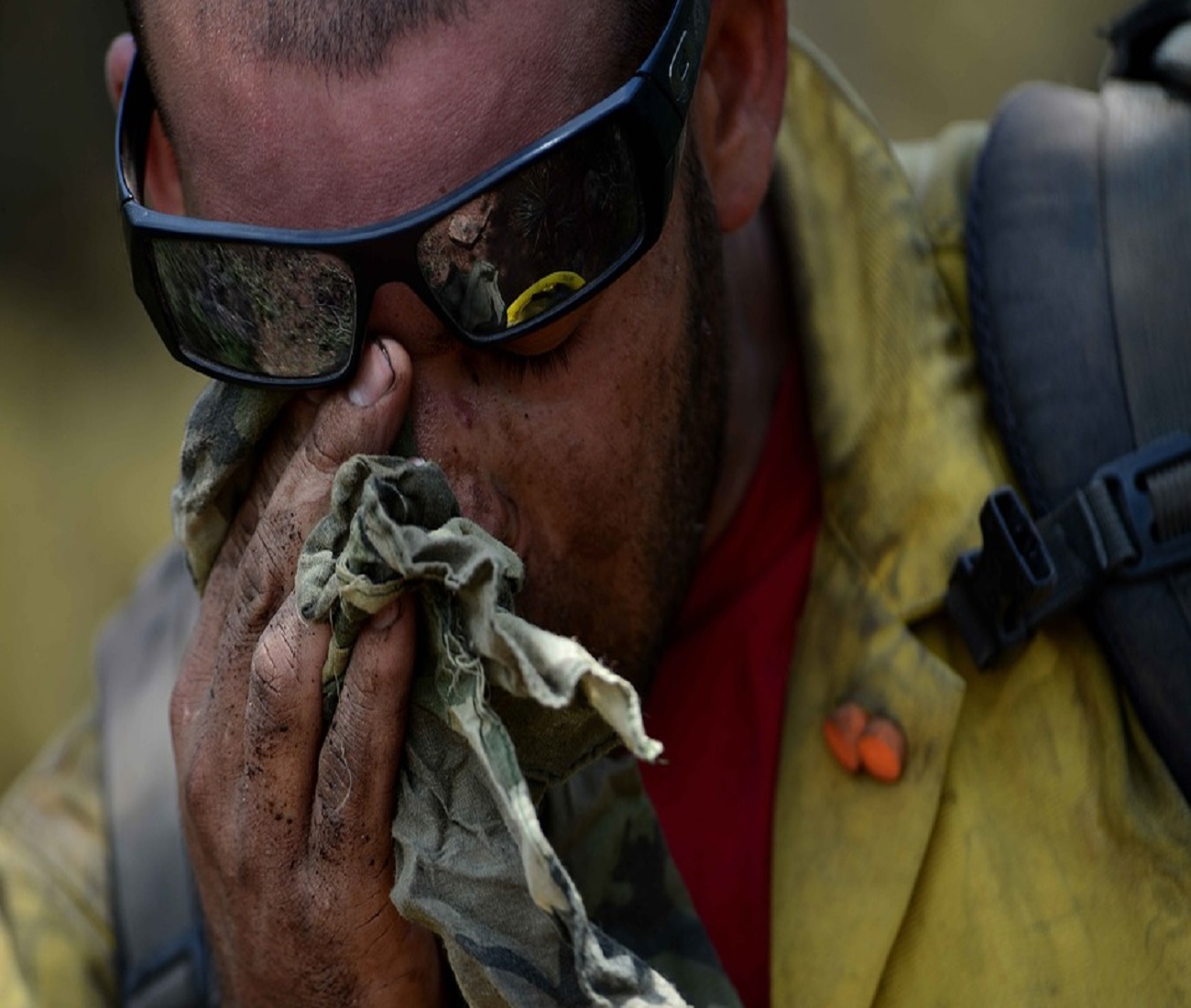
There are many misconceptions about heat stress, heat illnesses, and what a person should do when they are required to work hard in a hot environment. Be in the know so you can separate fact from fiction.
Understanding what respirators must be fit tested and the different fit testing methods is something supervisors and respirator wearers should be familiar with.
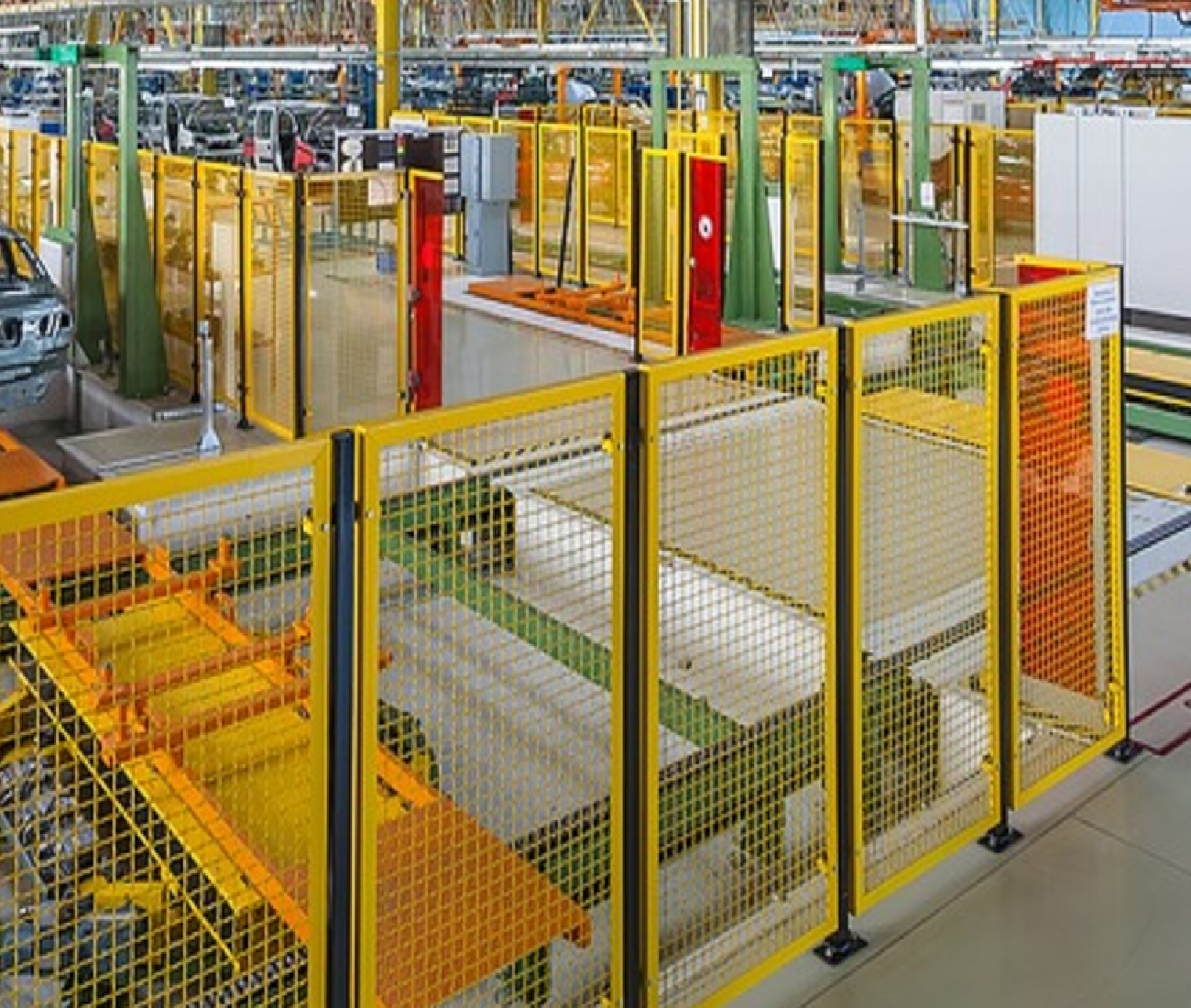
Use this chart as a quick reference on the pros and cons (limitations) for common machine safeguards.
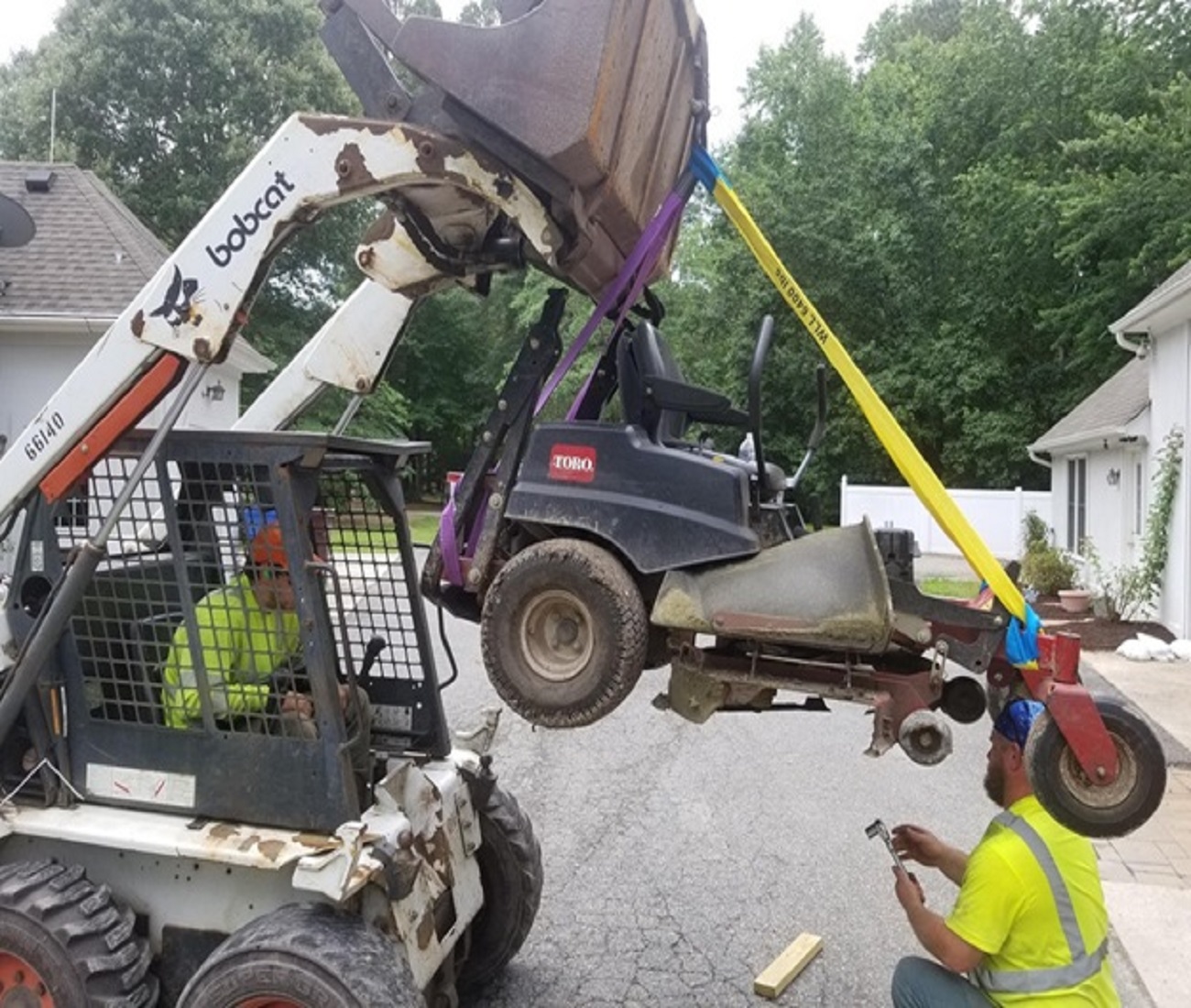
You probably already know that you should never put yourself under a suspended load. Never. It’s not safe. There are simply too many things that could go wrong.
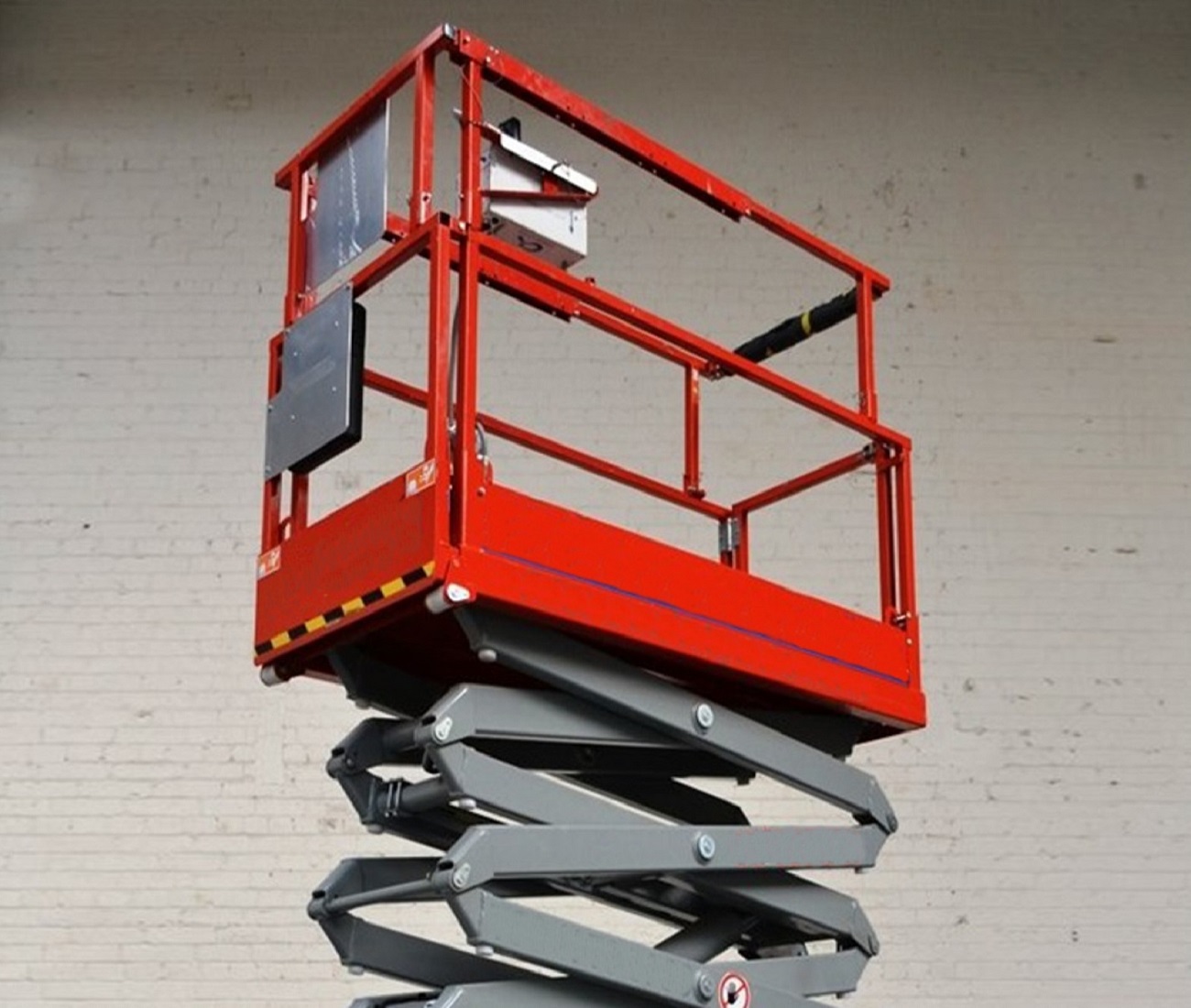
A 27-year-old male employee was fatally injured when he was crushed between the railing of a scissor lift and a mezzanine outer support beam while installing insulation on duct work.

Use this chart as a reference to help you identify common struck-by/caught-between hazards and ways to protect your workers against them and in some cases, eliminate the hazard altogether.
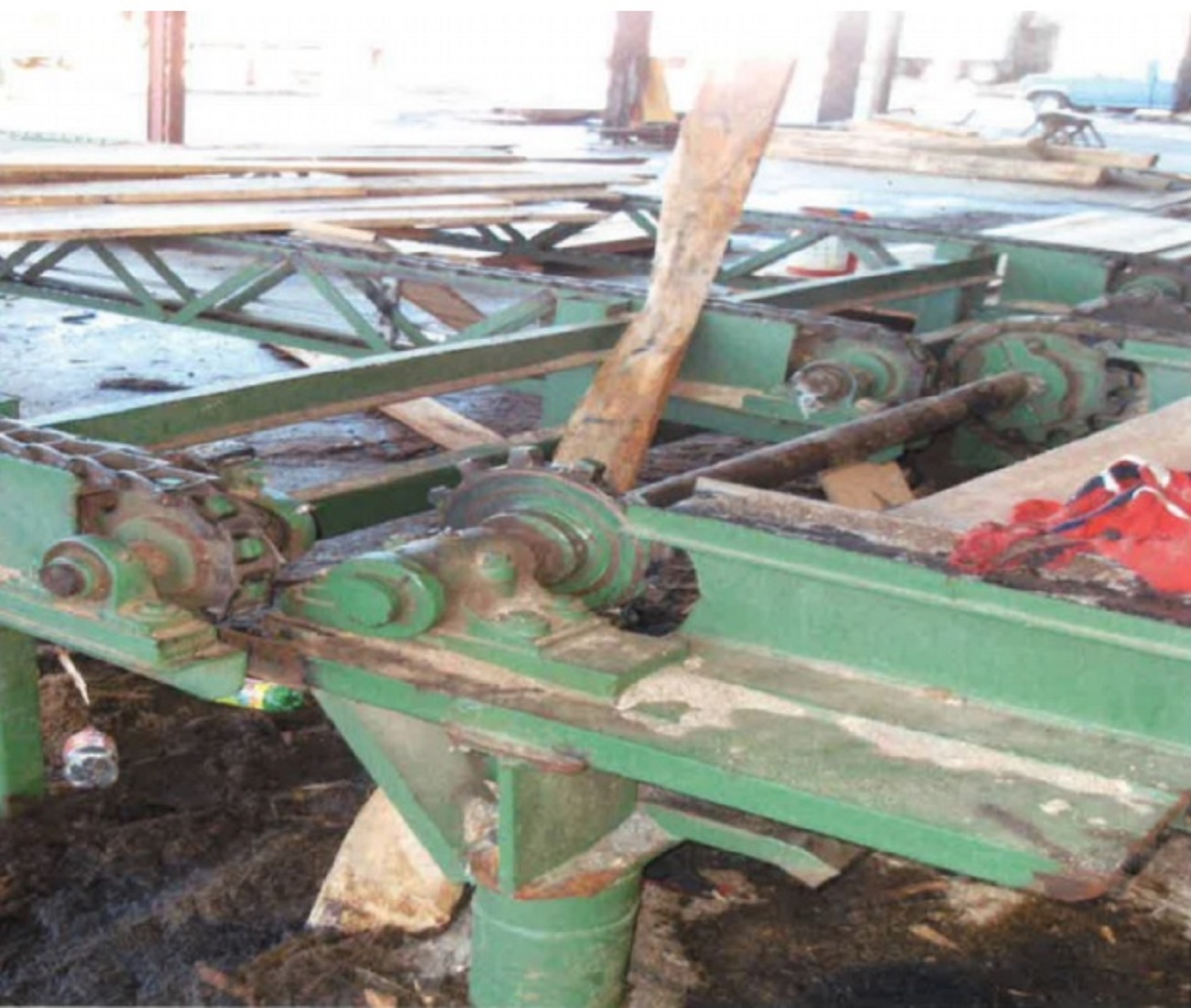
Rotating parts, moving belts, points of operation, and other similar machine hazards must be guarded to protect workers from injury, amputation, and death.
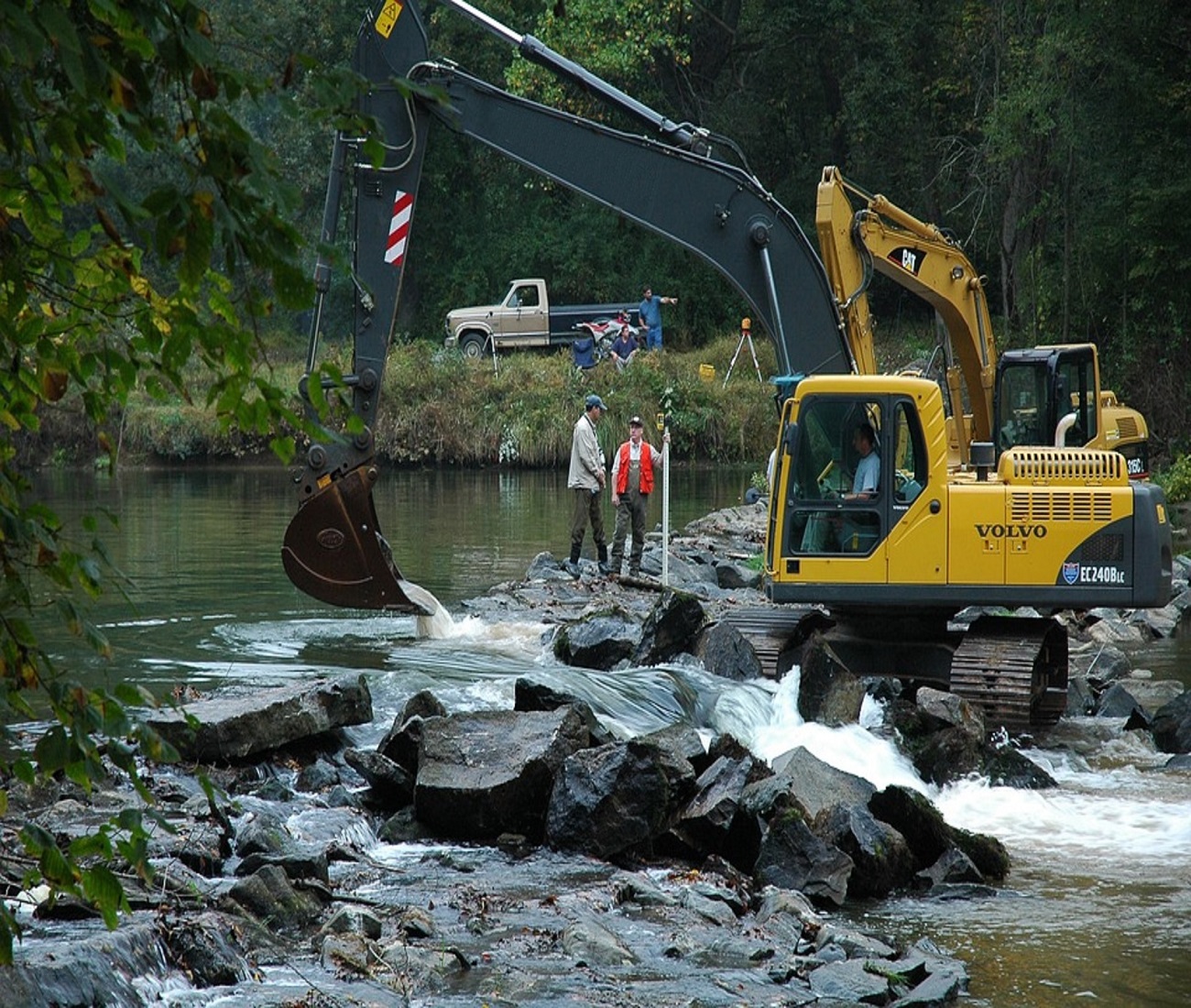
The prevention of struck-by and caught-between related hazards and injuries is a primary focus of OHS/OSHA inspectors. Here’s how you can help your organization protect workers and keep them safe on the job.
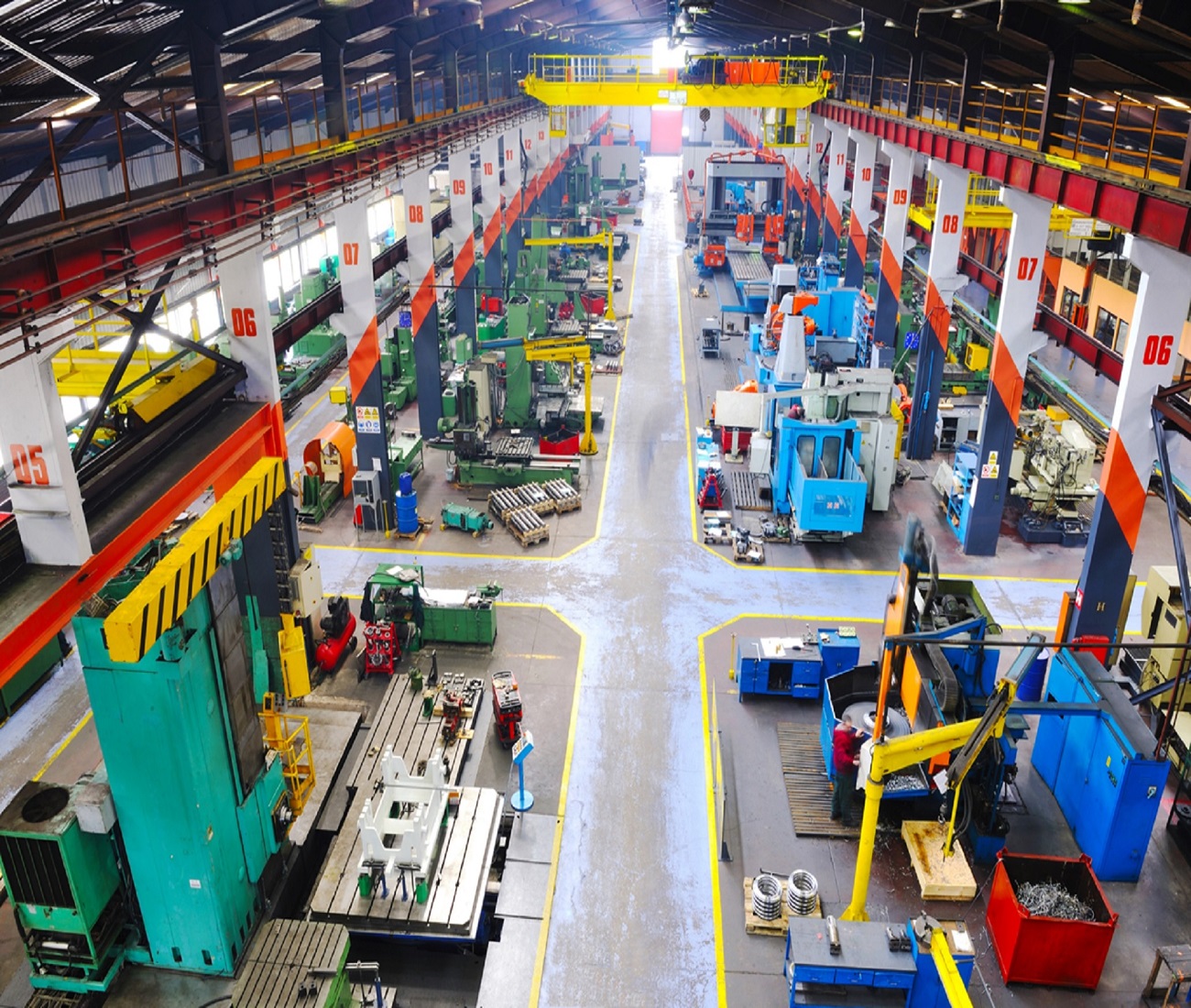
Here’s a look at what machine guards are all about and the key role supervisors play in implementing and enforcing a company’s machine guarding program.
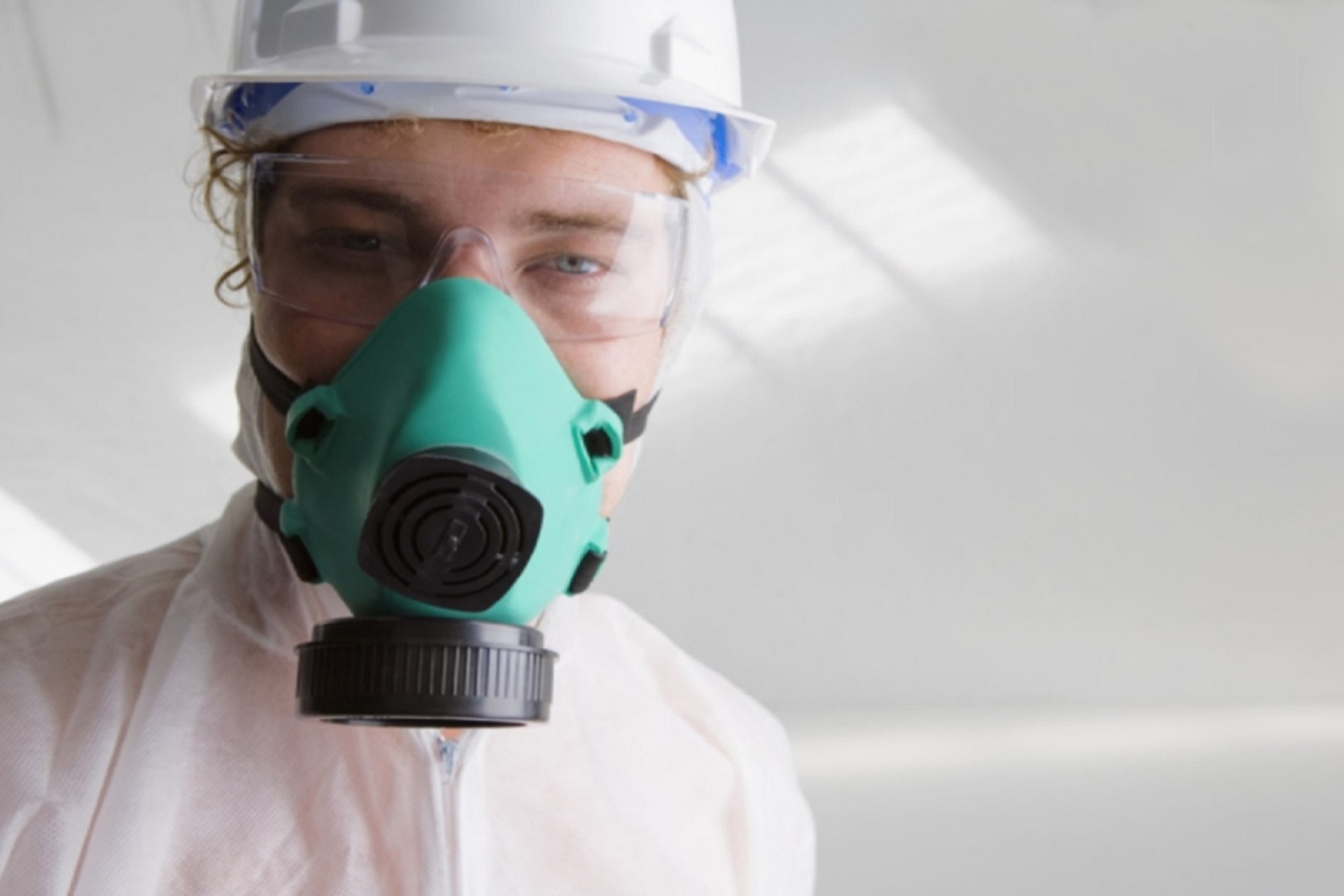
Respirators are a must for work in environments with low oxygen levels or harmful debris, fumes, gases, or vapors. Share these seven tips with your workers.
According to Gallup, only one in three employees are engaged at work. Because engagement impacts productivity, happiness and job satisfaction, it’s time employees and employers across North America stepped up to the plate – the lunch plate that is.
Chances are you, or someone you know, has been touched [...]
Remind workers of ways to prevent these types of injuries and deaths: Service equipment following manufacturer’s instructions. Only use equipment when manufacturer’s guards or an adequate replacement guard is in place and operational. Inspect all safety guards before operating equipment. Never remove machine guards while equipment is energized or can potentially become energized. Never alter machine guards without manufacturer’s approval. De-energize and lock-out equipment’s energy before removing guard to service equipment and always replace guards after servicing equipment. Don’t wear loose clothing or jewelry and keep hair tight.

Beat the Heat! TOP 5 SUMMER HAZARDS When summertime rolls [...]

From a moral and legal standpoint, it is simply unacceptable to ignore the issue of sexual harassment in the workplace.
Work-related stress has been around for as long as workplaces themselves. But recognition of stress as an occupational hazard is a product of modern times. Unfortunately, not all CEOs have gotten the message. As a safety director, you must persuade your CEO that stress really is a problem to take seriously.
Since it's your first time, you may want to checkout some of the video tutorials.







 800-ICW-SAFETY (800.429.7233)
 SAFETYOnDemand@icwgroup.com