

Droplet Precautions – Spanish
Las precauciones basadas en la transmisión contribuyen a evitar la [...]
Las precauciones basadas en la transmisión contribuyen a evitar la [...]

HAND PROTECTION Our hands help us to perform many tasks [...]
PROTECCIÓN DE LAS MANOS Nuestras manos nos ayudan a realizar [...]
The top four causes of construction fatalities are: Falls, Struck-By, [...]
LEY DE LA TARJETA DE MANIPULADOR DE ALIMENTOS DE CALIFORNIA [...]
CALIFORNIA FOOD HANDLER CARD LAW SB 602 requires workers to [...]
En esta sección se aborda el gas altamente tóxico y [...]
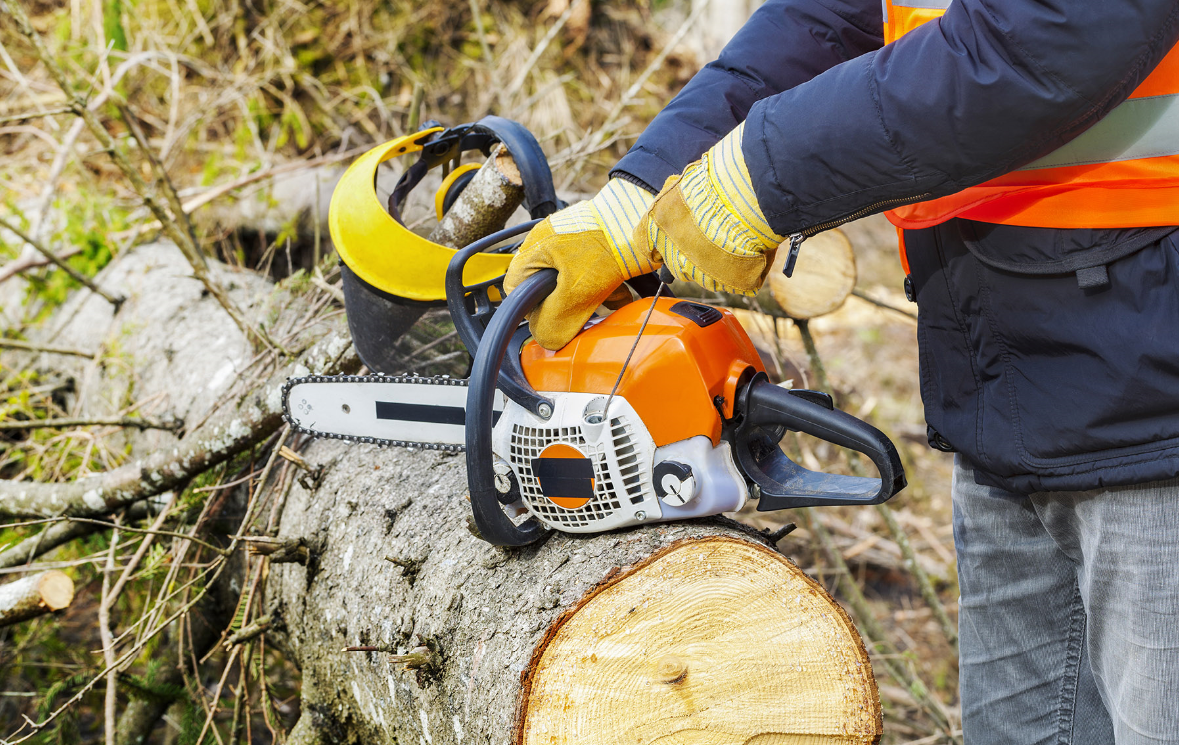
La motosierra eléctrica es la herramienta adecuada para el trabajo [...]
¿QUE ESTÁ EN RIESGO? ¿Sufre de agotamiento? ¿Puede reconocer los [...]
CONSTRUIR UNA CULTURA DE SEGURIDAD MIDIENDO LOS RESULTADOS Este deseo [...]
¡Vence al calor! LOS 5 PRINCIPALES PELIGROS DEL VERANO Cuando [...]
Pregunte al experto - sobre el estrés por calor, realidad [...]
Artículo - Cuatro Tipos de Participantes en la Reunión Puede [...]
4 Steps to Implementing a Safe Health Culture for Remote [...]
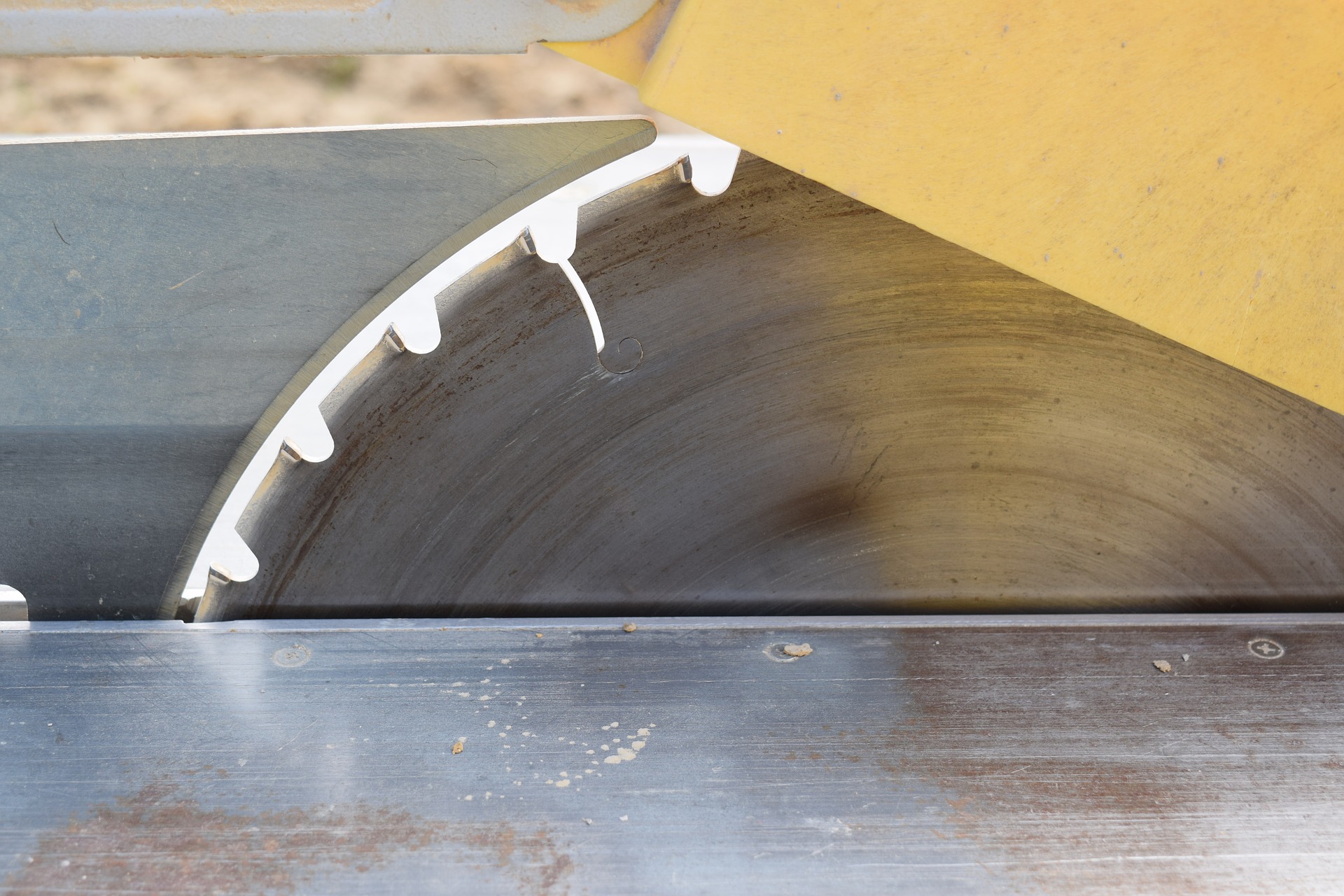
A table saw should be approached with a healthy level [...]

Workers sometimes take chances with ladders, failing to remove worn or damaged ladders from service. This could cause serious, even fatal, injury.
Heat and humidity, either courtesy of mother nature or from man-made equipment and environments are hard on workers. Working in hot environments can easily fatigue workers and quickly lead to serious heat-related illness if not properly managed.
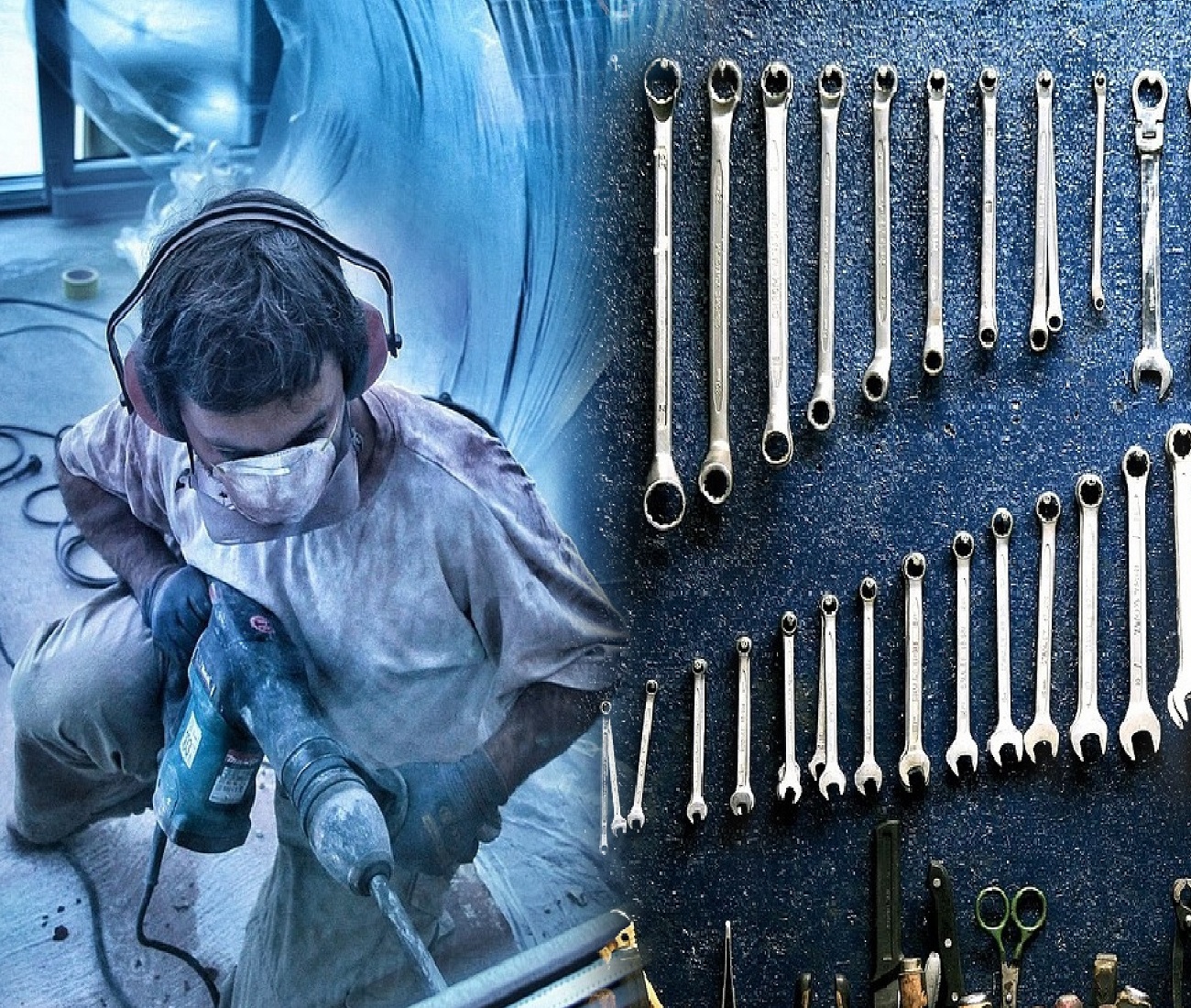
Using the wrong tool or using a tool incorrectly can cause debilitating ergonomic injuries. An increased risk of injury occurs when workers are frequently exposed to awkward postures, contact pressure, or a pinch grip. Over time, exposure to awkward postures or harmful contact pressures can contribute to an injury. Hand tools that fit a worker’s hands and the job they are doing can reduce the risk of injury. Here are 11 tips for hand tool selection to share with your employees.
Working outside in the heat exposes workers to the possibility of a heat-related illness. In fact, heat-related fatality cases show that with temperatures above just 70°F/21°C can present a heat hazard when work activities are at or above a moderate workload. Other hazards of working outside in the summer include exposure to Ultraviolet (UV) radiation, Lyme Disease/Tick-Borne Disease, West Nile Virus, and Poison-Ivy Related Plants.

Not sure where to start when it comes to creating a safety and health program? Or maybe you want to review and update your current program. In this series of articles, we will cover the four basic elements common to all good safety and health programs.
Cuts and other hand injuries to the hands are one of the most frequent and common injuries workers face. Hand injuries, including amputations, can keep workers away from the job for several days and can cost employers big money. But they are a preventable and avoidable risk to employees and cost to employers.
A NIOSH study has found a high rate of work-related injury and death in the motor vehicle towing industry. Workers in this field may assist individuals in emergency situations that present risks to the worker, such as traffic incidents requiring work on the side of highways or busy roads.
Here are 10 great tips for first-time supervisors from Sharlyn Lauby’s blog HR Bartender. Psst, here’s a secret – these tips are also great for any supervisor.
Energy control procedures (ECP) are required for any operations where unexpected energization, start up or release of stored energy could harm workers during the servicing or maintenance of machines and equipment.

Safety devices like barrier guards that are designed to keep workers away from operating machinery don’t do much good when machines are shut down for maintenance and repairs. The danger is that the machinery will start up while being serviced and crush, electrocute, burn and/or amputate the limbs of workers performing the servicing operations. These incidents are typically caused by the inadvertent and unforeseen release of energy left in the system. That’s why OHS laws require you not only to turn off the machine but ensure it’s isolated from its energy source before servicing it. The way to do this is by implementing what’s called a lockout/tagout (LOTO) program.
Since it's your first time, you may want to checkout some of the video tutorials.

















 800-ICW-SAFETY (800.429.7233)
 SAFETYOnDemand@icwgroup.com