
By the Numbers: Cold Stress
DID YOU KNOW? When working outdoors in cold weather or [...]

DID YOU KNOW? When working outdoors in cold weather or [...]
Key Takeaways: - Acknowledging safety requirements when setting up an [...]
Key Takeaways: - Recognizing safety requirements when setting up an [...]
Maintenance workers may be involved in new landscaping, plantings or playground equipment footings with the aid of a shovel or powered digging equipment. Digging also encompasses excavation and trenches.
What’s at stake is your life. Trenching and excavating involve serious hazards. If you’re in an excavation you need to know how to identify the hazards and how they can be prevented.
Excavations and trenches more than 4-5 ft/1.2-1.5 m deep (depending on your federal, state, and provincial regulations) require a protective system is in place to protect workers from cave-ins. If a protective system isn’t in place – don’t enter the excavation. Look out for your safety and the safety of your co-workers and don’t become another buried body of an excavation cave-in.
There are some obvious hazards in this picture, yet it’s still a good tool for training and learning. Share this image with your crew and see how many hazards they spot. Then discuss why they are hazardous, how these hazards can be corrected, and what they would do if they were asked to work in this excavation.
Trenching and excavation work puts workers in mortal danger if the excavation is not inspected and cave-in protections are not in place. Use this daily checklist as a starting point and edit the list as necessary for location specific regulations and work performed.
The type of soil determines the strength and stability of trench walls. These charts give you an overview of the four soil classifications in Canada and the U.S.
An excavation is any man-made cut, cavity, trench, or depression in an earth surface formed by earth removal. Trench is a narrow excavation (in relation to its length) made below the surface of the ground. In general, the depth is greater than the width.
A trench is an excavation, too, if it isn’t more than 15 feet (4.5 meters) wide at the bottom. And, if you install forms or other structures in an excavation that reduce its width to less than 15 feet, measured at the bottom, the excavation is also considered a trench.
A Florida construction company was issued willful citations alleging failure [...]

OSHA conducted an inspection after an employee was struck by [...]
Town charged with five OHS violations in connection with serious [...]

OSHA has proposed $108,000 in penalties against a contractor for [...]
Heavy Equipment Operator Investigated for OHS Violations after an excavation [...]

OSHA inspectors found that a utility contractor had been installing [...]
An OSHA inspection of a water main installation project in [...]
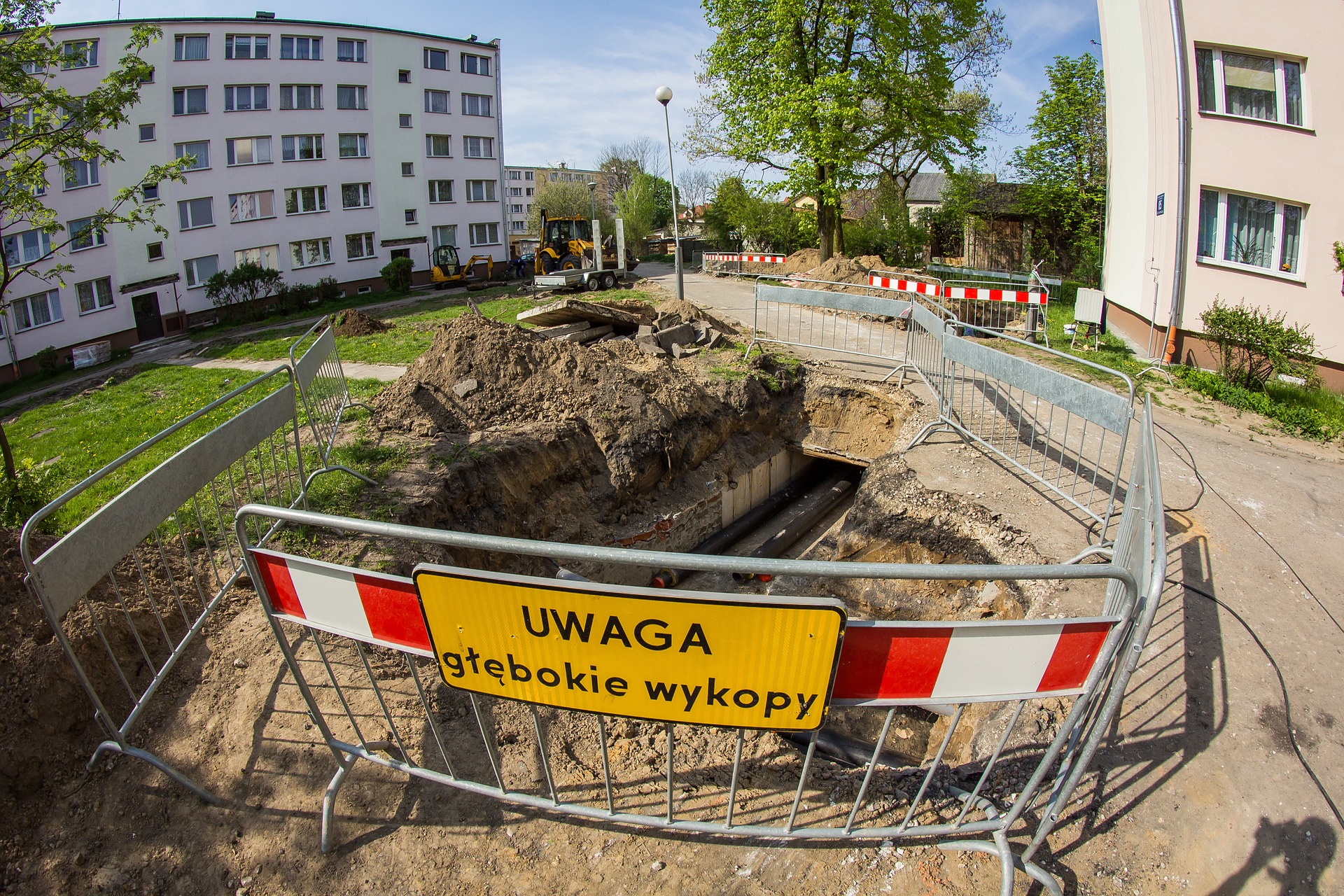
Trenching Violations One willful, one repeat and three serious citations [...]
If you work in construction, or even if there is construction going on in your workplace, you need to be aware of the dangers associated with excavations.
Danny Meggison was an experienced trench worker, but he made a big mistake that left his eight-year-old son without a father.
Every month in the United States, an average of two workers die after being caught in collapsing trenches. In Canada, about 10 workers die in trench collapse incidents each year.
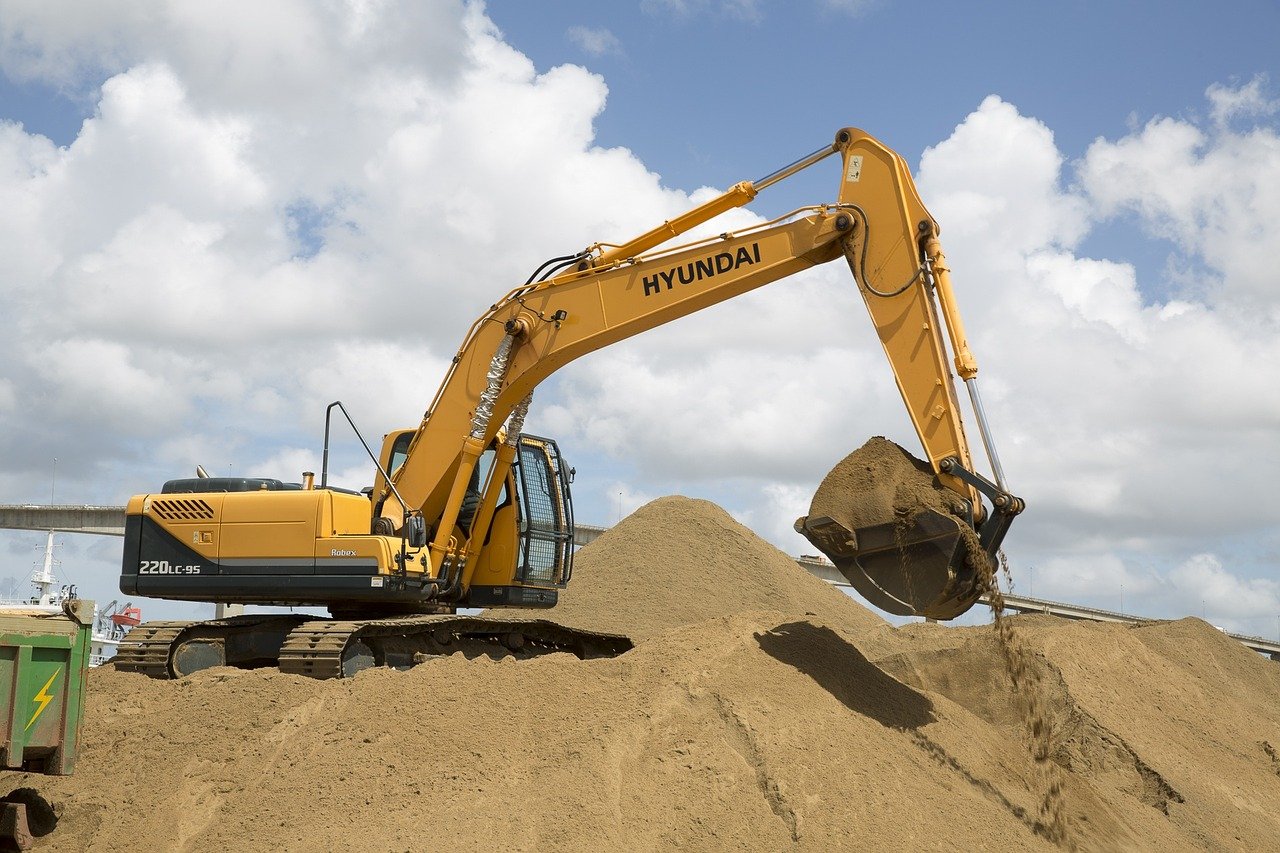
In this Safety Talk, learn about trench hazards and evacuation procedures to help prevent workers being injured or killed if a trench they are working in collapses.

OSHA inspected a storm drain and sewer line installation site [...]
Citations were issued for four alleged willful, repeat and serious [...]
Since it's your first time, you may want to checkout some of the video tutorials.




 800-ICW-SAFETY (800.429.7233)
 SAFETYOnDemand@icwgroup.com
