
Excavation Safety Tips
WHAT’S AT STAKE? One of the most dangerous forms of [...]
WHAT’S AT STAKE? One of the most dangerous forms of [...]
WHAT’S AT STAKE? Excavation work generally means work involving the [...]
WHAT’S AT STAKE? Every year, underground infrastructures and utilities are [...]
INCIDENTE Carlos Moncayo, un inmigrante de 22 años del Ecuador. [...]
DID YOU KNOW? U.S. Bureau of Labor Statistics (BLS) data [...]
Danny Meggison era un experimentado trabajador de la zanja, pero [...]
¿QUE ESTÁ EN RIESGO? Las excavaciones y zanjas de más [...]

¿QUE ESTÁ EN RIESGO? La tasa de mortalidad en los [...]
WHAT’S AT STAKE? Excavating is serious business. That is why [...]

WHAT’S AT STAKE? Uneven ground can introduce several avoidable hazards, [...]
Safety Talk ¿QUE ESTÁ EN RIESGO? Cave un hoyo en [...]
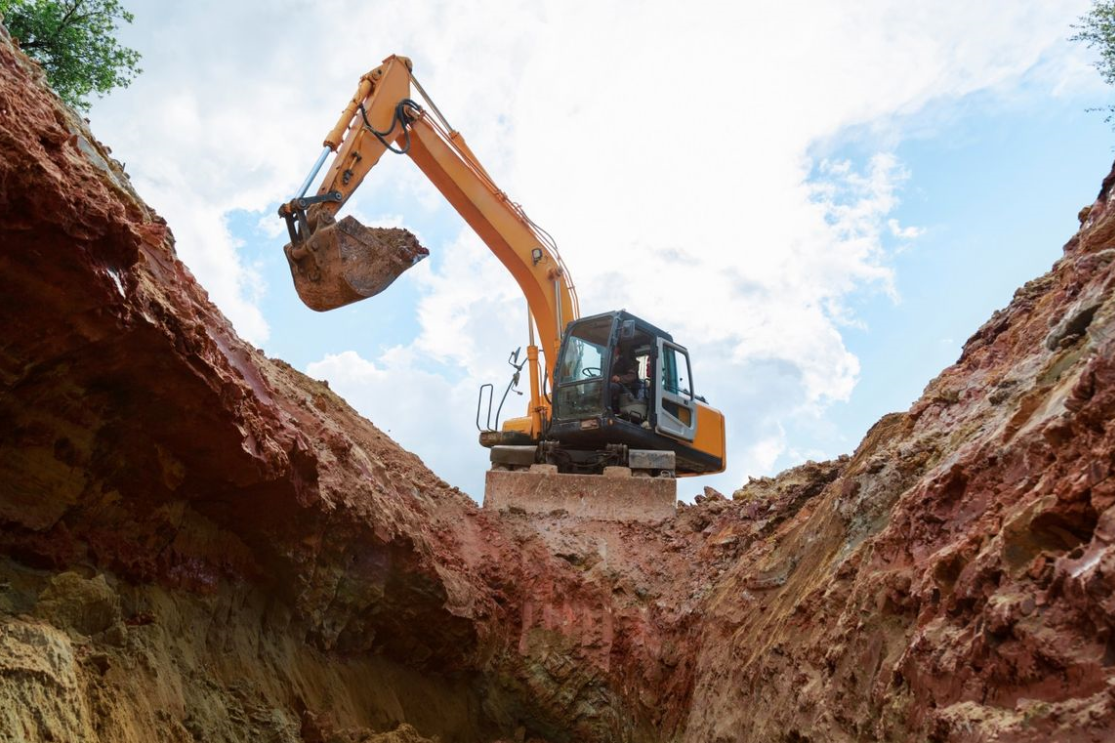
Una yarda cúbica de suelo puede pesar tanto como un [...]
OSHA inspeccionó un sitio de instalación de alcantarillado y drenaje [...]
Inspection guideline; vibrations; training. Protective systems; pre-planning; soil types Protective [...]
INCIDENT Carlos Moncayo, a 22-year-immigrant from Ecuador. He died on [...]
INCIDENT A 22-year-old man was killed when the 14-foot-deep trench [...]
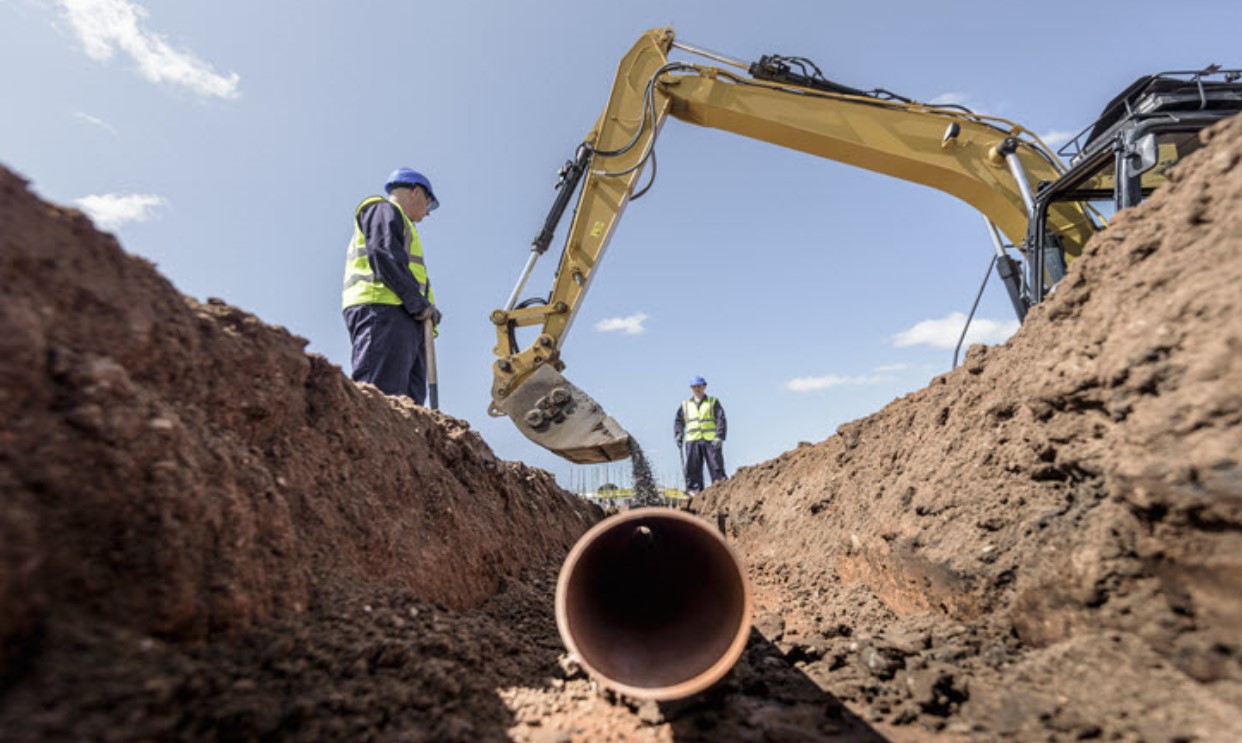
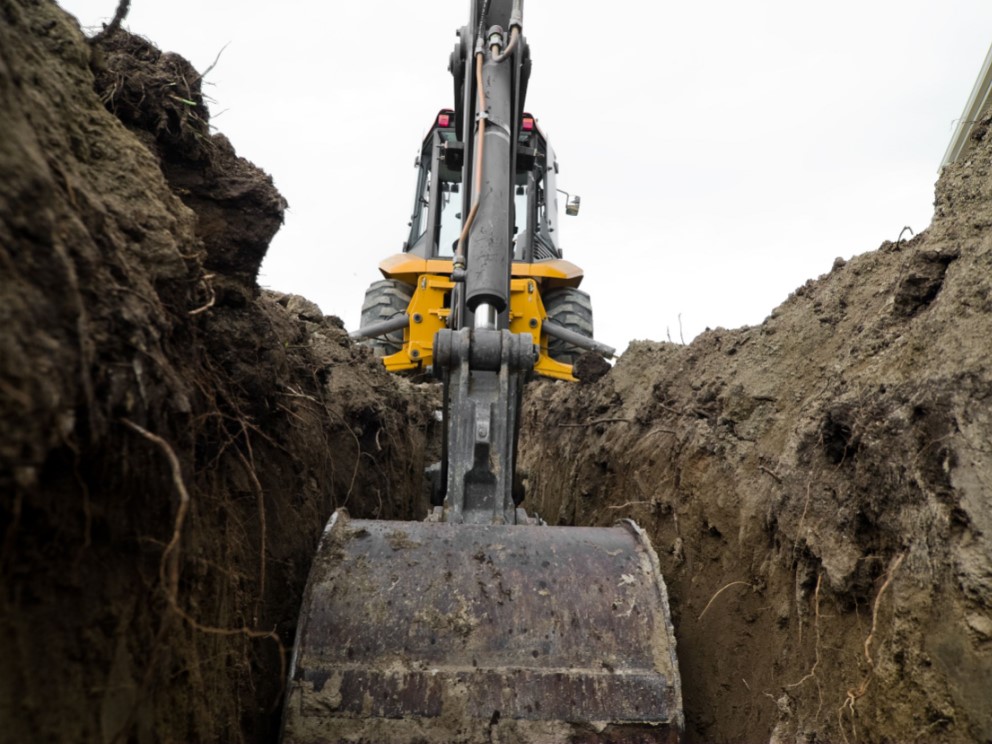
Excavations can be any size: wide, narrow, deep, or shallow. [...]

DID YOU KNOW? When working outdoors in cold weather or [...]
Key Takeaways: - Acknowledging safety requirements when setting up an [...]
Key Takeaways: - Recognizing safety requirements when setting up an [...]
Maintenance workers may be involved in new landscaping, plantings or playground equipment footings with the aid of a shovel or powered digging equipment. Digging also encompasses excavation and trenches.
What’s at stake is your life. Trenching and excavating involve serious hazards. If you’re in an excavation you need to know how to identify the hazards and how they can be prevented.
Excavations and trenches more than 4-5 ft/1.2-1.5 m deep (depending on your federal, state, and provincial regulations) require a protective system is in place to protect workers from cave-ins. If a protective system isn’t in place – don’t enter the excavation. Look out for your safety and the safety of your co-workers and don’t become another buried body of an excavation cave-in.
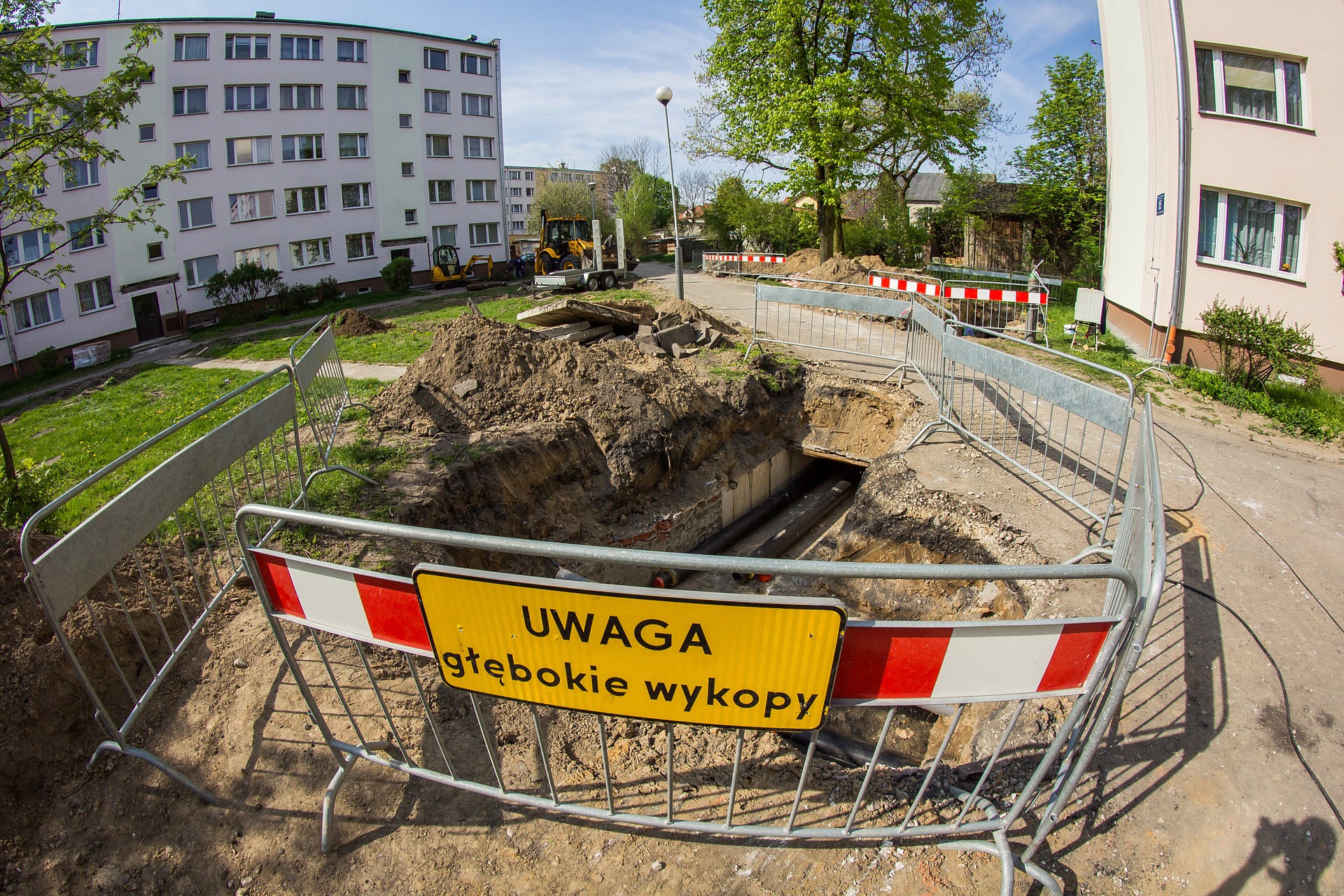
There are some obvious hazards in this picture, yet it’s still a good tool for training and learning. Share this image with your crew and see how many hazards they spot. Then discuss why they are hazardous, how these hazards can be corrected, and what they would do if they were asked to work in this excavation.
Trenching and excavation work puts workers in mortal danger if the excavation is not inspected and cave-in protections are not in place. Use this daily checklist as a starting point and edit the list as necessary for location specific regulations and work performed.
Since it's your first time, you may want to checkout some of the video tutorials.







 800-ICW-SAFETY (800.429.7233)
 SAFETYOnDemand@icwgroup.com