Immobilize With the Proper Lockout Procedure
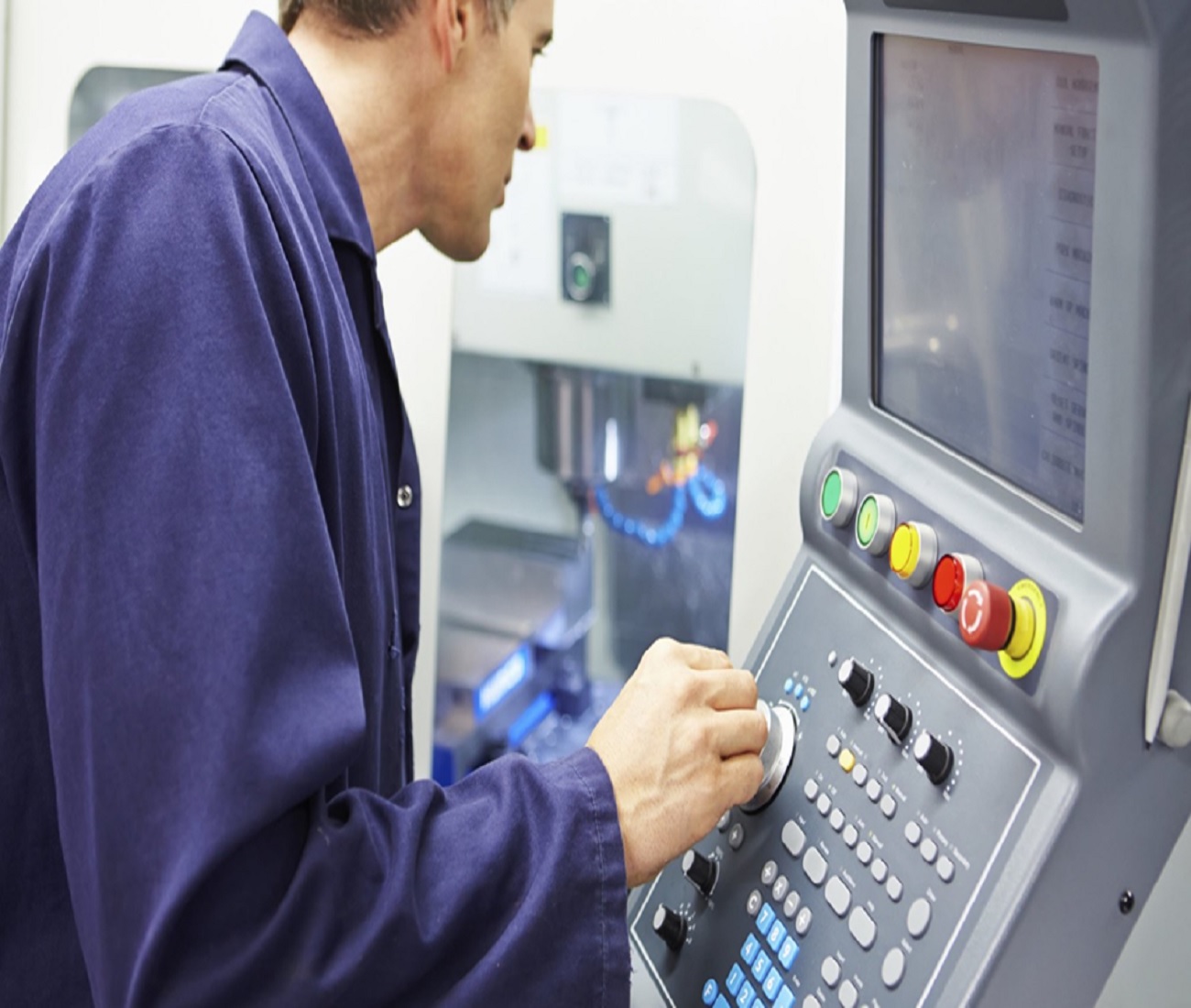
Lockout procedures eliminate the chance a machine could become energized whenever it is being cleaned, repaired, maintained, or unjammed.

Lockout procedures eliminate the chance a machine could become energized whenever it is being cleaned, repaired, maintained, or unjammed.
Quick! A co-worker has just been seriously injured and emergency medical assistance is needed. Do you know what to do?
Every month in the United States, an average of two workers die after being caught in collapsing trenches. In Canada, about 10 workers die in trench collapse incidents each year.
Overhead power lines are a danger on and off the job. When doing roof or yard work at home, follow the same precautions you would on the job and keep a safe distance from power lines.
Feeling overworked? You’re not alone. Whether as a result of working long hours, extra jobs, or spending too long watching late-night television, many workers are getting less sleep than they need.

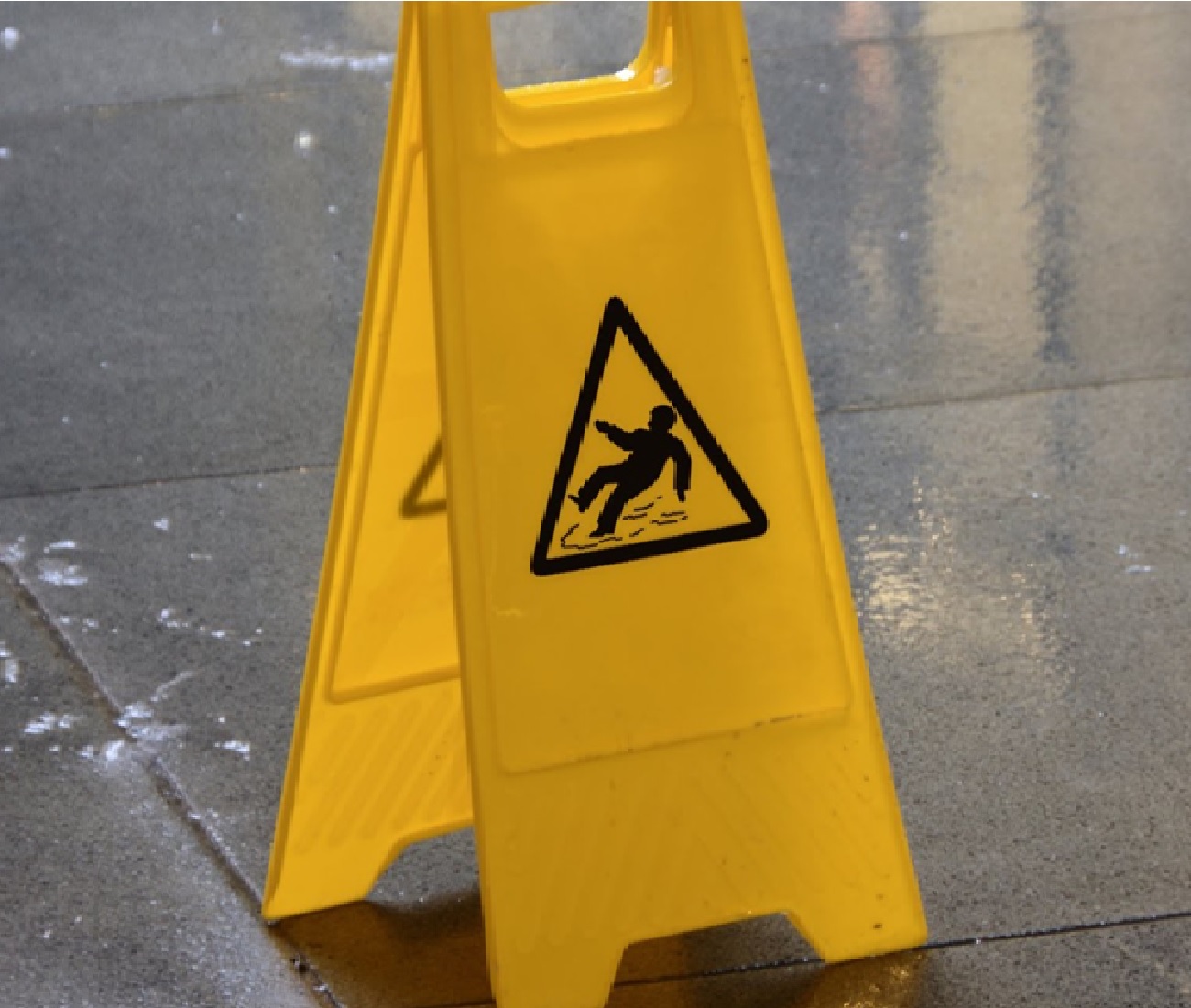
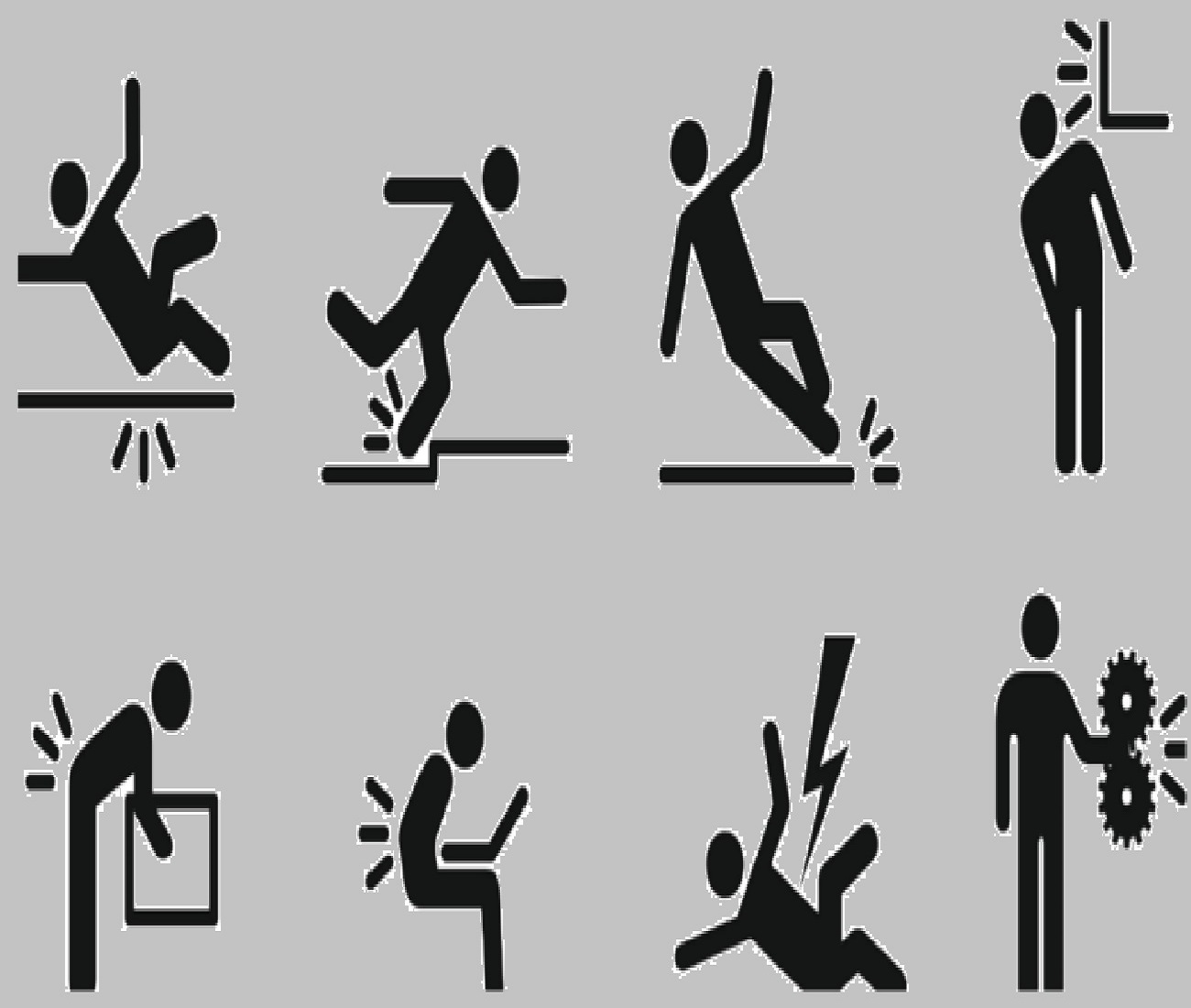
Falls are the most common cause of workplace injuries and the second leading cause of accidental death in North America.

In this Safety Talk, learn about trench hazards and evacuation procedures to help prevent workers being injured or killed if a trench they are working in collapses.
Of all occupational injuries, falls are the second leading cause of death next to highway crashes.
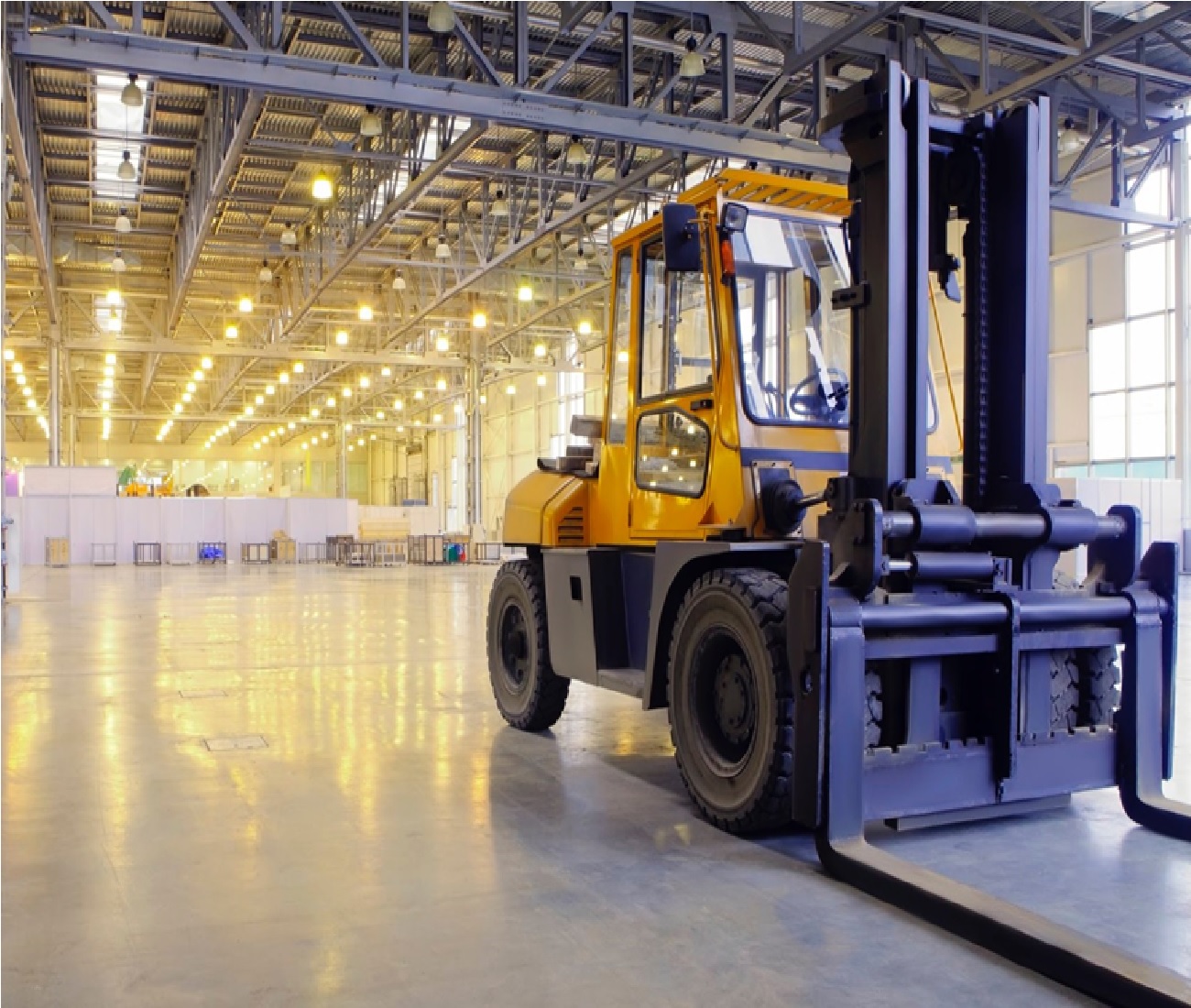
Many forklift injuries are received by people working or walking around forklifts in operation.
Highway work zones continue to have far too many traffic fatalities. Hundreds of people are killed in work zones each year. The victims include both construction workers and occupants of the vehicles trying to rush past them.
Cuts and contact with substances in trash could expose you to dangerous chemicals and infections.

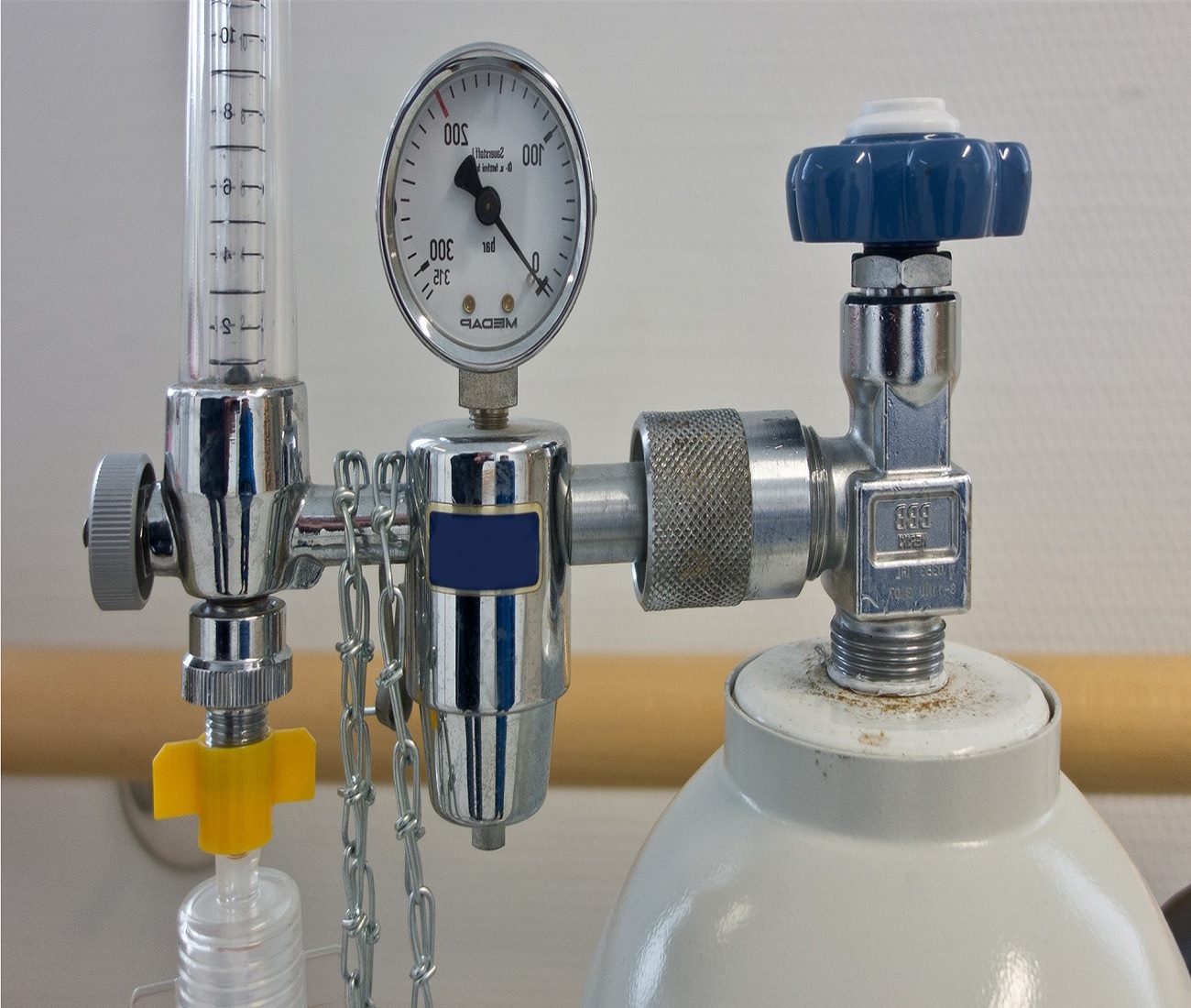
The hazards associated with compressed gas include oxygen displacement, fires, explosions, toxic effects from certain gases, reactivity and projectile concerns.
Does it drive you nuts to observe careless people? They slide out of the pickup in the parking lot trailing candy bar wrappers and coffee cup litter.
Silica causes lungs to scar and develop nodules which block extraction of oxygen from air. Each year more than 250 American workers die from silicosis, the disease caused by inhaling tiny silica particles. Silicosis has
Here are some common concerns for office workers: • Poor lighting • Poor ventilation and indoor air quality • Ergonomics • Slips, trips and falls • Electrical hazards • Collisions with objects such as open
Grinding wheels operate at very high speeds and can present health and safety hazards.
Tool belts are the next best thing to sliced bread, but they can turn a normally productive day into misery if you're careless.

How This Affects You: Your back is used in all you do, on and off the job, and hurting it can have severe consequences: a lifetime of pain, inability to work or play and reduced income.
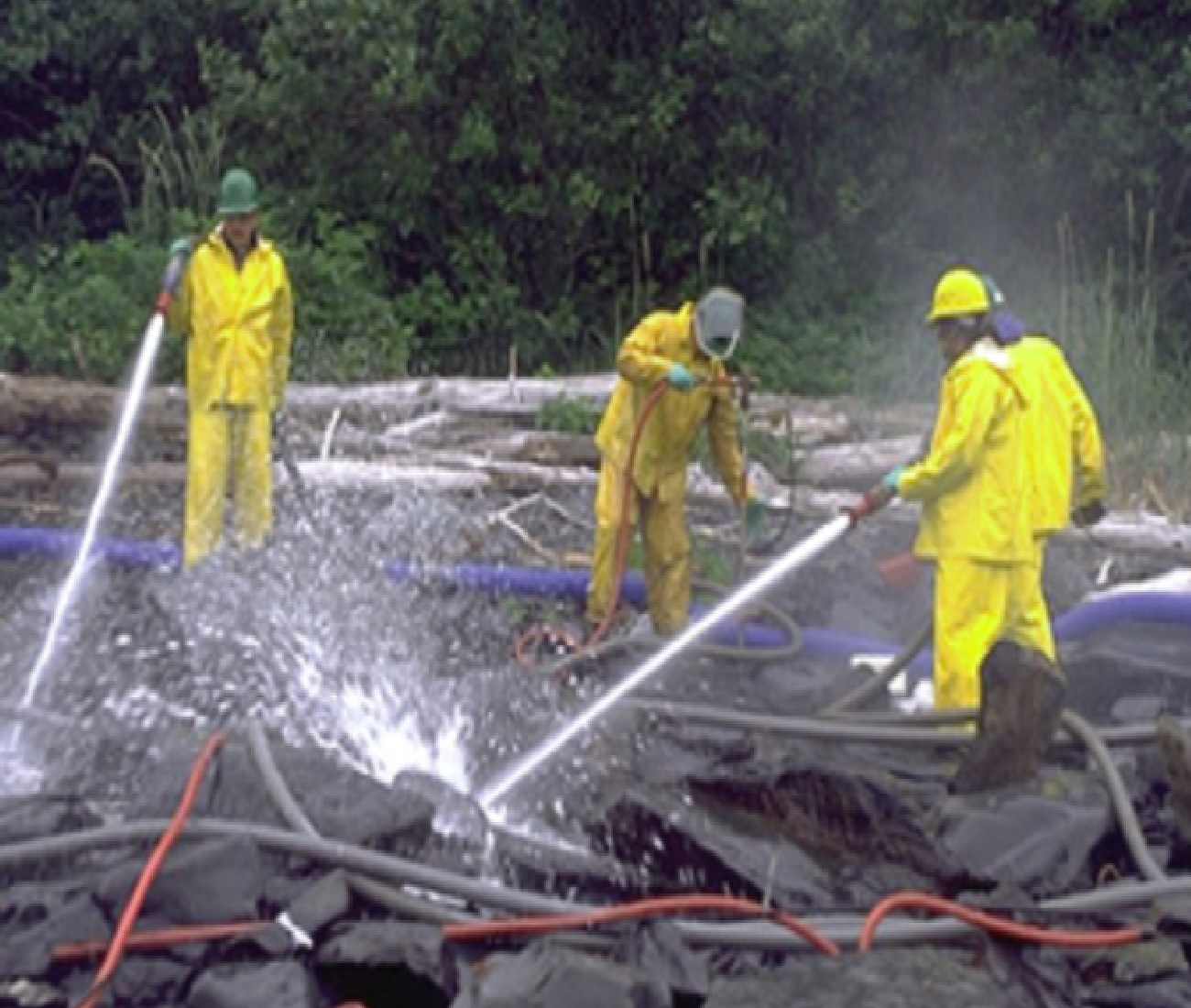
It's important for you to understand the potential hazards that you may be exposed to while working with hazardous waste.

Sus manos corren una variedad de peligros diariamente en el trabajo.
What we call black ice is sleet or rain or melted snow that freezes as a sheet and is not visible as ice. The road looks the same as it always does, which is why
Workplace housekeeping has been an important part of job safety programs for many years. Whether you are working in a traditional factory or a 21st century work setting such as a wind energy tower, good housekeeping can be a life-saver.
Welding is a routine job on many worksites. This common task has many health and safety risks that can result in serious injury, endangering more than 500,000 workers in a variety of industries. It’s not just those involved directly with welding who are at risk. Bystanders can also be affected. So it’s important for everyone to have a basic knowledge of welding hazards.

A confined space is any enclosed or partially enclosed space with restricted entry and exit that is not designed or intended for continuous human occupancy. The word “confined” suggests “small” but many confined spaces aren’t small.