Understanding Chemical Labels and Pictograms
Safety Talk What’s at Stake? Chemicals are present everywhere. We [...]

Safety Talk What’s at Stake? Chemicals are present everywhere. We [...]
What’s at Stake? Hot work is a leading cause of [...]

Safety Talk What’s at Stake? Any serious injury or illness [...]

Safety Talk What’s at Stake? When your skin is cut, [...]
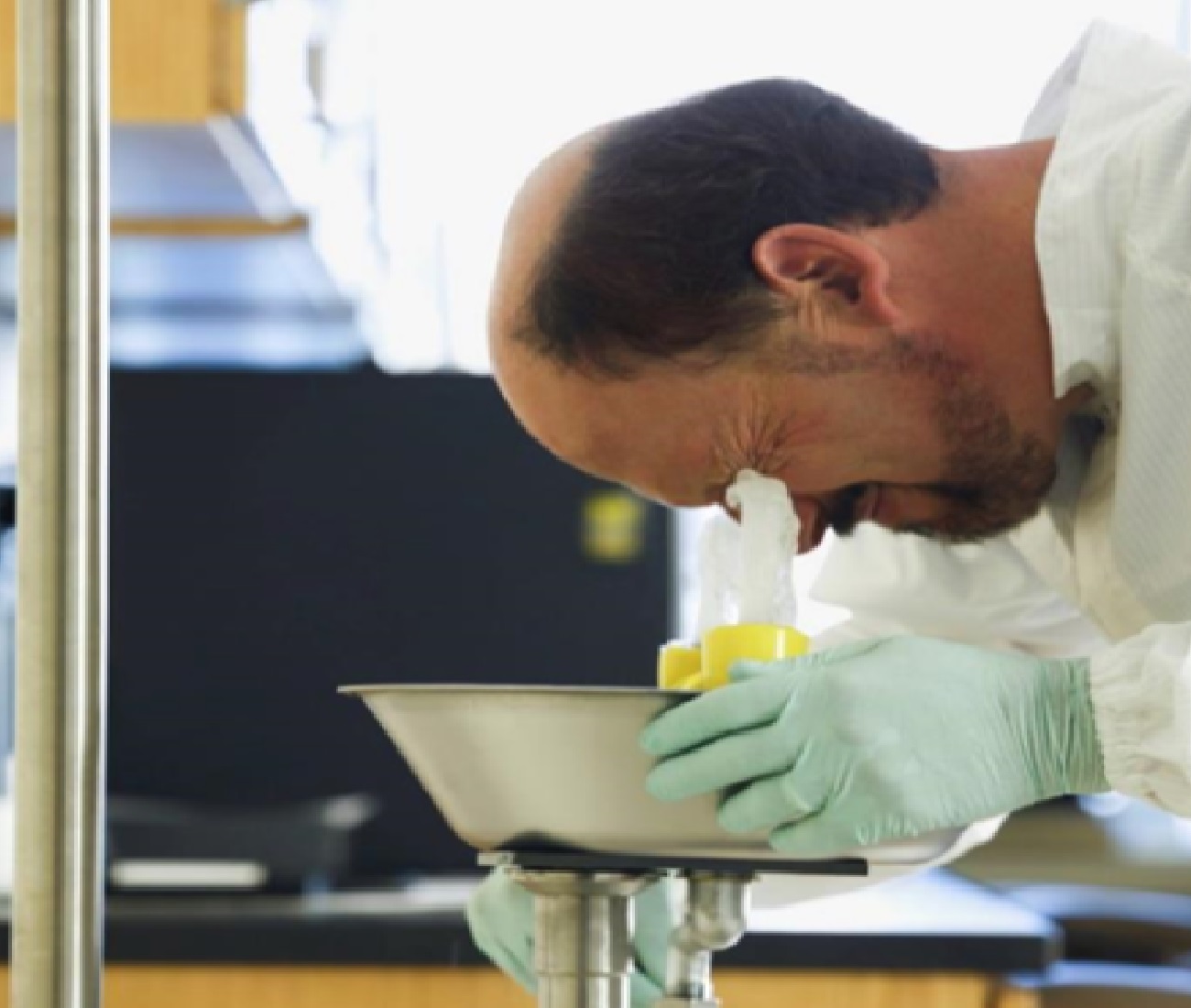
If you work with chemicals, make sure you are familiar with the first aid required in case of exposure. This information is located on the chemical label and on the Material Safety Data Sheet (MSDS).
“We can’t afford to spend time on making things look pretty. We’ve got production to get out,” he said. That’s true as far as it goes, but plant housekeeping involves a lot more than making

A sawmill worker suffered multiple fractures to his right arm when it became caught in an edger outfeed chain and sprocket. For unknown reasons, he had lifted the guard to check the drive mechanism.

Let's look first at the problem of stored materials. Materials are piled in the yard, in the truck or at various places on the jobsite.
People who never touched a chainsaw before have been using these tools for disaster cleanup. So it's time for a safety talk on the hazards of these tools.
Charlie did general labor for a home builder, and enjoyed his work. One day after installing rolls of insulation in the attic of a new home, he noticed that he had developed redness on his back.

It's hard to believe that noise can cause permanent damage to your hearing - but it can.

We all know how important it is to use caution around power tools. But what about tools in general? Can a wrench really be dangerous?
Energy keeps the workplace going, but it can also kill. Unexpected release of energy is the cause of many serious injuries.

Compressed air can make short work of everything from changing tires to nailing and stapling, but its power demands respect.
Workplace fires account for many injuries and deaths, with approximately three percent of workplace fatalities being related to fire and explosions. Not only do workplace fires cause injuries and deaths, they also cause millions of dollars worth of property damage every year, leading to job losses. In fact, a great many of the workplaces destroyed by fire are never rebuilt.
If there are certain times of day when you are fighting the urge to sleep, you aren’t imagining things. Any night shift worker will tell you that the urge to sleep is strong between 2 a.m. and 6 a.m. What you might not know is that another lull occurs in the early-to-mid afternoon.
Focusing on a stationary object like a screen for a long period of time can have health consequences. The most common is a temporary condition called Computer Vision Syndrome (CVS).
Every day we hear about environmental concerns including the diminishing ozone layer, overflowing landfills, pollution ... the list is endless. The problems seem so immense, what can one person do? The short answer is, plenty!
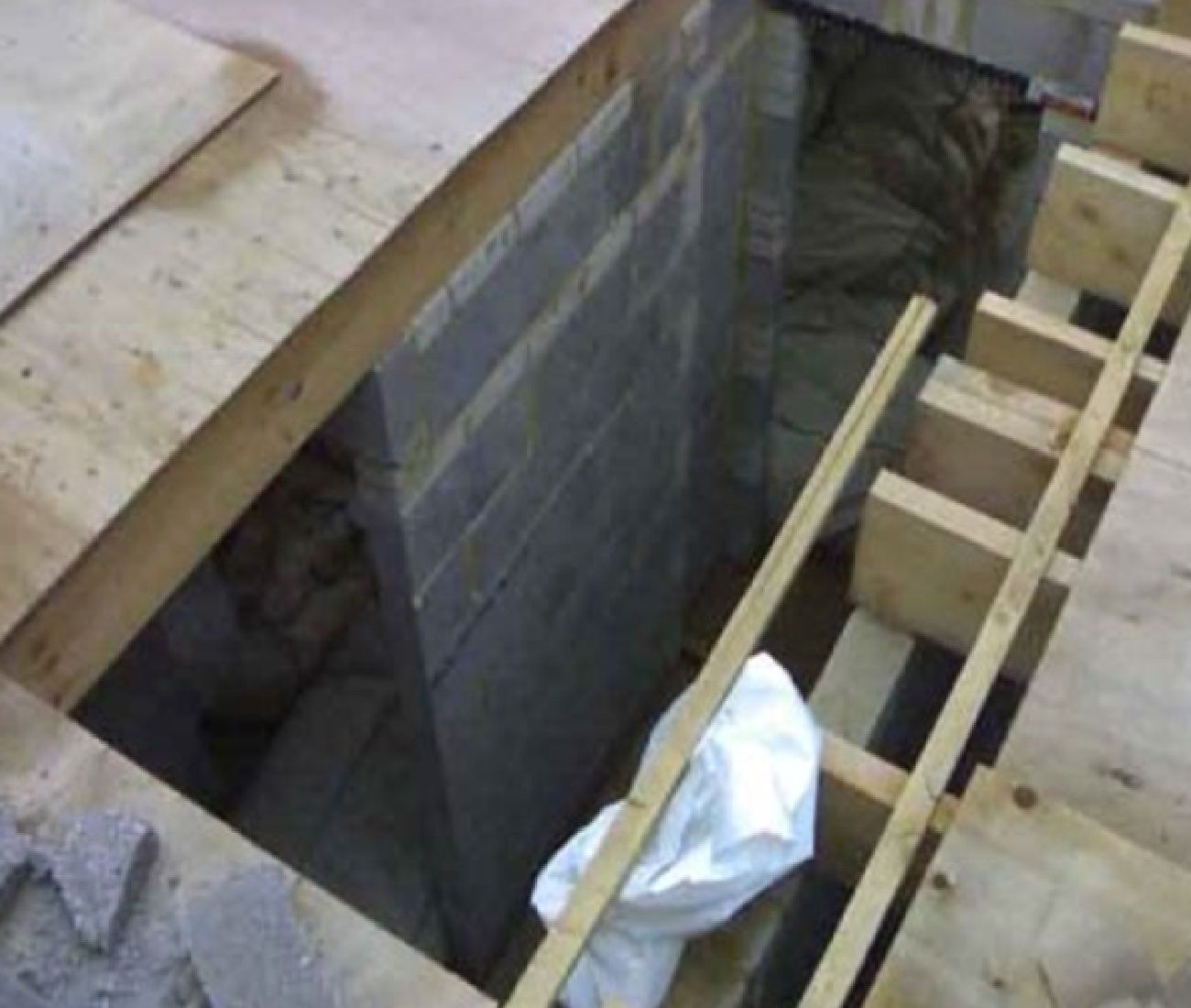
Is there a manhole to a sewage system near your workplace, or an underground vault for an electrical system? Any boiler, tunnel, well, silo, shaft or poorly ventilated crawl space can be a potentially dangerous confined space.
Hand and finger injuries can range from a minor inconvenience to a life-altering event. Read this Safety talk article and learn about 10 ways to protect yourself against cuts and lacerations - one for each finger.

Every day thousands of workers are exposed to sight altering and life altering eye injuries. Of those workers exposed, over 2,000 end up needing medical treatment each day because of a job-related eye injury.
You’re in free fall after a misstep sent you over the edge of elevated work, 40-feet off the ground.
Occupational divers put themselves at risk every time they brave the depths, whether?harvesting seafood, repairing ships or retrieving golf balls from ponds.

Safety Talk WHAT'S AT STAKE Millions of workers in North [...]
Thousands of people across North America become victims of unintentional poisoning every year. A major contributor to this problem is when toxic chemicals are stored in unlabeled containers.