What You Don’t Know Can Hurt You
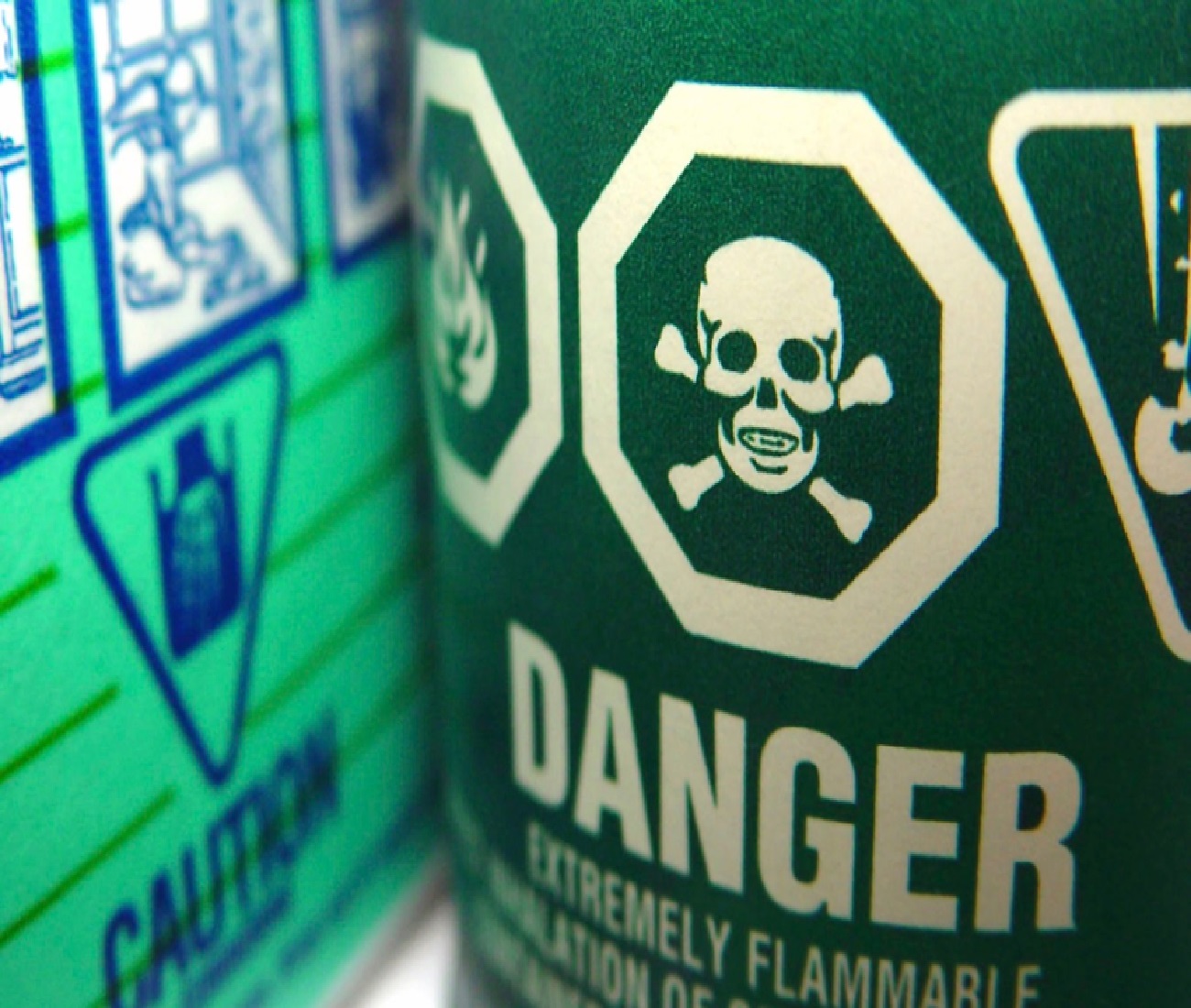
Hazard communication describes the many ways information is passed along about any kind of workplace danger.

There’s hardly a workplace that doesn’t handle or store materials.
Hoisting and lowering objects from one level to another is an everyday task for many operations. But this task is common in another way: It’s a common cause of serious injury and death in the workplace.
A near miss is not a lucky break. A near miss is an indication of a problem, either systematic or mechanical, that has very real potential for hazard. It’s a red flag calling for change to ensure that a similar situation in future doesn’t result in worker injuries or deaths.
No matter what job you are doing, safety is a thought process. So think S.A.F.E., which stands for See, Assess, Fix, and Evaluate. Taking a few moments to think through your task can save a lifetime of pain and regret.
If you have to rescue someone who is receiving an electric shock, be careful or you might end up becoming a shock victim yourself.
The improper setup of portable ladders is responsible for the majority of ladder-related injuries and death, both at work and at home. Read Safety talk and follow necessary steps for safe portable ladder setup.
Most of us are familiar with winter safety tips for our vehicle. But have you given much thought to prepping your home and family for the long cold winter?
Did you know 90% of all falls involving scaffolds happen while workers are performing routine jobs and the average height of those falls are just 12 to 15 feet?

Break time is your chance to break away from the routine and relax before heading back to work. But you can?t take a break from safety.

Chemicals and other contaminants can be transferred from the hands to foods, drinks or cigarettes and ingested into the body, where they can cause serious damage, especially with repeated exposure over time. Along with not eating, drinking or smoking after handling chemicals, workers who bring coffee or food items into contaminated areas are also risking exposure to toxic agents.
Fatigue is difficult to prevent when your job takes you on the road a lot. It?s hard to say ?no? to a trip or to stop for sleep when there?s a delivery to make or a customer to see.

Distracted driving is a factor in approximately four million crashes in North America each year. Read this Safety Talk and learn what the Canadian and American Automobile Associations (CAA and AAA) have identified as the most deadly driving distractions.
Does it drive you nuts to observe careless people? They slide out of the pickup in the parking lot trailing candy bar wrappers and coffee cup litter.
Silica causes lungs to scar and develop nodules which block extraction of oxygen from air. Each year more than 250 American workers die from silicosis, the disease caused by inhaling tiny silica particles. Silicosis has
Here are some common concerns for office workers: • Poor lighting • Poor ventilation and indoor air quality • Ergonomics • Slips, trips and falls • Electrical hazards • Collisions with objects such as open

When you weld, cut or grind, the potential for accidents is significant. Eyes and skin can be burned, hearing can be damaged and an electric shock can kill you.
People who never touched a chainsaw before have been using these tools for disaster cleanup. So it's time for a safety talk on the hazards of these tools.
Working with some contractors' employees can create challenges, not to mention anxiety and hazards. But with cooperation and understanding, job safety doesn't have to be "hit or miss."
You can't imagine how painful and inconvenient a foot injury is until you've had one. If you injure a foot, you might be laid up for some time while the bills are mounting and your work projects are piling up.
Equipment that you use on the job may require you to apply pushing or pulling forces.
We’ve all seen one - or been one. We’re talking about that distracted driver, one hand on the steering wheel and the other on the phone, with the job of driving safely clearly far from his mind. Cell phone use has escalated considerably in the past decade. So has the number of phone-related traffic fatalities and the number of jurisdictions enacting laws that prohibit or restrict cell phone use. Many companies are following suit by introducing policies that prohibit or limit a worker’s cell phone use while driving.
Wet cement is a leading cause of skin problems for workers. These problems can be mild and short lived or severe and chronic.
Many places where we live and work are in high risk earthquake zones.

People who aren’t expecting to end up in water often are not prepared for that possibility and the results can be tragic. Every year in the United States and Canada, an estimated 3,800 people drown, with many of these victims being people who ended up in the water unintentionally.