Push or Pull?
Equipment that you use on the job may require you to apply pushing or pulling forces.
We’ve all seen one - or been one. We’re talking about that distracted driver, one hand on the steering wheel and the other on the phone, with the job of driving safely clearly far from his mind. Cell phone use has escalated considerably in the past decade. So has the number of phone-related traffic fatalities and the number of jurisdictions enacting laws that prohibit or restrict cell phone use. Many companies are following suit by introducing policies that prohibit or limit a worker’s cell phone use while driving.
Wet cement is a leading cause of skin problems for workers. These problems can be mild and short lived or severe and chronic.
Many places where we live and work are in high risk earthquake zones.

People who aren’t expecting to end up in water often are not prepared for that possibility and the results can be tragic. Every year in the United States and Canada, an estimated 3,800 people drown, with many of these victims being people who ended up in the water unintentionally.
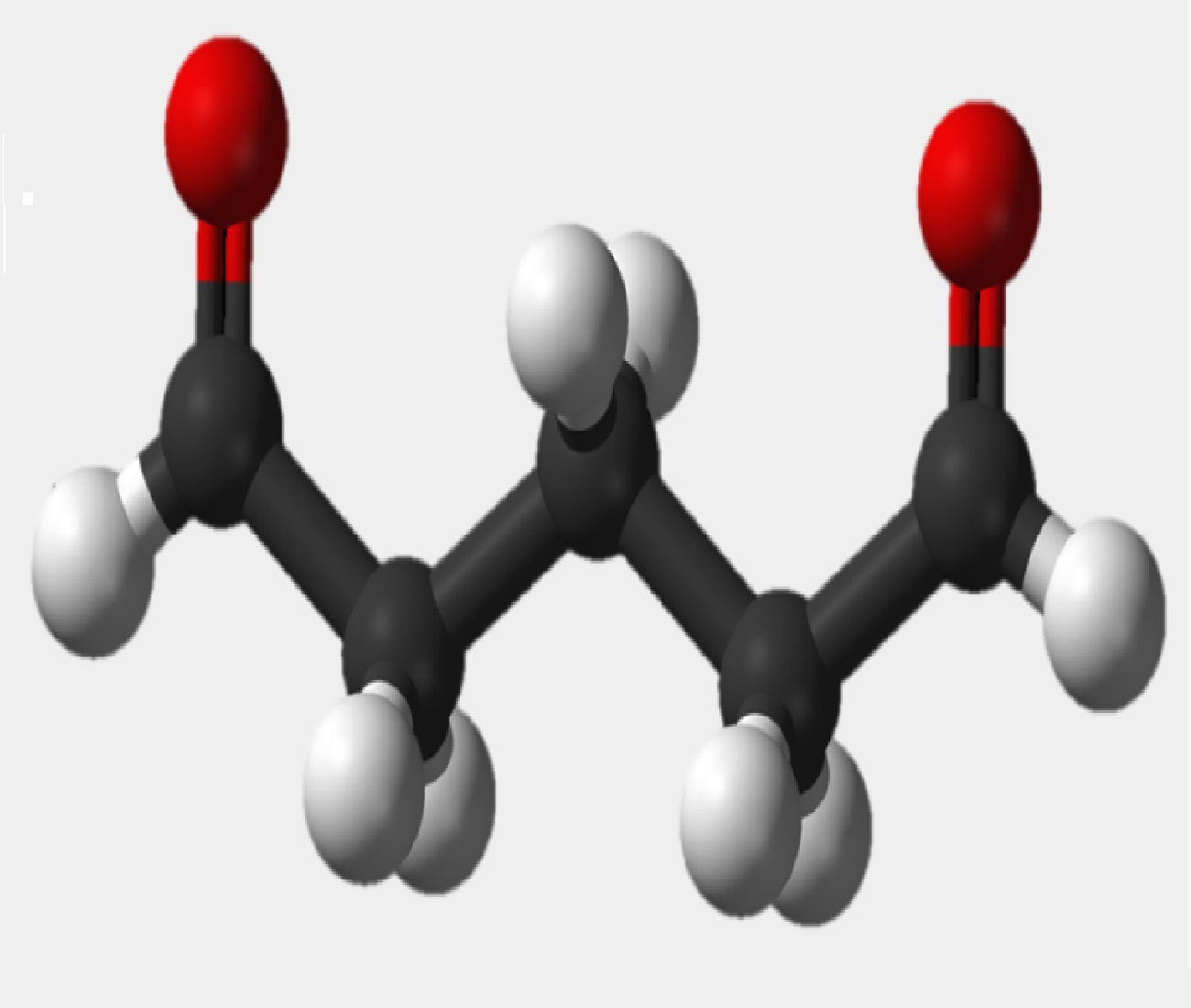
Think “formaldehyde” and very likely images of laboratories, hospitals or funeral parlors come to mind. But formaldehyde’s uses go beyond that of specimen preservation and embalming fluid. It’s one of the most commonly used and encountered chemicals in industry today.
Electronics technology has progressed so quickly that instant messaging, the Internet and credit-card sized music players are now in the hands of millions of North Americans. Workplace regulations concerning the use of electronic devices are a hot-button issue. Musical distractions in vehicles, however, are almost impossible to regulate.
Wherever you reside in North America, and whatever the legal stance in your region, one can’t deny that, every day, marijuana use is becoming a more socially acceptable practice as the legality of marijuana usage continues to spread.
The practice of using a lock and tag to isolate power from a piece of manufacturing equipment is not uncommon at work, but you may not realize that more injuries from failure of locking out happen at home and they can be prevented.
On average more than 150 workers in North America are killed every year from electric shock, burns, and other effects caused by dangerous exposure to electricity. Many of these deaths could have been prevented by wearing the right personal protective equipment (PPE).

Exposure to unguarded or improperly guarded machines causes over 1000 deaths and 20,000 serious cuts, crushing injuries, scalpings and amputations every year
Thousands of non-disabling and disabling injuries occur annually from work with electricity and on average one person dies every day from an electrical incident on the job.
We encounter many potentially dangerous substances at work.

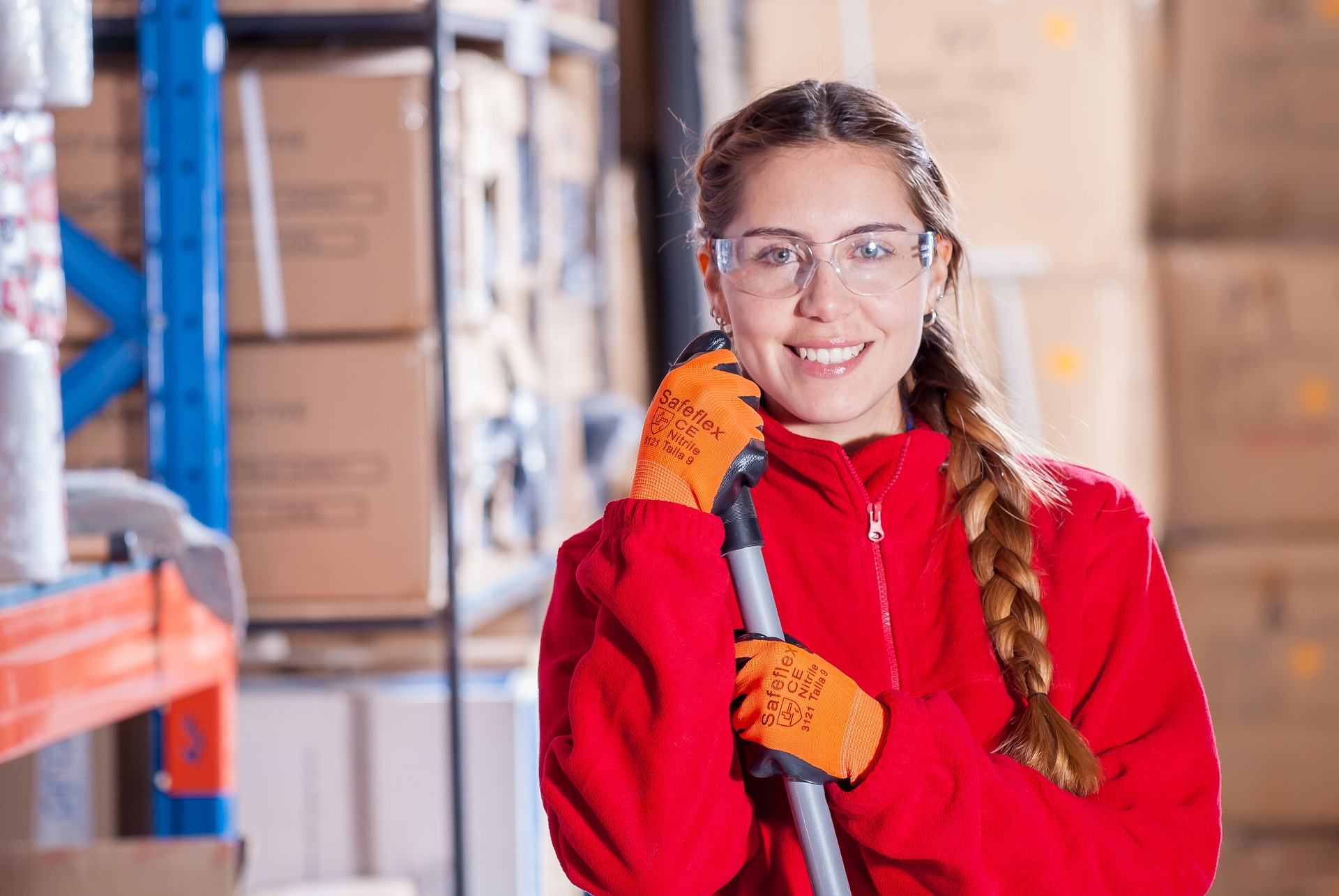
It?s important to select and wear the correct PPE. It?s equally important that you inspect and care for the equipment properly, so that it will protect you when you need it!

Things are constantly changing in many areas of people?s lives. Your job likely sees a lot of change, where new methods of doing things are introduced, potentially affecting your safety and health.
Swimming and boating are staples of summer fun. The fun can quickly turn to tragedy though, when water and boating safety are thrown overboard. On average, 1,000 people die in boating-related accidents every year in North America and thousands more are injured. Additionally, more than 3,500 unintentional drownings, not related to boating, happen each year. The majority of these deaths are preventable.

This kind of behavior is not tolerated in the workplace. If you ever find yourself a target of harassment, you do not have to put up with it. You have the law on your side
Etiquette means showing consideration for others. When applied to illness, it means not bringing your germs to work. The old work ethic of admiring employees who "toughed it out" in spite of looking like death
Powered machinery such as mowers, trimmers, tillers and chippers slice through grass, weeds, branches and soil. These machines also easily slice through human fingers and toes.

They carry you through heat or cold, wet and slippery conditions. Your feet are also at risk from falling construction materials and equipment. No wonder wearing approved steel-toed boots can be required on the job.
How This Affects You: Nearly 6,000 people every year suffer serious eye injuries from working around batteries. Don't be one of them.

Maintenance employees are confronted with many hazards that can cause injury or death. One such hazard is exposure to asbestos.
There is a direct link between environmental protection and your personal safety.
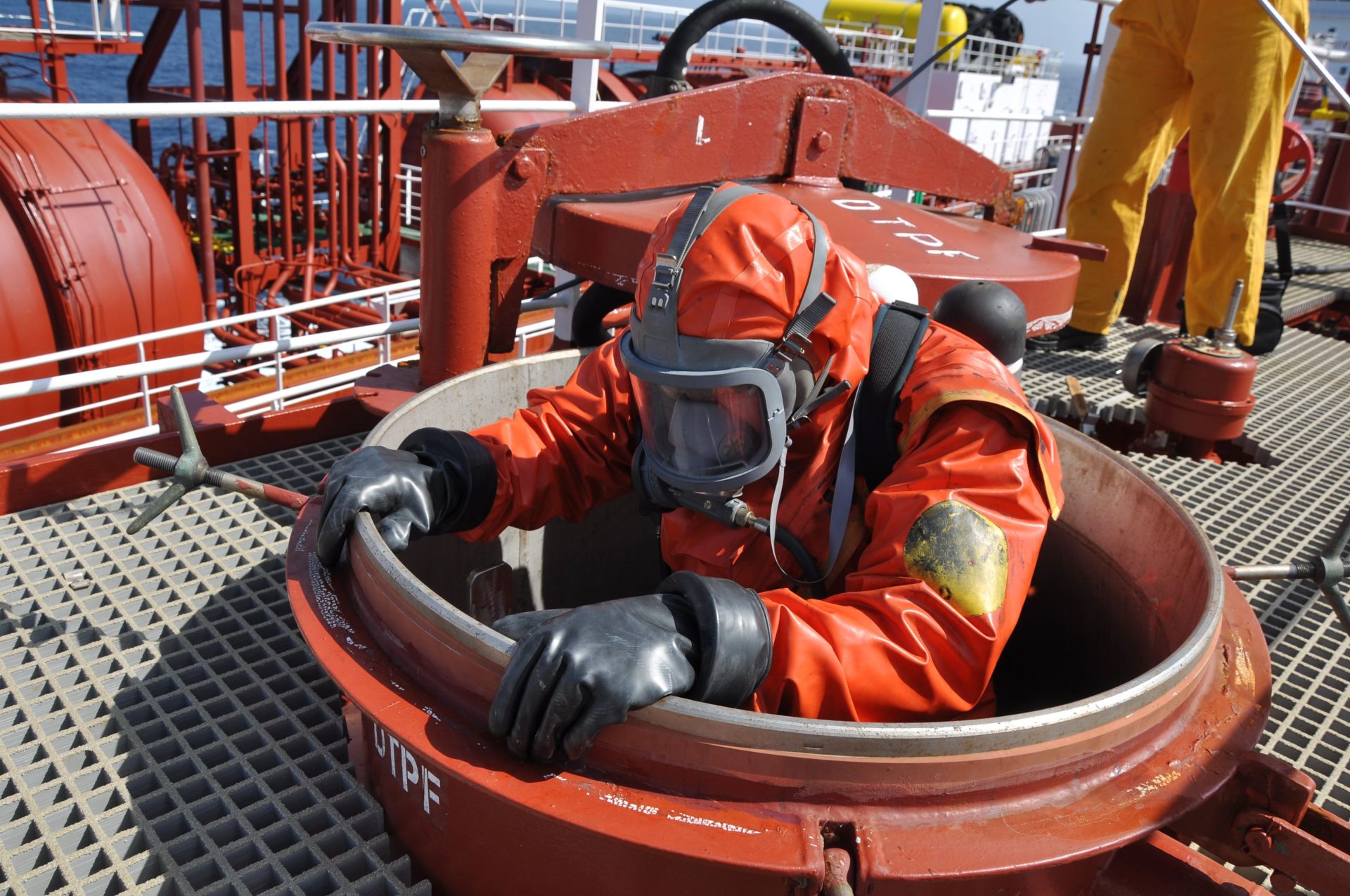
To stay alive and healthy, you need air which is clean, free of toxic gases and other contaminants, and contains the right amount of oxygen.
Hurricanes can be devastating, affecting the safety and well-being of individuals and families. Hurricanes destroy homes and businesses, cost lives, separate families and cause financial instability.