Hazardous Waste
It's important for you to understand the potential hazards that you may be exposed to while working with hazardous waste.
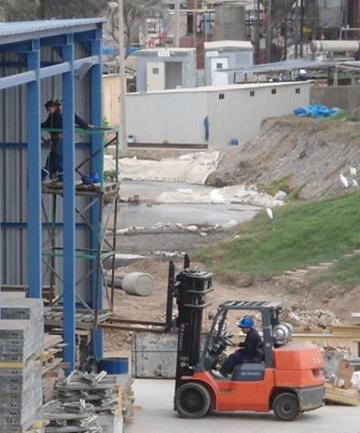
We all encounter building projects in our workplace, on the road and in our neighborhoods. You have to be aware of the hazards or risk serious injury.

A confined space is any enclosed or partially enclosed space with restricted entry and exit that is not designed or intended for continuous human occupancy. The word “confined” suggests “small” but many confined spaces aren’t small.

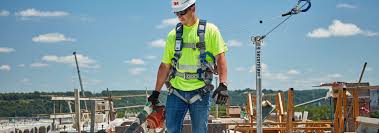
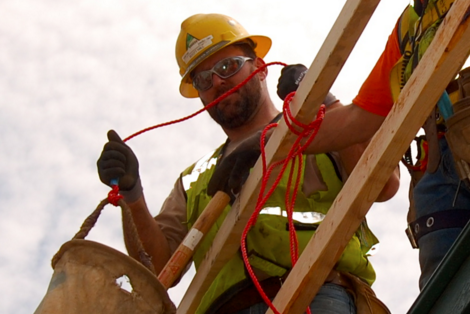
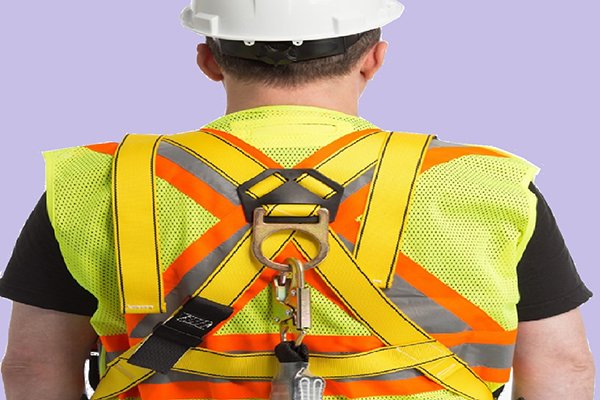
Falls are the most common cause of workplace injuries and the second leading cause of accidental death in North America.
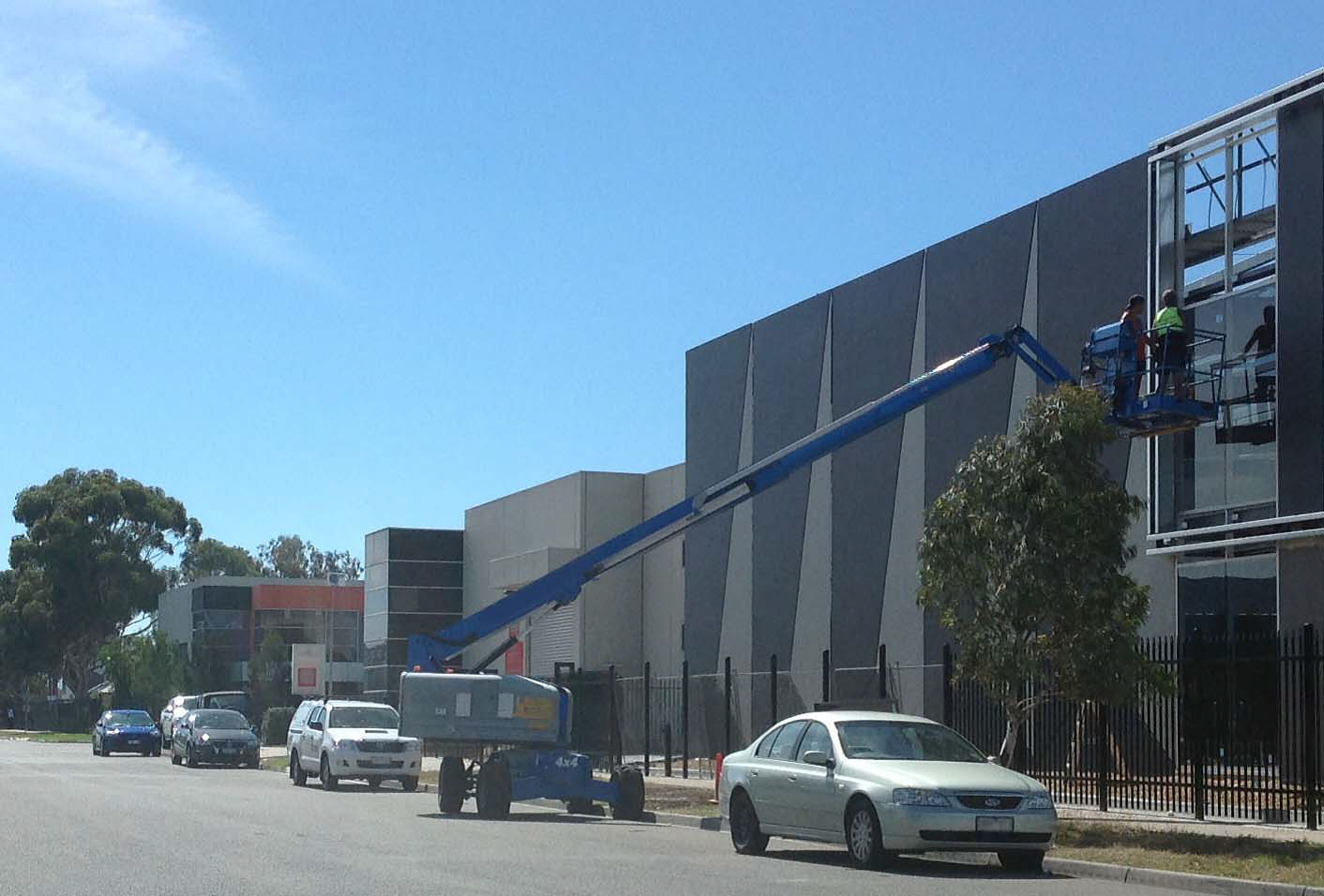
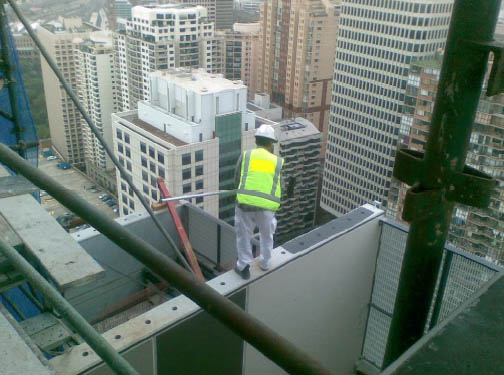
You’re in free fall after a misstep sent you over the edge of elevated work, 40-feet off the ground.
If you work with any amount of chemicals,? or work in an environment where chemicals are used, handled, stored,? transported or disposed of, you must understand the hazards and how to protect? yourself.
These cylinders have numerous applications, from breathing and welding to sample testing. The gases commonly found in them include oxygen, nitrogen, acetylene, chlorine and liquid propane (LPG). Many cylinders contain high pressure and will hurtle
Grinding wheels operate at very high speeds and can present health and safety hazards.

If you aren't wearing the right protection your hands could be burned, frozen, cut, scraped or burned by chemicals. You could lose fingers, a thumb, or even your life. That's why you wear gloves.

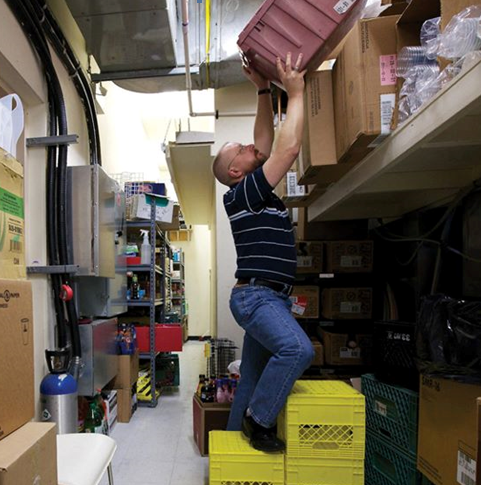
Back injuries are a leading cause of lost time from work. They can occur in any type of job or workplace.

Compressed air can make short work of everything from changing tires to nailing and stapling, but its power demands respect.

In the US more than 15,000 people die each year from falls, placing falls second only to motor vehicle collisions as the leading cause of accidental death. In Canada, more than 1,800 people die as a result of falling each year. And across North America, tens of thousands of workers are injured in falls every year, with many of these incidents occurring from a height where fall protection measures should have been taken but weren’t.

It's easy to take the subject of falls lightly? unless you or someone you know has had a serious fall. Then you realize how deadly this commonplace accident can be.
Working outside puts workers at risk for countless hazards.

The safety rules, policies and procedures of your workplace are there to protect you from workplace hazards and to help prevent injuries.

A sawmill worker suffered multiple fractures to his right arm when it became caught in an edger outfeed chain and sprocket. For unknown reasons, he had lifted the guard to check the drive mechanism.
Keep control of your emotions when you drive. Take a few deep breaths, check your speedometer and slow down mentally and physically if necessary. Allow enough time to get to your destination, taking into account
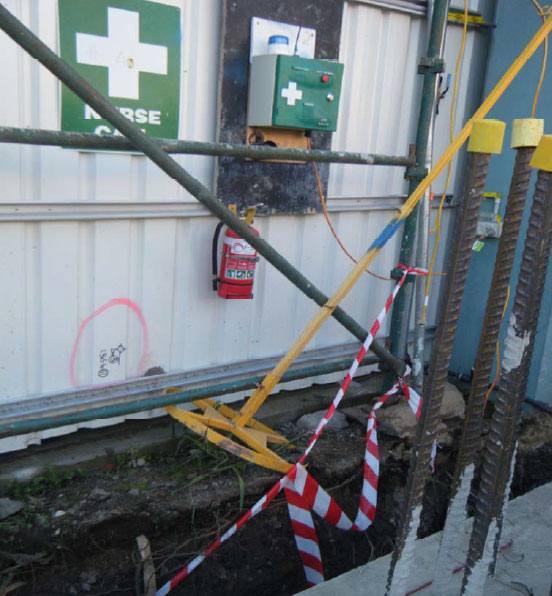
Danny Meggison was an experienced trench worker, but he made a big mistake that left his eight-year-old son without a father.

Gloves - of materials such as nitrile, poly vinyl chloride, natural rubber (latex) and butyl rubber
There are some standard excuses for not wearing a hardhat - it is too heavy, too hot, too cold or too bulky or even too ugly. But all of these excuses sound very flimsy when you consider...

Hearing loss is one of the fastest growing chronic conditions facing today’s workers, affecting nearly 30 million people in the United States and Canada. While there are many causes of hearing loss, noise-induced hearing loss (NIHL) is one of the most common types and it can affect anyone who is exposed to loud sounds or noise over a long period of time, whether at work or during recreational activities.

In this Safety Talk, we’ll discuss what happens during a caught-between incident, how to avoid hazardous situations when working with machinery, and provide some tips on how to work around machinery without getting hurt.
Did you know 90% of all falls involving scaffolds happen while workers are performing routine jobs and the average height of those falls are just 12 to 15 feet?
Highway work zones continue to have far too many traffic fatalities. Hundreds of people are killed in work zones each year. The victims include both construction workers and occupants of the vehicles trying to rush past them.
There may be moving equipment, slippery or dangerous surfaces, electric shock hazards, falling objects, water or other liquid contents, chemicals or extreme temperatures. Noise, poor visibility or shifting materials such as grain or sand could