
Failing to Give Asbestos Training to 11 Workers is One Violation, Not 11?
A Texas owner planned to develop the site of a [...]

A Texas owner planned to develop the site of a [...]
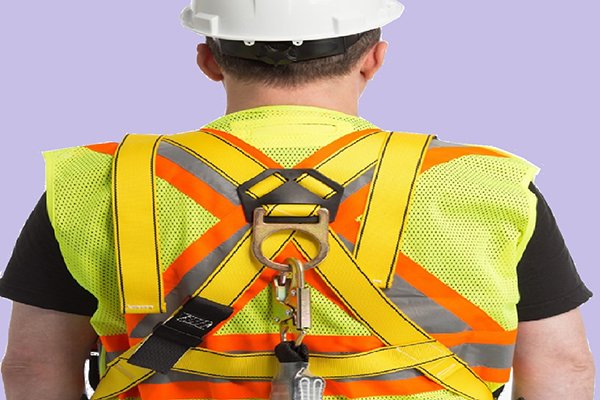
Issues involving a lack of fall protection measures were number [...]
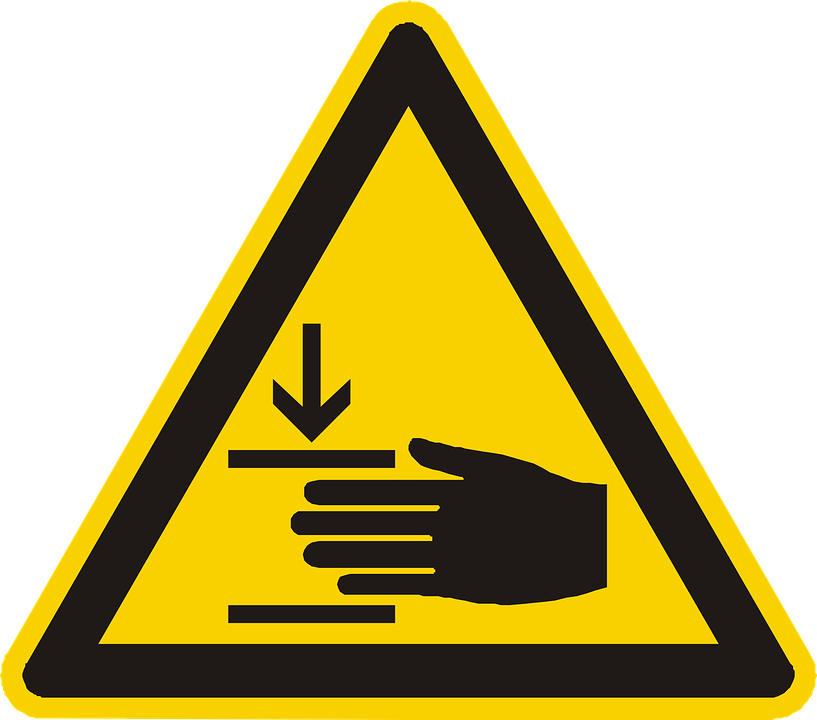
A worker using a log saw machine had his hand [...]

A Georgia construction company has been fined $53,162 for violating [...]
An OSHA inspection of a water main installation project in [...]

While removing temporary piping on a mezzanine of a partially-built [...]
A welder was seriously injured in an explosion while repairing [...]

An OSHA inspection found that a worker was exposed to [...]

OSHA opened an inspection at a Richardson, TX. worksite in [...]

OSHA conducted an investigation at a Covington, LA, worksite in [...]
Two workers were standing on a temporary floor covering when [...]

OSHA has cited 11 repeat violations for alleged infractions including [...]

A foreman was installing roofing at a four-story building when [...]

In order for accidents to be reduced to the absolute [...]
While watching a local news program, several OSHA employees noticed [...]

Following the death of a young worker who was exposed [...]

A New York building developer was inspected in response to [...]

Countless workers have been seriously injured or killed because they [...]

OSHA initiated an inspection of the facility in February and [...]

If a co-worker says or does something to upset or [...]

Taking a Successful Safety Program to the Next Level Paradoxically, [...]

OSHA inspectors found that a utility contractor had been installing [...]

In this effective and motivational program, your employees will learn how the body functions, risk factors associated with overexertion type injuries, and preventive measures they can utilize to reduce their exposure and prevent injuries. The program teaches the impact their posture can have on their body and the cumulative affect of improper lifting techniques. The visual graphics and comprehensive information will educate and motivate your employees to make the proper decisions and lifestyle adjustments to ensure their health and safety.
(14 Minutes)

A hand injury occurs in the workplace every 32-seconds. Though they usually do not grab the headlines and are not fatal in nature, over 16 million individuals seek emergency care each year for hand injuries. Hands are often in the forefront of the specific task being performed and thus exposed to more risks.
(13 minutes)
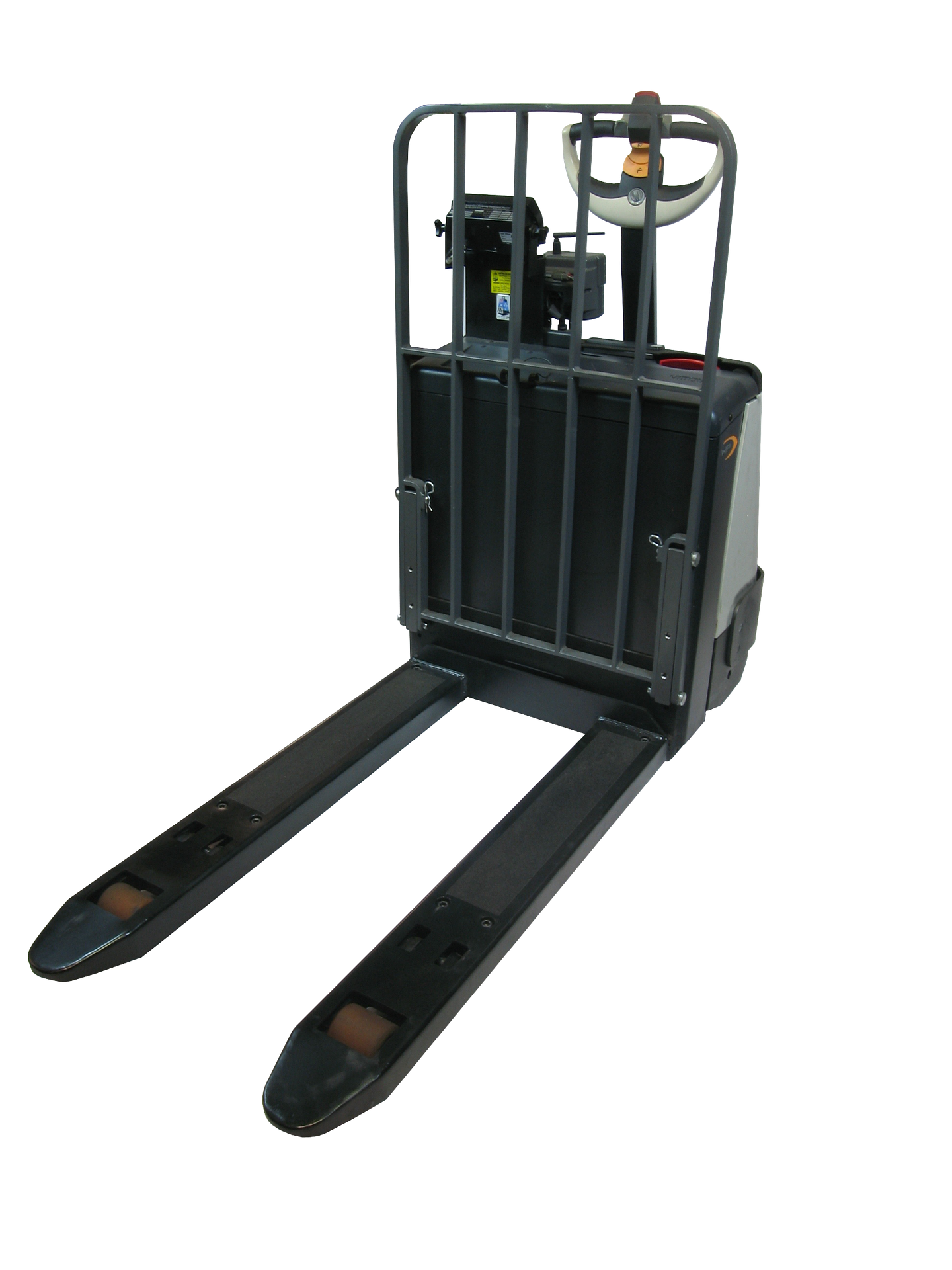
Examines proper safety procedures for operating and maintaining powered pallet jacks.
(12 minutes)
Since it's your first time, you may want to checkout some of the video tutorials.






 800-ICW-SAFETY (800.429.7233)
 SAFETYOnDemand@icwgroup.com