Protecting Against Electrical Hazards
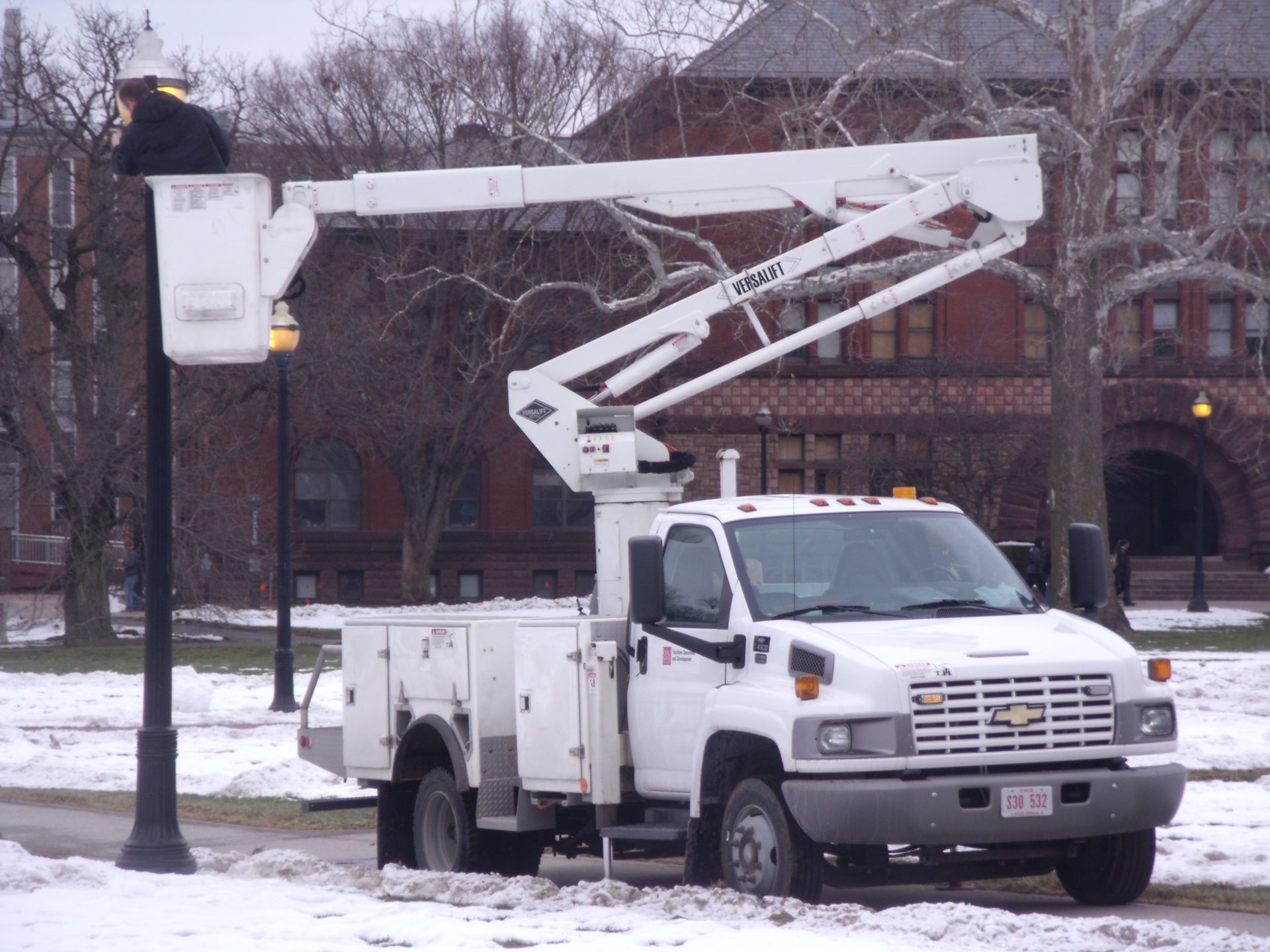
Thousands of non-disabling and disabling injuries occur annually from work with electricity and on average one person dies every day from an electrical incident on the job.
Powder-actuated tools are a fast way to fasten wood or other materials to concrete. Used incorrectly, they are also a quick way to an injury. Also known as explosive-actuated, stud drivers or stud guns, powder-actuated tools are used in the construction industry and by weekend builders.

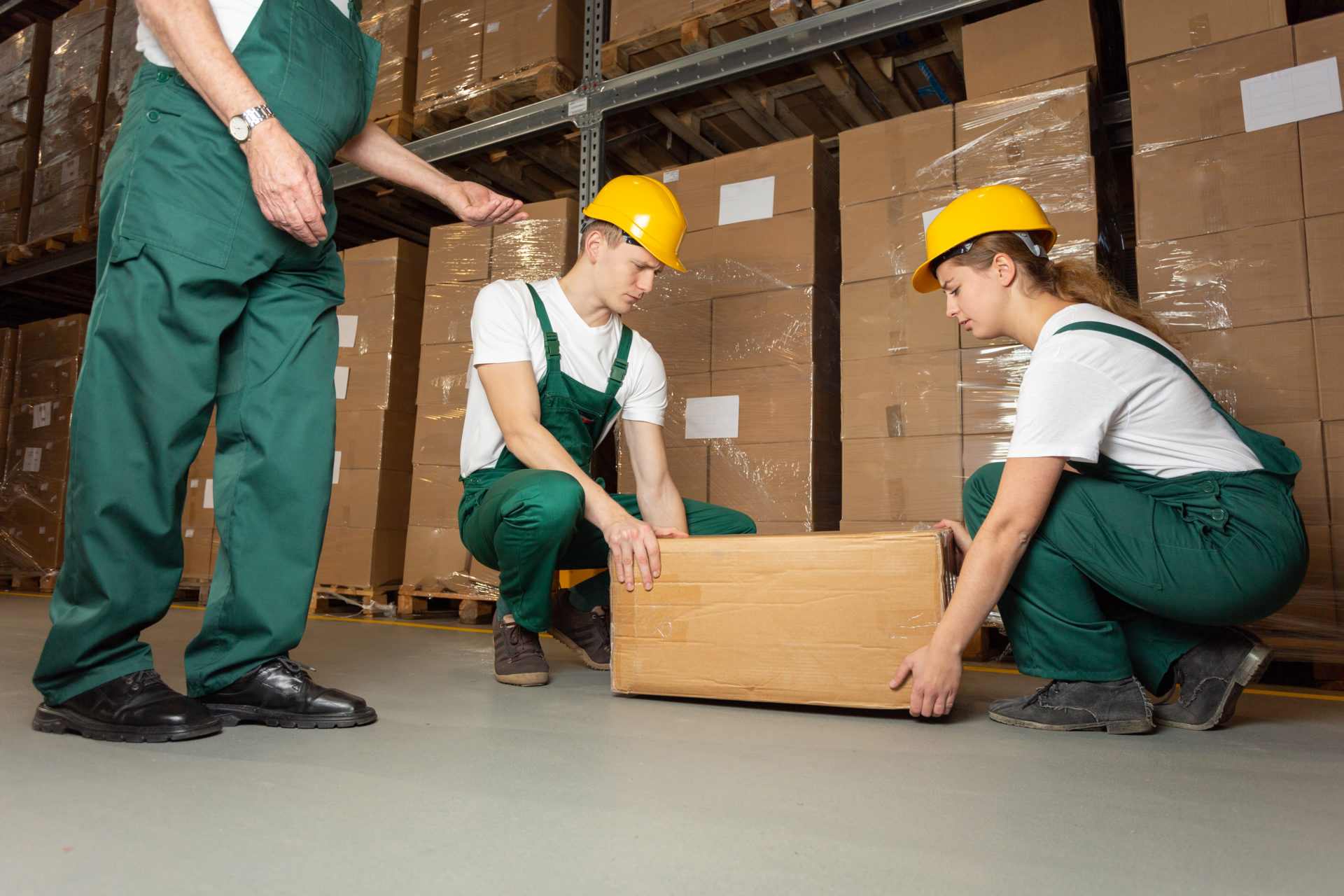
Anyone who has to move heavy objects, work in awkward positions, hold one position for a long time or perform certain tasks at a fast pace can get hurt. These tips will help protect your

Employees often work shifts that consist of many more consecutive hours or days than the average worker in this country. Additionally, people working the night shift are often faced with hazardous work that is deliberately

You might be the toughest roughneck around, but a good dose of heat stress can quickly tame anyone's bravado.
Using a ladder is a safer alternative to using a makeshift climbing device or an improvised work platform.

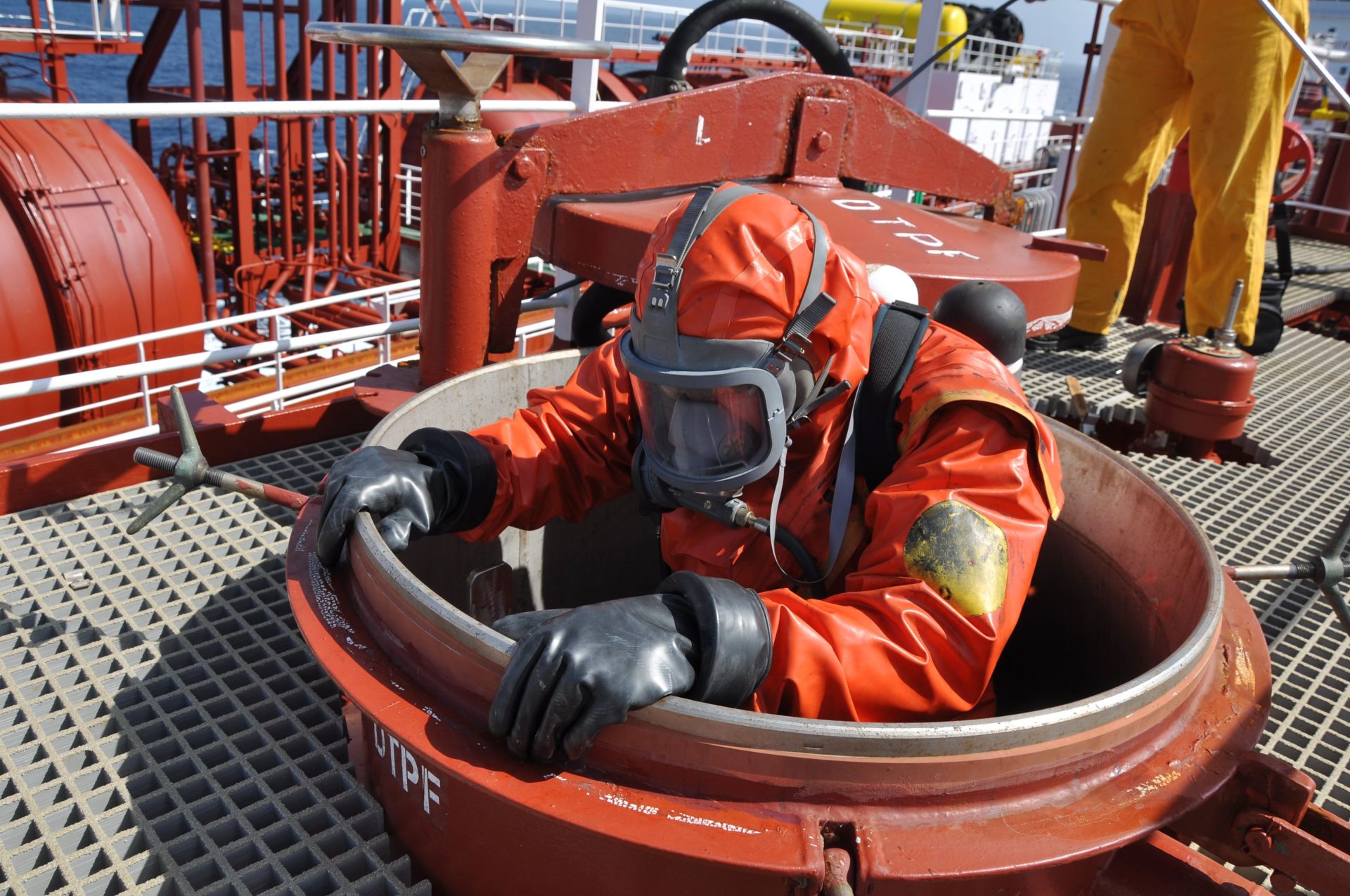
Is there a manhole to a sewage system near your workplace, or an underground vault for an electrical system? Any boiler, tunnel, well, silo, shaft or poorly ventilated crawl space can be a potentially dangerous confined space.
If you think fatal falls happen only to construction workers swinging off skyscrapers, think again. Because ladder use is so common, many workers take ladder safety for granted, and do not take the appropriate precautions.

In this Safety Talk, learn about trench hazards and evacuation procedures to help prevent workers being injured or killed if a trench they are working in collapses.

Struck-by and caught-between hazards account for over 1,500 workplace deaths a year and are present in almost every industry sector.

The tornado season in North America begins in April, peaks in June and July, and ends in September. But really the storms can occur at any time, with approximately 1,000 tornadoes being reported in the United States and 80 in Canada each year.

Even a simple extension cord needs to be looked after. It's a shock orfire hazard when deteriorated, worn-out or used improperly.
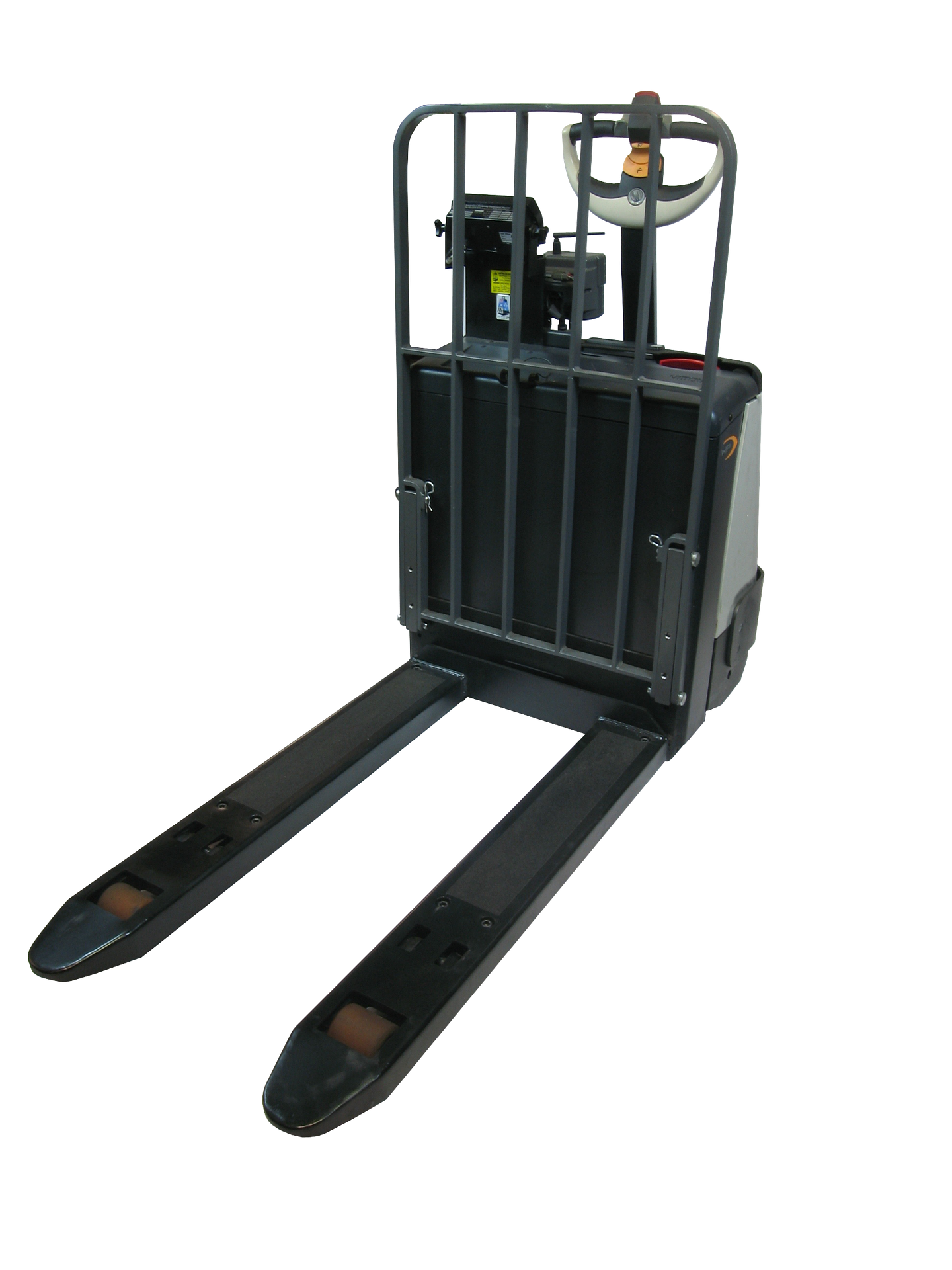
The forklift is an efficient tool. However, sometimes things go terribly wrong.

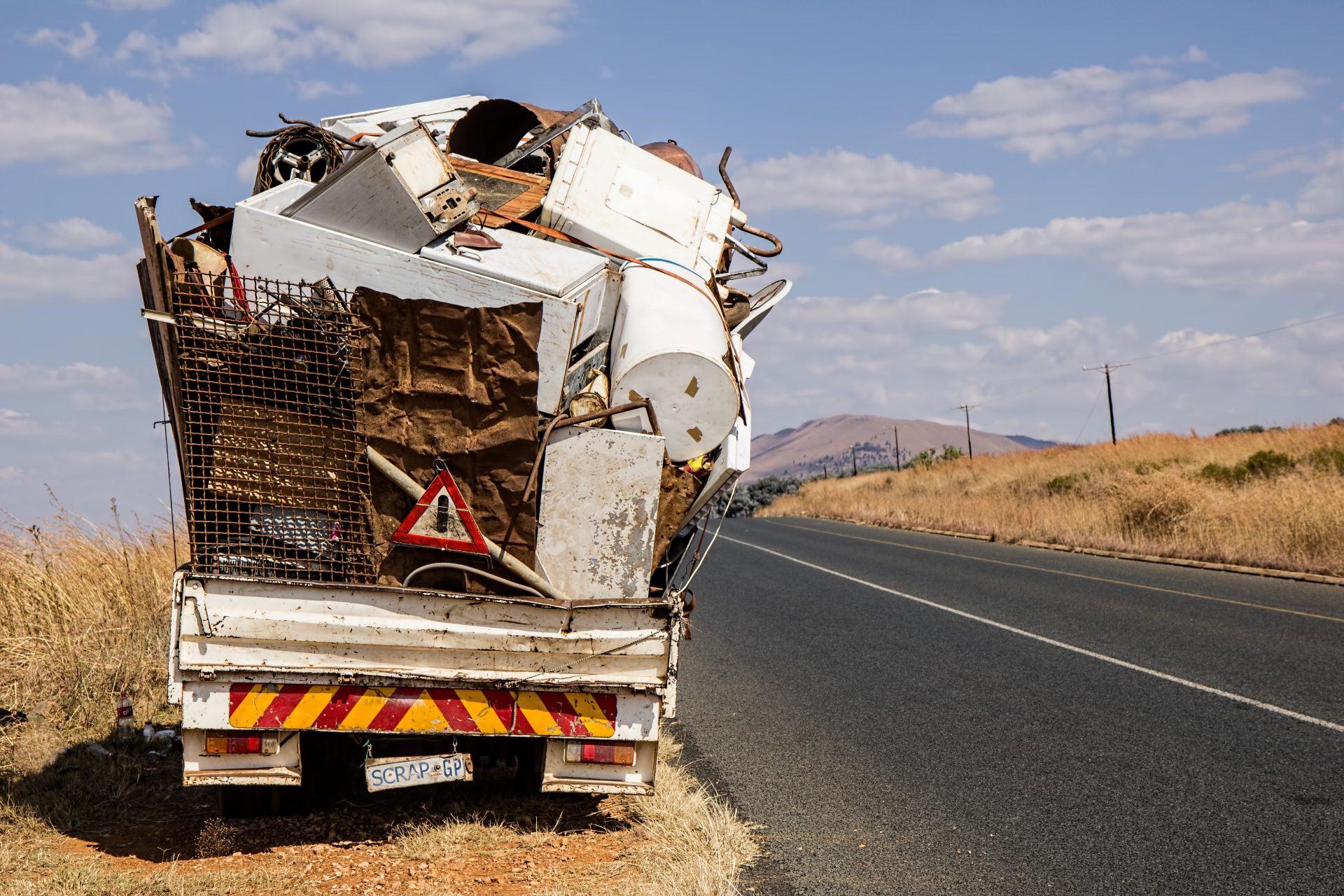
When you work around machinery, vehicles and anything else that moves, you could be caught in a tight spot and crushed.

WHAT'S AT STAKE Workers in almost every work environment are [...]

The Globally Harmonized System of Classification and Labeling of Chemicals (GHS) was created by the United Nations to help bring uniformity to hazardous materials labeling around the world.
Shiftworkers are necessary and instrumental in keeping work operating at all hours. In this Safety Talk learn about some of the hazards of Shitfwork.
Anyone who uses the wrong ladder for a job or uses it inappropriately is courting trouble. Don?t become a statistic. Remember these ladder safety tips: Select the correct ladder. Why waver on the top rung
Raising a wall is a common task on a construction site. And it?s a task that endangers the safety of several workers at one time.

Eyes are one of the most vulnerable parts of the body. They are susceptible to all kinds of injuries in the workplace if they are not properly protected.

All drivers need to watch out for small vehicles on the road – the compact car hiding in the truck driver's blind spot, the bicycle courier passing on the right side at an intersection and the oncoming motorcycle.

How This Affects You: Your back is used in all you do, on and off the job, and hurting it can have severe consequences: a lifetime of pain, inability to work or play and reduced income.

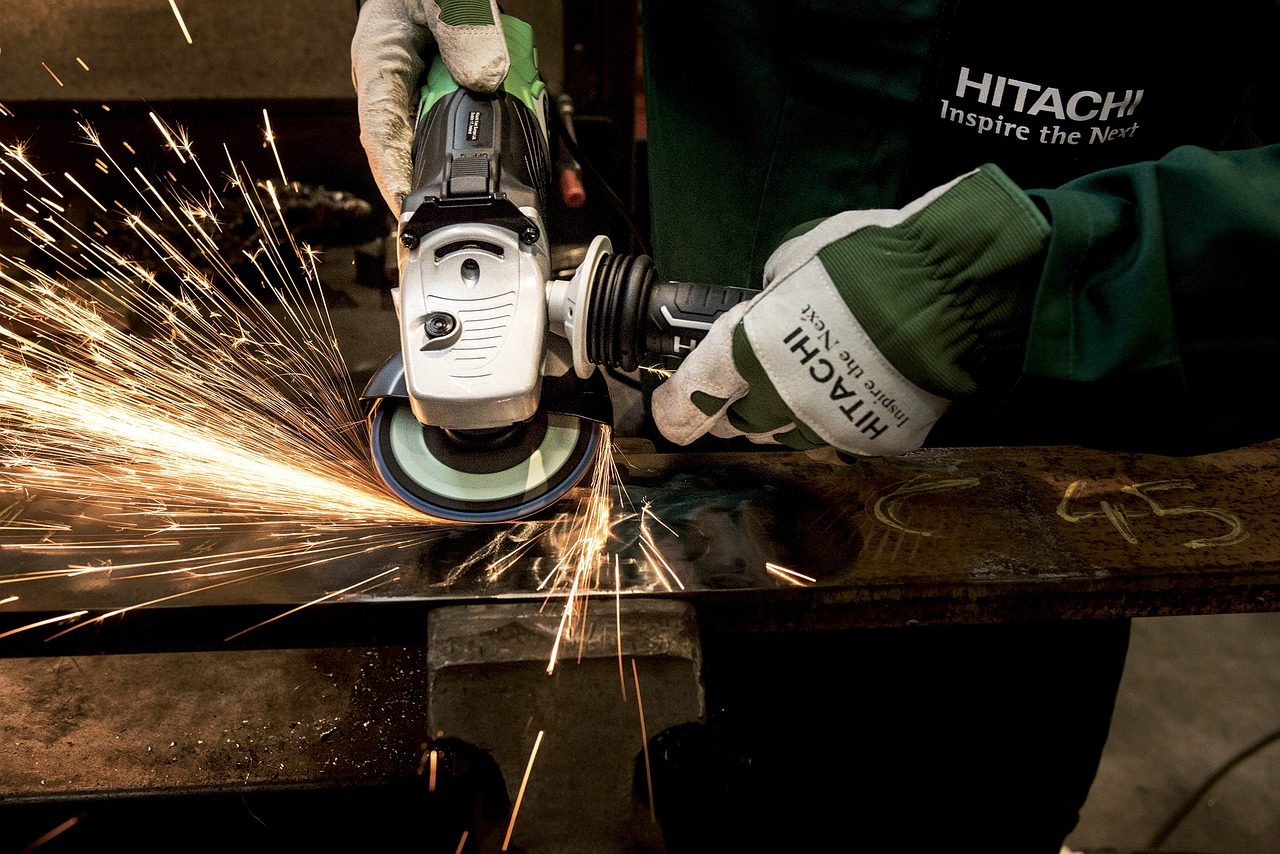
We all know how important it is to use caution around power tools. But what about tools in general? Can a wrench really be dangerous?
WHAT'S AT STAKE When you can’t safely reach the work [...]

Some jobs require workers to enter and work in tight areas known as confined spaces, which can be both uncomfortable and dangerous. Usually, a confined space will have limited access, poor ventilation and poor lighting.