
Personal Protective Equipment – Dressed for Protection Stats and Facts
FACTS Head. Wearing a safety helmet or hard hat is [...]
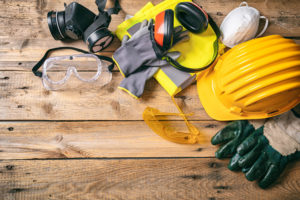
FACTS Head. Wearing a safety helmet or hard hat is [...]
HECHOS La cabeza. Llevar un casco de seguridad o un [...]
HECHOS El acoso callejero incluye algunos de los siguientes comportamientos [...]
FACTS Street harassment includes some of the following unwanted behaviors: [...]
Detenido un pasajero tras ser visto dando puñetazos a una [...]
FACTS Plumbers face Numerous Safety Hazards Heights and Falling Objects [...]
HECHOS Los plomeros se enfrentan a numerosos riesgos de seguridad [...]
FACTS 1. The FAA outlines risks of flying with a [...]
HECHOS 1. La FAA describe los riesgos de volar con [...]
FACTS Inadequate or Ineffective safeguarding and hazardous energy control practices [...]
HECHOS Prácticas inadecuadas o ineficaces de protección y control de [...]
FACTS The most common PIT hazards include improper use; blind [...]
HECHOS Los peligros más comunes de los PIT incluyen el [...]
FACTS Six good housekeeping practices to help prevent workplace slips, [...]
HECHOS Entre las seis buenas prácticas para evitar resbalones, tropiezos [...]
FACTS Through planning and personal attention, falls through openings under [...]
HECHOS Mediante la planificación y la atención personal, las caídas [...]
HECHOS Los trabajadores de la industria alimentaria tienen más probabilidades [...]
FACTS Workers in food manufacturing are more likely to be [...]
HECHOS Los bandereros son necesarios en los lugares de una [...]
FACTS The Most Common Types of Injuries in Landscaping and [...]
HECHOS Los tipos más comunes de lesiones en el paisajismo [...]
FACTS The components of the eye most susceptible to laser [...]
HECHOS Los componentes del ojo más susceptibles de sufrir daños [...]
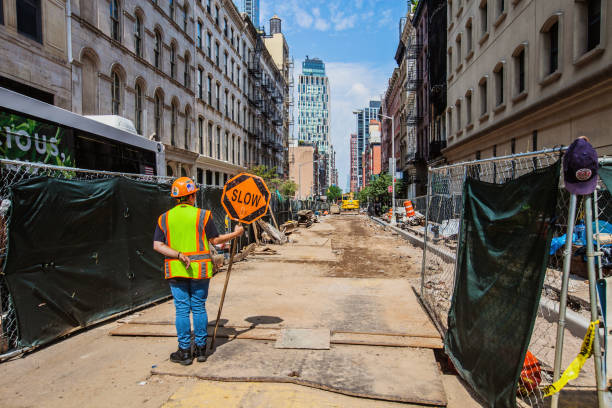
FACTS Flaggers are required at locations on a construction site [...]
Since it's your first time, you may want to checkout some of the video tutorials.








 800-ICW-SAFETY (800.429.7233)
 SAFETYOnDemand@icwgroup.com
