

How to Reduce Your Risk of Ergonomic Injuries
One size does not fit all when it comes to work equipment.
One size does not fit all when it comes to work equipment.

Workers all have their areas of expertise and they develop impressive skills through years of experience. But being an expert machine operator doesn’t necessarily mean one is able to perform critical maintenance or repairs on that machinery.
A pilot crashes a plane. A truck driver dozes off and misses a curve. A machine operator accidentally sticks his hand into some rollers. What do all of these accident victims have in common? They were all affected by legal drugs, the kind you buy at your neighborhood drug store.
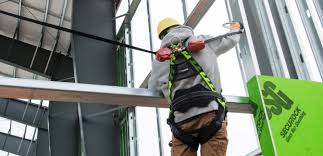
In this Safety Talk, we’ll look at some of the issues workers face as they age and what they can do to stay focused and accident-free.
Working in cold weather can have a chilling effect on your body. You are at risk for impaired motor function, impaired judgment and cold stress injuries and illness.
Substance abuse costs employers billions of dollars a year in accidents and injuries, lost productivity, and property and equipment damage.
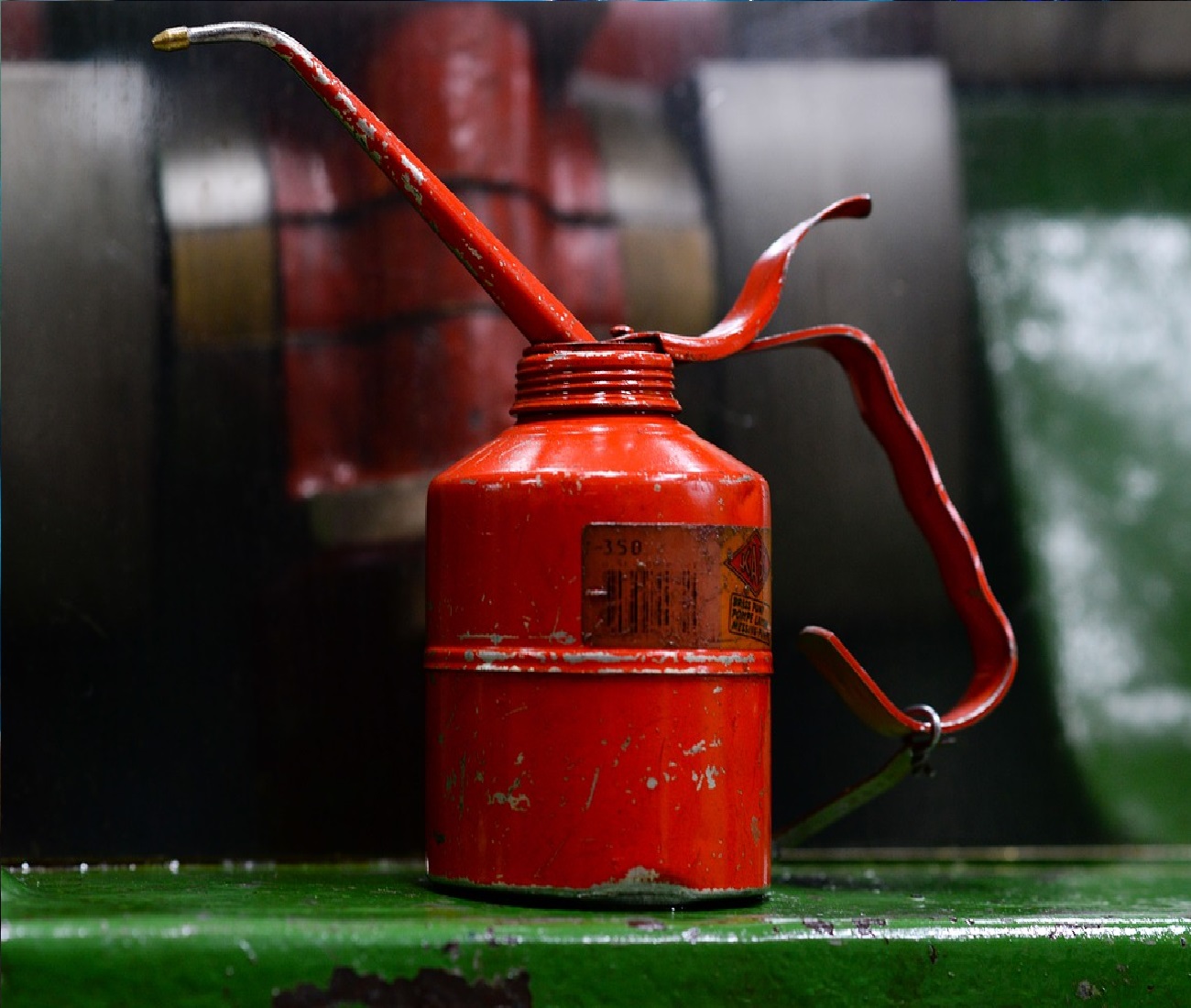
If your job includes the use or handling of flammable substances, you need special training to recognize and avoid the hazards that go along with them.
A job hazard analysis (JHA), sometimes called a job safety analysis (JSA), is a thorough work plan that is the cornerstone of any safety program.
Loading and unloading cargo is a routine task at many workplaces. And it?s a task that requires establishing and following safe procedures.
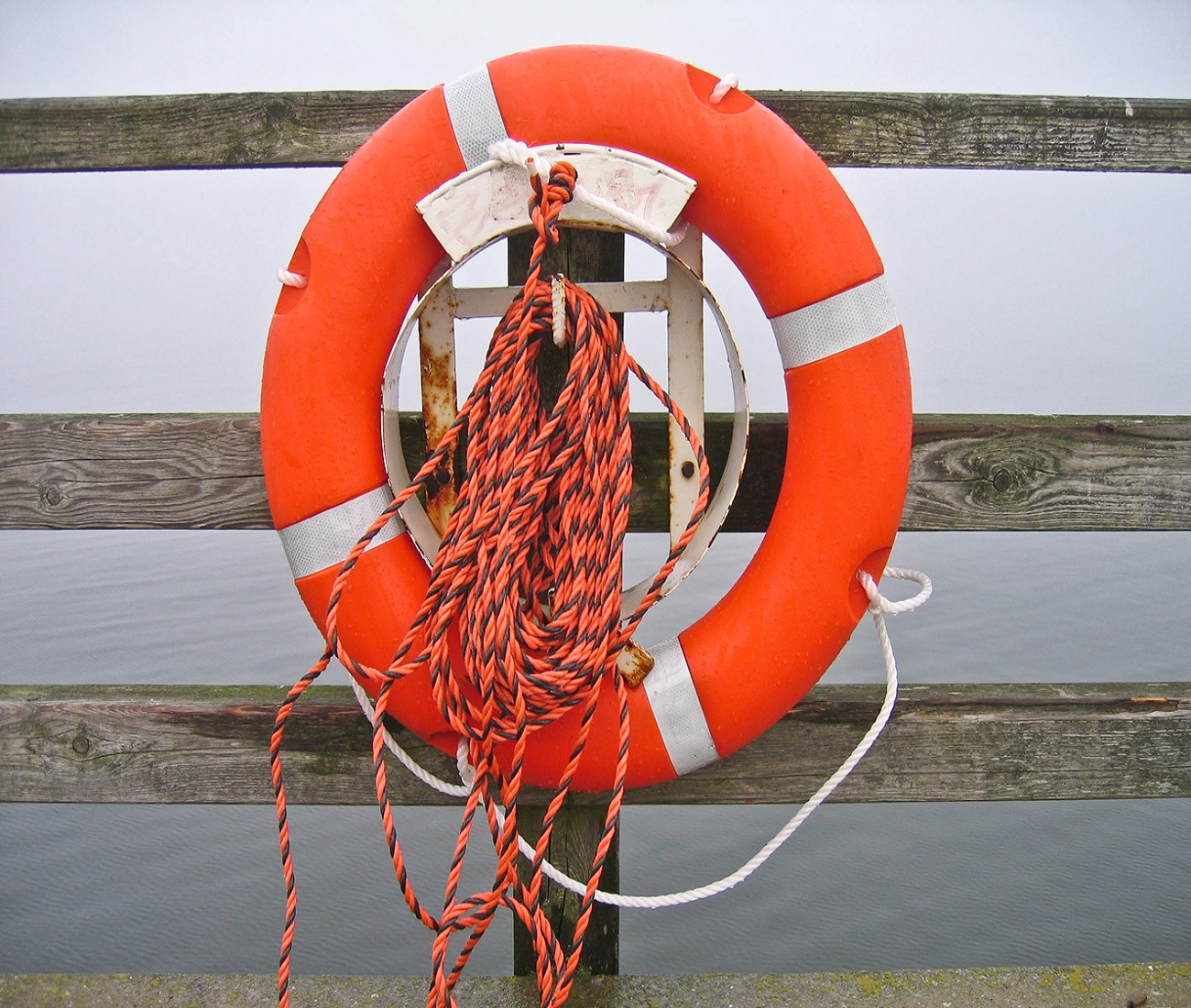
Swimming and boating are staples of summer fun. The fun can quickly turn to tragedy though, when water and boating safety are thrown overboard. On average, 1,000 people die in boating-related accidents every year in North America and thousands more are injured. Additionally, more than 3,500 unintentional drownings, not related to boating, happen each year. The majority of these deaths are preventable.
If you work with chemicals, make sure you are familiar with the first aid required in case of exposure. This information is located on the chemical label and on the Material Safety Data Sheet (MSDS).
“We can’t afford to spend time on making things look pretty. We’ve got production to get out,” he said. That’s true as far as it goes, but plant housekeeping involves a lot more than making
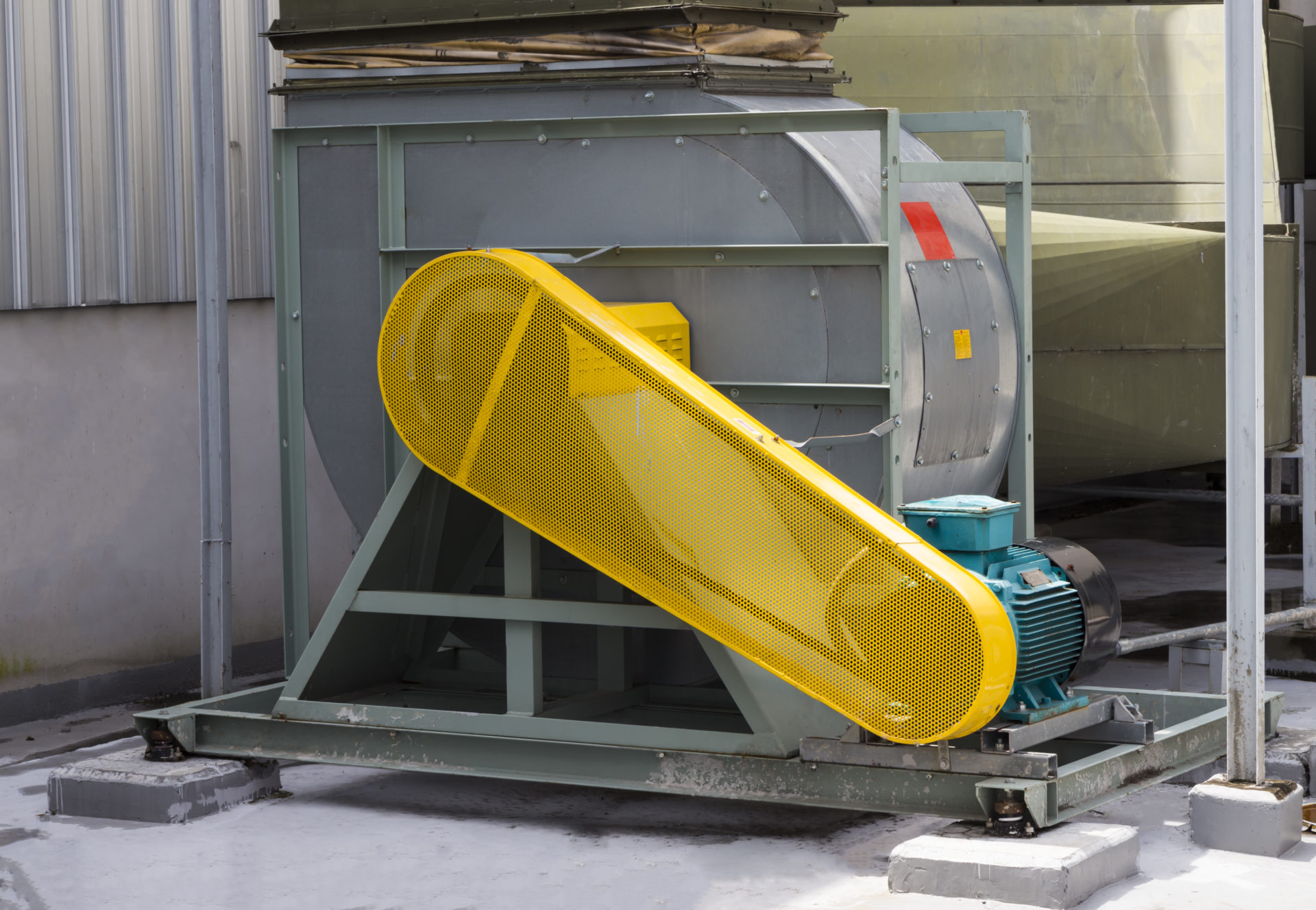
A sawmill worker suffered multiple fractures to his right arm when it became caught in an edger outfeed chain and sprocket. For unknown reasons, he had lifted the guard to check the drive mechanism.
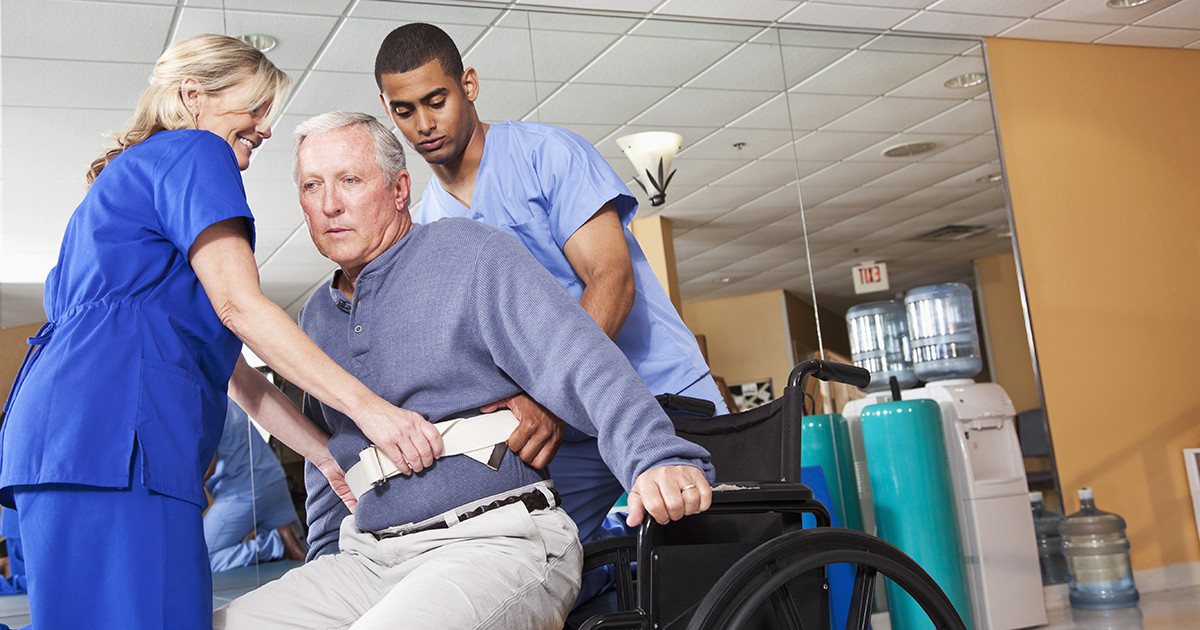
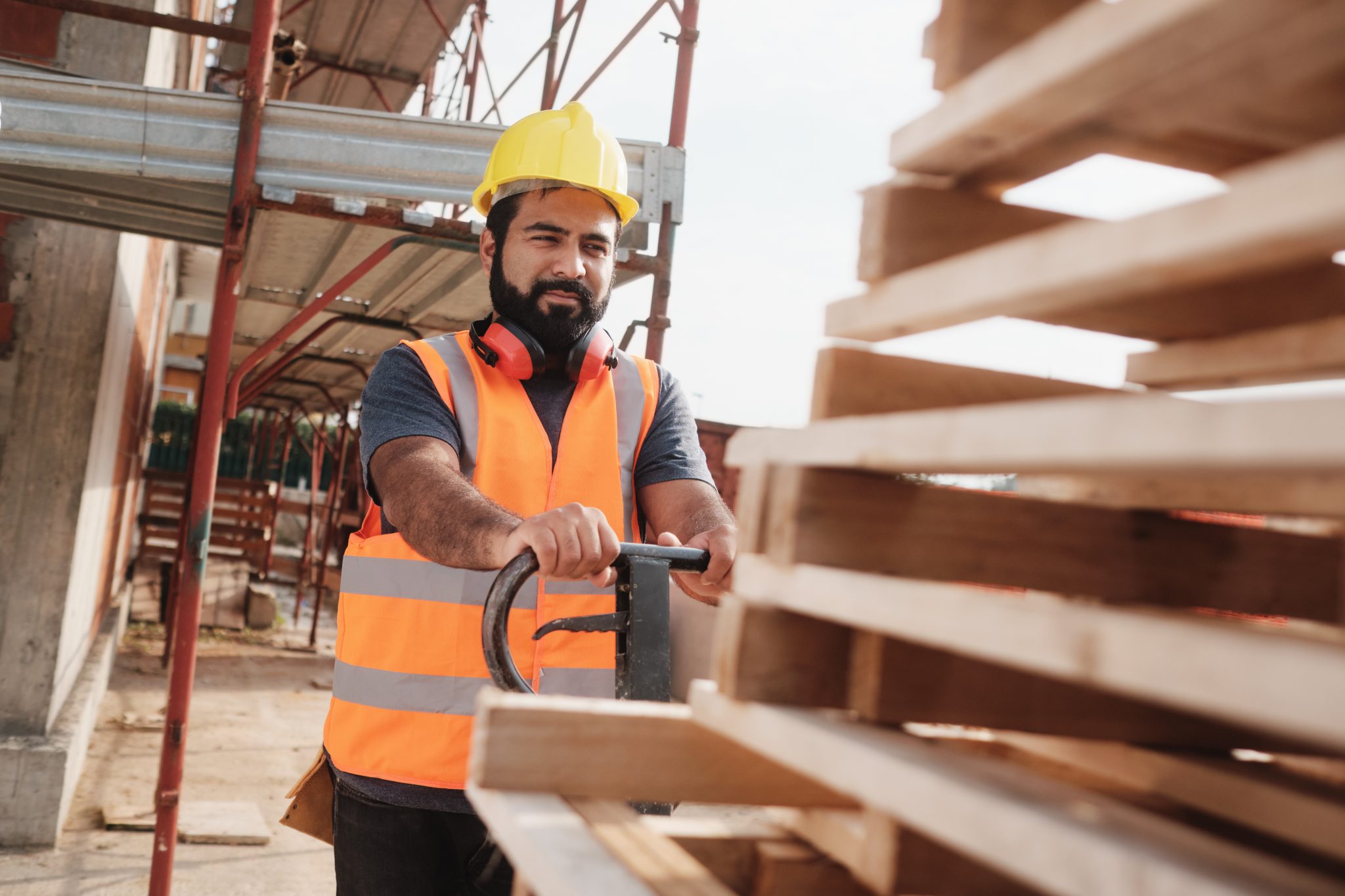
Workers in health care, warehousing, transportation, manufacturing, retail and many other industry sectors have to lift and move people and materials as part of their jobs.
Every workplace is a little different, but one thing they all have in common is the need and desire to keep workers as safe and free from injury or illness as possible.
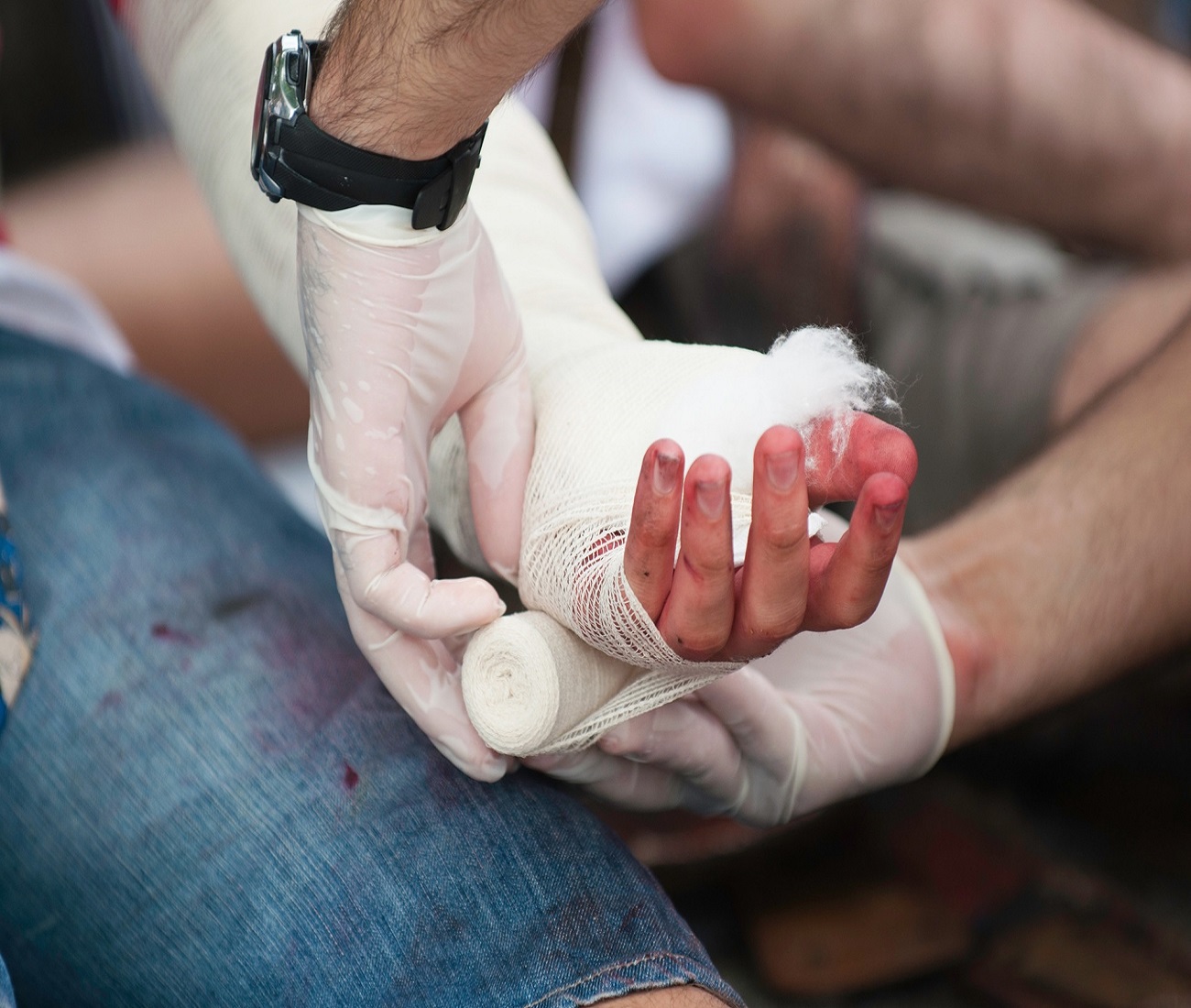
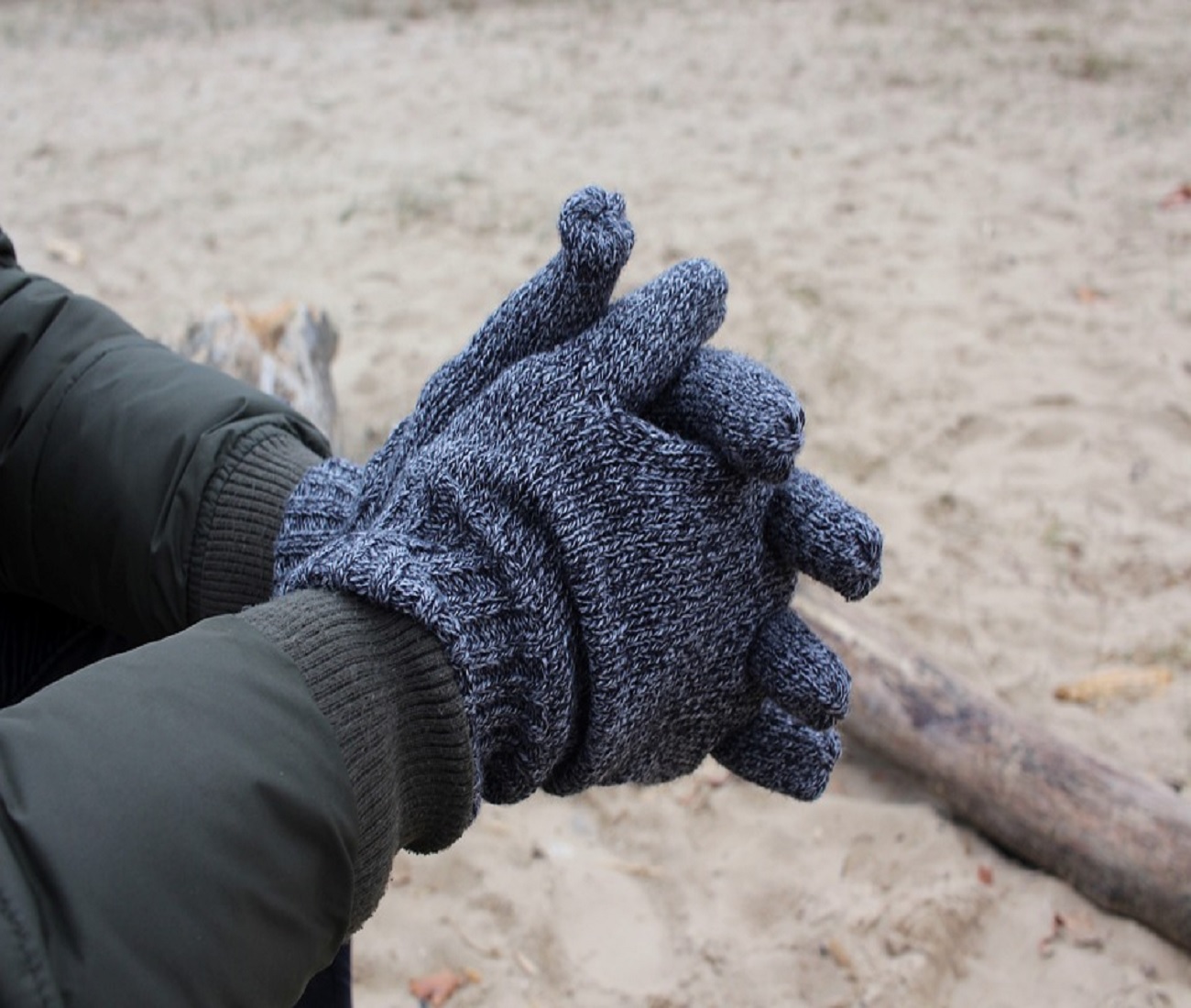
If you aren't wearing the right protection your hands could be burned, frozen, cut, scraped or burned by chemicals. You could lose fingers, a thumb, or even your life. That's why you wear gloves.
As a maintenance worker, you are responsible for a lot - providing a steady flow of water, heat and cooling as well as upkeep of every part of the workplace.
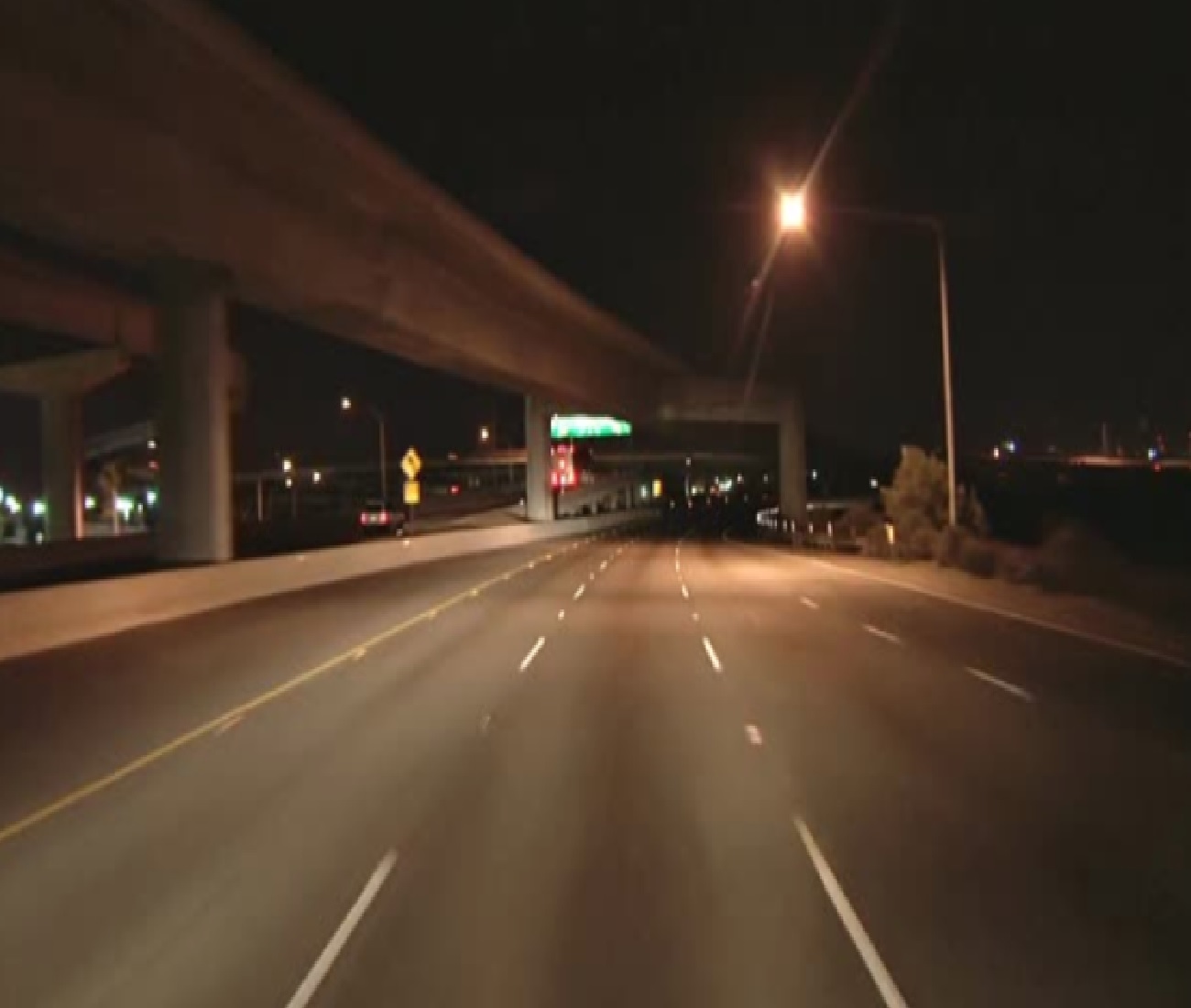
Most motor vehicle fatalities happen after dark, even though we drive less at night than in the daytime.

Los dispositivos de protección en las máquinas han salvado muchas vidas y prevenido innumerables lesiones al evitar que el trabajador entre en contacto con equipos en movimiento.
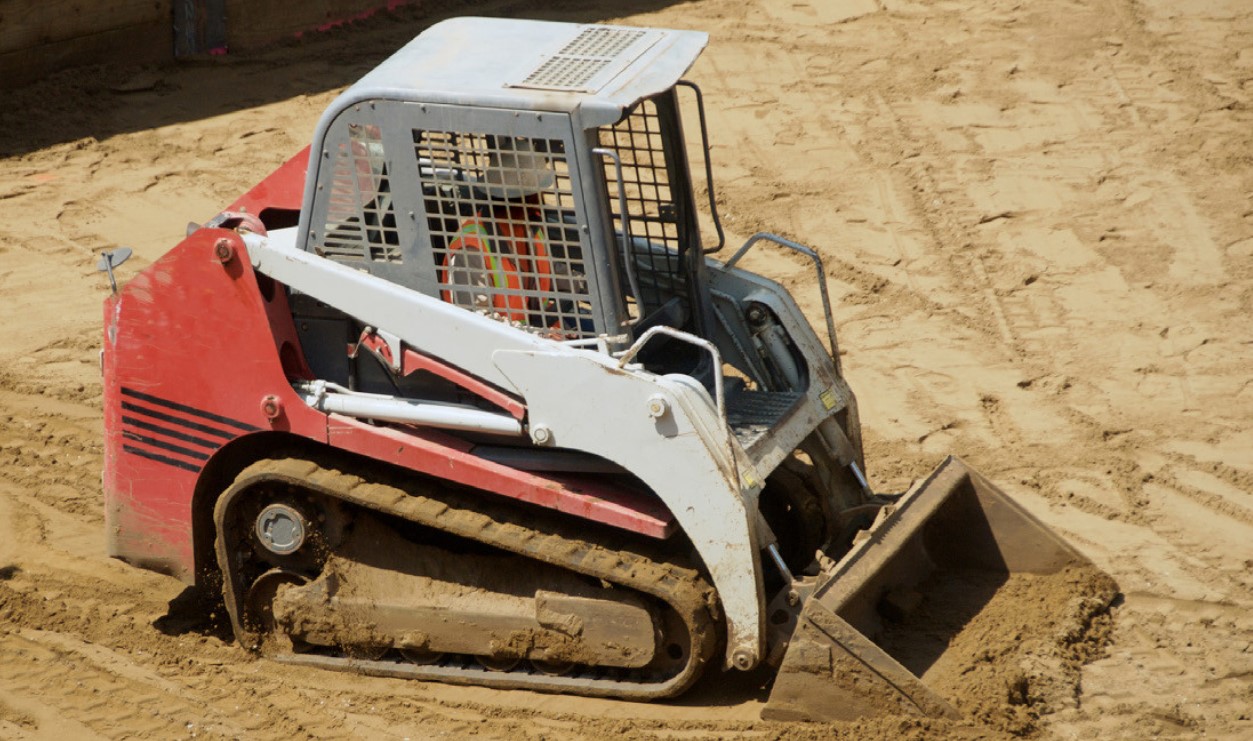
Wherever heavy work needs to be done in a small space, the skid-steer loader can be found. Carelessness around or in operating these machines can injure or kill you.

Download Instructor-Led Material Meeting Kit PowerPoint WHAT'S AT STAKE Working [...]
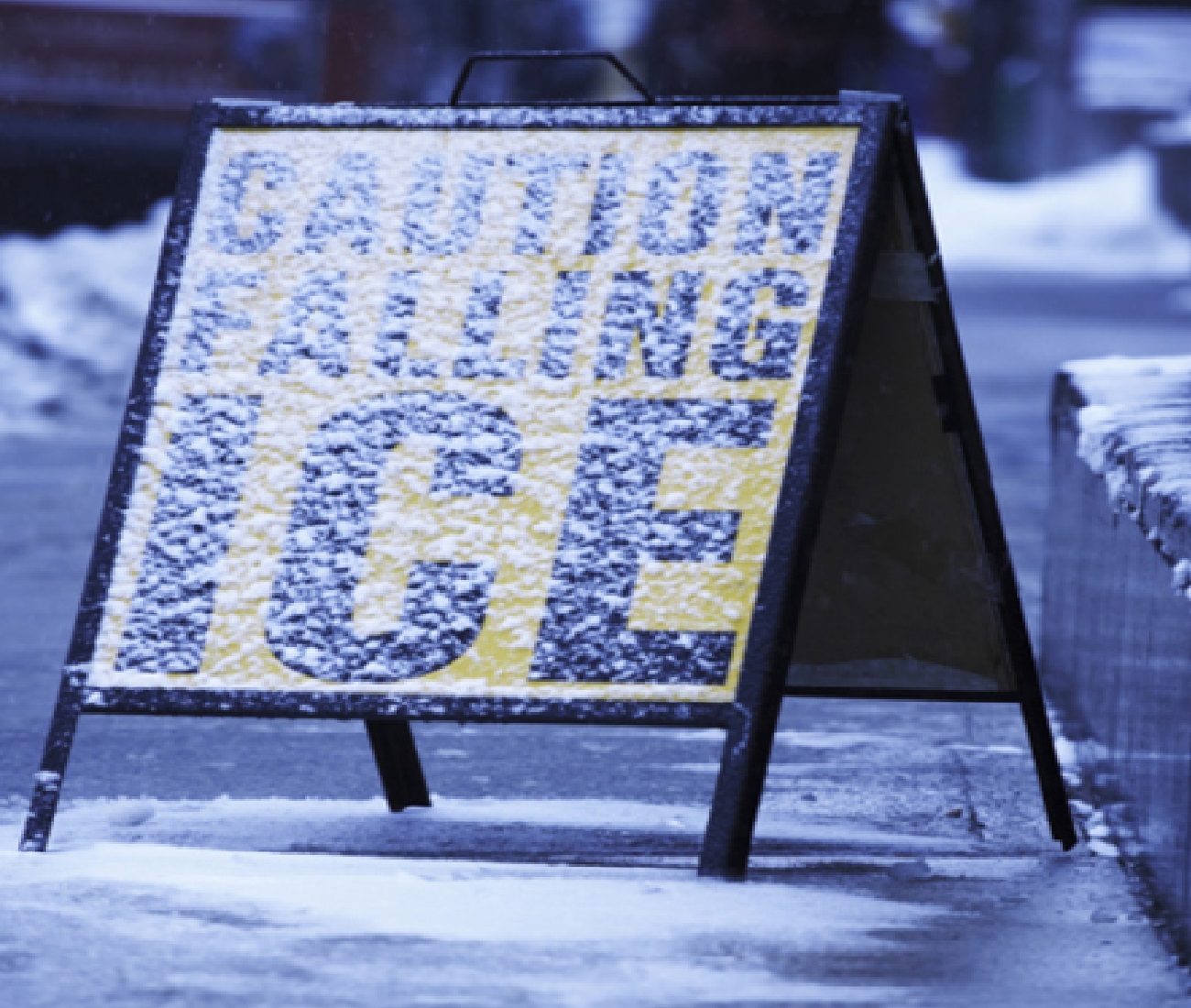
Unless you’re fortunate enough to live in a climate of perpetual summer, or something close to it, cold winter weather is a chilling reality for millions of people across North America.
A sudden gust of wind can be annoying to most people as it blows dirt into their faces or sends hats flying. But if you work outdoors, the wind can damage much more than your previously cheerful mood.
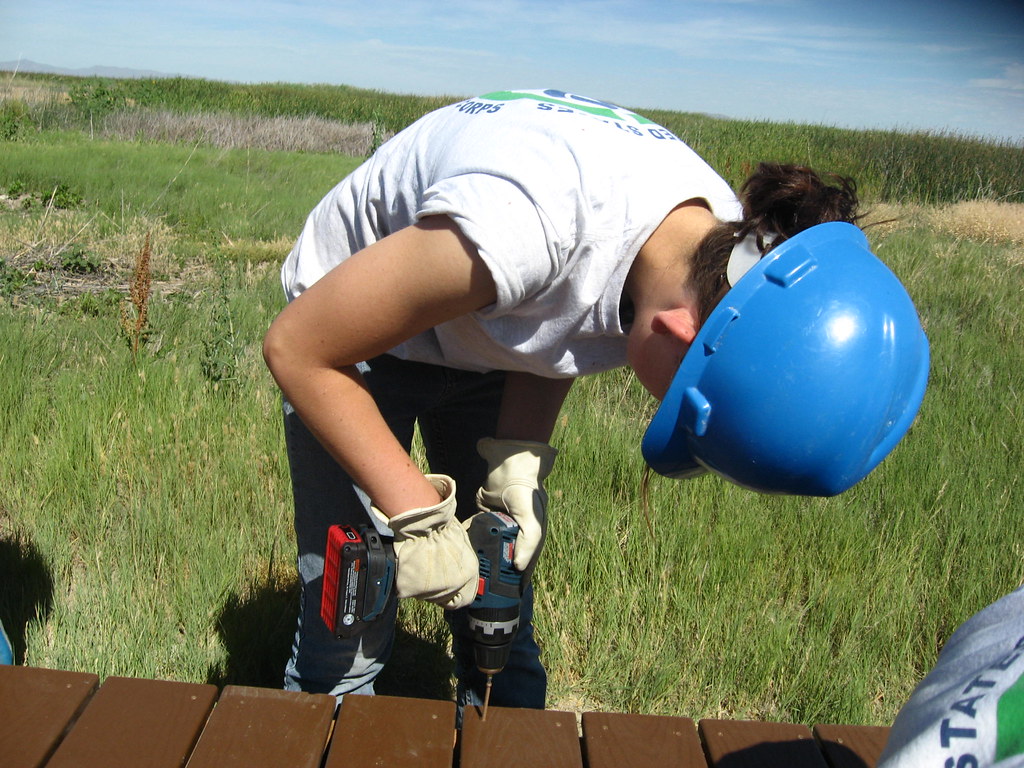
Fatal or disabling head injuries happen when people are hit in the head with running equipment, tools falling from above, broken machine parts propelled through the air and many other moving and stationary objects.
Since it's your first time, you may want to checkout some of the video tutorials.








 800-ICW-SAFETY (800.429.7233)
 SAFETYOnDemand@icwgroup.com