
Driving in the Dark
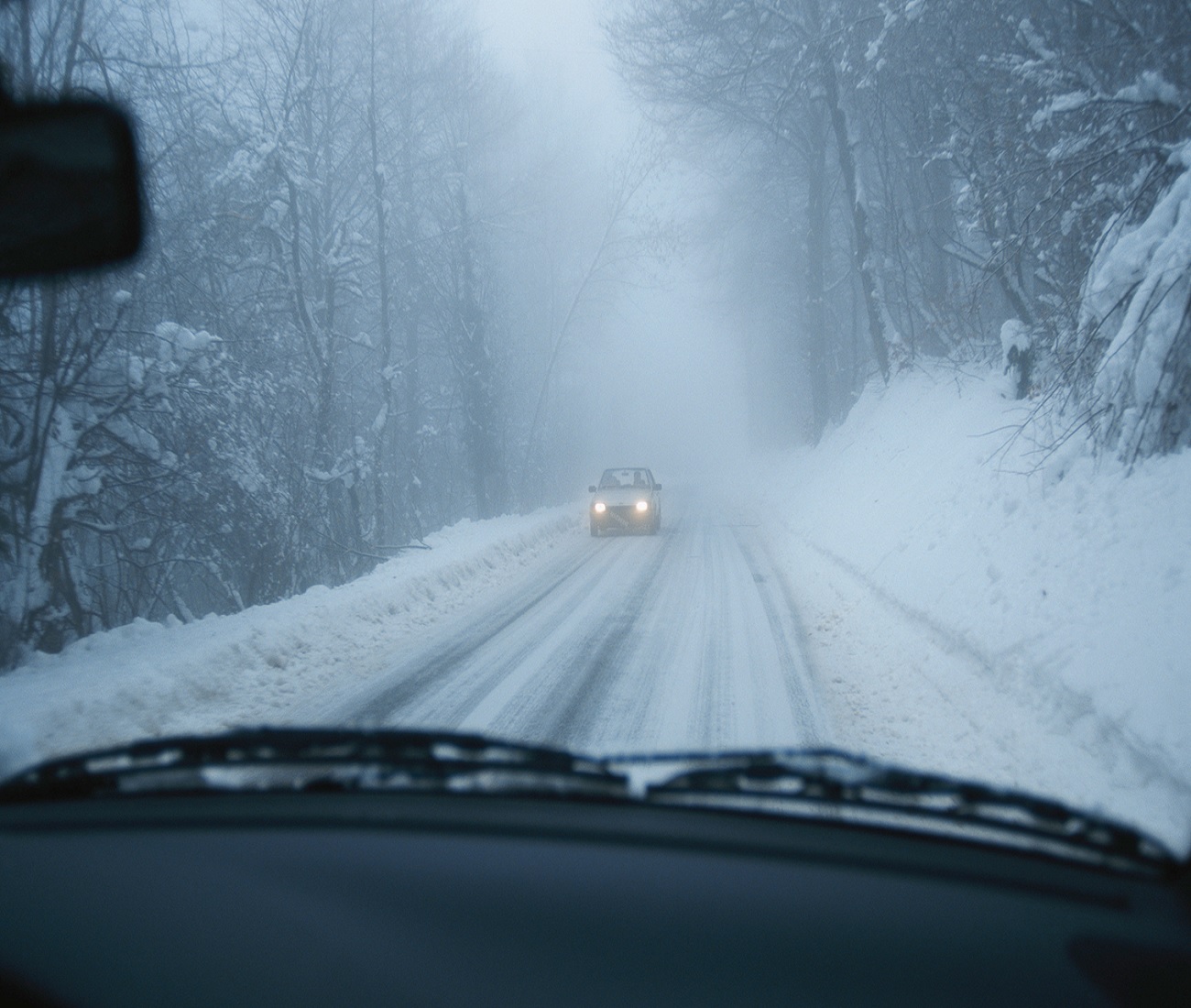
Most motor vehicle fatalities happen after dark, even though we drive less at night than in the daytime.
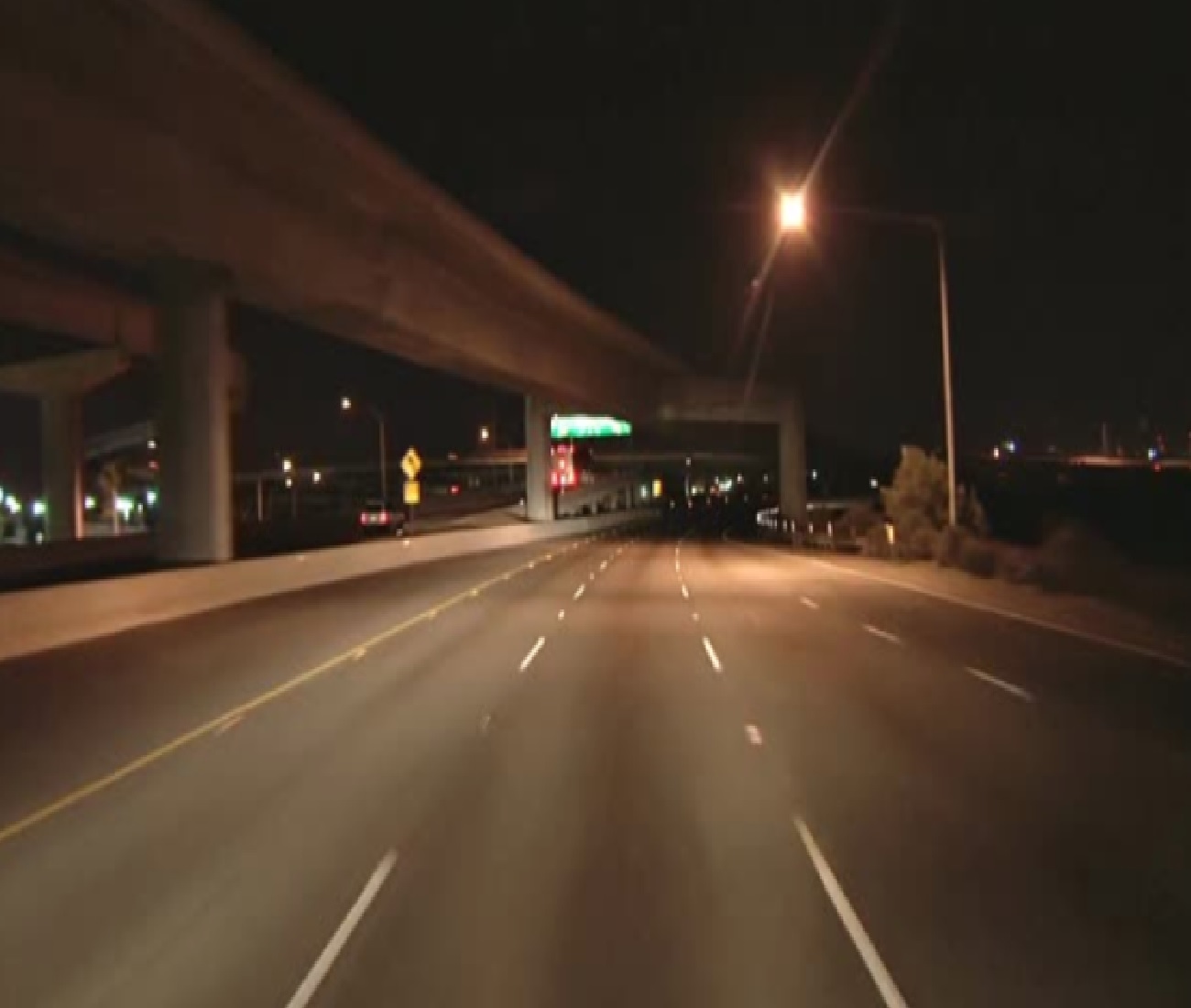
Most motor vehicle fatalities happen after dark, even though we drive less at night than in the daytime.

Los dispositivos de protección en las máquinas han salvado muchas vidas y prevenido innumerables lesiones al evitar que el trabajador entre en contacto con equipos en movimiento.
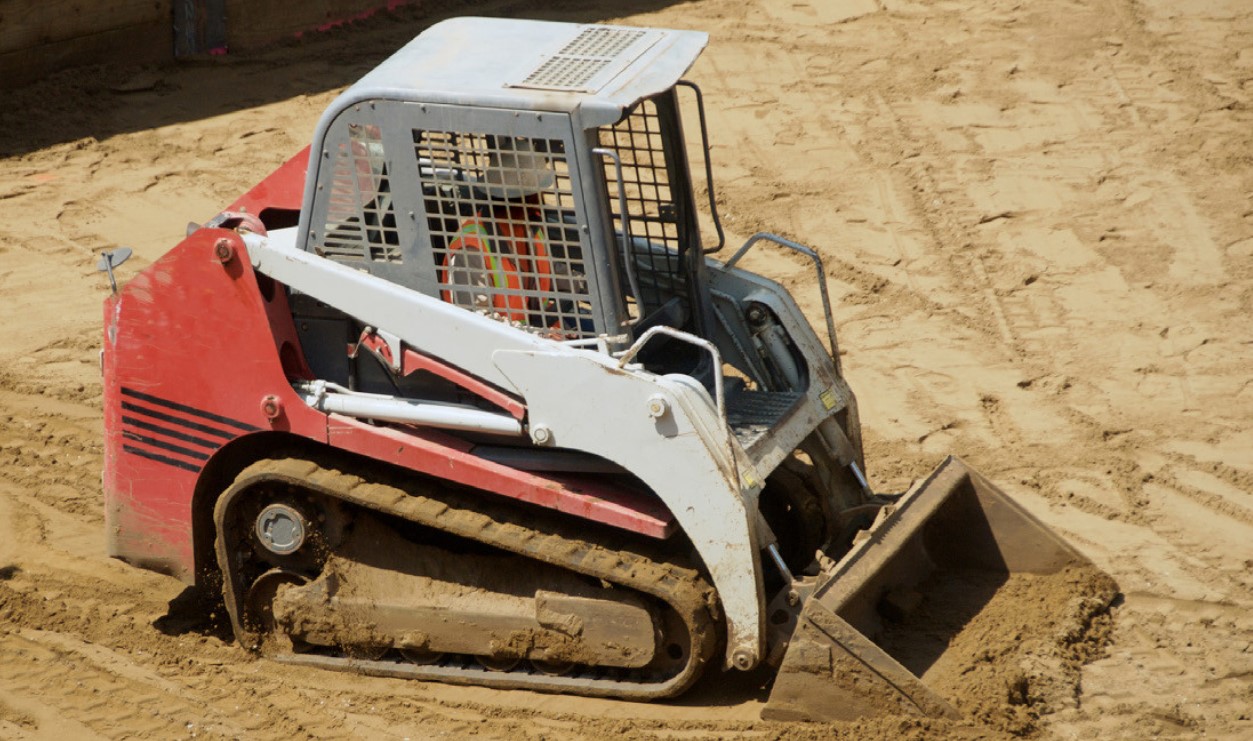
Wherever heavy work needs to be done in a small space, the skid-steer loader can be found. Carelessness around or in operating these machines can injure or kill you.
Download Instructor-Led Material Meeting Kit PowerPoint WHAT'S AT STAKE Working [...]
Unless you’re fortunate enough to live in a climate of perpetual summer, or something close to it, cold winter weather is a chilling reality for millions of people across North America.
A sudden gust of wind can be annoying to most people as it blows dirt into their faces or sends hats flying. But if you work outdoors, the wind can damage much more than your previously cheerful mood.
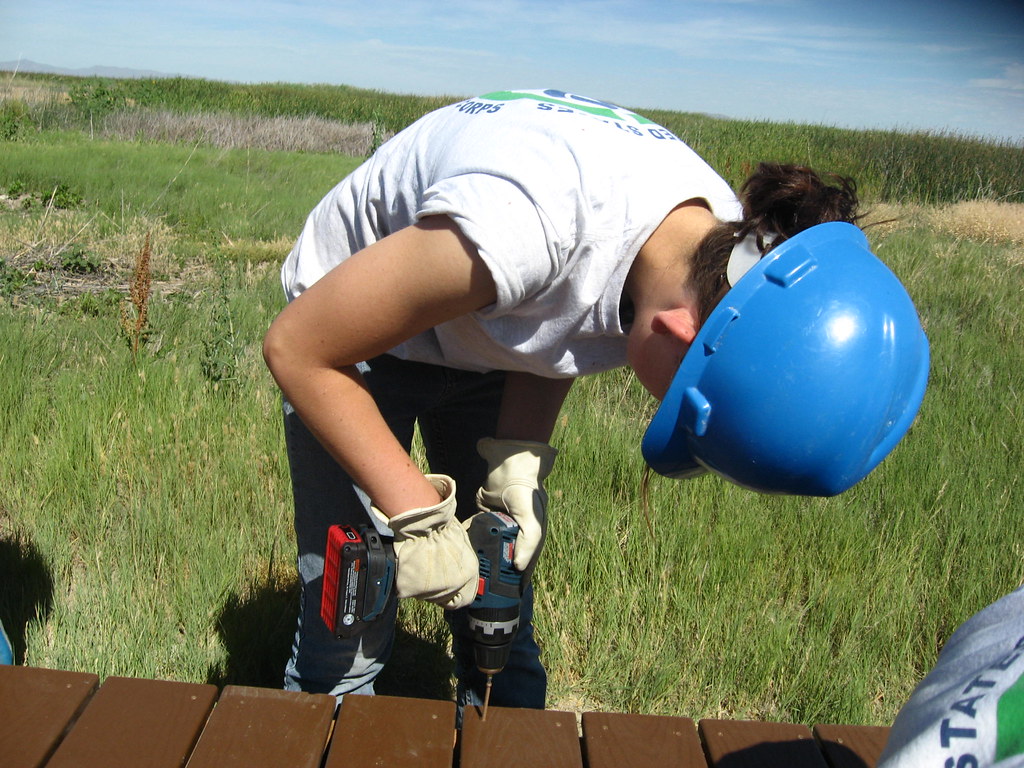
Fatal or disabling head injuries happen when people are hit in the head with running equipment, tools falling from above, broken machine parts propelled through the air and many other moving and stationary objects.
In this Safety Talk, we’ll look at what actually happens to our bodies as we age, why weight lifting helps us stay fit, and which exercises will help maintain muscle mass and strength.
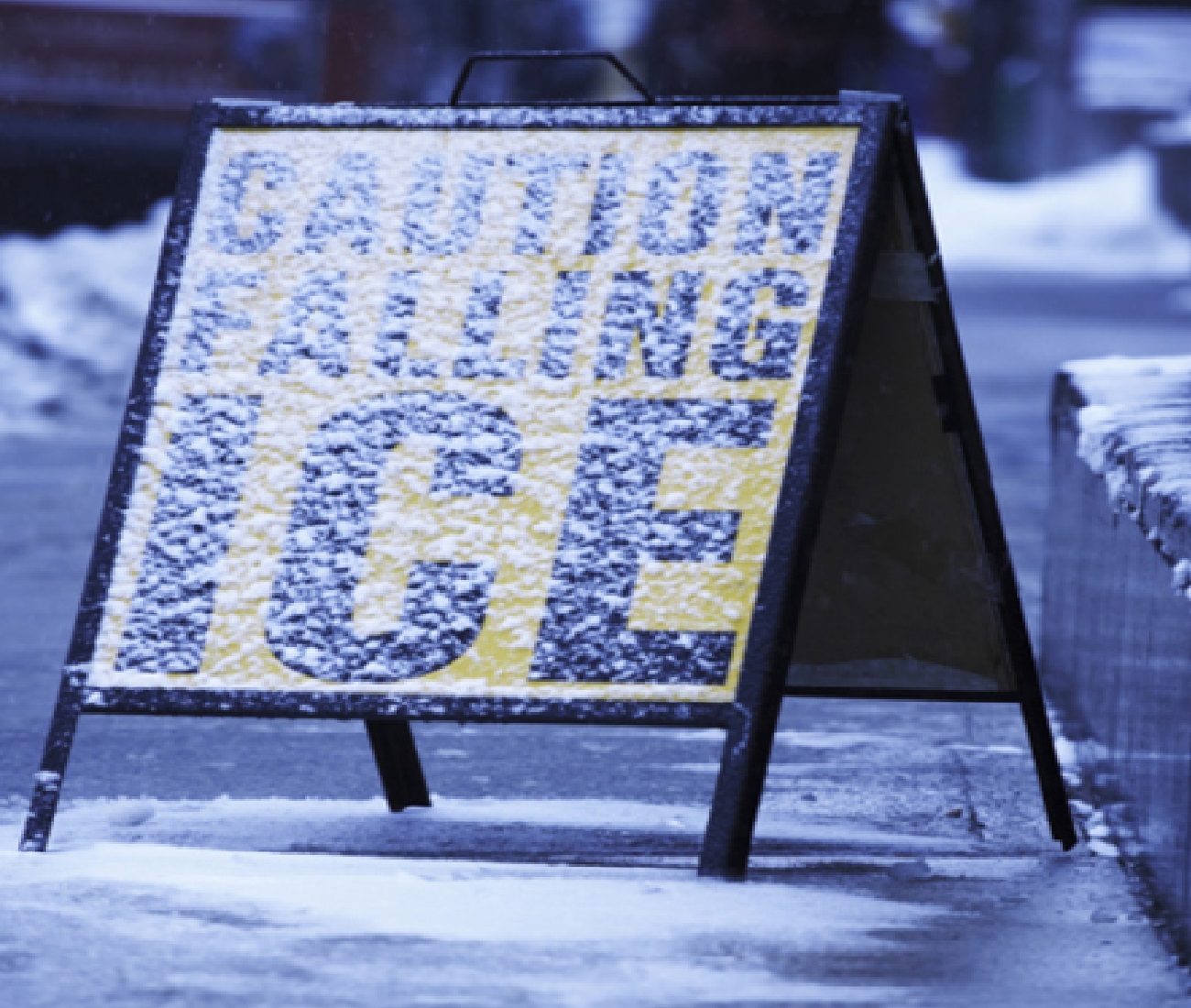
Winter weather can be unpredictable and dangerous. Getting caught in a winter storm can be downright deadly if you aren’t prepared.
Each year over 20,000 workers are injured and hundreds are killed in road construction work zones.
WHAT'S AT STAKE Most workers have a healthy respect for [...]
If you?re alive, you have stress. Stress is what motivates us to do the things we need to do to survive. In small doses, it can be very powerful. The problem is that repeated exposure to situations that cause our bodies to produce stress hormones may have negative effects on our mental and physical health.
Depression affects tens of millions of workers across the U.S. and Canada, with a cost to companies of more than $50 billion annually from absenteeism, loss of productivity and medical expenses. By 2020, depression is projected to rank second only to heart disease as the leading cause of disability worldwide. The toll on the workers themselves is often immeasurable.

Meanwhile, Bill the operator returned from his break. He did not see John and there was no indication the machine was under repair. Assuming his machine was ready to run, Bill started it. He had
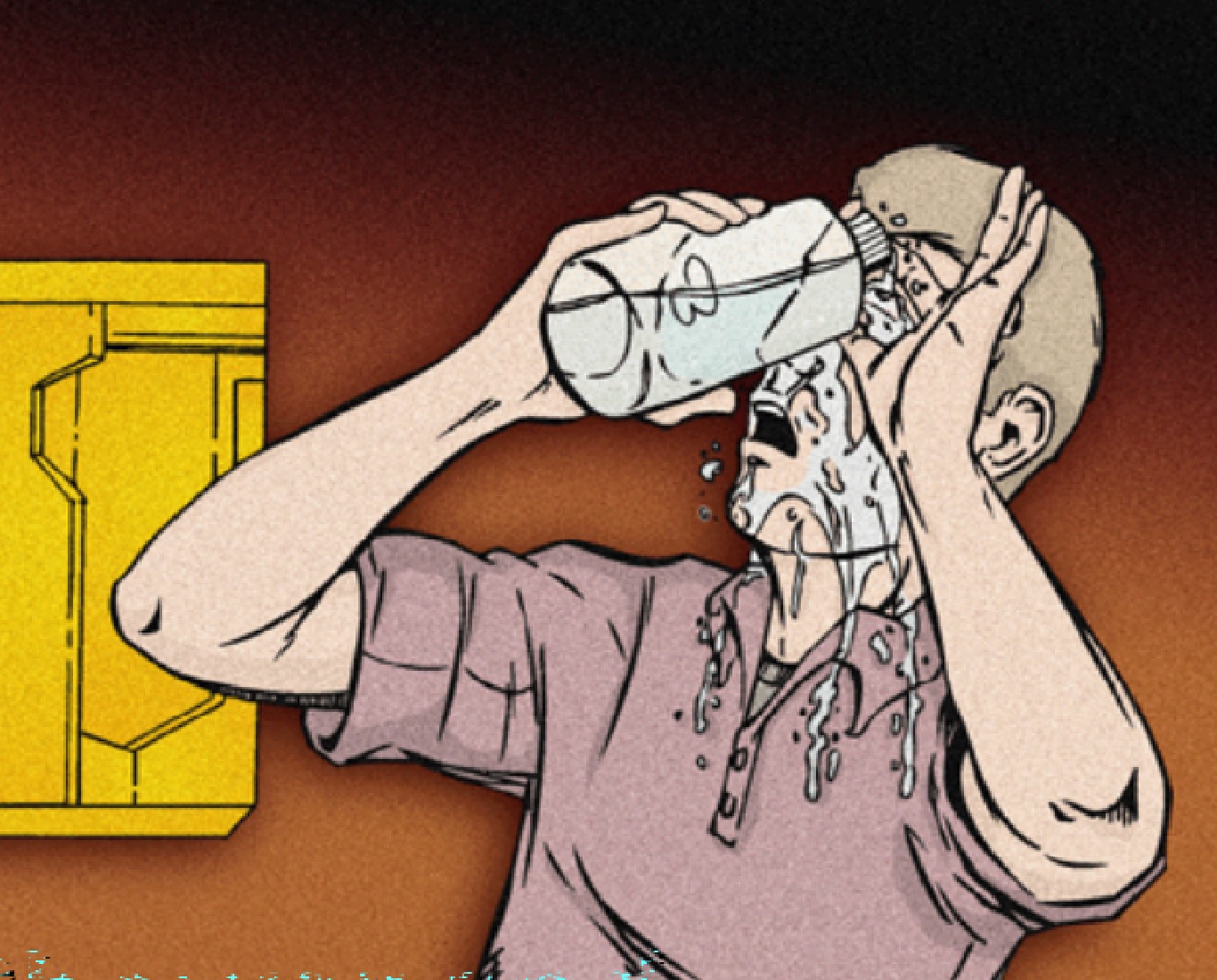
Your workplace is most likely equipped with safety showers and eyewash stations and you may have used them. Not only are they used in emergency situations to wash away harmful chemicals or put out clothing
Traffic accidents, falls and assaults are just a few of the perils of workplace parking lots and garages.

Let's look first at the problem of stored materials. Materials are piled in the yard, in the truck or at various places on the jobsite.
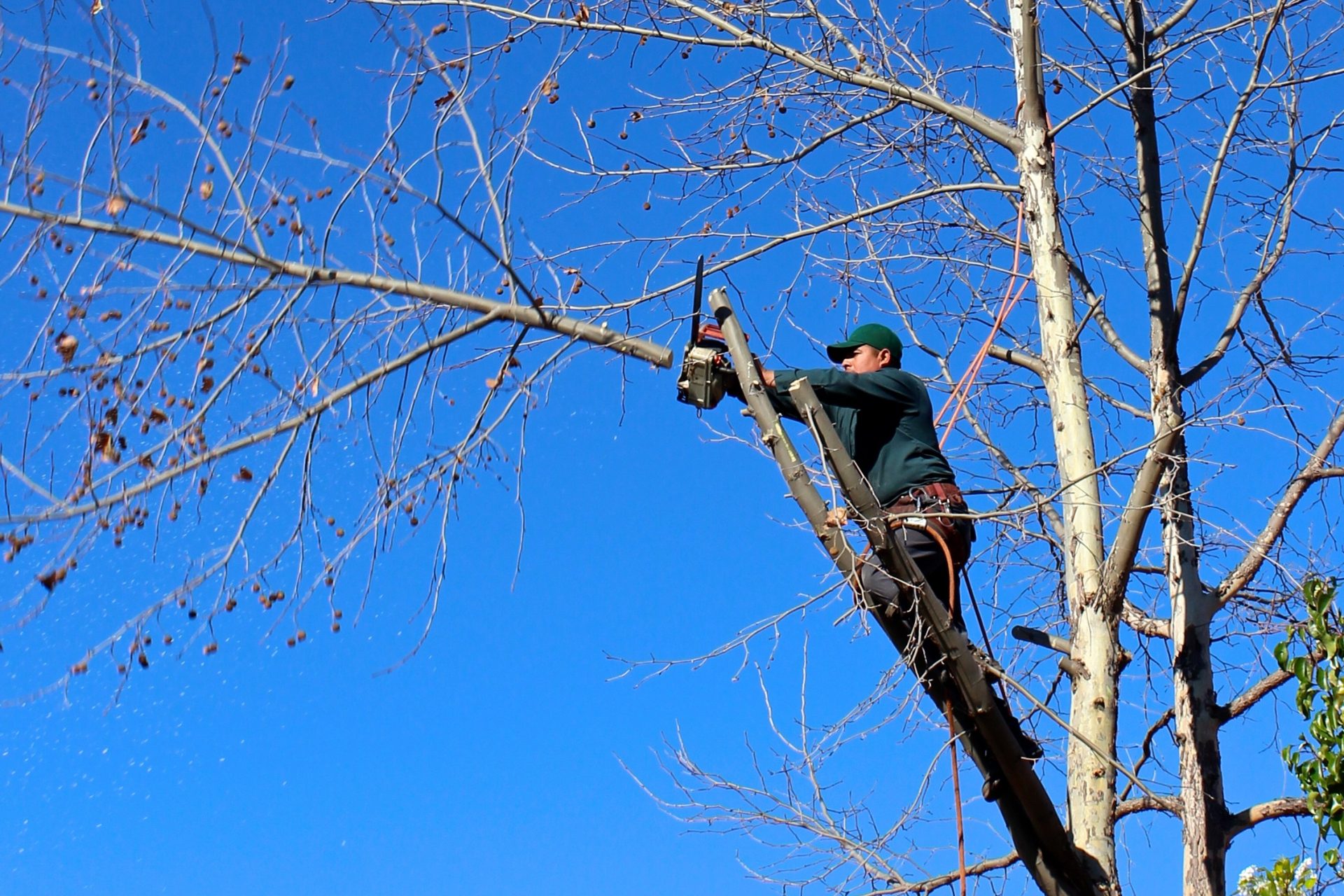
People who never touched a chainsaw before have been using these tools for disaster cleanup. So it's time for a safety talk on the hazards of these tools.
Charlie did general labor for a home builder, and enjoyed his work. One day after installing rolls of insulation in the attic of a new home, he noticed that he had developed redness on his back.
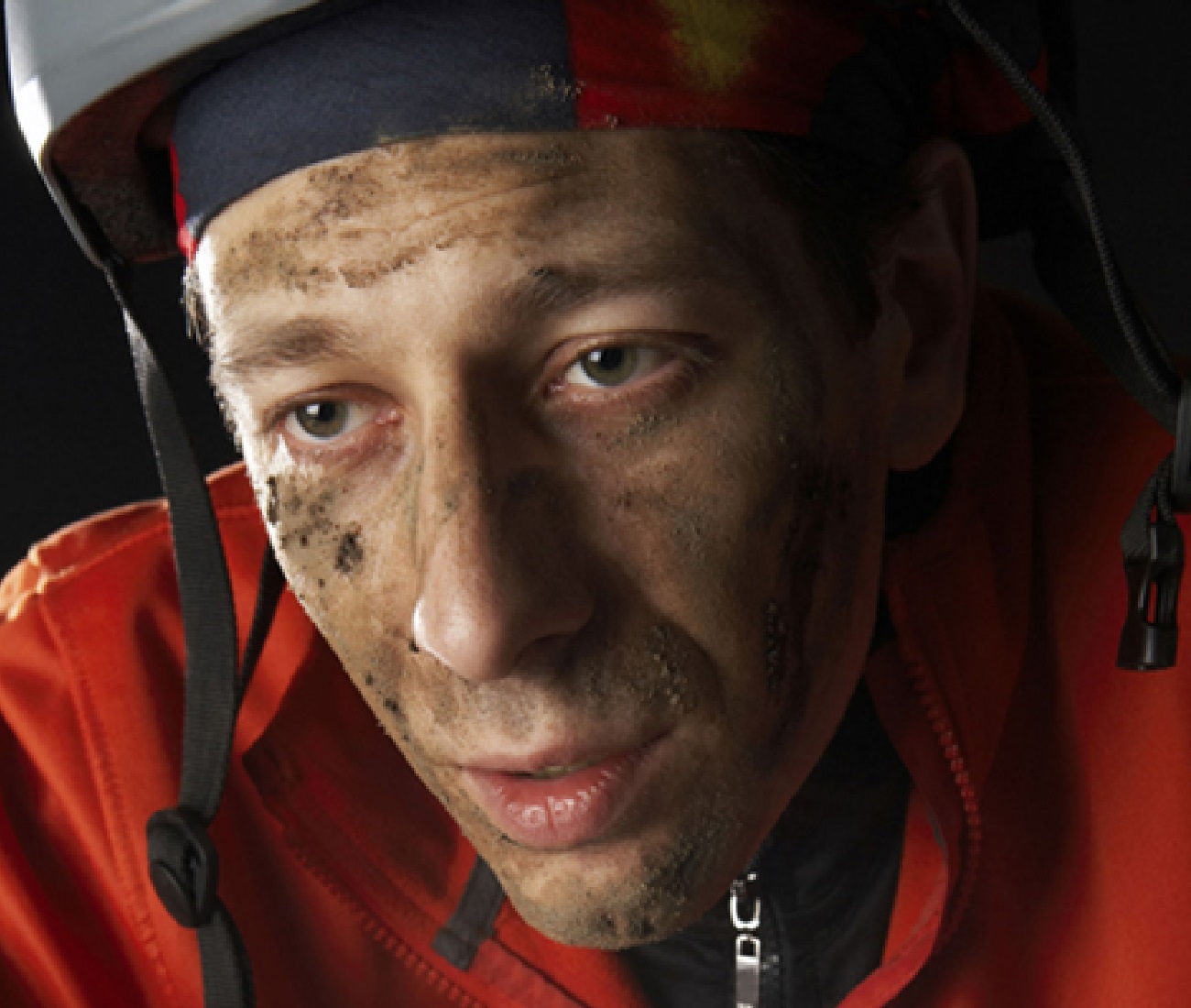
A hot work environment or summer weather can bring heat illness - in three stages.
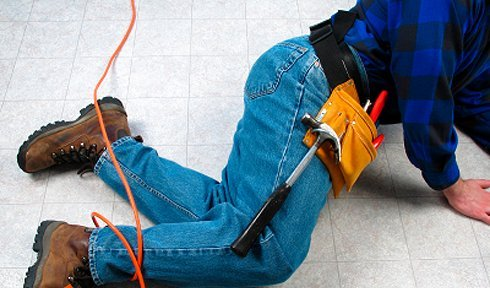
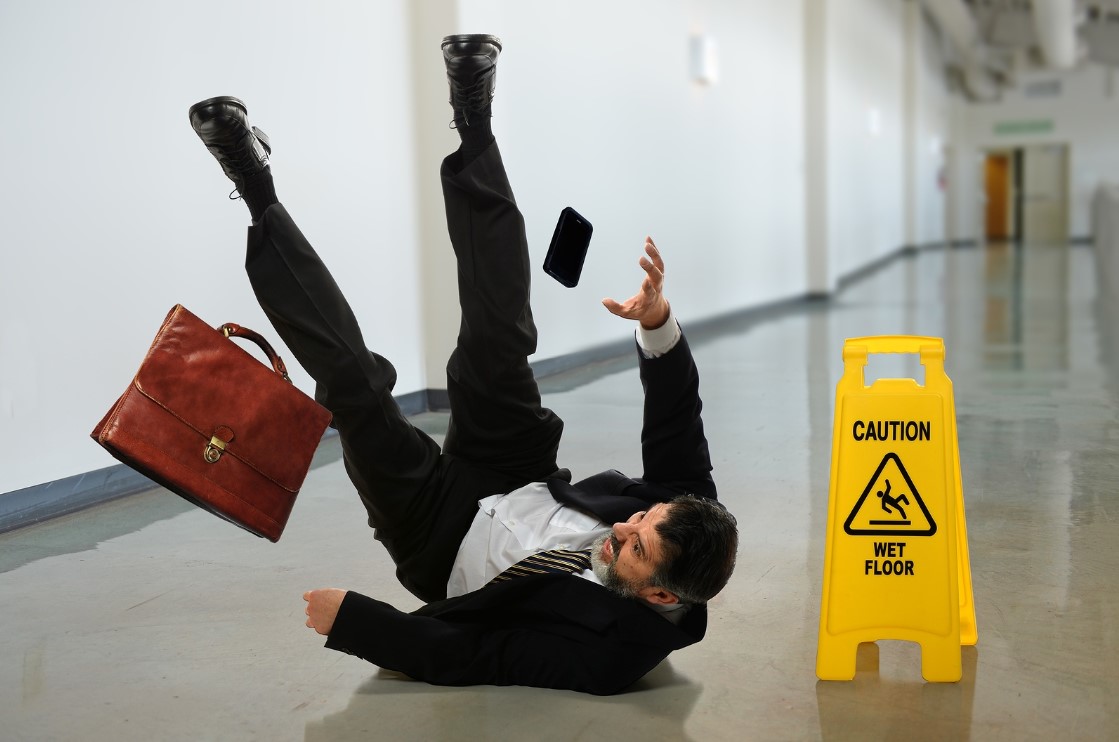
Slips, trips and falls are responsible for the majority of general industry injury incidents.

There are a number of hazards your hands encounter every day on the job. Here are a few examples.
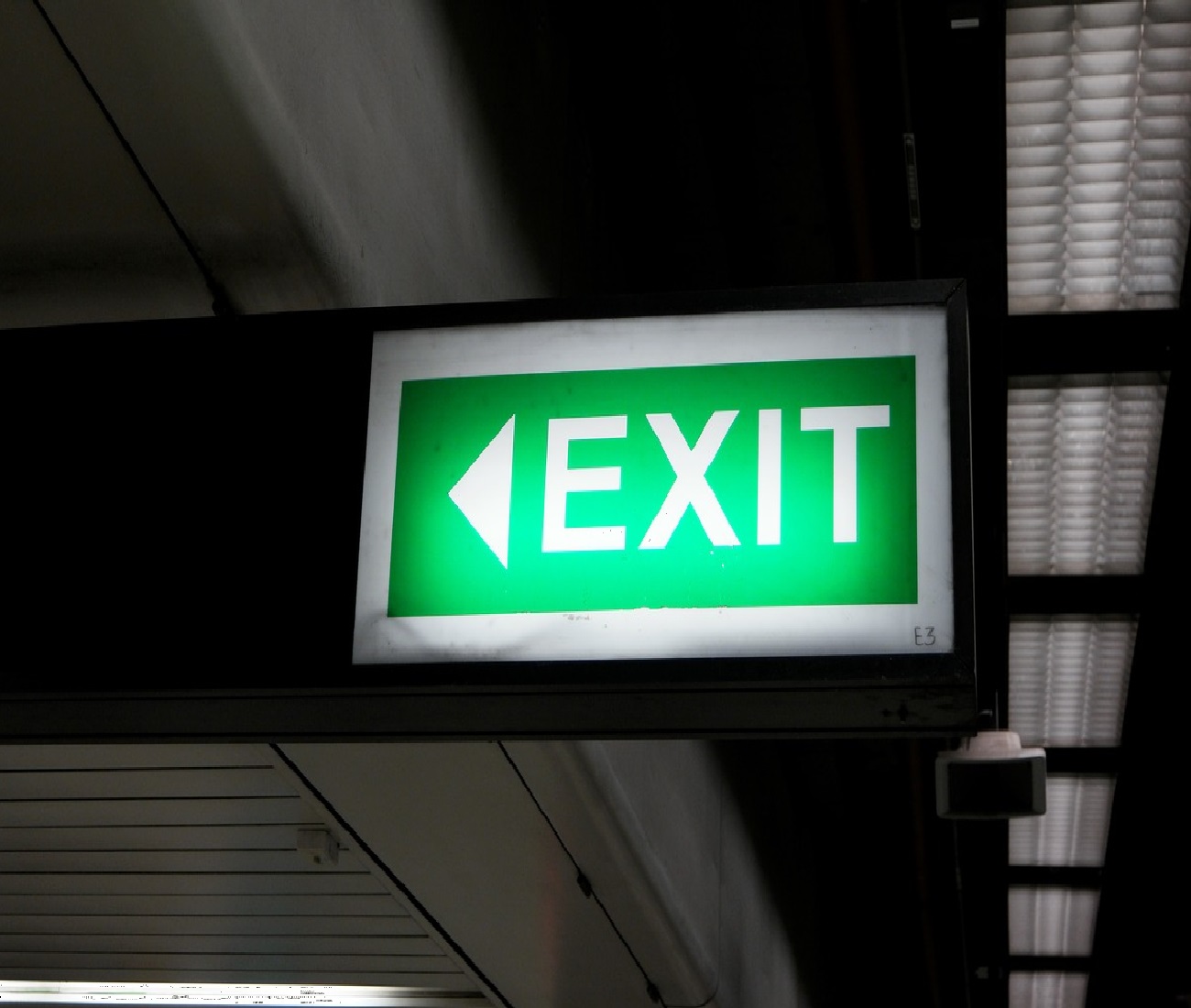
Every day, without noticing, we pass doors that have "Exit" signs. Usually we don't remember that emergency exit doors are vital to our safety.
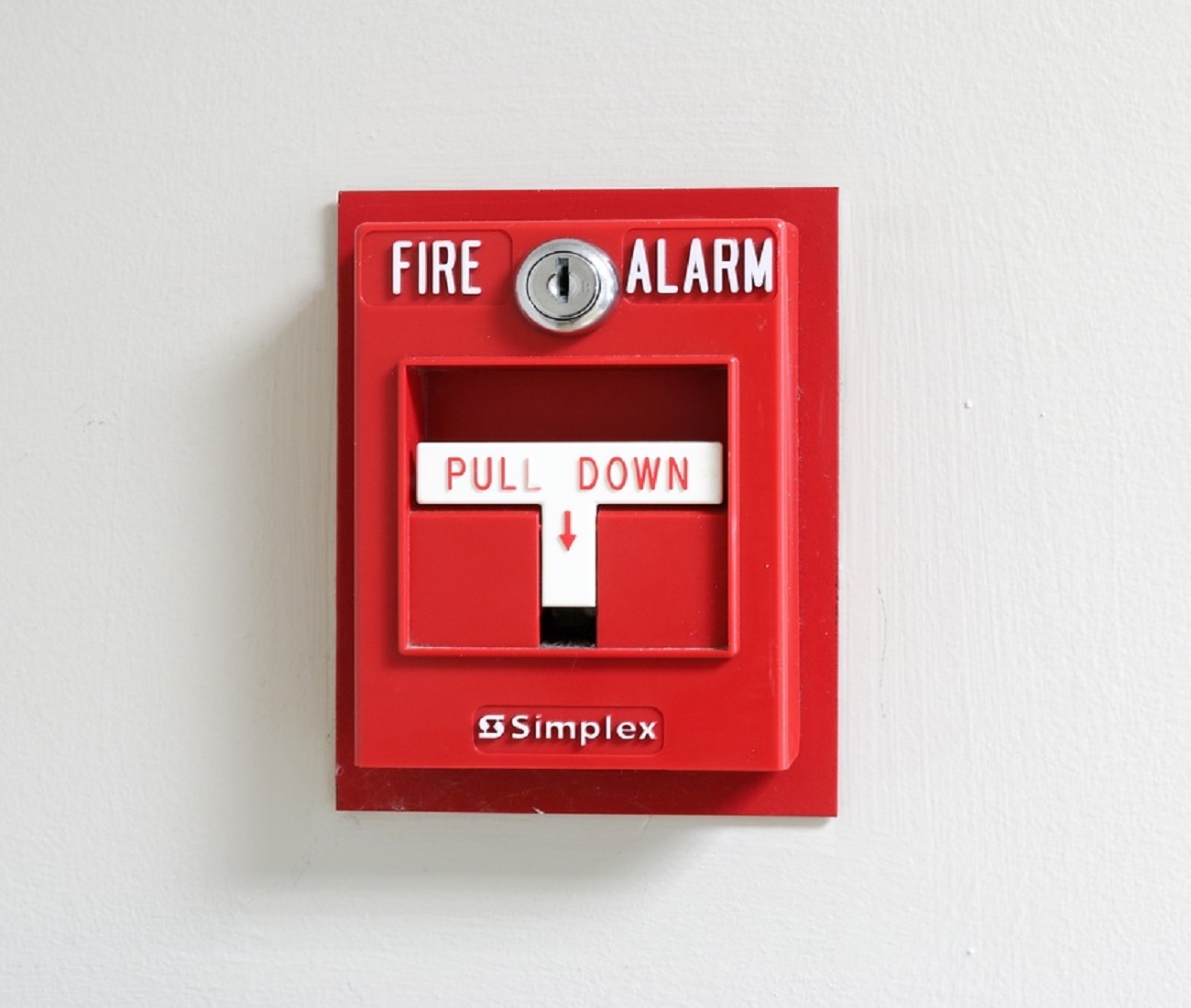
Unexpected emergencies occur in workplaces every day in factories, plants, offices and warehouses, as well as construction sites and on the road. It could be a fire, fatal injury, flood, earthquake, shooting, tornado, chemical spill or another kind of crisis. So it’s important that companies have an emergency response plan to cover all expected and unexpected disasters. For this plan to be effective, all employees must be trained in the roles they will play in an emergency.
Since it's your first time, you may want to checkout some of the video tutorials.








 800-ICW-SAFETY (800.429.7233)
 SAFETYOnDemand@icwgroup.com