
Avoid Electrical Hazards
Your workplace probably has countless electrical tools and devices capable of delivering a fatal electrical shock.

Your workplace probably has countless electrical tools and devices capable of delivering a fatal electrical shock.
You may work around construction sites or encounter backhoes, loaders, compactors and cranes in your neighborhood or along highways.
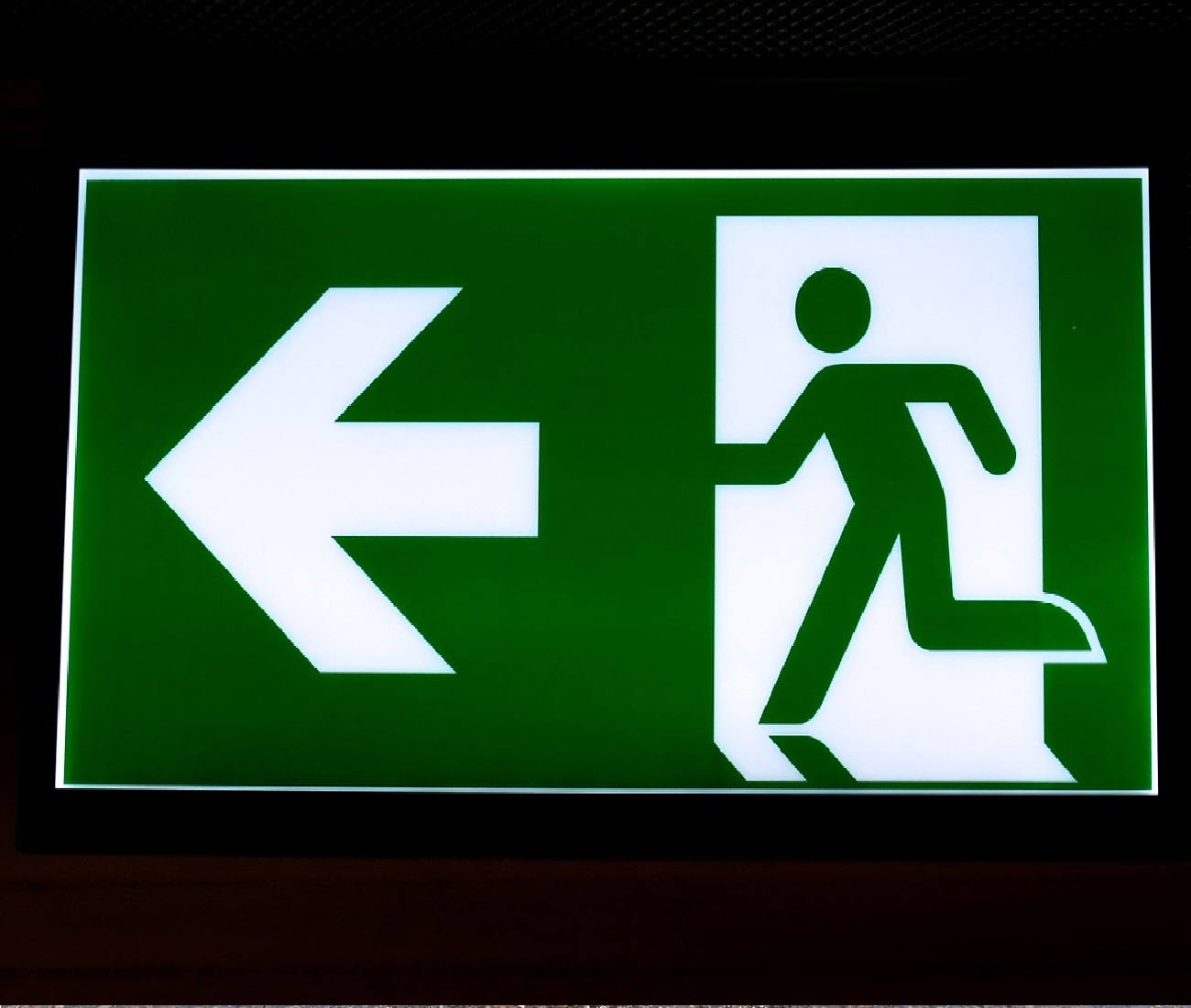
An emergency exit you can’t find in the dark is one you may not be able to find in a crisis situation. That’s why knowing the location of emergency exits at your worksite, and being able to find them without thinking, is so important.
These accidents all have one factor in common - they involve poor job site housekeeping. Good housekeeping means keeping your work area free of dirt and clutter, keeping everything in its place and making sure there are no hazards.
Whether you call it safety coaching or a preshift meeting, you may need to talk to your co-workers about safety and why safety is a cooperative effort.
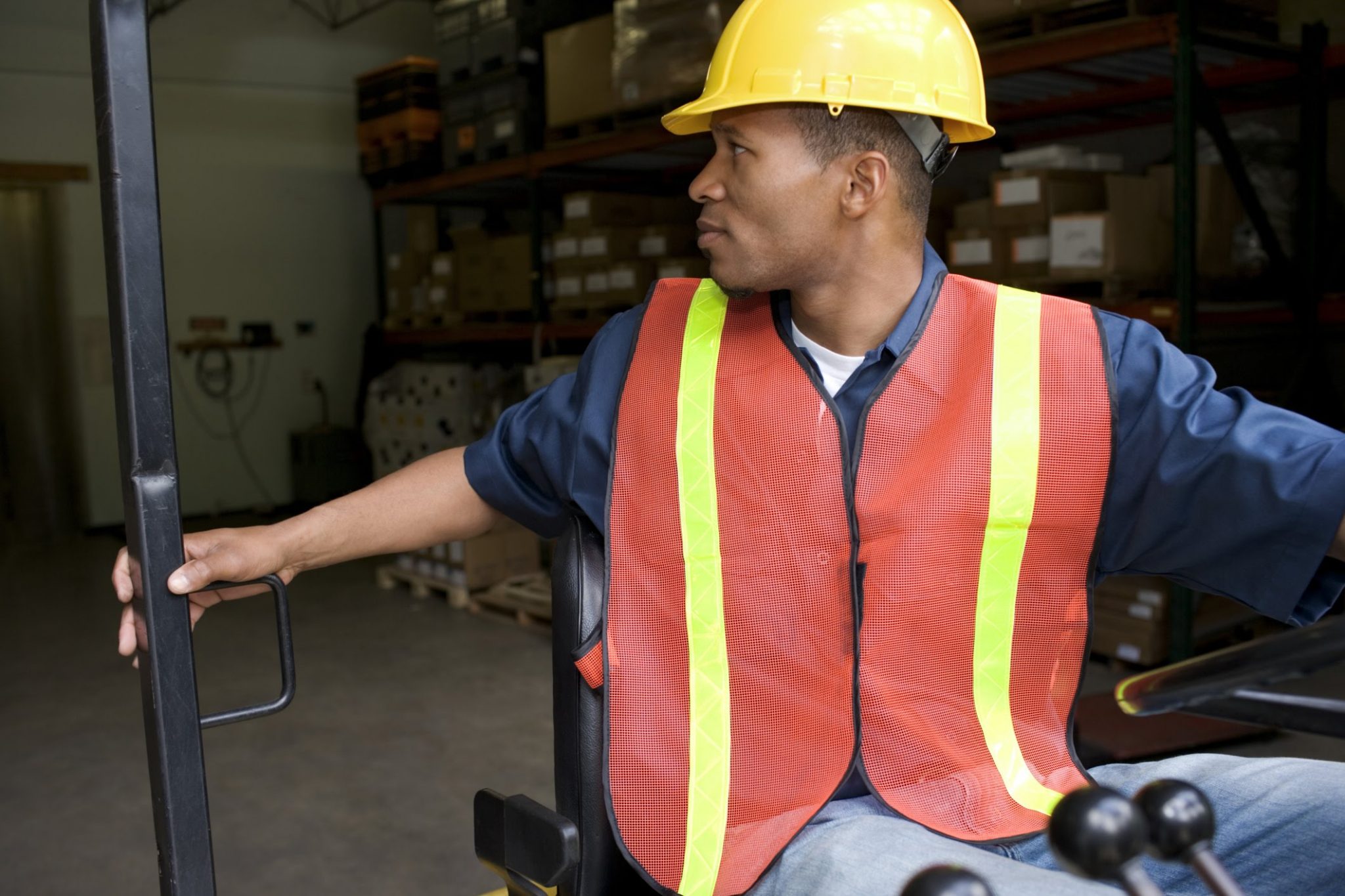
Operating a vehicle in reverse puts you at a disadvantage. It's difficult to see all the obstacles in your way. And because the driver seating and controls are designed primarily for forward travel, it's hard to respond quickly enough to changing traffic situations. According to the National Safety Council, one in four motor vehicle accidents can be attributed to poor backing techniques.
Working in a cold environment—such as cold weather, cold water or an indoor freezer—can lead to serious injuries, illnesses and death.
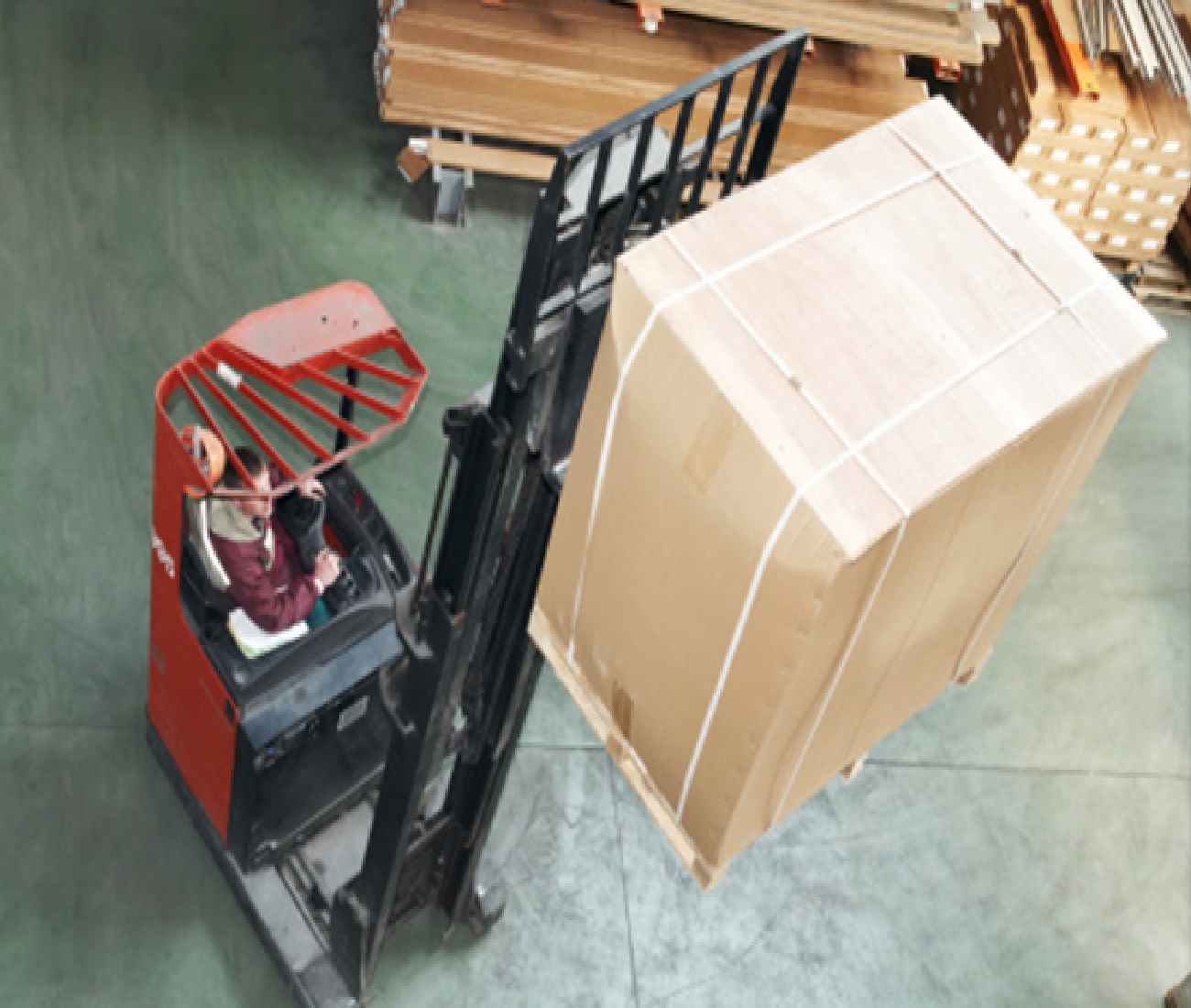
Workers who perform frequent and heavy lifting are at risk for back injuries and abdominal straining that can cause hernias. Arm, shoulder, neck and wrist pain is also a risk if materials are lifted improperly.
Women are twice as likely as men to suffer ergonomic-related injuries.
Shortcuts can cause long-term injuries. Here's a story of one worker who couldn't be bothered to lock out.
In our fast-paced world, it’s easy to feel overwhelmed and frustrated, especially at work. Your co-workers likely feel the same, so it’s no surprise that the workplace can be a prime place for conflict. Here are some tips for resolving conflict:

Your feet and toes may be at the opposite end from your head, but you still need to use your brain when it comes to which type of shoes you wear in the winter.
An average of two workers a week die in confined space incidents.
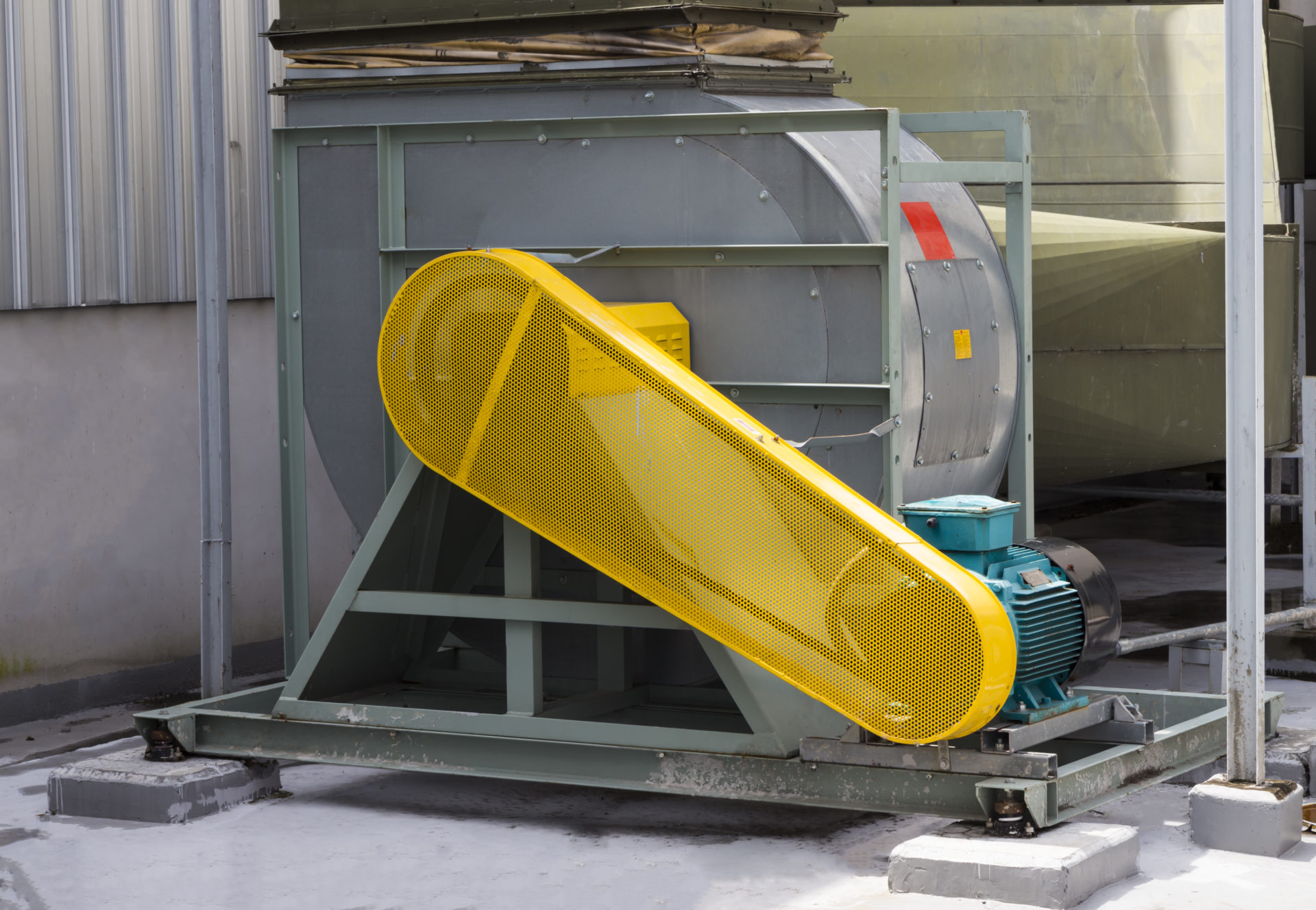
Getting caught in machinery is every worker's nightmare, but you can prevent it from becoming yours with a little vigilance.
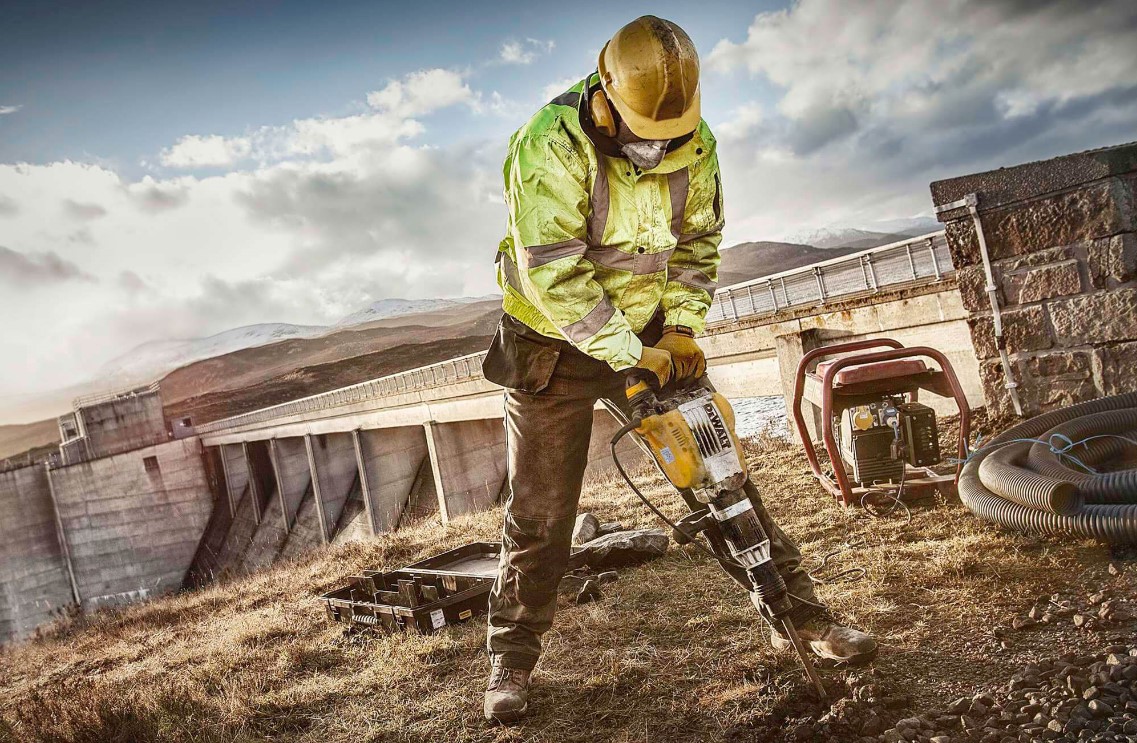
Safety Talk WHAT'S AT STAKE Millions of workers in North [...]
Thousands of people across North America become victims of unintentional poisoning every year. A major contributor to this problem is when toxic chemicals are stored in unlabeled containers.
Housekeeping at work is about much more than cleaning windows and sweeping up dust bunnies. Poor housekeeping can cause injuries, slow down production, dampen morale, start fires and cause catastrophic explosions of combustible dusts.
The worst, of course, would be an amputation – cutting off a hand or fingers. An amputation can be fatal because of the loss of blood, shock, infection or other effects. An amputation can happen
The need for face and eye protection in the workplace is highlighted by eye doctors. The American Academy of Ophthalmology warns that even leisure-time yard work can permanently injure or blind, by one careless moment.

Anyone who has to move heavy objects, work in awkward positions, hold one position for a long time or perform certain tasks at a fast pace can get hurt. These tips will help protect your
Portable electric-powered tools can be indispensable. They can also be deadly. Each year, thousands of construction workers are injured using these otherwise handy tools.
You're steam cleaning the shop floor when you accidentally knock over a 5-gallon can of gasoline near the welding booth. Do you know what to do?

You might be the toughest roughneck around, but a good dose of heat stress can quickly tame anyone's bravado.
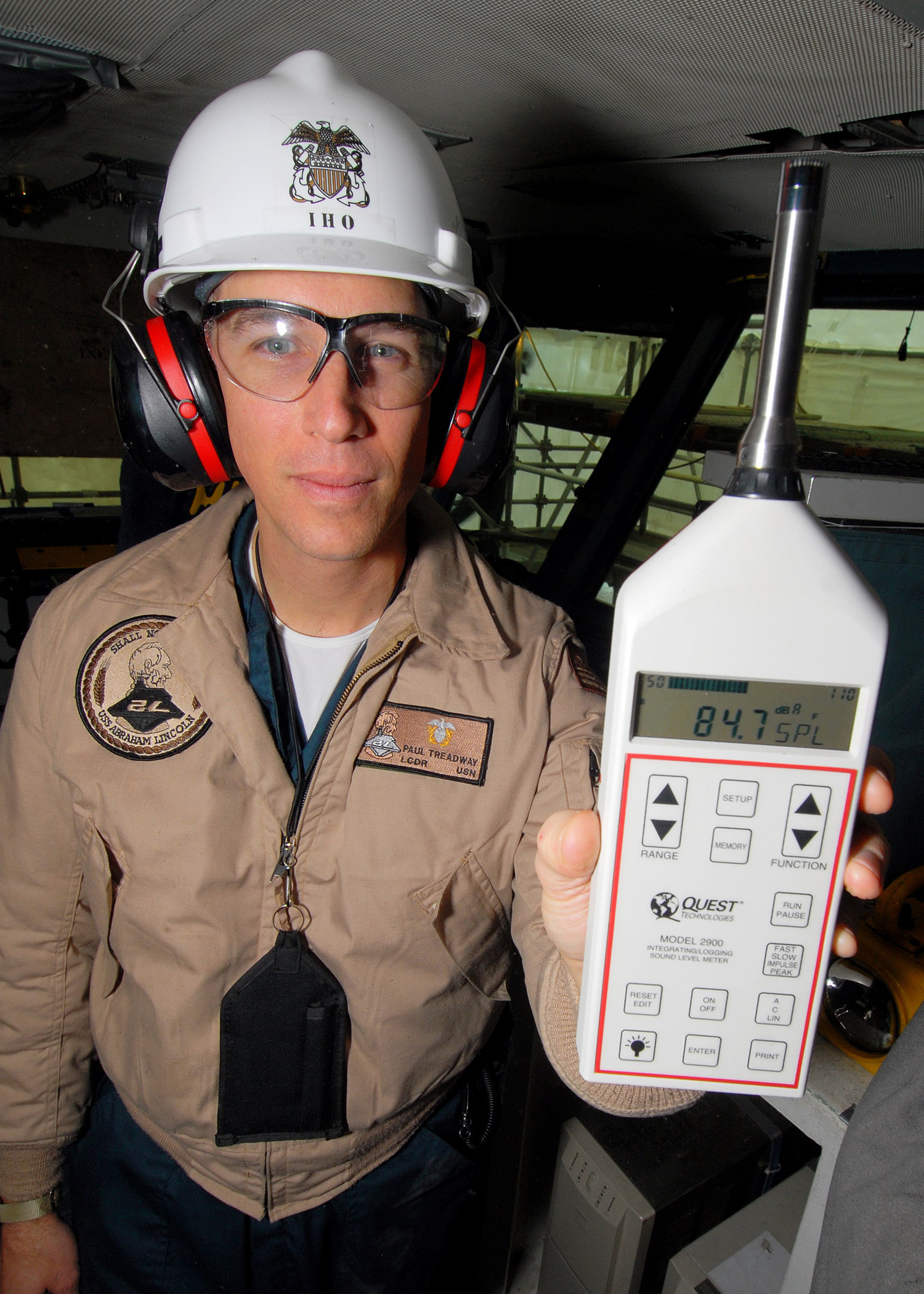
It's hard to believe that noise can cause permanent damage to your hearing - but it can.
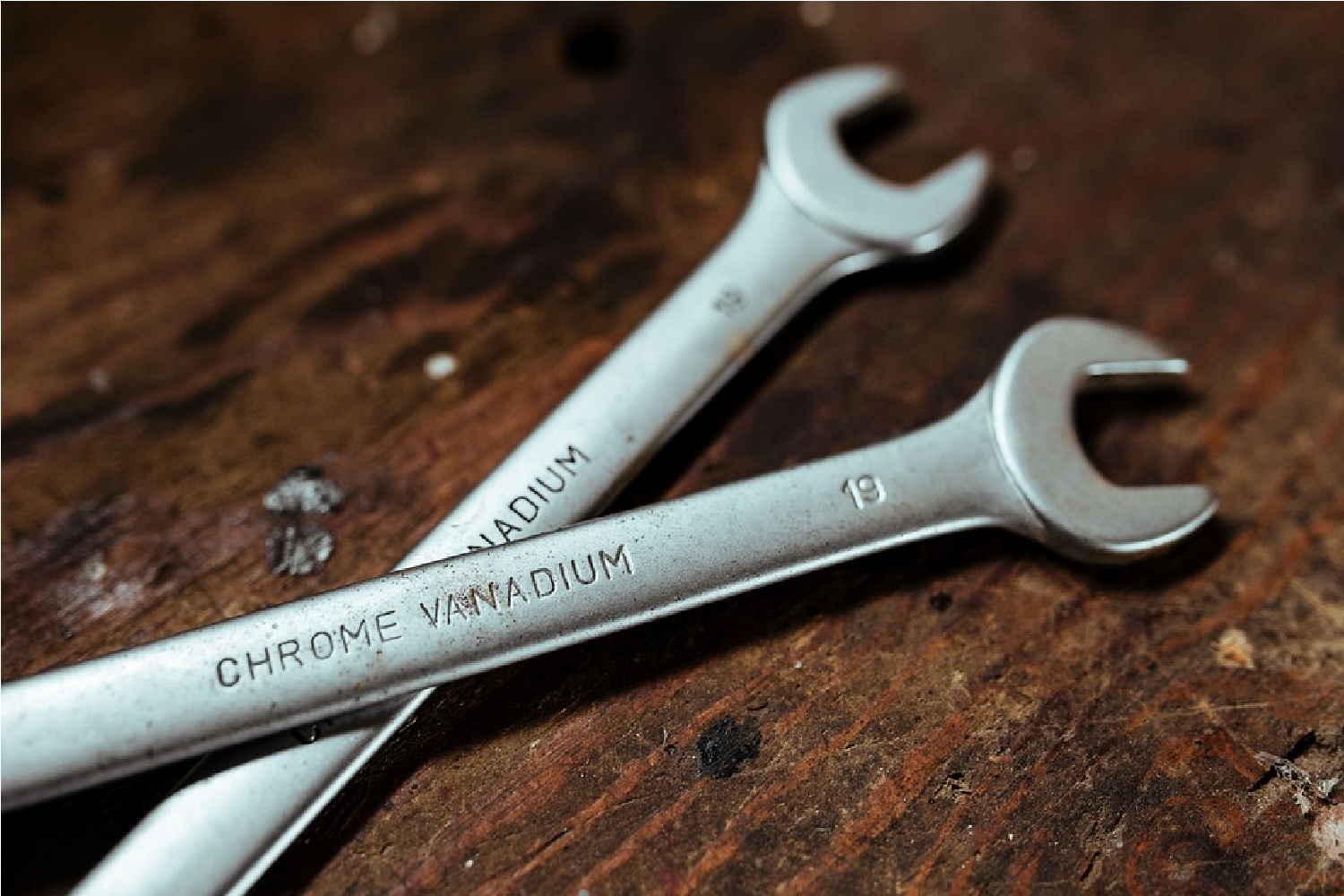
We all know how important it is to use caution around power tools. But what about tools in general? Can a wrench really be dangerous?
Since it's your first time, you may want to checkout some of the video tutorials.












 800-ICW-SAFETY (800.429.7233)
 SAFETYOnDemand@icwgroup.com