
Lock Out Hazardous Energy
You must take steps to prevent equipment from becoming energized while it is being worked on. The energy can be pneumatic, electrical, mechanical, hydraulic, chemical or thermal. There can be other sources as well —
You must take steps to prevent equipment from becoming energized while it is being worked on. The energy can be pneumatic, electrical, mechanical, hydraulic, chemical or thermal. There can be other sources as well —
Many victims of workplace electrocution are the people who maintain electrical equipment. Here are some reminders for staying safe while making this equipment safe.
Serious stairway accidents occur most often when people are walking down stairs. Every year, new incidents result for the same old reasons: slippery surfaces losing balance because items being carried block vision handrail not used
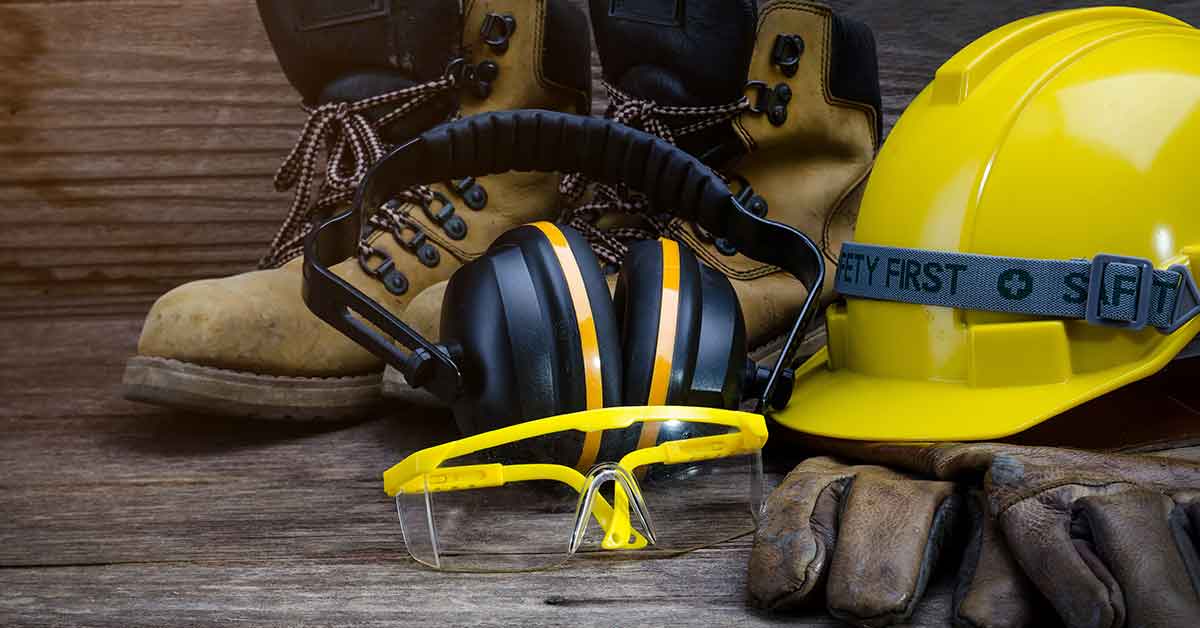
You may spend 15 minutes deciding what you're going to wear for a night on the town. But for a day on the job, safety dictates your wardrobe.
There is a direct link between environmental protection and your personal safety.
To stay alive and healthy, you need air which is clean, free of toxic gases and other contaminants, and contains the right amount of oxygen.
Un trabajador de producción se resbala en una mancha de aceite, se cae y se quiebra la cadera.

A back injury can begin a lifetime of pain, inability to work or play, reduced income and unhappy dealings with medical agencies.
Hazard communication describes the many ways information is passed along about any kind of workplace danger.

People who aren’t expecting to end up in water often are not prepared for that possibility and the results can be tragic. Every year in the United States and Canada, an estimated 3,800 people drown, with many of these victims being people who ended up in the water unintentionally.
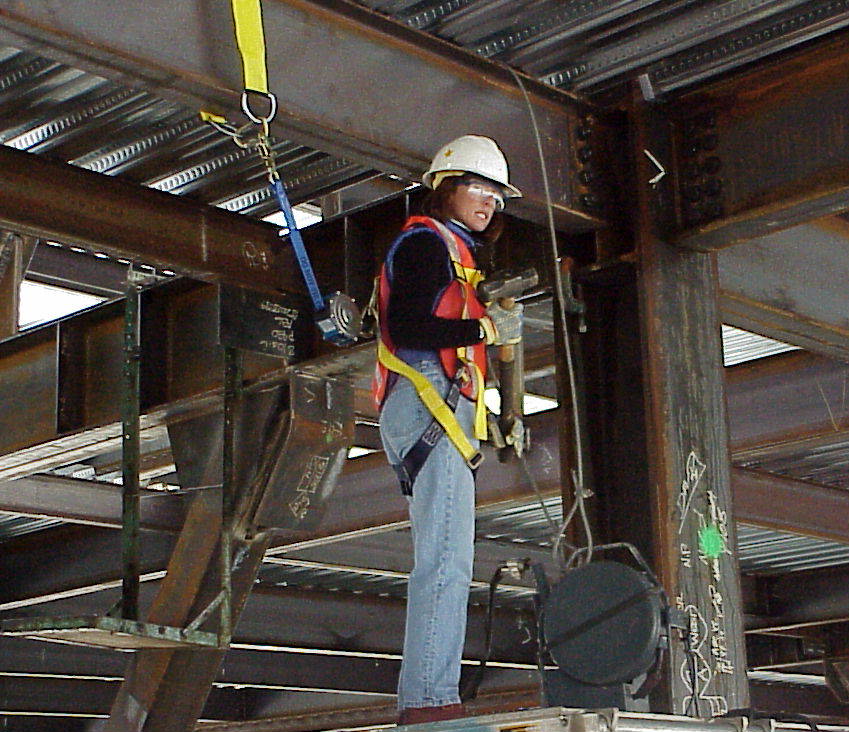
In the US more than 15,000 people die each year from falls, placing falls second only to motor vehicle collisions as the leading cause of accidental death. In Canada, more than 1,800 people die as a result of falling each year. And across North America, tens of thousands of workers are injured in falls every year, with many of these incidents occurring from a height where fall protection measures should have been taken but weren’t.

The Globally Harmonized System of Classification and Labeling of Chemicals (GHS) was created by the United Nations to help bring uniformity to hazardous materials labeling around the world.
A suntan may look and feel good, but sunlight is the primary cause of skin cancer. The tingly warm sensation associated with sun exposure is actually radiation damage caused by ultraviolet rays.
Landscapers face a variety of hazards, both physical and biological. In this Safety Talk, we’ll discuss some potential hazards of landscaping work and general precautions workers should take while on the job.
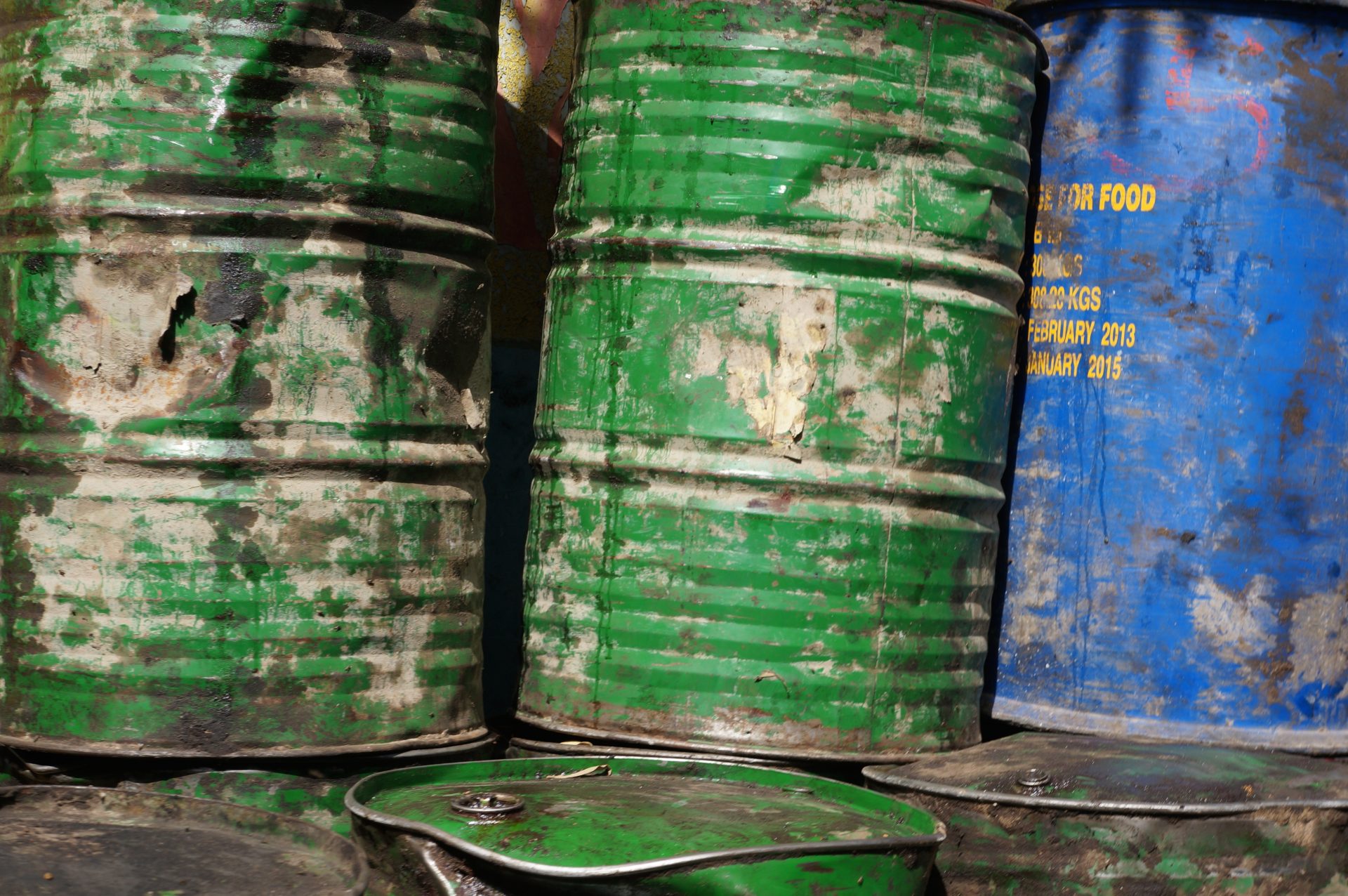
From soda pop spilled on the breakroom floor at a local factory, to a chemical spill from that same factory that pollutes the river and contaminates your community’s water supply—workplace spills can range from minor inconveniences to major catastrophes.
Today, heart disease and stroke take one life every 7 minutes and 90% of Canadians have at least one risk factor.
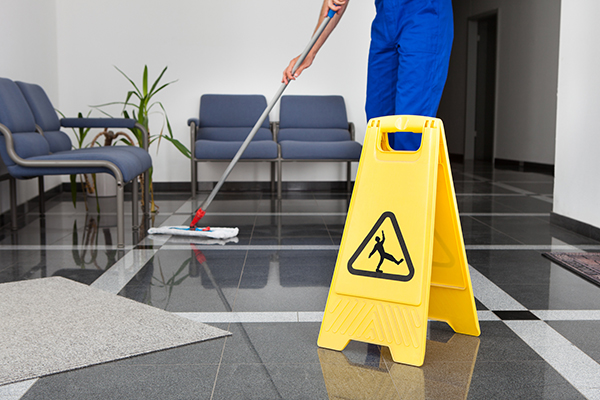
How does our workplace stack up against the following housekeeping standards? -? Are floors clean and free of water, mud, ice, grease, oil, waste and clutter? - ?Are leaks and spills cleaned up promptly? -?
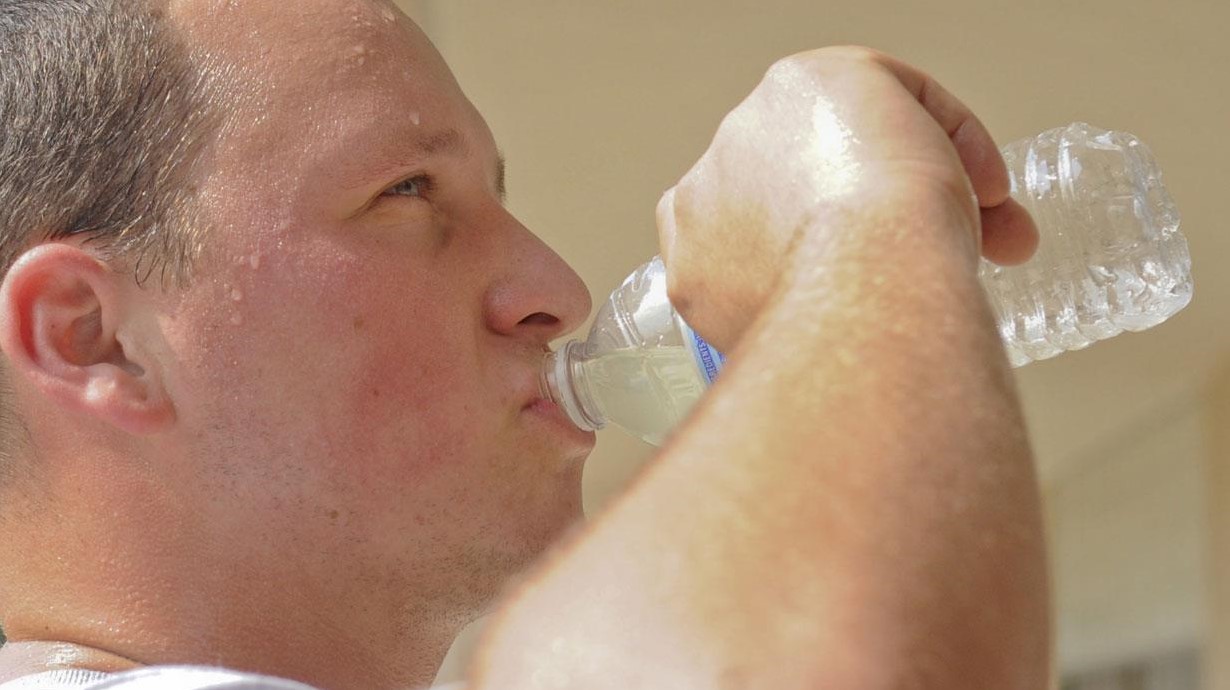
Heat - whether from the sun or from your work environment - can create a life-threatening emergency.
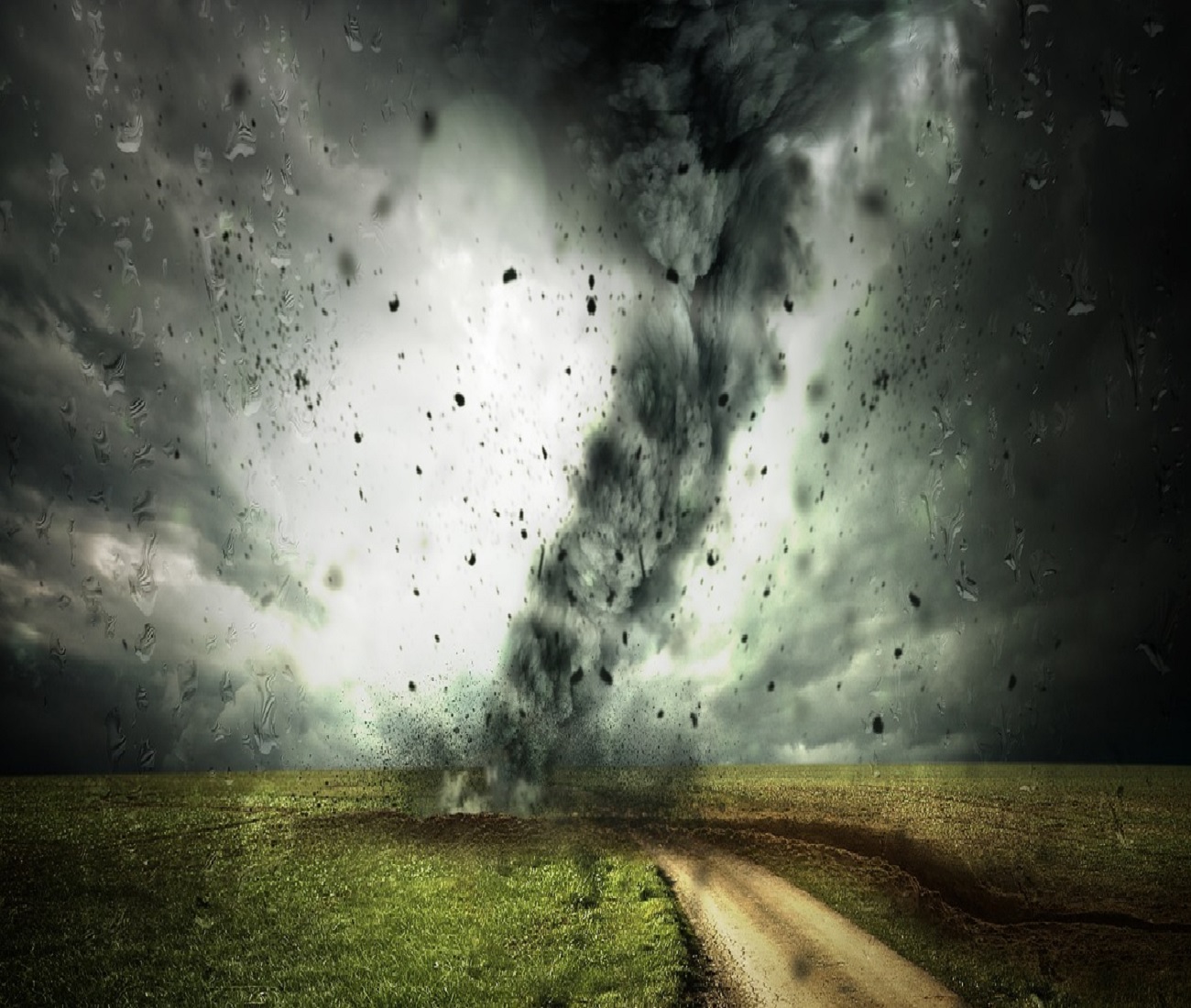
The tornado season in North America begins in April, peaks in June and July, and ends in September. But really the storms can occur at any time, with approximately 1,000 tornadoes being reported in the United States and 80 in Canada each year.

A moment of distraction is all it took for Terrence’s foot to catch at the walkway’s edge, causing him to stumble. He recovered his balance but it was a close thing!
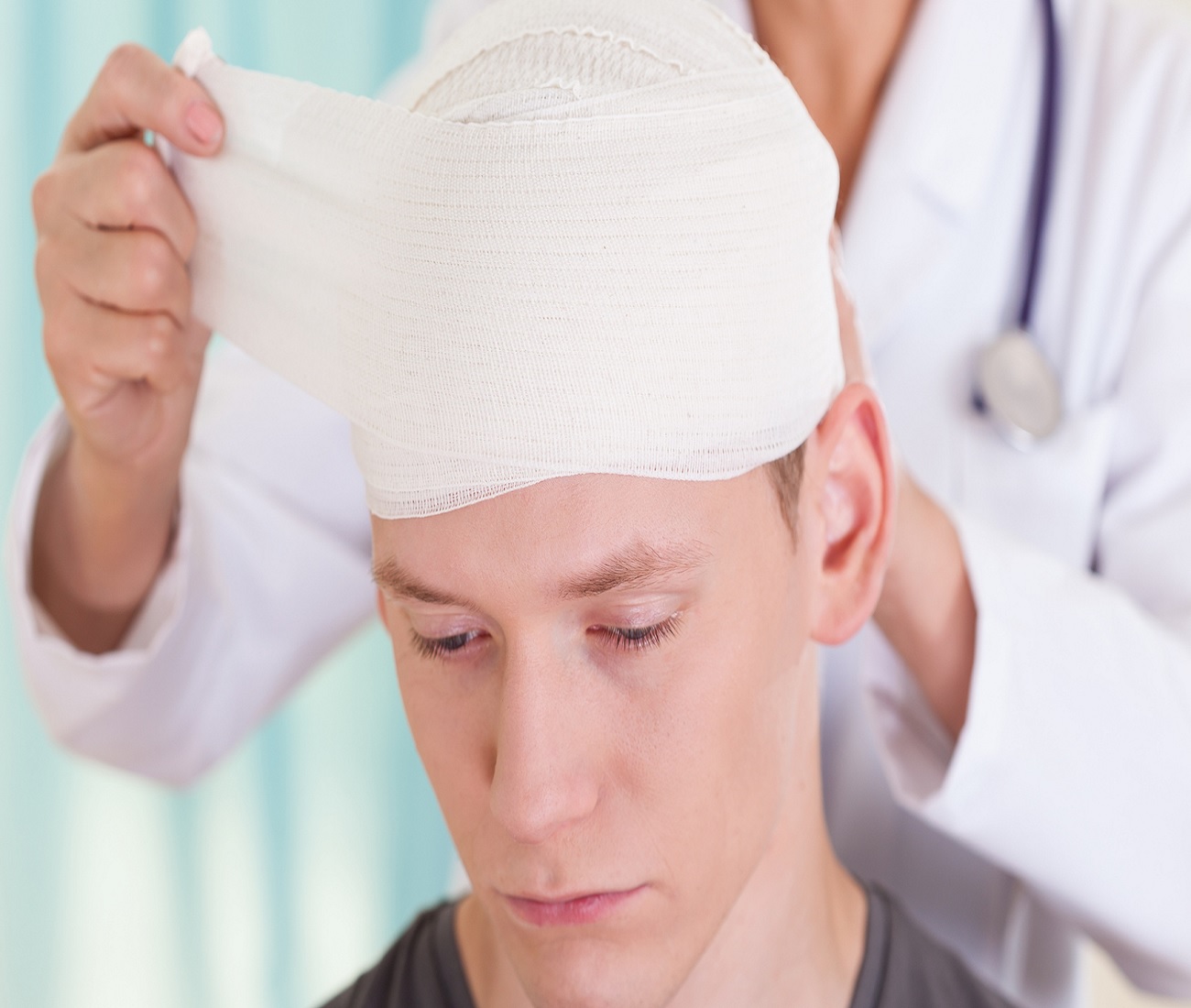
Head injuries are one of the most serious types of injuries that can occur at work.
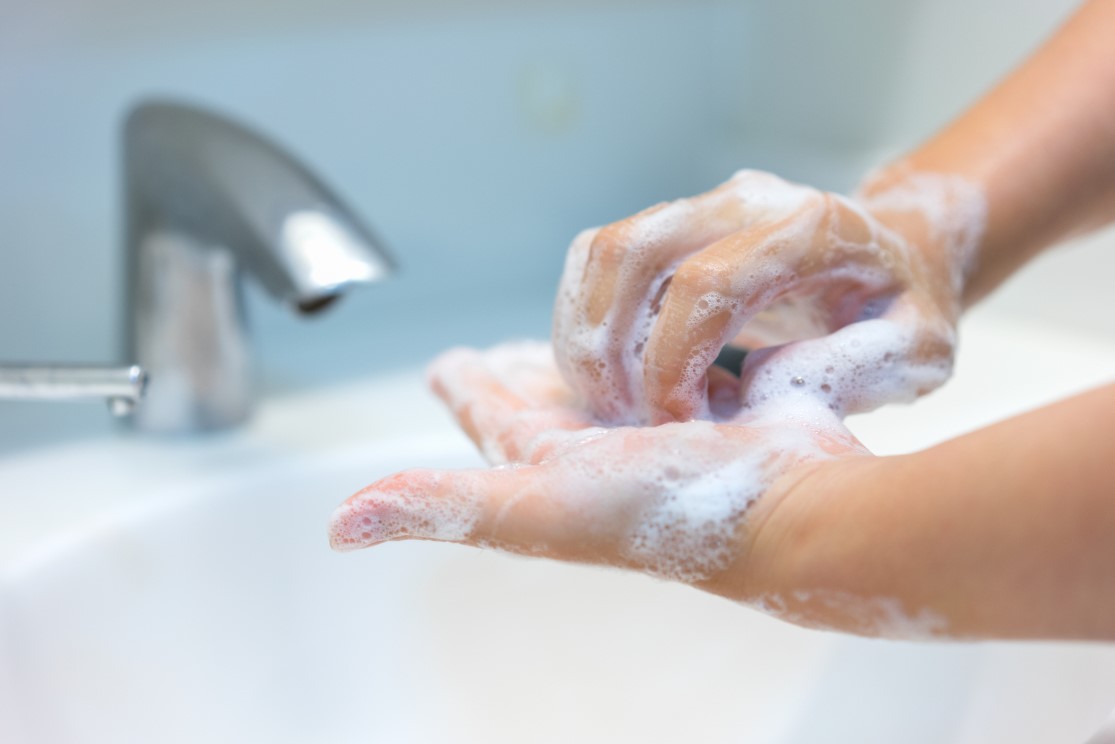
Are you interested in avoiding common illnesses such as colds, the flu and gastrointestinal upsets? Would you prefer to avoid serious chronic and acute illnesses caused by chemical exposures?
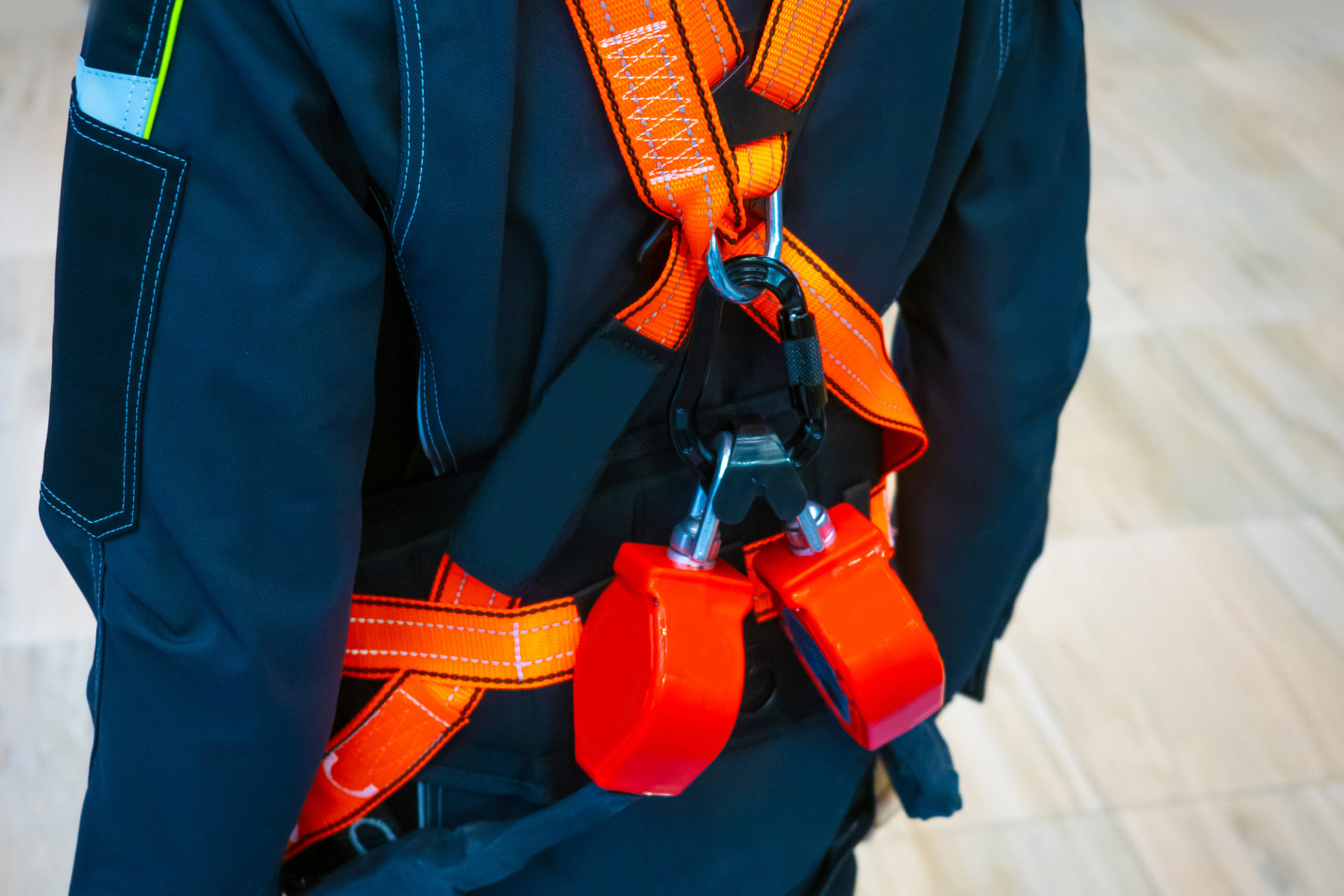
Fall protection includes personal fall arrest equipment, conventional equipment such as guardrails, and positioning device systems. A fall arrest system is used to halt a person's fall from a working level 10 feet (three meters)
There are numerous tasks that can lead to what have become known as musculoskeletal disorders (MSDs). Frequently, they involve the use of equipment and moving of materials, or working with big pieces of equipment. It
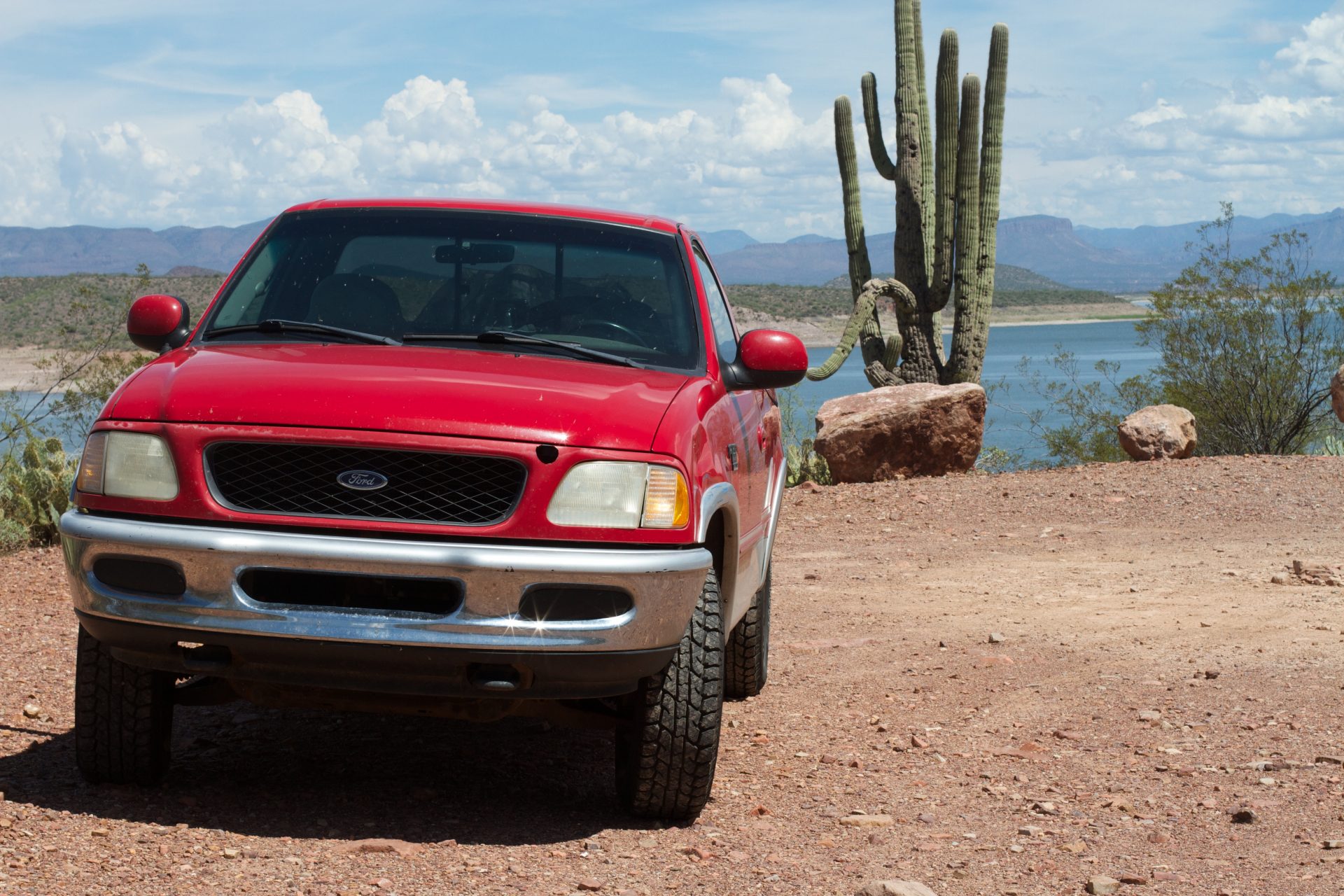
All drivers need to watch out for small vehicles on the road – the compact car hiding in the truck driver's blind spot, the bicycle courier passing on the right side at an intersection and the oncoming motorcycle.
Since it's your first time, you may want to checkout some of the video tutorials.





 800-ICW-SAFETY (800.429.7233)
 SAFETYOnDemand@icwgroup.com