
Main Category Group

Ergonomics: Recognizing Potential Problems
By understanding the basics of ergonomics and how they relate to your job, you may be able to prevent painful injuries.
Main Category Group
By understanding the basics of ergonomics and how they relate to your job, you may be able to prevent painful injuries.
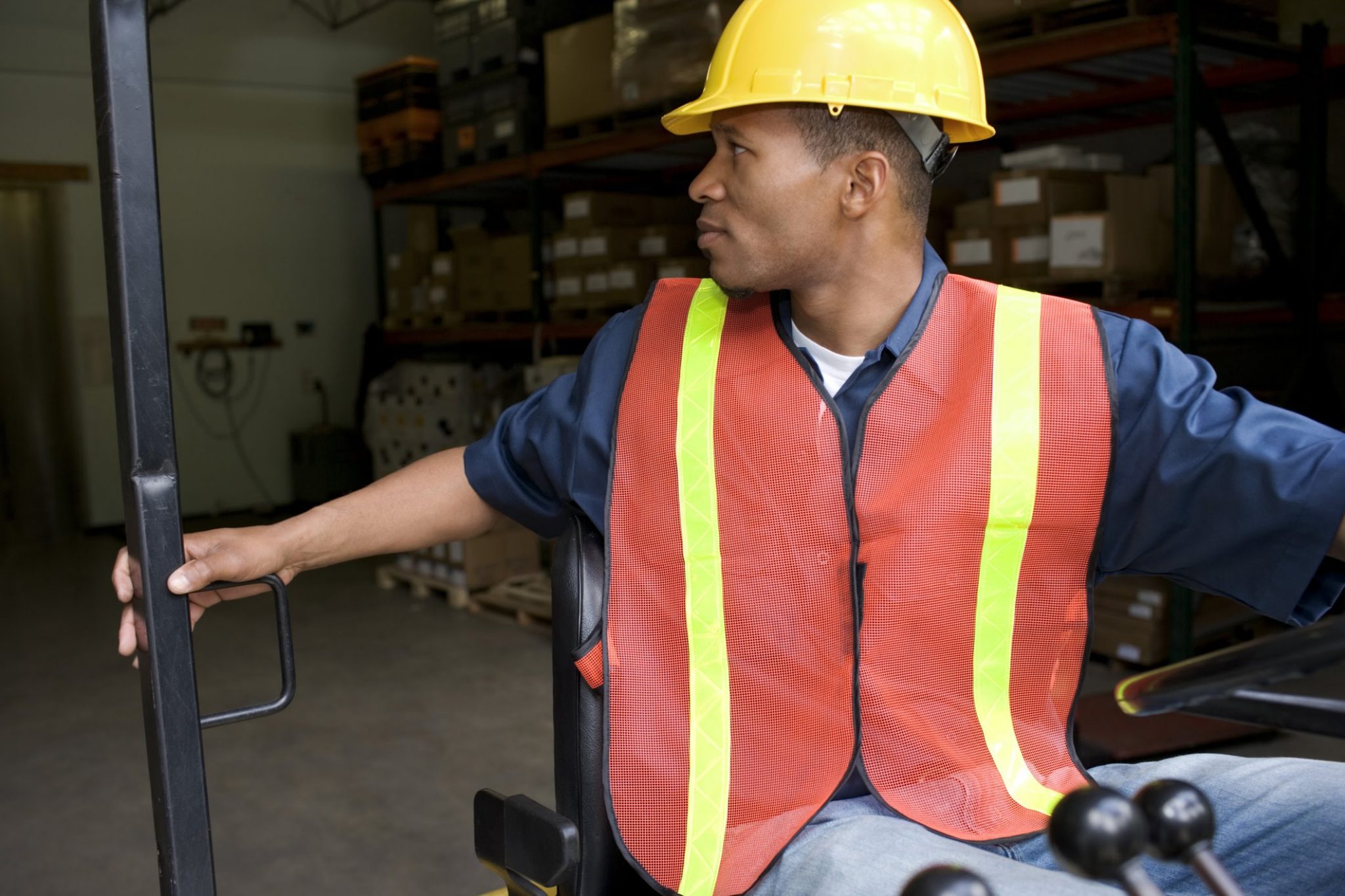
Operating a vehicle in reverse puts you at a disadvantage. It's difficult to see all the obstacles in your way. And because the driver seating and controls are designed primarily for forward travel, it's hard to respond quickly enough to changing traffic situations. According to the National Safety Council, one in four motor vehicle accidents can be attributed to poor backing techniques.
Working in a cold environment—such as cold weather, cold water or an indoor freezer—can lead to serious injuries, illnesses and death.
Imagine a vehicle that weighs twice as much as your family car, can’t stop nearly as quickly and is operated by a person who may not see you.
Run through this PowerPoint for a quick review on the 9 GHS pictograms. This PowerPoint details the official names, signal words and hazards associated with each pictogram.
Chocking and blocking are good practices which serve the purpose of keeping heavy loads and vehicles stationary. Any worker loading or unloading, hitching or unhitching, or performing maintenance on a vehicle should take care to chock and block to prevent unintended movement of equipment and/or cargo.
In this Safety Talk, we’ll learn about the difference between strains and sprains, discover the risk factors that increase the likelihood of a strain or sprain, and discuss how these injuries can be prevented.
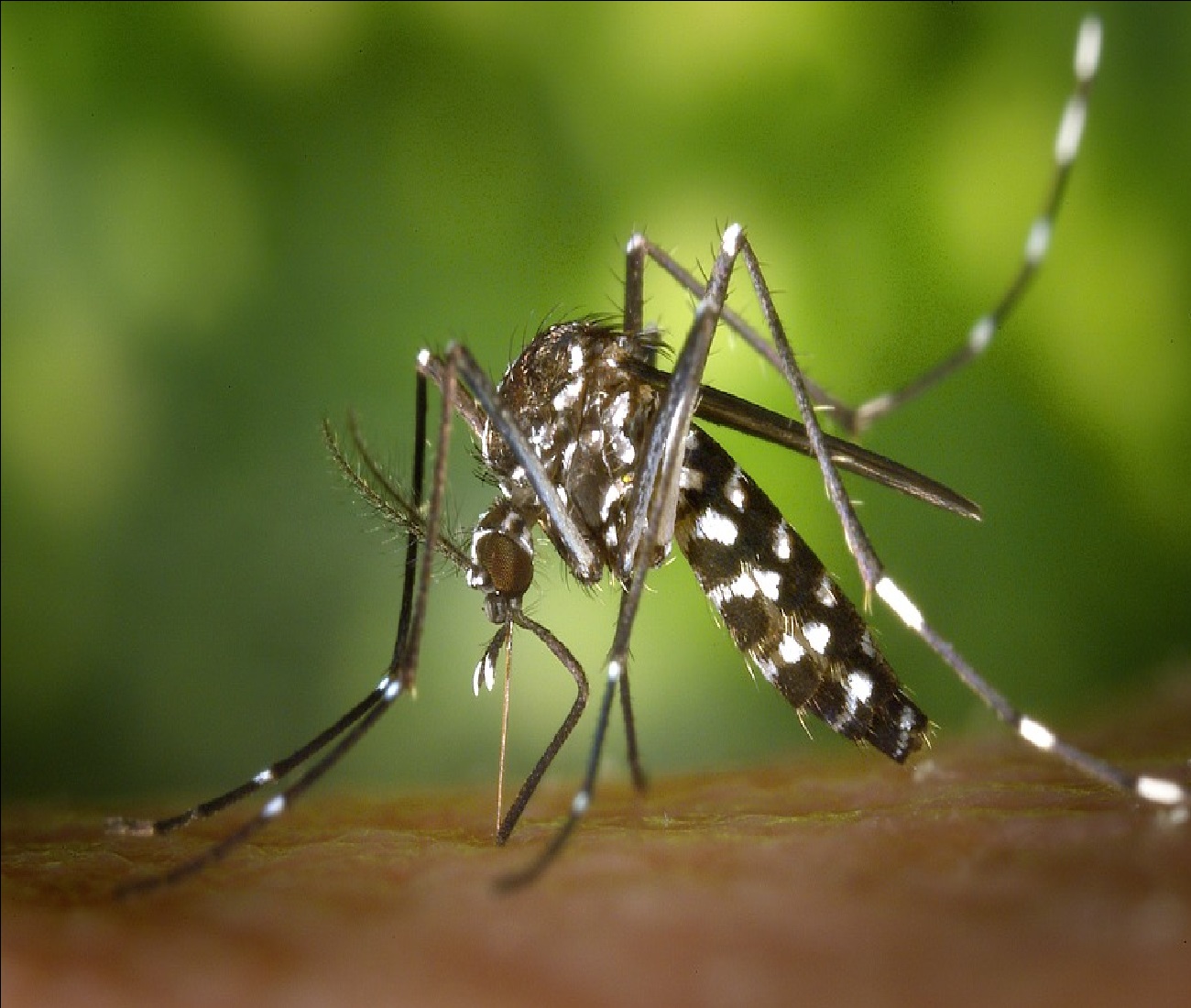
The Zika virus has recently emerged as a disease of significant public health concern. Currently, a large outbreak is occurring in South America and moving up into North America. The virus has the potential to spread anywhere that mosquitoes capable of spreading the virus are found.
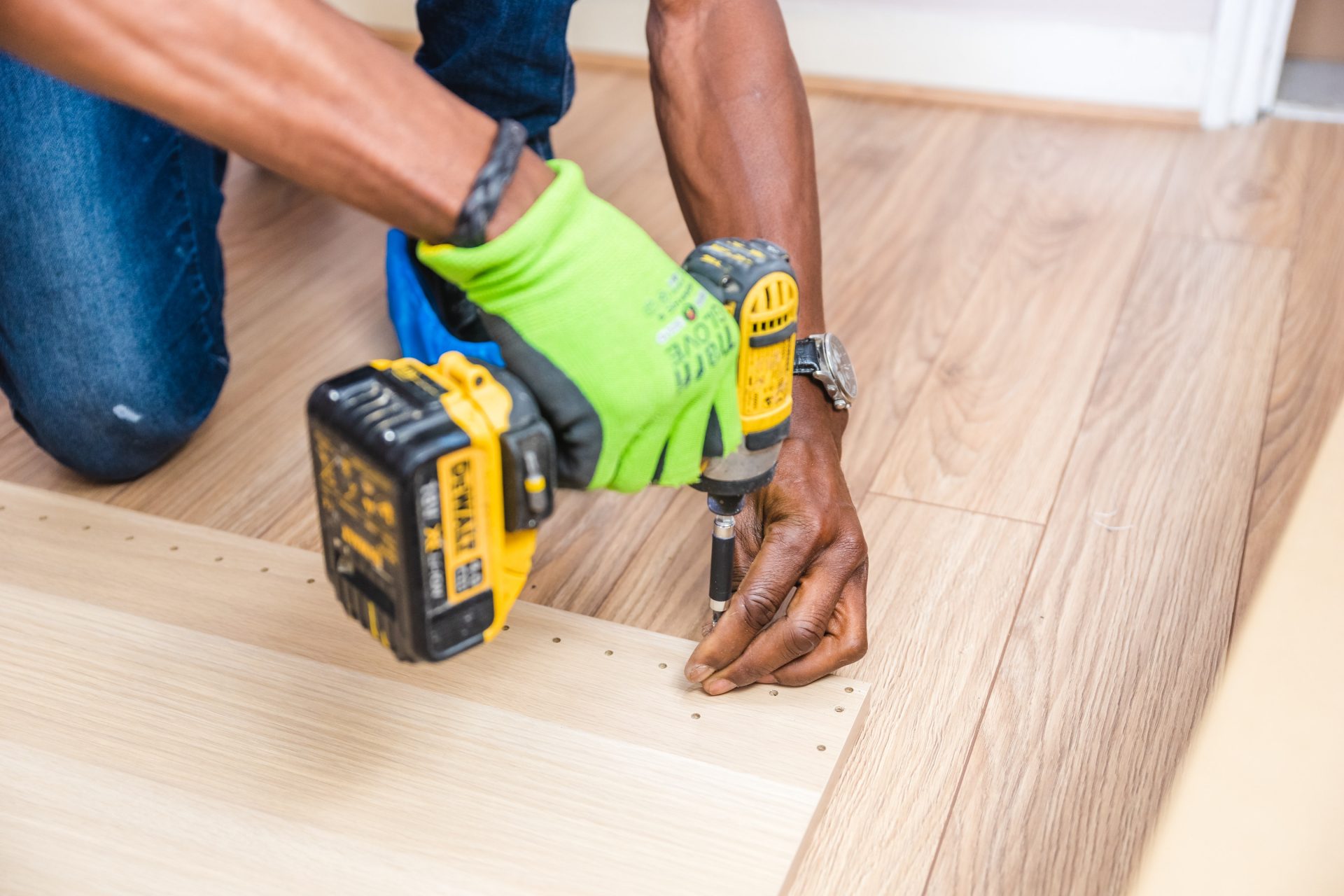
Tuck your thumbs into the palms of your hands and try to tie your shoes, open a bottle, or hold a utensil.
A grounds maintenance worker took pride in the corporate landscaping in his care. To keep the green lawns pest-free, he used chemicals freely.
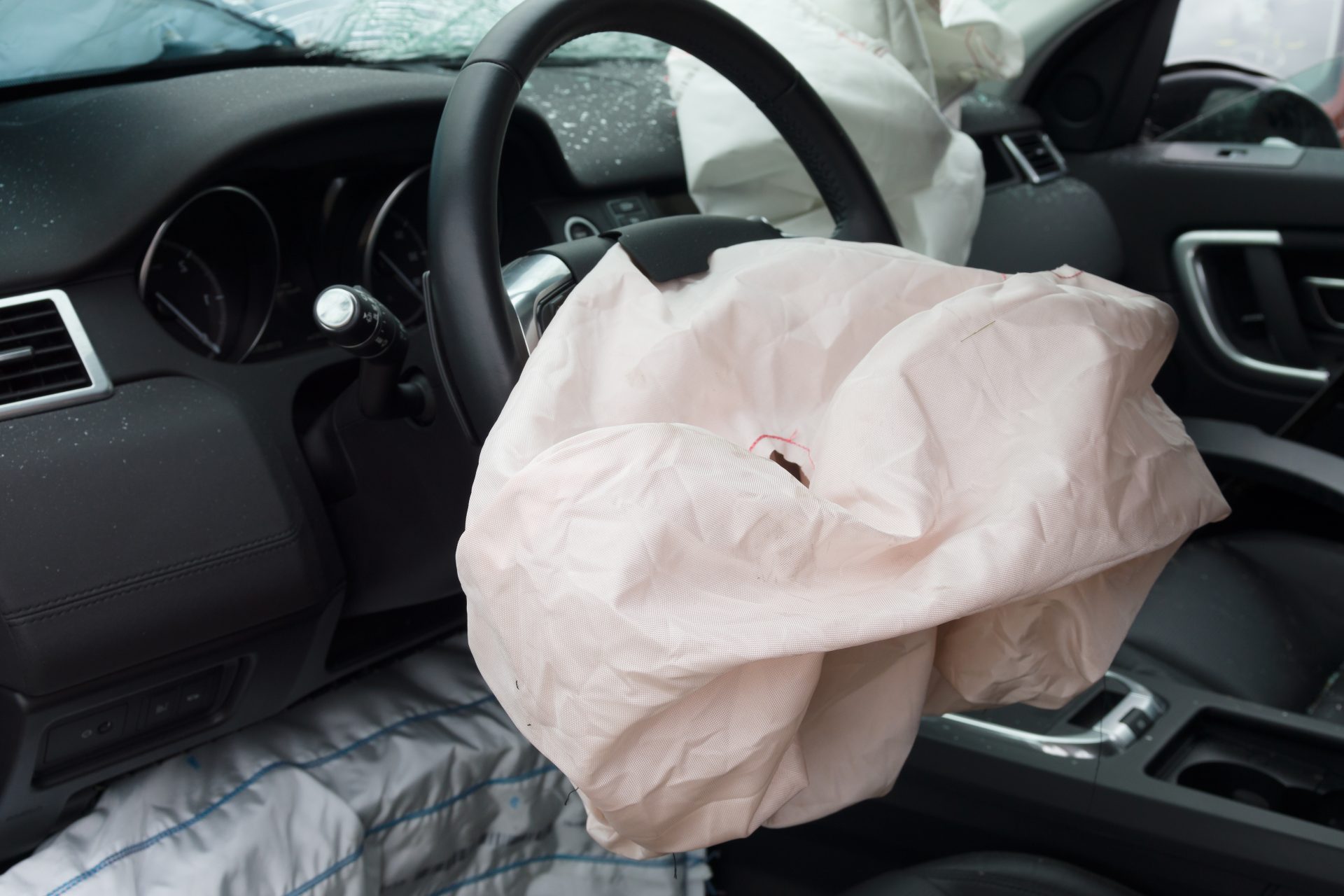
You?ve heard it before and you?ll hear it again because it?s a fact - seatbelts save lives. A high percentage of all work-related fatalities each year are caused by motor vehicle crashes. Many of these deaths could have been avoided if the drivers and passengers in these vehicles had been belted in.

The tornado season in North America begins in April, peaks in June and July, and ends in September. But really the storms can occur at any time, with approximately 1,000 tornadoes being reported in the United States and 80 in Canada each year.

Laboratories harbor fire and explosion hazards, and radiation hazards. There may be high-powered equipment which could cause cuts, entanglement or electrocution. There also could be biohazardous materials which can cause fatal diseases.
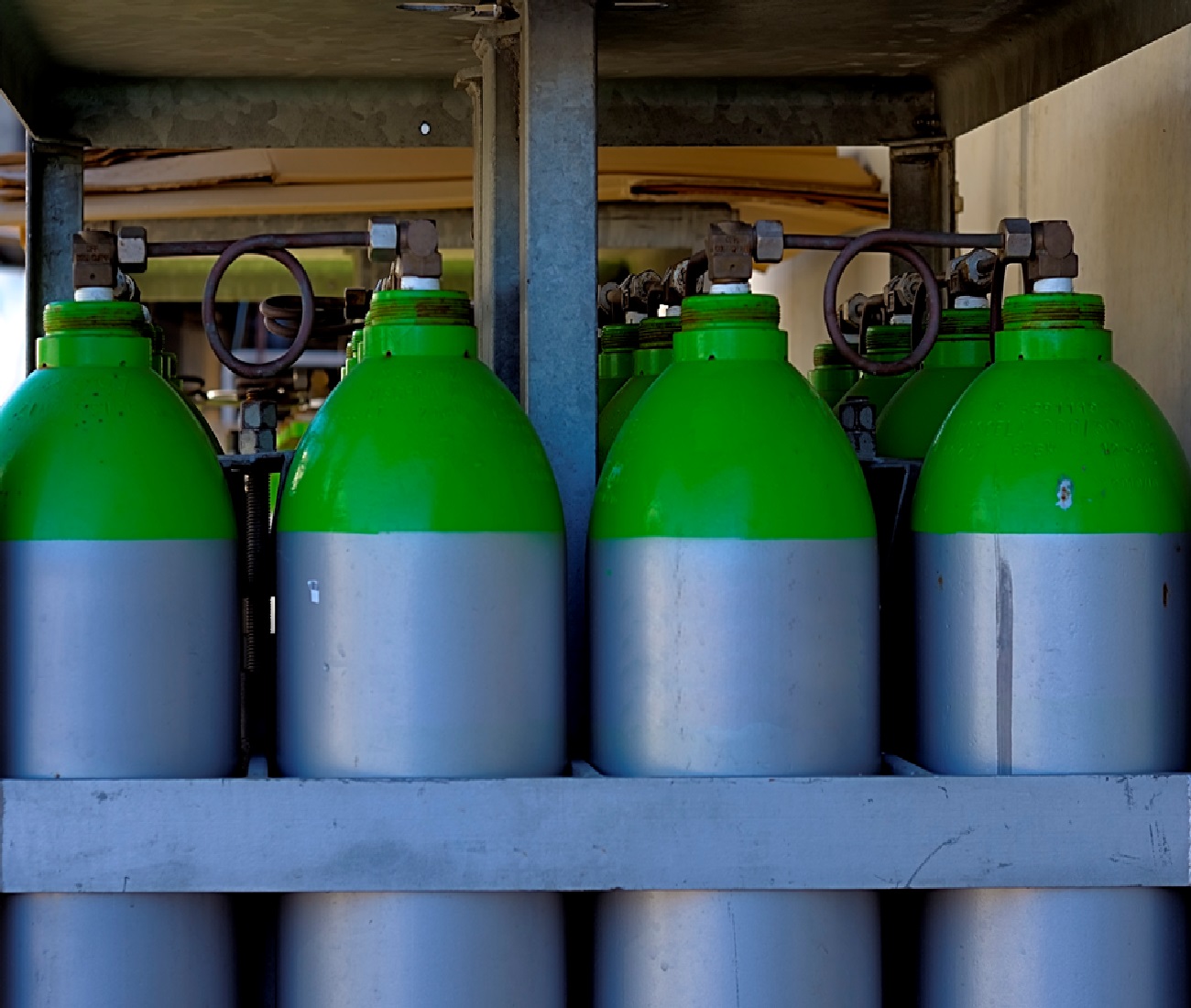
The hazards associated with compressed gas include oxygen displacement, fires, explosions, toxic effects from certain gases, reactivity and projectile concerns.
How do you handle conflict? Do you get angry and say things you wish you hadn't? Or do you back down and regret you did not stand up for yourself?
If you work around cranes, slings and rigging, it is your responsibility to be familiar with the tools and equipment and how to use them safely.
Do you often need to make strange or awkward movements to get your work done? Long reaches, twists, bends and stretches put your shoulders, back and elbows in uncomfortable and unnatural positions. These postures can
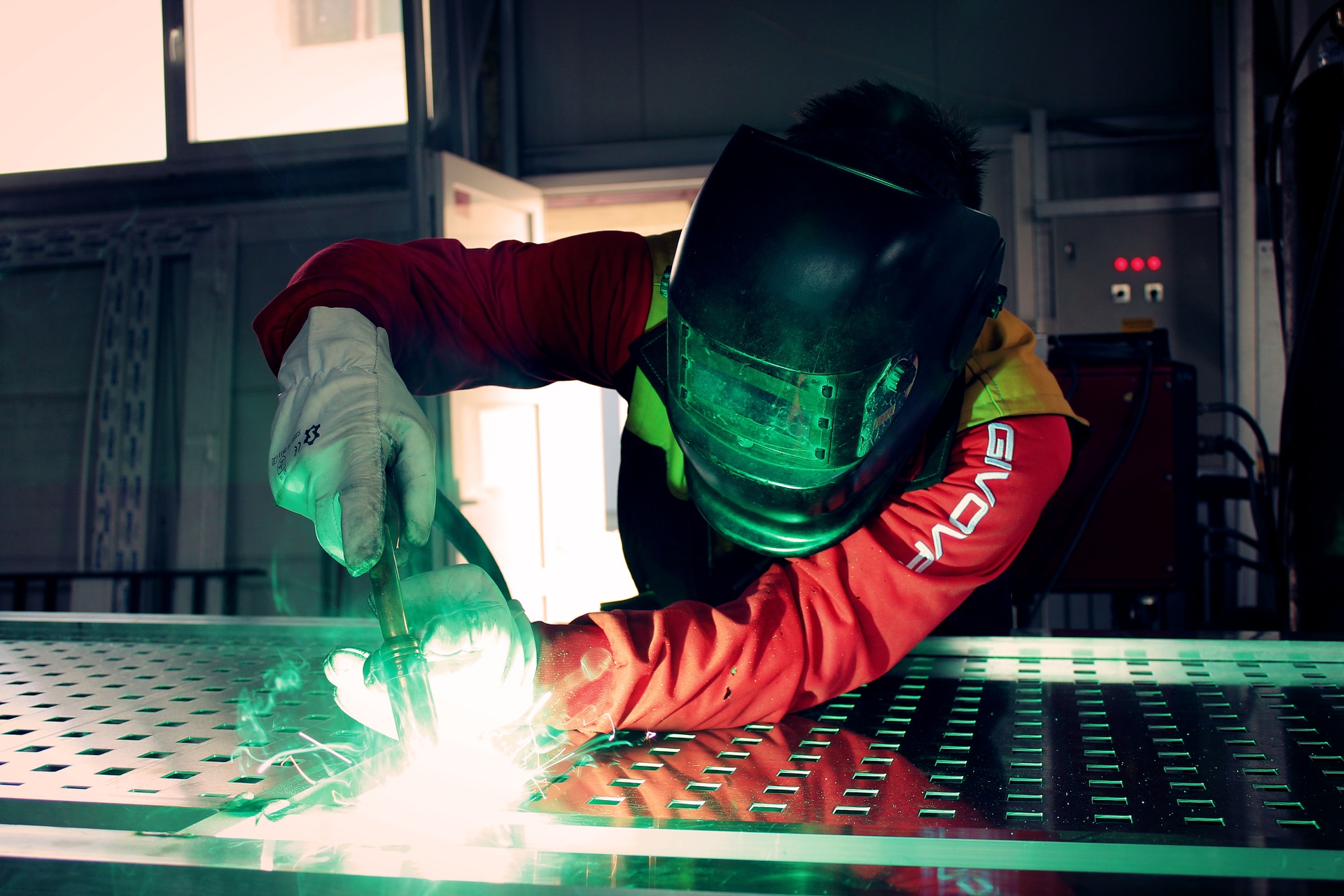
When you weld, cut or grind, the potential for accidents is significant. Eyes and skin can be burned, hearing can be damaged and an electric shock can kill you.
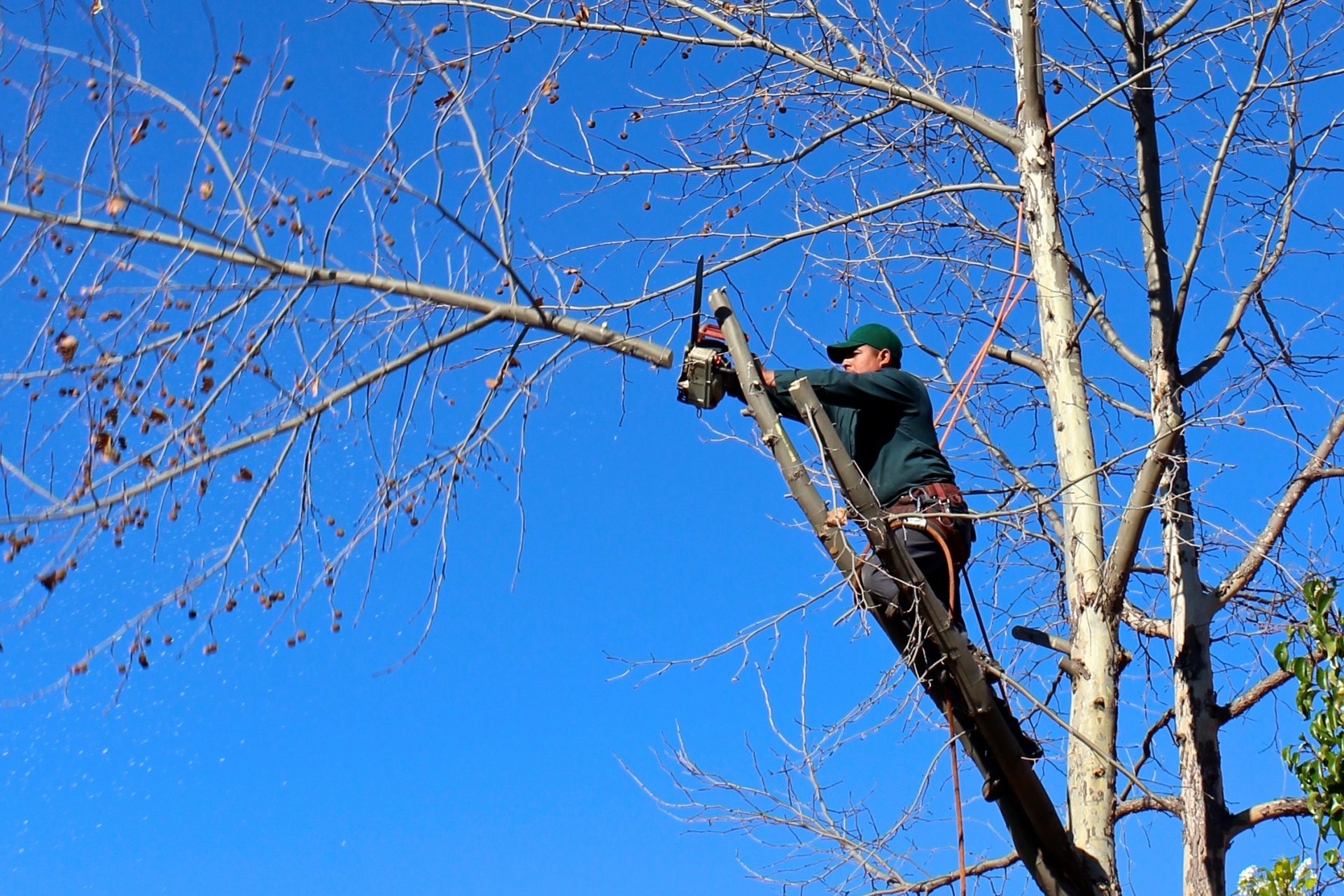
People who never touched a chainsaw before have been using these tools for disaster cleanup. So it's time for a safety talk on the hazards of these tools.
Working with some contractors' employees can create challenges, not to mention anxiety and hazards. But with cooperation and understanding, job safety doesn't have to be "hit or miss."
You can't imagine how painful and inconvenient a foot injury is until you've had one. If you injure a foot, you might be laid up for some time while the bills are mounting and your work projects are piling up.
Equipment that you use on the job may require you to apply pushing or pulling forces.
We’ve all seen one - or been one. We’re talking about that distracted driver, one hand on the steering wheel and the other on the phone, with the job of driving safely clearly far from his mind. Cell phone use has escalated considerably in the past decade. So has the number of phone-related traffic fatalities and the number of jurisdictions enacting laws that prohibit or restrict cell phone use. Many companies are following suit by introducing policies that prohibit or limit a worker’s cell phone use while driving.
Forklifts are a common sight in most plant warehouses, or, anyone who shops at a warehouse store or a building supply center also risks an encounter with one. Unsuspecting workers have been run over, innocent
There are some standard excuses for not wearing a hardhat - it is too heavy, too hot, too cold or too bulky or even too ugly. But all of these excuses sound very flimsy when you consider...
Since it's your first time, you may want to checkout some of the video tutorials.









 800-ICW-SAFETY (800.429.7233)
 SAFETYOnDemand@icwgroup.com
