
Main Category Group

How to Reduce Your Risk of Ergonomic Injuries
One size does not fit all when it comes to work equipment.
Main Category Group
One size does not fit all when it comes to work equipment.
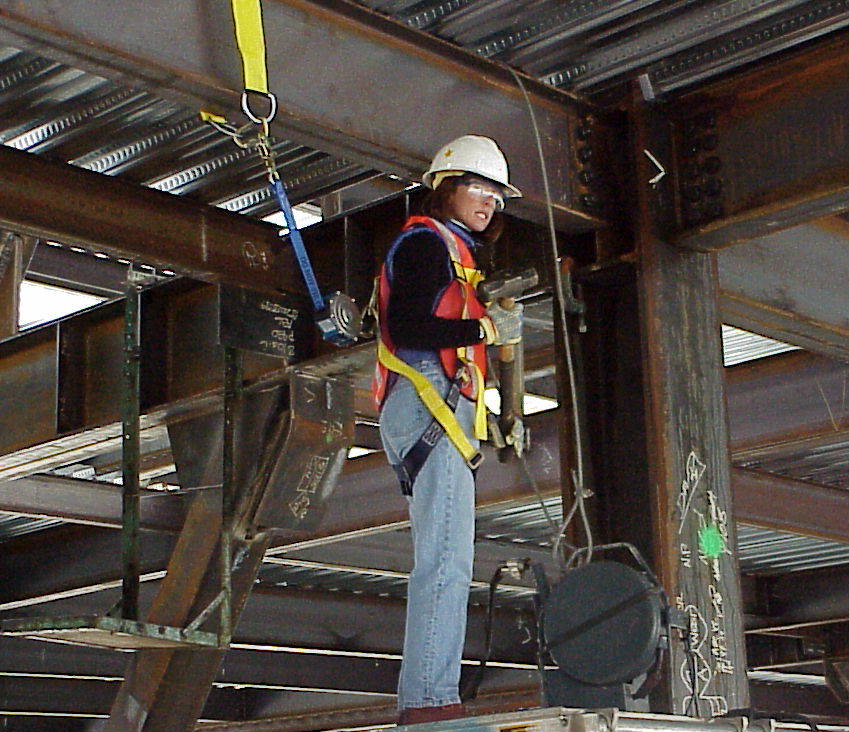
In the US more than 15,000 people die each year from falls, placing falls second only to motor vehicle collisions as the leading cause of accidental death. In Canada, more than 1,800 people die as a result of falling each year. And across North America, tens of thousands of workers are injured in falls every year, with many of these incidents occurring from a height where fall protection measures should have been taken but weren’t.

Ill-fitting protective clothing and equipment is universally problematic in workplace safety. It deters workers from performing job-related tasks efficiently and safely.
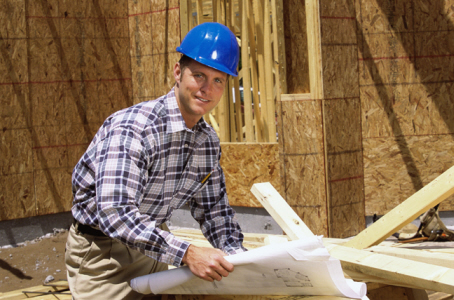
Workers who install drywall are at risk for falls, back injuries, muscle strains and respiratory exposure to dust.

It's easy to take the subject of falls lightly? unless you or someone you know has had a serious fall. Then you realize how deadly this commonplace accident can be.
Shiftworkers are necessary and instrumental in keeping work operating at all hours. In this Safety Talk learn about some of the hazards of Shitfwork.
According to a recent report released by the CDC, nearly 1 in 5 Americans make a trip to the emergency room each year. And Canadians are among the most frequent users of emergency departments in the world, with an average of 17 million visits a year.

It’s summer! Time for the backyard barbecue, fireworks and fun in the sun. If you’re planning to host a day of summertime activities with family and friends, remember to work a little safety into the event, too.
Close calls are also known as near misses. They are situations in which a worker has a narrow escape from getting hurt.
When someone has a substance abuse problem, it affects his or her family members and friends. And since most drug users, binge and heavy drinkers, and people with substance use disorders are employed, the problem is also a concern for employers and co-workers.
Most of us have seen a sick co-worker trying to make his way through the workday instead of being home resting or in bed. But coming to work with a cold, flu or other illness is a bad idea. It can make all of us less productive.
Don’t give danger a second chance to get too close for comfort. Report all near misses immediately so they can be investigated and hazards can be corrected.
While anthrax concerns have increased public awareness of respiratory biological hazards, there are many other common biological agents affecting workers every day. This safety talk will discuss a few of these hazards. What you need
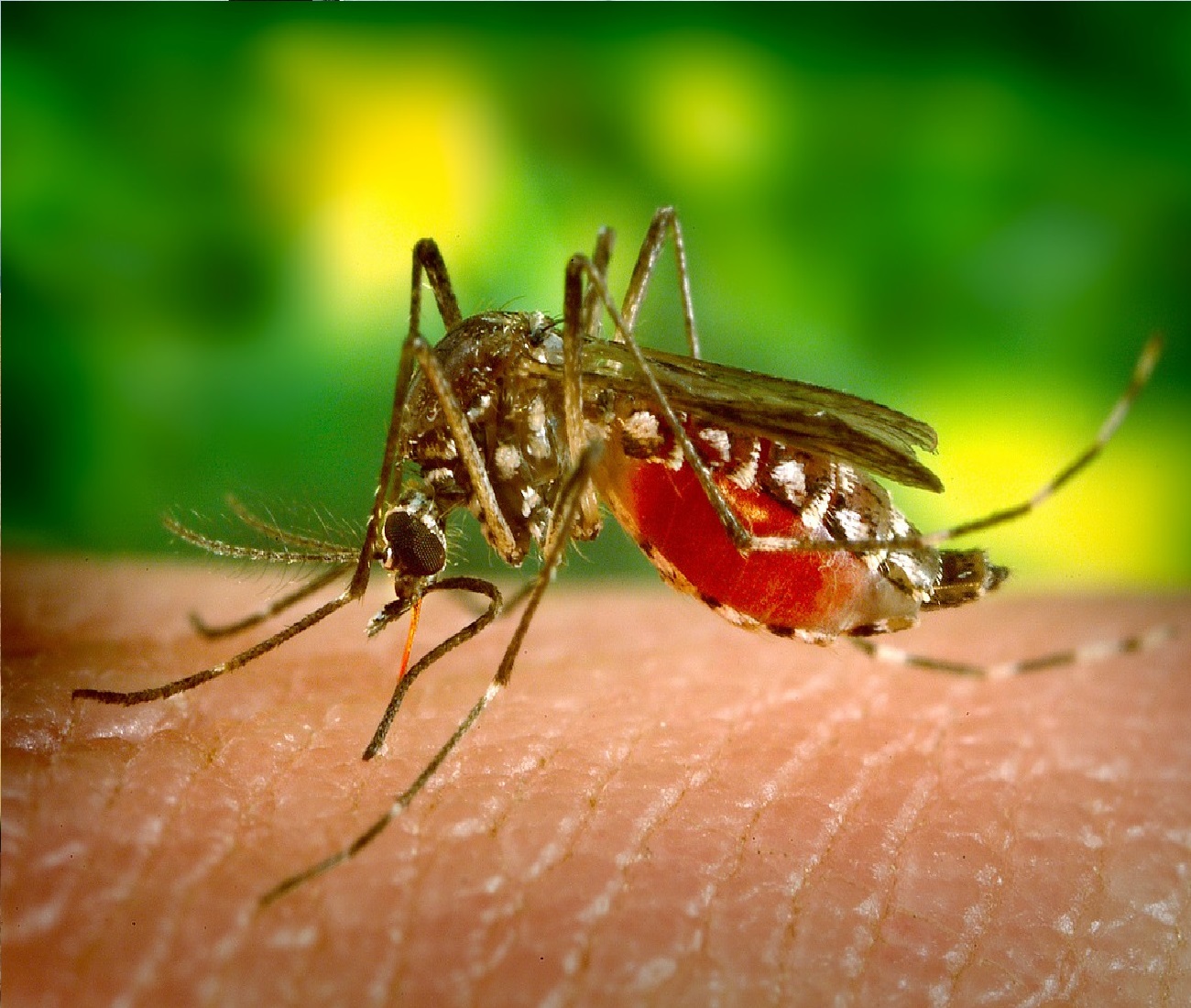
In humans, most West Nile virus infections cause either no symptoms or a mild flu-like illness. Severe infections include high fever, stiff neck, disorientation, tremors, muscle weakness and paralysis. The most severely affected patients may

Even a simple extension cord needs to be looked after. It's a shock orfire hazard when deteriorated, worn-out or used improperly.
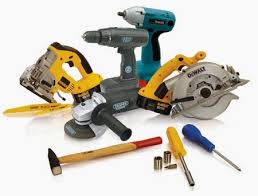
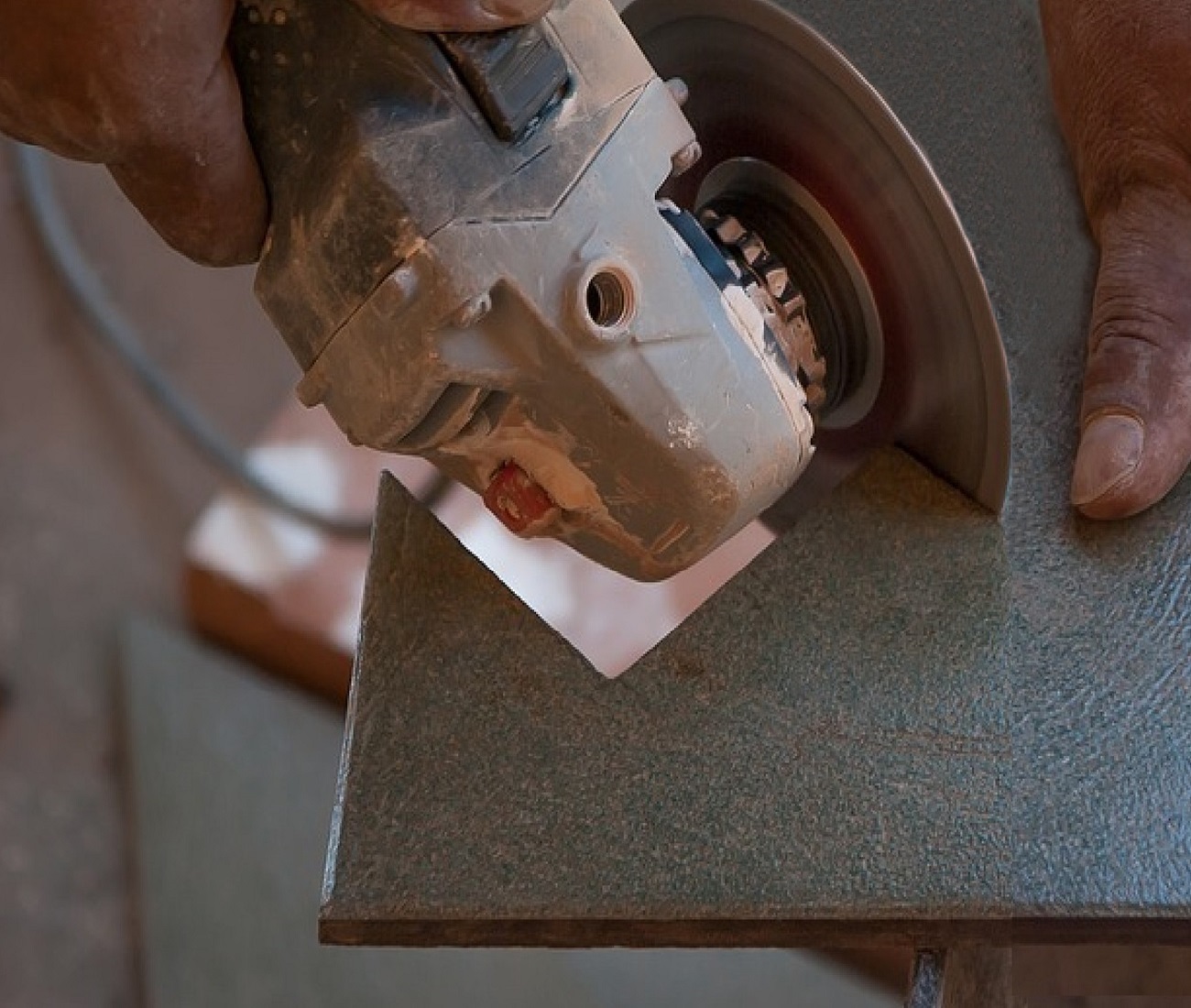
Portable electric-powered tools can be indispensable. They can also be deadly. Each year, thousands of construction workers are injured using these otherwise handy tools.
When fuel is burned, carbon monoxide is a byproduct. This gas kills thousands of people at work and at home each year.
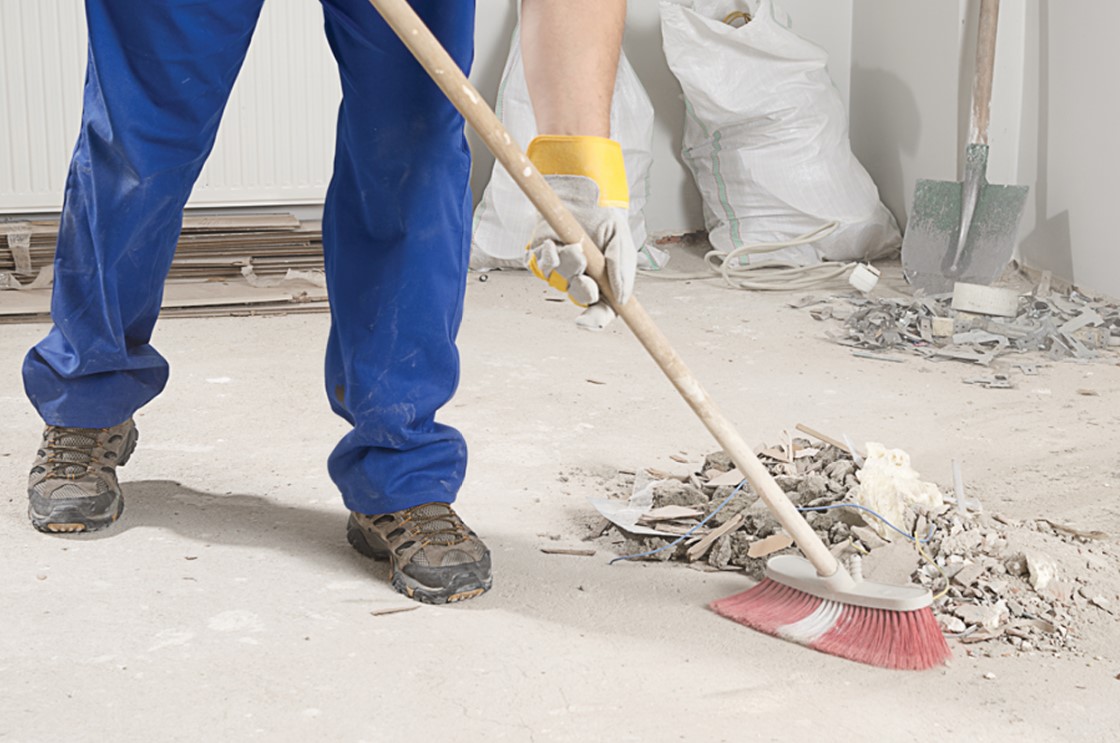
Housekeeping may not be your favorite job, but a messy workplace is where injuries occur.
How This Affects You: Workplace violence can happen to anyone, even you.
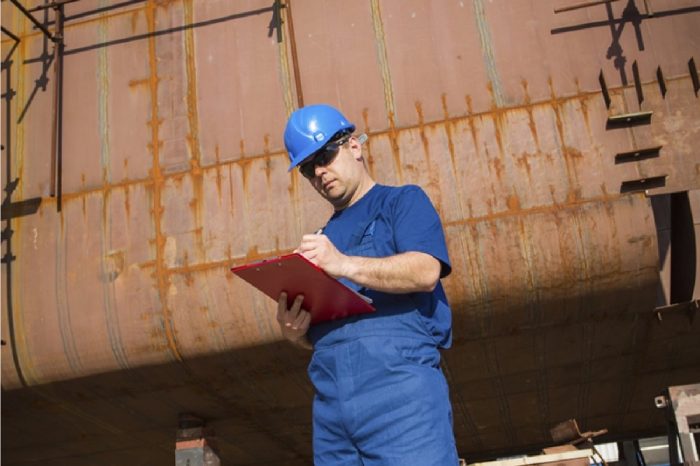
Moving machinery is everywhere. Even something as innocent as a photocopier contains moving parts.
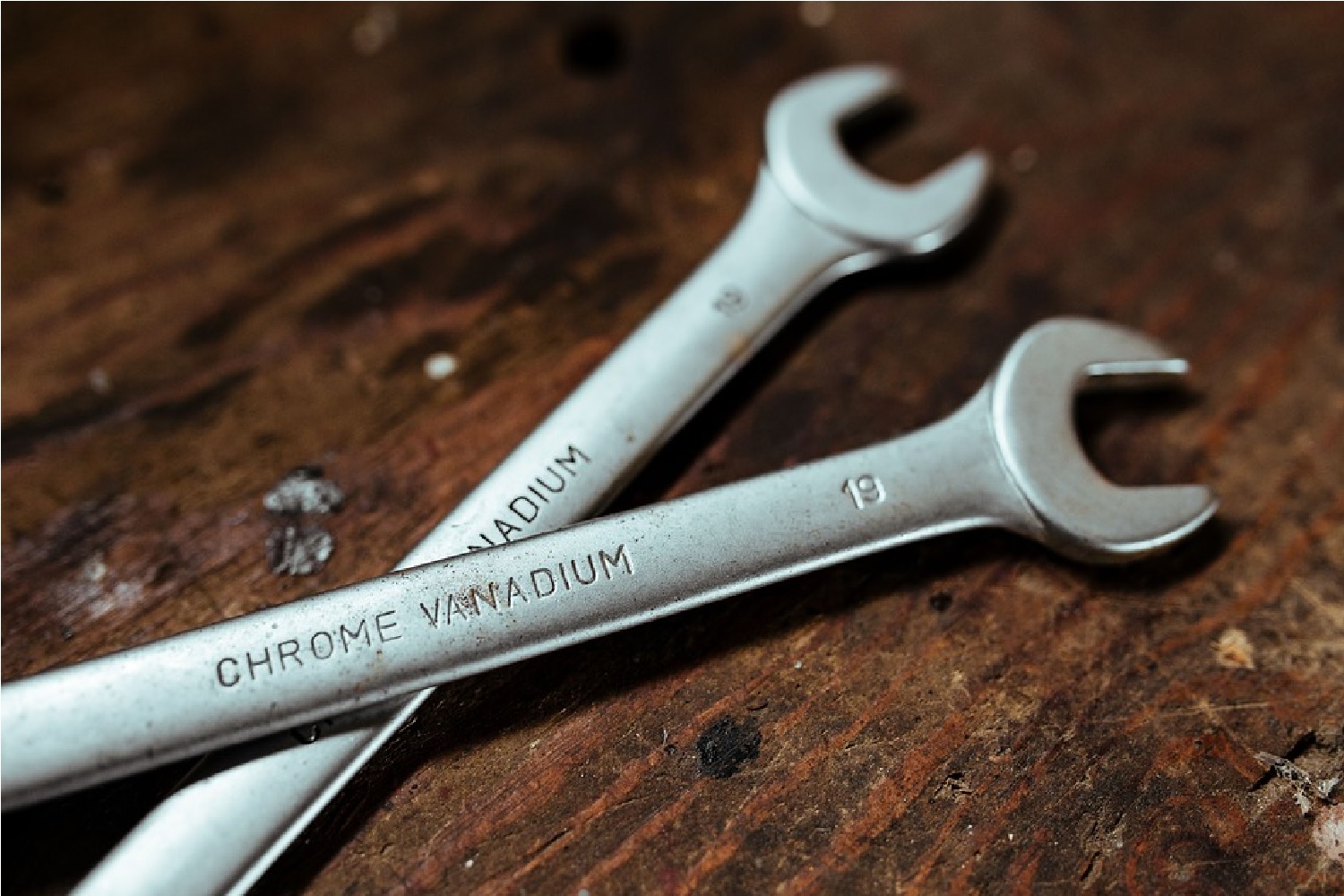
We all know how important it is to use caution around power tools. But what about tools in general? Can a wrench really be dangerous?
These accidents all have one factor in common - they involve poor job site housekeeping. Good housekeeping means keeping your work area free of dirt and clutter, keeping everything in its place and making sure there are no hazards.
Whether you call it safety coaching or a preshift meeting, you may need to talk to your co-workers about safety and why safety is a cooperative effort.
It’s easy to get overly confident once you’ve mastered something. But even an experienced worker can become entangled in the conveyor, struck by a vehicle in a work zone or slip on a wet floor. No matter how long you have been on the job and no matter how skilled you are, you must remember the basic safety precautions. Don’t get complacent.
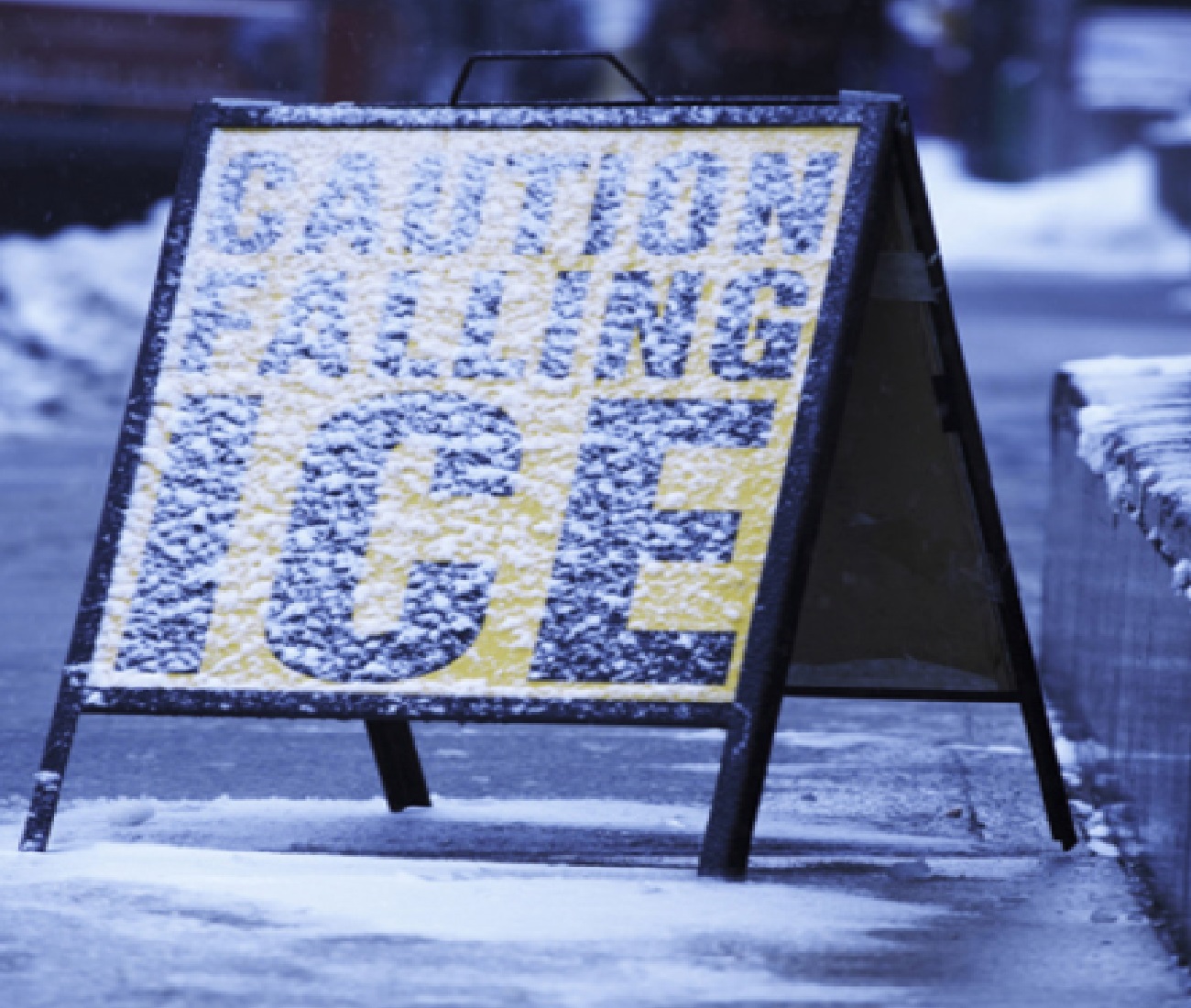
Unless you’re fortunate enough to live in a climate of perpetual summer, or something close to it, cold winter weather is a chilling reality for millions of people across North America.
Since it's your first time, you may want to checkout some of the video tutorials.










 800-ICW-SAFETY (800.429.7233)
 SAFETYOnDemand@icwgroup.com
