Main Category Group
High Pressure Danger With Compressed Air
Compressed air can make short work of everything from changing tires to nailing and stapling, but its power demands respect.
Main Category Group

Compressed air can make short work of everything from changing tires to nailing and stapling, but its power demands respect.
Unexpected emergencies occur in workplaces every day in factories, plants, offices and warehouses, as well as construction sites and on the road. It could be a fire, fatal injury, flood, earthquake, shooting, tornado, chemical spill or another kind of crisis. So it’s important that companies have an emergency response plan to cover all expected and unexpected disasters. For this plan to be effective, all employees must be trained in the roles they will play in an emergency.
Once the snow starts to fall, our driving skills are pushed to the limit. Do you know how to drive properly in winter conditions? A few moments spent thinking about it now could save you from problems later when you’re out on the road.
Stress sets in when there is an increase in demand for our time and resources that we can’t meet. In small doses, stress can be powerful. It motivates us to do the things we need to do to survive. However, too much stress can have negative effects on our mental and physical health. And it can certainly ruin the holidays.
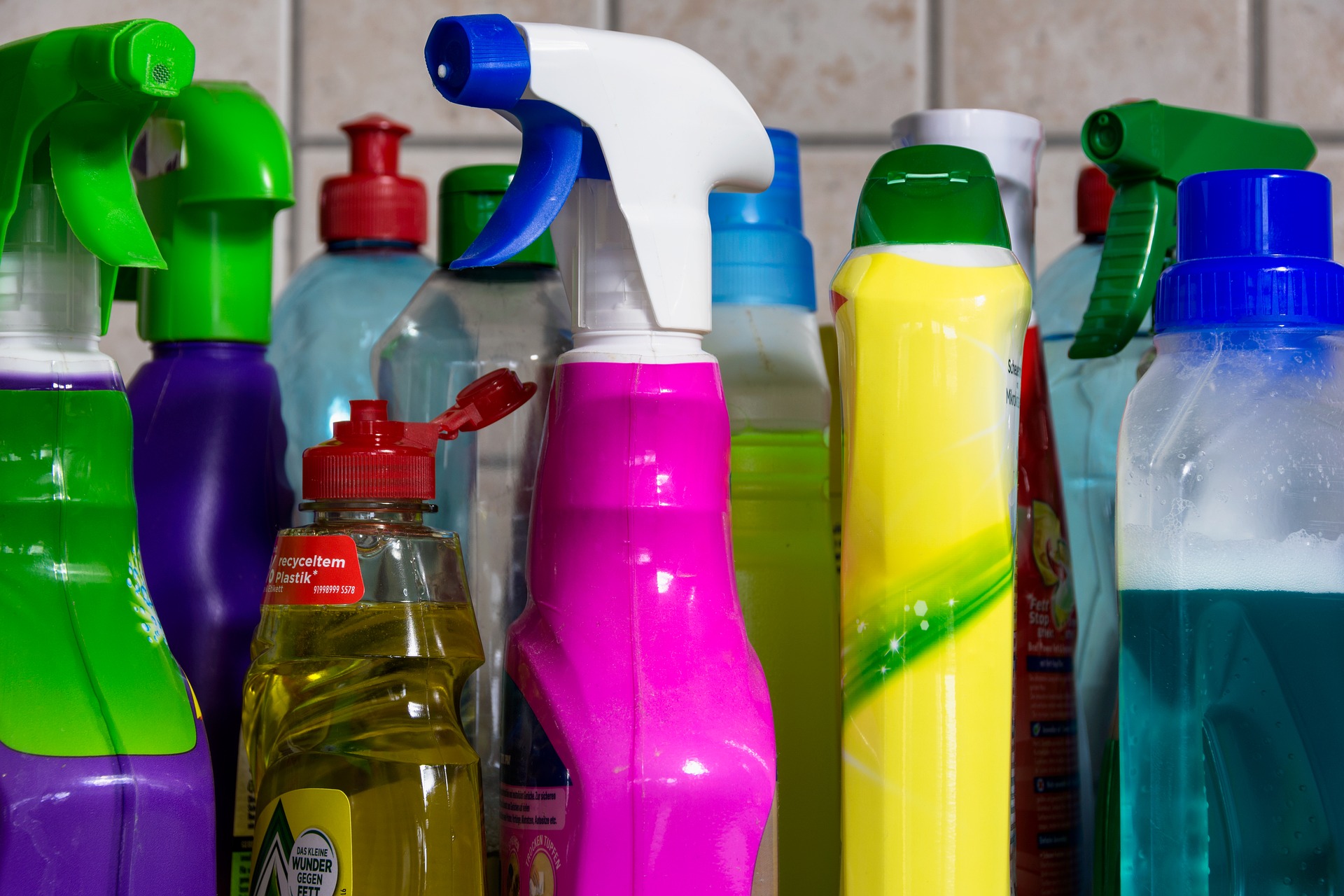
The Globally Harmonized System of Classification and Labelling of Chemicals (GHS) was created by the United Nations to help bring uniformity to hazardous materials labelling around the world.
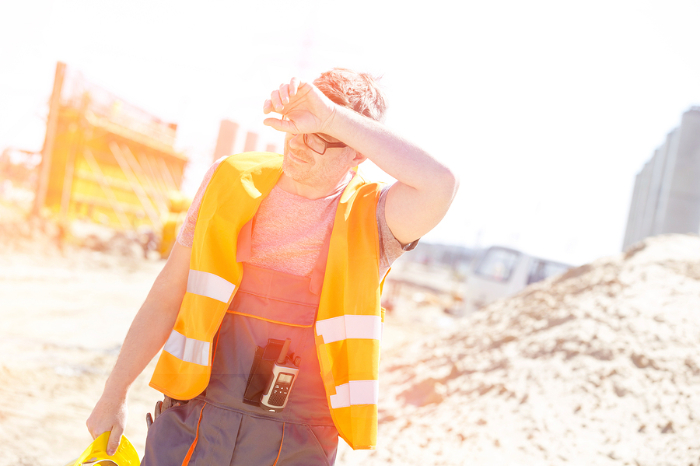
A suntan may look and feel good, but sunlight is the primary cause of skin cancer. The tingly warm sensation associated with sun exposure is actually radiation damage caused by ultraviolet rays.
Landscapers face a variety of hazards, both physical and biological. In this Safety Talk, we’ll discuss some potential hazards of landscaping work and general precautions workers should take while on the job.

From soda pop spilled on the breakroom floor at a local factory, to a chemical spill from that same factory that pollutes the river and contaminates your community’s water supply—workplace spills can range from minor inconveniences to major catastrophes.
Today, heart disease and stroke take one life every 7 minutes and 90% of Canadians have at least one risk factor.
How does our workplace stack up against the following housekeeping standards? -? Are floors clean and free of water, mud, ice, grease, oil, waste and clutter? - ?Are leaks and spills cleaned up promptly? -?
Close calls are also known as near misses. They are situations in which a worker has a narrow escape from getting hurt.
When someone has a substance abuse problem, it affects his or her family members and friends. And since most drug users, binge and heavy drinkers, and people with substance use disorders are employed, the problem is also a concern for employers and co-workers.
Most of us have seen a sick co-worker trying to make his way through the workday instead of being home resting or in bed. But coming to work with a cold, flu or other illness is a bad idea. It can make all of us less productive.
Having an escape plan and working smoke alarms throughout your home are two ways you can avoid getting burned if a fire were to break out in your home.
How do you handle conflict? Do you get angry and say things you wish you hadn't? Or do you back down and regret you did not stand up for yourself?
If you work around cranes, slings and rigging, it is your responsibility to be familiar with the tools and equipment and how to use them safely.
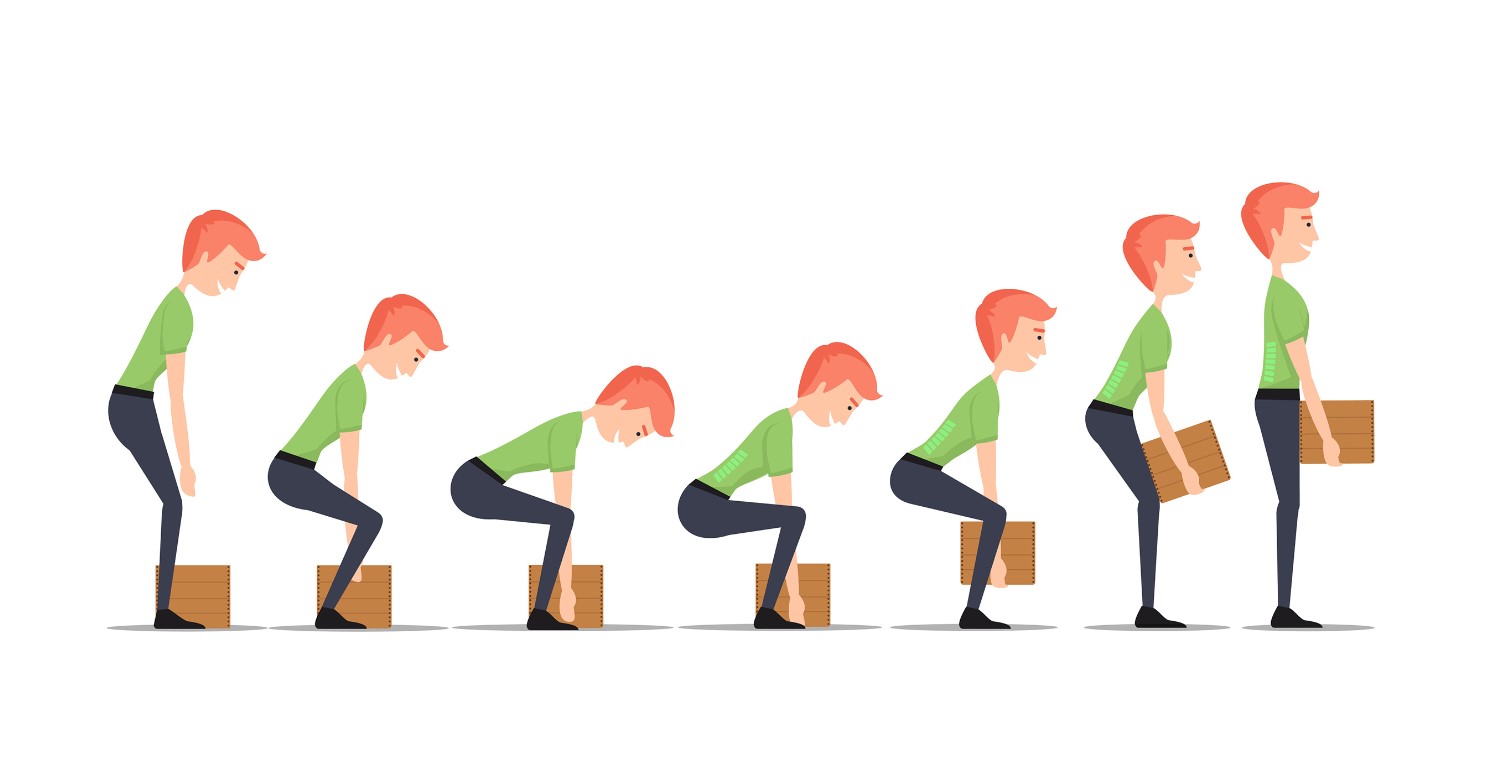
Do you often need to make strange or awkward movements to get your work done? Long reaches, twists, bends and stretches put your shoulders, back and elbows in uncomfortable and unnatural positions. These postures can

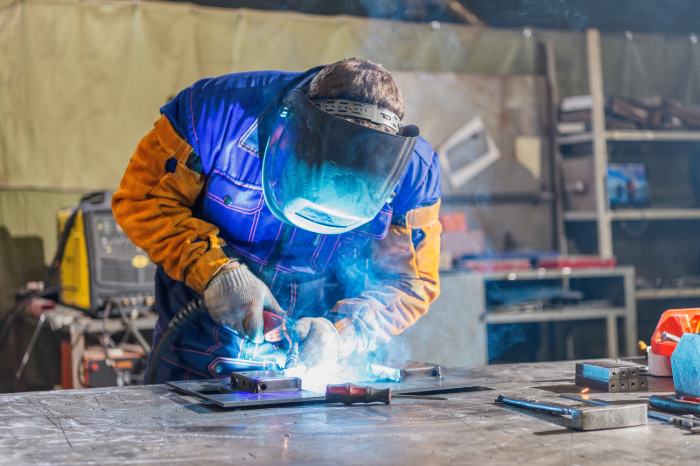
When you weld, cut or grind, the potential for accidents is significant. Eyes and skin can be burned, hearing can be damaged and an electric shock can kill you.
People who never touched a chainsaw before have been using these tools for disaster cleanup. So it's time for a safety talk on the hazards of these tools.
Working with some contractors' employees can create challenges, not to mention anxiety and hazards. But with cooperation and understanding, job safety doesn't have to be "hit or miss."
Weather can affect your safety both on and off the job. Even if you don't work outside, just getting to and from work in bad weather can be hazardous.
It's important for you to understand the potential hazards that you may be exposed to while working with hazardous waste.
In a world filled with scented soap, fragrant shampoo and sweet-smelling perfume, staying upwind can be a constant challenge. For anyone sensitive to scents, the workplace can be downright hazardous to your health.

Chemicals enter the body in a number of different ways. A chemical can be absorbed by the skin, inhaled, ingested or through a puncture like a needle. Once in the body, chemicals are circulated by
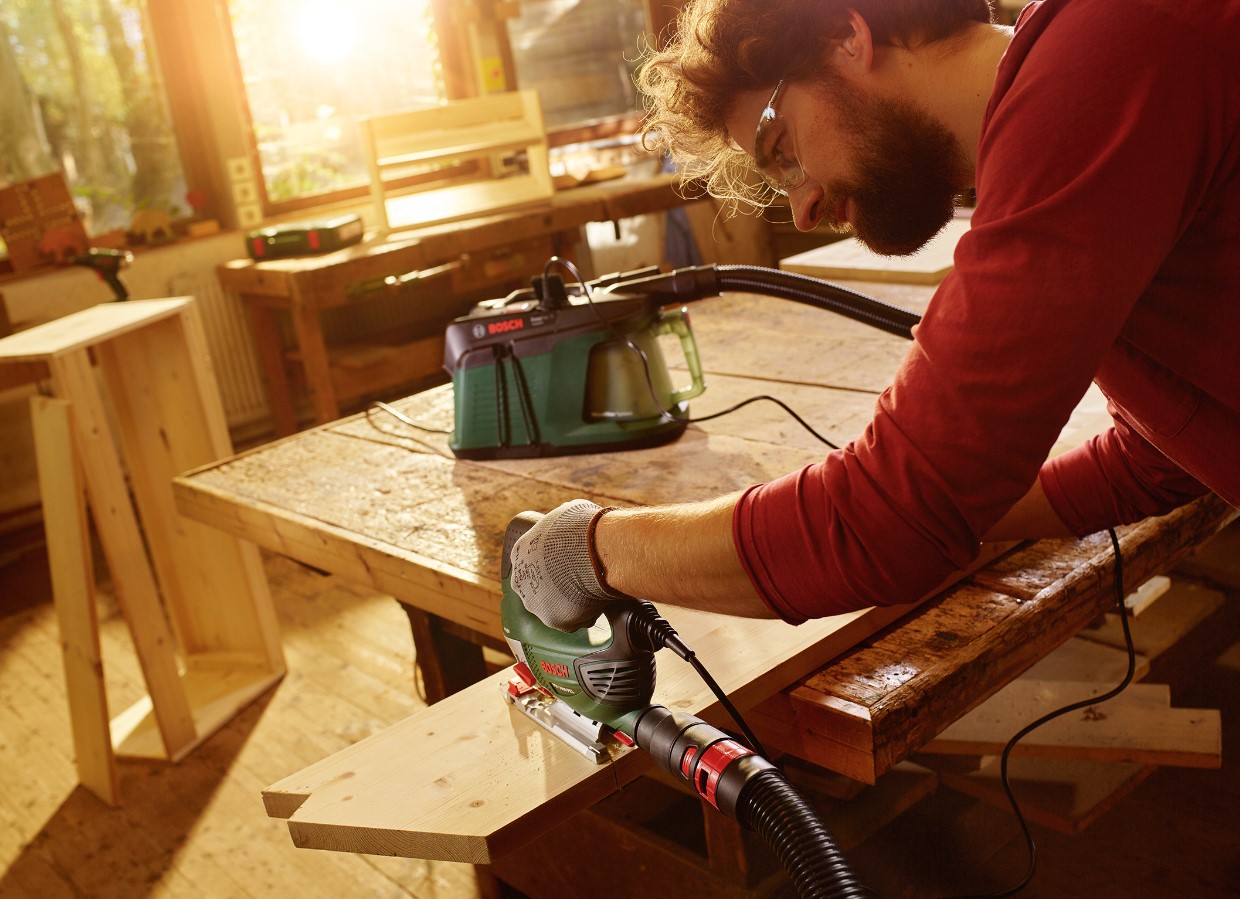
By understanding the basics of ergonomics and how they relate to your job, you may be able to prevent painful injuries.