

Off-the-Job Infographic
Download this printable Infographic on Off-the-Job Training
Download this printable Infographic on Off-the-Job Training
¿QUE ESTÁ EN RIESGO? Las cosas están cambiando constantemente en [...]
YOU CAN… Reduce costs. Increase profits. Improve experience modification. Retain [...]
USTED PUEDE… Reducir costos. Aumentar las ganancias. Mejorar la modificación [...]
¿QUE ESTÁ EN RIESGO? Probablemente hayas escuchado las metáforas del [...]
CONVENTIONAL INSTRUCTOR LED SAFETY TRAINING DOESN’T FIT THE NEW NORMAL [...]
10 razones por las que sus alumnos no le escuchan [...]
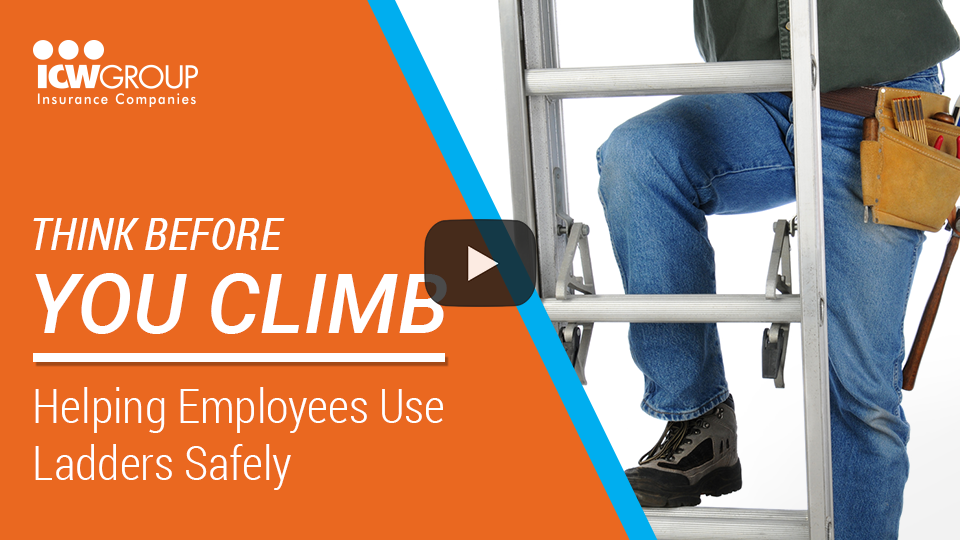
Did you know that there are more than 164,000 emergency [...]
Sobre el Seminario web ¿Qué es el aprendizaje mixto? ¿Por [...]
UNA MEJOR MANERA DE SUBIR A BORDO Definiendo el problema [...]

May 22, 2019 | Did you know employees forget 70% of their safety training within 24 hours of learning it? And that over the course of a month their retention decreases to almost 0? This can be prevented, but you need a strong understanding of how to train with retention in mind. In this webinar, learn how leading companies train their employees with methods that make safety STICK. You'll leave with fresh ideas and strategies to ensure your next training session is a memorable one.
Maintenance; inspection; detection; work environment. Detection; correction; defective equipment; maintenance. [...]

INCIDENT Mélanie tells her story. My name is Mélanie, and [...]
May 22, 2019 | Did you know employees forget 70% of their safety training within 24 hours of learning it? And that over the course of a month their retention decreases to almost 0? This can be prevented, but you need a strong understanding of how to train with retention in mind. In this webinar, learn how leading companies train their employees with methods that make safety STICK. You'll leave with fresh ideas and strategies to ensure your next training session is a memorable one.
Date: January 15, 2020 Time: 9-10AM PST Speakers: Rick Tobin [...]
PREAMBLE RETAIL WORKERS If you are a worker under age [...]
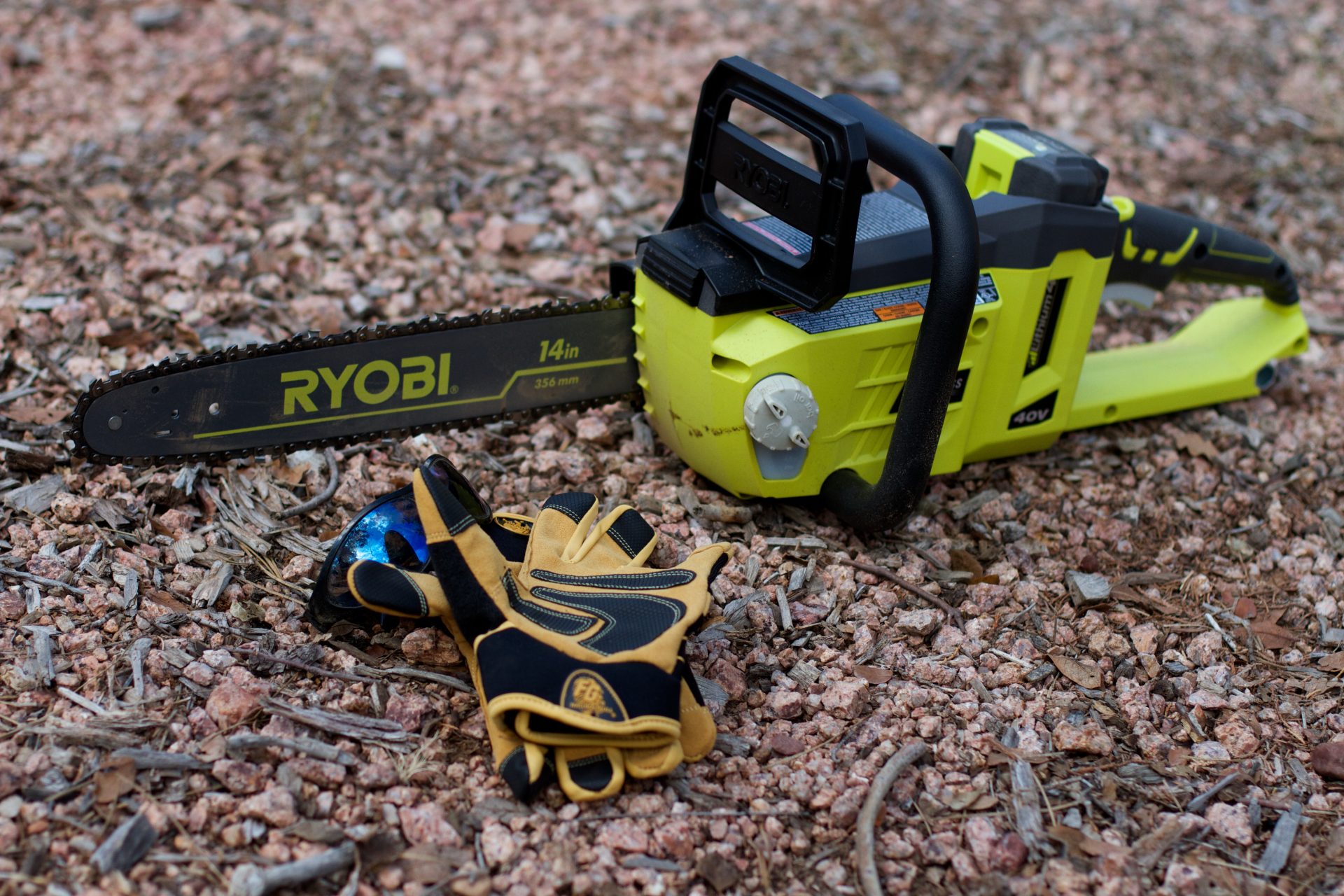
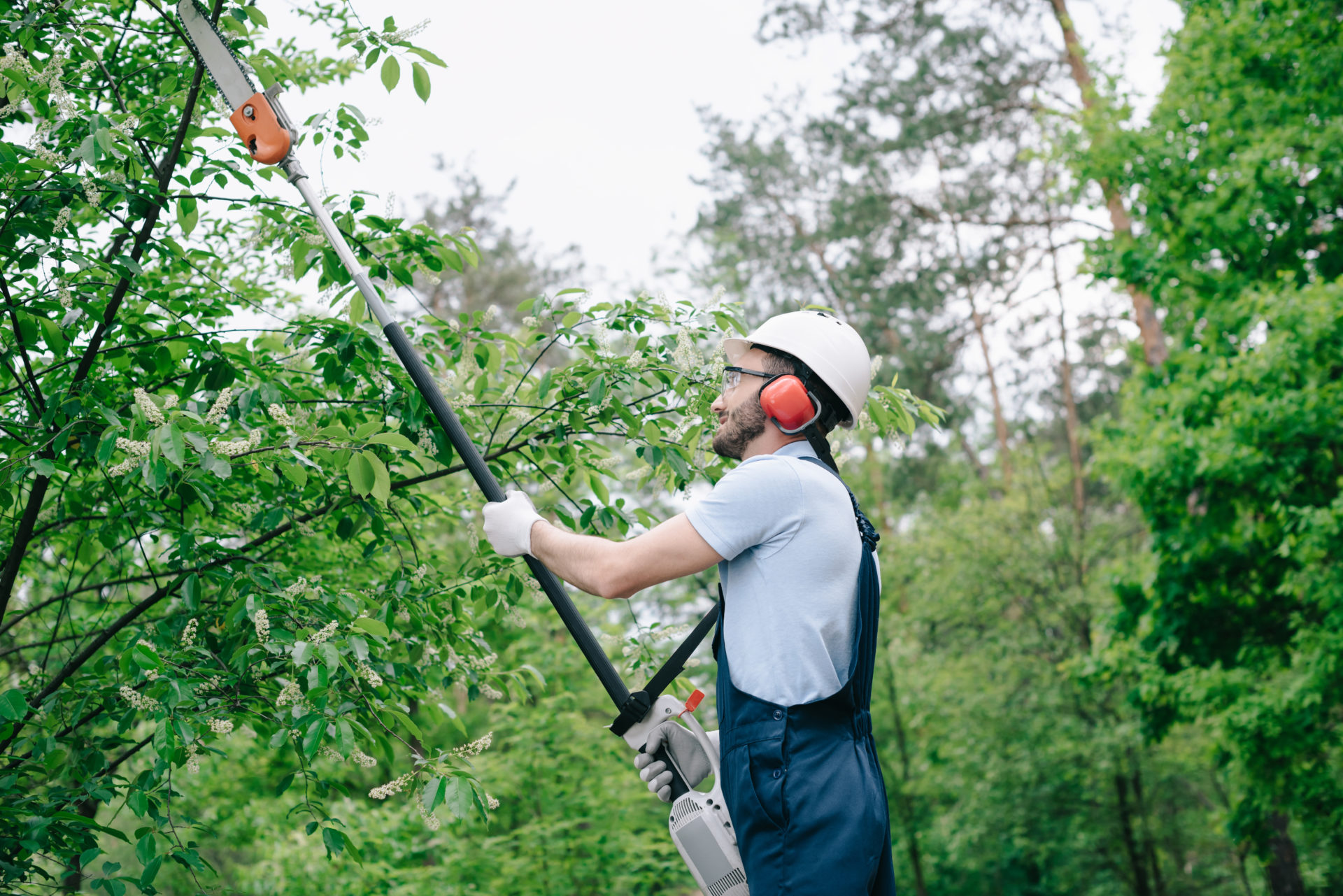
La motosierra eléctrica es la herramienta adecuada para el trabajo [...]
Trees: Thoughtful, Risk Reduction for Elevated and Electrical Safety in [...]
Few experiences may be as frightening as when a crane becomes unbalanced while a load is being lifted or when the crane collapses under the weight of an excessive load. An unbalanced load or crane collapse can cause death to the operator, other construction workers, can cause damage to property or equipment.

Out of the five dimensions of High Performing Teams (see model), Mutual Respect and Camaraderie is one of the most critical factors contributing to the leader’s success, according to our research. Essentially, this dimension asks: does the team leader demonstrate respect and genuineness, and hold people accountable to a high level of collaboration?
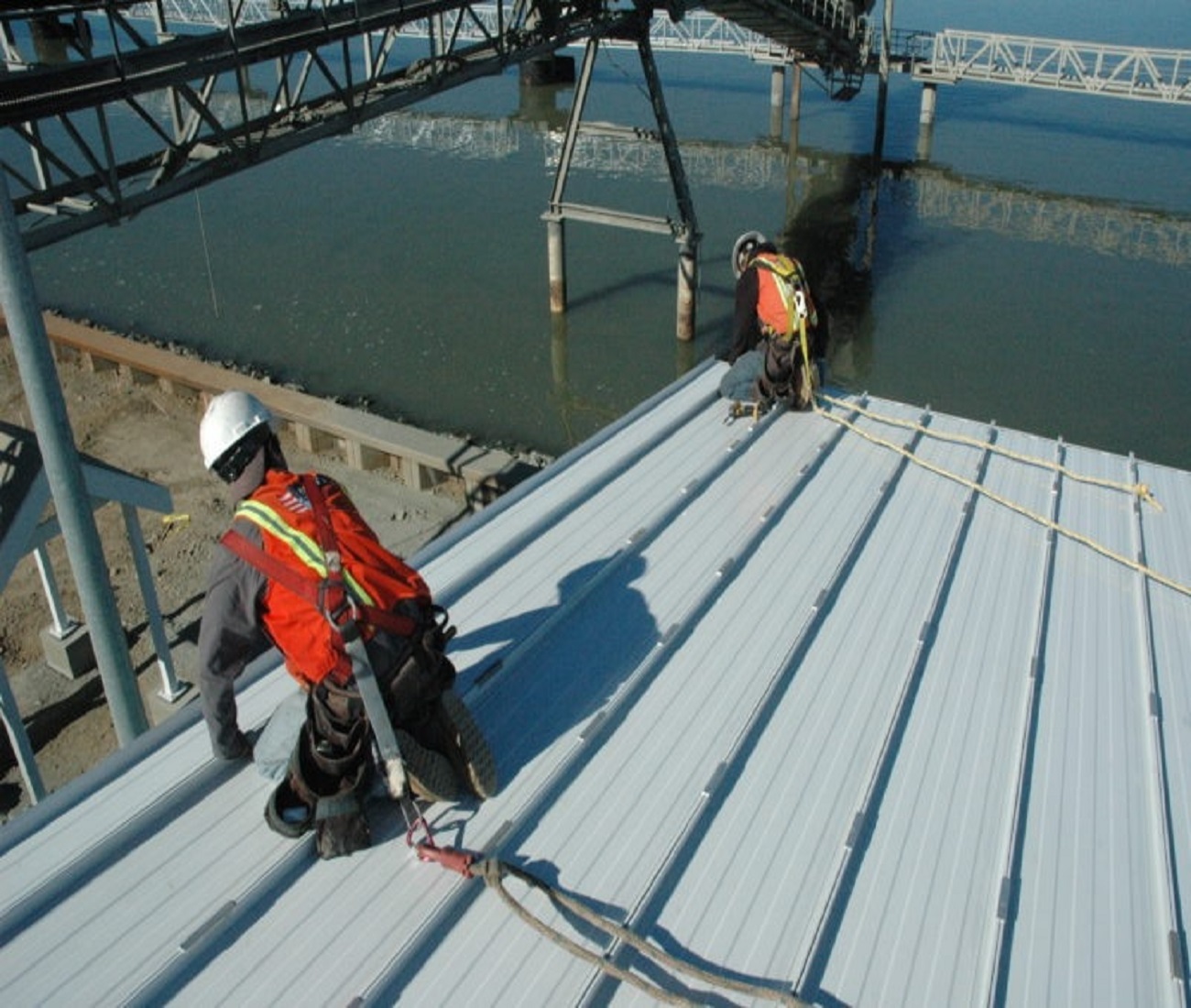
Hundreds of workers die from falls every year. You can prevent such deaths by planning to get the job done safely, providing the right fall protection equipment, and training all workers when and how to use the equipment safely. Here are some basic ideas for developing fall protection strategies.
May 22, 2019 | Did you know employees forget 70% of their safety training within 24 hours of learning it? And that over the course of a month their retention decreases to almost 0? This can be prevented, but you need a strong understanding of how to train with retention in mind. In this webinar, learn how leading companies train their employees with methods that make safety STICK. You'll leave with fresh ideas and strategies to ensure your next training session is a memorable one.
Most crane collapses, failures, injuries, and deaths can be prevented by using a lift plan. All lifts require at least some planning – how much does the load weigh, what’s the capacity of the crane – but critical lifts require more planning and oversight to ensure a safe and successful lift.
This sample checklist, from the North Carolina Department of Labor, is designed to help you in developing programs tailored to your own operation. Please copy, expand, modify and customize this sample as needed.
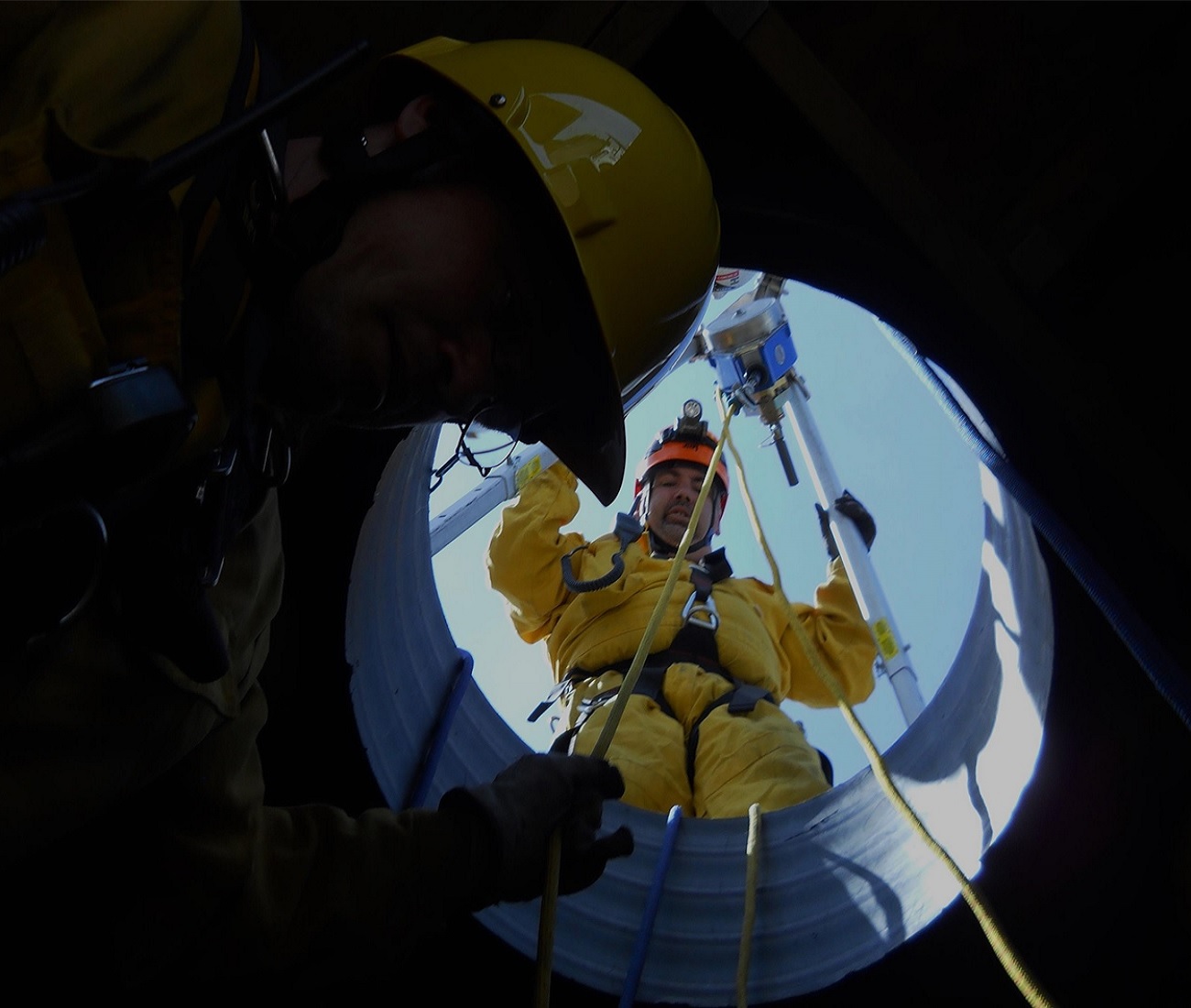
Let’s get serious about confined space safety. Confined spaces can be seriously dangerous and are the leading cause of multiple fatalities in the workplace. Here’s why… A confined space has limited openings for entry or exit, is large enough for entering and working, but is not designed for continuous worker occupancy.
Since it's your first time, you may want to checkout some of the video tutorials.












 800-ICW-SAFETY (800.429.7233)
 SAFETYOnDemand@icwgroup.com