Survive the Drive this Winter
How This Affects You: Don't think fate wouldn't leave you stranded in a vehicle during a snow storm. This happened to school bus driver Carl Miller in Colorado.

How This Affects You: Don't think fate wouldn't leave you stranded in a vehicle during a snow storm. This happened to school bus driver Carl Miller in Colorado.

Snow and ice removal is a part of life for many facilities affected by winter weather. Clearing snow and ice from a roof can prevent injuries and property loss that occur when a roof collapses - but this activity also introduces hazards we need to understand and prepare for before any of us step on a roof.

The body normally cools itself by sweating. During hot weather, especially with high humidity, sweating isn't enough.
Weather can affect your safety both on and off the job. Even if you don't work outside, just getting to and from work in bad weather can be hazardous.

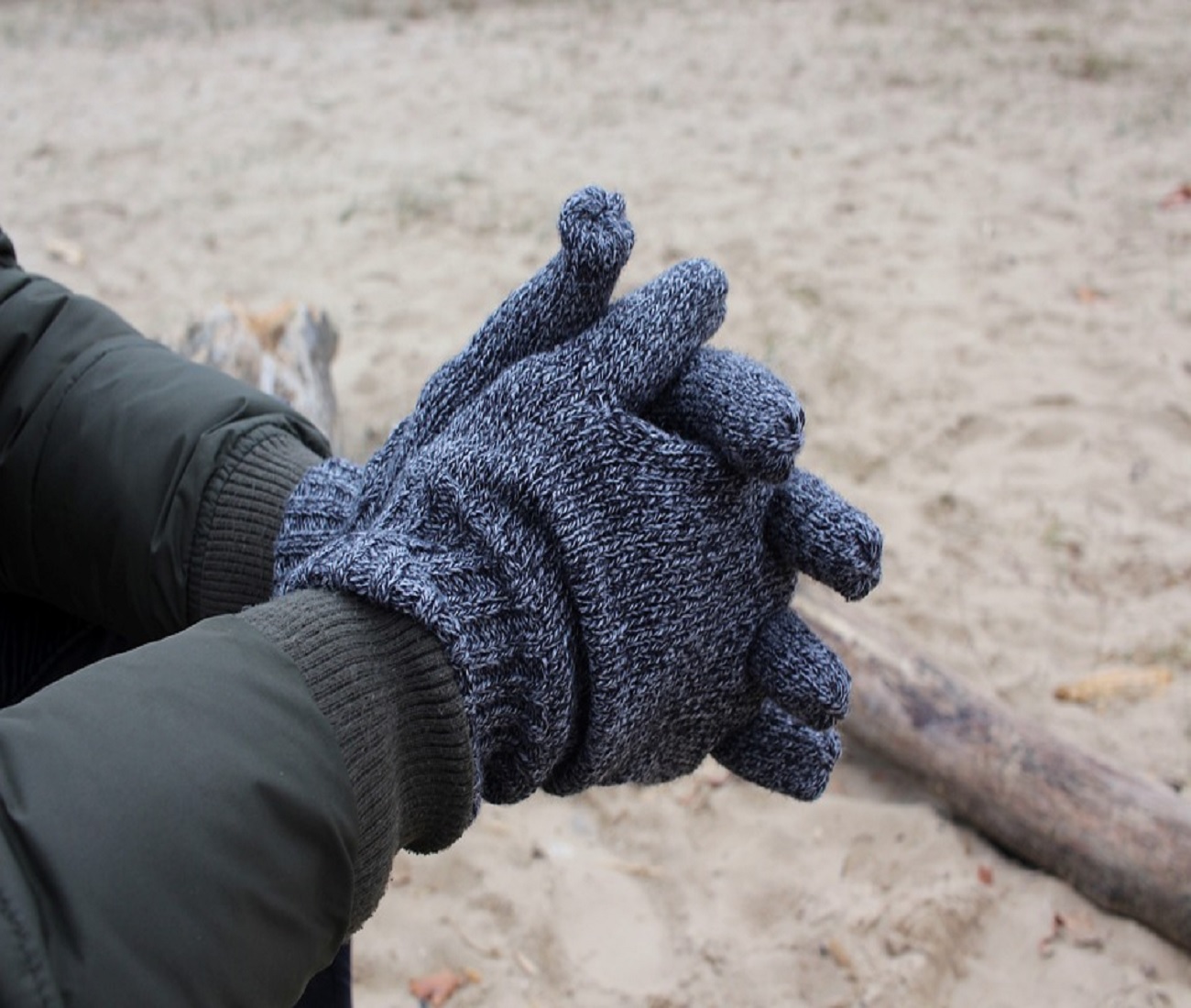
Do you know which clothes and protective equipment to wear in cold temperatures? This is important if you perform your job outdoors, or in any kind of low temperature environment such as food-storage freezers or meat-packing plants.

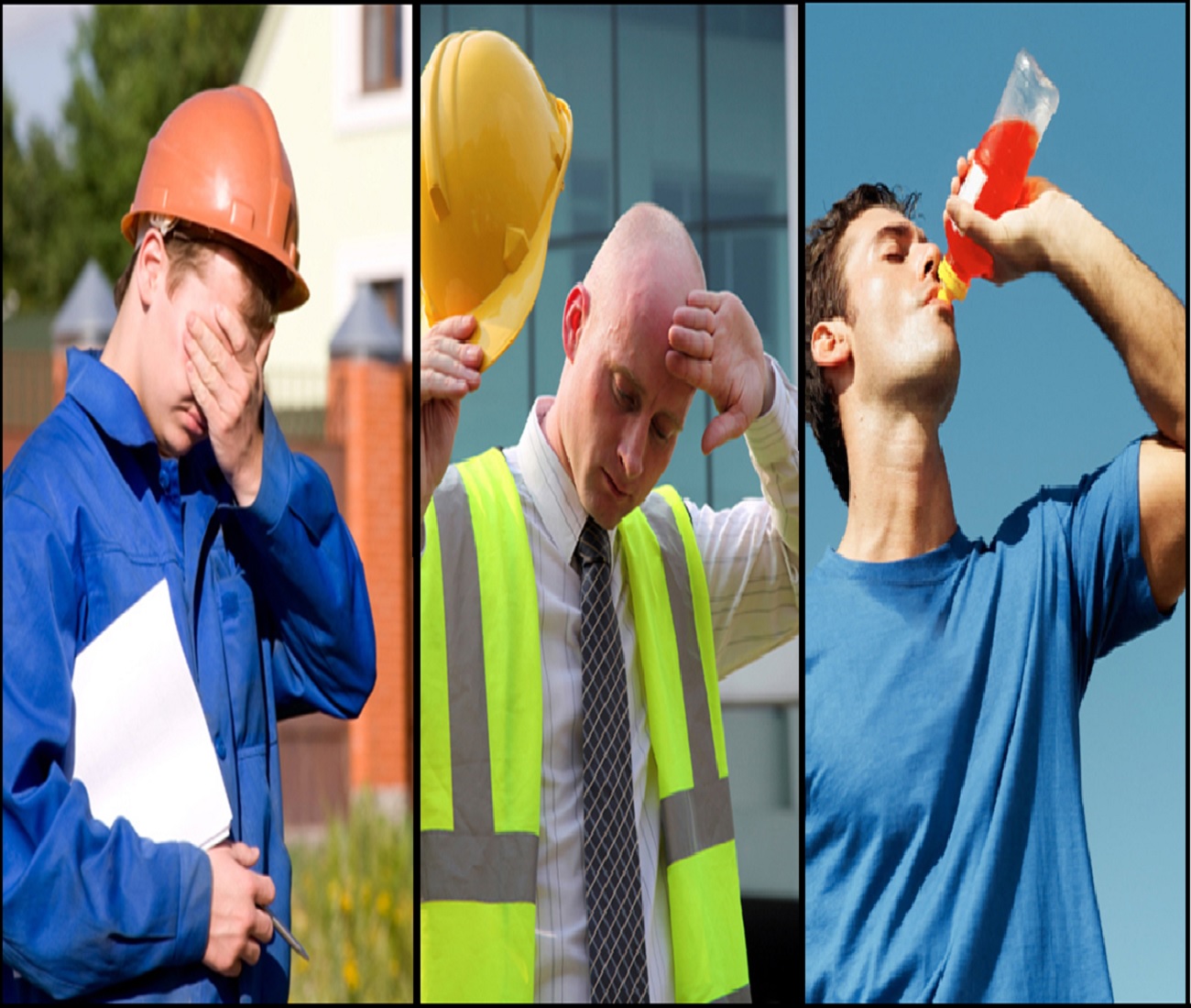
A hot work environment or summer weather can bring heat illness - in three stages.
In this Safety Talk, we'll review some of the common, and unusual, hazards associated with working in the cold and learn what precautions to take to stay safe.
We want to see you back here at work, safe and sound, after the holiday season.
In this Safety Talk, we’ll learn about three conditions caused by working in the cold, how to prevent them, and precautions you can take to stay safe while working in a winter wonderland.
Hurricanes can be devastating, affecting the safety and well-being of individuals and families. Hurricanes destroy homes and businesses, cost lives, separate families and cause financial instability.

Heat-related illnesses can range from annoying to deadly, and progress quickly if the person doesn’t receive appropriate medical treatment. Read this safety talk and protect workers from heat related illnesses.
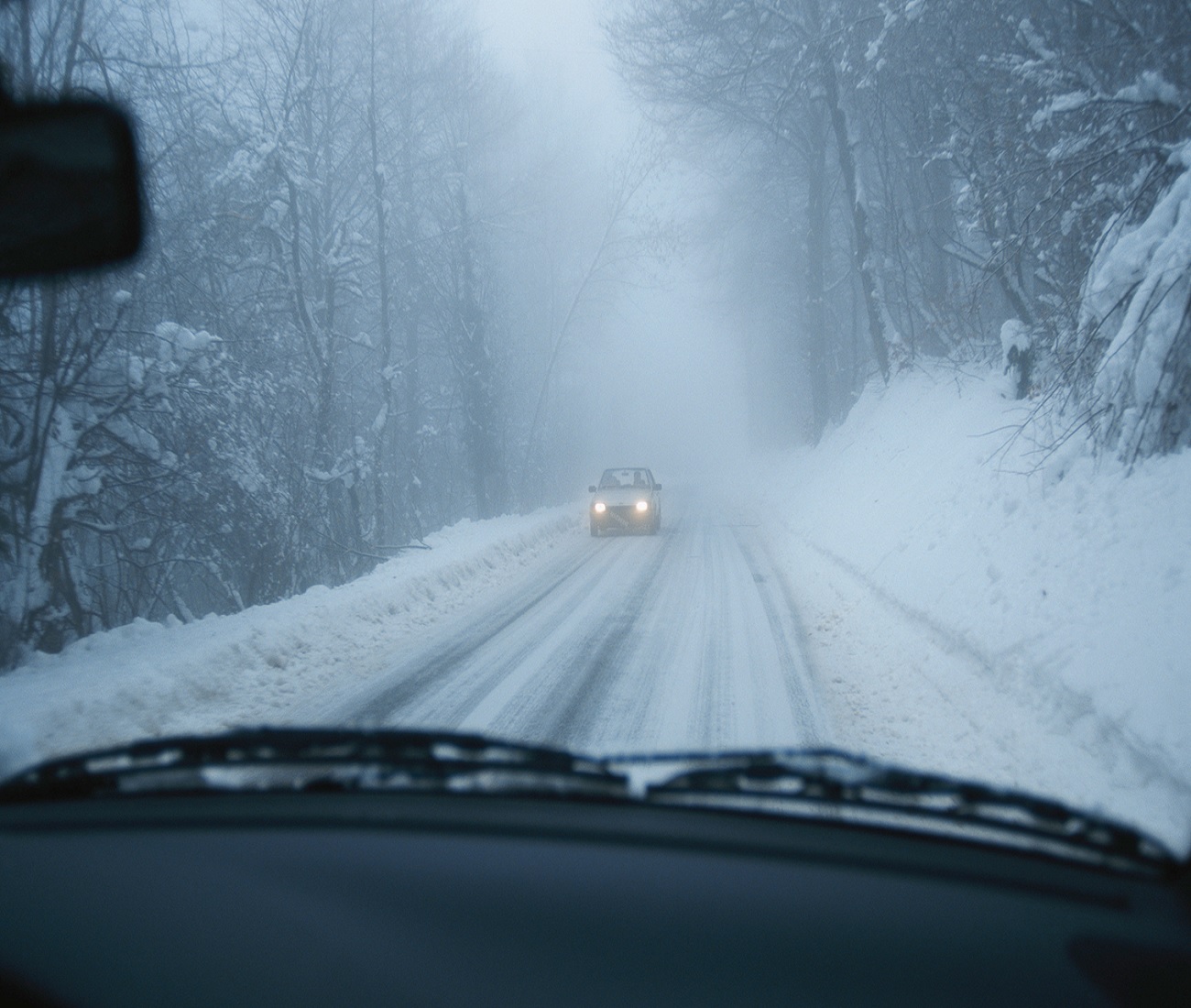
What we call black ice is sleet or rain or melted snow that freezes as a sheet and is not visible as ice. The road looks the same as it always does, which is why
Working in cold weather can have a chilling effect on your body. You are at risk for impaired motor function, impaired judgment and cold stress injuries and illness.
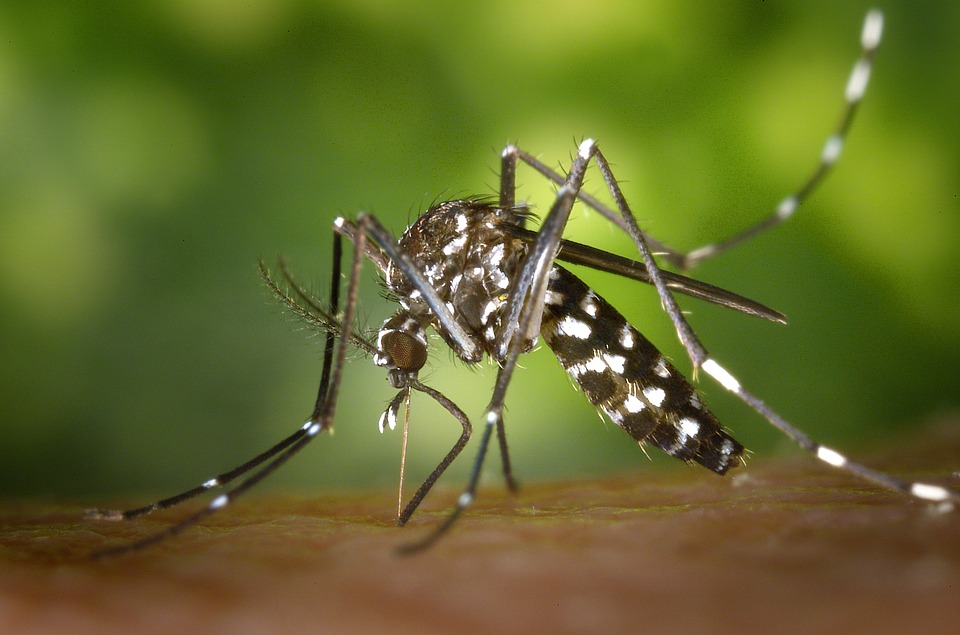
For outside workers, stinging insects are a summertime job hazard. Stings are usually just an unpleasant annoyance, but occasionally they can cause serious illness and death.
Winter weather can be unpredictable and dangerous. Getting caught in a winter storm can be downright deadly if you aren’t prepared.
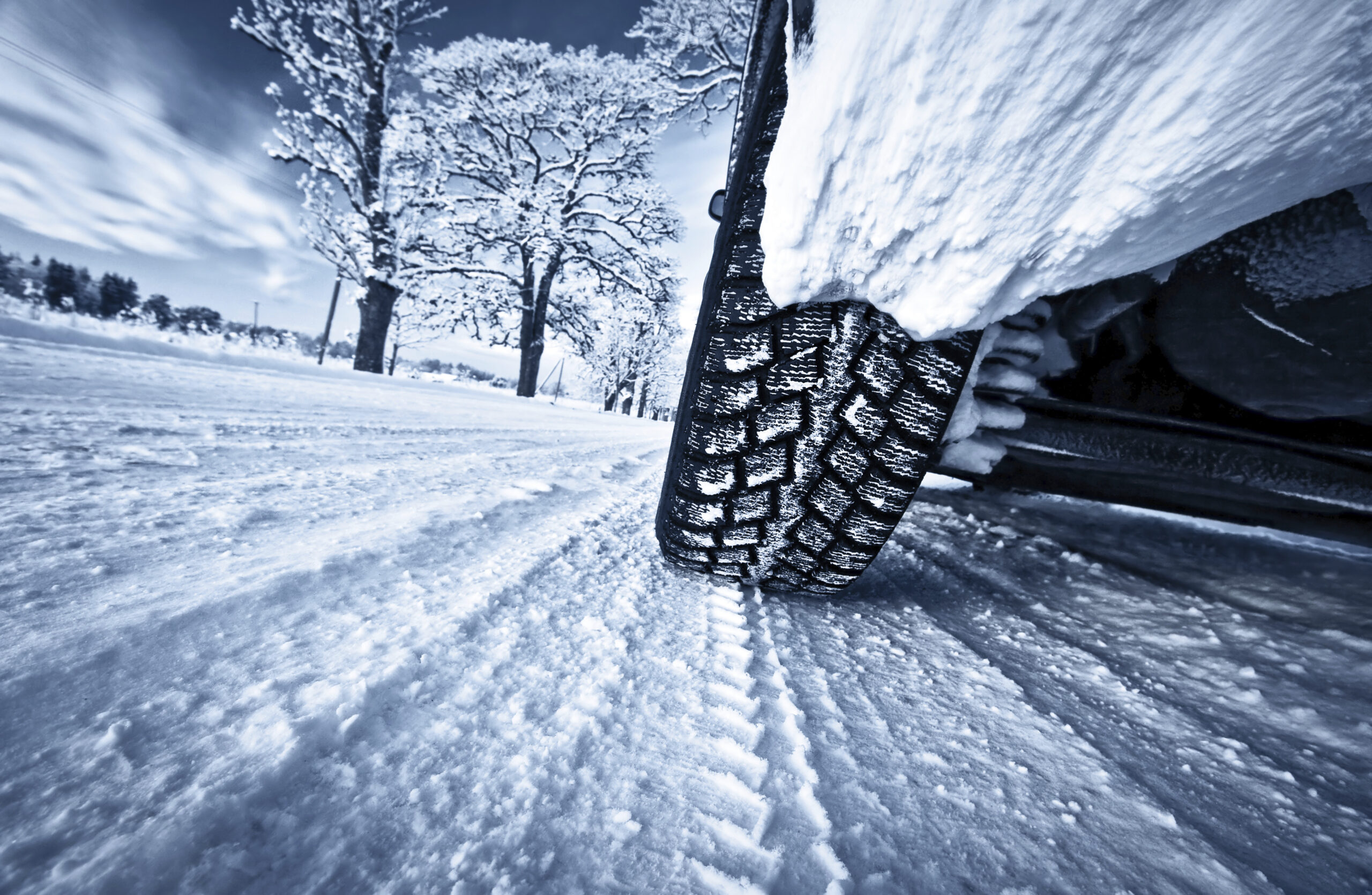
In cold weather conditions, people are usually careful to put winter tires on the car and drive according to road conditions, but they don’t always exercise the same caution when walking across snowy, icy or wet surfaces.
The holiday season often brings two very unwelcomed guests – stress and depression. With increased demands on your time, your wallet, and your patience it can be hard to enjoy the season with family and friends.

If your workers work outdoors or in unheated indoor spaces, [...]

Summer Safety Checklist HEAT STRESS PREVENTION Drink plenty of water [...]
Weed Eater Pre-Start Checklist Belts Secured? Not cracked [...]

The topic of this puzzle is winter safety. See if you can find all the listed words within the puzzle. While you are searching, think about the words. They describe some of the hazards and safeguards relating to winter.

Heavy work on a hot day caused a fatal heat stroke for a laborer at an industrial waste processing facility. From the start of his shift in the morning to the time he collapsed in
An equipment operator, a long-time employee of a municipality, was crushed between trucks at the service bay.
A laborer was killed when a high wind blew over an unsupported concrete block wall. He was part of a three-person team laying subflooring during construction of a townhouse building. The other two workers had
Joe had been working in the North Carolina tobacco field for just over a week. The first few days on the farm were hot and humid, with welcome breaks of rain. But on this day, there was no rain. The thermometer had already climbed to 95F when Joe stopped for his soda and cracker break at 10 a.m. By the time the temperature reached between 100F and 108F at 3 p.m., Joe complained to the crew leader that he wasn?t feeling well. The crew leader gave Joe a drink of water and drove him back to the workers? housing, where he left Joe to rest for a while. Forty-five minutes later, Joe was found on the steps of the house. He was unconscious. Emergency medical services were called and Joe was transported to the hospital, where his core body temperature was recorded at 108F. But Joe didn?t respond to the medical personnel?s attempts to cool him. His death was attributed to heat stroke.