
Beat the Heat and Keep Your Cool: Indoors
When it comes to heat, indoor workers can face the [...]

When it comes to heat, indoor workers can face the [...]
¡Vence al calor! LOS 5 PRINCIPALES PELIGROS DEL VERANO Cuando [...]
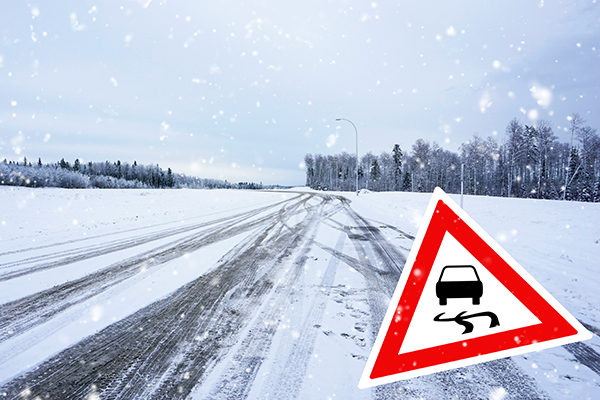
WHAT’S AT STAKE? Dealing with snow and ice removal are [...]
In the United States and Canada there is a Tornado [...]

DID YOU KNOW? When working outdoors in cold weather or [...]
A supervisor in a logging operation was killed by a falling tree. The crew of three had been working under a tight deadline as they cut dead trees to be removed by helicopter. The supervisor
A 44-year-old experienced tree trimmer died recently after apparently suffocating in the foliage of a palm tree in San Diego, CA.
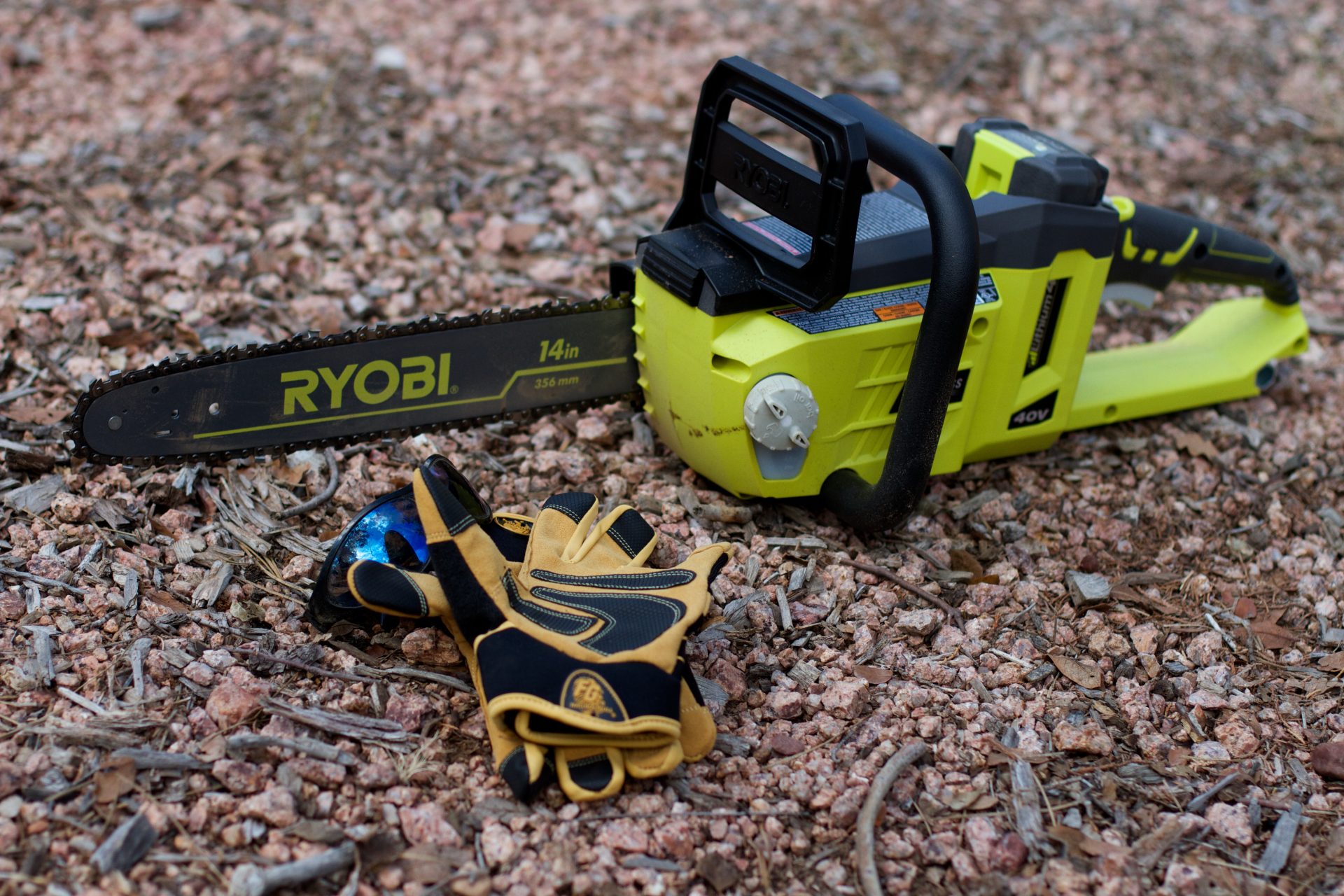
La motosierra eléctrica es la herramienta adecuada para el trabajo [...]

¿QUE ESTÁ EN RIESGO? La luz del sol que brilla [...]
Use this checklist from the Electronic Library of Construction Occupational Safety and Health (eLCOSH) to ensure that you’ve taken all reasonable steps to protect your workers from the hazard of cold stress. If you identify any gaps in your protections while completing the checklist, make sure that you address them. Adapt it to meet your specific needs.

Don’t take chances when it comes to icy surfaces. Ice on walking and working surfaces can cause serious slip, trip, and fall hazards which can lead to disabling injuries, major concussions, and loss of life. Avoid these icy hazards by ensuring procedures are in place and enforced for the safe removal of ice on these seven surfaces.
Two men died from carbon monoxide poisoning after being stranded in the snow while driving home from work. As a dangerous winter storm swept across Montreal Pierre Thibault and Michaël Fiset, chose to try and drive home from work despite their co-workers pleading with them to wait the storm out with them at the office.
Here's a tool to help keep workers safe and warm when working in cold conditions. Use it to help you schedule work, maximum recommended work periods, and the number of warm-up breaks.
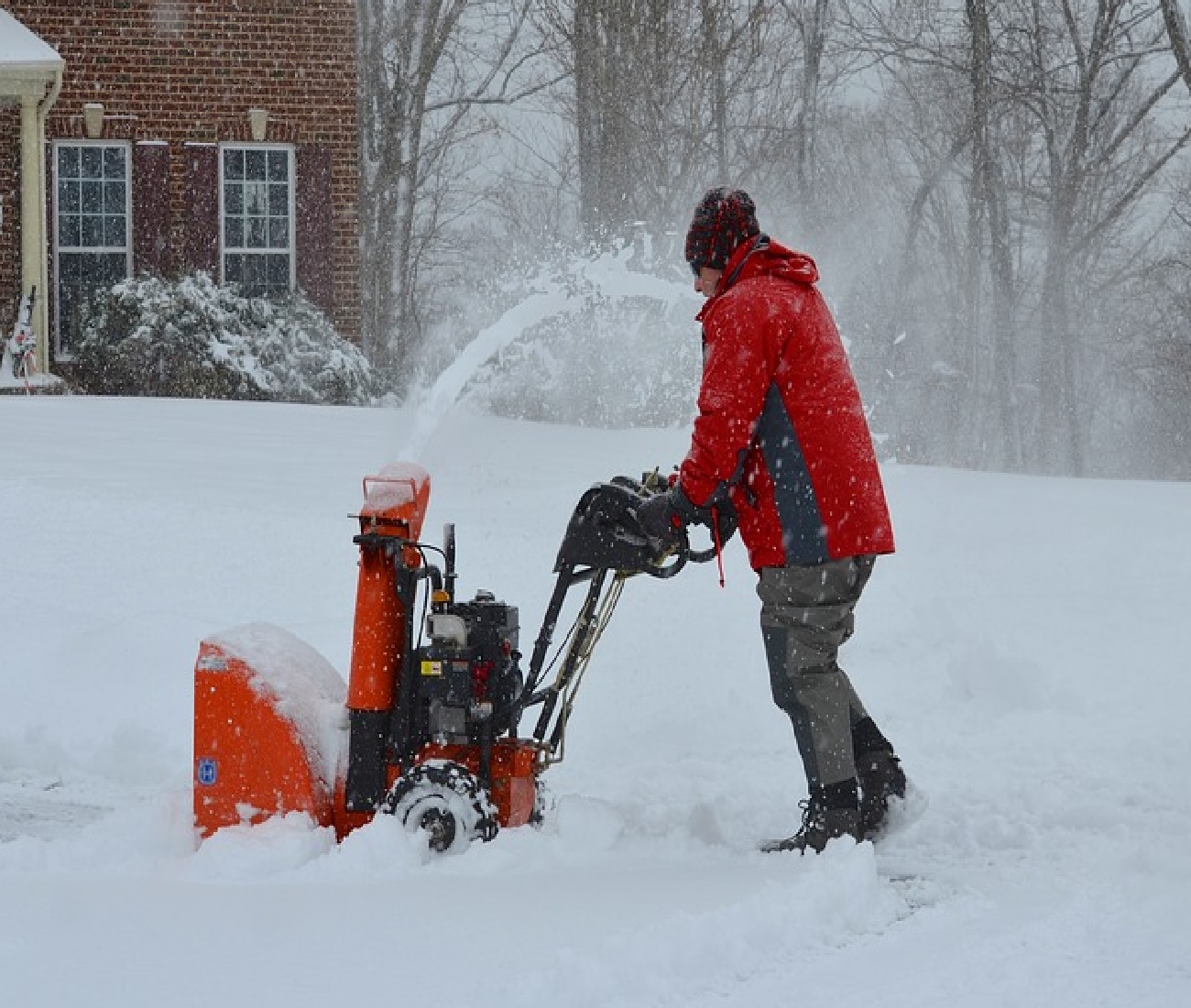
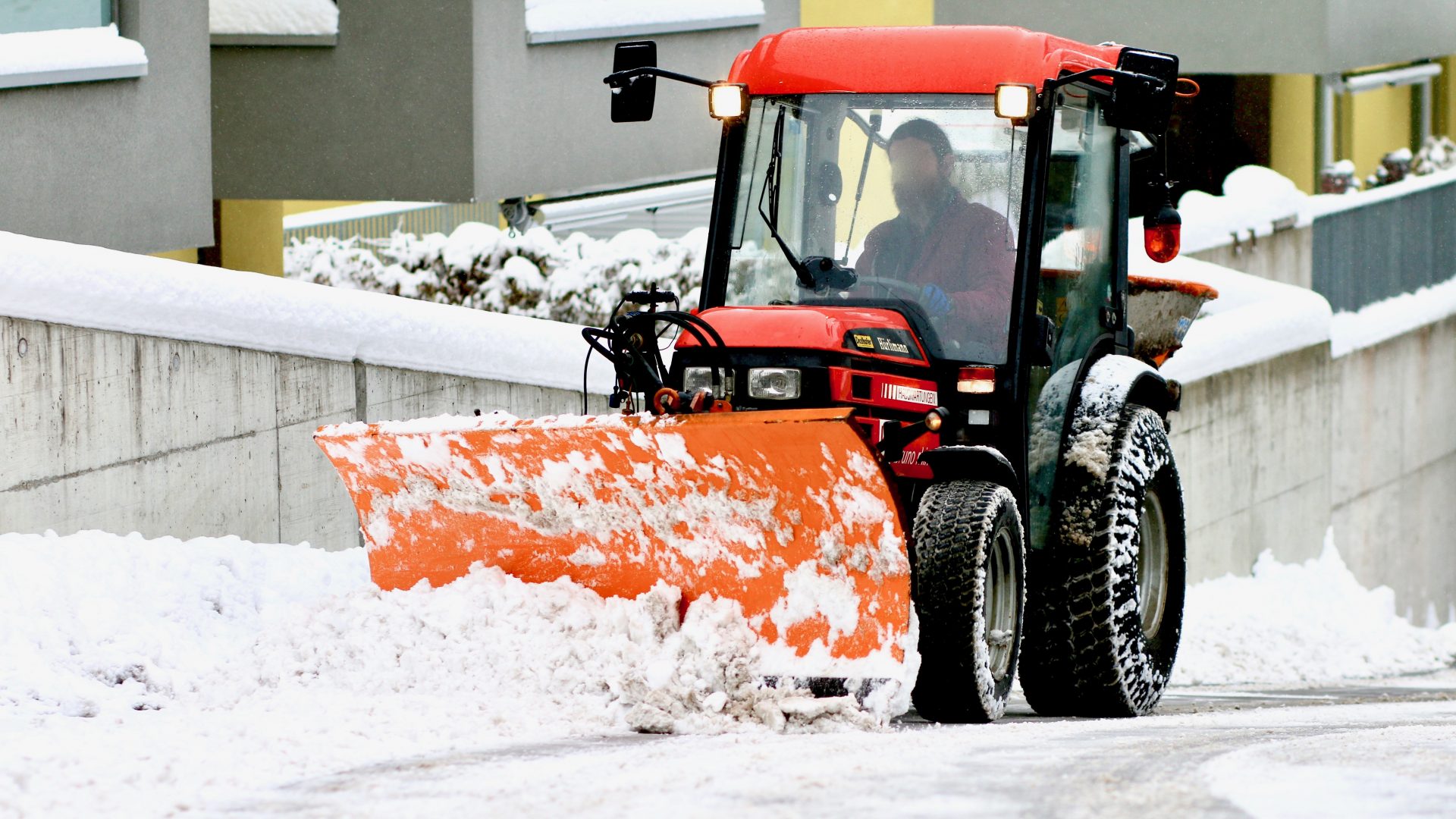
Those fabulous machines eat snow for breakfast, lunch and dinner. Unfortunately, they can also chew the operator up if you’re not careful.
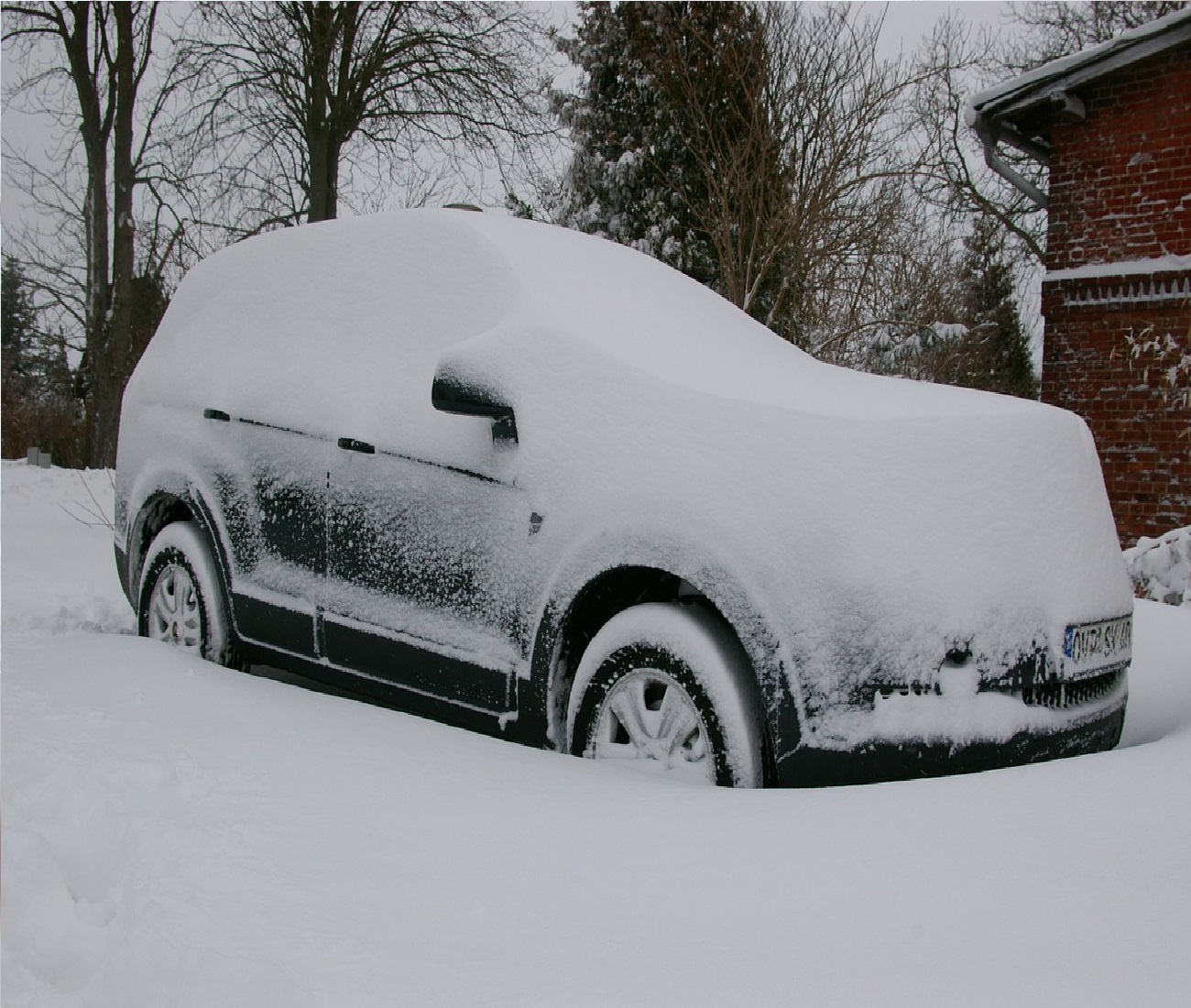
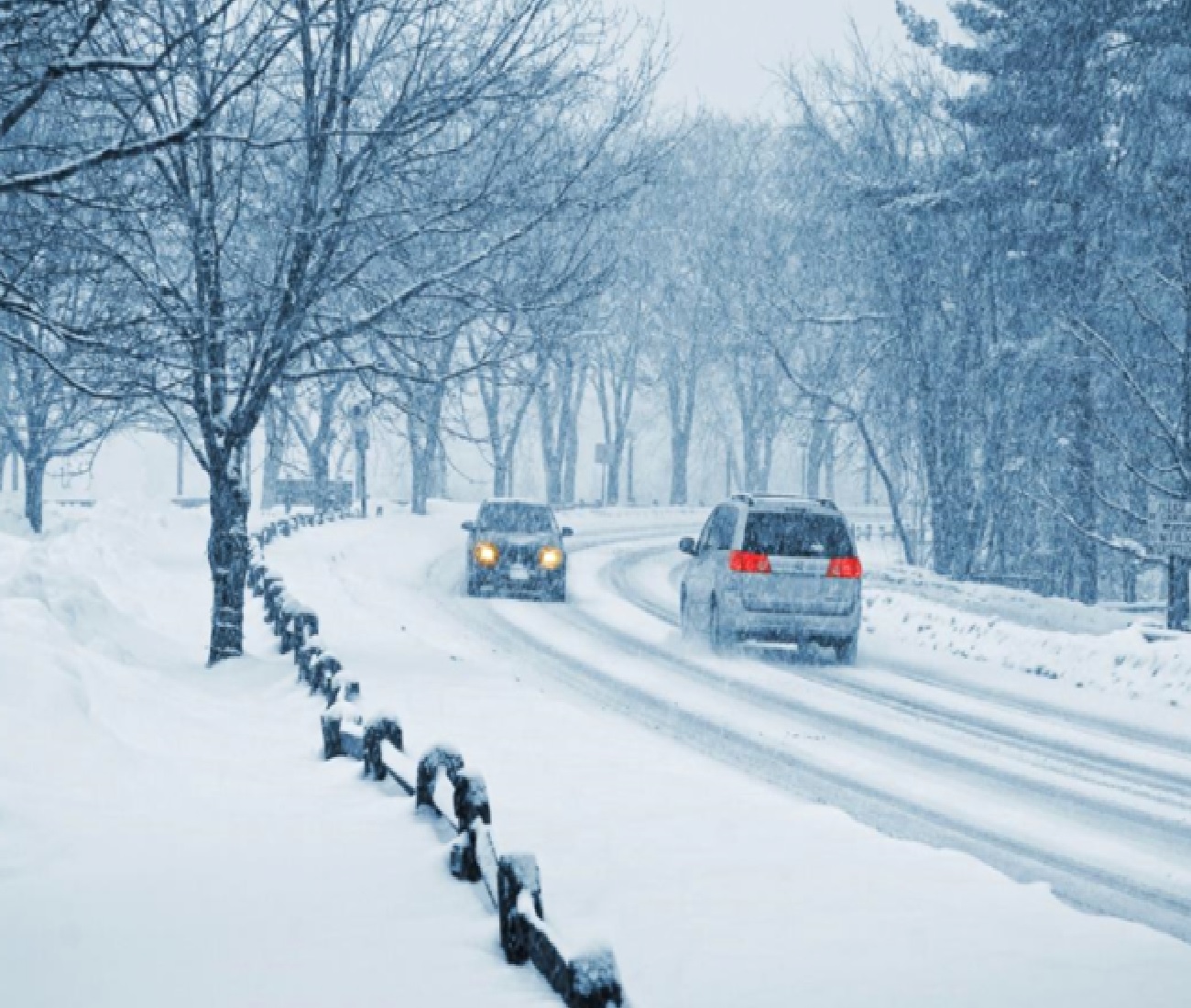
Winter driving is hazardous at the best of times, but slippery roads and reduced traction can make it deadly. Prepare for winter driving before winter storms head your way.
Lifting???carrying???we do it all the time. Sometimes it???s something simple as a piece of paper off the ground???other times it???s something heavy like a fallen skier. They both have one thing in common, they can injure your back if not performed properly. But the good news is, they can all be performed properly, and if you do, you shouldn???t experience any discomfort, pain or debilitating injuries. Yes, there???s a safe way to lift anything and this program shows you how.
This program discusses how the safely operate Snowplows so operators can safely complete their tasks. Although they seem easy to use, they can be very dangerous when used by untrained drivers. Topics include: Pre operational inspection Obeying local, state, and federal laws Marking and flagging
Water-related deaths are a sad part of every summer. The following stats are meant to bring awareness to just how often drowning deaths and diving-related injuries occur. There is also an important link to a blog post, Drowning Doesn’t Look Like Drowning, that I highly recommend reading – it is eye-opening.
If your workers drive as part of their jobs, it’s [...]
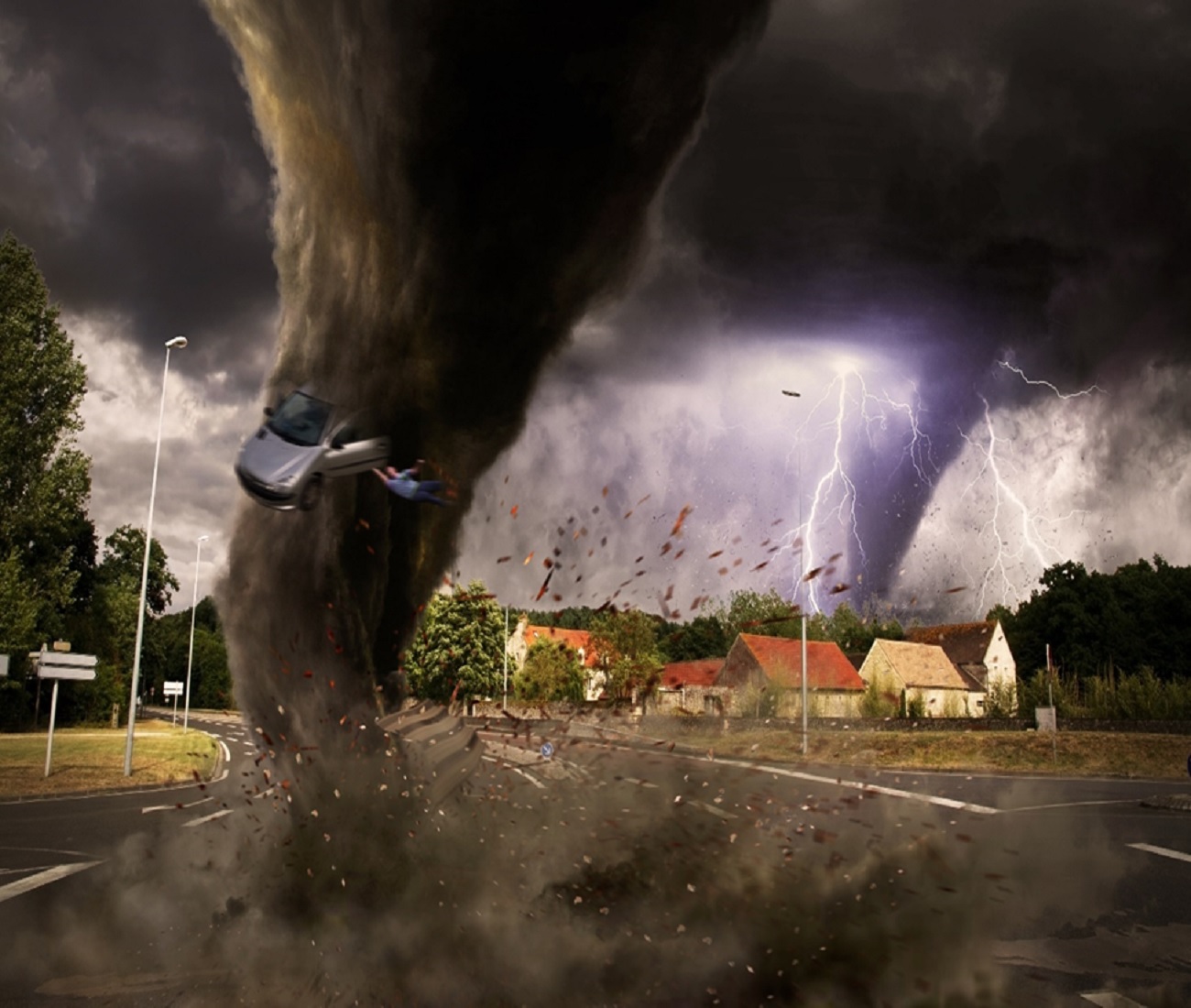
Ah, the beauty of spring, flowers blooming and trees budding. However, this beauty often comes at the expense of strong storms, tornadoes, torrential rain and flooding. If you don’t have a plan and you don’t use your head, you could end up with a very serious injury.
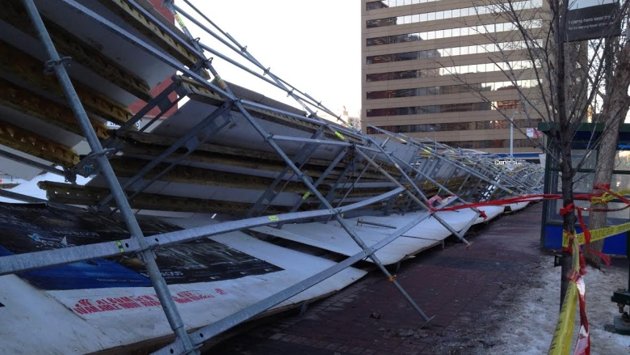
Scaffolding is quite sturdy, but it's no match for Mother Nature when the wind kicks up. Luckily, no injuries occurred when strong wind gusts toppled scaffolding at a construction site in Edmonton, AB, Canada.
Winter of 2013 hit many parts of North America hard, leaving treacherous driving and walking conditions. Workplaces need to lay down plenty of salt or ice-melting pellets to keep walkways safe and navigable for workers, customers and visitors.
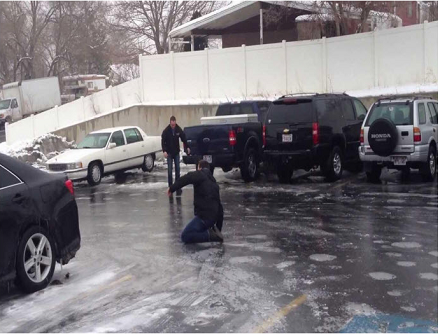
Winter weather means snow and ice, which can cause slips-and-falls.
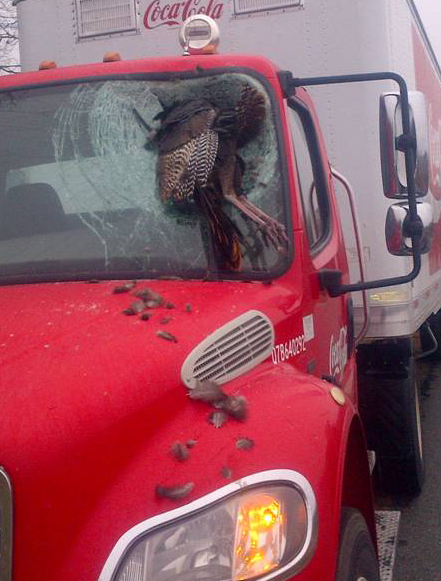
It was a new twist on Turkey Day for this truck driver, who had a large bird smash through his vehicle's windshield. He suffered no injuries.
More illnesses are surfacing from employees working in abnormally high temperatures, such as in a hot warehouse or warm assembly environment. This video discusses heat stroke, heat stress, fainting, and precautions to take.
(17 Minutes)
Since it's your first time, you may want to checkout some of the video tutorials.










 800-ICW-SAFETY (800.429.7233)
 SAFETYOnDemand@icwgroup.com