
Picture This! Icy Slip and Slide!
Winter weather means snow and ice, which can cause slips-and-falls.
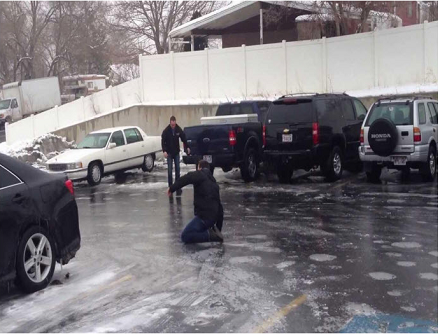
Winter weather means snow and ice, which can cause slips-and-falls.
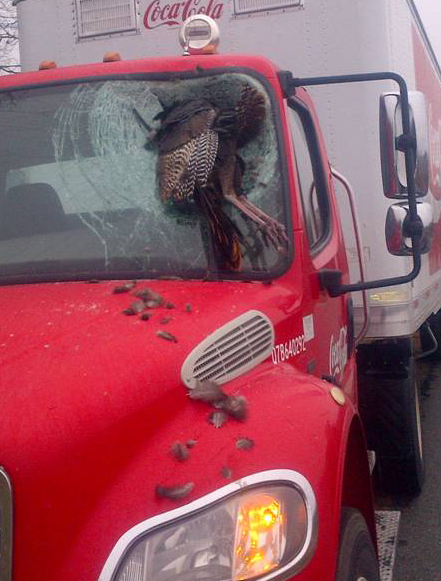
It was a new twist on Turkey Day for this truck driver, who had a large bird smash through his vehicle's windshield. He suffered no injuries.
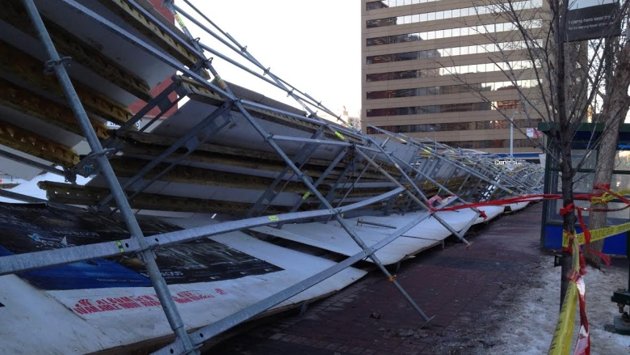
Scaffolding is quite sturdy, but it's no match for Mother Nature when the wind kicks up. Luckily, no injuries occurred when strong wind gusts toppled scaffolding at a construction site in Edmonton, AB, Canada.
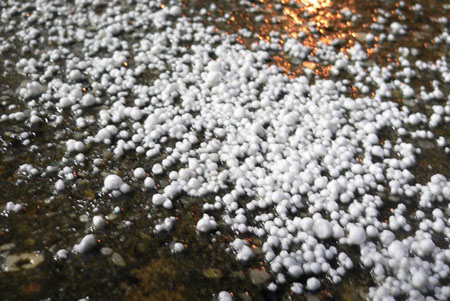
Winter of 2013 hit many parts of North America hard, leaving treacherous driving and walking conditions. Workplaces need to lay down plenty of salt or ice-melting pellets to keep walkways safe and navigable for workers, customers and visitors.
More illnesses are surfacing from employees working in abnormally high temperatures, such as in a hot warehouse or warm assembly environment. This video discusses heat stroke, heat stress, fainting, and precautions to take.
(17 Minutes)
Working safely in cold weather requires more than just the right clothing. This video provides viewers with detailed information on how to safely work in cold weather conditions.
(15 Minutes)

More illnesses are surfacing from employees working in abnormally high temperatures, such as in a hot warehouse or warm assembly environment. This video discusses heat stroke, heat stress, fainting, and precautions to take when working in a hot environment.
(17 Minutes)
Heat Stress in Construction Environments reminds employees that heat-related illnesses can occur in many situations, and reviews what can be done to address these situations.
(11 minutes)
Weather can affect your safety both on and off the job. Even if you don't work outside, just getting to and from work in bad weather can be hazardous.
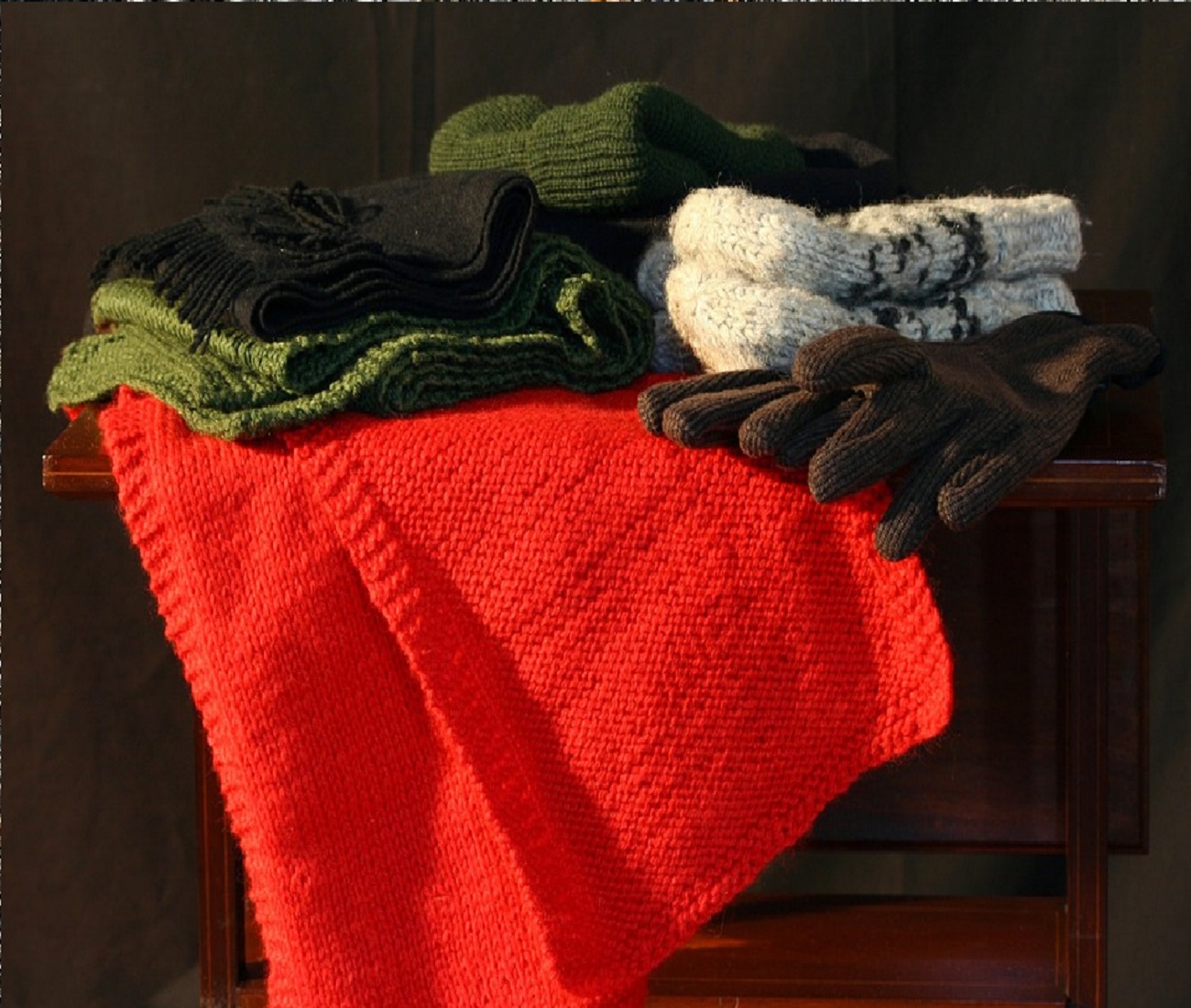
Do you know which clothes and protective equipment to wear in cold temperatures? This is important if you perform your job outdoors, or in any kind of low temperature environment such as food-storage freezers or meat-packing plants.
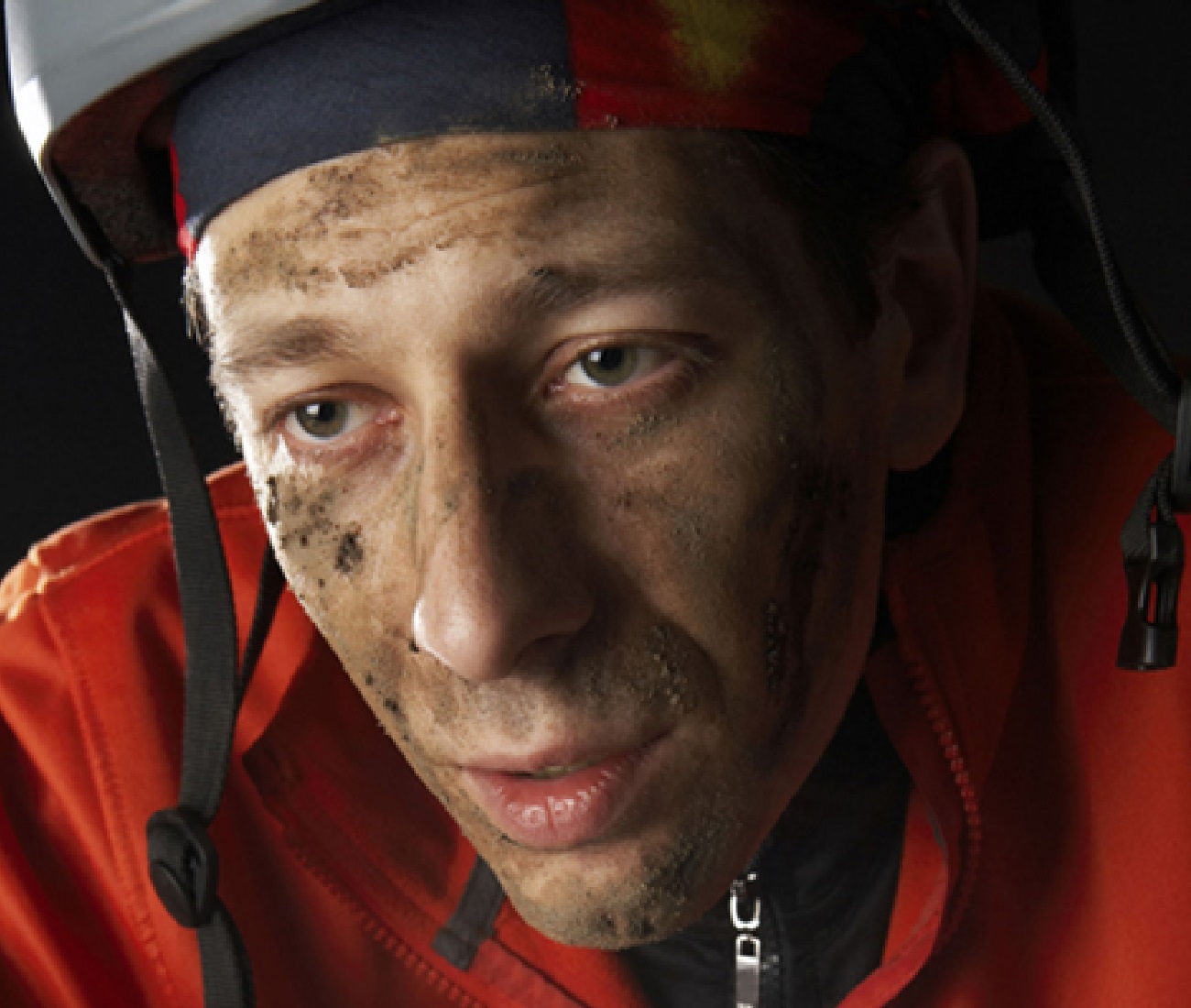
A hot work environment or summer weather can bring heat illness - in three stages.
In this Safety Talk, we'll review some of the common, and unusual, hazards associated with working in the cold and learn what precautions to take to stay safe.
We want to see you back here at work, safe and sound, after the holiday season.
In this Safety Talk, we’ll learn about three conditions caused by working in the cold, how to prevent them, and precautions you can take to stay safe while working in a winter wonderland.
Hurricanes can be devastating, affecting the safety and well-being of individuals and families. Hurricanes destroy homes and businesses, cost lives, separate families and cause financial instability.
Heat-related illnesses can range from annoying to deadly, and progress quickly if the person doesn’t receive appropriate medical treatment. Read this safety talk and protect workers from heat related illnesses.
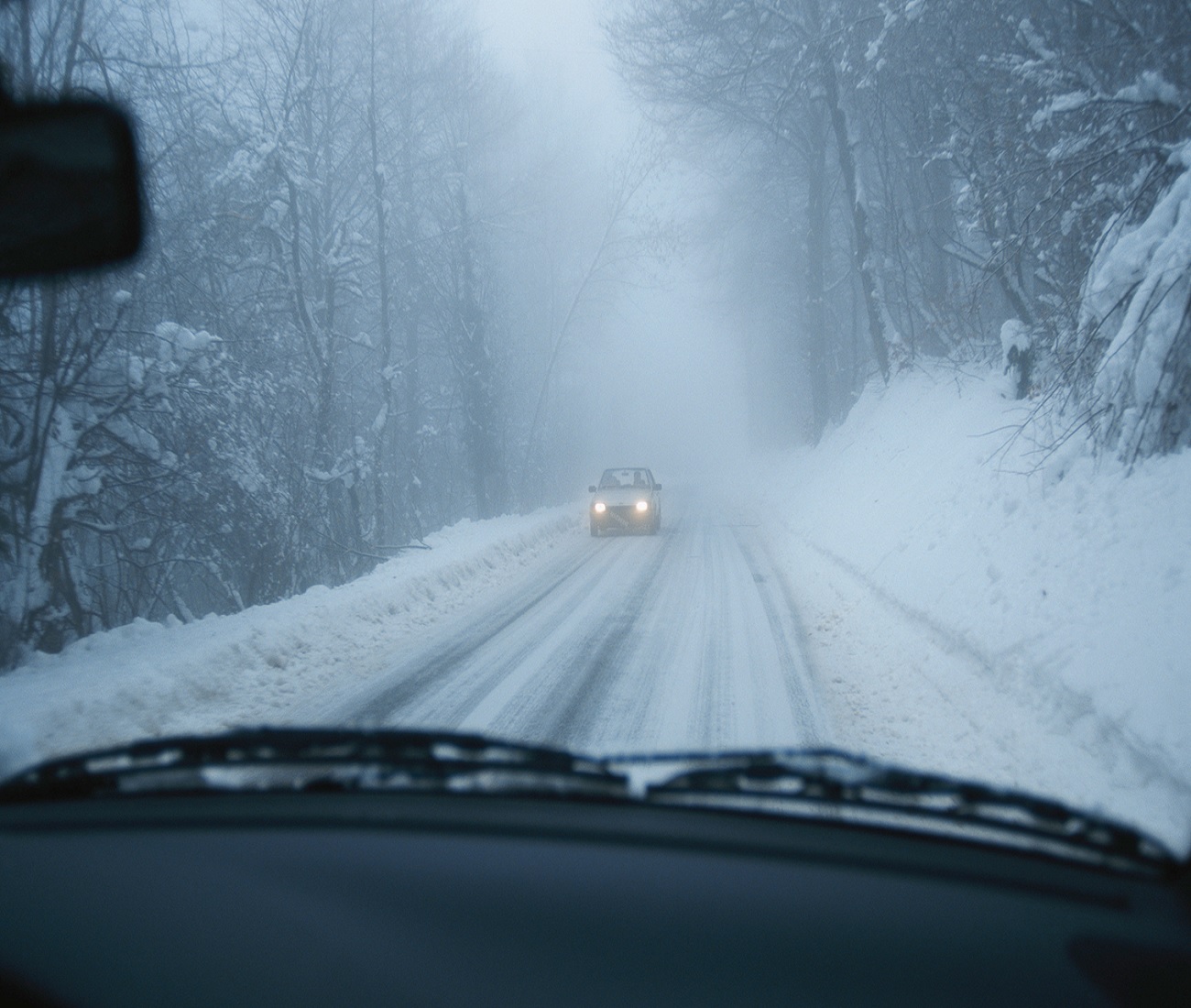
What we call black ice is sleet or rain or melted snow that freezes as a sheet and is not visible as ice. The road looks the same as it always does, which is why
Working in cold weather can have a chilling effect on your body. You are at risk for impaired motor function, impaired judgment and cold stress injuries and illness.
For outside workers, stinging insects are a summertime job hazard. Stings are usually just an unpleasant annoyance, but occasionally they can cause serious illness and death.
Winter weather can be unpredictable and dangerous. Getting caught in a winter storm can be downright deadly if you aren’t prepared.
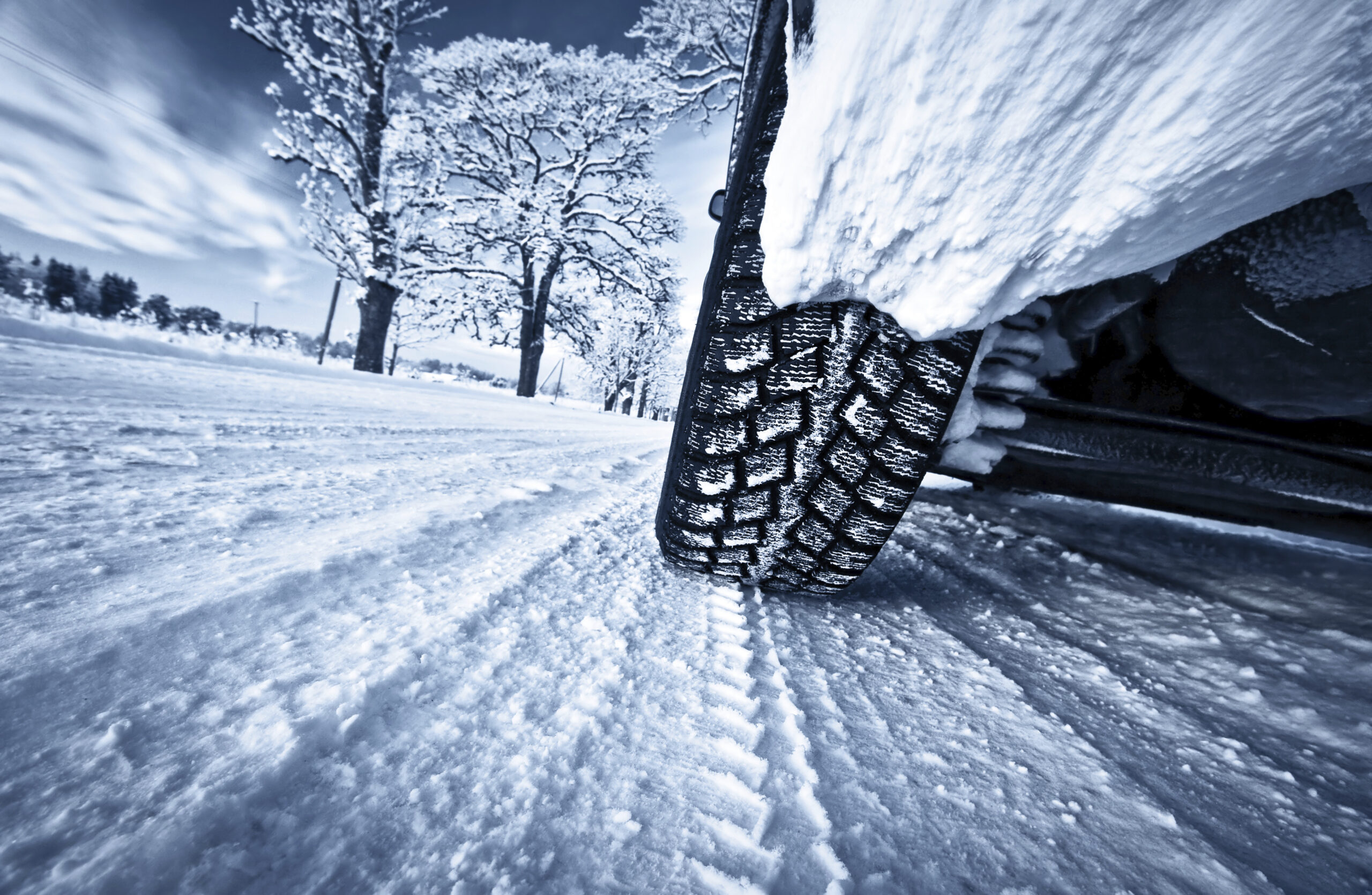
In cold weather conditions, people are usually careful to put winter tires on the car and drive according to road conditions, but they don’t always exercise the same caution when walking across snowy, icy or wet surfaces.
The holiday season often brings two very unwelcomed guests – stress and depression. With increased demands on your time, your wallet, and your patience it can be hard to enjoy the season with family and friends.

People who aren’t expecting to end up in water often are not prepared for that possibility and the results can be tragic. Every year in the United States and Canada, an estimated 3,800 people drown, with many of these victims being people who ended up in the water unintentionally.

Your feet and toes may be at the opposite end from your head, but you still need to use your brain when it comes to which type of shoes you wear in the winter.
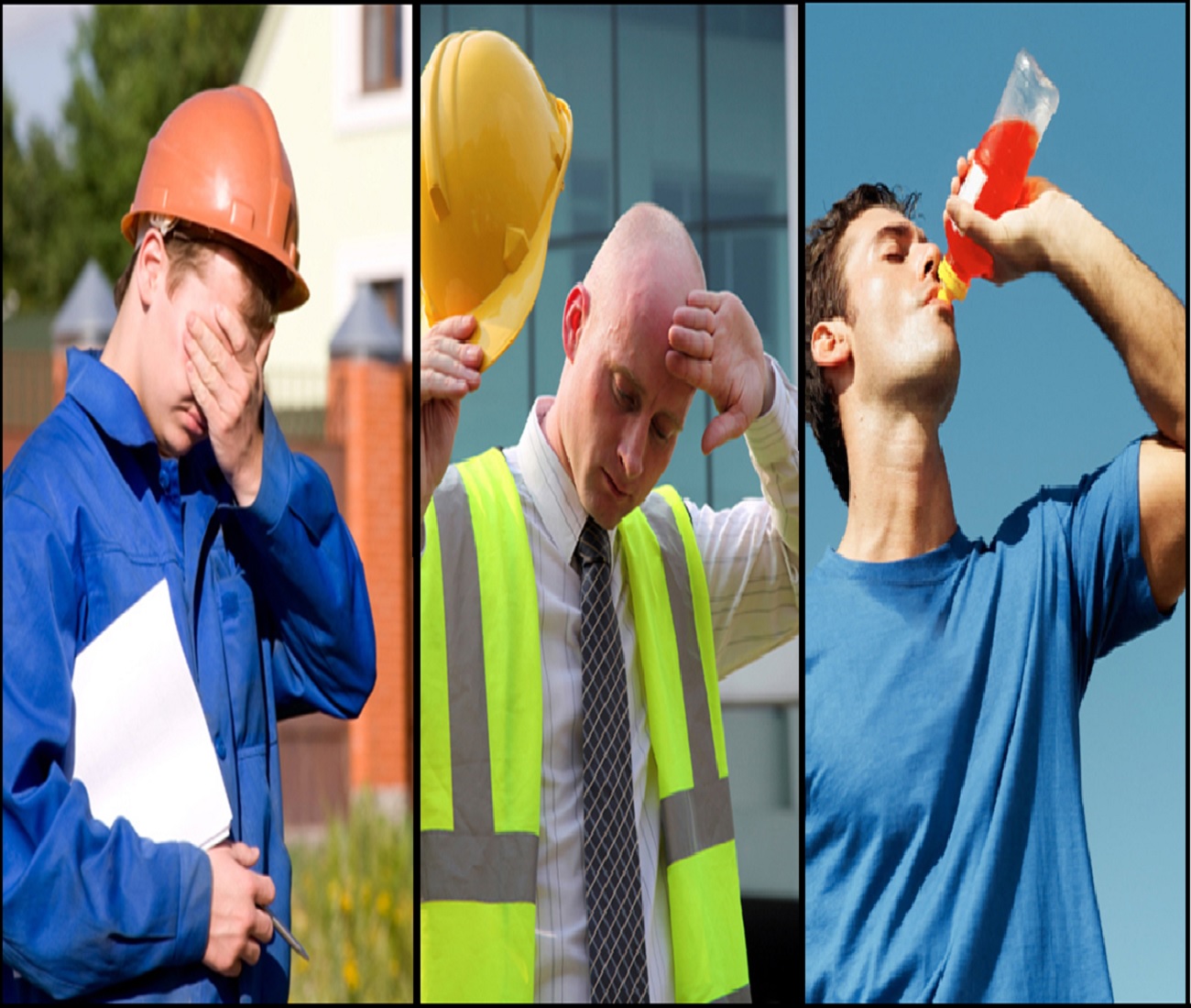
Any workplace can be too hot for safety, both outdoors and in hot, humid conditions indoors. Whenever you’re exposed to heat, you’re at risk of developing heat illness.
Since it's your first time, you may want to checkout some of the video tutorials.






 800-ICW-SAFETY (800.429.7233)
 SAFETYOnDemand@icwgroup.com