

Yes, it Can Happen Here
If you have never experienced a serious emergency in your workplace, you might find it hard to imagine such a thing could happen. However, every day in job settings just like yours, something goes seriously wrong.
If you have never experienced a serious emergency in your workplace, you might find it hard to imagine such a thing could happen. However, every day in job settings just like yours, something goes seriously wrong.
You must take steps to prevent equipment from becoming energized while it is being worked on. The energy can be pneumatic, electrical, mechanical, hydraulic, chemical or thermal. There can be other sources as well —
The hardhat is an essential piece of safety gear no construction worker should be without. Not all hardhats are made equal, however. Some provide only minor protection, while others are designed to protect workers from falling objects and electric shocks as high as 20,000 volts.
If you want to horse around, join the equestrian team or the jockey club, but don't take part in horseplay at work.
An emergency exit you can’t find in the dark is one you may not be able to find in a crisis situation. That’s why knowing the location of emergency exits at your worksite, and being able to find them without thinking, is so important.
If your job involves repeated motion or vibration to the hands, carpal tunnel syndrome could creep up on you. It tends to occur in carpentry, cashiering and assembly line work, but it can also occur in many other kinds of work.
Many places where we live and work are in high risk earthquake zones.
What would you do if you encountered an emergency, either in the workplace or outside? Would you call for help? Would you know who to call and what to tell them?

Ill-fitting protective clothing and equipment is universally problematic in workplace safety. It deters workers from performing job-related tasks efficiently and safely.
Corrosive chemicals are used to break down metal and for other industrial purposes, but they can also destroy body tissue on contact. They are extremely dangerous if handled improperly.
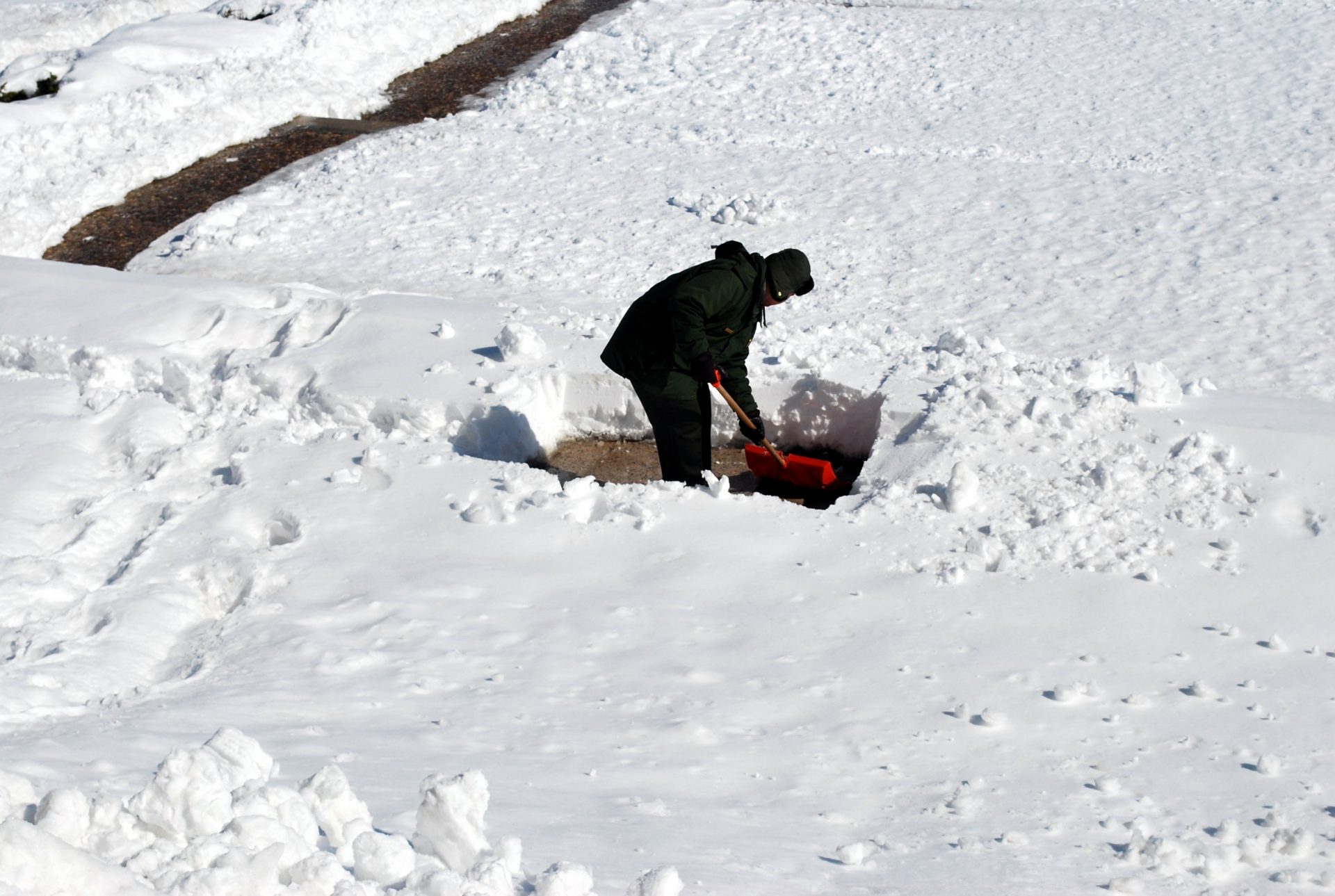
In this Safety Talk, we'll review some of the common, and unusual, hazards associated with working in the cold and learn what precautions to take to stay safe.
Your office can be a safe and comfortable place to work. Do your part and put into practice the tips you just learned to prevent common office hazards.
Each year over 20,000 workers are injured and hundreds are killed in road construction work zones.
Occupational divers put themselves at risk every time they brave the depths, whether?harvesting seafood, repairing ships or retrieving golf balls from ponds.

The tornado season in North America begins in April, peaks in June and July, and ends in September. But really the storms can occur at any time, with approximately 1,000 tornadoes being reported in the United States and 80 in Canada each year.
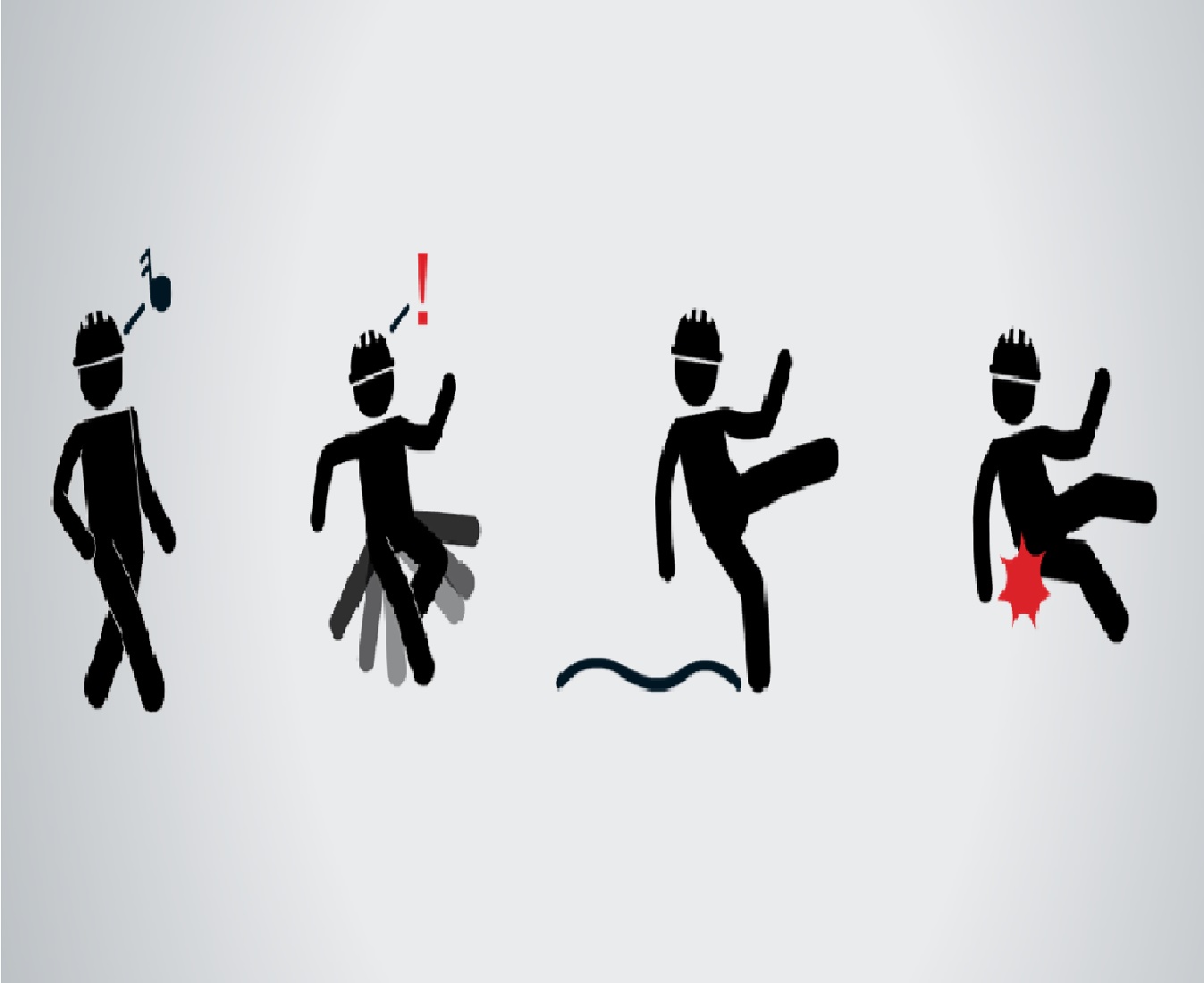
Read this Safety talk and learn how to avoid unsafe conditions which are a leading source of workplace accidents, with over 200,000 reported every year.
Look for ways to avoid lifting. This doesn't mean you should hide in the storeroom when something needs to be lifted. It means you should try to come up with strategies for getting your work done without heavy lifting.
Fall protection includes personal fall arrest equipment, conventional equipment such as guardrails, and positioning device systems. A fall arrest system is used to halt a person's fall from a working level 10 feet (three meters)
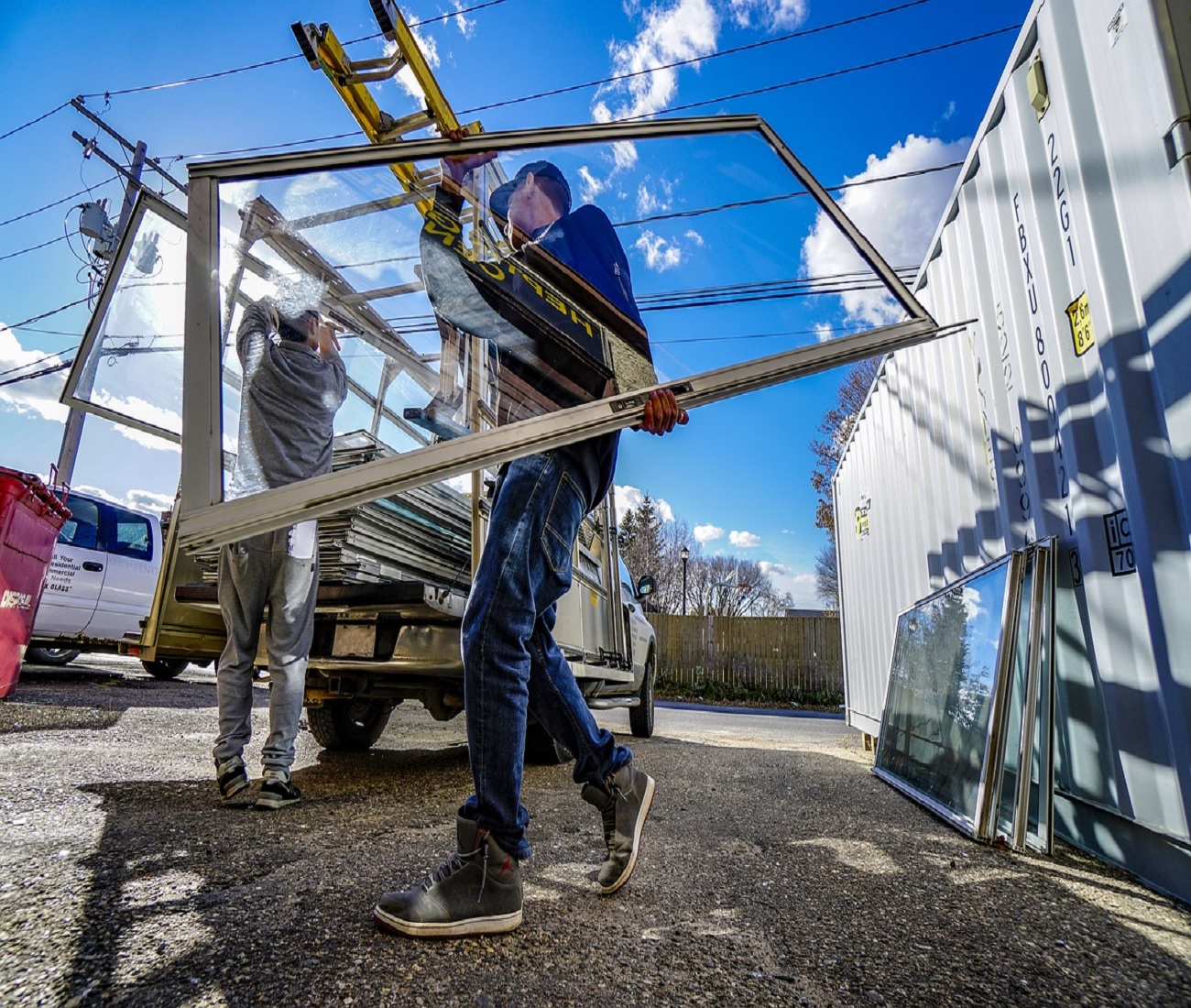
Boxes and cartons The best way to carry boxes and cartons is to grip them at opposite top and bottom corners. Carry sacked materials the same way, and against your waist if possible. Don't strain
Charlie did general labor for a home builder, and enjoyed his work. One day after installing rolls of insulation in the attic of a new home, he noticed that he had developed redness on his back.
In a world filled with scented soap, fragrant shampoo and sweet-smelling perfume, staying upwind can be a constant challenge. For anyone sensitive to scents, the workplace can be downright hazardous to your health.
Wet cement is a leading cause of skin problems for workers. These problems can be mild and short lived or severe and chronic.
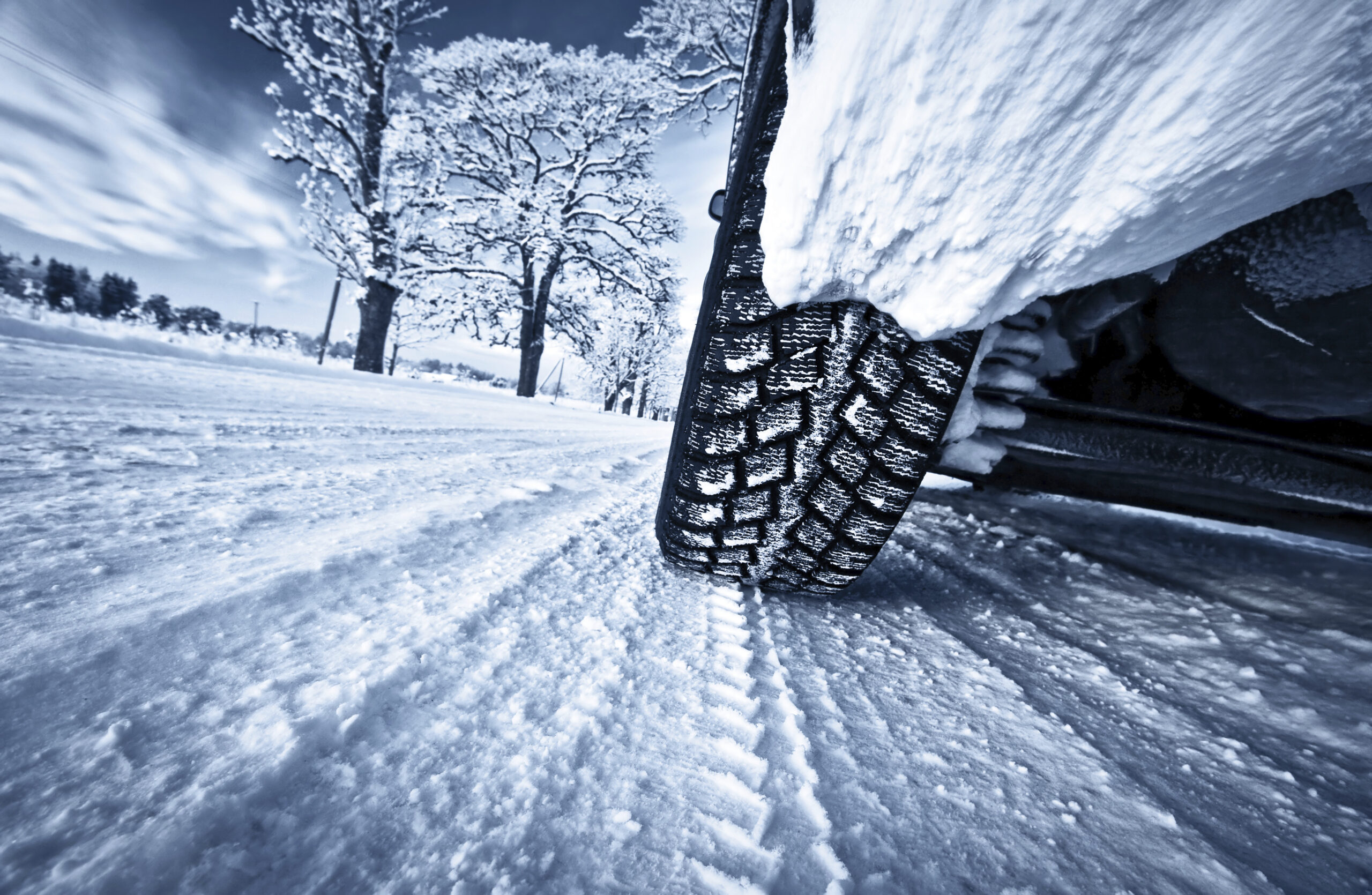
In cold weather conditions, people are usually careful to put winter tires on the car and drive according to road conditions, but they don’t always exercise the same caution when walking across snowy, icy or wet surfaces.
One size does not fit all when it comes to work equipment.
The Globally Harmonized System of Classification and Labelling of Chemicals (GHS) was created by the United Nations to help bring uniformity to hazardous materials labelling around the world.
Since it's your first time, you may want to checkout some of the video tutorials.


















 800-ICW-SAFETY (800.429.7233)
 SAFETYOnDemand@icwgroup.com
