
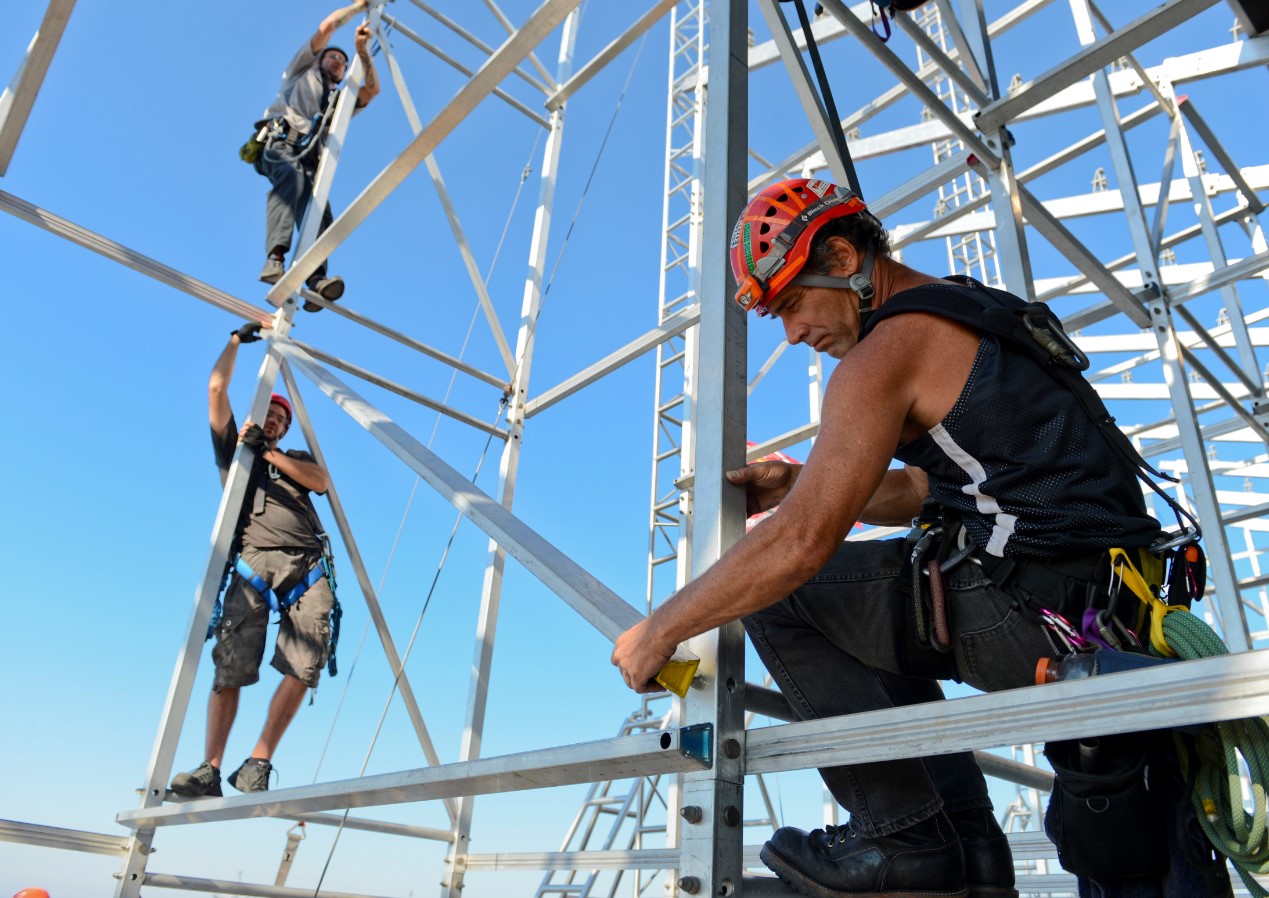
Ask the Expert Fall Protection and Scaffolds – Spanish
Pregunta: ¿Se requiere protección contra caídas para los trabajadores que [...]
Pregunta: ¿Se requiere protección contra caídas para los trabajadores que [...]
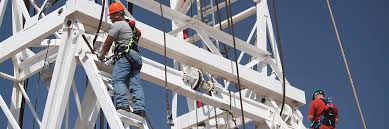
WHAT’S AT STAKE? The oil and gas industry continue to [...]
INCIDENT Juan Carlos Reyes was found unresponsive and not breathing [...]
INCIDENT An Edmonton Alberta manufacturing company will pay a fine [...]
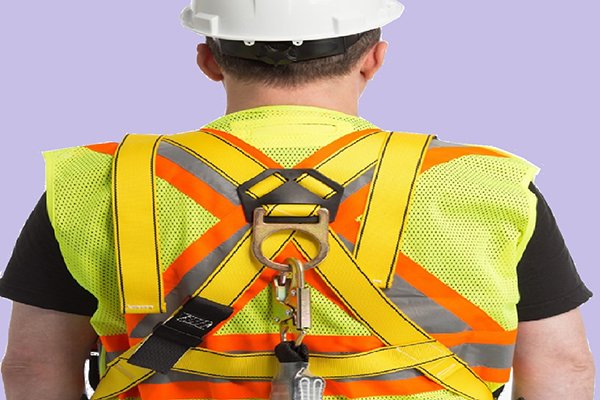
DID YOU KNOW? According to the Center for construction re-search [...]
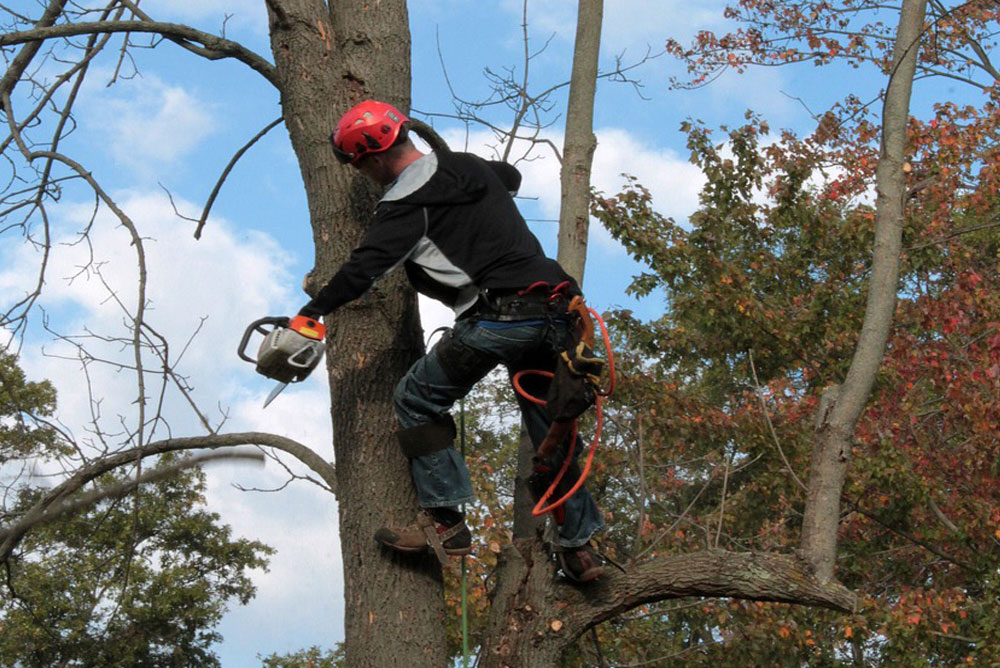
An experienced tree trimmer fell 40 feet (12 meters) to his death after the safety belt he was wearing malfunctioned.
At 36, Eder Morales was in the prime of his life. We don't know much about Morales, except that he died young. Too young.
At 36, Eder Morales was in the prime of his [...]
INCIDENT An Edmonton Alberta manufacturing company will pay a fine [...]
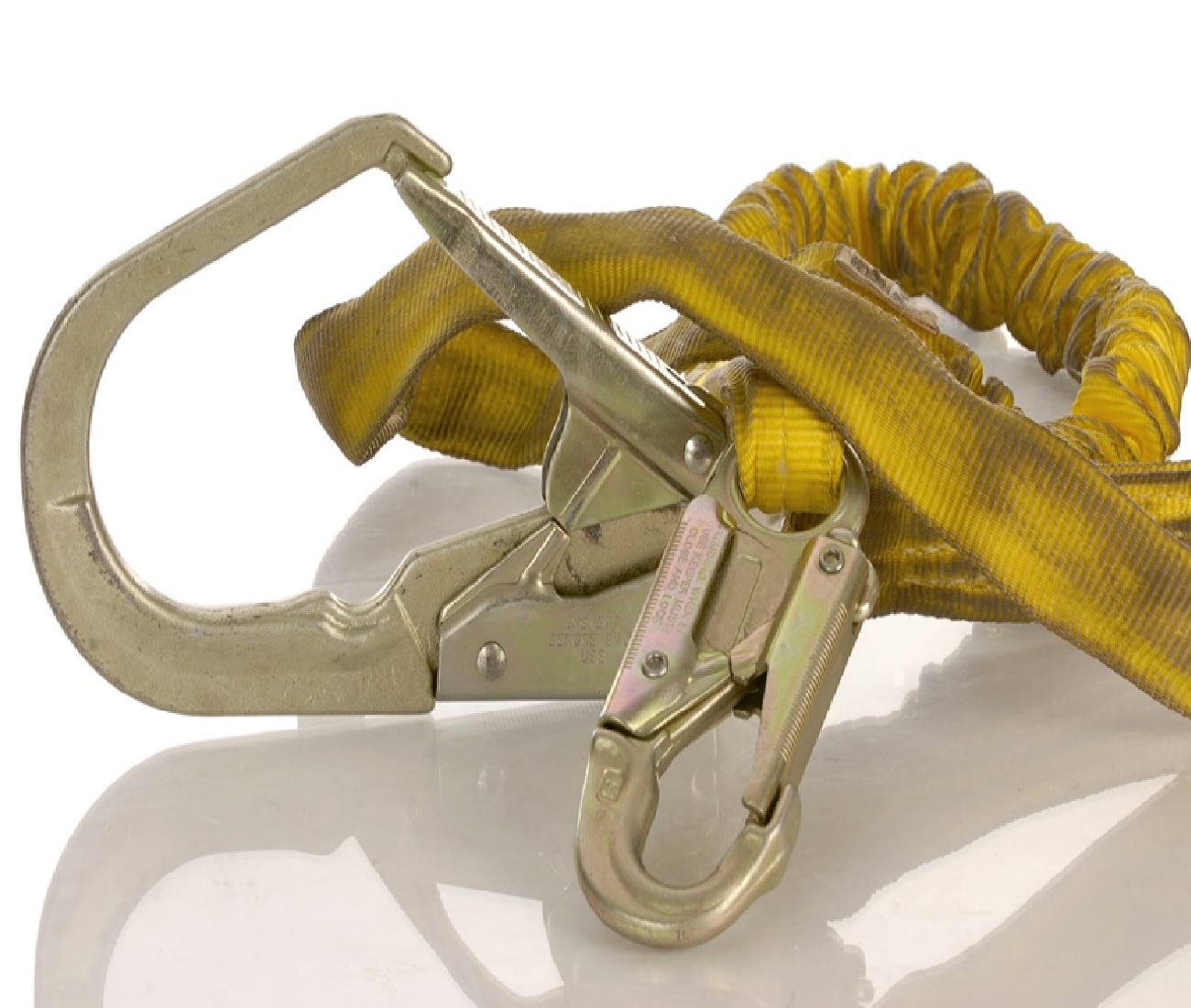
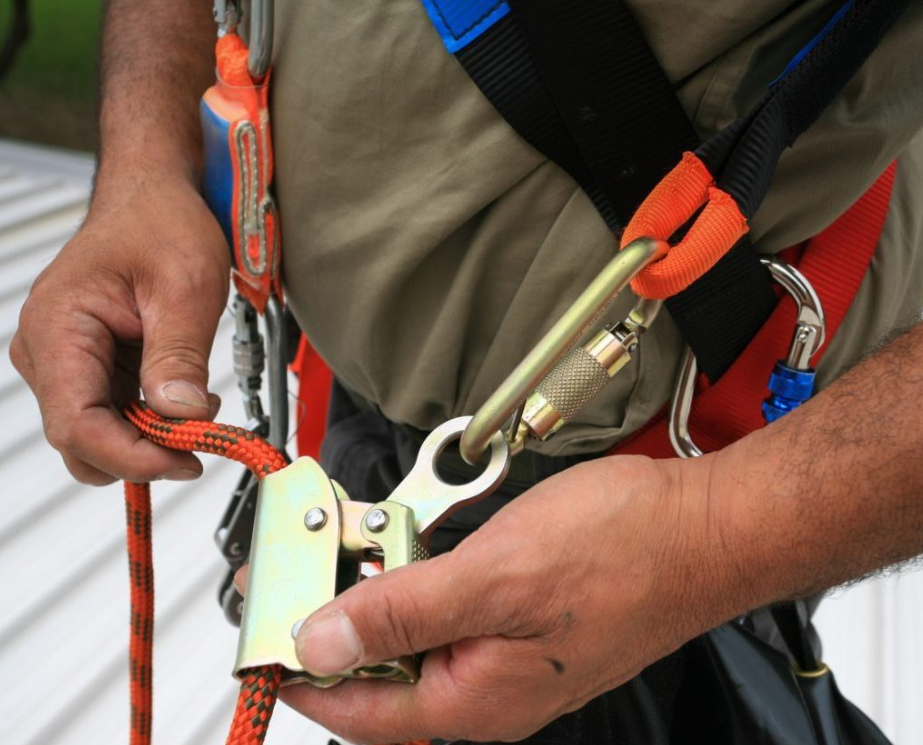
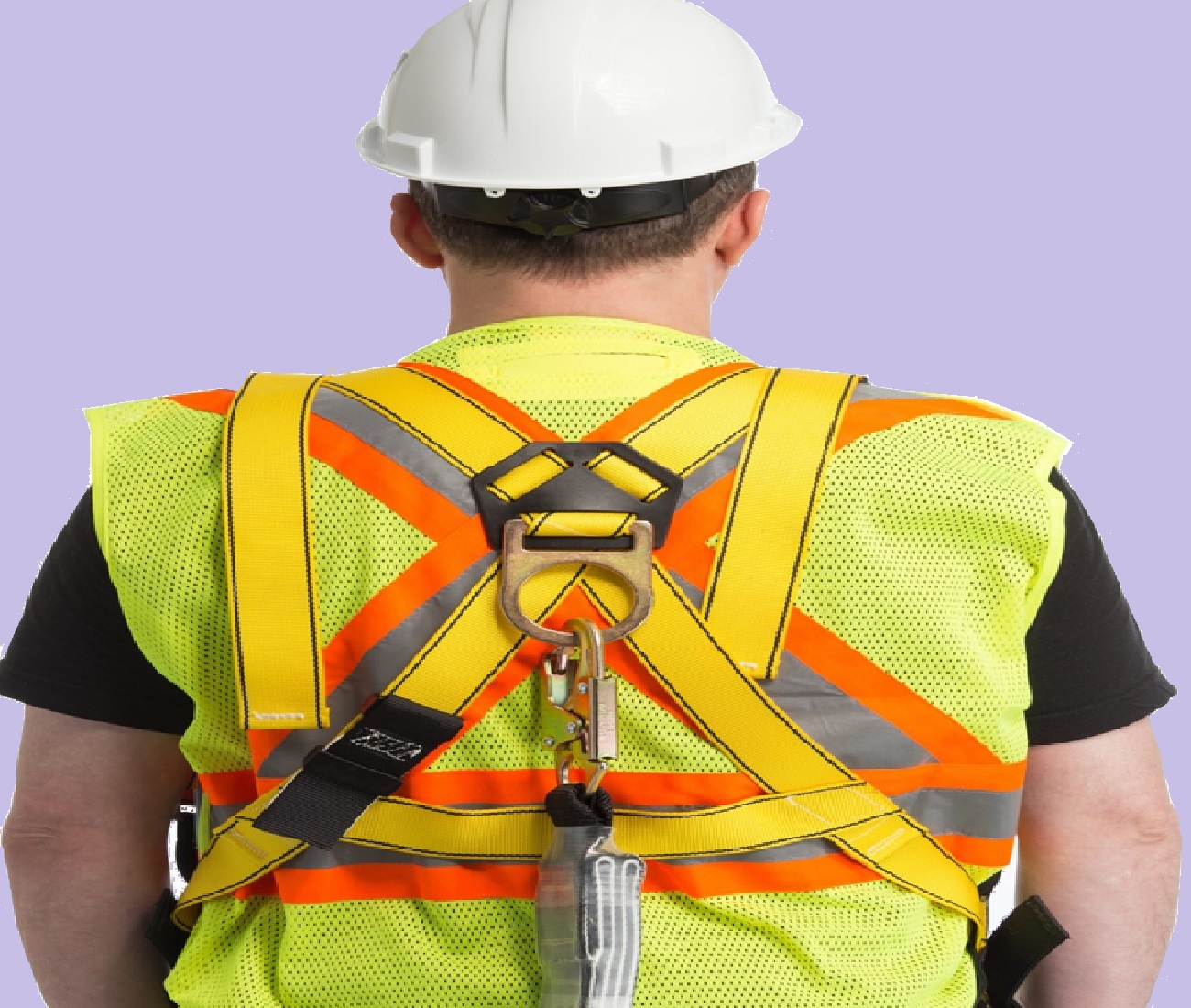
Harness and Lanyards are the integral components of Personal Fall [...]

Key Takeaways: - Appreciating the importance of understanding sexual harassment [...]
Key Takeaways: - Understanding the hazards posed by falling four [...]
Key Takeaways: - Understanding the hazards posed by falling four [...]
Key Takeaways: - Understanding the reasons for using fall protection [...]
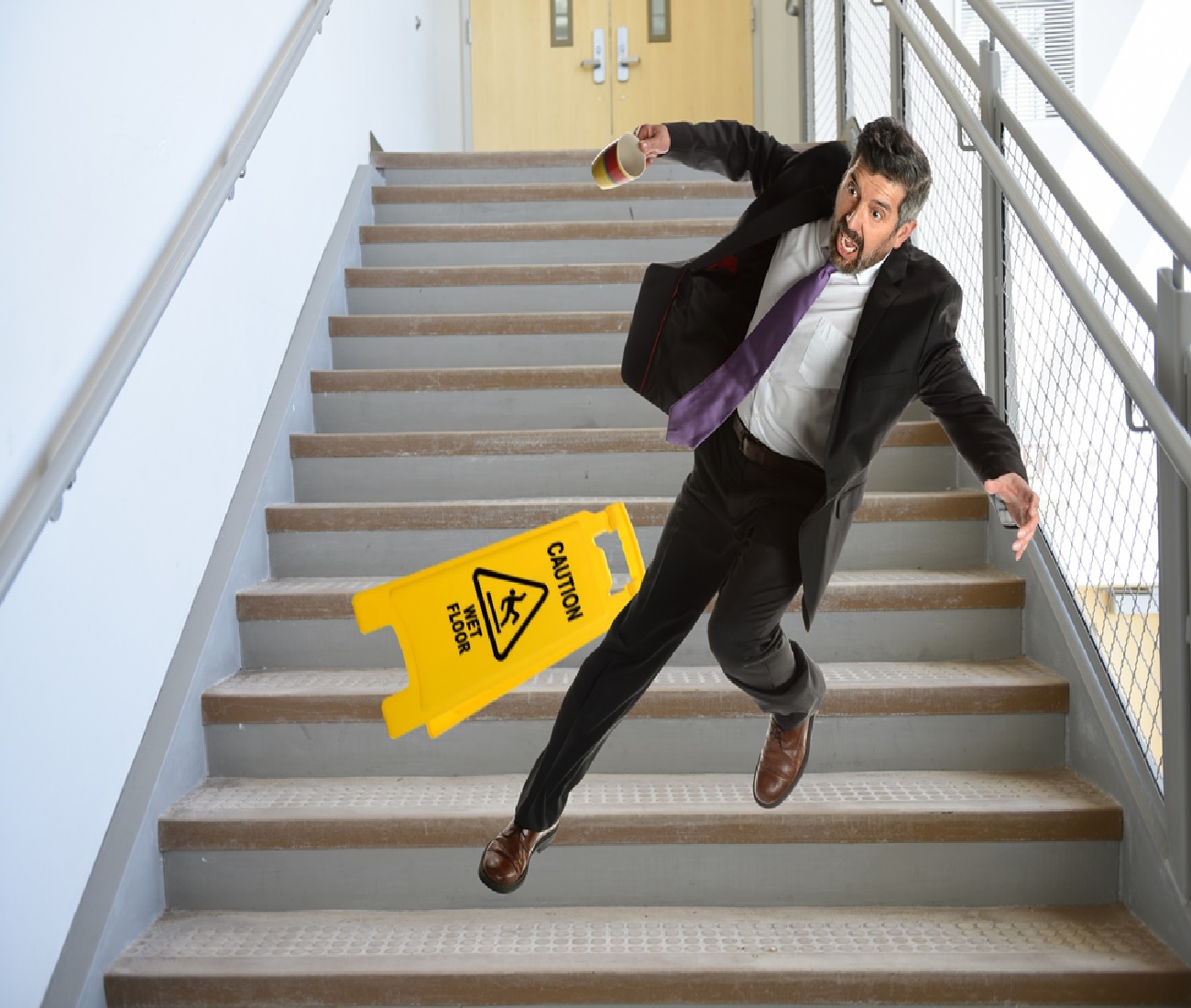
SIETE MANERAS DE EVITAR RESBALONES, TROPIEZOS Y CAÍDAS ¿QUE ESTÁ [...]
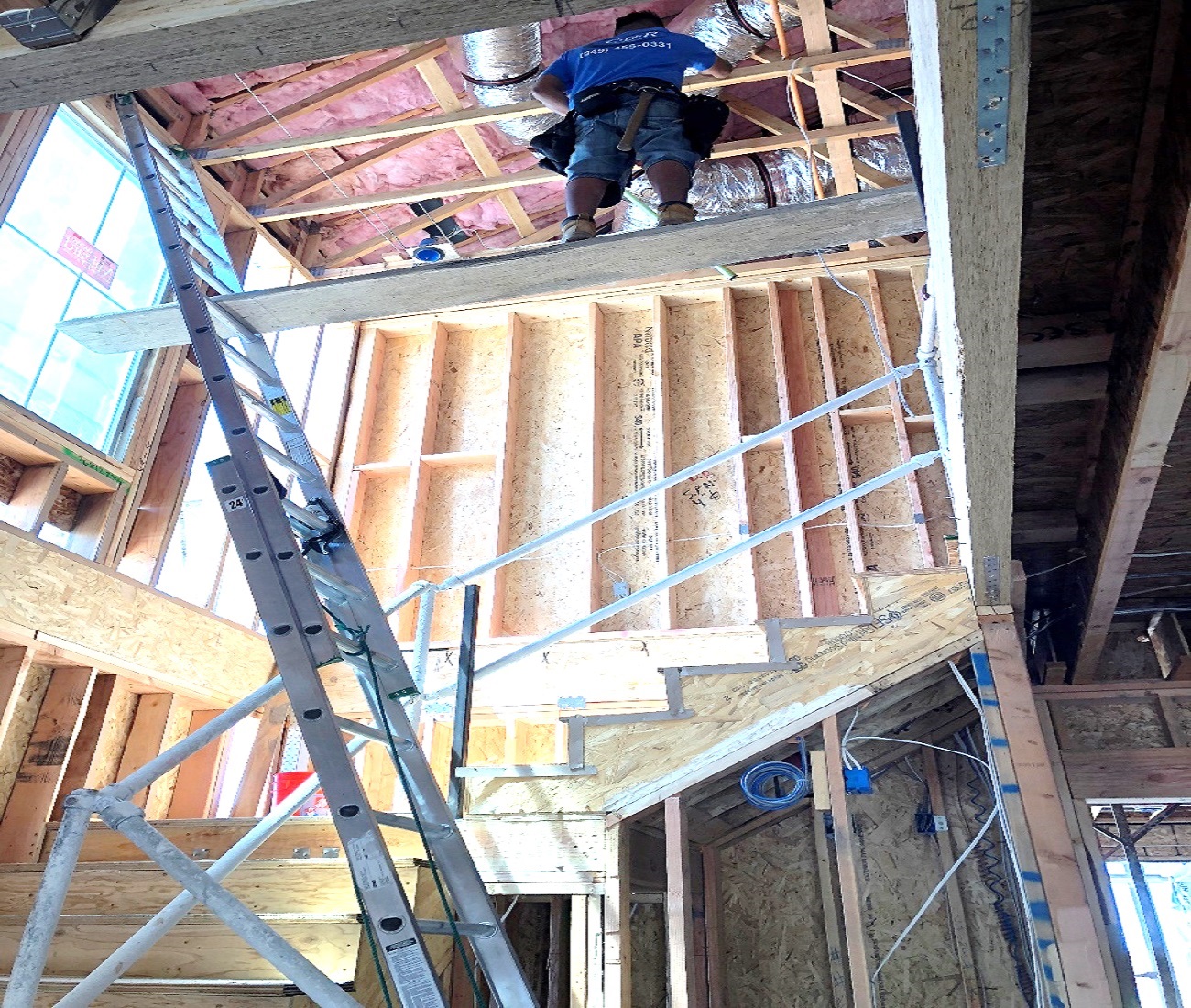
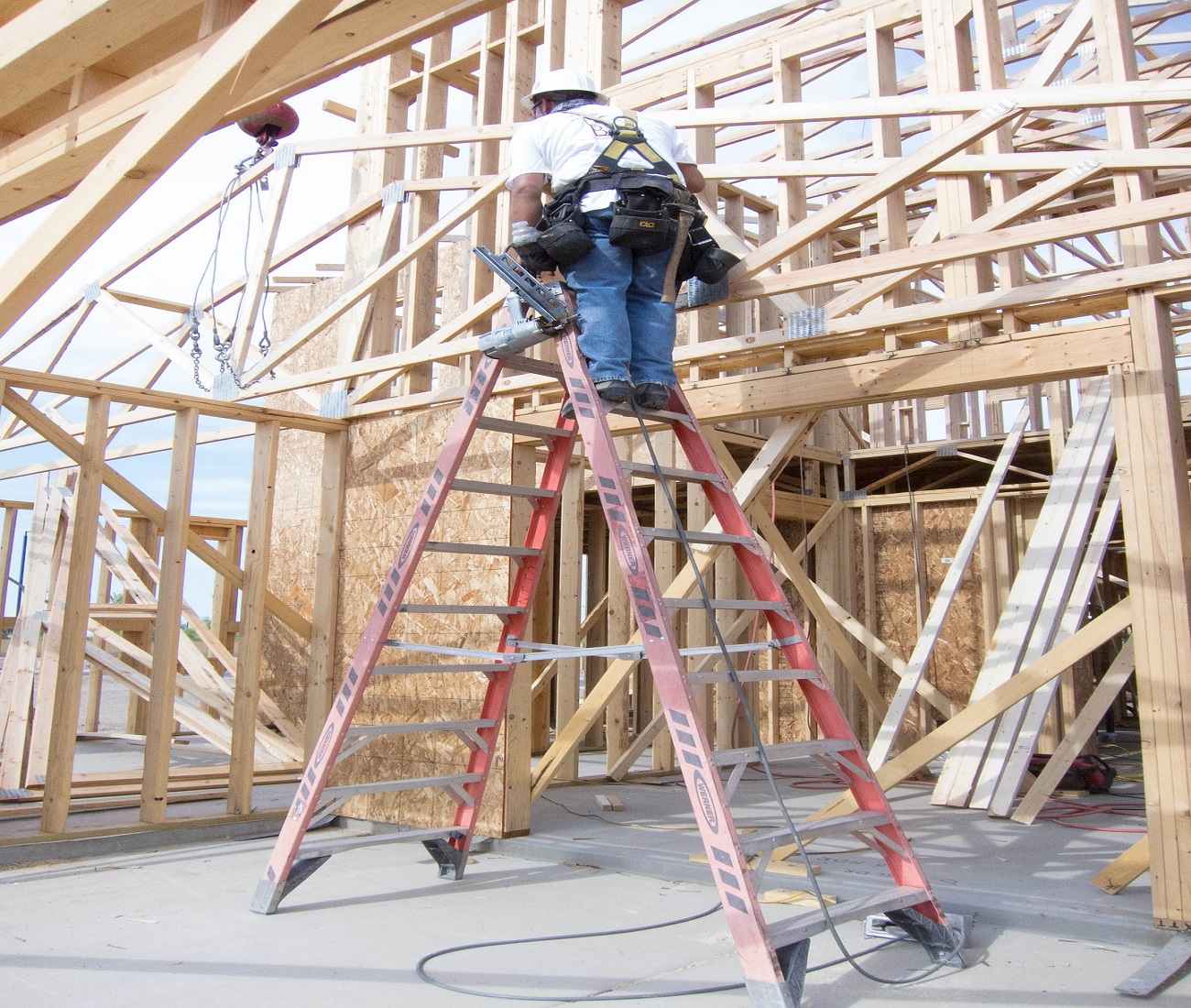
Ingenuity at its finest or accident waiting to happen? In addition to the obvious lack of fall protection and precarious position this worker is in, the walking space on the plank is limited and awkward which makes any movement dangerous. Reach back for the hammer, lose balance, slam into the stair guardrails on the way to concrete floor below. Traumatic brain injury, broken back, multiple fractures? Maybe all three. That’s if he’s “lucky” enough to survive the fall.
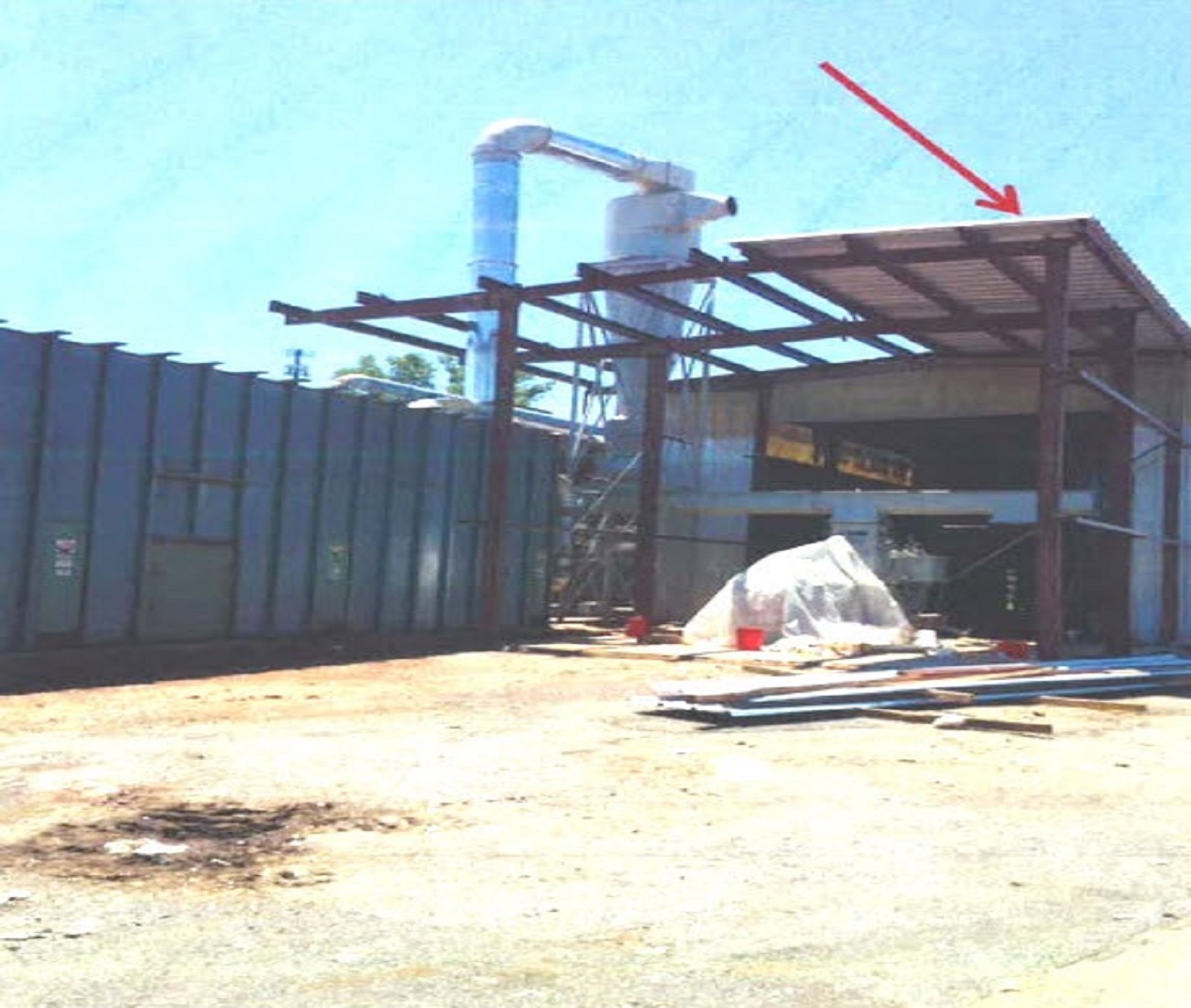
A 39-year-old male employee was fatally injured when he fell approximately 24 feet to the sidewalk below. On the day of the incident the victim, an Iron Worker, was installing metal roof panels on a pre-fabricated metal building.
Unintentional falls are the most common form of injury across the country: every day last year, falls resulted in almost 1,800 reported emergency department visits and 417 hospital admissions, says a new report by the Canadian Institute for Health Information (CIHI). In the U.S. in 2017, fatal falls were at their highest level in the 26-year history of the Census of Fatal Occupational Injuries (CFOI) accounting for 887 (17 percent) worker deaths.
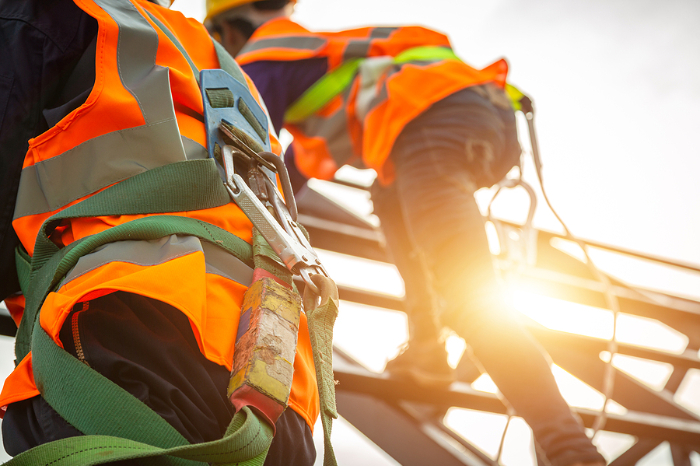
This checklist is designed to assist with inspection of the body harness and its attachments for wear, defects or damage. Inspection of fall protection equipment is a regulated requirement to be done before each use as well as once a year.
A well-developed and implemented fall protection plan for working at heights will keep workers safe. Here are eight components of a well-developed fall protection plan.
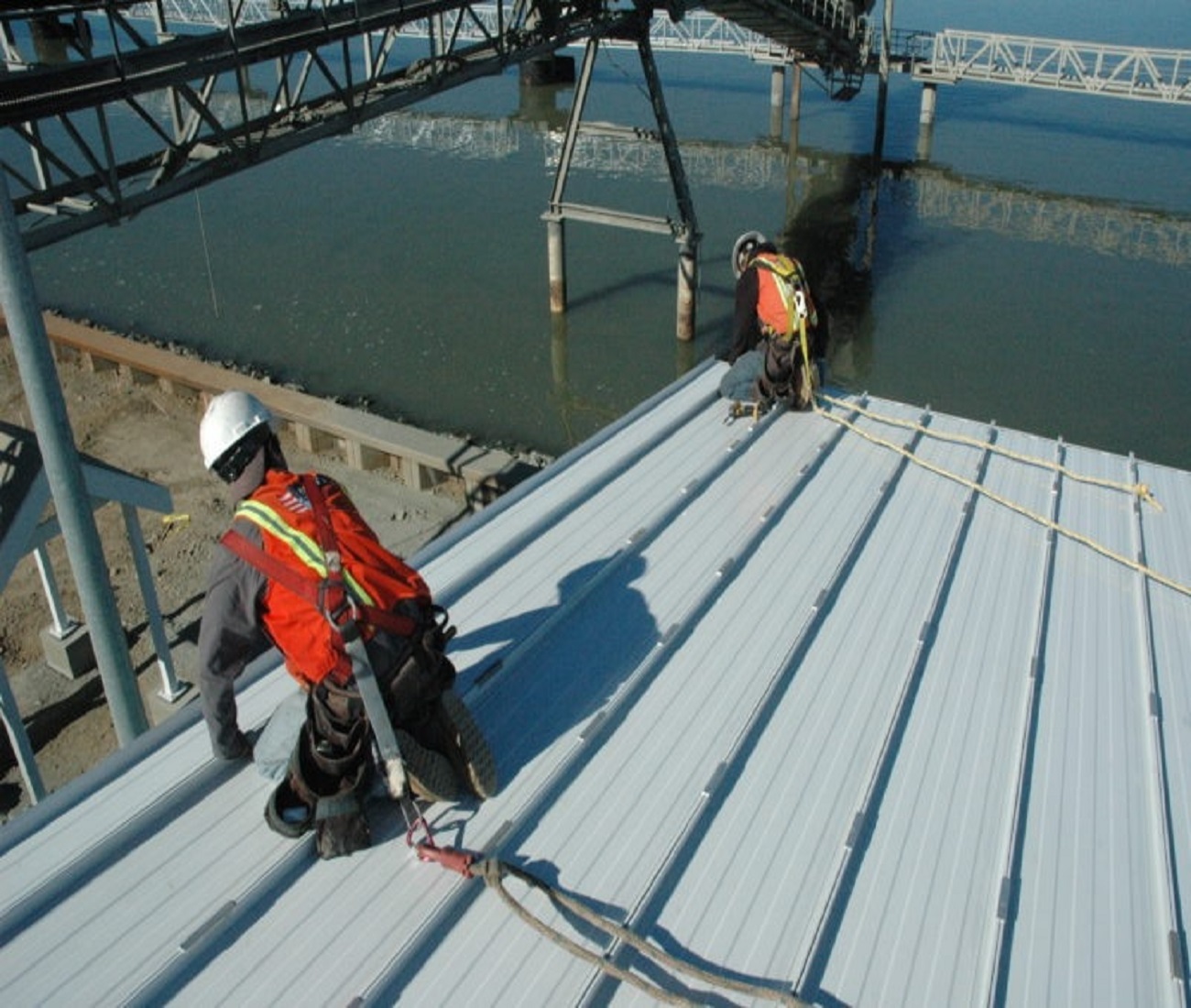
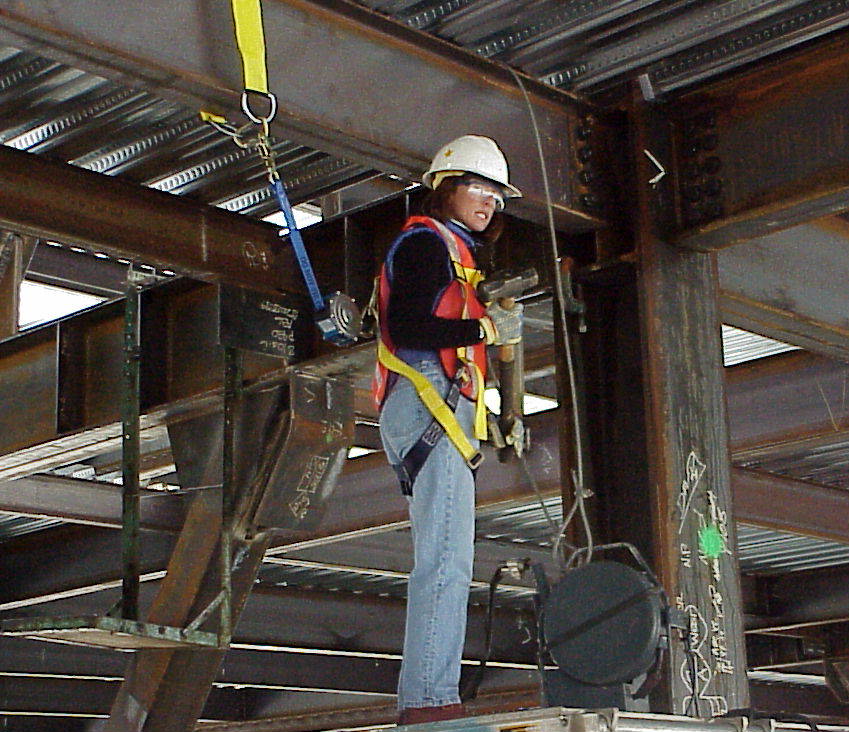
Hundreds of workers die from falls every year. You can prevent such deaths by planning to get the job done safely, providing the right fall protection equipment, and training all workers when and how to use the equipment safely. Here are some basic ideas for developing fall protection strategies.
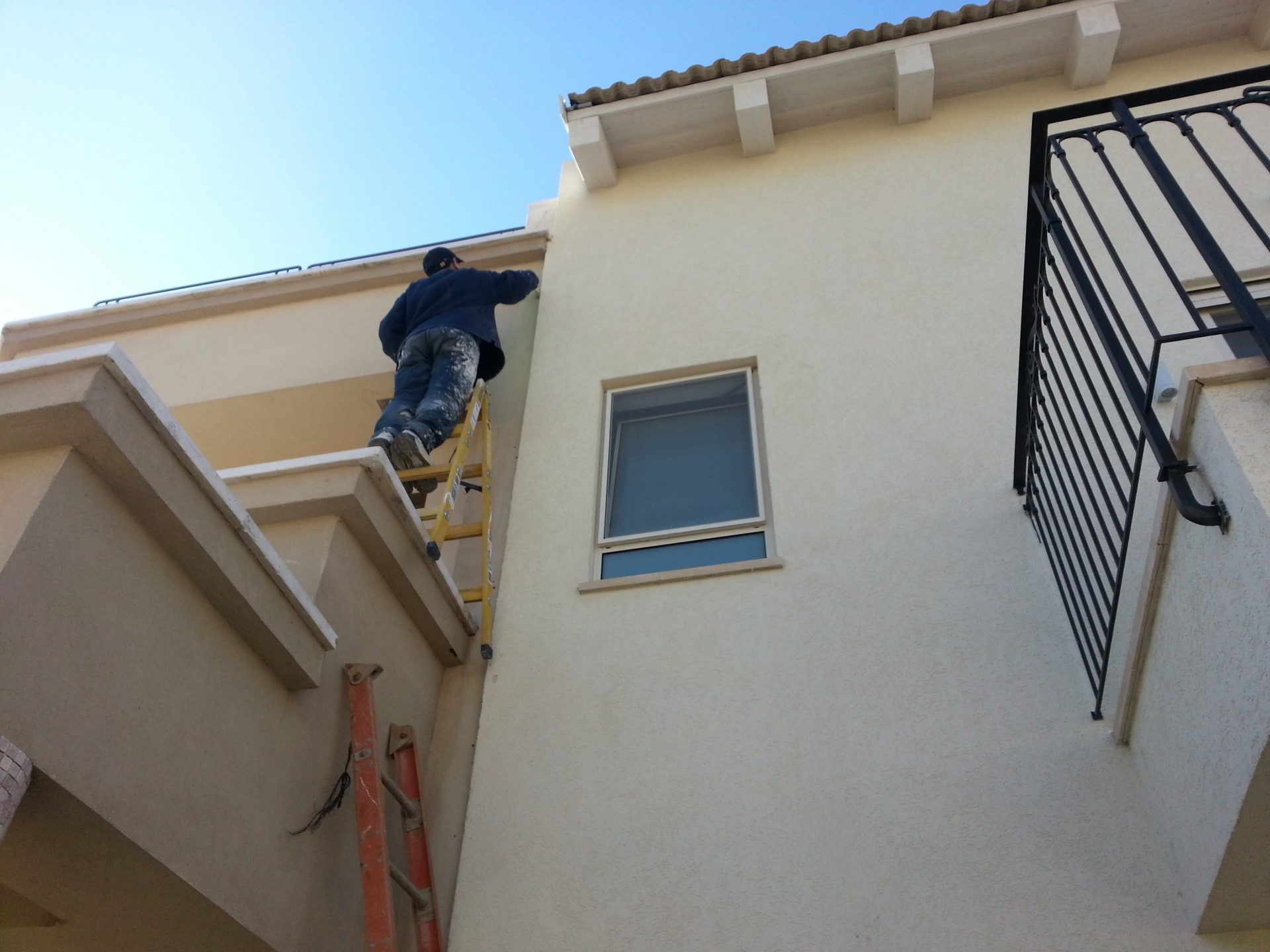
This program examines potential fall hazards when working at a grain elevator. The primary concerns are fixed ladders, stairs and catwalks. The program outlines the potential hazards associated with these 3 types of access/egress and shows ways these hazards can be reduced or eliminated. Proper inspection procedures along with safe rules of use are presented in a concise, to the point manner.
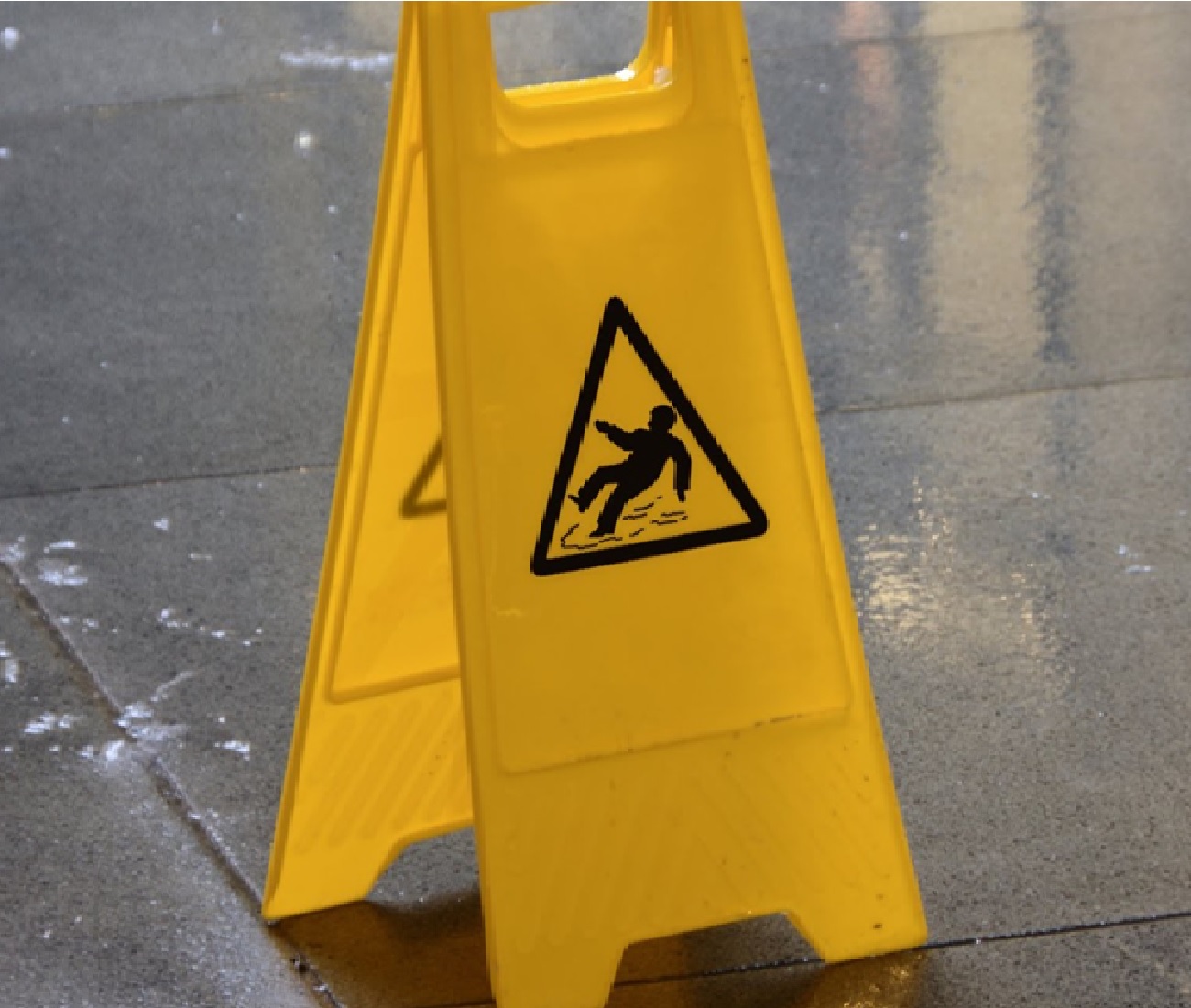
Slips, trips and falls are among the leading causes of workplace injuries. They occur when housekeeping procedures aren’t followed and enforced, when you rush or fail to pay attention to what you’re doing and where you’re walking, when you don’t wear the right kind of footwear, and when stairways, parking lots, and other walking and working surfaces aren’t well-maintained.
Since it's your first time, you may want to checkout some of the video tutorials.





 800-ICW-SAFETY (800.429.7233)
 SAFETYOnDemand@icwgroup.com