Hello, Guest!

Hello, Guest!

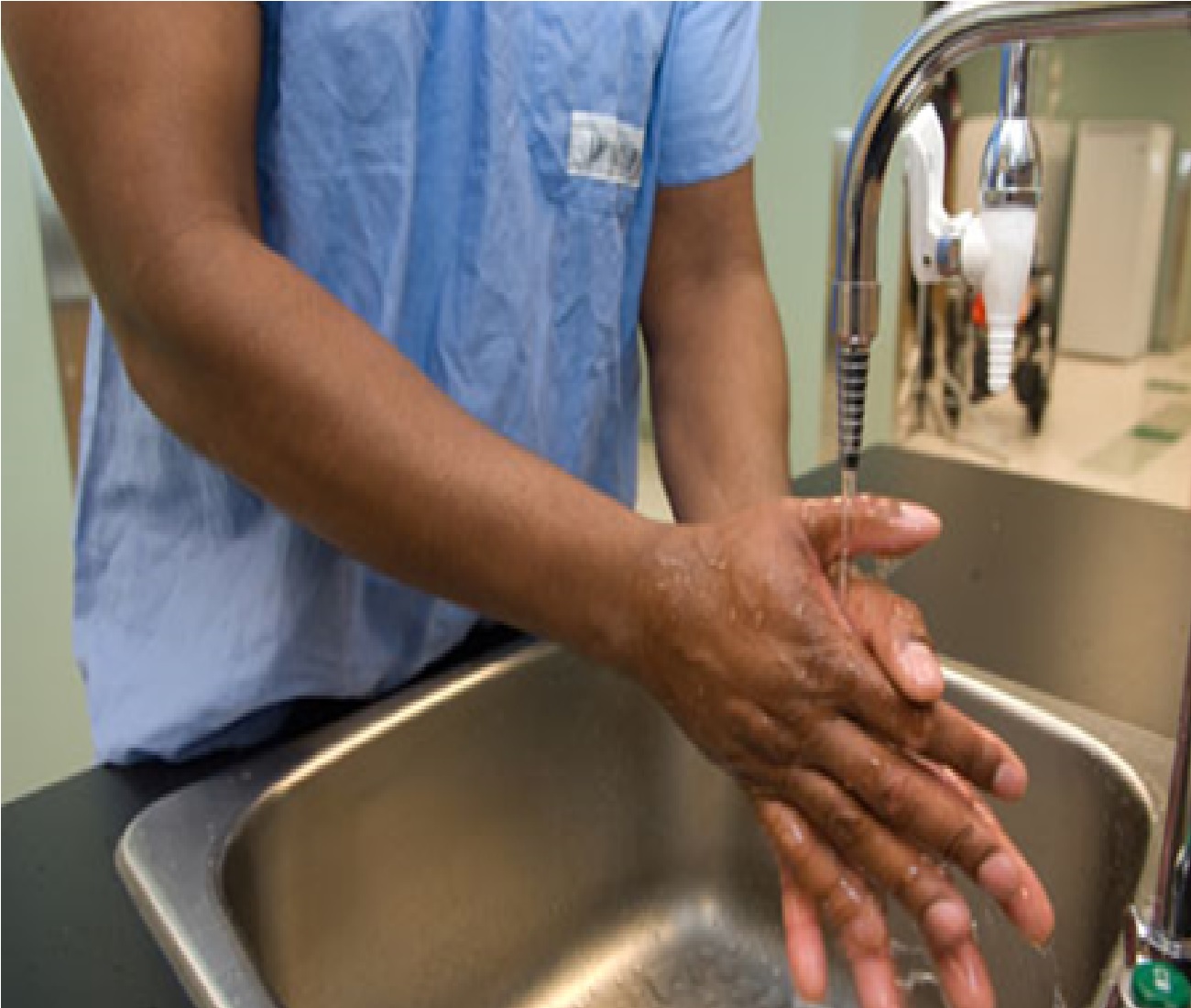
Wash Your Hands of Hazardous Chemicals

Chemicals and other contaminants can be transferred from the hands to foods, drinks or cigarettes and ingested into the body, where they can cause serious damage, especially with repeated exposure over time. Along with not eating, drinking or smoking after handling chemicals, workers who bring coffee or food items into contaminated areas are also risking exposure to toxic agents.

Wash Your Hands of Hazardous Chemicals2018-01-29T00:00:00+00:00

Avoid Chemical Exposure

If you work with any amount of chemicals,? or work in an environment where chemicals are used, handled, stored,? transported or disposed of, you must understand the hazards and how to protect? yourself.

Avoid Chemical Exposure2018-01-29T00:00:00+00:00

Leave Chemical Hazards at Work

If you work with hazardous chemicals, then you?ve been trained on safe work practices to reduce your exposure. But have you ever considered the effects these chemicals might have on your family?

Leave Chemical Hazards at Work2018-01-29T00:00:00+00:00

Gloves Must Match Chemical Hazard

Gloves - of materials such as nitrile, poly vinyl chloride, natural rubber (latex) and butyl rubber

Gloves Must Match Chemical Hazard2018-01-29T00:00:00+00:00

What’s the Most Dangerous Chemical? The Unlabeled One

Thousands of people across North America become victims of unintentional poisoning every year. A major contributor to this problem is when toxic chemicals are stored in unlabeled containers.

What’s the Most Dangerous Chemical? The Unlabeled One2018-01-29T00:00:00+00:00

Know Your Chemicals

Chemicals enter the body in a number of different ways. A chemical can be absorbed by the skin, inhaled, ingested or through a puncture like a needle. Once in the body, chemicals are circulated by

Know Your Chemicals2018-01-29T00:00:00+00:00

Don’t Experiment With Safety in a Laboratory

Laboratories harbor fire and explosion hazards, and radiation hazards. There may be high-powered equipment which could cause cuts, entanglement or electrocution. There also could be biohazardous materials which can cause fatal diseases.

Don’t Experiment With Safety in a Laboratory2018-01-29T00:00:00+00:00

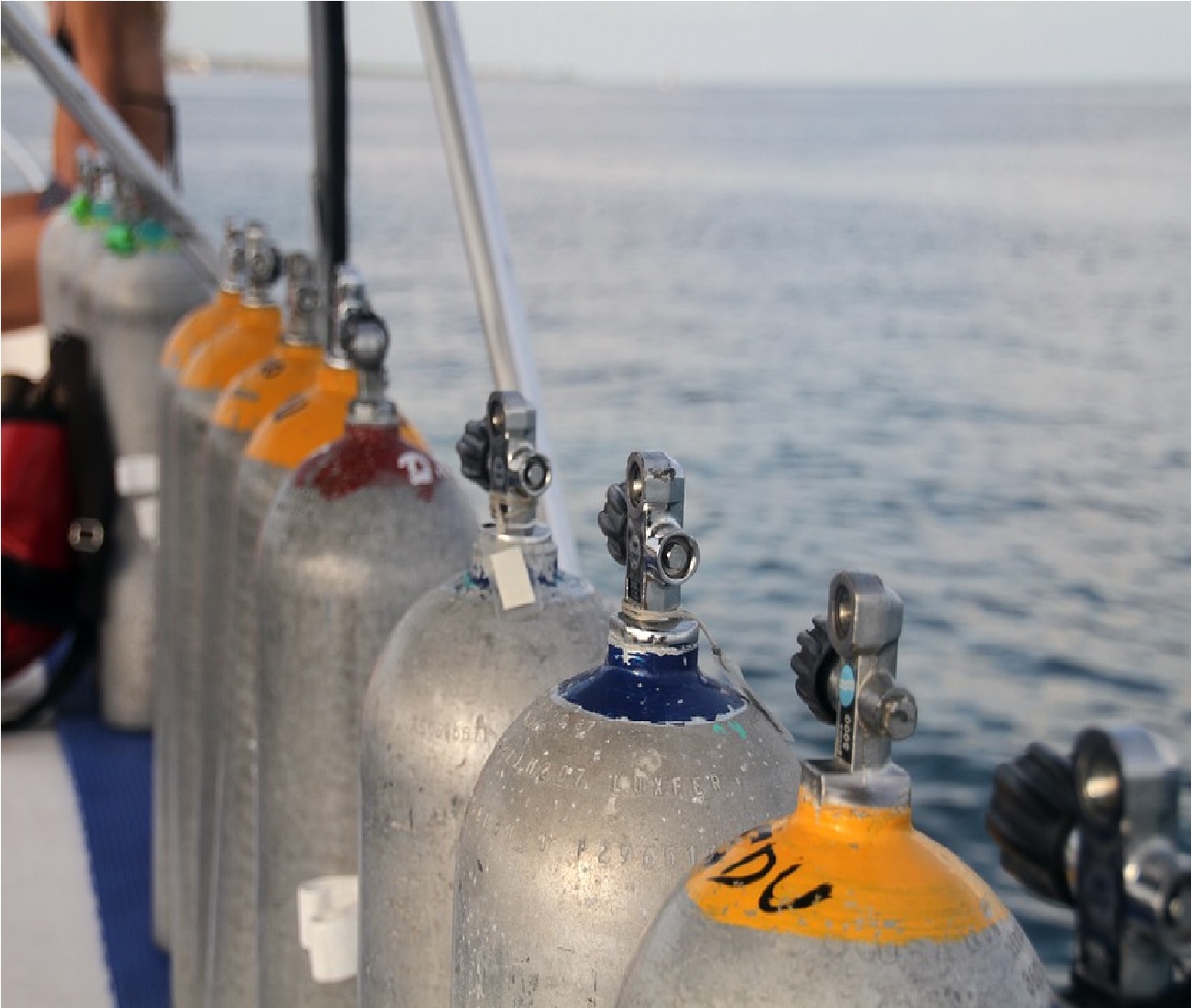
High Pressure Danger With Compressed Air

Compressed air can make short work of everything from changing tires to nailing and stapling, but its power demands respect.

High Pressure Danger With Compressed Air2018-01-29T00:00:00+00:00

Familiarize Yourself with Formaldehyde

Think “formaldehyde” and very likely images of laboratories, hospitals or funeral parlors come to mind. But formaldehyde’s uses go beyond that of specimen preservation and embalming fluid. It’s one of the most commonly used and encountered chemicals in industry today.

Familiarize Yourself with Formaldehyde2018-01-29T00:00:00+00:00

Chemical Burns Require Quick Response

If you work with chemicals, make sure you are familiar with the first aid required in case of exposure. This information is located on the chemical label and on the Material Safety Data Sheet (MSDS).

Chemical Burns Require Quick Response2018-01-29T00:00:00+00:00

What You Need to Know About GHS Labels

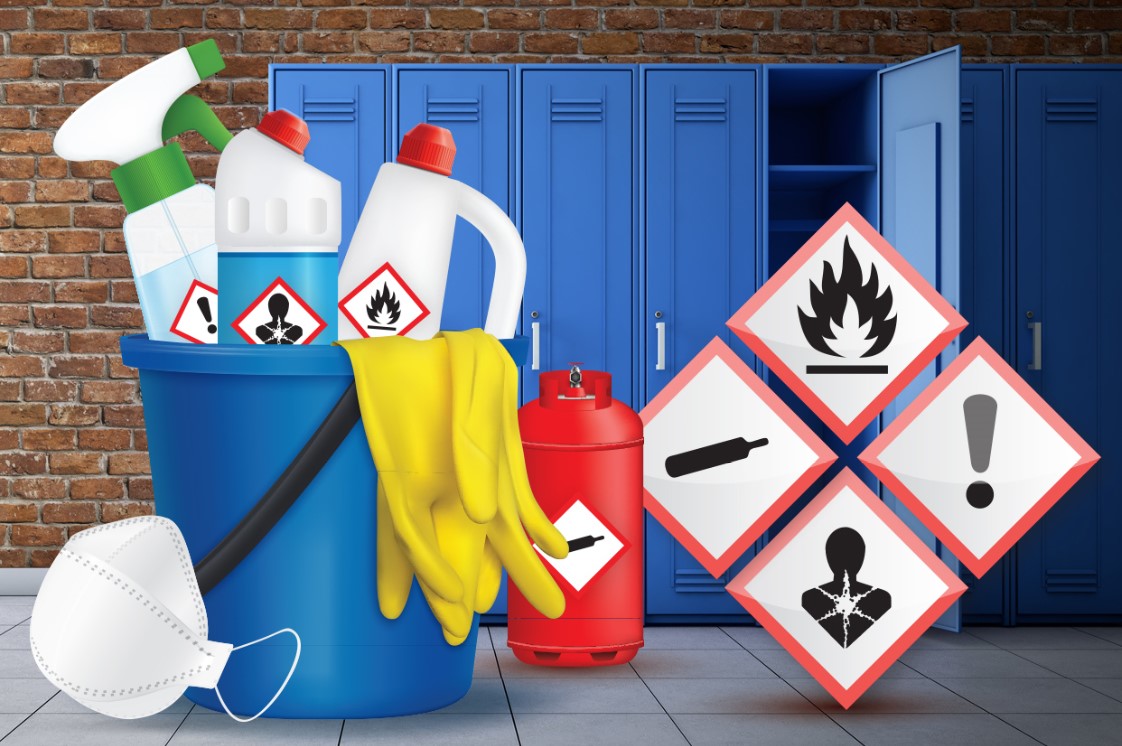
The Globally Harmonized System of Classification and Labelling of Chemicals (GHS) was created by the United Nations to help bring uniformity to hazardous materials labelling around the world.

What You Need to Know About GHS Labels2018-01-29T00:00:00+00:00

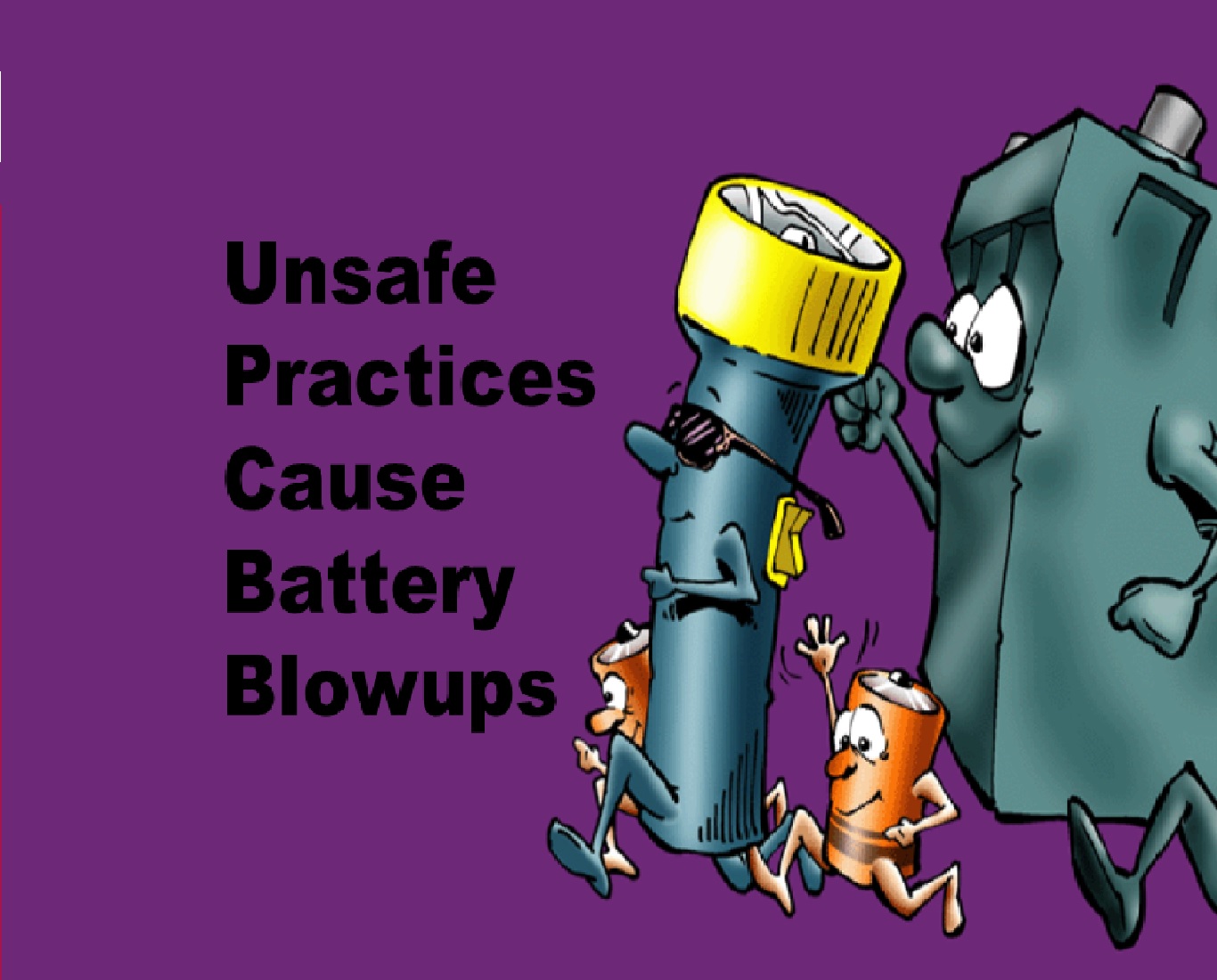
Unsafe Practices Cause Battery Blowups

There are some hazards associated with batteries, however. The chemical reactions required to generate electricity involve toxic and explosive substances, harmful to humans and the environment. Large batteries can deliver fatal electrical shock. Consider the

Unsafe Practices Cause Battery Blowups2018-01-29T00:00:00+00:00

PowerPoint Overview of the 9 New GHS Pictograms

Run through this PowerPoint for a quick review on the 9 GHS pictograms. This PowerPoint details the official names, signal words and hazards associated with each pictogram.

PowerPoint Overview of the 9 New GHS Pictograms2018-01-29T00:00:00+00:00

Just Plumb Dangerous

Plumbers are treated most often for eye injuries, but the job has many other dangers, including: explosive solvent vapors from glues, joint compounds and primers biohazards from human waste corrosive chemicals asbestos used for insulation

Just Plumb Dangerous2018-01-29T00:00:00+00:00

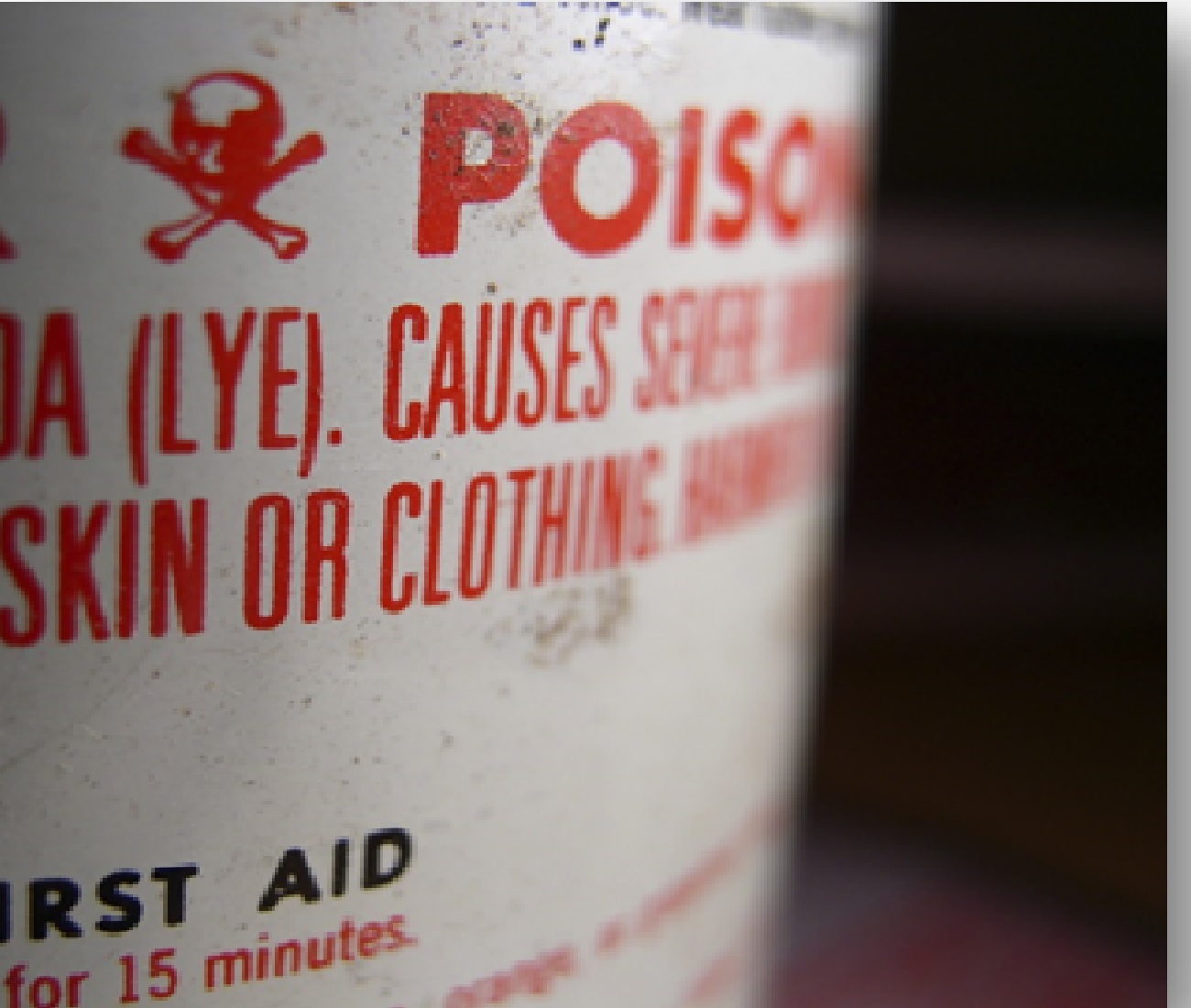
Corrosive Safety – Acids and Bases

Corrosive chemicals are used to break down metal and for other industrial purposes, but they can also destroy body tissue on contact. They are extremely dangerous if handled improperly. 

Corrosive Safety – Acids and Bases2018-01-29T00:00:00+00:00

Bridge Painting Company Cited for Alleged Willful, Serious Violations Issued $225,000 in Proposed Penalties

An investigation opened in July 2008 resulted in citations alleging [...]

Bridge Painting Company Cited for Alleged Willful, Serious Violations Issued $225,000 in Proposed Penalties2018-01-24T00:00:00+00:00

Protecting Workers who Wear Contact Lenses

More than 32 million American adults wear contact lenses. Of [...]

Protecting Workers who Wear Contact Lenses2018-01-23T00:00:00+00:00

Eyes Online Resources

NIOSH (National Institute for Occupational Safety & Health). NIOSH has [...]

Eyes Online Resources2018-01-19T00:00:00+00:00
Go to Top