Hello, Guest!

Hello, Guest!

HAZWOPER: Respiratory Protection

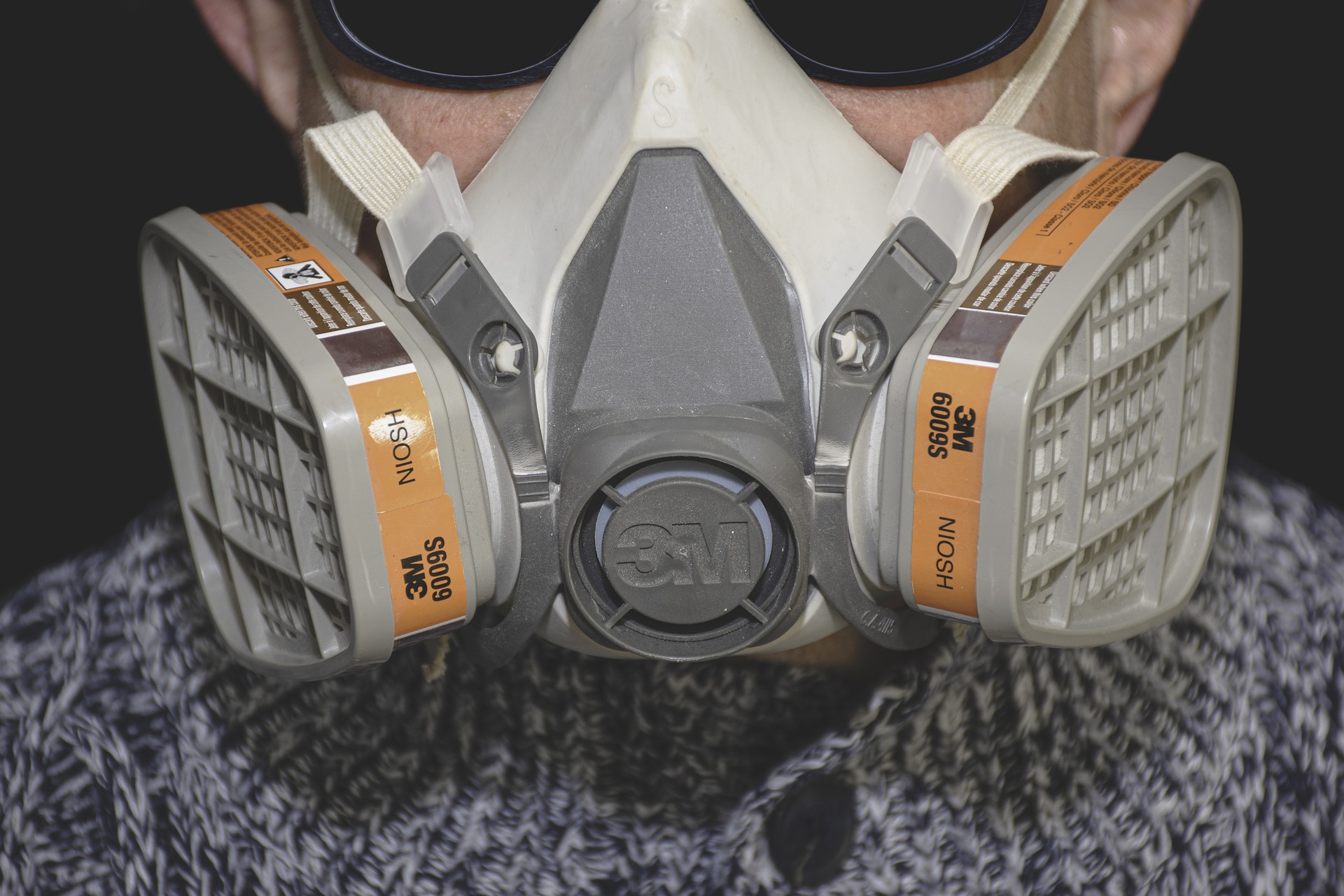
A vital part of effective HAZWOPER training. Basic training for selecting, using, handling and storing respirators. Proper fit-testing procedures are covered in detail.

HAZWOPER: Respiratory Protection2019-02-01T00:00:00+00:00

HAZWOPER: Respiratory Protection – Spanish

A vital part of effective HAZWOPER training. Basic training for selecting, using, handling and storing respirators. Proper fit-testing procedures are covered in detail.

HAZWOPER: Respiratory Protection – Spanish2019-02-01T00:00:00+00:00

HAZWOPER: Site Safety and Health Plan

Overview of general safety and health plan requirements, incident characterization, remedial actions and how to create a comprehensive written plan. Explains site control issues, routine operations, medical care, evacuation and more.

HAZWOPER: Site Safety and Health Plan2019-02-01T00:00:00+00:00

HAZWOPER: Chemical Protective Clothing

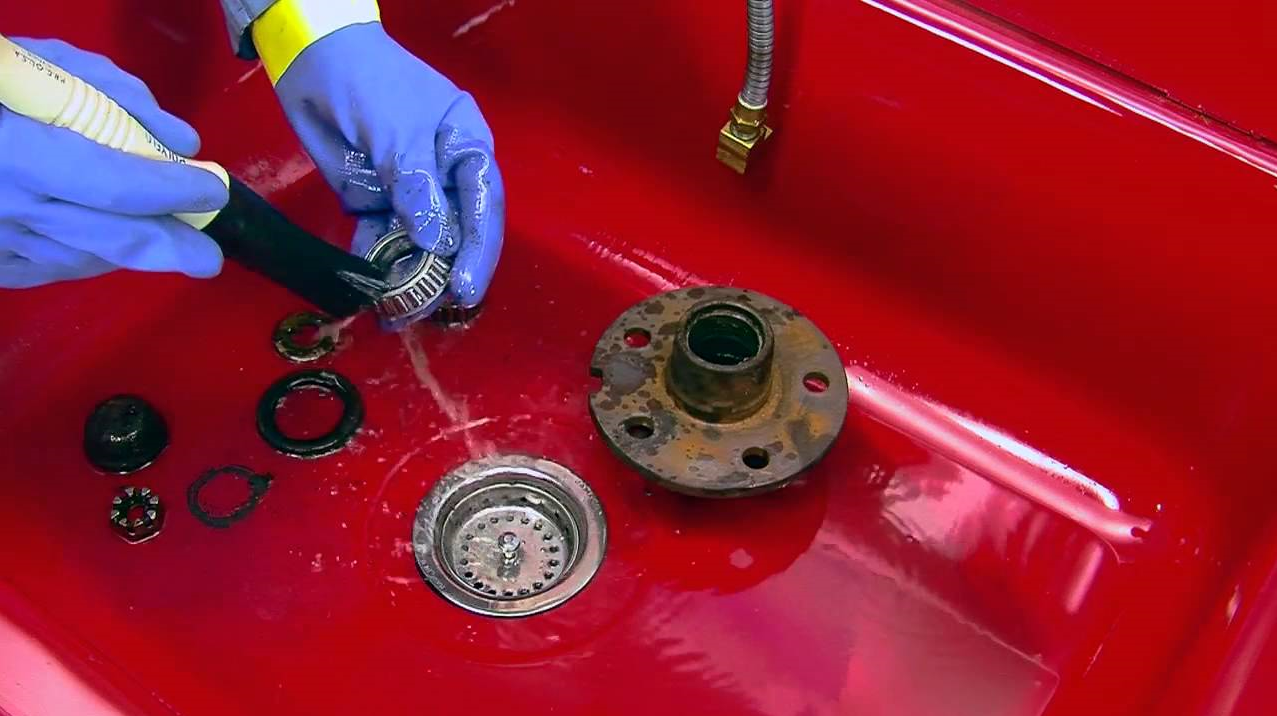
Designed to explain the different types and limitations of protective clothing and the correct application of each type. Also discusses heat stress. Security risks associated with transporting hazardous materials, Methods that have been designed to enhance transportation security, How to recognize security risks and Responding to possible security threats.

HAZWOPER: Chemical Protective Clothing2019-02-01T00:00:00+00:00

Hazard Communications

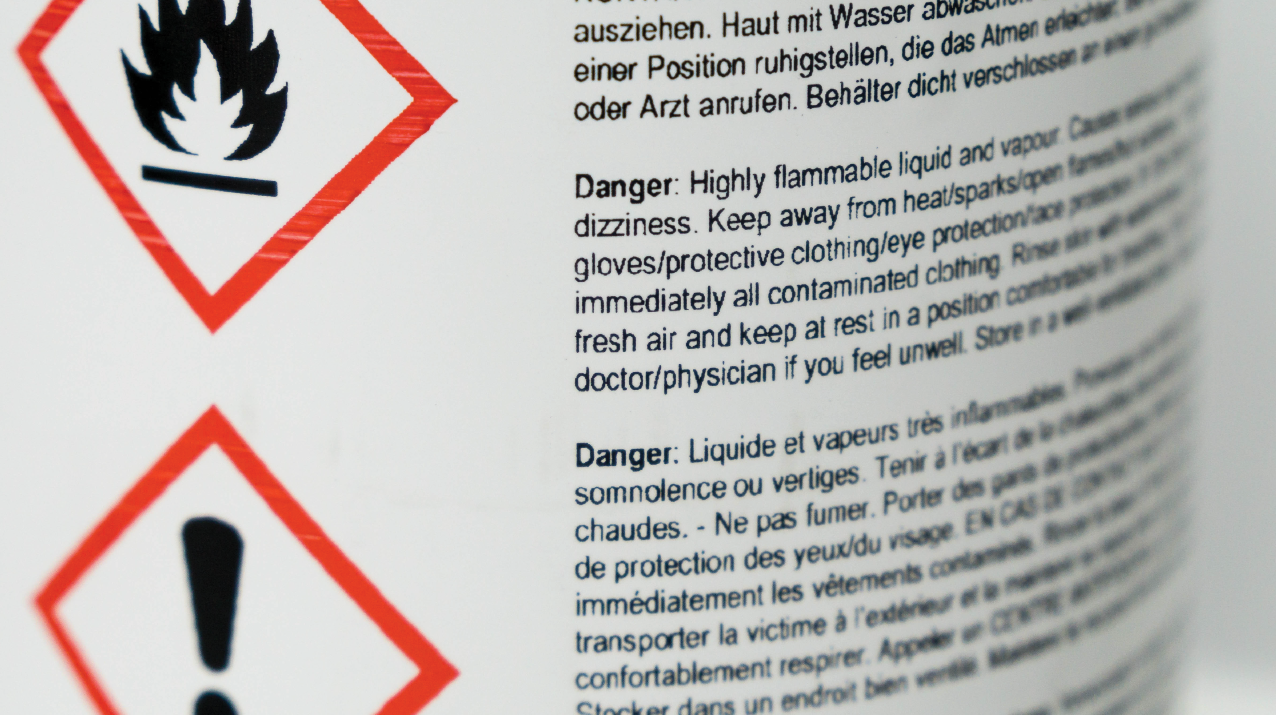
Chemicals can be found in nearly every area of your facility. OSHA mandates that all employees be trained in the safe use, storage and handling of these materials. This video details material safety data sheets, container labeling and basic chemical safety. Information is presented in a clear, concise manner that is effective and easy to understand.

Hazard Communications2019-02-01T00:00:00+00:00

HAZWOPER: Chemical Protective Clothing – Spanish

Designed to explain the different types and limitations of protective clothing and the correct application of each type. Also discusses heat stress. Security risks associated with transporting hazardous materials, Methods that have been designed to enhance transportation security, How to recognize security risks and Responding to possible security threats.

HAZWOPER: Chemical Protective Clothing – Spanish2019-02-01T00:00:00+00:00

Hazard Communications – Spanish

Chemicals can be found in nearly every area of your facility. OSHA mandates that all employees be trained in the safe use, storage and handling of these materials. This video details material safety data sheets, container labeling and basic chemical safety. Information is presented in a clear, concise manner that is effective and easy to understand.

Hazard Communications – Spanish2019-02-01T00:00:00+00:00

HAZWOPER: Donning/Doffing/Decontamination

Describes how to properly don chemical protective clothing, how to properly remove it and how to decontaminate clothing and personnel effectively. Security risks associated with transporting hazardous materials, Methods that have been designed to enhance transportation security, How to recognize security risks and Responding to possible security threats.

HAZWOPER: Donning/Doffing/Decontamination2019-02-01T00:00:00+00:00

HAZWOPER: Donning/Doffing/Decontamination – Spanish

Describes how to properly don chemical protective clothing, how to properly remove it and how to decontaminate clothing and personnel effectively. Security risks associated with transporting hazardous materials, Methods that have been designed to enhance transportation security, How to recognize security risks and Responding to possible security threats.

HAZWOPER: Donning/Doffing/Decontamination – Spanish2019-02-01T00:00:00+00:00

HAZWOPER: Identifying Hazardous Materials

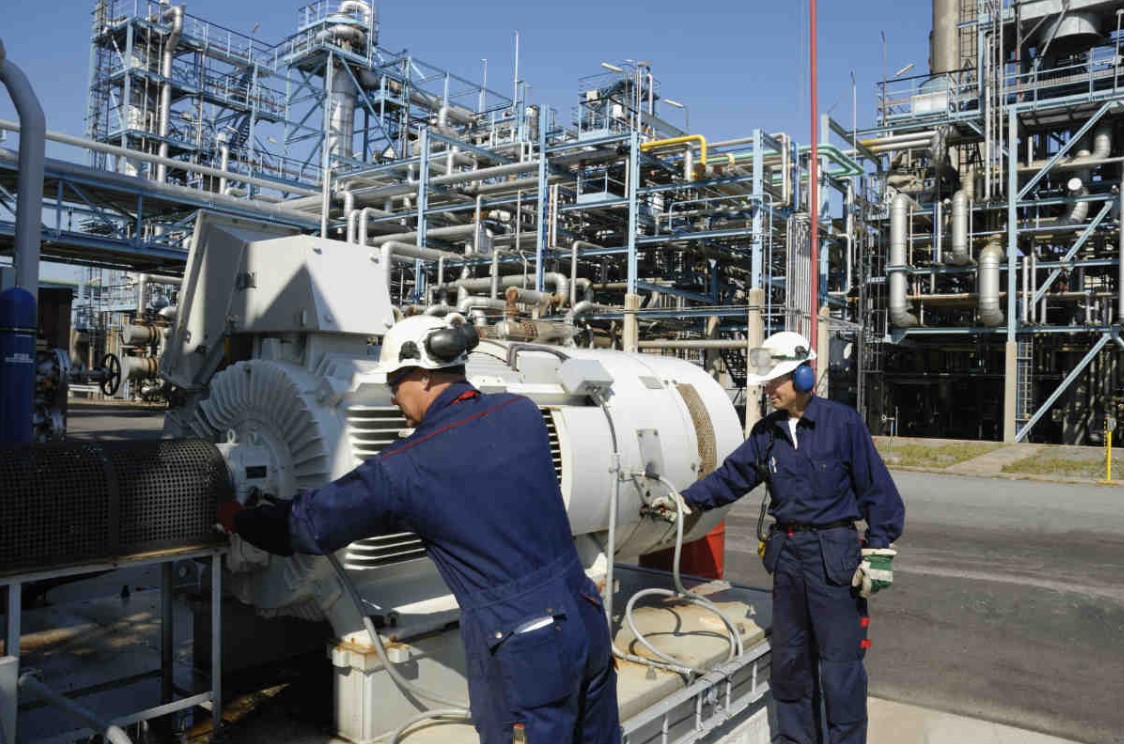
Designed to complement a variety of HAZWOPER applications. Includes definitions of TLV, TWA, TLV-C, methods of exposure, dust, fumes, gases and more. Security risks associated with transporting hazardous materials, Methods that have been designed to enhance transportation security, How to recognize security risks and Responding to possible security threats.

HAZWOPER: Identifying Hazardous Materials2019-02-01T00:00:00+00:00

HAZWOPER: Identifying Hazardous Materials – Spanish

Designed to complement a variety of HAZWOPER applications. Includes definitions of TLV, TWA, TLV-C, methods of exposure, dust, fumes, gases and more. Security risks associated with transporting hazardous materials, Methods that have been designed to enhance transportation security, How to recognize security risks and Responding to possible security threats.

HAZWOPER: Identifying Hazardous Materials – Spanish2019-02-01T00:00:00+00:00

HAZWOPER: Medical Surveillance Program

Outlines what exactly is needed for a complete medical surveillance program including medical examinations, recordkeeping and other pertinent information.

HAZWOPER: Medical Surveillance Program2019-02-01T00:00:00+00:00

HAZWOPER: Medical Surveillance Program – (14 min) Spanish

Outlines what exactly is needed for a complete medical surveillance program including medical examinations, recordkeeping and other pertinent information.

HAZWOPER: Medical Surveillance Program – (14 min) Spanish2019-02-01T00:00:00+00:00

HAZWOPER: On-Site Safety Considerations

Overview of general safety and health plan requirements, incident characterization, remedial actions and how to create a comprehensive written plan. Explains site control issues, routine operations, medical care, evacuation and more.

HAZWOPER: On-Site Safety Considerations2019-02-01T00:00:00+00:00

HAZWOPER: On-Site Safety Considerations – Spanish

Overview of general safety and health plan requirements, incident characterization, remedial actions and how to create a comprehensive written plan. Explains site control issues, routine operations, medical care, evacuation and more.

HAZWOPER: On-Site Safety Considerations – Spanish2019-02-01T00:00:00+00:00

Carcinogens are Cancer Causing Chemicals

A carcinogen is any substance that can cause cancer. They are chronic toxins that cause damage after repeated or long-term exposure. For some people, the workplace can be a source of exposure to some carcinogens, such as asbestos, benzene, or formaldehyde.

Carcinogens are Cancer Causing Chemicals2019-01-31T00:00:00+00:00

Benzene Safety

Benzene is a highly flammable, colorless or light yellow, sweet smelling liquid that evaporates quickly into the air. Since its vapor is heavier than air it can sink into the low-lying areas. It is found in products made from coal and petroleum. Lubricants, plastics, rubber, dyes, and other chemicals can be produced with benzene.

Benzene Safety2019-01-31T00:00:00+00:00

Fundamentals of First Aid – Chemical Burns and Liquid Gas Burns

Chemicals can cause burns to eyes, skin, and internally if swallowed or inhaled. Chemical burns can be deceiving with some chemicals causing damage deep within body tissue.  The amount of damage a chemical can cause depends on many factors including the chemical, its strength, whether it was inhaled or swallowed and the time it was in contact with body tissues.

Fundamentals of First Aid – Chemical Burns and Liquid Gas Burns2018-10-30T00:00:00+00:00

Can You Do the Chemical Splash Dash?

If a chemical splashed onto your skin or into your eye, could you get to a safety shower or eyewash station quickly? The time to consider that question is now, not when you are faced with an emergency. You need to know where this equipment is located, the shortest route to reach it and how to use it effectively.

Can You Do the Chemical Splash Dash?2018-10-15T00:00:00+00:00

Hazard Communications – (17 min)

In today's litigious society, we begin to take cautions, warnings and disclaimers from manufacturers' with a touch of skepticism or disregard. When it comes to hazardous chemicals in the work place, words, colors and symbols mean something. Not only is it your workers' right, it is their responsibility to know what they mean. This program will teach your employees to recognize and understand the different means of communication used to identify hazardous chemicals including the United Nation's new Globally Harmonized System. The training program will educate your workers on the physical characteristics and chemical properties communicated in the material safety data sheets and on the container labels enabling them to make proper decisions concerning the safe use handling and storage of the substances. The program covers the purpose and role of hazard communication, the different classification of chemicals and their hazards, the primary forms of communication, and best practices and procedures to ensure their safety and health. Chemicals are an intricate and valuable part of our life. When respected and handled properly, they pose minimum risk our safety and health. Knowledge is a valuable safety tool. Not only is it your workers' right to know, it is their responsibility to use it to protect their safety and that of their co-workers.

Hazard Communications – (17 min)2018-10-01T00:00:00+00:00

Hazard Communications – (17 min) Spanish

In today's litigious society, we begin to take cautions, warnings and disclaimers from manufacturers' with a touch of skepticism or disregard. When it comes to hazardous chemicals in the work place, words, colors and symbols mean something. Not only is it your workers' right, it is their responsibility to know what they mean. This program will teach your employees to recognize and understand the different means of communication used to identify hazardous chemicals including the United Nation's new Globally Harmonized System. The training program will educate your workers on the physical characteristics and chemical properties communicated in the material safety data sheets and on the container labels enabling them to make proper decisions concerning the safe use handling and storage of the substances. The program covers the purpose and role of hazard communication, the different classification of chemicals and their hazards, the primary forms of communication, and best practices and procedures to ensure their safety and health. Chemicals are an intricate and valuable part of our life. When respected and handled properly, they pose minimum risk our safety and health. Knowledge is a valuable safety tool. Not only is it your workers' right to know, it is their responsibility to use it to protect their safety and that of their co-workers.

Hazard Communications – (17 min) Spanish2018-10-01T00:00:00+00:00

Pesticide Safety: The Basics (5 min)

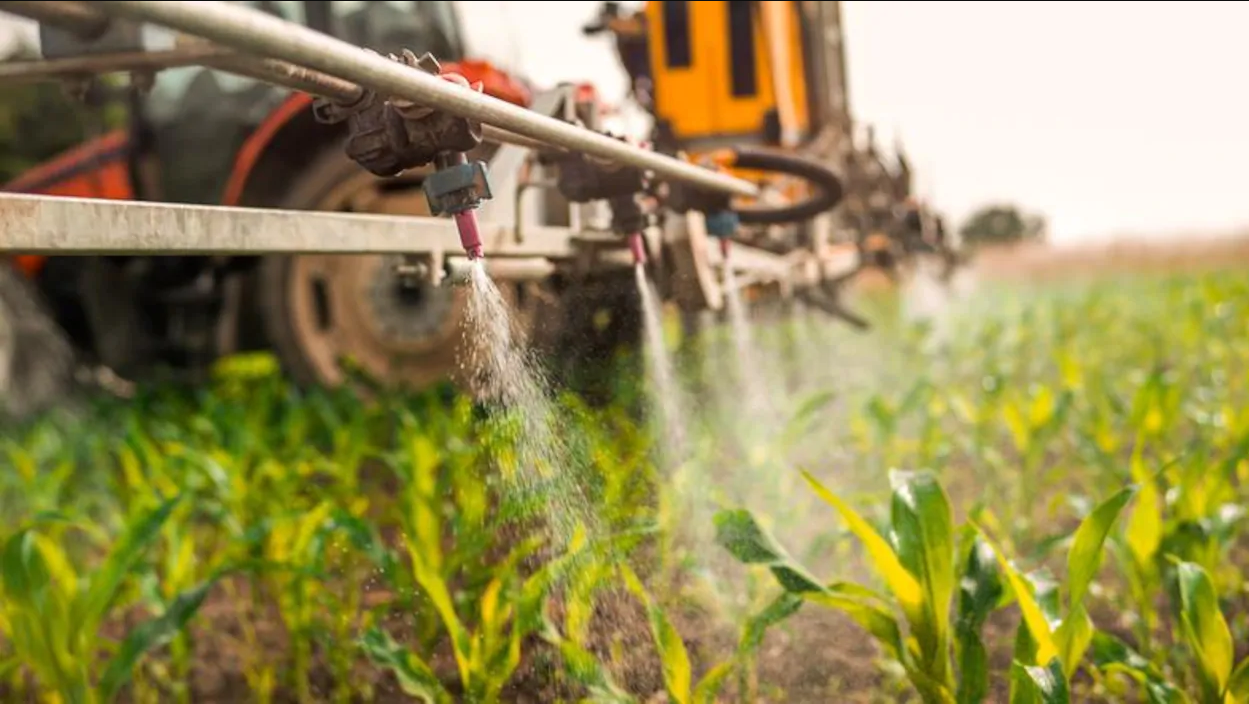
Employee Training is extremely important when it comes to using pesticides. Workers are protected under the Worker Protection Standard and the Hazard Communication Standard regarding hazardous substances in the workplace. Any agricultural worker must be trained in Basic Pesticide Safety rules before entering a pesticide treated area.

Pesticide Safety: The Basics (5 min)2018-10-01T00:00:00+00:00
Go to Top