Safety Rules Protect You
The safety rules, policies and procedures of your workplace are there to protect you from workplace hazards and to help prevent injuries.

The safety rules, policies and procedures of your workplace are there to protect you from workplace hazards and to help prevent injuries.

Laboratories harbor fire and explosion hazards, and radiation hazards. There may be high-powered equipment which could cause cuts, entanglement or electrocution. There also could be biohazardous materials which can cause fatal diseases.

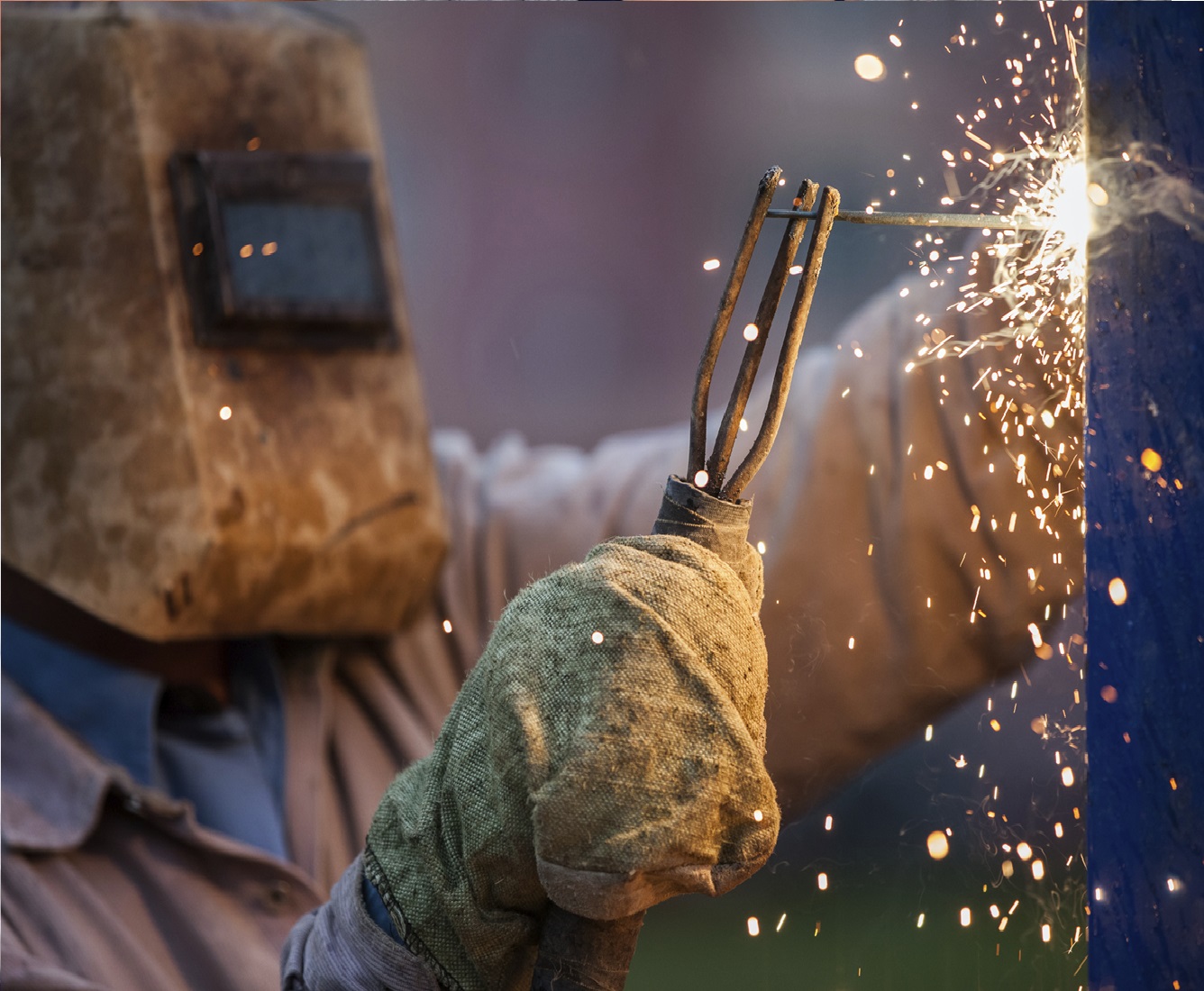
Welding poses a unique combination of both safety and health risks to more than 500,000 workers in a wide variety of industries.
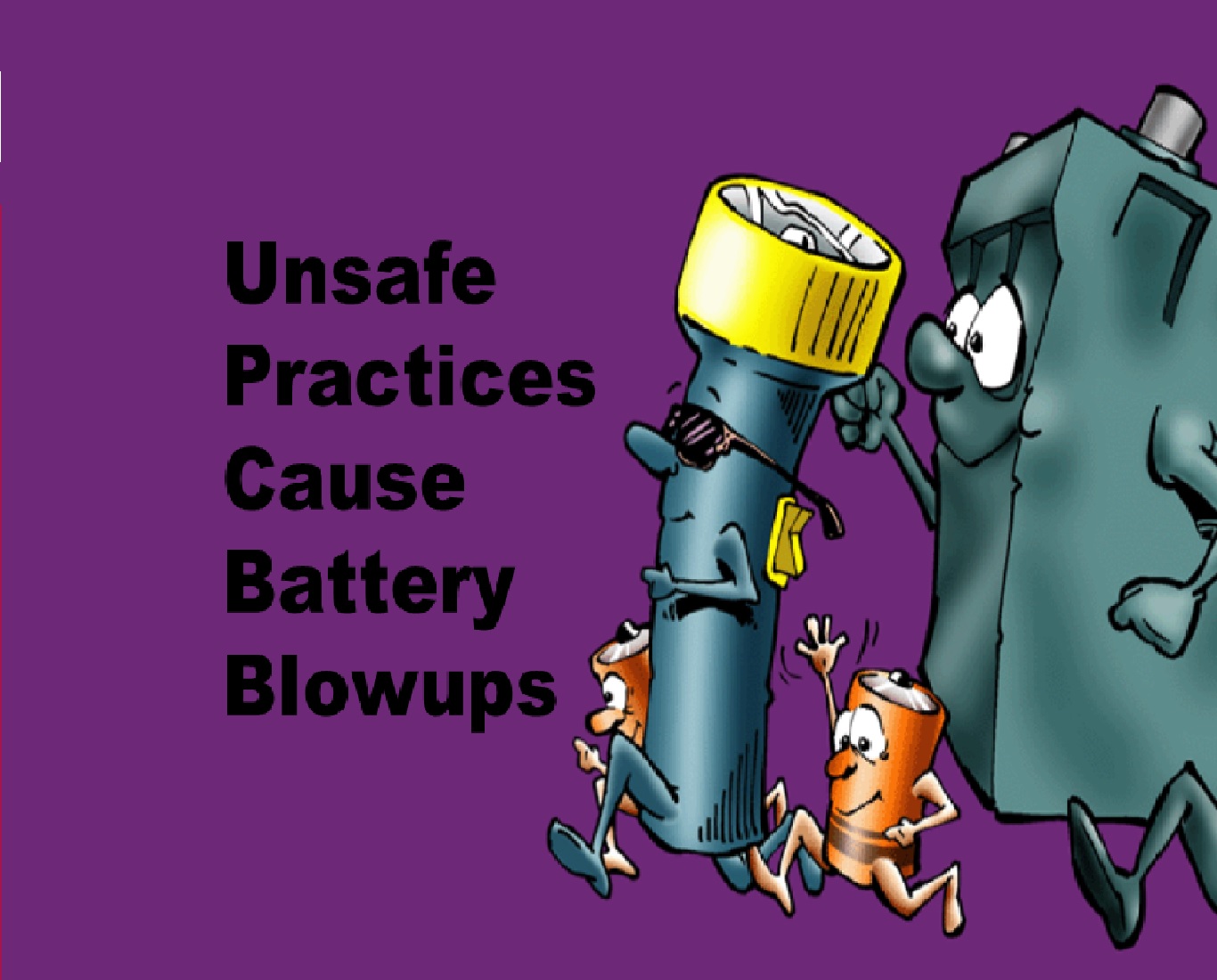
There are some hazards associated with batteries, however. The chemical reactions required to generate electricity involve toxic and explosive substances, harmful to humans and the environment. Large batteries can deliver fatal electrical shock. Consider the
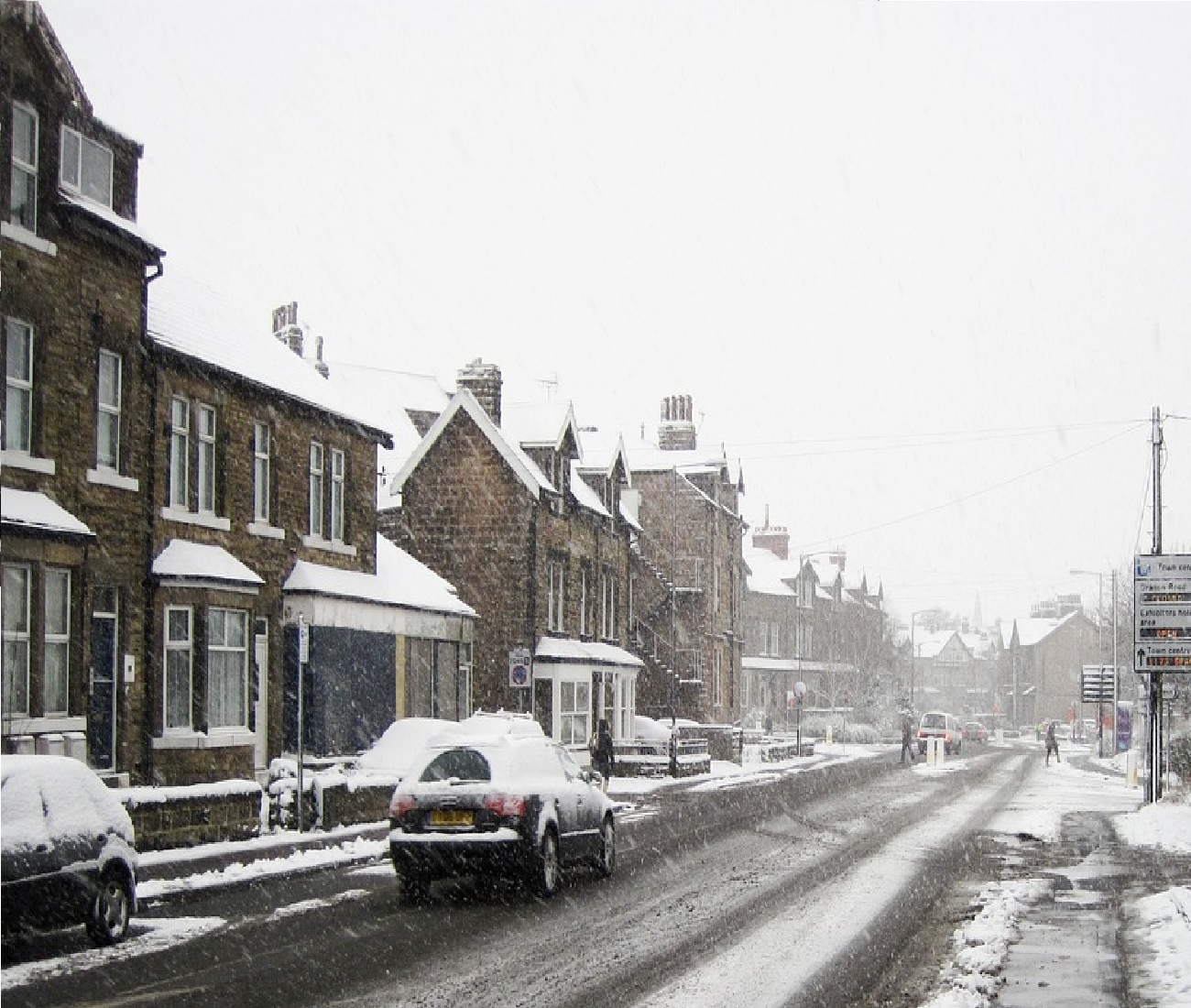
Your headlights are especially important for safe travel during the winter. In addition to the long hours of darkness, weather conditions such as fog, snow, sleet and rain reduce the ability to see and to
A safe, healthy workplace is also about food. A balanced, nutritious diet can boost energy and combat fatigue.

They carry you through heat or cold, wet and slippery conditions. Your feet are also at risk from falling construction materials and equipment. No wonder wearing approved steel-toed boots can be required on the job.

How This Affects You: Don't think fate wouldn't leave you stranded in a vehicle during a snow storm. This happened to school bus driver Carl Miller in Colorado.
How This Affects You: Many workers like you are killed or injured in workplace fires each year.
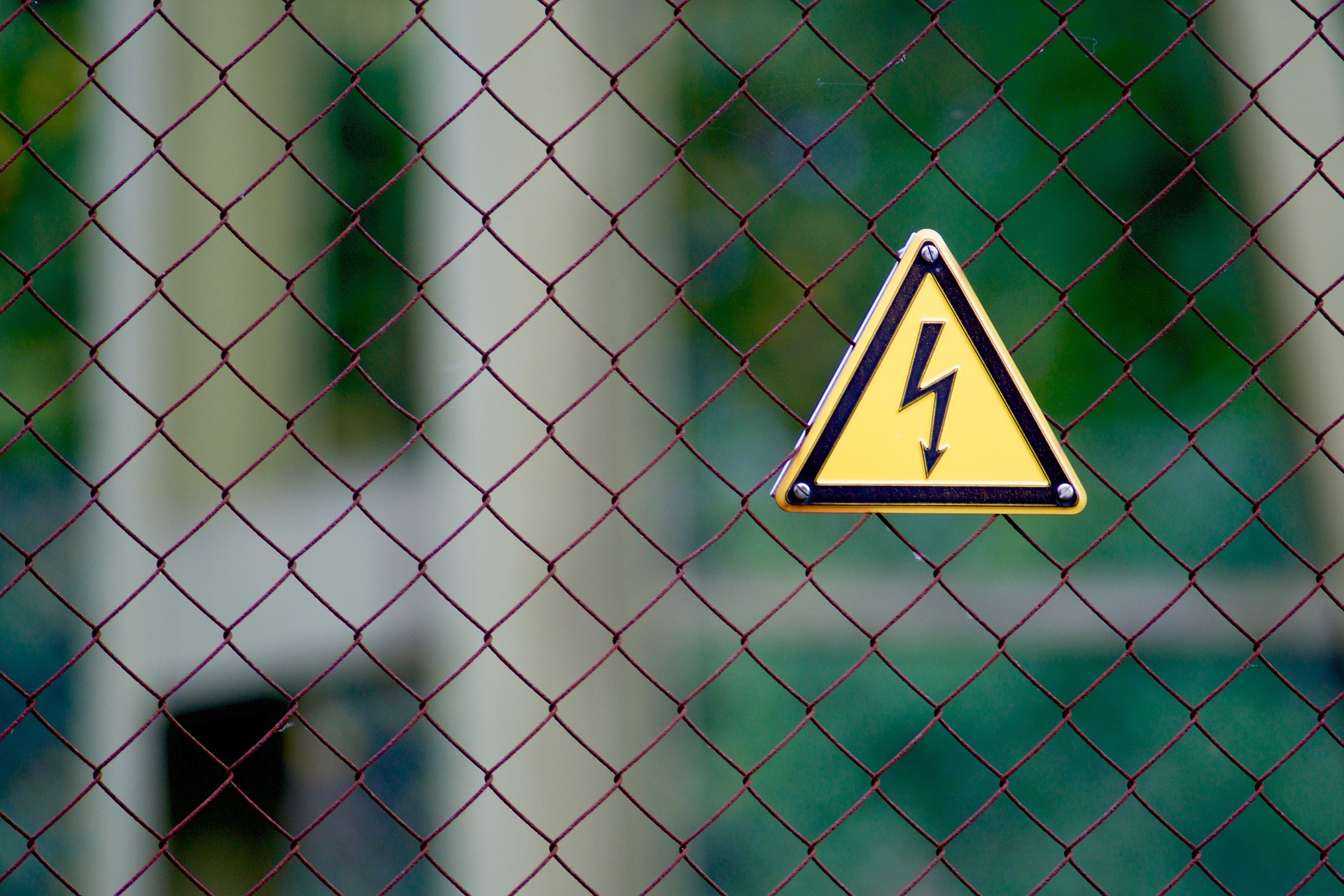
If you have to work on equipment that cannot be de-energized before you work on it, you need knowledge about arc flash. It can cause traumatic injuries and death.
Al tener cuidado y ser consciente de la importancia de la seguridad contra los incendios, usted contribuirá a su protección y a la de sus compañeros.

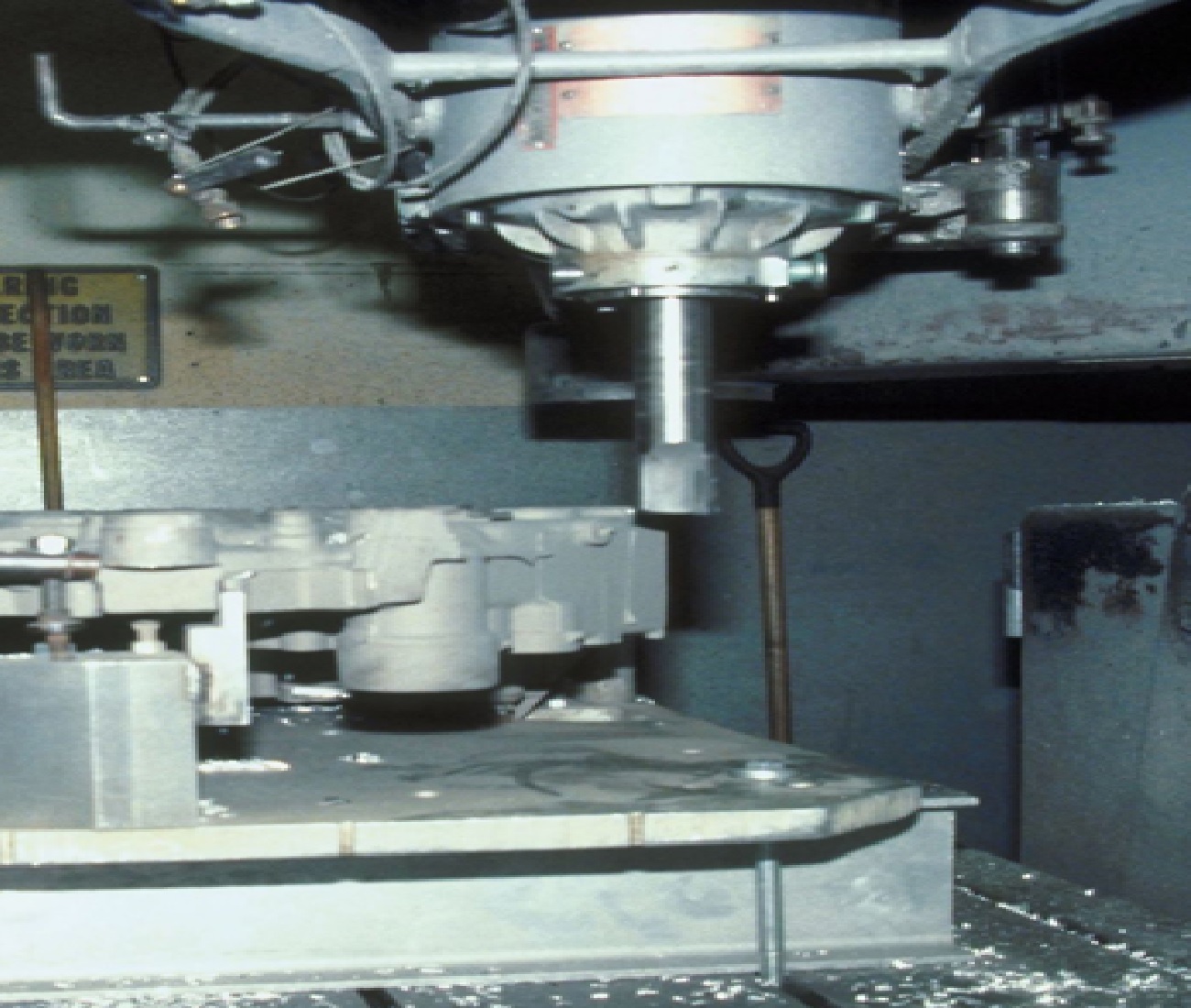
Lockout procedures eliminate the chance a machine could become energized whenever it is being cleaned, repaired, maintained, or unjammed.
Quick! A co-worker has just been seriously injured and emergency medical assistance is needed. Do you know what to do?
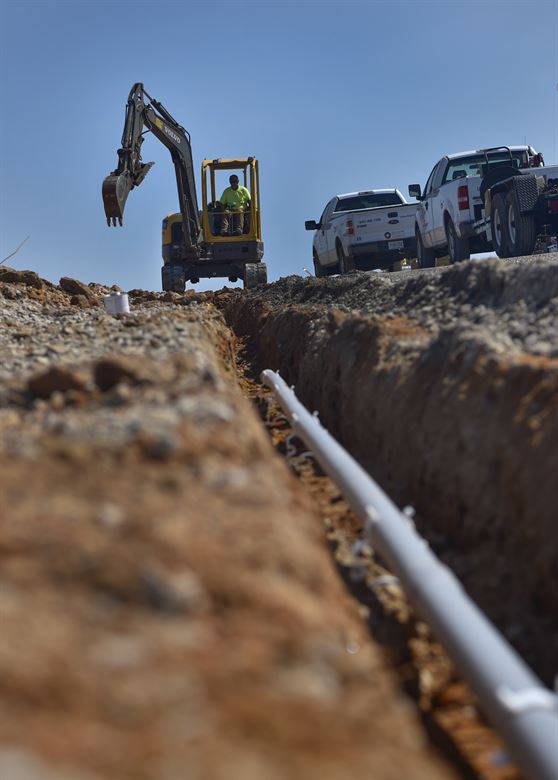
Every month in the United States, an average of two workers die after being caught in collapsing trenches. In Canada, about 10 workers die in trench collapse incidents each year.
Overhead power lines are a danger on and off the job. When doing roof or yard work at home, follow the same precautions you would on the job and keep a safe distance from power lines.
Feeling overworked? You’re not alone. Whether as a result of working long hours, extra jobs, or spending too long watching late-night television, many workers are getting less sleep than they need.

Falls are the most common cause of workplace injuries and the second leading cause of accidental death in North America.

In this Safety Talk, learn about trench hazards and evacuation procedures to help prevent workers being injured or killed if a trench they are working in collapses.
Of all occupational injuries, falls are the second leading cause of death next to highway crashes.
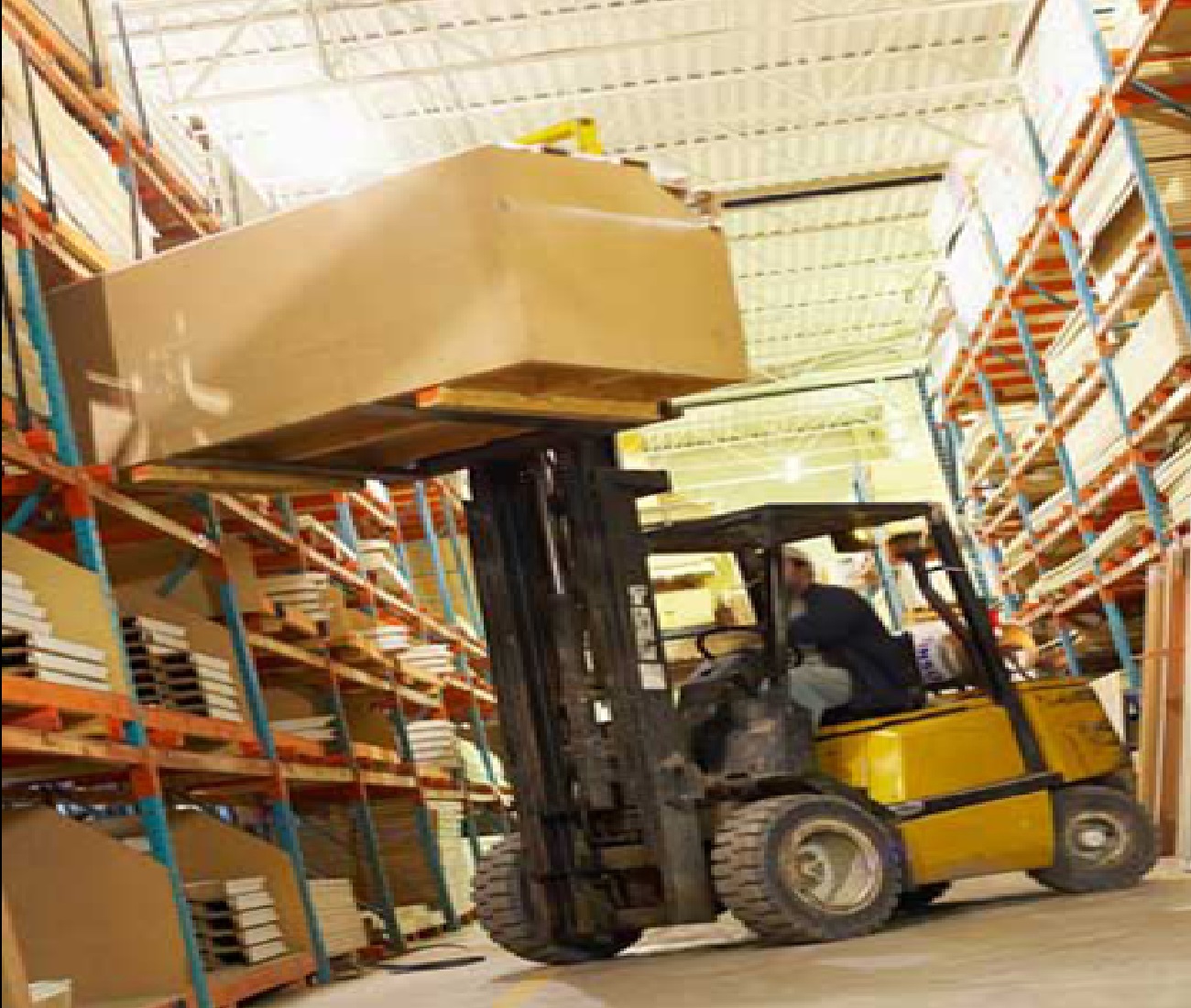
Many forklift injuries are received by people working or walking around forklifts in operation.
Highway work zones continue to have far too many traffic fatalities. Hundreds of people are killed in work zones each year. The victims include both construction workers and occupants of the vehicles trying to rush past them.
Cuts and contact with substances in trash could expose you to dangerous chemicals and infections.

The hazards associated with compressed gas include oxygen displacement, fires, explosions, toxic effects from certain gases, reactivity and projectile concerns.
Does it drive you nuts to observe careless people? They slide out of the pickup in the parking lot trailing candy bar wrappers and coffee cup litter.