8 Tips for Working Safely in Winter
Unless you’re fortunate enough to live in a climate of perpetual summer, or something close to it, cold winter weather is a chilling reality for millions of people across North America.
A sudden gust of wind can be annoying to most people as it blows dirt into their faces or sends hats flying. But if you work outdoors, the wind can damage much more than your previously cheerful mood.
Fatal or disabling head injuries happen when people are hit in the head with running equipment, tools falling from above, broken machine parts propelled through the air and many other moving and stationary objects.
In this Safety Talk, we’ll look at what actually happens to our bodies as we age, why weight lifting helps us stay fit, and which exercises will help maintain muscle mass and strength.
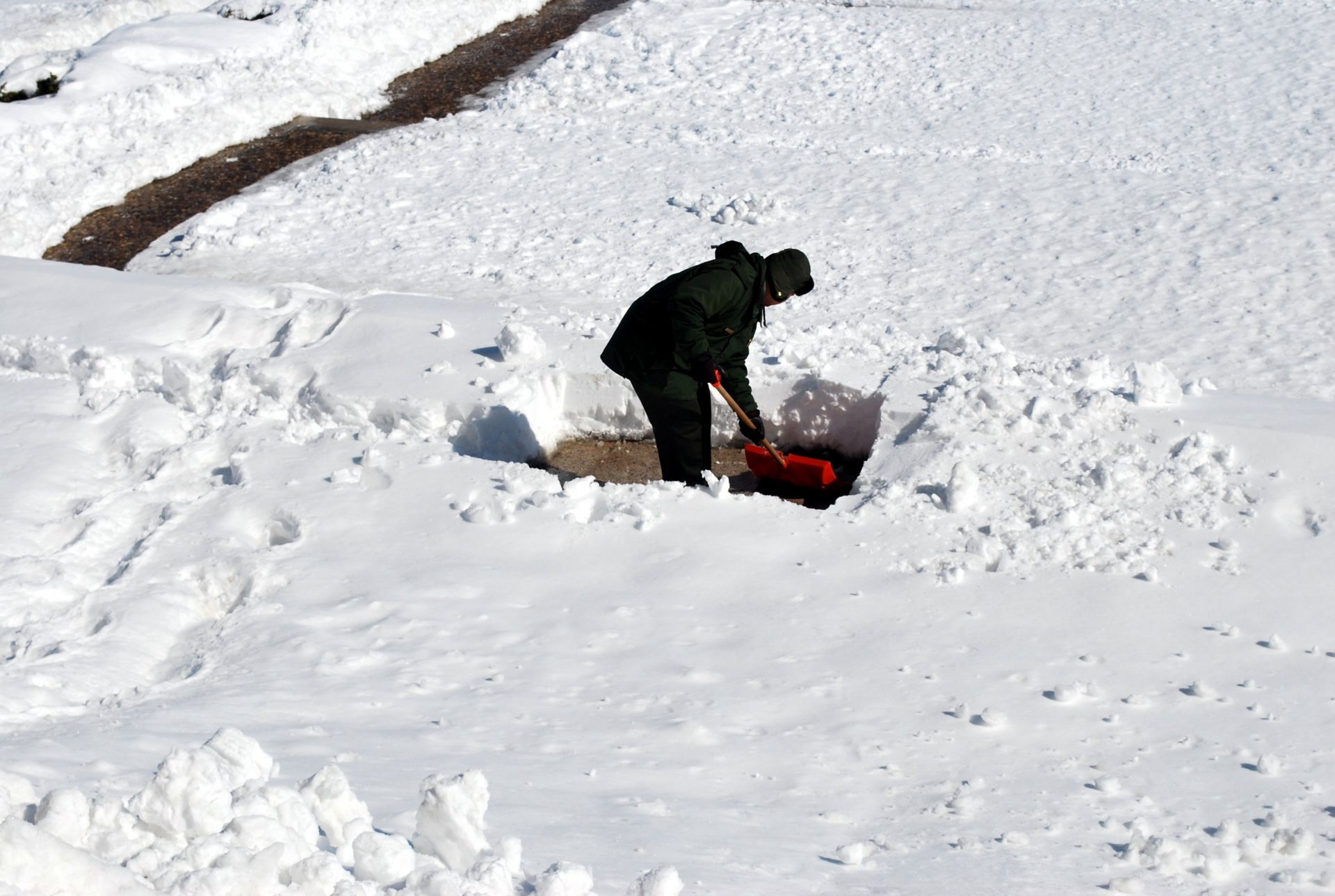
Winter weather can be unpredictable and dangerous. Getting caught in a winter storm can be downright deadly if you aren’t prepared.
Each year over 20,000 workers are injured and hundreds are killed in road construction work zones.
A job hazard analysis (JHA), sometimes called a job safety analysis (JSA), is a thorough work plan that is the cornerstone of any safety program.
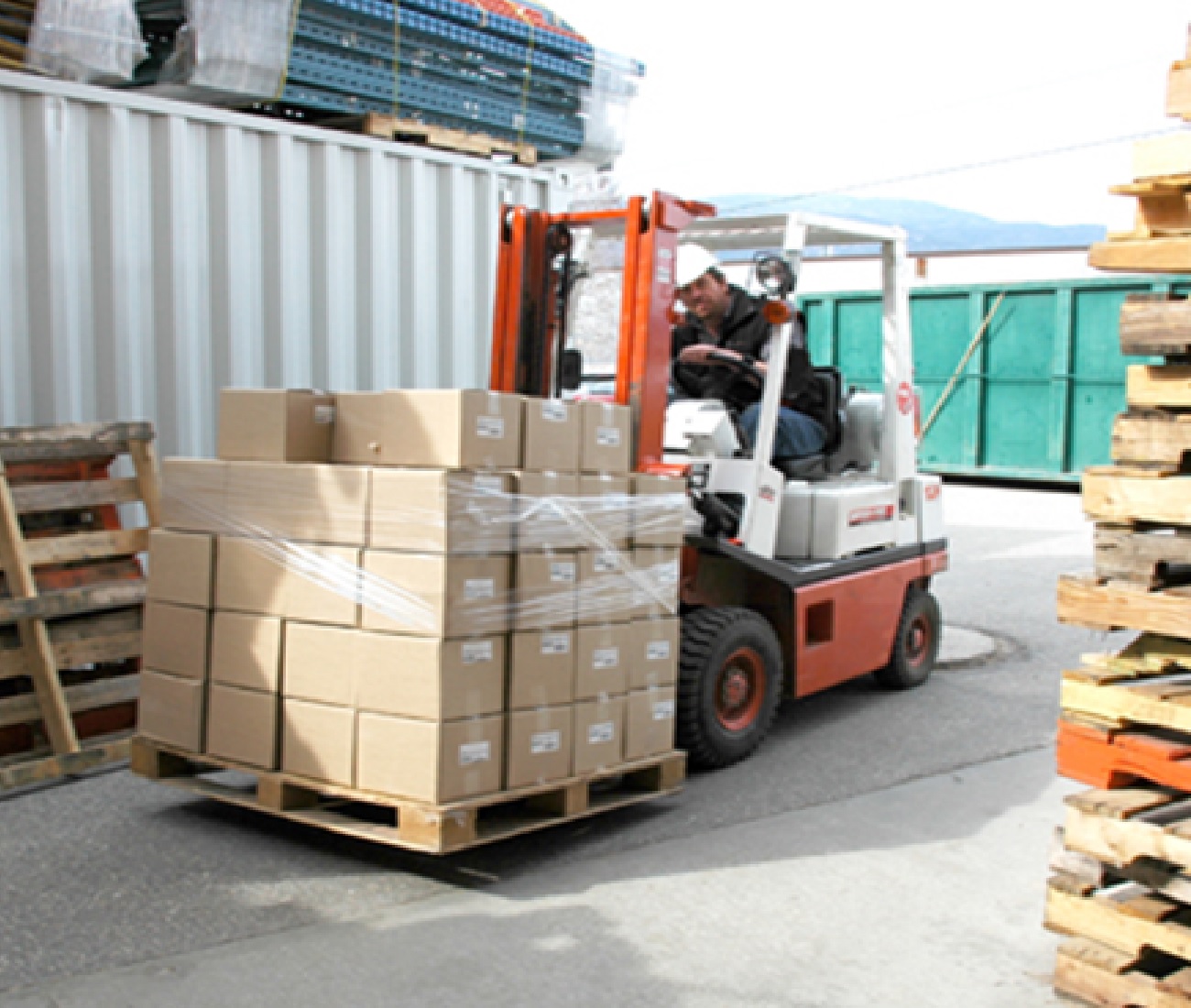
Loading and unloading cargo is a routine task at many workplaces. And it?s a task that requires establishing and following safe procedures.
Swimming and boating are staples of summer fun. The fun can quickly turn to tragedy though, when water and boating safety are thrown overboard. On average, 1,000 people die in boating-related accidents every year in North America and thousands more are injured. Additionally, more than 3,500 unintentional drownings, not related to boating, happen each year. The majority of these deaths are preventable.
There's one at every job site - the practical joker. He thinks he's pretty funny, but he's playing around with your safety. Horseplay on the job is dangerous. Work situations are risky enough already without
Early signs of these skin problems include dryness, redness and itching. The skin may become swollen, cracked, scaly and thickened. Blisters may develop. How fast a skin reaction develops depends on the strength of the
Workers need to prepare for all possible emergencies, even those as unlikely as terrorist attacks. In some workplaces, this threat is considered more possible than in others.

The first few minutes are important for the survival of any accident victim. If you can provide prompt and proper first aid while waiting for medical assistance to arrive, you greatly increase your co-worker's chance for a complete recovery.
We're all grownups around here, right? Everyone has a job to do and every job is taken seriously.
If you want to horse around, join the equestrian team or the jockey club, but don't take part in horseplay at work.

A hot work environment or summer weather can bring heat illness - in three stages.
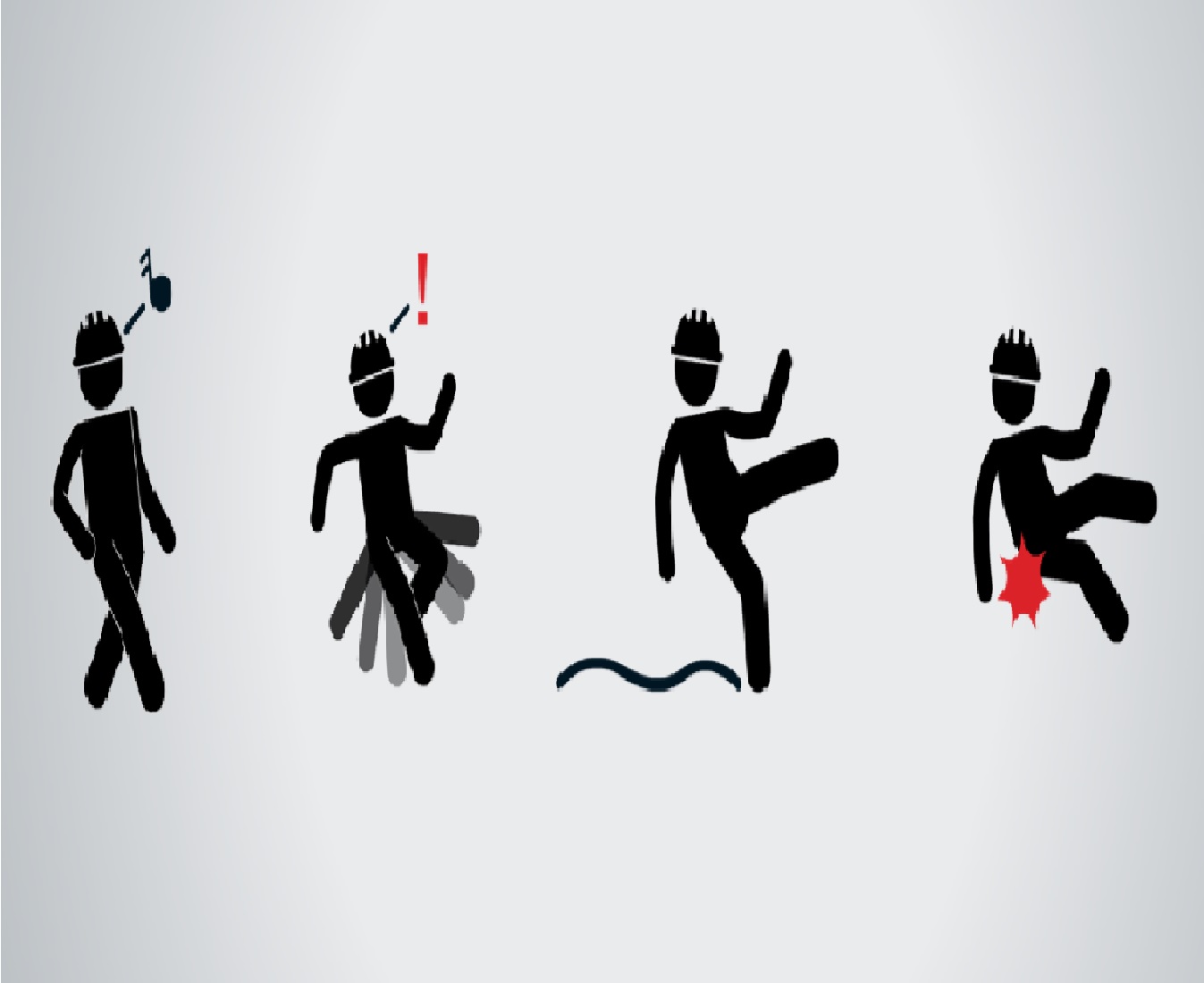
Slips, trips and falls are responsible for the majority of general industry injury incidents.

There are a number of hazards your hands encounter every day on the job. Here are a few examples.
Every day, without noticing, we pass doors that have "Exit" signs. Usually we don't remember that emergency exit doors are vital to our safety.
Unexpected emergencies occur in workplaces every day in factories, plants, offices and warehouses, as well as construction sites and on the road. It could be a fire, fatal injury, flood, earthquake, shooting, tornado, chemical spill or another kind of crisis. So it’s important that companies have an emergency response plan to cover all expected and unexpected disasters. For this plan to be effective, all employees must be trained in the roles they will play in an emergency.
Once the snow starts to fall, our driving skills are pushed to the limit. Do you know how to drive properly in winter conditions? A few moments spent thinking about it now could save you from problems later when you’re out on the road.
Today’s workforce is rich in diversity. Working together are people of different ages, cultures, physical abilities, education, sexual orientation, language and religious beliefs. Each of us is unique, and our different strengths and perspectives contribute to the strength of our teams.
Every tool has a purpose, but many workers attempt to find new and unsafe applications for the tools they use. And the common screwdriver just might be the most misused tool in the workplace.
Using poor-fitting respiratory protection can be as bad as using nothing at all. Even worse, the harm to your body from respiratory hazards can be impossible to detect or even take years to develop.