add new Teach Category
Hand Tool Hazards
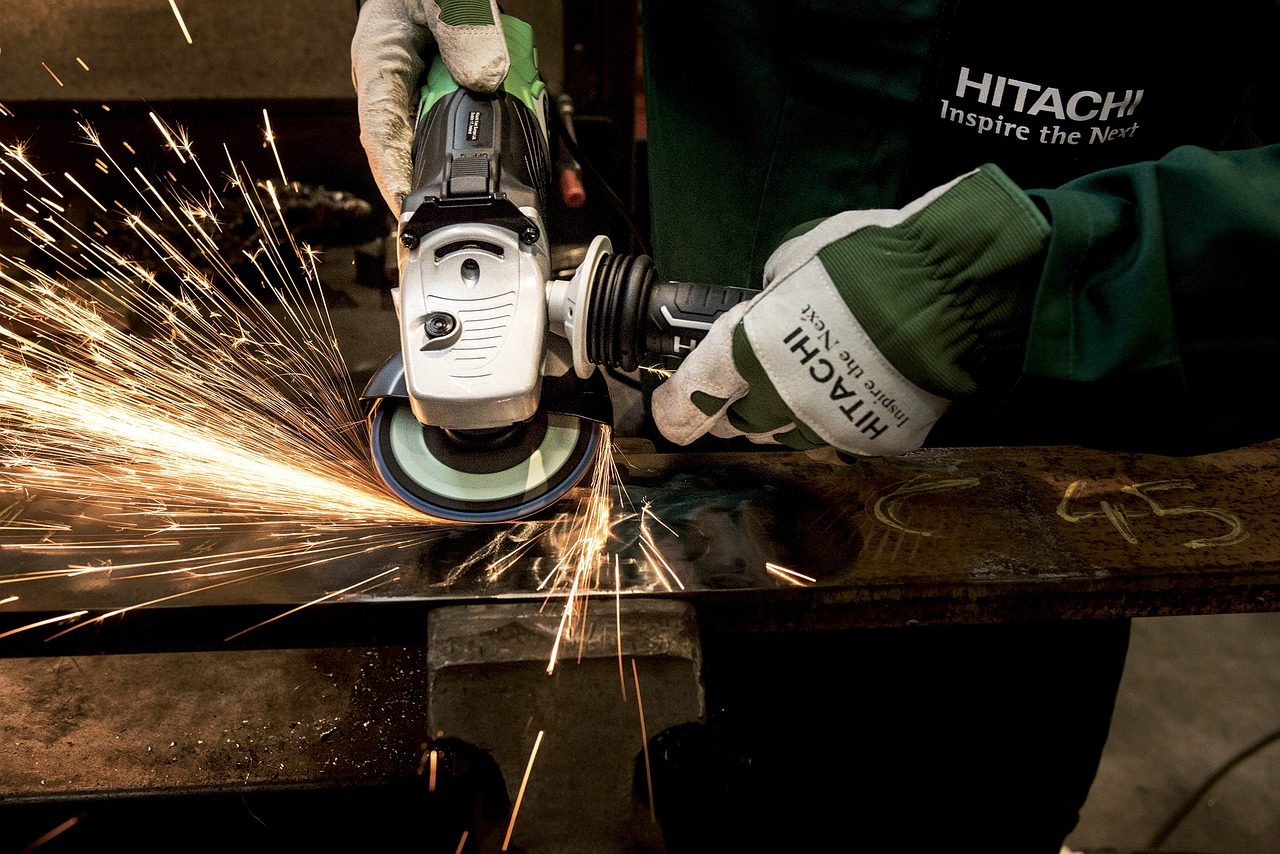
We all know how important it is to use caution around power tools. But what about tools in general? Can a wrench really be dangerous?
add new Teach Category

We all know how important it is to use caution around power tools. But what about tools in general? Can a wrench really be dangerous?
Energy keeps the workplace going, but it can also kill. Unexpected release of energy is the cause of many serious injuries.

Compressed air can make short work of everything from changing tires to nailing and stapling, but its power demands respect.
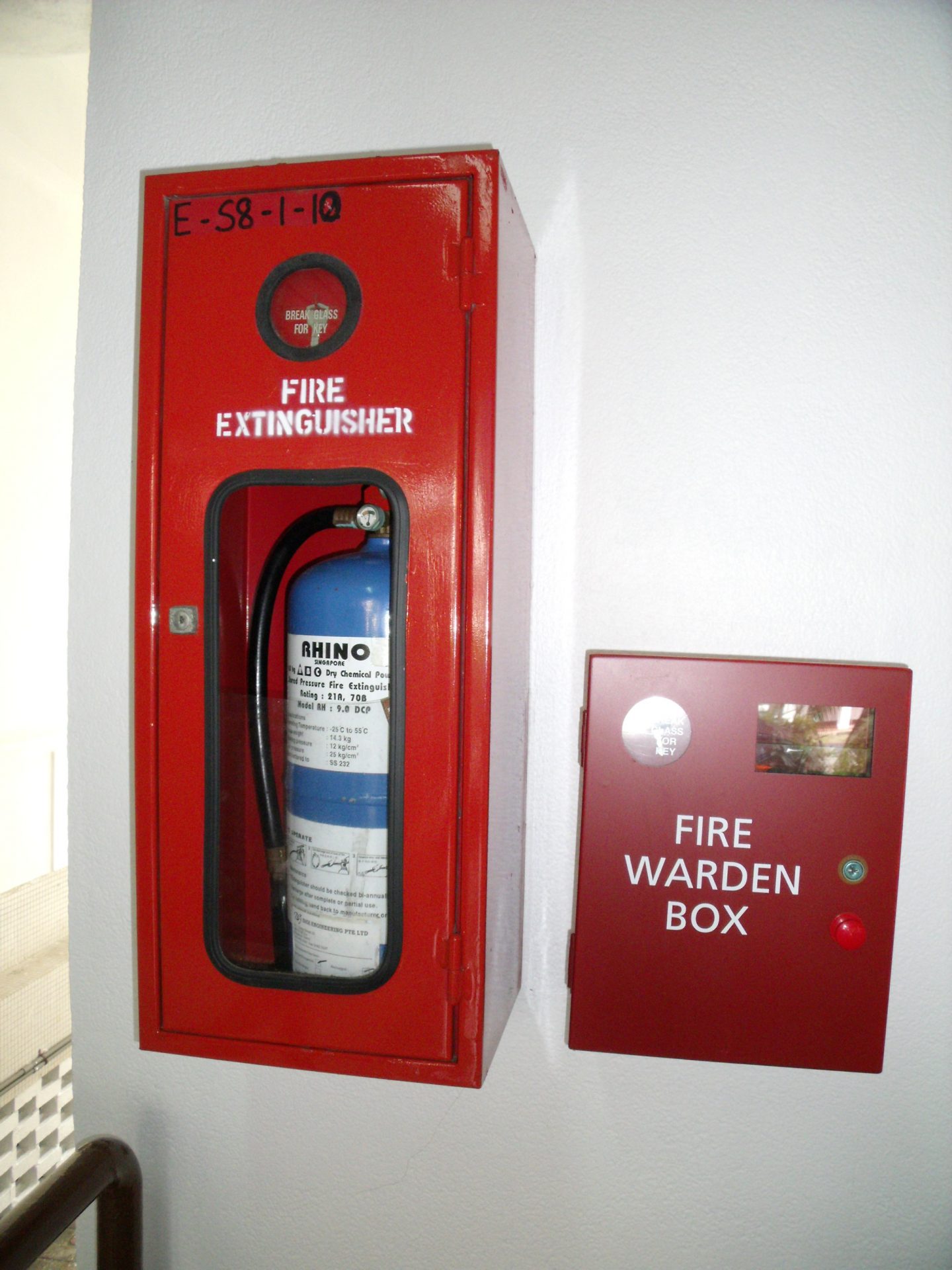
Workplace fires account for many injuries and deaths, with approximately three percent of workplace fatalities being related to fire and explosions. Not only do workplace fires cause injuries and deaths, they also cause millions of dollars worth of property damage every year, leading to job losses. In fact, a great many of the workplaces destroyed by fire are never rebuilt.
If there are certain times of day when you are fighting the urge to sleep, you aren’t imagining things. Any night shift worker will tell you that the urge to sleep is strong between 2 a.m. and 6 a.m. What you might not know is that another lull occurs in the early-to-mid afternoon.
Focusing on a stationary object like a screen for a long period of time can have health consequences. The most common is a temporary condition called Computer Vision Syndrome (CVS).
Every day we hear about environmental concerns including the diminishing ozone layer, overflowing landfills, pollution ... the list is endless. The problems seem so immense, what can one person do? The short answer is, plenty!
Is there a manhole to a sewage system near your workplace, or an underground vault for an electrical system? Any boiler, tunnel, well, silo, shaft or poorly ventilated crawl space can be a potentially dangerous confined space.
Hand and finger injuries can range from a minor inconvenience to a life-altering event. Read this Safety talk article and learn about 10 ways to protect yourself against cuts and lacerations - one for each finger.

Every day thousands of workers are exposed to sight altering and life altering eye injuries. Of those workers exposed, over 2,000 end up needing medical treatment each day because of a job-related eye injury.
You’re in free fall after a misstep sent you over the edge of elevated work, 40-feet off the ground.
Occupational divers put themselves at risk every time they brave the depths, whether?harvesting seafood, repairing ships or retrieving golf balls from ponds.

Safety Talk WHAT'S AT STAKE Millions of workers in North [...]
Thousands of people across North America become victims of unintentional poisoning every year. A major contributor to this problem is when toxic chemicals are stored in unlabeled containers.
Housekeeping at work is about much more than cleaning windows and sweeping up dust bunnies. Poor housekeeping can cause injuries, slow down production, dampen morale, start fires and cause catastrophic explosions of combustible dusts.

Meanwhile, Bill the operator returned from his break. He did not see John and there was no indication the machine was under repair. Assuming his machine was ready to run, Bill started it. He had
Your workplace is most likely equipped with safety showers and eyewash stations and you may have used them. Not only are they used in emergency situations to wash away harmful chemicals or put out clothing
Traffic accidents, falls and assaults are just a few of the perils of workplace parking lots and garages.
The hardhat is an essential piece of safety gear no construction worker should be without. Not all hardhats are made equal, however. Some provide only minor protection, while others are designed to protect workers from falling objects and electric shocks as high as 20,000 volts.
How This Affects You: Nearly 6,000 people every year suffer serious eye injuries from working around batteries. Don't be one of them.

Your workplace probably has countless electrical tools and devices capable of delivering a fatal electrical shock.
Your workplace probably has a committee that discusses safety issues.
Nearly any worker could encounter bloodborne pathogens -whether bandaging a co-worker's cut, stepping on a used hypodermic needle in the alley or helping an accident victim on the way home.

Chemicals enter the body in a number of different ways. A chemical can be absorbed by the skin, inhaled, ingested or through a puncture like a needle. Once in the body, chemicals are circulated by
By understanding the basics of ergonomics and how they relate to your job, you may be able to prevent painful injuries.