
add new Teach Category
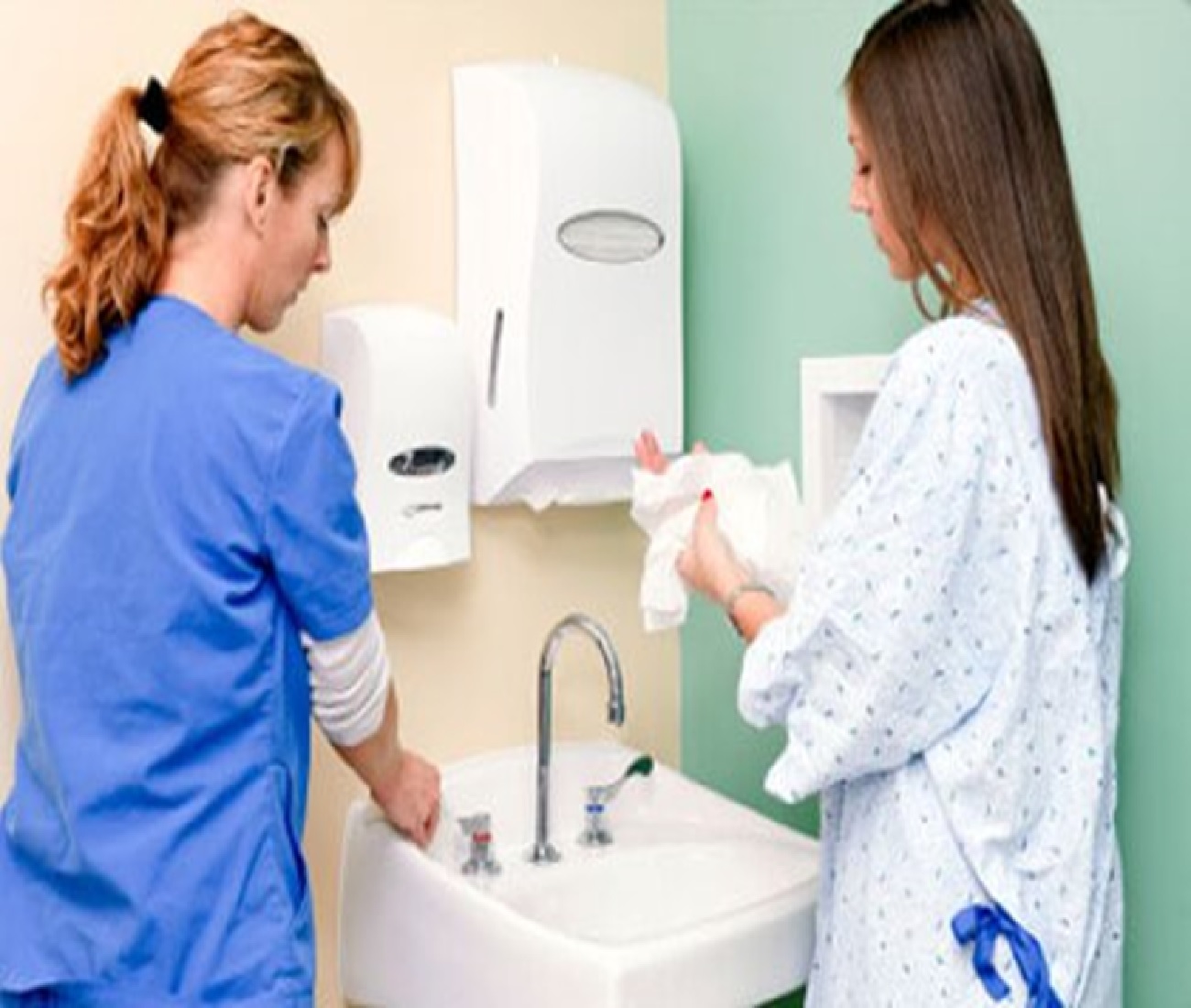
Healthcare: Hand Hygiene
Infections are a serious problem in healthcare facilities. Many people develop an infection while using healthcare services. Such infections are known as healthcare associated infections (HAI).
add new Teach Category
Infections are a serious problem in healthcare facilities. Many people develop an infection while using healthcare services. Such infections are known as healthcare associated infections (HAI).
During a busy shift, an OB technician helped with many crash deliveries and operations. Consequently, surgical instruments and trays that should have been washed, piled up on the sink counter and eventually knocked over a gallon jug of 4% formaldehyde. The employee was in and out of the utility room, doing the dishes between surgeries, and noticed that her throat was sore.

Slip, trip, and fall injuries are one of the most common causes of workplace injuries and death. The falls from slips and trips can lead to disabling injuries, traumatic brain injuries, surgeries, and countless hours in rehab. These types of injuries are painful and costly and can put stress on your relationships, lead to depression, anxiety, and in some cases post-traumatic stress disorder, or PSTD.
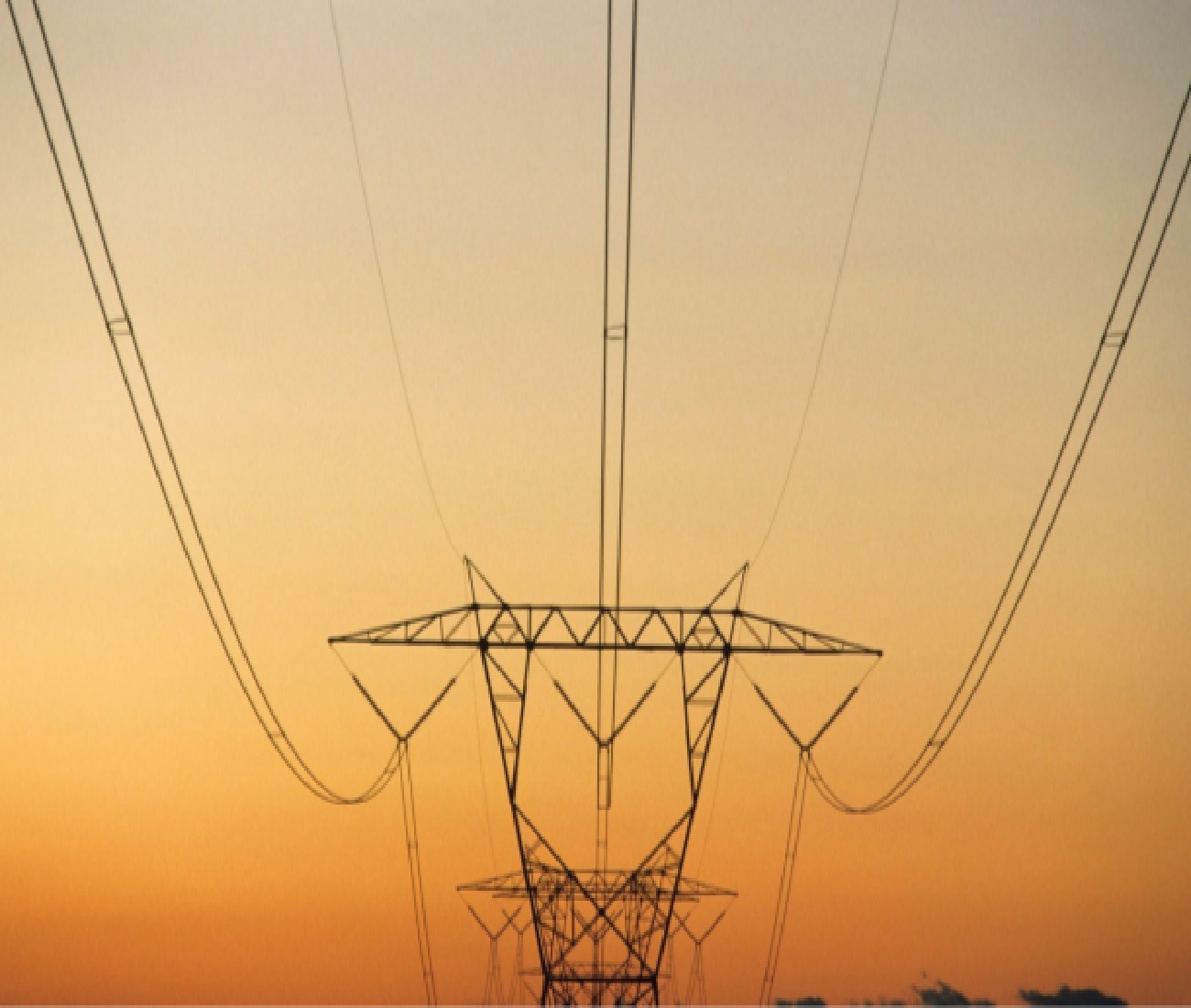
When you install or remove overhead lines, you must protect yourself and others against hazards that could expose you to shock, electrocution, falls, flying and falling objects, and burns.
A trench is an excavation, too, if it isn’t more than 15 feet (4.5 meters) wide at the bottom. And, if you install forms or other structures in an excavation that reduce its width to less than 15 feet, measured at the bottom, the excavation is also considered a trench.
Few experiences may be as frightening as when a crane becomes unbalanced while a load is being lifted or when the crane collapses under the weight of an excessive load. An unbalanced load or crane collapse can cause death to the operator, other construction workers, can cause damage to property or equipment.

Hazardous Locations are defined as premises, buildings or parts thereof where fire or explosion hazards may exist due to the presence of flammable gases or vapors, flammable liquids, combustible dusts, or easily ignitable fibers.

Hazardous Locations are defined as premises, buildings or parts thereof where fire or explosion hazards may exist due to the presence of flammable gases or vapors, flammable liquids, combustible dusts, or easily ignitable fibers.
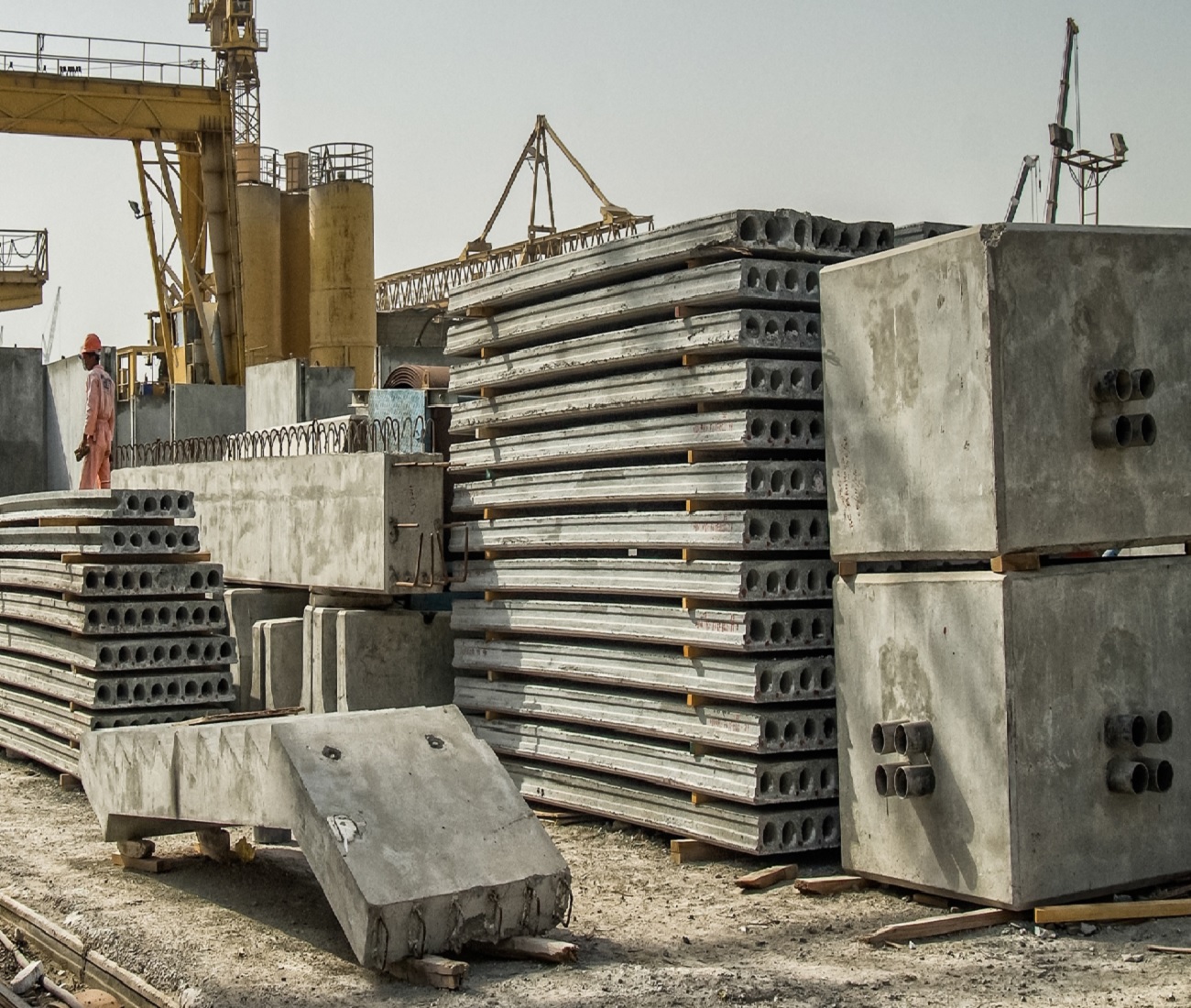
A 40-year-old worker was killed at a construction site recently in Toronto. According to police, concrete panels had fallen onto the worker as they were being unloaded, and the man became trapped.

The potential for serious injuries and even fatalities is very high when thinking about work involved for concrete and masonry workers. Precast concrete, lift-slab operations, and masonry construction all pose different types of risk, and all have the potential for multiple employees to be hurt or killed if these risks are ignored.
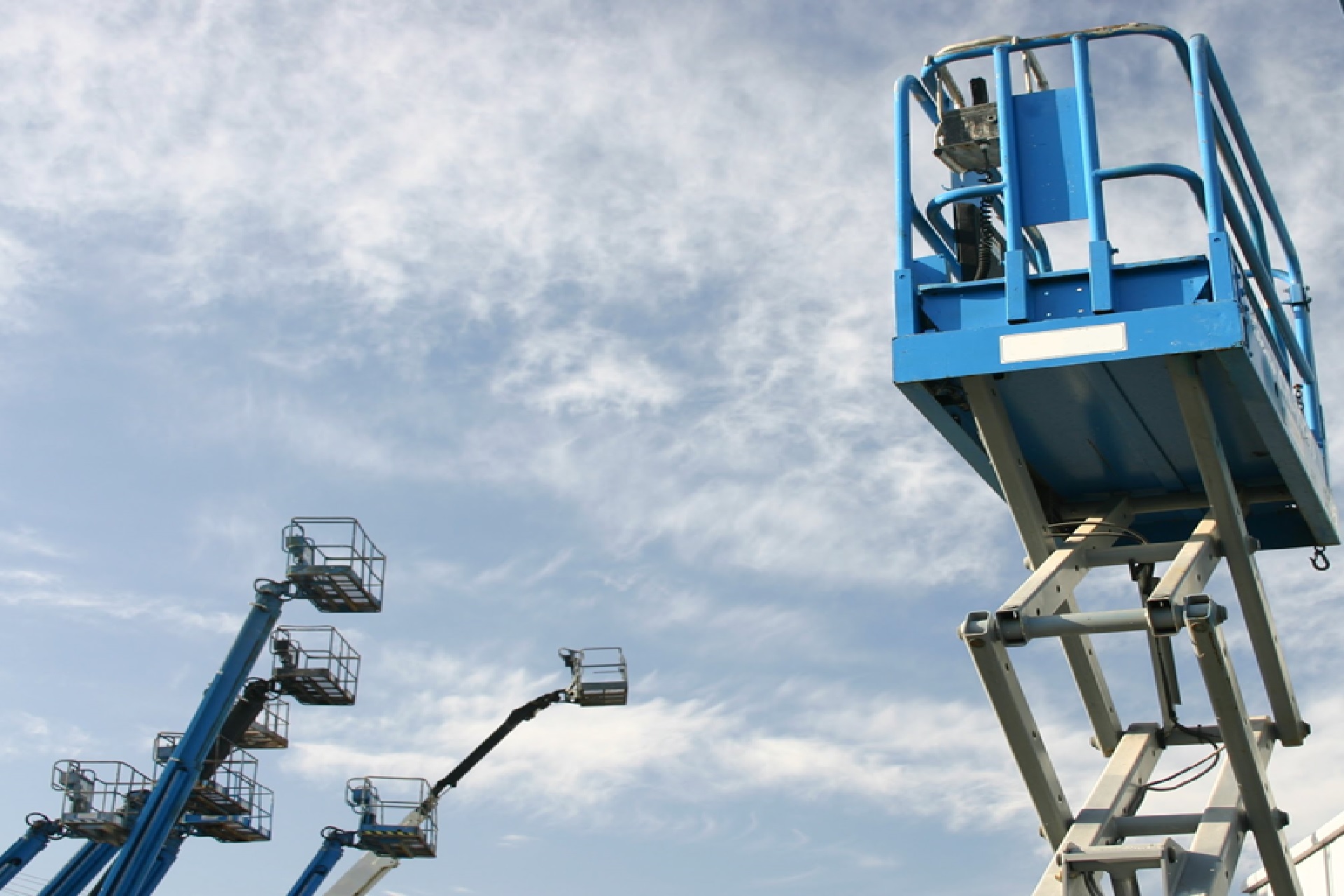
Aerial lifts are commonly used by utility workers. Aerial lifts include boom-supported aerial platforms, such as cherry pickers or bucket trucks, and elevating platforms, such as scissor lifts.
Workplace fire safety is about preventing fires from starting —but also vital is dealing with a fire when it does start. If fire breaks out in your workplace, do your workers know what to do?
When someone is choking with a completely blocked airway, no oxygen can enter the lungs. The brain is extremely sensitive to a lack of oxygen and begins to die within four to six minutes. Irreversible brain death occurs in as little as 10 minutes.
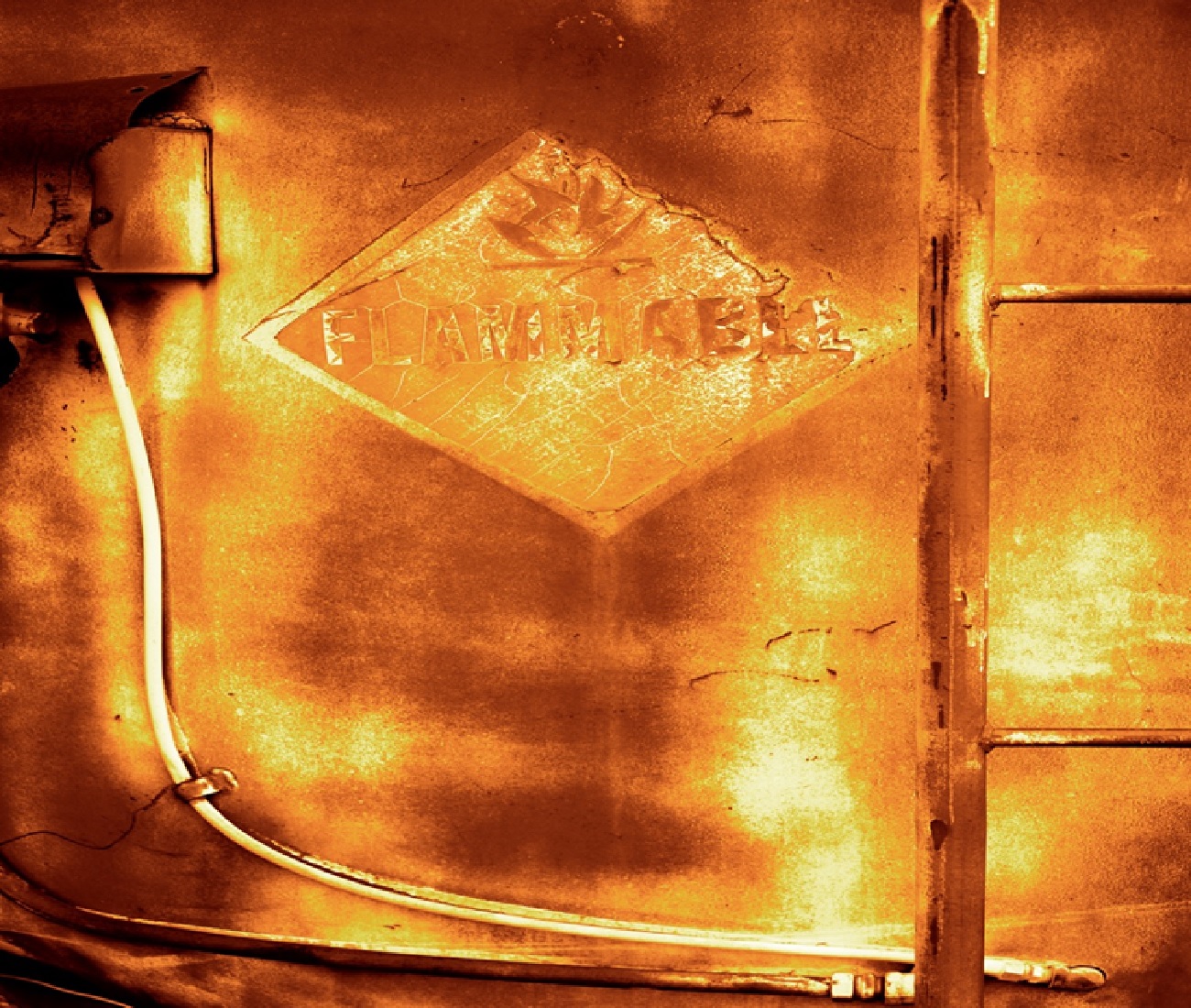
Flammable and combustible liquids are present in most workplaces. When used and stored properly these liquids rarely present a problem. But, when that’s not the case, the results can be catastrophic.
Charging and changing the lead-acid batteries used to power forklifts present four serious, and potentially life-threatening hazards, including corrosive liquids and electrical hazards.
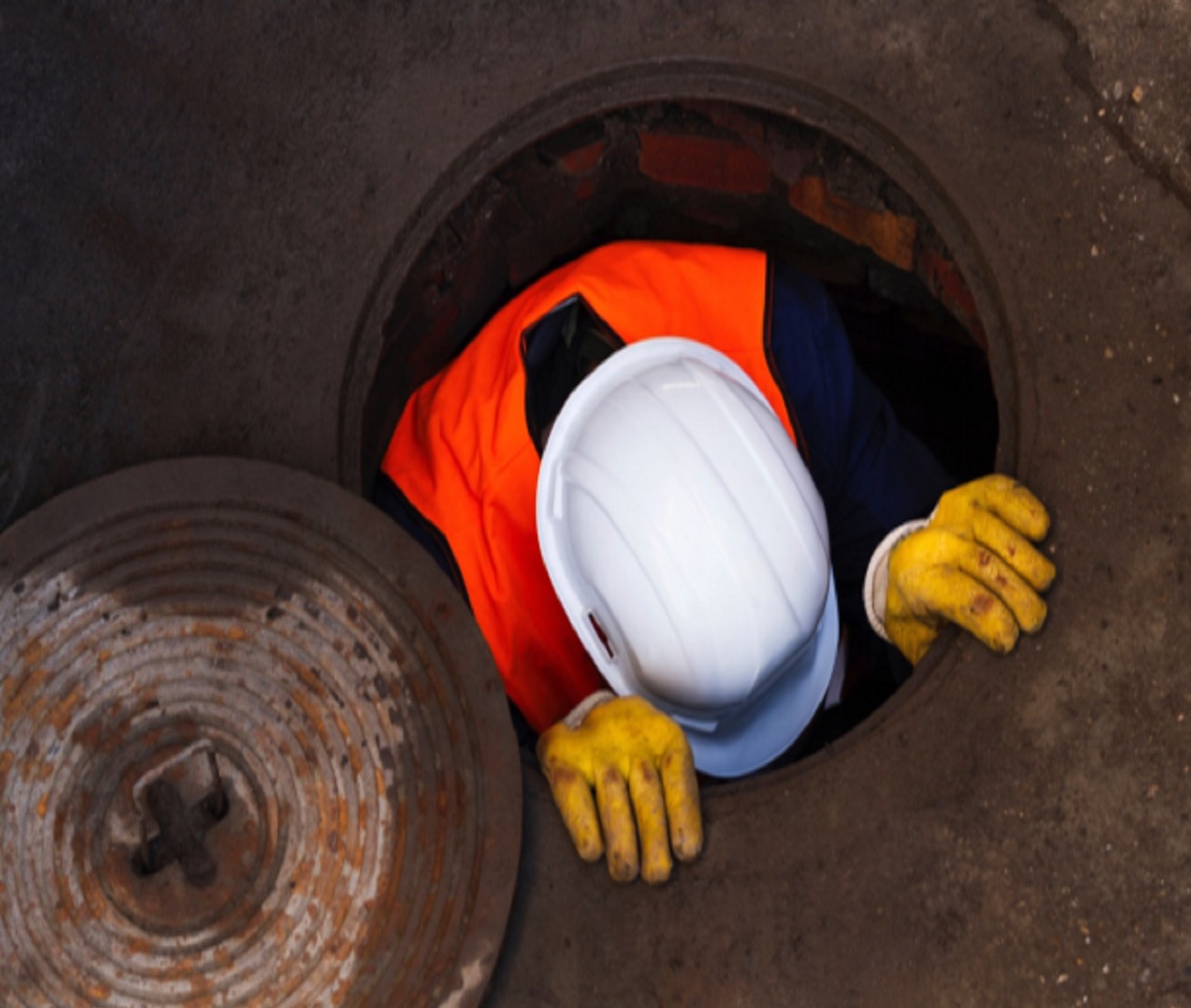
Increasingly, utilities are installing much of their services underground.

Struck-by incidents contributed to almost 1,000 construction worker fatalities in the last 5 years according to a new report from the Center for Construction Research and Training.
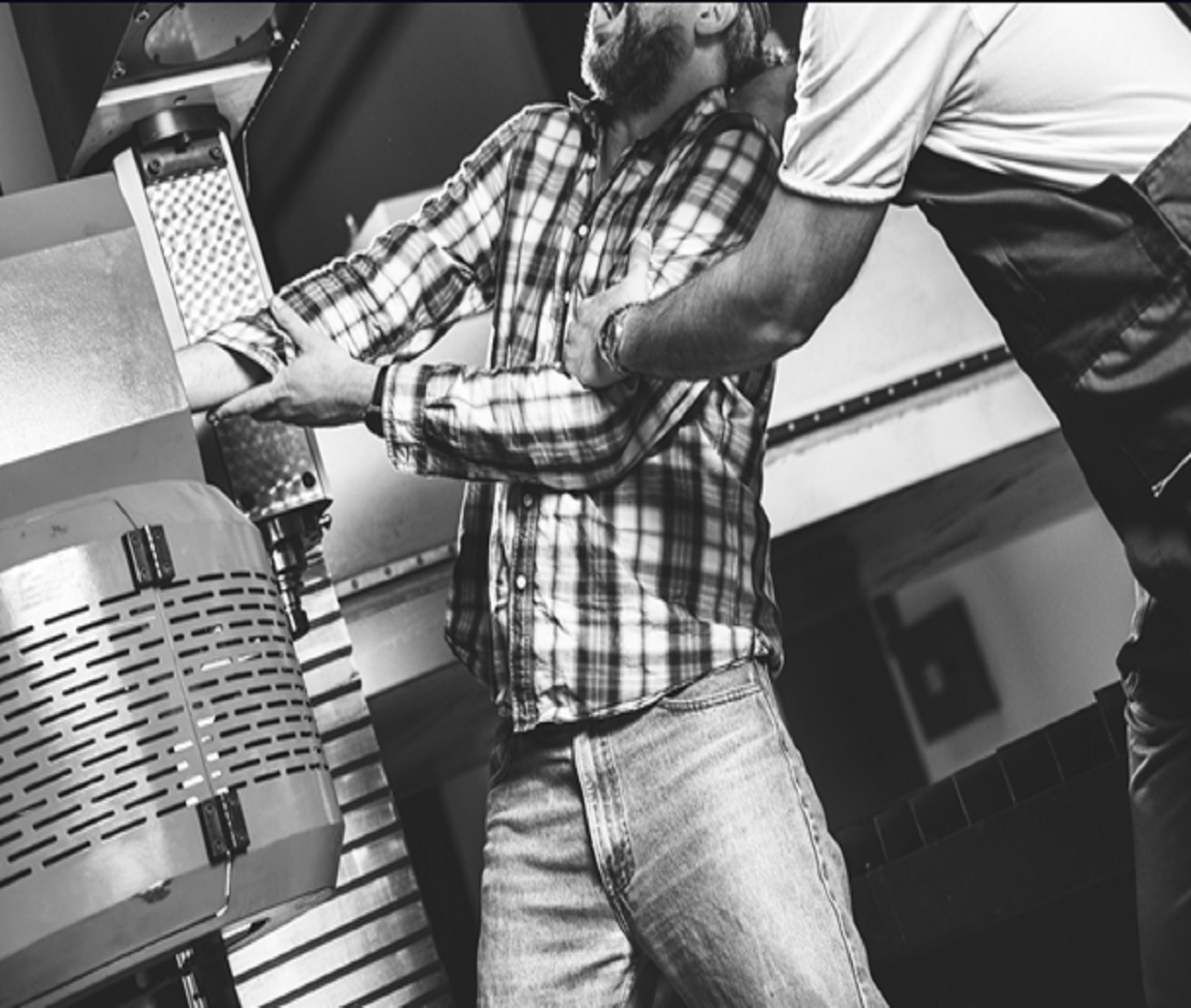
Caught-in and caught-between hazards account for:
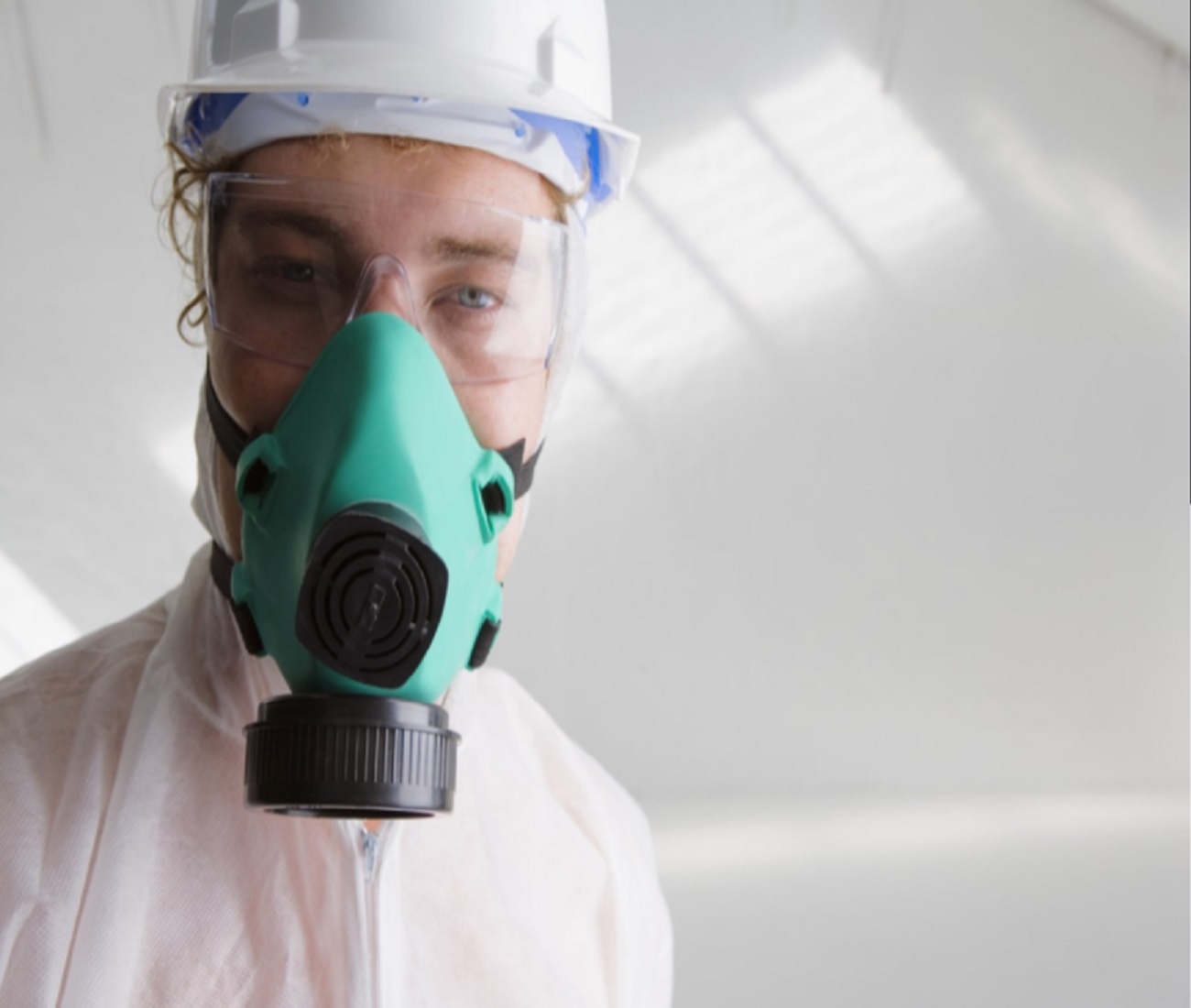
If a respirator is required for a job you’re doing it means there is a risk of inhaling contaminants such as harmful dust or gas.
Safety Talk What’s at Stake? Asbestos refers to six naturally [...]
What’s at Stake? Scaffolds make it possible to work at [...]

What’s at Stake? You’ve likely heard the sports metaphors… “There [...]
What’s at Stake? Every year, dozens of workers die and [...]
Passive and Active Fall Protection The best fall protection is [...]

What’s at Stake? New York Post - Two construction workers [...]
Since it's your first time, you may want to checkout some of the video tutorials.








 800-ICW-SAFETY (800.429.7233)
 SAFETYOnDemand@icwgroup.com
