Hello, Guest!

Hello, Guest!

add new Teach Category
Respiratory Protection: The Facts

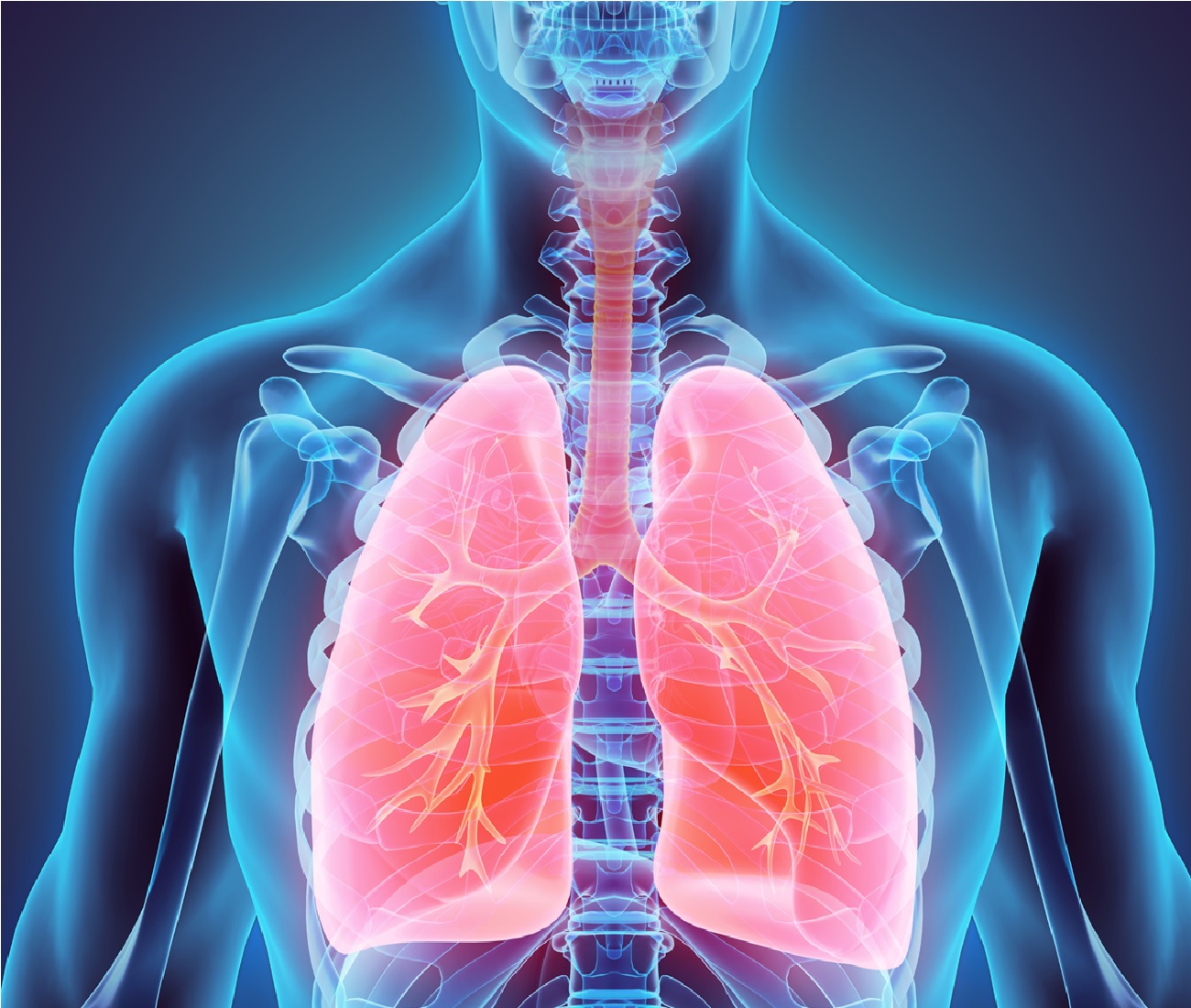
Sometimes it is difficult to respect a hazard you can???t see or one that may take years to affect you. Respirators can provide protection, but only if they are worn and used properly. Respiratory Protection creates an awareness and respect for the hazards by demonstrating with highly effective graphics how the respiratory system works and the effects of different airborne hazards. The program covers proper use, care and maintenance of air-purifying respirators and the importance of proper selection and fit. Respiratory Protection will educate and motivate your worker on when and how to properly use their air-purifying respirator.

Respiratory Protection: The Facts2018-10-01T00:00:00+00:00

Lockout/Tagout – Spanish

It is estimated that over 100 workers are seriously injured every day due to failure to properly lockout-tagout equipment. This program covers the purpose of lockout-tagout, the hazards associated with the accidental release of stored energy, proper lockout-tagout procedures for attaining zero energy state, proper startup procedures and special situations. Referred by many professionals as the best training program in the market, Lockout-Tagout creates an awareness and respect for the hazards and motivates your workers to follow best practices to prevent incidents and ensure their safety.

Lockout/Tagout – Spanish2018-10-01T00:00:00+00:00

Securing Loads Safely – Spanish

This program helps employees comply with DOT regulations relating to securing loads on tractor trailers. Topics include: different types of trucks and associated loading requirements, load securement procedures, number of straps needed for different loads, working load limits and other related safety information. Great training to ensure you and your vehicles are not cited or placed out of service due to non-compliance issues.

Securing Loads Safely – Spanish2018-10-01T00:00:00+00:00

Healthcare – Working with a Latex Allergy

Since it was recognized in the late 1970s, allergies to latex have become a major health concern. Latex is used in a variety of applications and products, which leads to an increasing number of people in the workplace being affected. 

Healthcare – Working with a Latex Allergy2018-09-23T00:00:00+00:00

Laboratory Equipment Safety: Autoclaves/Sterilizers

A postdoc was badly scalded by water while removing items from the top autoclave of a tower-style autoclave. To autoclave her own materials, the doctor began to remove a load that belonged to another laboratory while standing on a low step-stool. The load in the autoclave consisted of a Nalgene tub that contained liter bottles of media with water around them. The water in the tub was near boiling temperature, and as the doctor attempted to remove it, the contents spilled down her torso and thighs.

Laboratory Equipment Safety: Autoclaves/Sterilizers2018-09-23T00:00:00+00:00

Protecting Against Blood and Other Potentially Infectious Materials – Healthcare

All human body fluids, including sweat, saliva, vomit, and blood, can potentially be infected with bacteria or viruses. Some of these potentially infectious materials die almost immediately once outside of the body, but others can survive for several minutes, hours, or days in the air or on surfaces. Healthcare workers can never know until laboratory tests are returned which patients pose a threat.

Protecting Against Blood and Other Potentially Infectious Materials – Healthcare2018-09-23T00:00:00+00:00

Fundamentals of First Aid: Burns

A burn means more than the burning sensation associated with this injury. Burns cause skin damage because the skin cells die. Burns can happen at work and outside of work. In fact, burns are one of the most common household injuries, especially among children.

Fundamentals of First Aid: Burns2018-09-23T00:00:00+00:00

Healthcare: Staying Safe on the Heliport

A helicopter transfer may be needed due to the remoteness of the patient when they need medical attention, or the severity of their need requires rapid transfer to hospital care. Sometimes they need to move to a different hospital for treatment.  Whatever the specifics of the case, these medical needs are urgent and often life threatening. The fastest and safest way to get them to the care they need is by helicopter. But it’s not without risks.

Healthcare: Staying Safe on the Heliport2018-09-23T00:00:00+00:00

Laboratory Electrical Hazards

A scientist was conducting an experiment using a portable fluorescent lighting rack.  The lighting rack was plugged into an electric timer, which was plugged into the wall. However, since the timer only accepted a two-prong plug, an adapter was used to allow the three-prong plug of the lighting rack to be used with the two-prong outlet of the timer.

Laboratory Electrical Hazards2018-09-23T00:00:00+00:00

Laboratory Equipment Safety: Centrifuges

A laboratory was seriously damaged when the rotor of an ultracentrifuge failed while in use. Flying metal fragments damaged walls, the ceiling and other equipment. The shock wave blew out the laboratory's windows and shook down shelves.

Laboratory Equipment Safety: Centrifuges2018-09-16T00:00:00+00:00

Healthcare: Working Safely with Glutaraldehyde

Glutaraldehyde is a toxic chemical that is used in certain circumstances to disinfect and clean medical, surgical and dental equipment. It is used when equipment can’t be sterilized with heat, or if something can’t fit in a sterilizing unit.

Healthcare: Working Safely with Glutaraldehyde2018-09-16T00:00:00+00:00

Fundamentals of First Aid: Electrical Burns

An electrical burn occurs when skin meets an electrical voltage. It does not always leave a significant burn to the skin, but the electricity can cause significant internal damage to nerves, muscles and internal organs.

Fundamentals of First Aid: Electrical Burns2018-09-16T00:00:00+00:00

Fundamentals of First Aid: Poisoning

Poisoning, accidental or intentional, causes significant harm or death to many US and Canadian people. Poisoning takes many forms as harmful chemicals can be breathed in, swallowed, touched or injected.

Fundamentals of First Aid: Poisoning2018-09-16T00:00:00+00:00

Healthcare: Preventing Injury from Needlesticks and Sharps

Close to 400,000 healthcare workers a year sustain an injury by used hypodermic needles and other sharp instruments such as a scalpel blade and suture needles.

Healthcare: Preventing Injury from Needlesticks and Sharps2018-09-14T00:00:00+00:00

Laboratory Equipment Safety: Biosafety Cabinets

Recently, a researcher left a lit Bunsen burner inside a BSC, closed the sash and walked away. The type of biological safety cabinet she was using recirculates about 70% of the air with 30% of the air going out of the exhaust.

Laboratory Equipment Safety: Biosafety Cabinets2018-09-14T00:00:00+00:00

Healthcare: Keeping Housekeeping Staff Safe

Housekeeping staff working in healthcare play an important role in keeping the environment safe for patients, staff, and visitors. They may not provide direct clinical care to patients, but they work around patients, and in areas where clinical care has been given.

Healthcare: Keeping Housekeeping Staff Safe2023-09-04T14:56:17+00:00

Fundamentals of First Aid – Fractures

A fracture is the medical term for a broken bone. The break can be along the length of the bone or across the bone, so it looks as though the bone has snapped. These are generally clean breaks but sometimes the bone can fracture in several places, especially if the fracture is caused by a fall from a great height or from being crushed.

Fundamentals of First Aid – Fractures2018-09-08T00:00:00+00:00

Healthcare: Keeping Healthcare Workers Free from MRSA

Staph is a very common, generally problem free, bacteria that lives in the nose or on the skin of up to 1 in 3 people.  Staph only causes a problem if it gets somewhere it shouldn't, such as into a wound, or the blood. Staph can be easily treated with antibiotics but over time some bacteria have developed a resistance. These strains are commonly known as MRSA, Methicillin-resistant Staphylococcus aureus and can cause a variety of problems ranging from skin infections to pneumonia.

Healthcare: Keeping Healthcare Workers Free from MRSA2018-09-08T00:00:00+00:00

Sexual Harassment: Defining Sexual Harassment in the Workplace

Sexual harassment is defined as any conduct, comment, gesture, or contact of a sexual nature that is likely to cause offence or humiliation to any employee; or that might, on reasonable grounds, be perceived by that employee as placing a condition of a sexual nature on employment or on any opportunity for training or promotion.

Sexual Harassment: Defining Sexual Harassment in the Workplace2018-09-08T00:00:00+00:00

Healthcare: Formaldehyde Safety

During a busy shift, an OB technician helped with many crash deliveries and operations. Consequently, surgical instruments and trays that should have been washed, piled up on the sink counter and eventually knocked over a gallon jug of 4% formaldehyde. The employee was in and out of the utility room, doing the dishes between surgeries, and noticed that her throat was sore.

Healthcare: Formaldehyde Safety2018-09-04T00:00:00+00:00

Stopping Slips, Trips, and Falls

Slip, trip, and fall injuries are one of the most common causes of workplace injuries and death. The falls from slips and trips can lead to disabling injuries, traumatic brain injuries, surgeries, and countless hours in rehab. These types of injuries are painful and costly and can put stress on your relationships, lead to depression, anxiety, and in some cases post-traumatic stress disorder, or PSTD.

Stopping Slips, Trips, and Falls2018-09-02T00:00:00+00:00

Utilities: Safely Installing and Removing Overhead Power Lines

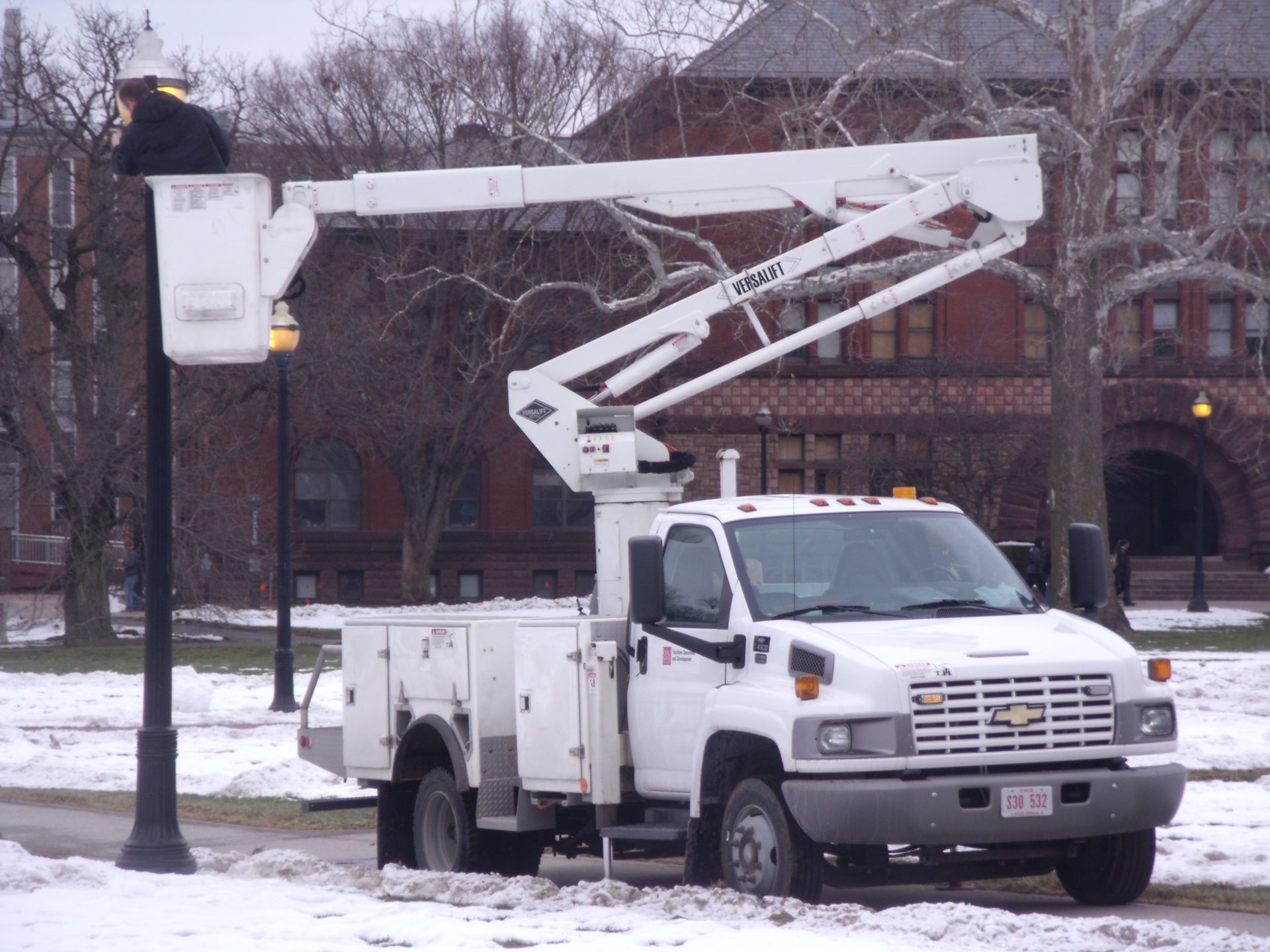
When you install or remove overhead lines, you must protect yourself and others against hazards that could expose you to shock, electrocution, falls, flying and falling objects, and burns.

Utilities: Safely Installing and Removing Overhead Power Lines2018-09-02T00:00:00+00:00

Crane Safety – Safety Talk

Few experiences may be as frightening as when a crane becomes unbalanced while a load is being lifted or when the crane collapses under the weight of an excessive load. An unbalanced load or crane collapse can cause death to the operator, other construction workers, can cause damage to property or equipment.

Crane Safety – Safety Talk2018-09-01T00:00:00+00:00

Trenching and Excavation Safety

A trench is an excavation, too, if it isn’t more than 15 feet (4.5 meters) wide at the bottom. And, if you install forms or other structures in an excavation that reduce its width to less than 15 feet, measured at the bottom, the excavation is also considered a trench.

Trenching and Excavation Safety2018-09-01T00:00:00+00:00
Go to Top