
add new Teach Category
HAZWOPER: Medical Surveillance Program
Outlines what exactly is needed for a complete medical surveillance program including medical examinations, recordkeeping and other pertinent information.
add new Teach Category
Outlines what exactly is needed for a complete medical surveillance program including medical examinations, recordkeeping and other pertinent information.
Working in a hotel is a unique experience. There???s always a lot of activity. Guests and employees arrive and depart around the clock. This activity makes for an exciting workplace, but it also increases security risks both in public and non-public areas. This program is designed to make associates more aware of their responsibilities and provide them with techniques and procedures to ensure their own safety and the safety of guests. The video takes a look at a few common situations and illustrates the right way and the wrong way to handle them. Great for everyone on staff.
Beyond Safe Driving is exactly that. This video won???t teach your drivers how to drive. They already know that. It goes beyond that to teach them specific skills in handling larger courtesy vehicles. These vehicles handle quite differently than most passenger cars and a specific skill set and knowledge is required to operate them safely. We address today???s #1 hazard, Distracted Driving, but we also detail numerous hazards and the steps that can be taken to reduce the risk to your driver, your vehicle and your passengers.

Outlines what exactly is needed for a complete medical surveillance program including medical examinations, recordkeeping and other pertinent information.
A train is a powerful machine that needs to be respected. Working around trains requires constant vigilance and attention to safety. This program is a great way to raise awareness and explain potential rail yard hazards to employees working in this environment, whether working atop trains, near tracks or any where near a train in your facility. One small mistake near a train can have grave consequences. This program is a great tool to help minimize this risk.

Working in a hotel is a unique experience. There???s always a lot of activity. Guests and employees arrive and depart around the clock. This activity makes for an exciting workplace, but it also increases security risks both in public and non-public areas. This program is designed to make associates more aware of their responsibilities and provide them with techniques and procedures to ensure their own safety and the safety of guests. The video takes a look at a few common situations and illustrates the right way and the wrong way to handle them. Great for everyone on staff.
Utility carts are in use at many Hotel and Resort locations for a wide variety of purposes. This program addresses specific hazards associated with utility cart use that were compiled from actual loss control data. Viewers are shown common sense approaches to reducing risks for them, their passengers and pedestrians. This program aims to make everyone on your property safer.
Overview of general safety and health plan requirements, incident characterization, remedial actions and how to create a comprehensive written plan. Explains site control issues, routine operations, medical care, evacuation and more.
A train is a powerful machine that needs to be respected. Working around trains requires constant vigilance and attention to safety. This program is a great way to raise awareness and explain potential rail yard hazards to employees working in this environment, whether working atop trains, near tracks or any where near a train in your facility. One small mistake near a train can have grave consequences. This program is a great tool to help minimize this risk.
Chemicals can be found in nearly every area of your facility. OSHA mandates that all employees be trained in the safe use, storage and handling of these materials. This video details material safety data sheets, container labeling and basic chemical safety. Information is presented in a clear, concise manner that is effective and easy to understand.
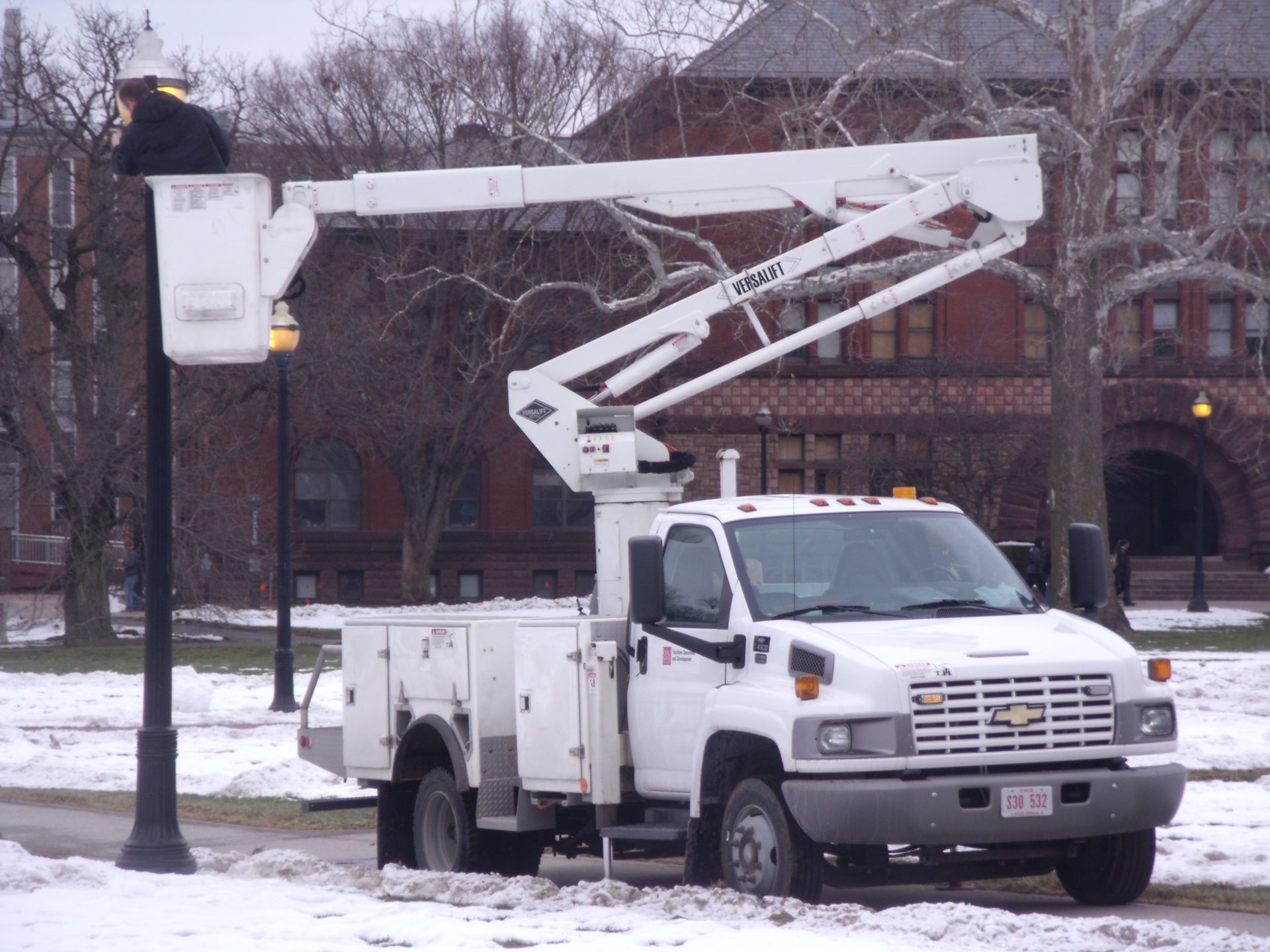
Bucket & Boom trucks are great tools and have many uses. They allow us to reach places we could not normally reach but there are dangers you may face. That???s what this program is all about, the hazards associated with Bucket Trucks and steps you can take to help minimize your risk and keep you, and those working around you, safe.
Overview of general safety and health plan requirements, incident characterization, remedial actions and how to create a comprehensive written plan. Explains site control issues, routine operations, medical care, evacuation and more.
The potential for workplace violence has become a stark reality in our world today. While the odds of a serious incident happening on your property may be slim, the importance for effective preparedness remains vital. This program helps you achieve a level of preparedness and allows viewers to develop a sense of confidence if faced with a potentially violent situation in the workplace. How to recognize signs of potential problems and what to do if the potential becomes reality are discussed in depth.
Chemicals can be found in nearly every area of your facility. OSHA mandates that all employees be trained in the safe use, storage and handling of these materials. This video details material safety data sheets, container labeling and basic chemical safety. Information is presented in a clear, concise manner that is effective and easy to understand.

This program examines potential fall hazards when working at a grain elevator. The primary concerns are fixed ladders, stairs and catwalks. The program outlines the potential hazards associated with these 3 types of access/egress and shows ways these hazards can be reduced or eliminated. Proper inspection procedures along with safe rules of use are presented in a concise, to the point manner.
The Basics of HAZWOPER requirements, laws and regulations. Provides minimum emergency plan requirements and identifies regulations applicable to HAZWOPER operations.

This program examines potential fall hazards when working at a grain elevator. The primary concerns are fixed ladders, stairs and catwalks. The program outlines the potential hazards associated with these 3 types of access/egress and shows ways these hazards can be reduced or eliminated. Proper inspection procedures along with safe rules of use are presented in a concise, to the point manner.
The Basics of HAZWOPER requirements, laws and regulations. Provides minimum emergency plan requirements and identifies regulations applicable to HAZWOPER operations.
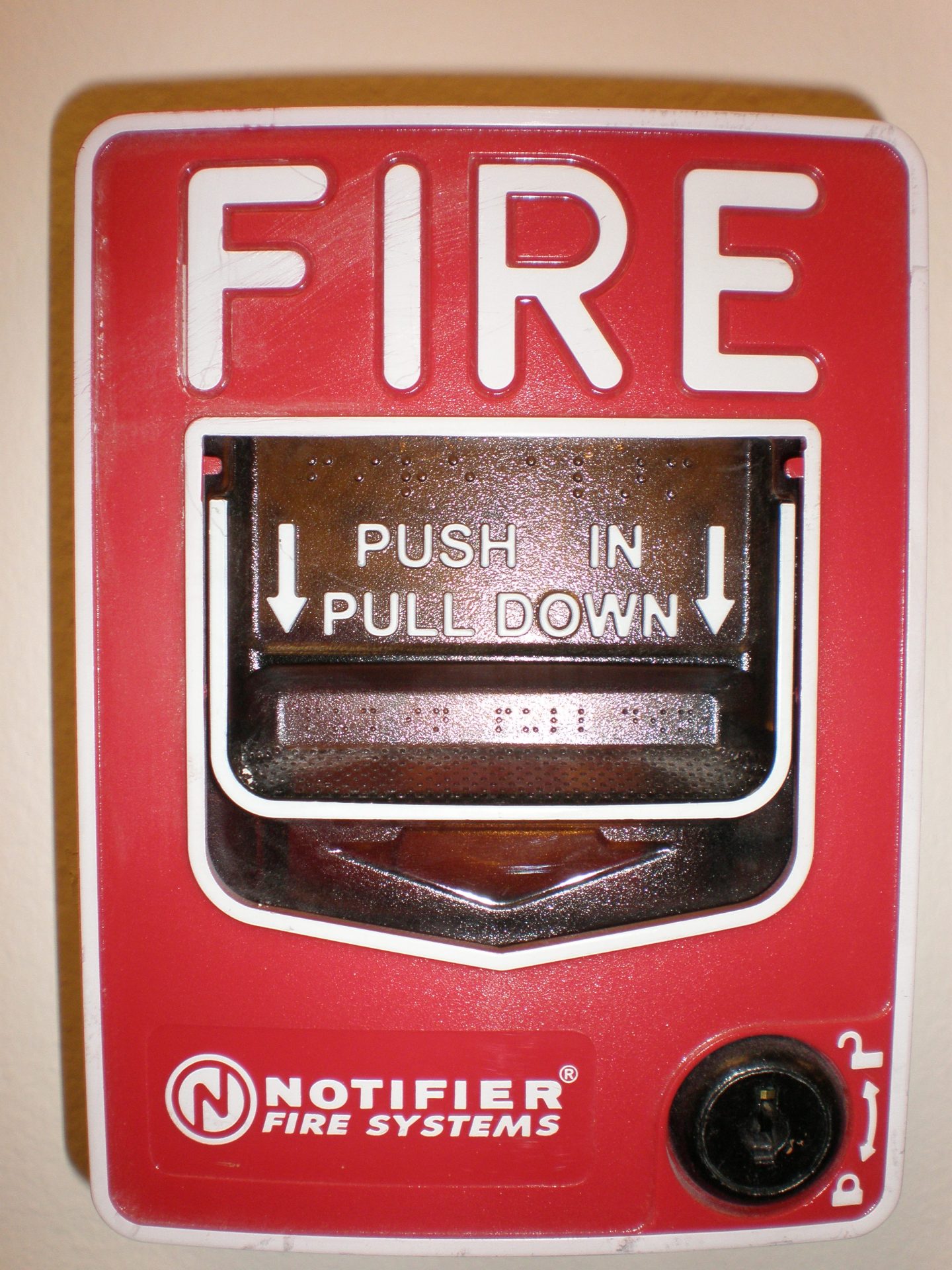
Few things can be more terrifying and catastrophic than a fire. That is why training and education is so important. This video looks at ways fires can be prevented and covers the basics of fire prevention, conditions that contribute to fires and steps employees can take to minimize the risk of a potential fire in a unit.
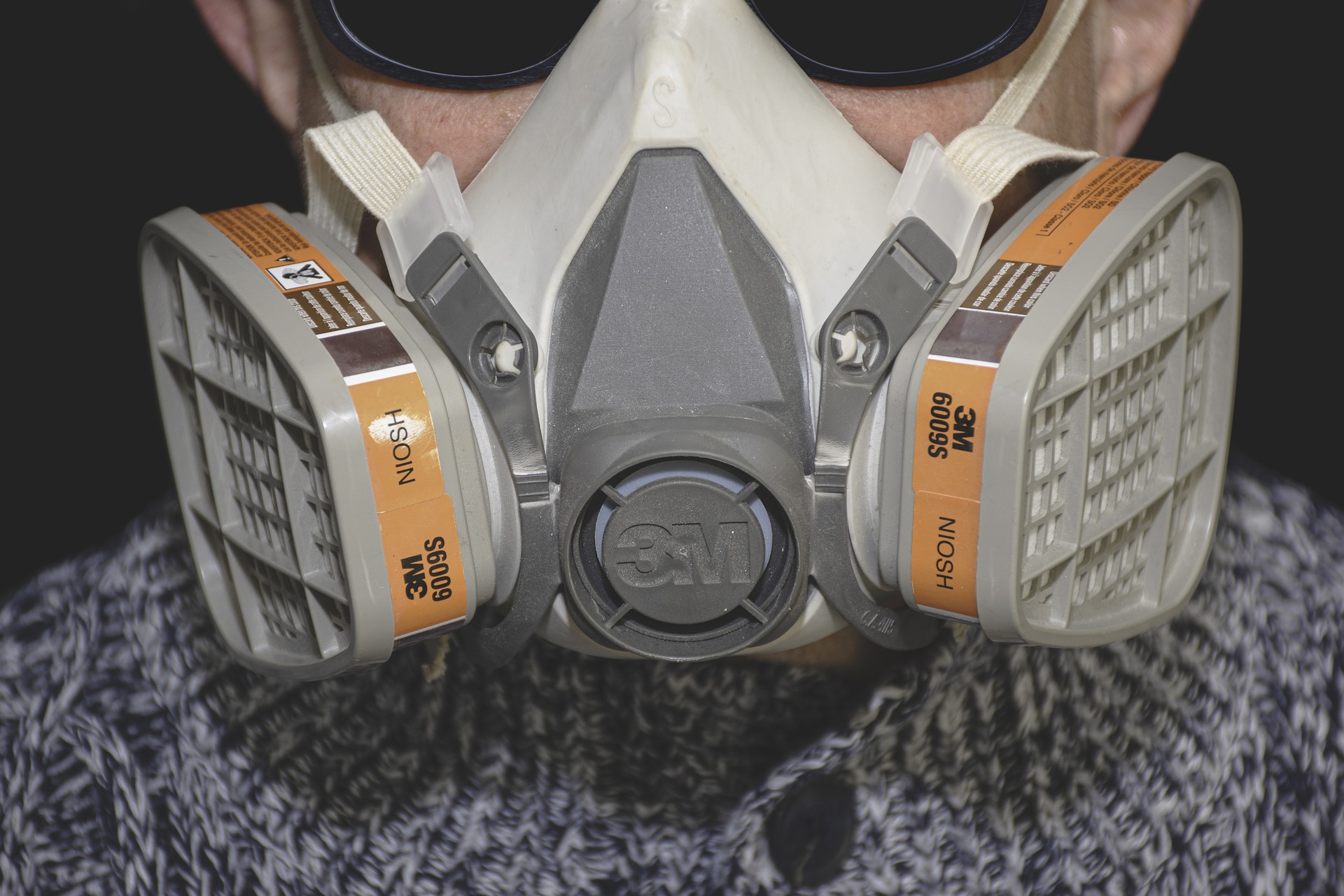
A vital part of effective HAZWOPER training. Basic training for selecting, using, handling and storing respirators. Proper fit-testing procedures are covered in detail.
Utility carts are in use at many Hotel and Resort locations for a wide variety of purposes. This program addresses specific hazards associated with utility cart use that were compiled from actual loss control data. Viewers are shown common sense approaches to reducing risks for them, their passengers and pedestrians. This program aims to make everyone on your property safer.
This program was developed to educate your associates about the dangers of meth and the devastating effects it has on lives, jobs and property. Topics Include: How To Spot Potential Problems, Security Tips to Prevent Risk & What to Do If A Lab Is Discovered.
Since it's your first time, you may want to checkout some of the video tutorials.













 800-ICW-SAFETY (800.429.7233)
 SAFETYOnDemand@icwgroup.com