
Job Hazard Assessment Vs. Safe Work Procedures Meeting Kit
WHAT’S AT STAKE? A Safe Work Procedure (SWP) is a [...]
WHAT’S AT STAKE? A Safe Work Procedure (SWP) is a [...]
WHAT’S AT STAKE? A Safe Work Practice is more of [...]
This course will help you understand what COVID-19 is, who [...]
Use this checklist to help you determine if you have [...]
Download this printable Infographic on Recordkeeping
WHO HAS A COMBUSTIBLE DUST PROBLEM? Many employers are unaware [...]
IT’S TRIPLE LEAF…POISON OAK Recognize it at a glance—by its [...]
The chance or severity of an eye injury can be [...]
INTRODUCTION Forklifts, also known as powered industrial trucks, are an [...]
SAFETY INVOLVES EVERYONE Do your part to keep you and [...]
A WINDOW TO GLAZIER SAFETY Glaziers install glass in windows, [...]
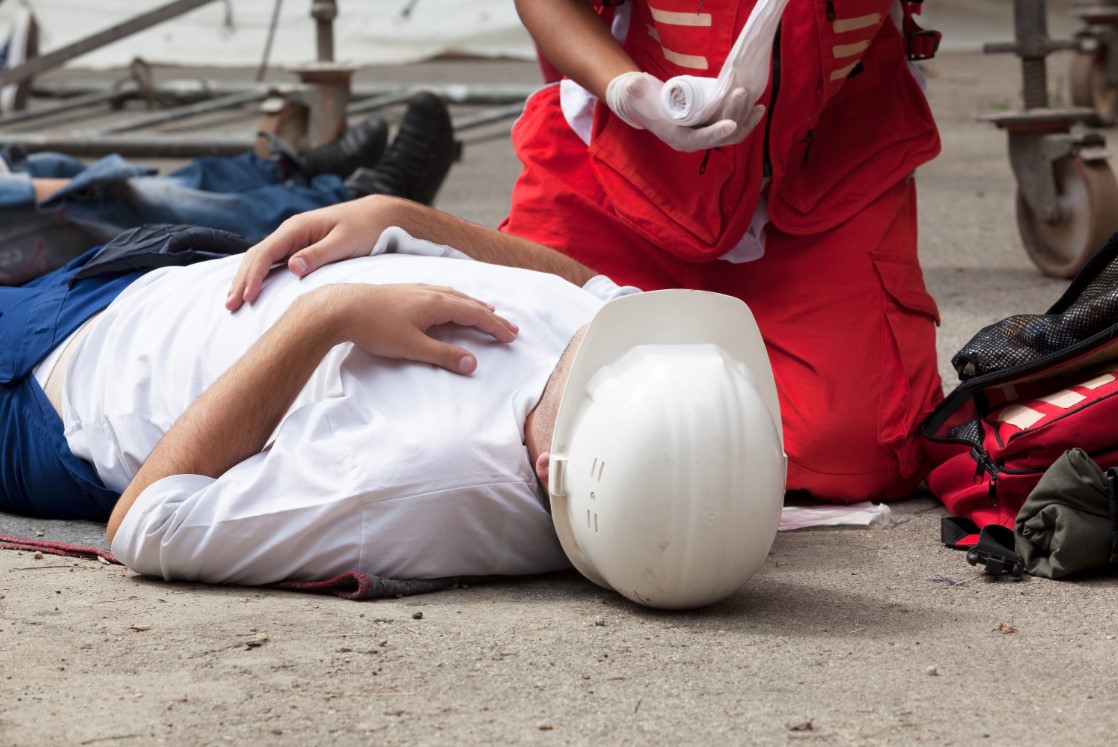
WHAT IS AN ACCIDENT? An accident is an unplanned occurrence [...]
You will not be able to identify if a bee [...]
INTRODUCTION Ladders are common tools that can be helpful in [...]
YOU CAN… Reduce costs. Increase profits. Improve experience modification. Retain [...]
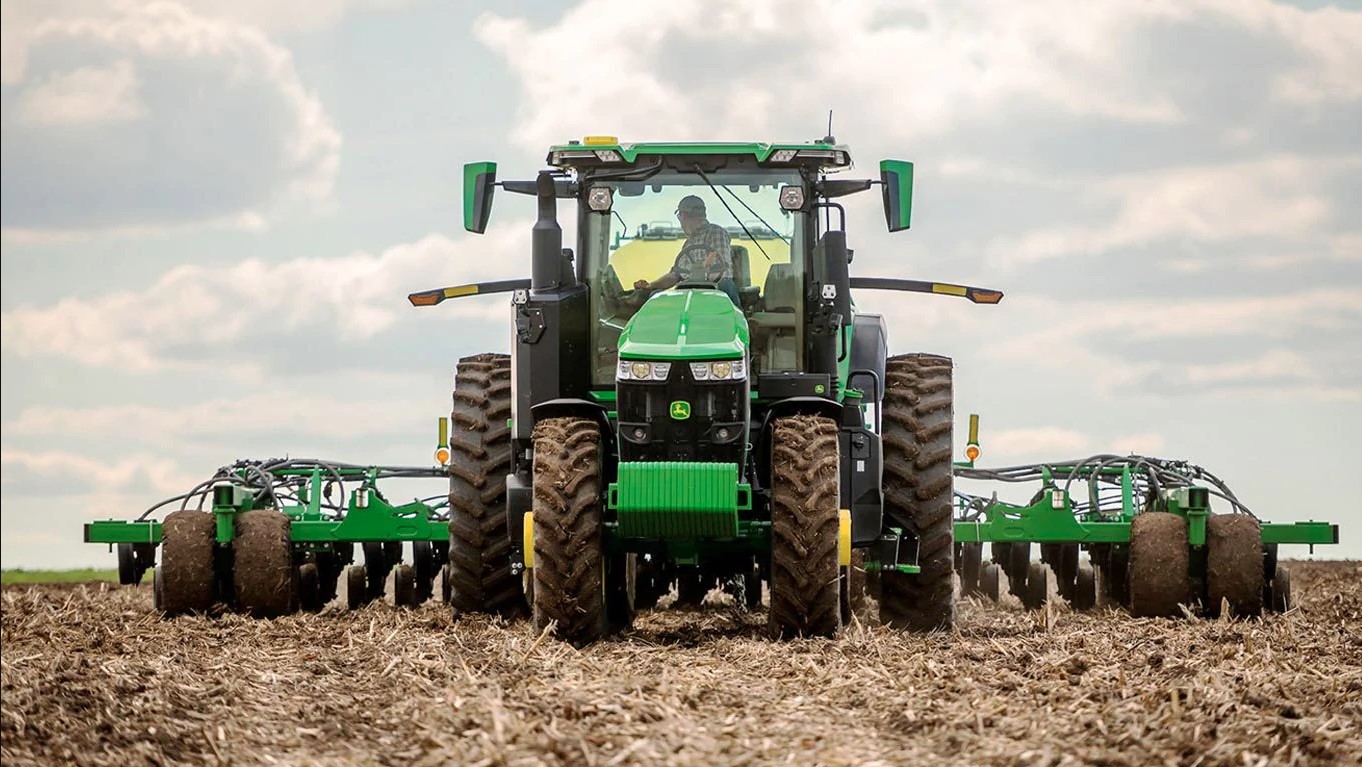
AGRICULTURAL AND INDUSTRIAL TRACTOR OPERATING RULES Employee Operating Instructions Securely [...]
CONVEYOR SYSTEMS In some warehouses, products are placed on conveyor [...]
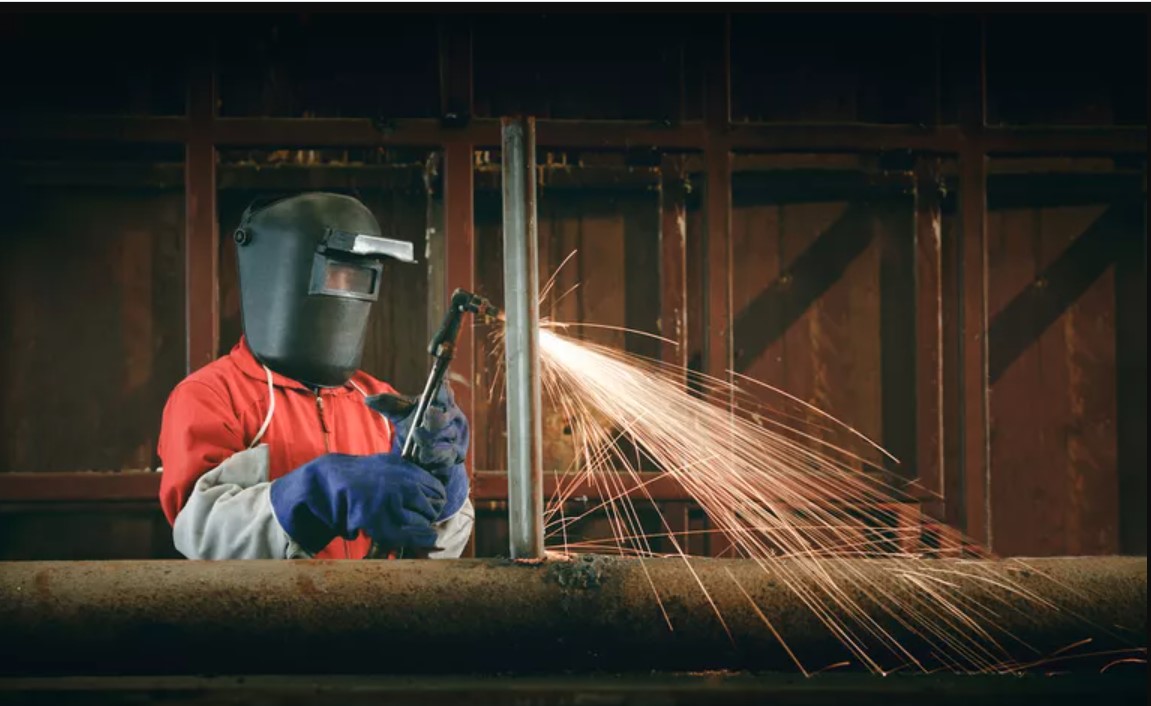
INTRODUCTION Welding often involves a variety of physical and chemical [...]
WHAT EMPLOYERS AND EMPLOYEES CAN DO TO PREVENT SILICOSIS INTRODUCTION [...]

SECTION 1: INTRODUCTION Approximately 30 million American workers are exposed [...]

Even short-term exposure to respiratory hazards can have a catastrophic [...]
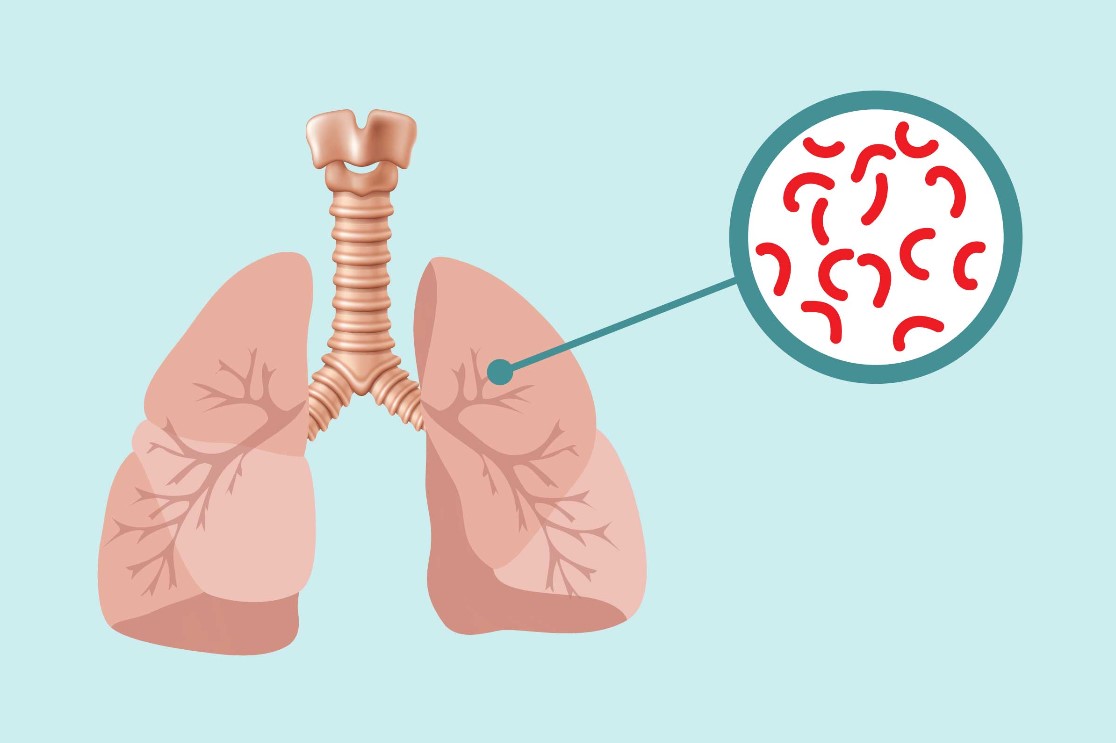
Tuberculosis (TB) is an infectious disease caused by the organism [...]
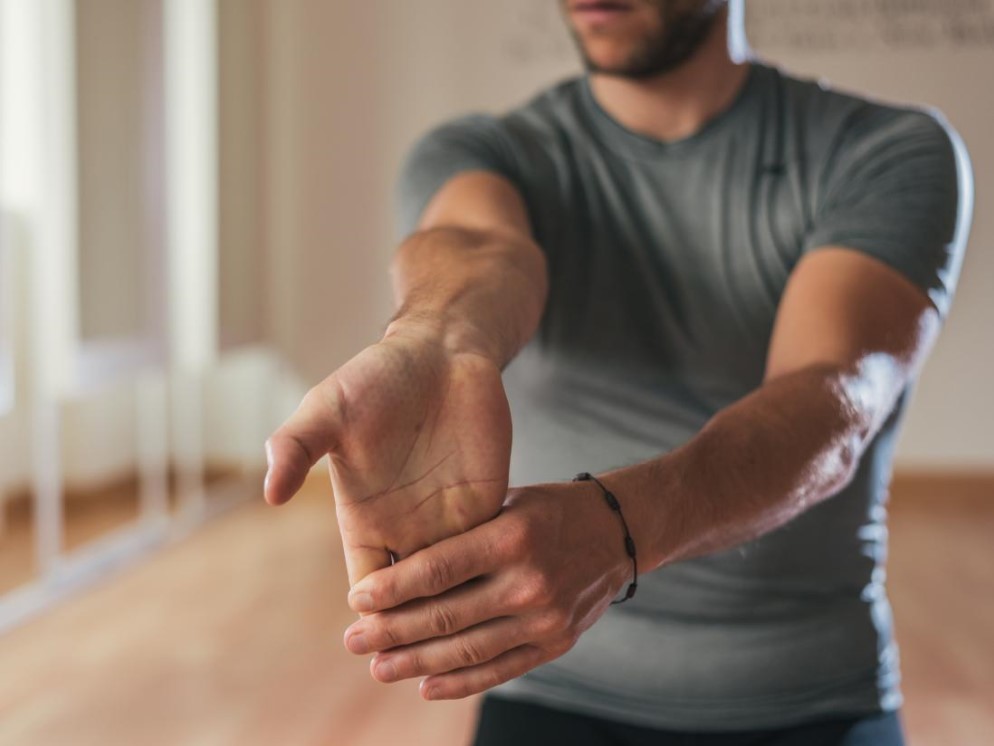
INTRODUCTION Before beginning any stretching program, check with your healthcare [...]
INTRODUCTION Before beginning any stretching program, check with your healthcare [...]
Every accident has a cause and most can be prevented. [...]
Since it's your first time, you may want to checkout some of the video tutorials.















 800-ICW-SAFETY (800.429.7233)
 SAFETYOnDemand@icwgroup.com