FUNDAMENTAL 55: Chlorine Safety
Key Takeaways: - Understanding the forms, uses, properties, exposure limits, [...]

Key Takeaways: - Understanding the forms, uses, properties, exposure limits, [...]
Key Takeaways: - Learning how noise impacts hearing and the [...]
Key Takeaways: - Recognizing characteristics and examples of a confined [...]

Key Takeaways: - Learning about sexual harassment. - Recognizing behaviors [...]

Key Takeaways: - Understanding how stereotypes and personal biases impair [...]

Key Takeaways: - Recognizing the underlying principle of ergonomics in [...]
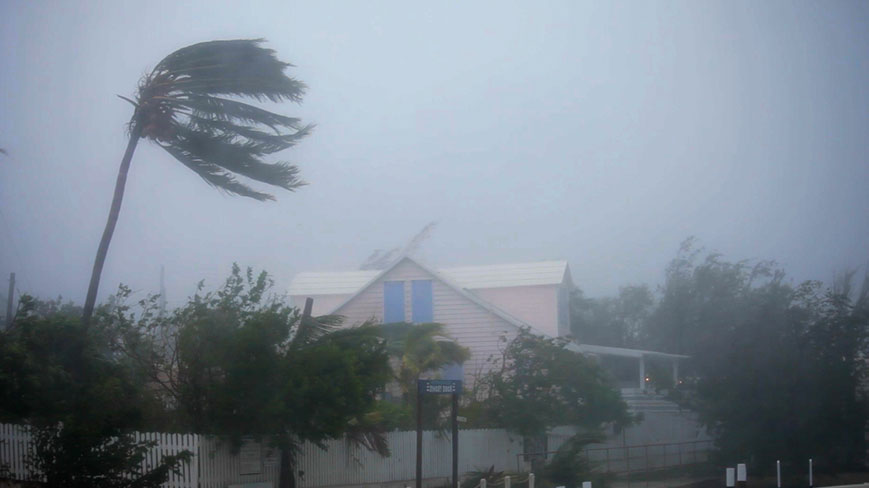
Key Takeaways: - Learning about hurricanes and their properties. - [...]

Workers sometimes take chances with ladders, failing to remove worn or damaged ladders from service. This could cause serious, even fatal, injury.
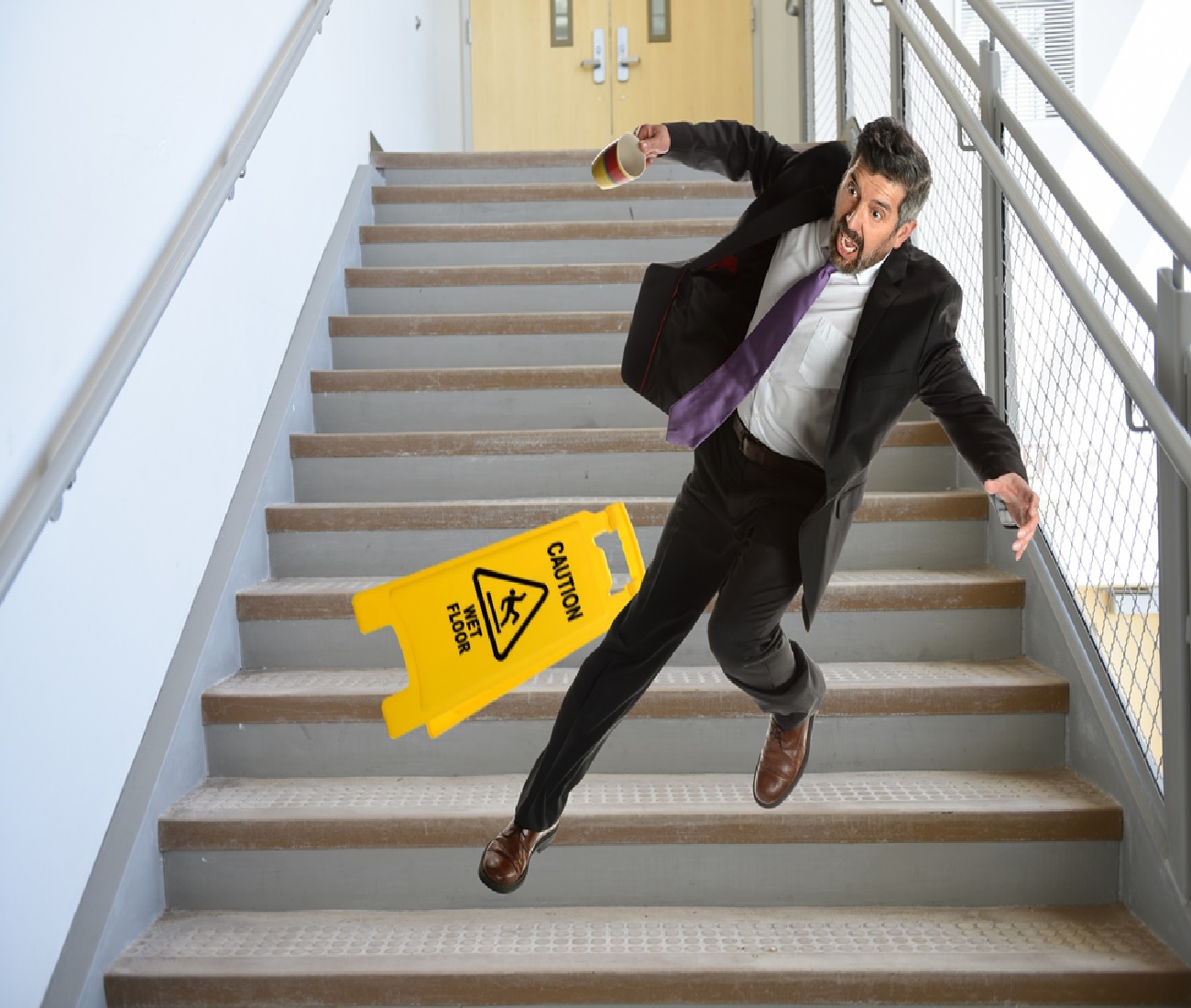
SIETE MANERAS DE EVITAR RESBALONES, TROPIEZOS Y CAÍDAS ¿QUE ESTÁ [...]
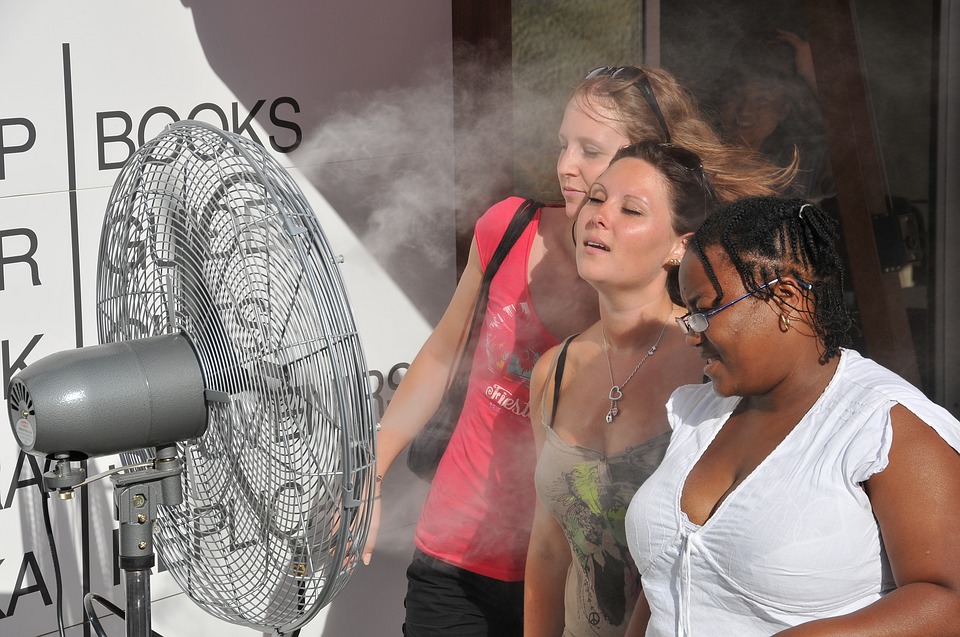
Heat - whether from the sun or from your work environment - can create a life-threatening emergency.
Few experiences may be as frightening as when a crane becomes unbalanced while a load is being lifted or when the crane collapses under the weight of an excessive load. An unbalanced load or crane collapse can cause death to the operator, other construction workers, can cause damage to property or equipment.
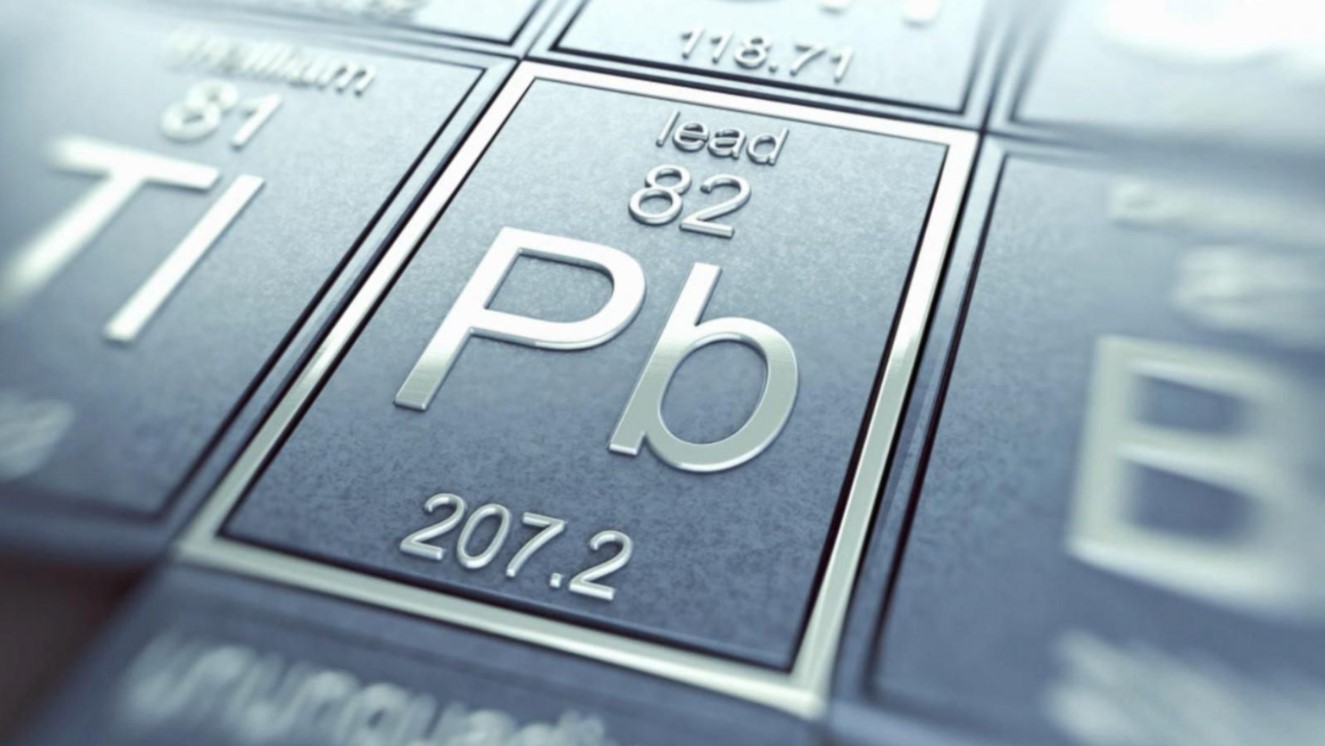
Key Takeaways: Understanding the hazards of lead in the workplace. [...]
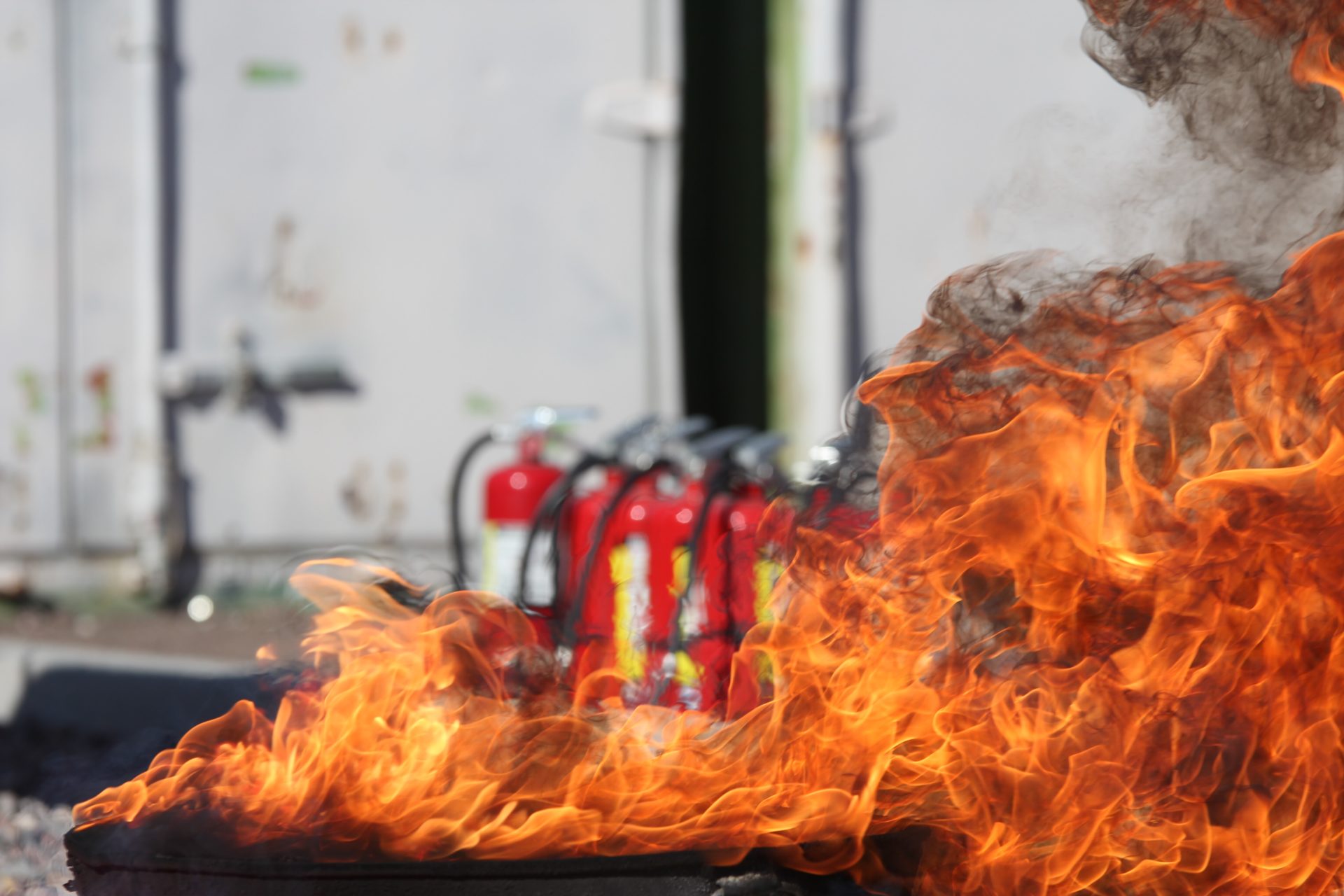
¿QUE ESTÁ EN RIESGO? Un incendio es una experiencia aterradora, [...]

¿QUE ESTÁ EN RIESGO? La fatiga es el estado de [...]
What’s At Stake ? Many of the machines you operate, [...]
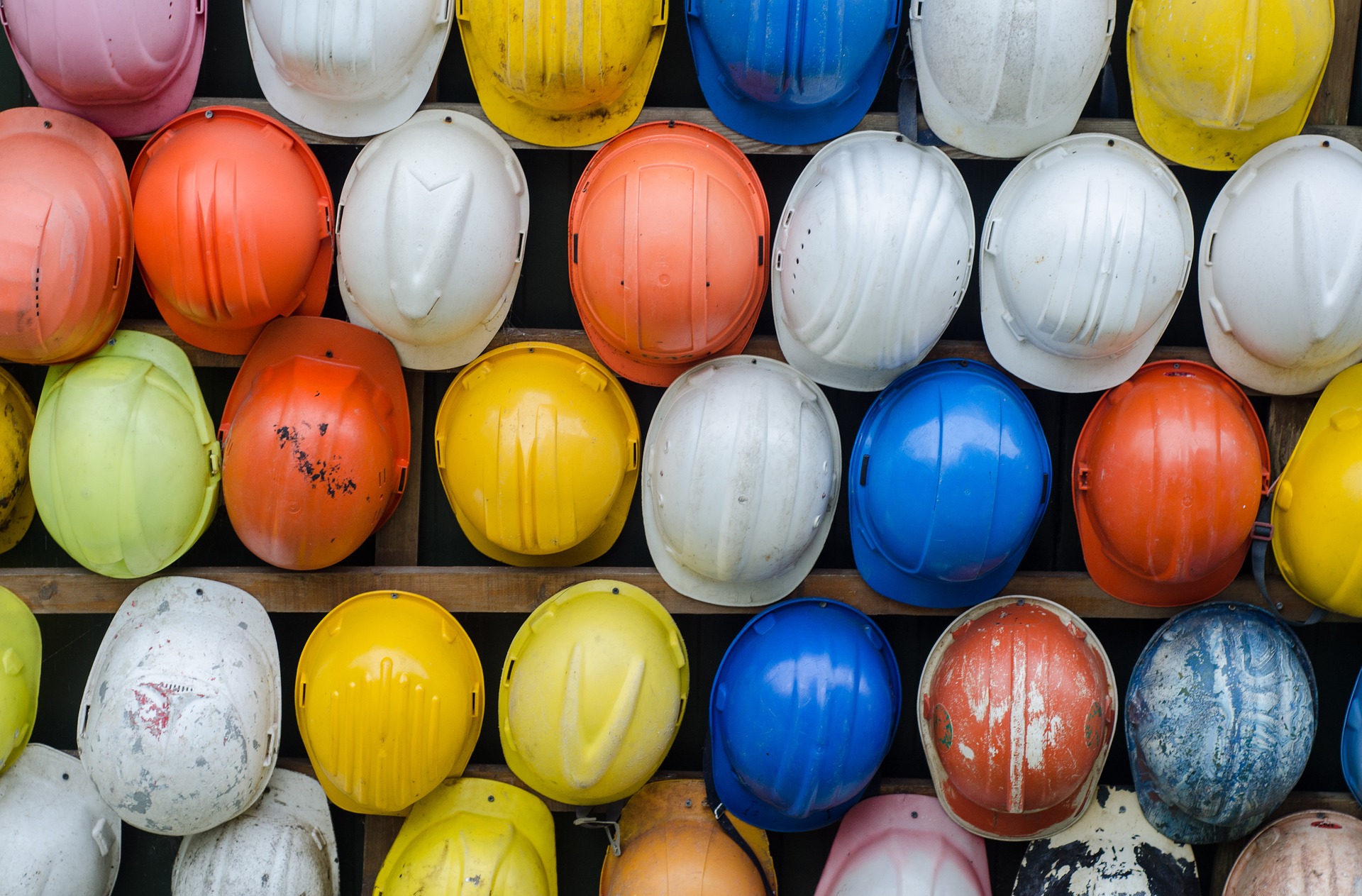
¿QUE ESTÁ EN RIESGO? Las lesiones fatales o incapacitantes en [...]
¿QUE ESTÁ EN RIESGO? Un espacio confinado no significa necesariamente [...]
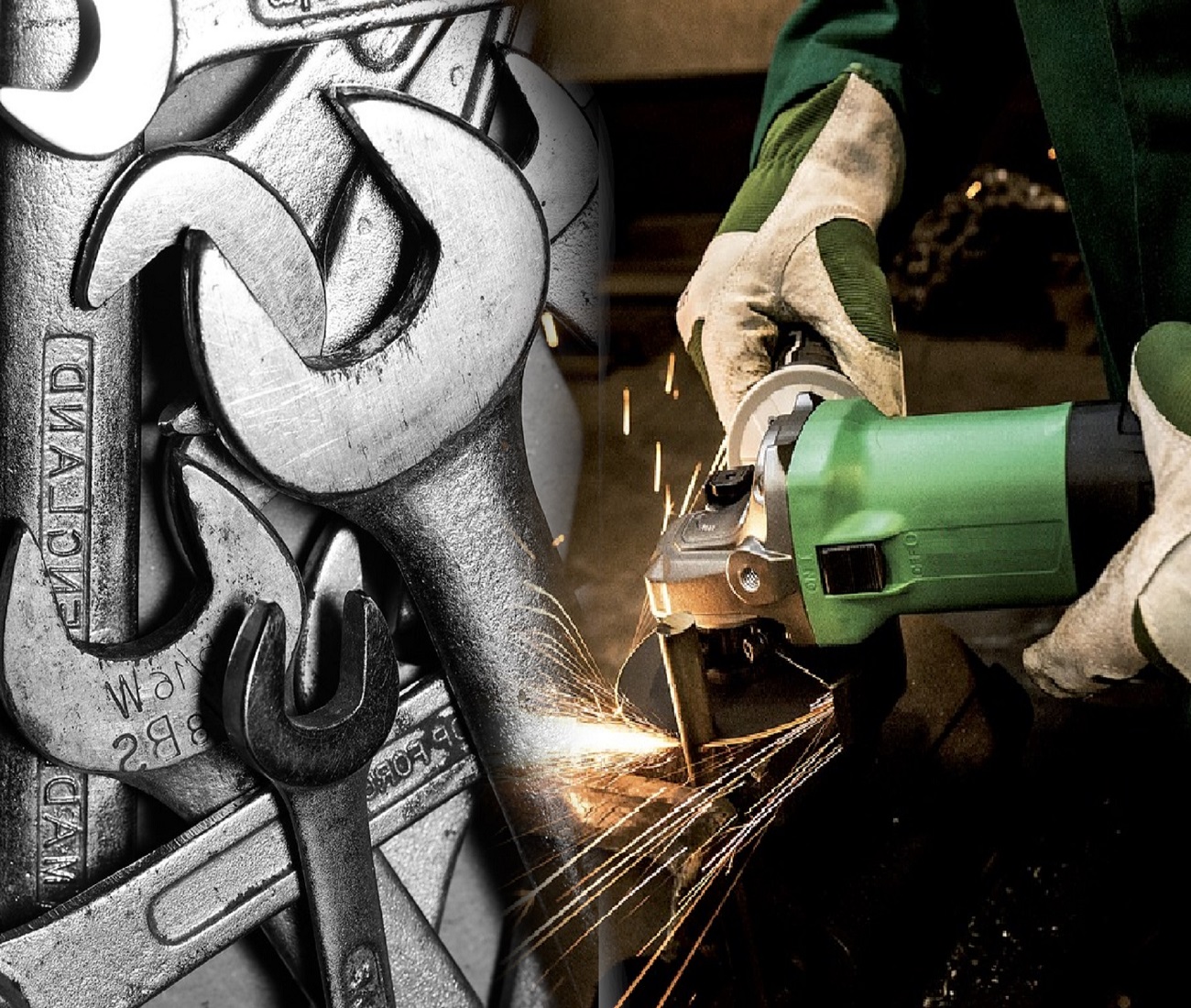
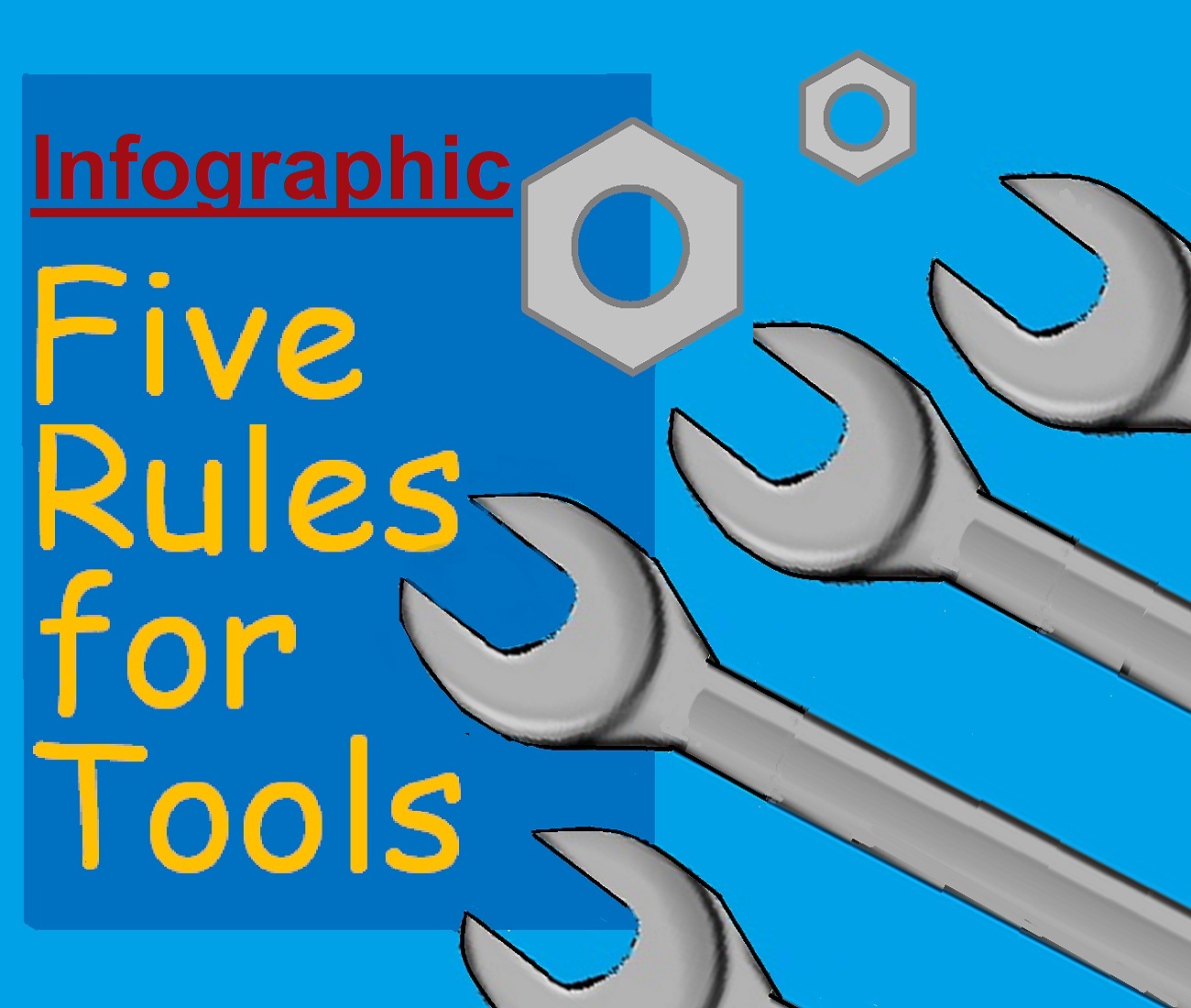
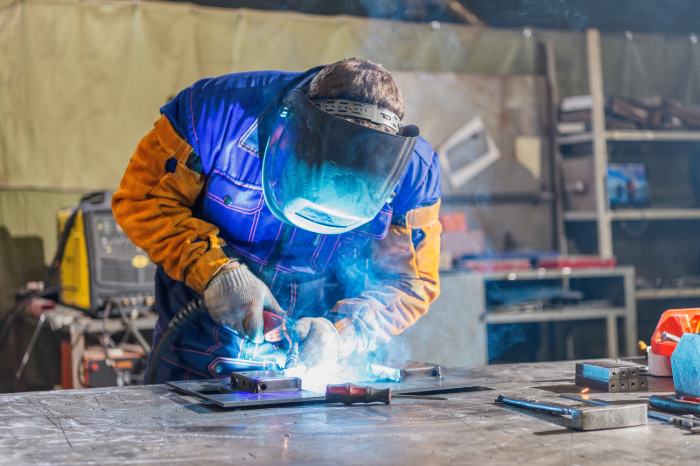
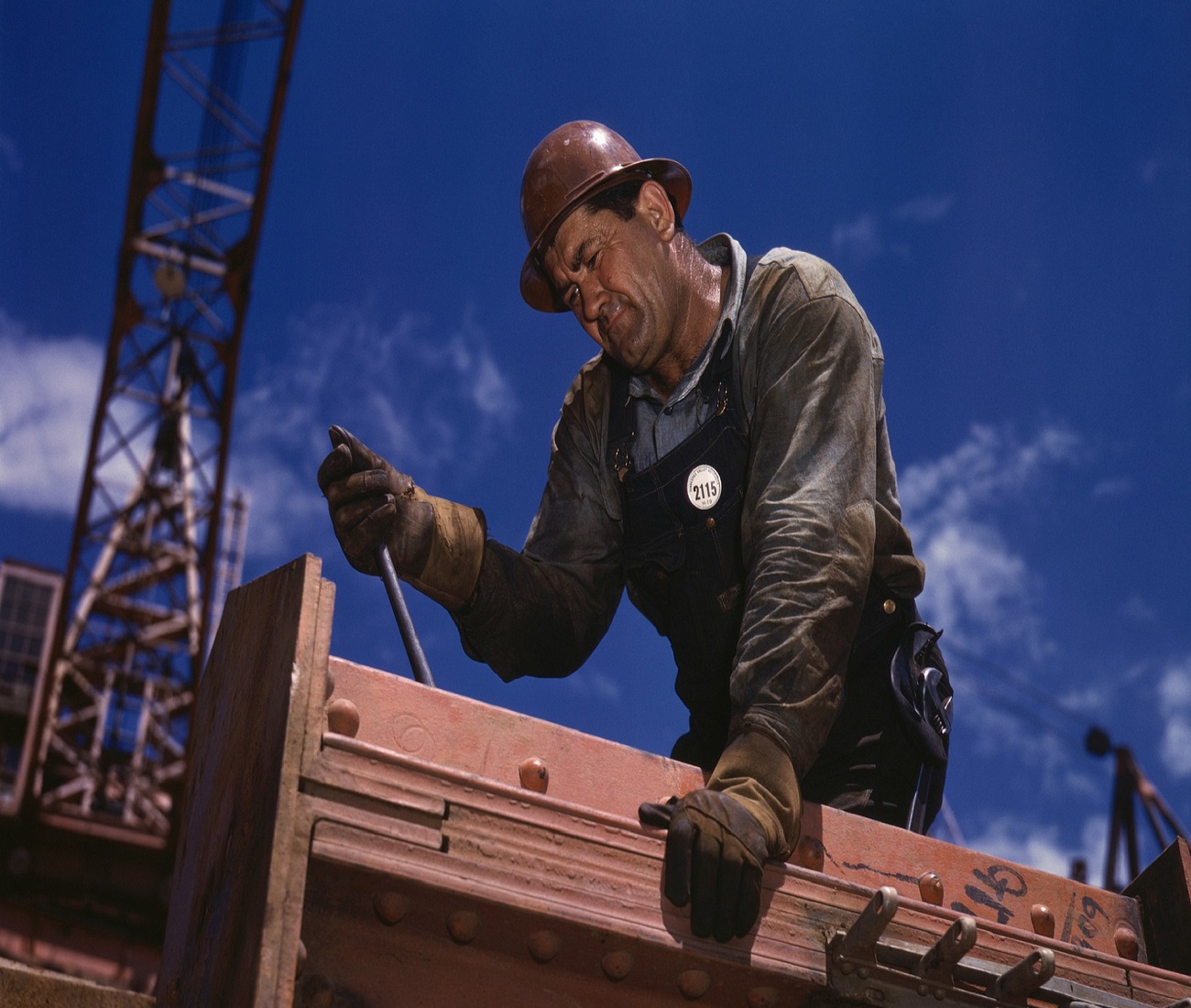
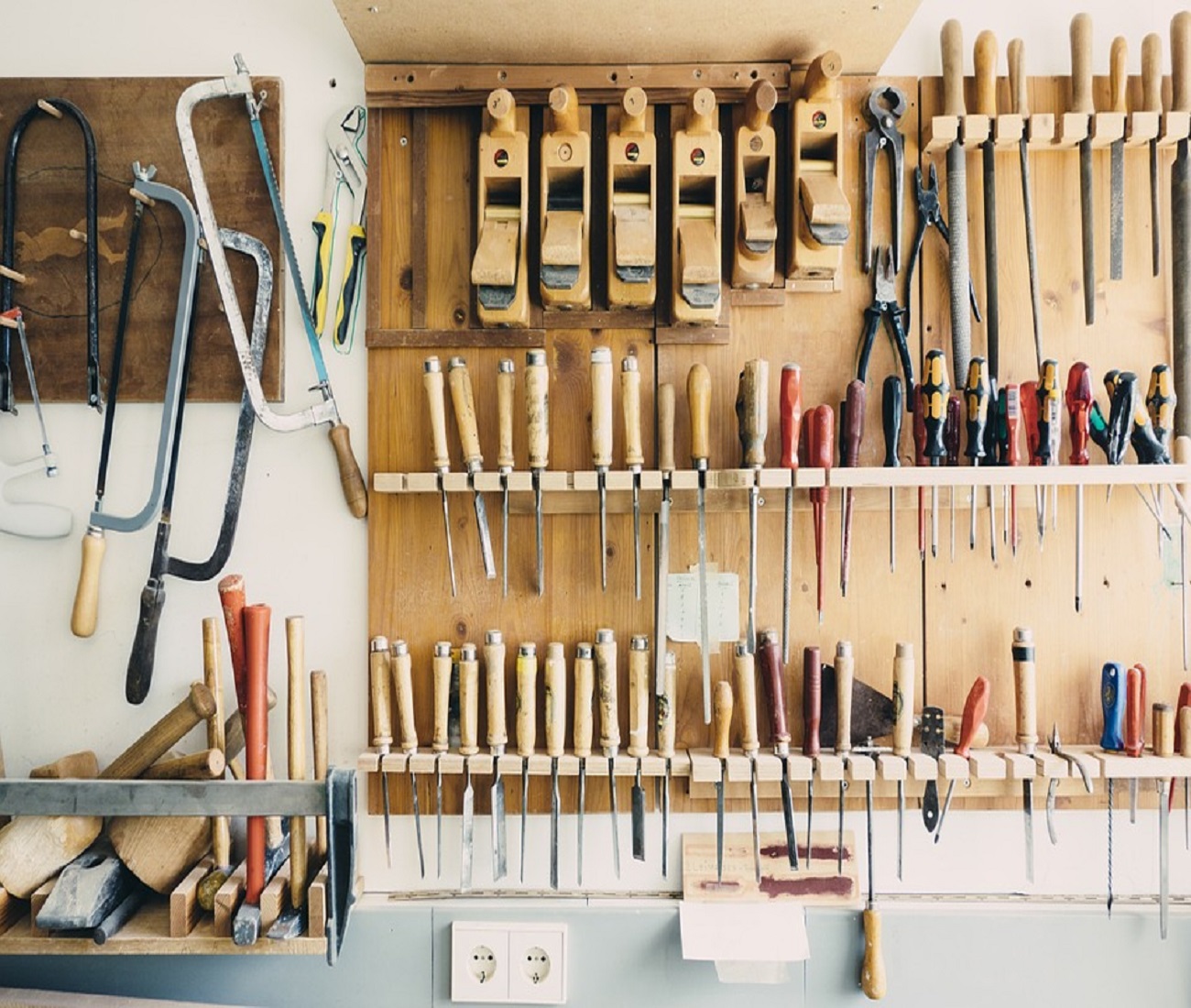
Surveys estimate that work tools and power tools cause an average of nearly 400,000 visits to the emergency room each year. Of those injured, more than 200 die. Here’s what else you need to know.
Print and post this inforgraphic.
Guidelines: This checklist applies to hand and portable power tools [...]

Use this inspection checklist from Harvard EH&S before using hand or power tools.
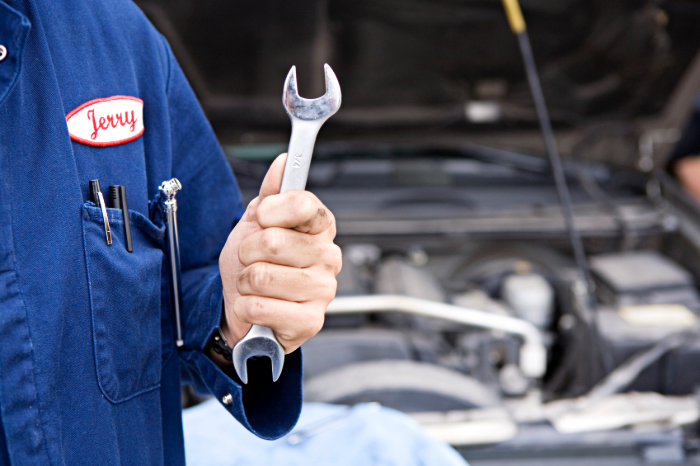
Use this checklist to help workers choose the best tool for the job and reduce the risk of ergonomic injuries.

The most critical actions to take to help prevent heat-related illness at each risk level.
Heat and humidity, either courtesy of mother nature or from man-made equipment and environments are hard on workers. Working in hot environments can easily fatigue workers and quickly lead to serious heat-related illness if not properly managed.
Using the wrong tool or using a tool incorrectly can cause debilitating ergonomic injuries. An increased risk of injury occurs when workers are frequently exposed to awkward postures, contact pressure, or a pinch grip. Over time, exposure to awkward postures or harmful contact pressures can contribute to an injury. Hand tools that fit a worker’s hands and the job they are doing can reduce the risk of injury. Here are 11 tips for hand tool selection to share with your employees.
Since it's your first time, you may want to checkout some of the video tutorials.



 800-ICW-SAFETY (800.429.7233)
 SAFETYOnDemand@icwgroup.com