
Fire Prevention Safety Talk – Spanish
¿QUE ESTÁ EN RIESGO? Un incendio es una experiencia aterradora, [...]
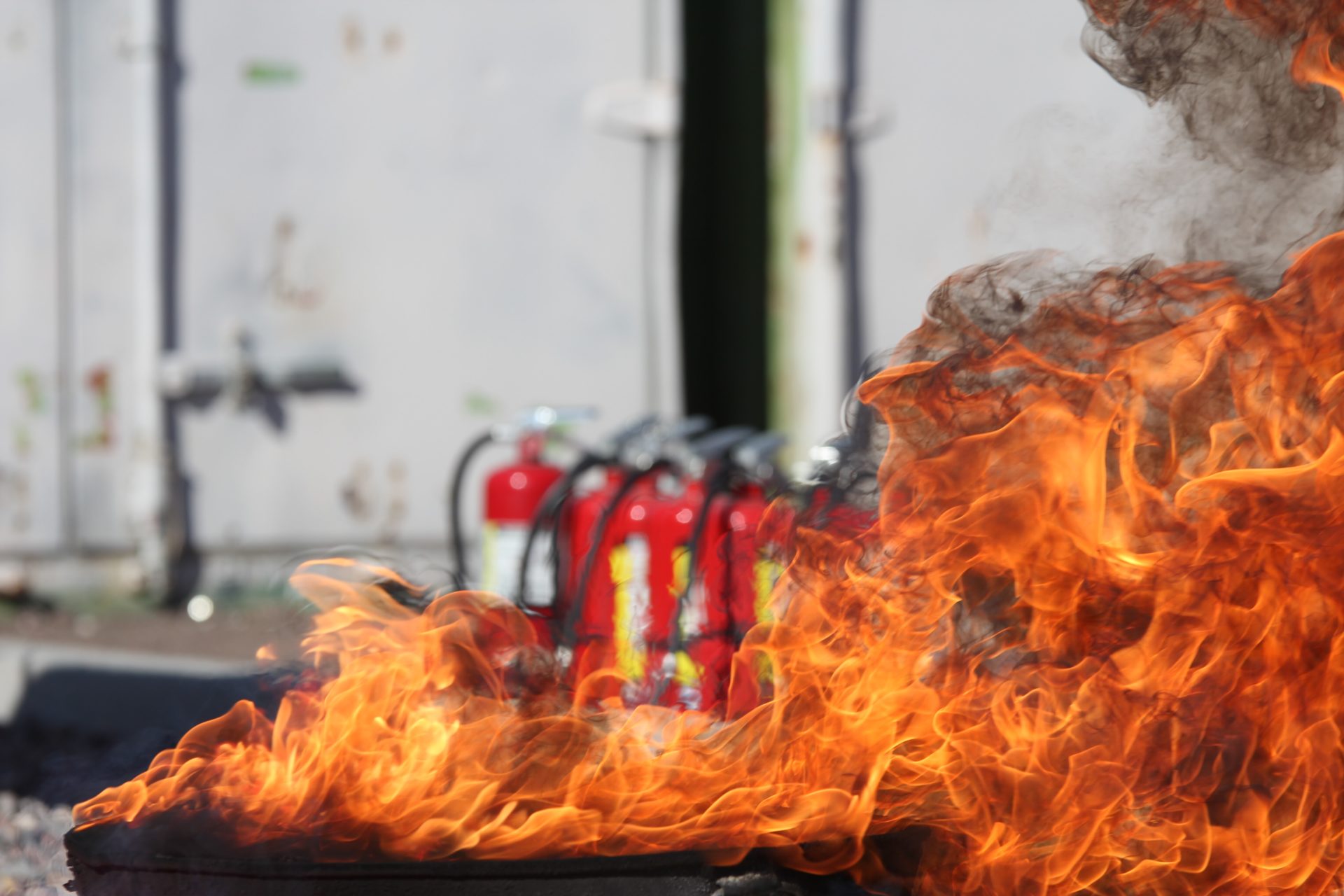
¿QUE ESTÁ EN RIESGO? Un incendio es una experiencia aterradora, [...]

¿QUE ESTÁ EN RIESGO? La luz del sol que brilla [...]

¿QUE ESTÁ EN RIESGO? La fatiga es el estado de [...]
Working outside in the heat exposes workers to the possibility of a heat-related illness. In fact, heat-related fatality cases show that with temperatures above just 70°F/21°C can present a heat hazard when work activities are at or above a moderate workload. Other hazards of working outside in the summer include exposure to Ultraviolet (UV) radiation, Lyme Disease/Tick-Borne Disease, West Nile Virus, and Poison-Ivy Related Plants.

Not sure where to start when it comes to creating a safety and health program? Or maybe you want to review and update your current program. In this series of articles, we will cover the four basic elements common to all good safety and health programs.
Cuts and other hand injuries to the hands are one of the most frequent and common injuries workers face. Hand injuries, including amputations, can keep workers away from the job for several days and can cost employers big money. But they are a preventable and avoidable risk to employees and cost to employers.

Correct use, safe work practices, and PPE are a must when using tools! And here’s why…

Whether it’s generated in an indoor setting such as a non-air-conditioned warehouse or foundry or in outdoor worksites such as construction sites or farms, too much heat can be a killer.
Surveys estimate that work tools and power tools cause an average of nearly 400,000 visits to the emergency room each year. Of those injured, more than 200 die. Here’s what else you need to know.
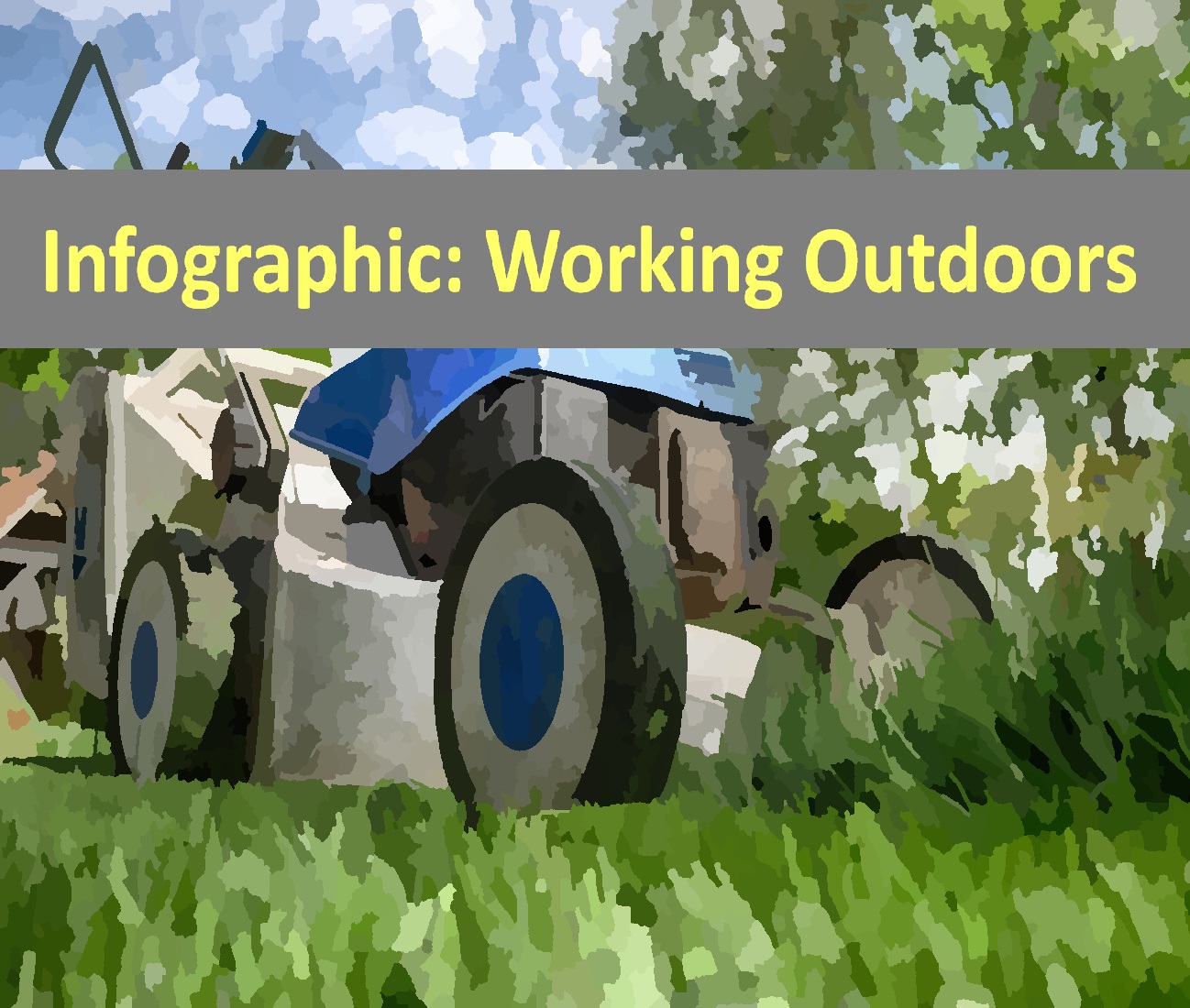
Print and post this inforgraphic.
Here are three briefs on outdoor workers who died on the job. Three different incidents (one that you may never have heard of or realized it was even a hazard) with one common thread – working outdoors.
Guidelines: This checklist applies to hand and portable power tools [...]

Use this inspection checklist from Harvard EH&S before using hand or power tools.
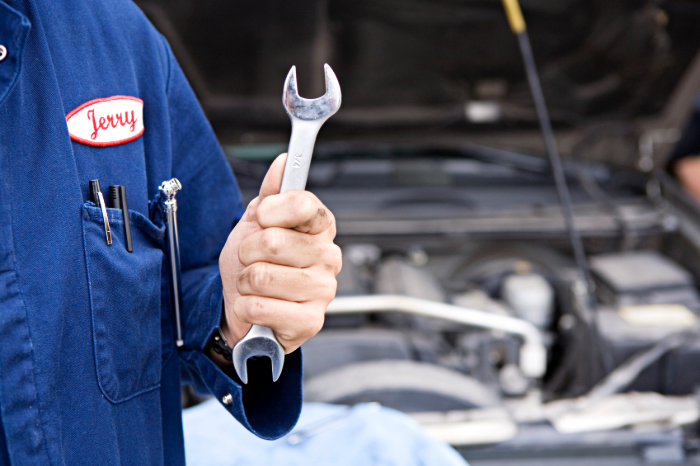
Use this checklist to help workers choose the best tool for the job and reduce the risk of ergonomic injuries.

The most critical actions to take to help prevent heat-related illness at each risk level.
Heat and humidity, either courtesy of mother nature or from man-made equipment and environments are hard on workers. Working in hot environments can easily fatigue workers and quickly lead to serious heat-related illness if not properly managed.
Using the wrong tool or using a tool incorrectly can cause debilitating ergonomic injuries. An increased risk of injury occurs when workers are frequently exposed to awkward postures, contact pressure, or a pinch grip. Over time, exposure to awkward postures or harmful contact pressures can contribute to an injury. Hand tools that fit a worker’s hands and the job they are doing can reduce the risk of injury. Here are 11 tips for hand tool selection to share with your employees.
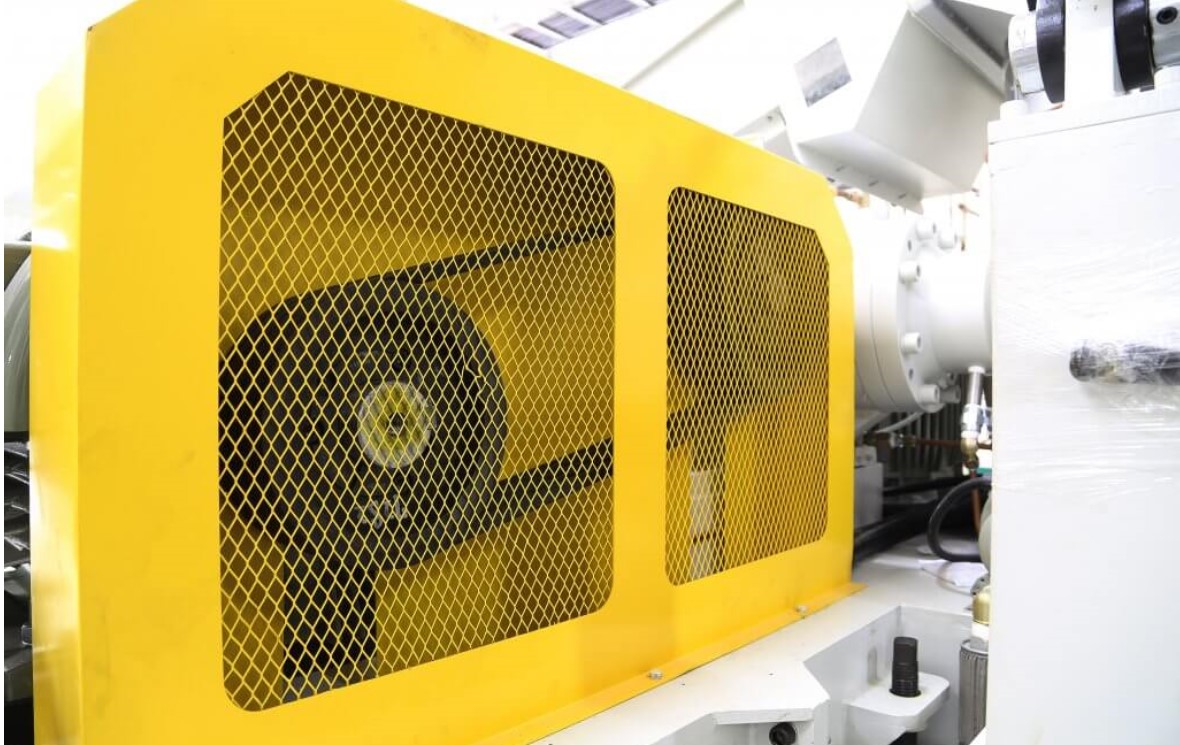
¿QUE ESTÁ EN RIESGO? La exposición a máquinas desprotegidas o [...]
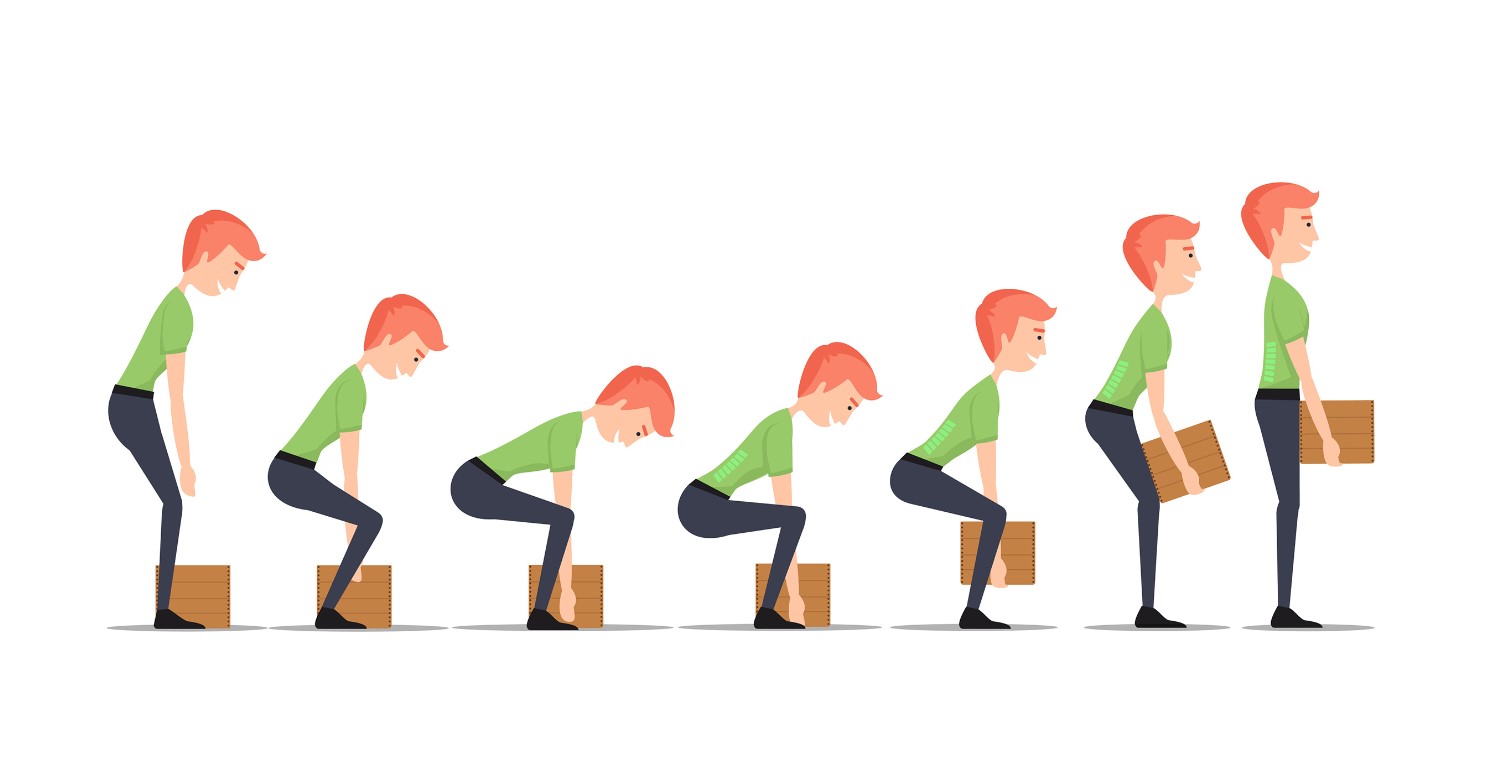
¿QUE ESTÁ EN RIESGO? Busque formas de evitar el levantamiento. [...]
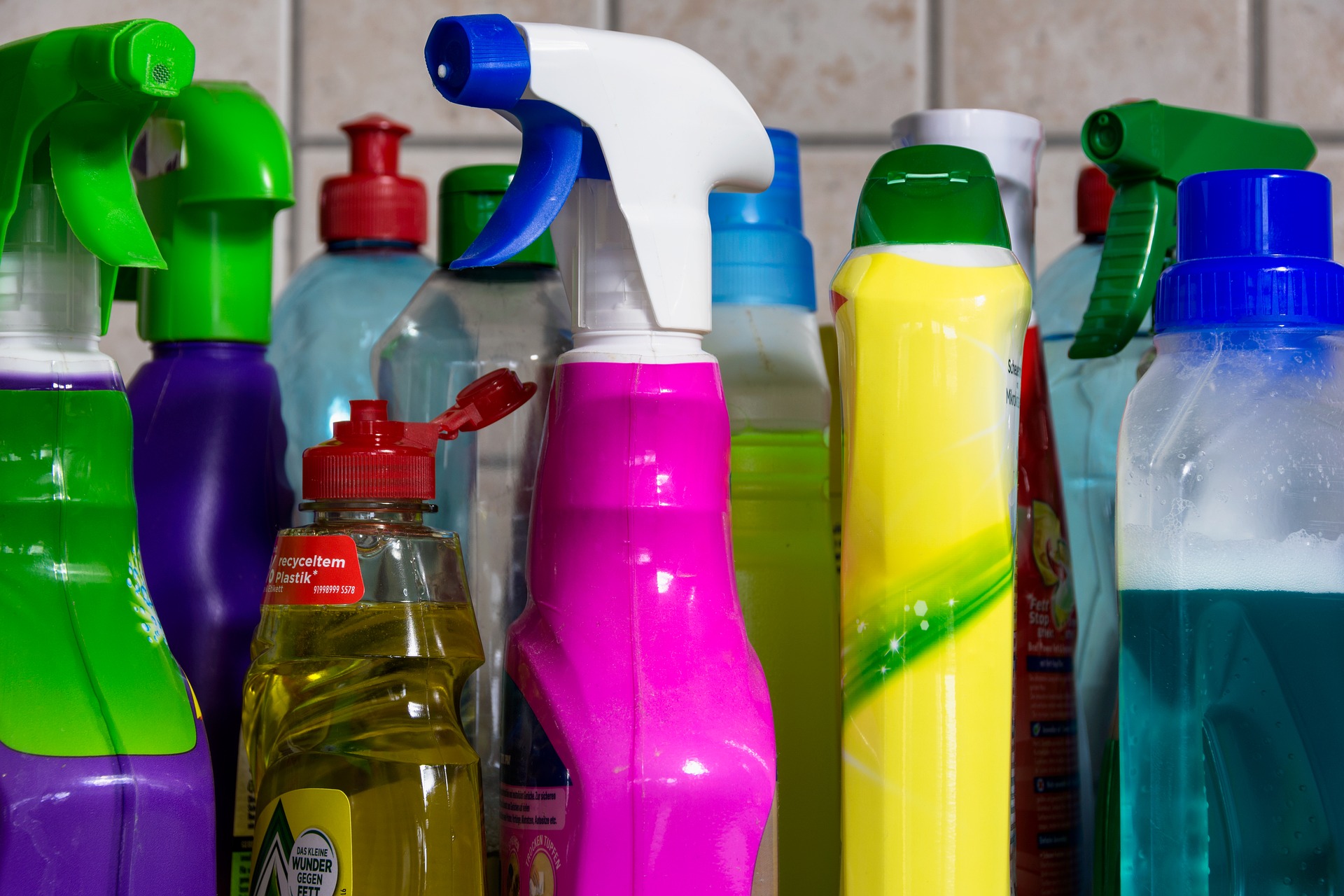
¿QUE ESTÁ EN RIESGO? El trabajo de manejo de materiales [...]

¿QUE ESTÁ EN RIESGO? Atrapado y aplastado entre los peligros [...]
Remember these five tips when working outdoors.

Use the following checklists to prepare for hot weather and to make sure all precautions are in place.

Out of the five dimensions of High Performing Teams (see model), Mutual Respect and Camaraderie is one of the most critical factors contributing to the leader’s success, according to our research. Essentially, this dimension asks: does the team leader demonstrate respect and genuineness, and hold people accountable to a high level of collaboration?
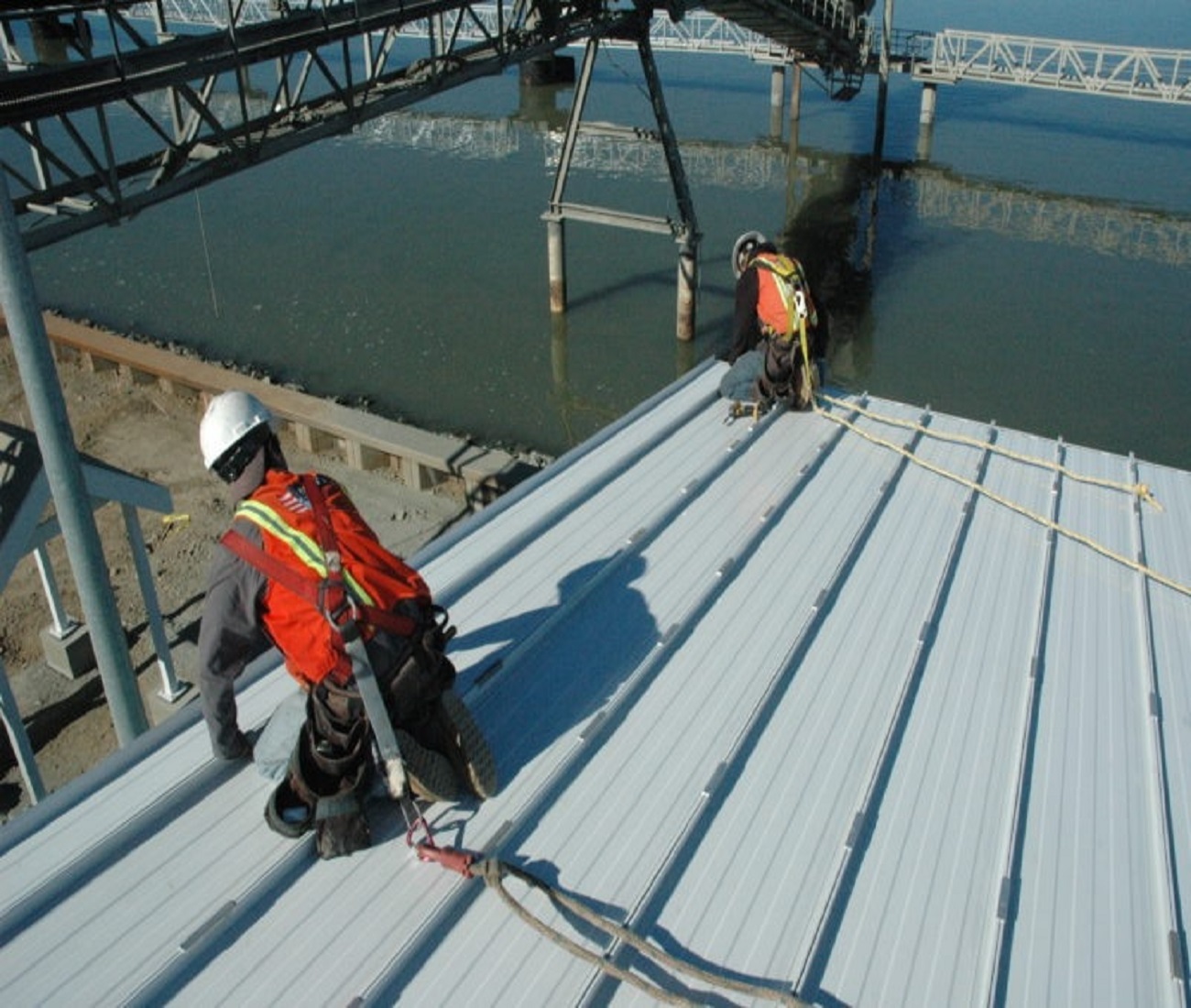
Hundreds of workers die from falls every year. You can prevent such deaths by planning to get the job done safely, providing the right fall protection equipment, and training all workers when and how to use the equipment safely. Here are some basic ideas for developing fall protection strategies.
Since it's your first time, you may want to checkout some of the video tutorials.


 800-ICW-SAFETY (800.429.7233)
 SAFETYOnDemand@icwgroup.com