
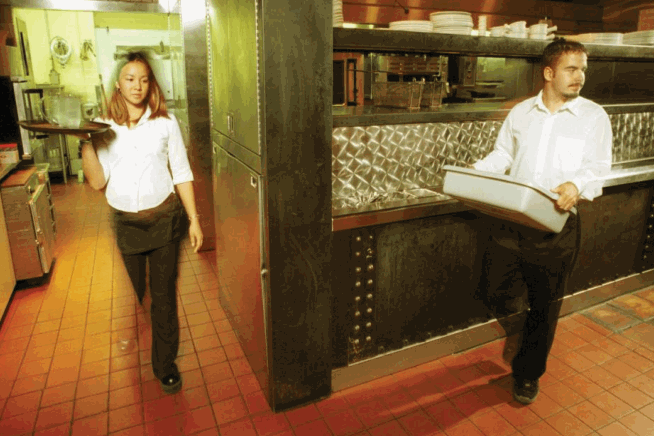
Picture This! We Really Shouldn’t be Meeting Like This
In a busy restaurant, workers probably have their minds on issues other than where they are walking. But situational awareness is necessary to avoid collisions with other workers or customers.
In a busy restaurant, workers probably have their minds on issues other than where they are walking. But situational awareness is necessary to avoid collisions with other workers or customers.
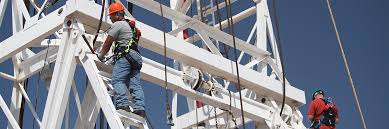
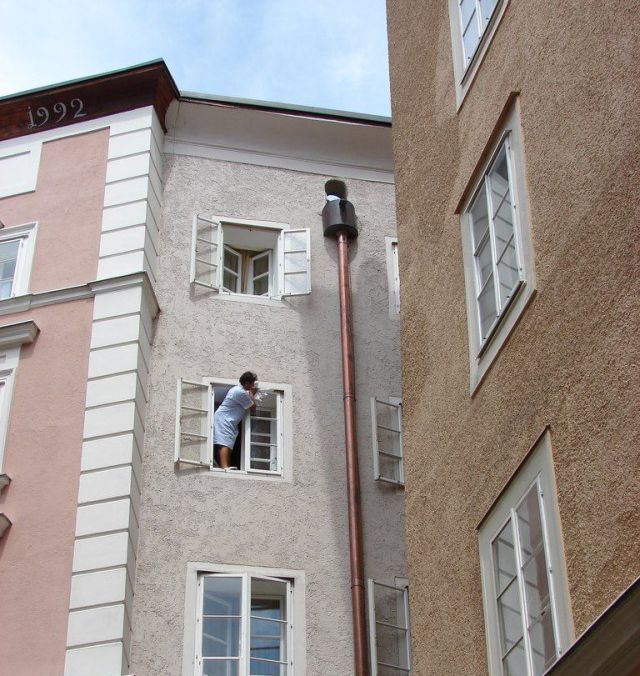
What good is a sparklingly clean window if the person who attended to it is lying severely injured or dead on the ground below?
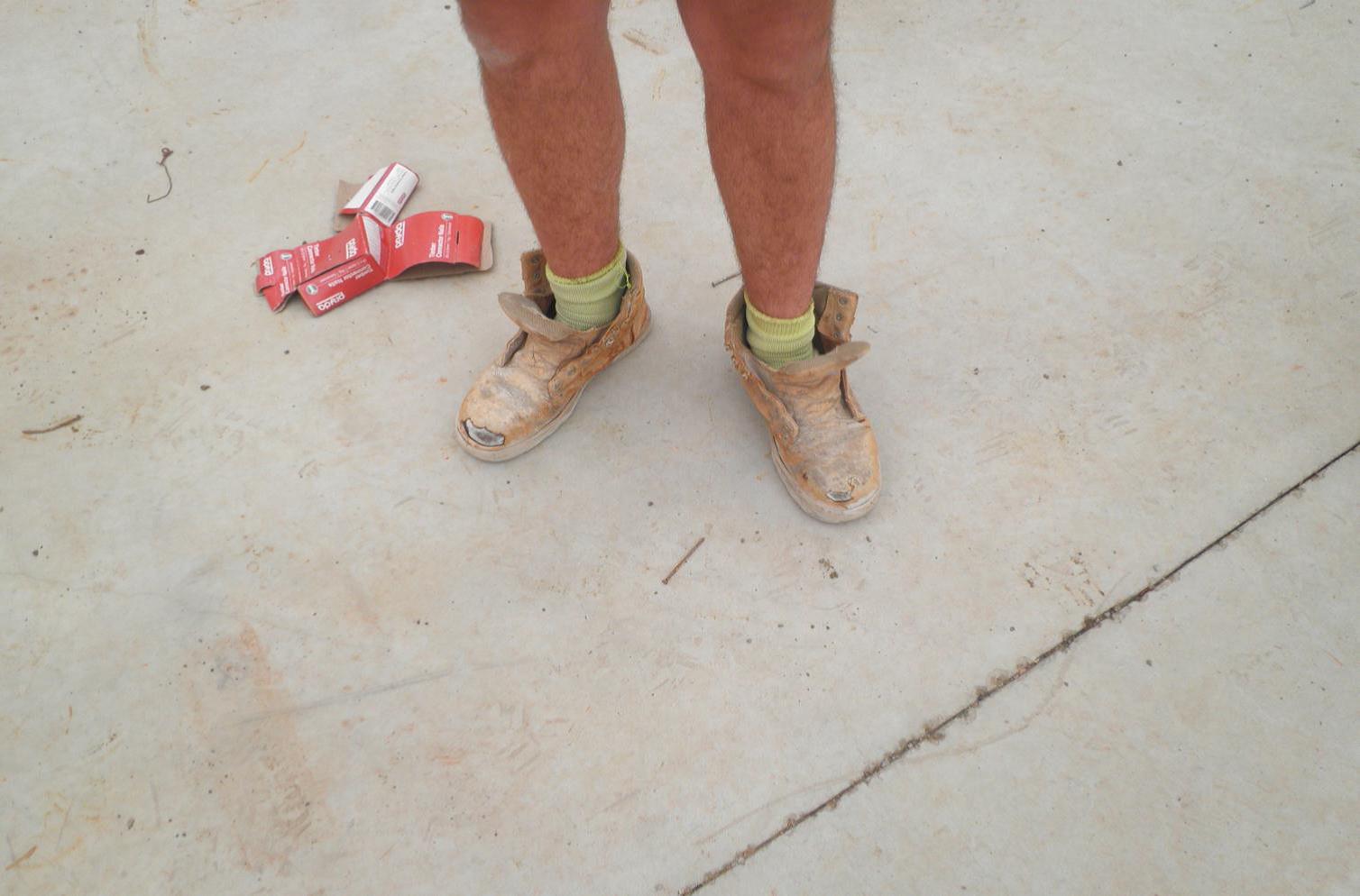
Whatever part of this safety footwear which was considered to be “safe” by the wearer is something that only he would know.

What would you tell a worker using a ladder in this way?
A well-placed safety sign is a good reminder for your workers and visitors, but this photograph shows a dizzying array of "watch your step" warning signs that could actually distract workers and lead to a fall on this stairway.
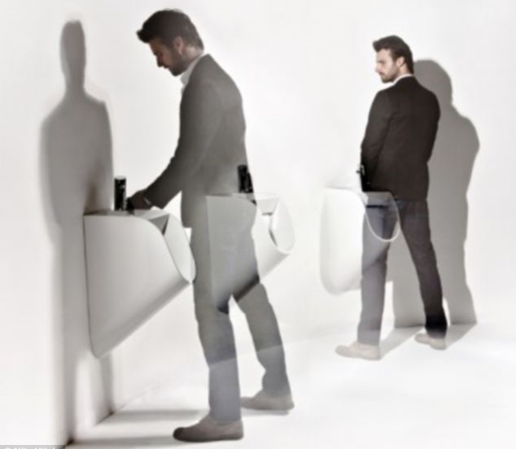
Does this graphic ACTUALLY depict a man washing his hands in a urinal? What is going on?
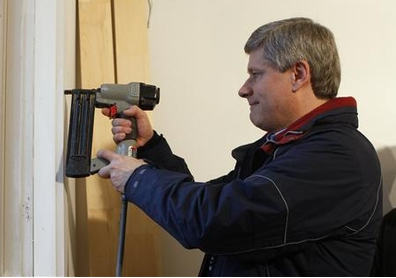
Canada's Prime Minister, Stephen Harper, was photographed using a nail gun to promote a home improvement stimulus program. Too bad he wasn't wearing any PPE.
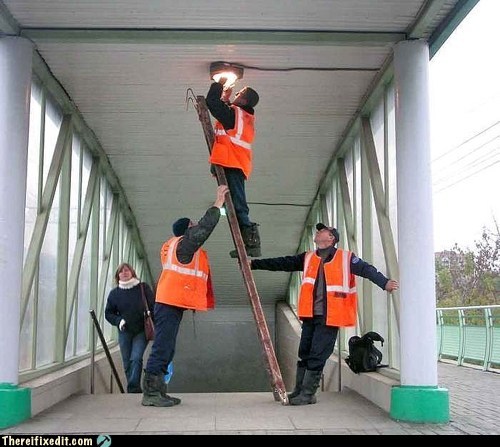
How many workers does it take to safely change a light bulb? Apparently more than these three guys.
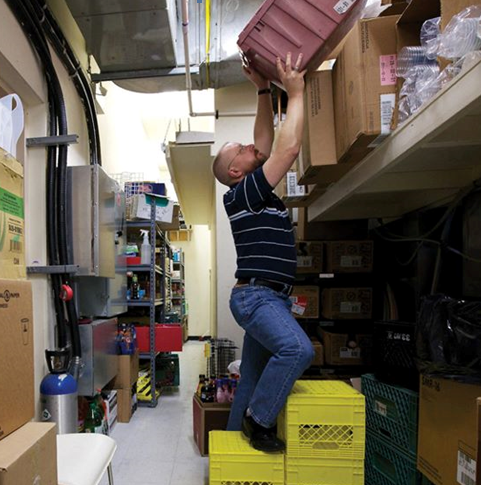
If the nearest ladder is more than a few feet away, many workers will take the easy way out and use a chair or other object as a substitute. This worker shown here has made the unsafe choice of using stacked milk cartons as a ladder to reach the upper shelf of a rack.
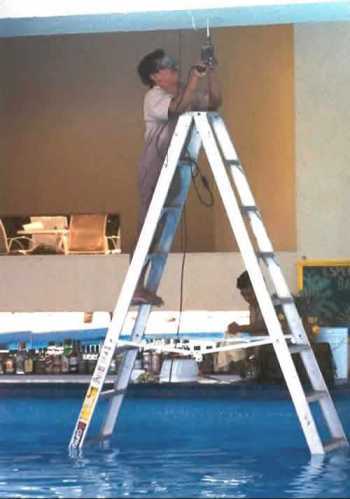
Using an aluminum ladder around electricity is dangerous enough but this guy has raised the stakes considerably.
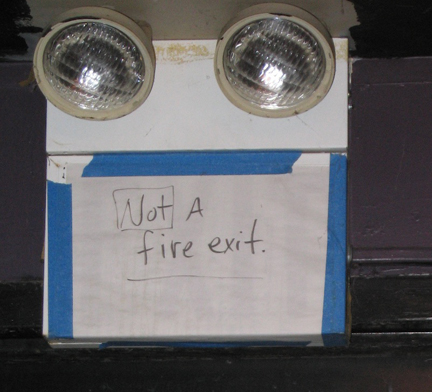
Signs that point the way to safety can be lifesavers during emergencies, but unfortunately, not all signs provide valuable information, as this photo illustrates.

A revealing glimpse into what OHS prosecutors look for when [...]

What to do if you think OSHA has unfairly cited [...]
To assess the risk of repeat violations, you first need [...]
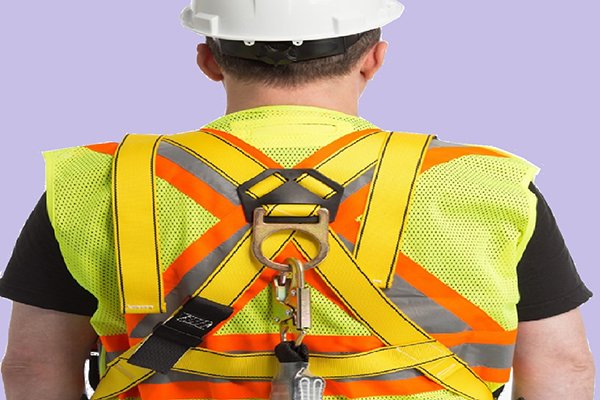
Issues involving a lack of fall protection measures were number [...]
Fall protection issues have topped the list of OSHA’s most-cited [...]

In order for accidents to be reduced to the absolute [...]
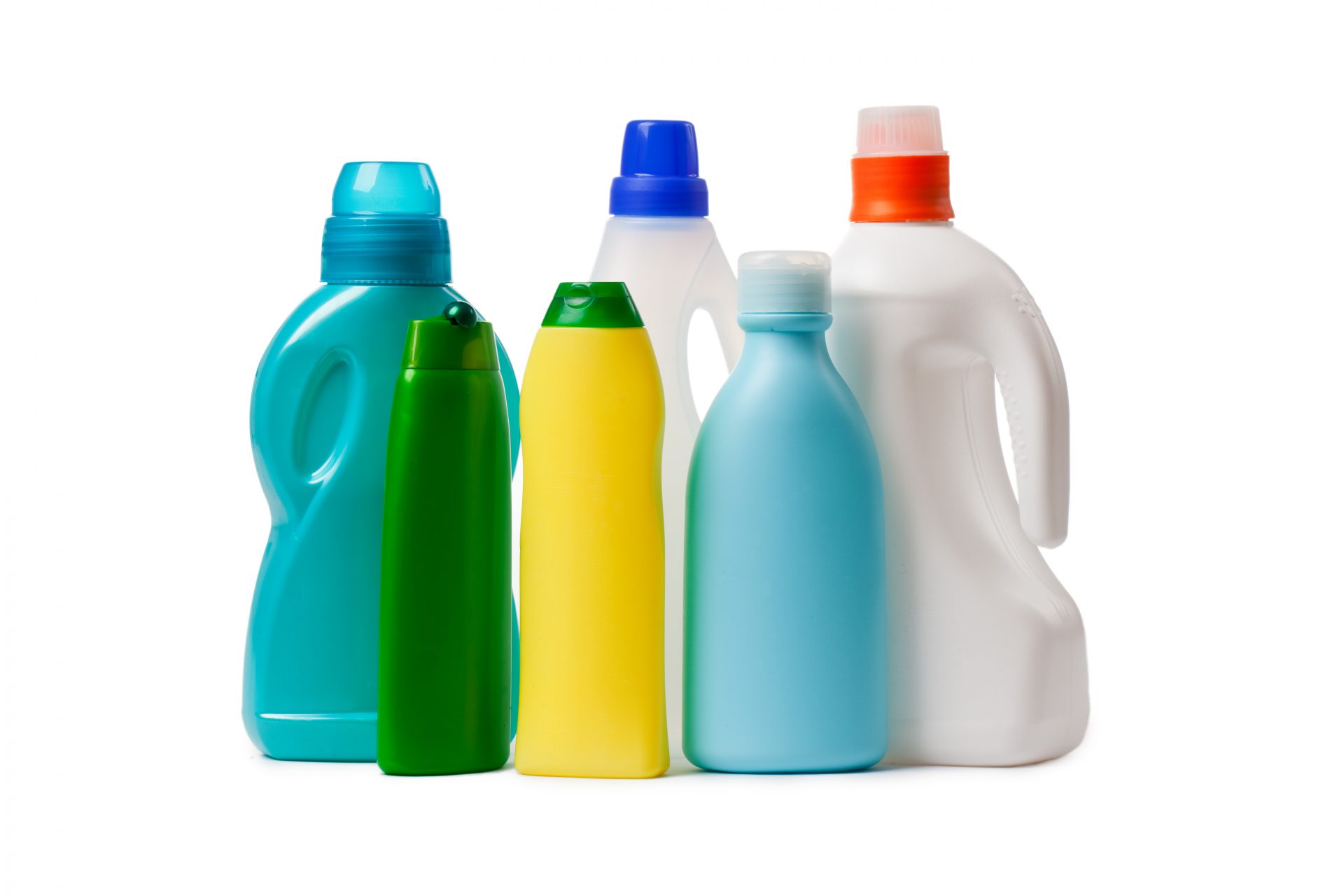
Following the death of a young worker who was exposed [...]

Countless workers have been seriously injured or killed because they [...]

If a co-worker says or does something to upset or [...]
Taking a Successful Safety Program to the Next Level Paradoxically, [...]

OSHA has cited 11 repeat violations for alleged infractions including [...]
This video explains how to comply with GHS requirements, without changing your entire HAZCOM program. The topics in this program include: changes to hazcom, hazard classifications, labels, pictograms, the new safety data sheets (SDS)
(15 min)

Topics covered include: taking immediate action at the scene of the incident, gathering facts and information, how to take effective pictures and document an incident scene, techniques for interviewing witnesses, methods for analyzing the facts and information gathered, developing corrective actions, Implementation and communication, and the importance of follow-up.
(17 Minutes)

This video meets the training requirements for employees working in service, hospitality, and foodservice industries. Designed for workers identified as first aid/CPR providers or whose jobs may expose them to blood or blood-exposed body fluids, linens or clothing.
(10 minutes)
Since it's your first time, you may want to checkout some of the video tutorials.


 800-ICW-SAFETY (800.429.7233)
 SAFETYOnDemand@icwgroup.com