
Injury and Illness Prevention Plan Self-Assessment
An Injury and Illness Prevention Program can help you save lives, save money, and comply with regulations.

An Injury and Illness Prevention Program can help you save lives, save money, and comply with regulations.

You should be evaluating your safety program on a regular basis - at least annually – to determine what is working and what’s not and whether the program is on track to meet its goals. Tracking and analyzing leading and lagging indicators are one effective way to monitor the performance and progress of your safety program.

It can be tricky dealing with the various personality types, levels of experience, and differing backgrounds of meeting participants. You can’t always predict what their reaction will be, and you may not have advance knowledge of who will be in attendance, but you can still prepare. One way is by understanding the four general types of meeting participants you’re likely to encounter and how best to interact with them. You may also encounter entire groups that have these characteristics – the response is the same.

In a 2013 webinar former, OSHA administrator David Michaels said, “We have known for decades that new workers, when they first start at a new job, are at greatly increased risk of injury – and we know why: New workers are often not adequately trained in the potential hazards at the new jobsite and the measures they can take to protect themselves.” And yet, according to the Toronto-based Institute for Work & Health, only 1 out of 5 new workers receives safety training.
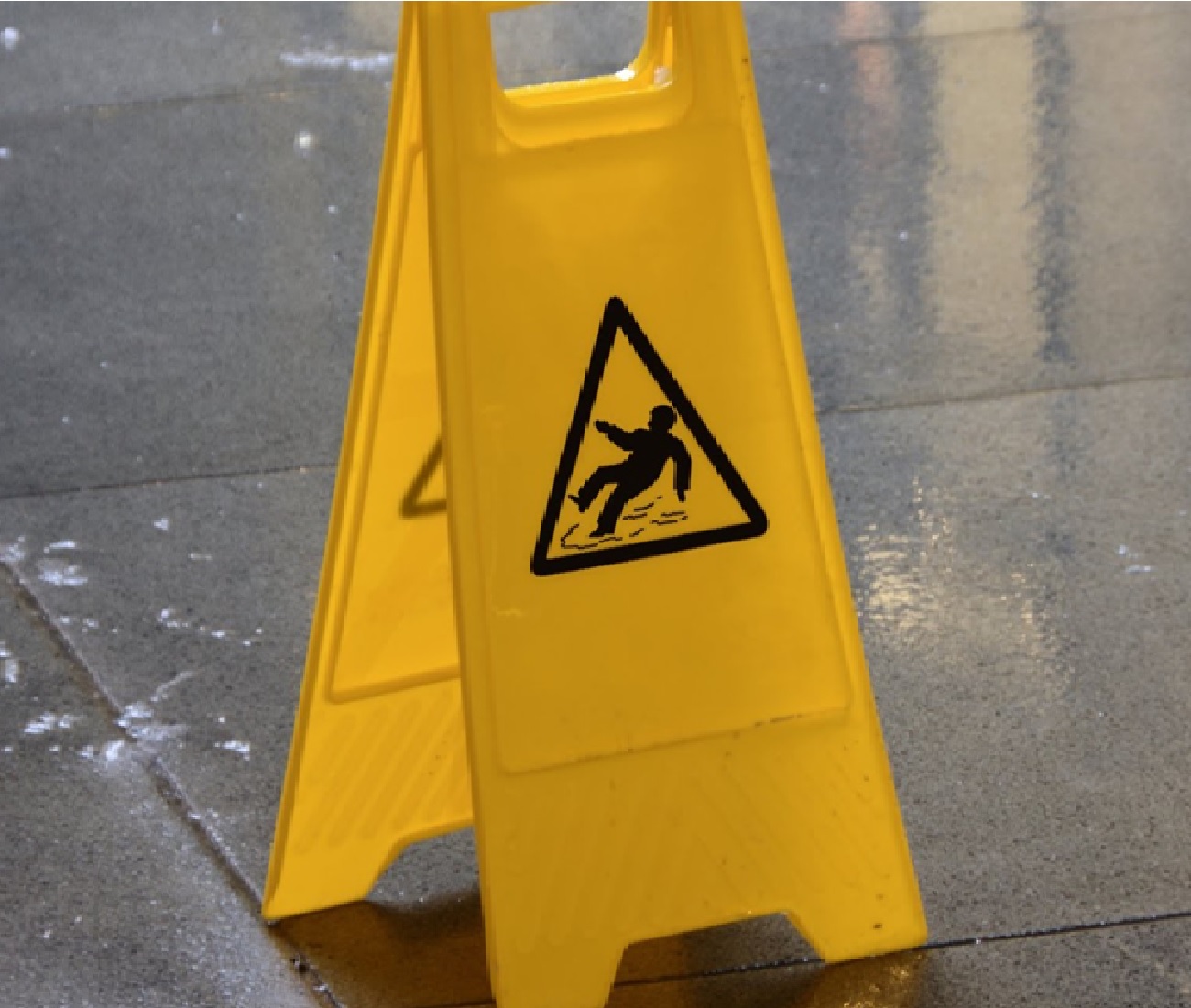
Slips, trips and falls are among the leading causes of workplace injuries. They occur when housekeeping procedures aren’t followed and enforced, when you rush or fail to pay attention to what you’re doing and where you’re walking, when you don’t wear the right kind of footwear, and when stairways, parking lots, and other walking and working surfaces aren’t well-maintained.

Lifting, pushing, pulling and carrying heavy objects remains a fundamental job task in just about all industries and work settings. Performing these tasks – typically referred to as “manual materials handling” – puts workers at risk of musculoskeletal disorders (aka, “MSDs”), or serious and painful injuries to the back, limbs, joints and muscles. This Workplan outlines four steps you can implement over a 30-day period to prevent MSDs along with the insurance, citations, productivity, and other liabilities that can result.
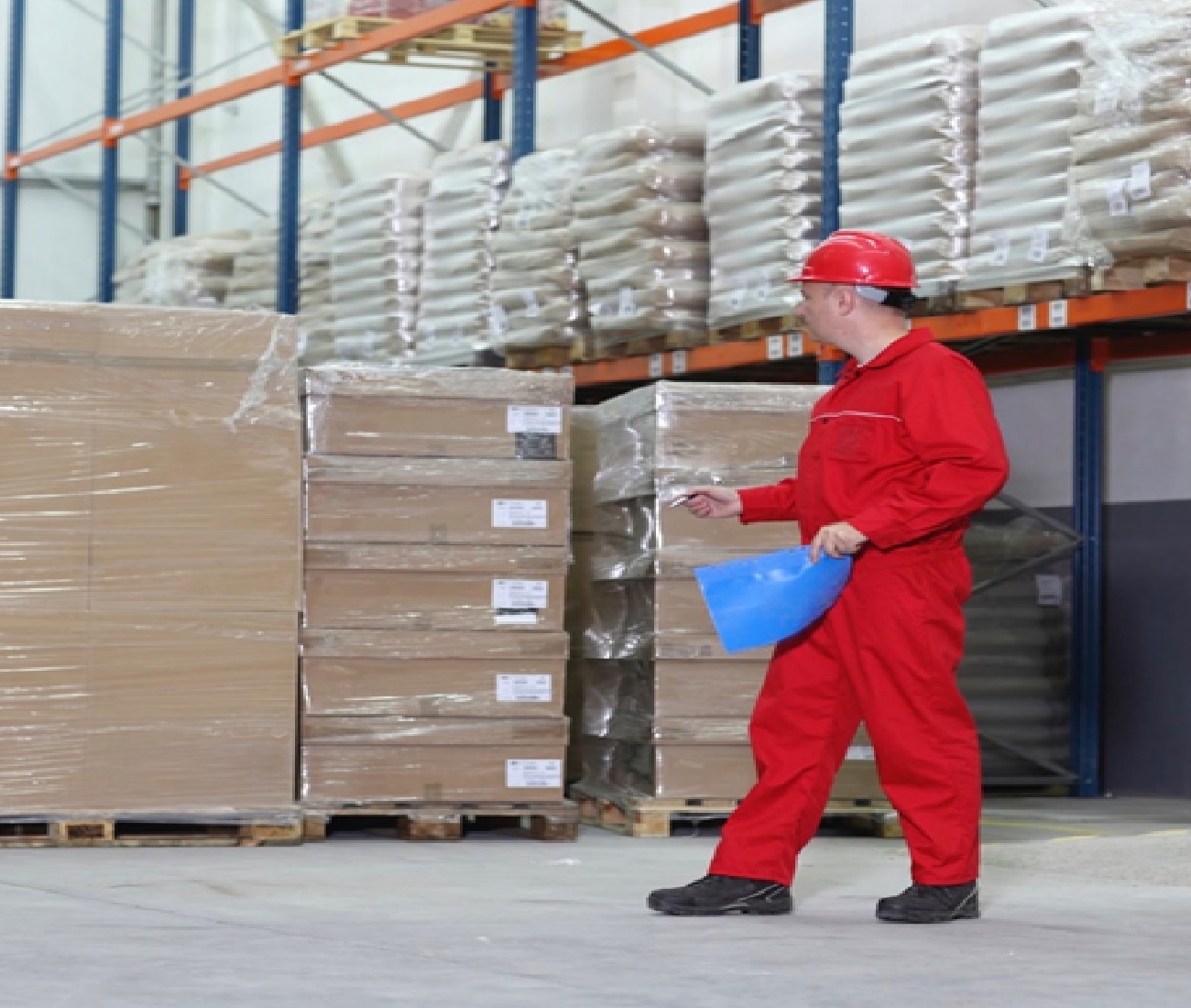
Materials handling work is part of many jobs. Think about the different things you lift, move, and store as part of your job – frequently or infrequently.
You need to perform evaluations of your materials handling procedures, equipment and operations annually or sooner after major changes occur in the workplace. This tool will help you keep up-to-date. Use this Checklist to conduct a general review of materials handling compliance and ensure you’re free from incidents and citations. Any “no” answers should be investigated and corrected
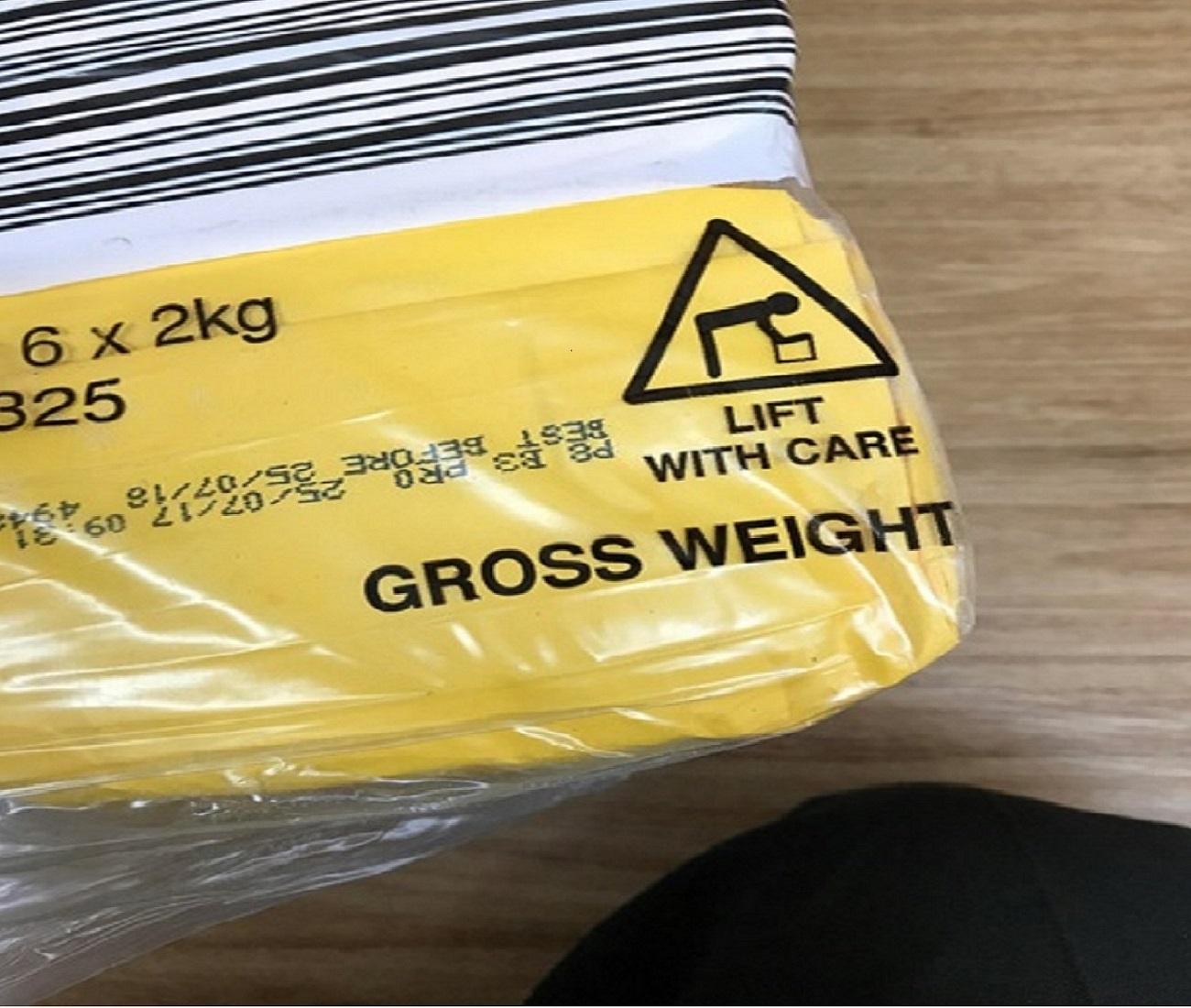
Manually moving materials is one of the quickest and the most prevalent way to injure your back. Back injuries are painful for the worker and costly for the employer. To reduce back injuries at work, it is important to find and avoid risk factors that increase the chance of injury.
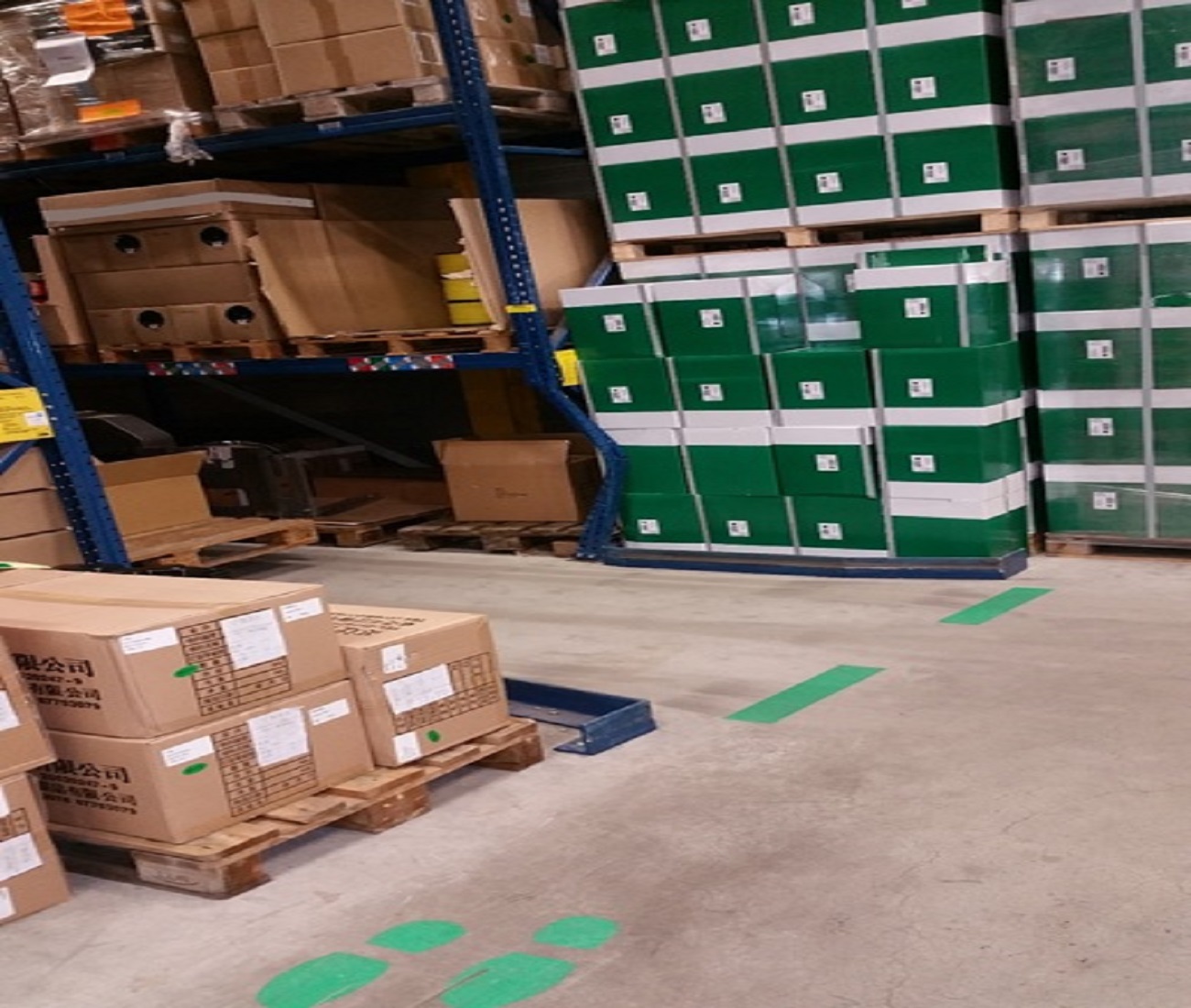
Warehouse racks and material stacks are nothing to take lightly. A damaged rack can lead to hundreds of thousands of dollars in lost and damaged inventory. Then there are the injuries and fatalities caused if the racks and materials fall. Your co-workers, delivery drivers, and even customers can be injured and killed if a rack or material falls.

Did you know your mental, physical, and emotional fitness is part of a safe work environment? If you are fit and healthy, you are likely to have more energy and stamina.

Near misses make up more than half of the incidents that occur in workplaces. A near miss is an unplanned event that did not result in injury, illness, or damage but had the potential to do so. A near miss needs attention, as they are a warning that conditions are right for a possible accident.
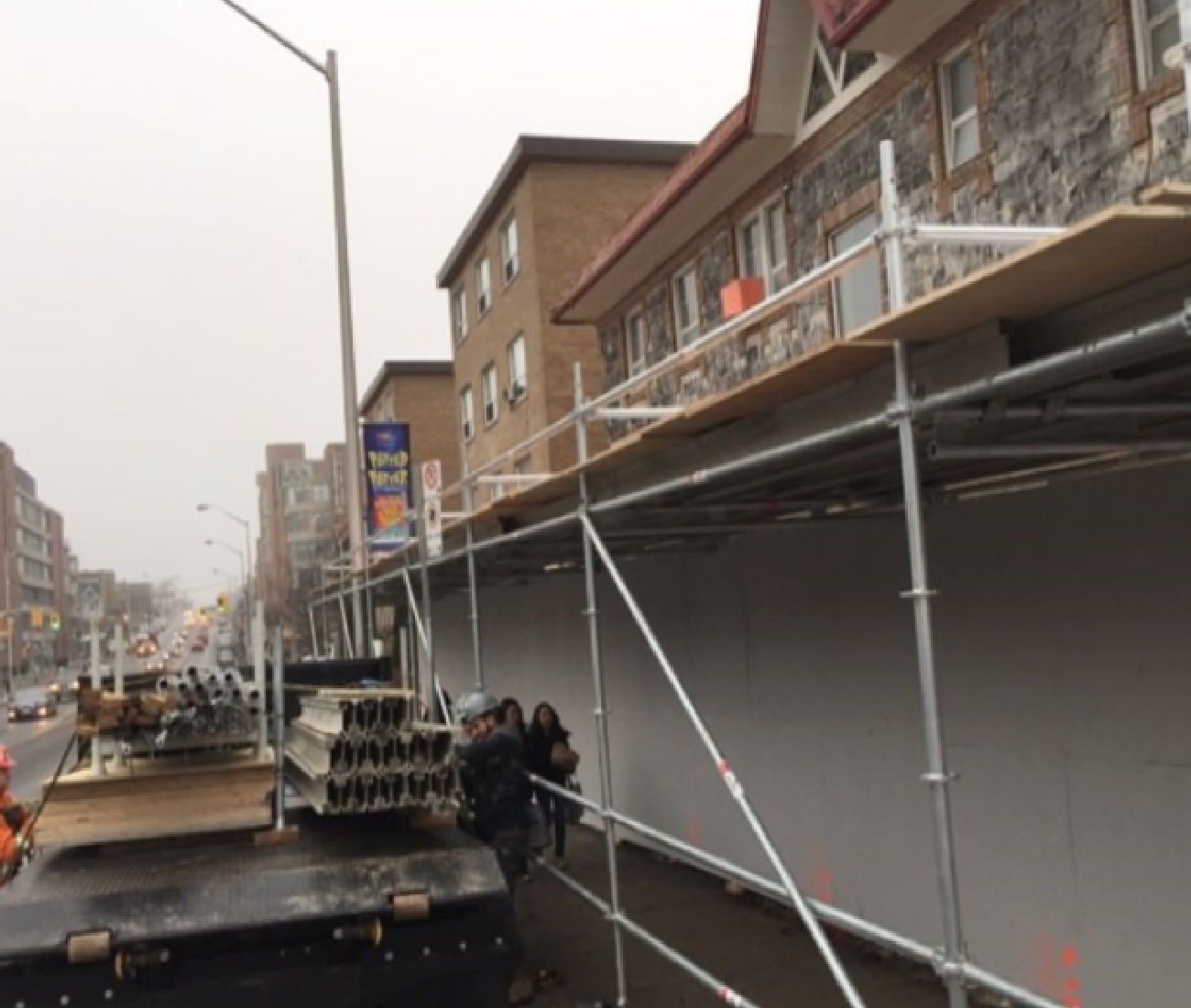
Some of the worst hazards in any work area are the ones you don’t see - because they’re above you. What’s at stake is your life, and there are two basic ways you could lose it: electrocution or falling objects.

Electricity is the movement of electrons between atoms. In their normal state, electrons in a conductor such as copper, freely and randomly move from atom to atom.

Most workplaces are required to establish and implement an Emergency Action Plan. Use this Checklist to determine if your EAP includes all required elements – or to help create a new EAP.
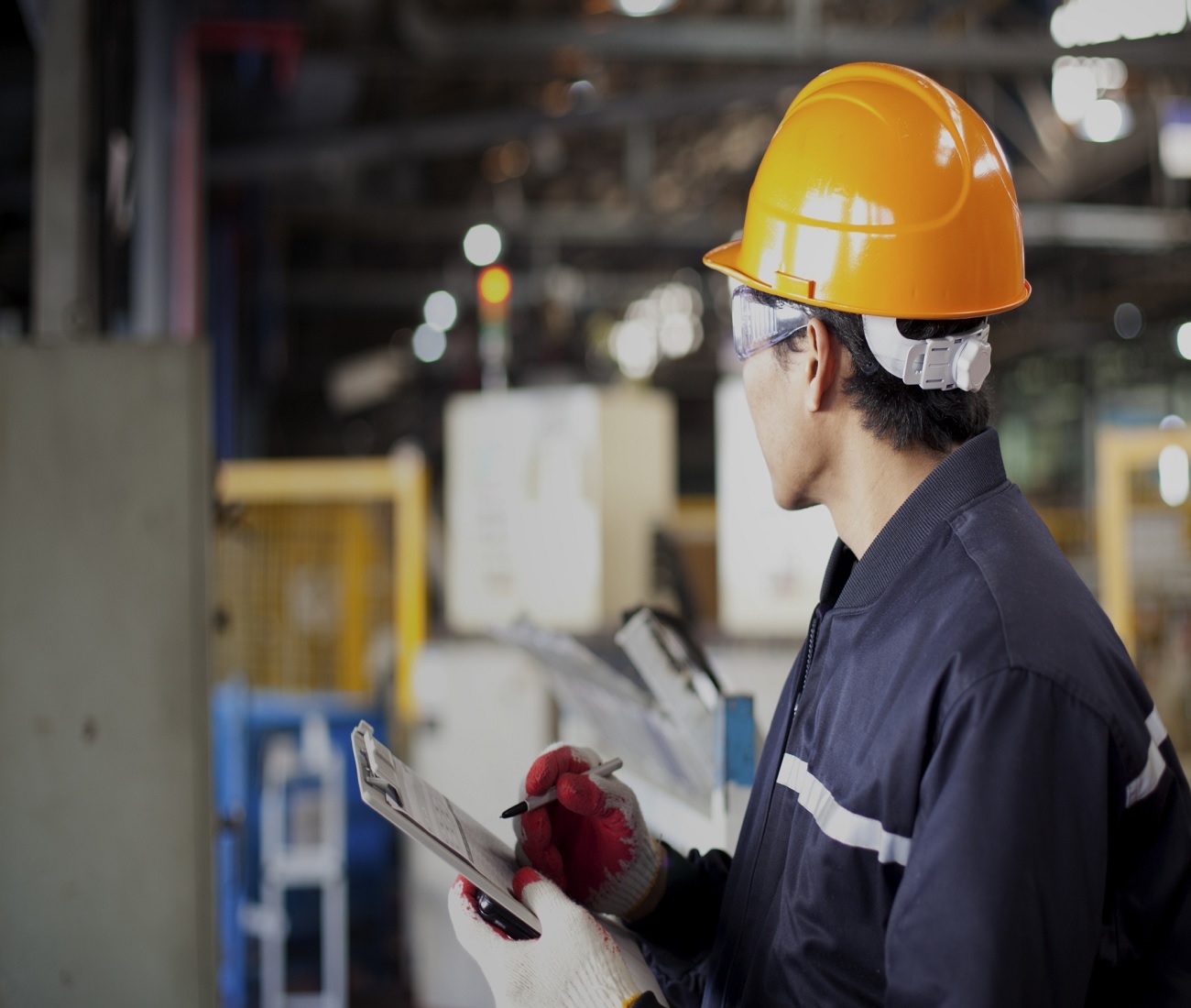
Fire, natural disaster, and other emergencies can strike your workplace without warning at any time. While you can’t predict them, you can prepare for them and preparedness save lives, prevent injuries and limits property damage. If that’s not motivation enough, being prepared for workplace emergencies may save your business thousands and even hundreds of thousands in safety fines avoided.

Knowing what to do in an emergency (fire, chemical spill, natural disaster, etc.) helps evacuation move quickly and safely, allows for the quick contact of emergency services, prevent further destruction, and save lives. Use this Questionnaire to quiz workers on how they would respond in an emergency. Their answers and feedback will help you identify holes in your emergency planning programs and your training. You can edit it to fit the specific needs of your organization.
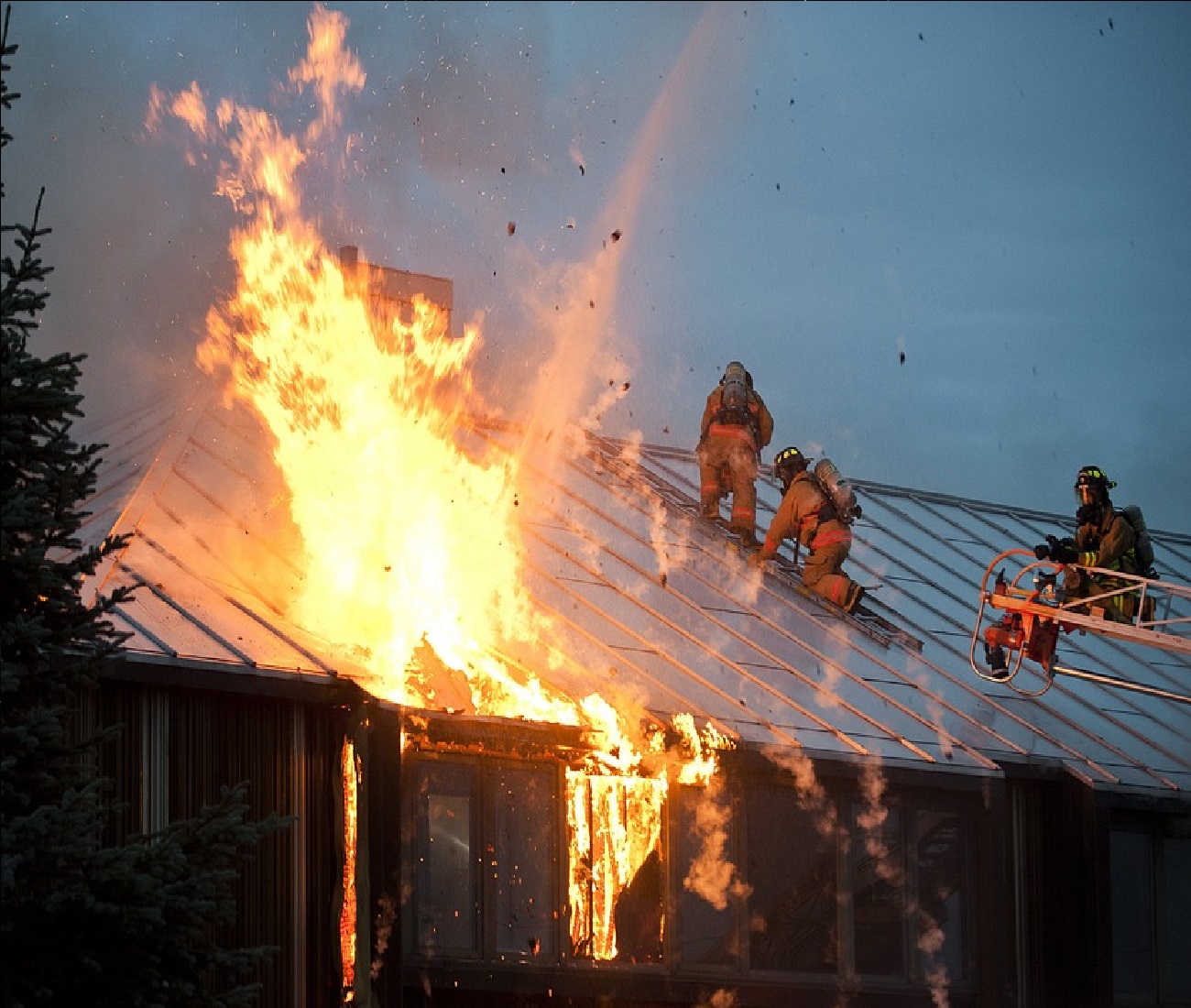
Imagine being at work when suddenly the lights go out and someone starts yelling, “There’s a fire! We need to get out of here! This place is on fire!” Imagine fumbling your way in the dark and the smoke to an exit…only to find it was locked…from the outside. This is exactly what happened to Lilly Davis and 80 other workers on September 3, 1991 at the Imperial Foods chicken processing plant.
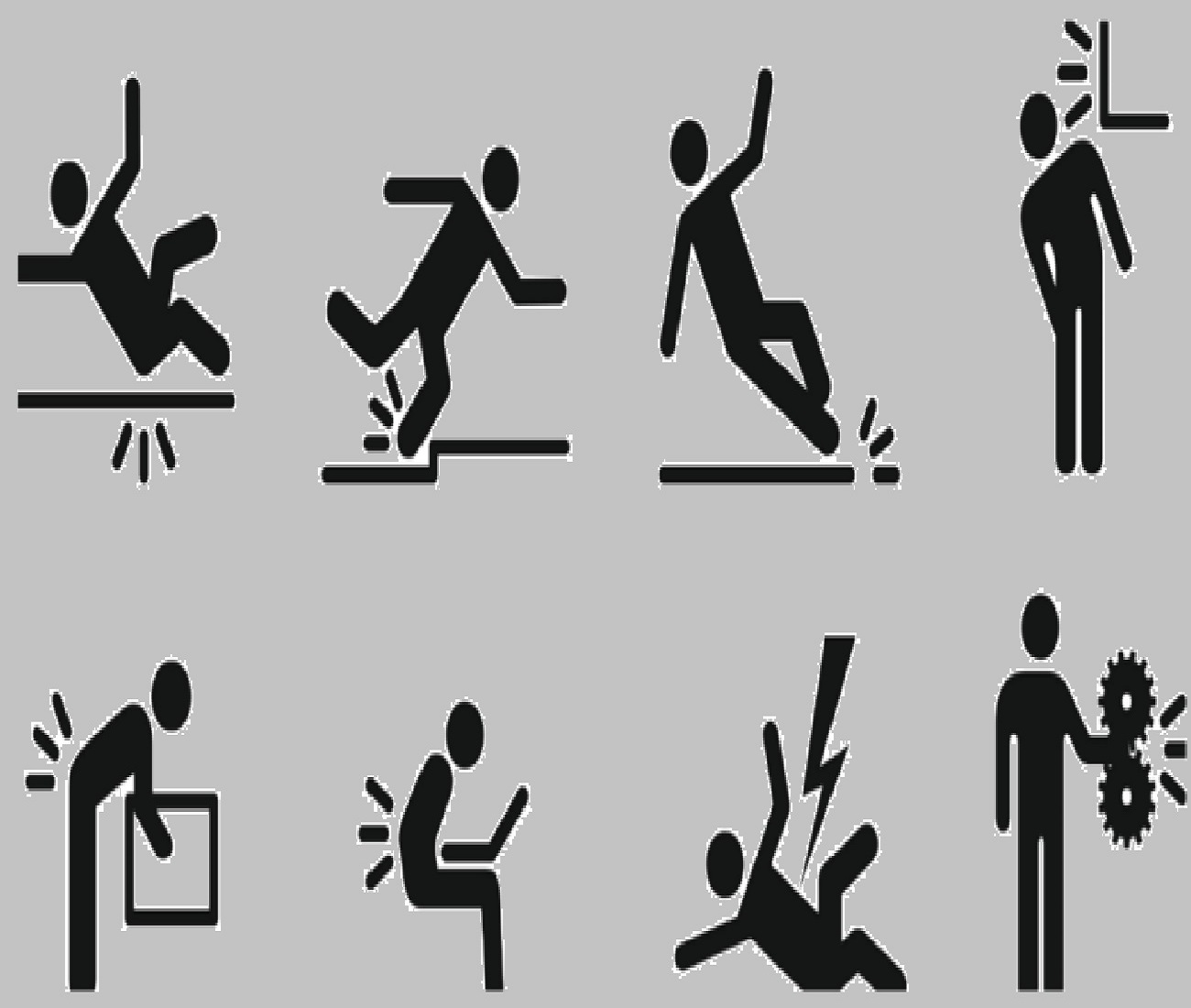
If you and your friends were facing a dangerous, deceptive enemy, you'd want to find out all you could about the enemy and share any information you come up with. The fact is you do have such a treacherous enemy—the workplace hazard. And this enemy threatens you and your co-workers daily.
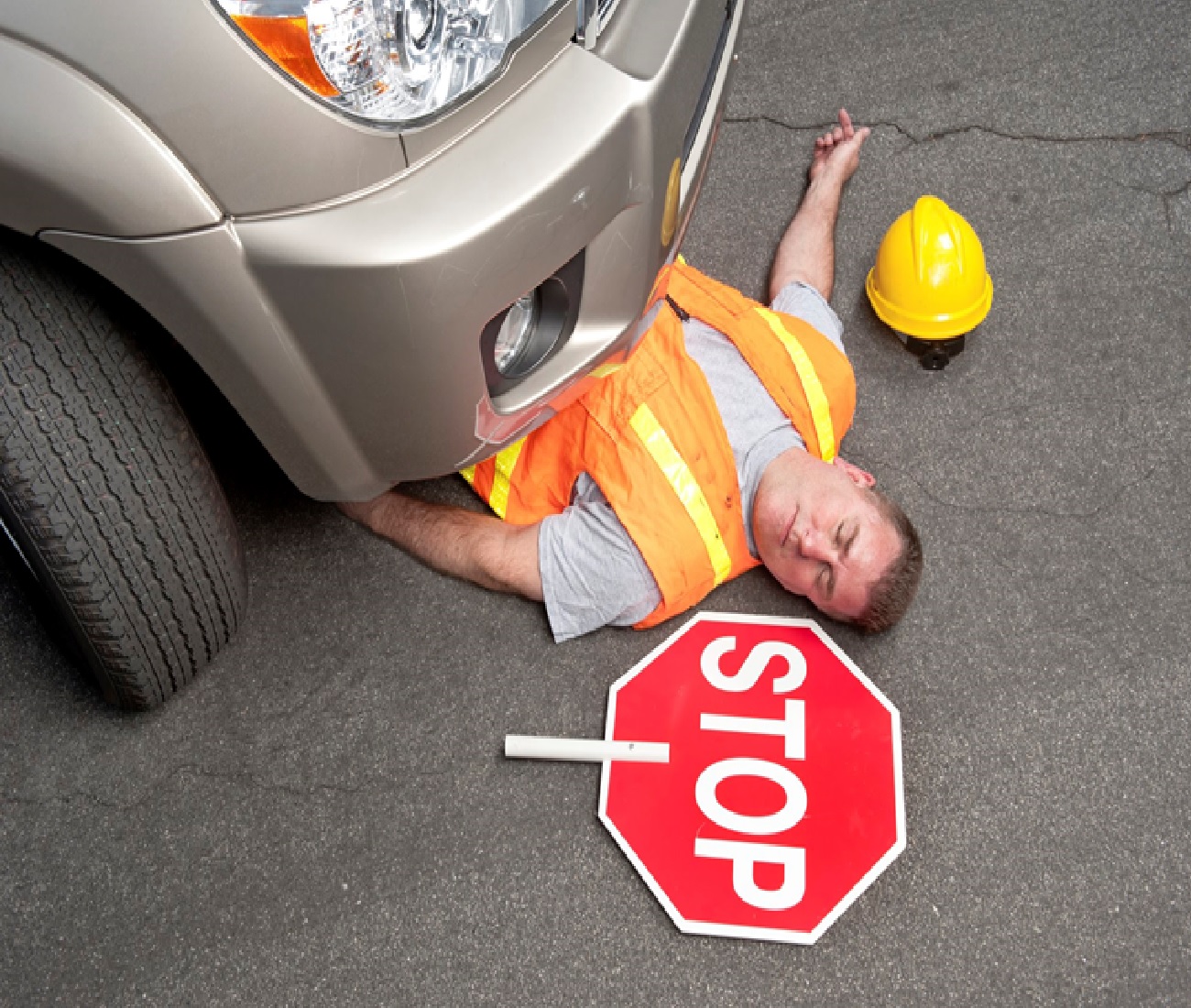
You’re an accident waiting to happen if you are not alert at work. This applies to most high-risk jobs, trucking and transport jobs, repetitive jobs, such as sorting logs in a lumber mill, and a host of other jobs – regardless of the inherent risk level.

The ever-increasing use of smartphones finds most of with our heads down staring into the glow of text messages, games, tweets, twitters, selfies and more. One of the downsides to this obsession is that people mistakenly think they can perform their jobs safely while they use these devices.
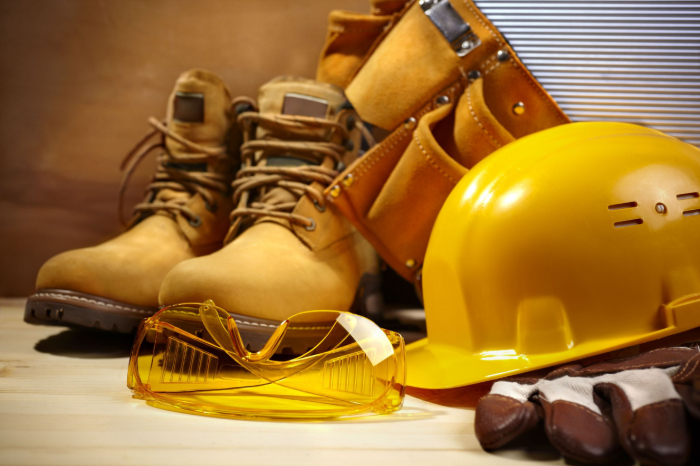
Adapt and use this Hazards Assessment to determine areas of potential and existing ergonomic and materials handling concerns.

To root out ergonomic injuries you must be proactive. The first step is to do a record review and create a “snapshot” of worker injuries, so you can analyze causes and identify trends. Here’s a form you can adapt and use at your workplace to perform an effective records review.
Most offices have few hazardous chemicals and no heavy or moving machinery. If the worst that can happen is a paper cut, why do we need to talk about safety training? Because a paper cut isn’t the worst that can happen. Office employees still need to know what to do in case of an emergency, and accidents are surprisingly common. Also, people who sit down and use computers most of the day need to watch out for ergonomic issues.
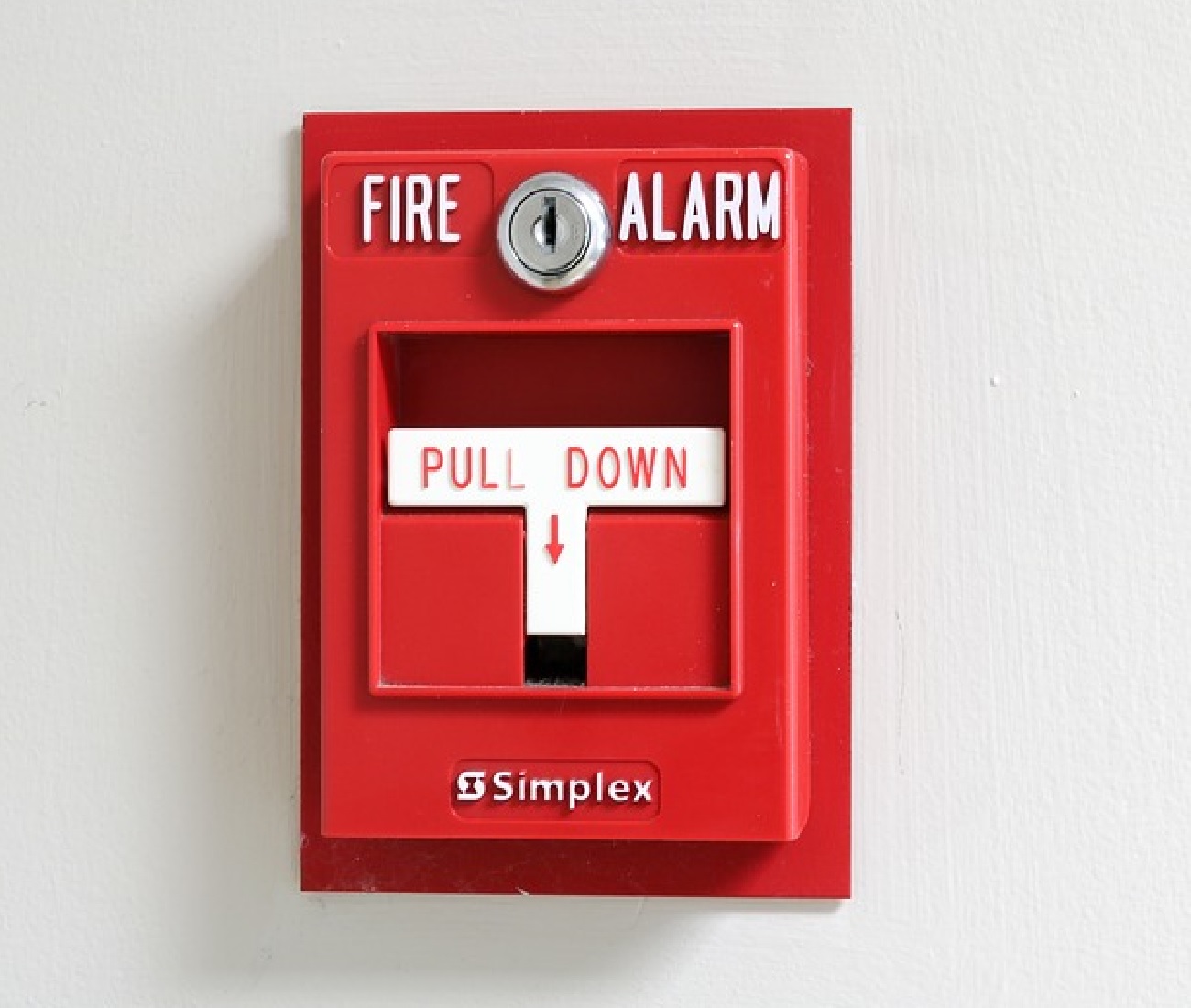
Being prepared for an emergency is part of your employers and your responsibility. For help developing your emergency response planning, Ready.gov offers the following guidance.
Since it's your first time, you may want to checkout some of the video tutorials.



 800-ICW-SAFETY (800.429.7233)
 SAFETYOnDemand@icwgroup.com