
Picture This: Emergency Exit Nightmare
Let’s start with the obvious hazard – a blocked emergency exit. Blocked by conveyors, carts, trash, and cardboard boxes.
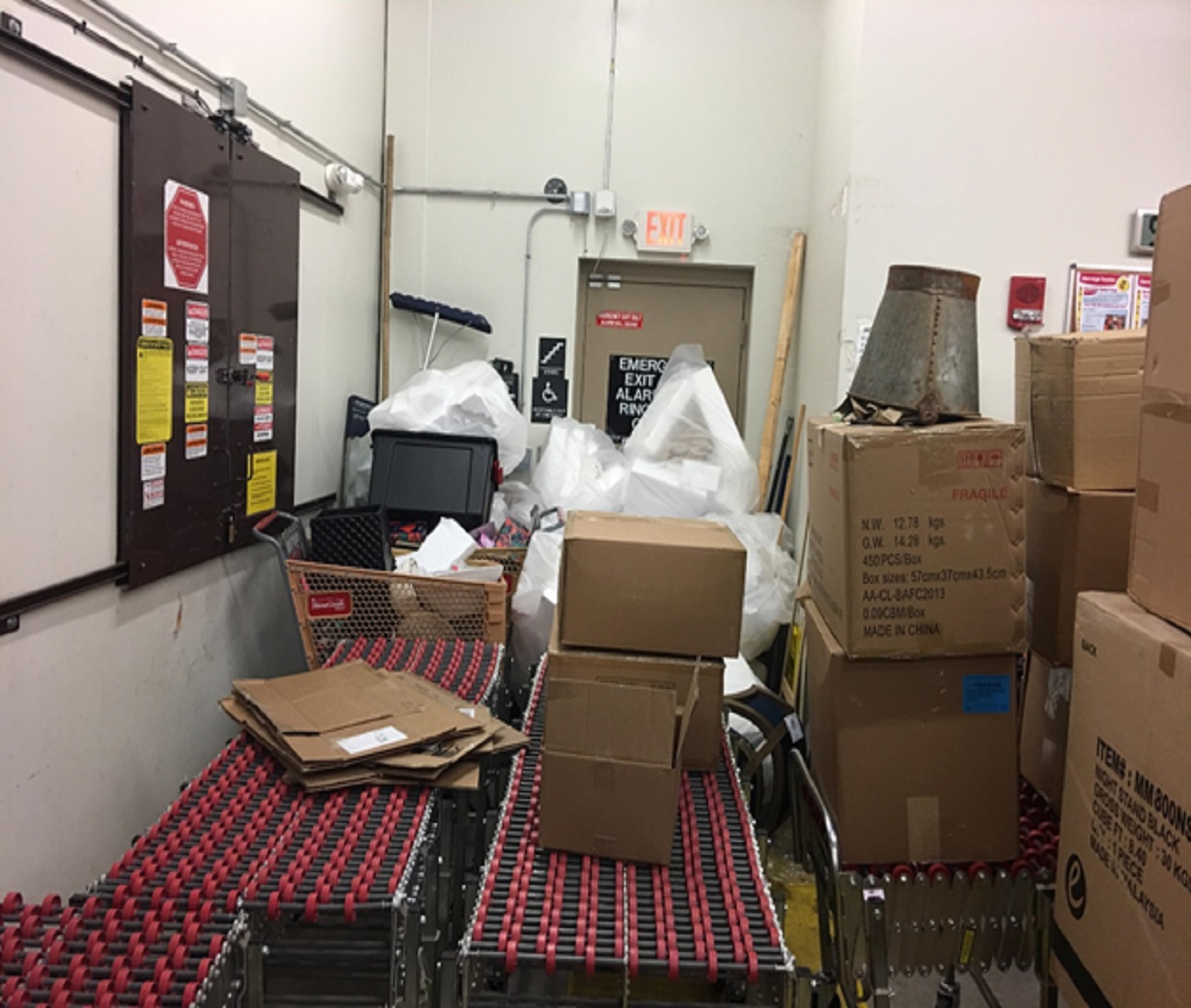
Let’s start with the obvious hazard – a blocked emergency exit. Blocked by conveyors, carts, trash, and cardboard boxes.

Housekeeping/Slips, Trips & Falls A construction site can become a very messy place. But, the longer it stays that way, the more dangerous it becomes. This video outlines the connection between good housekeeping and injury prevention, especially slips, trips & falls. Common trip and fall hazards are shown and the root causes are examined for maximum impact.
This video addresses common causes of housekeeper strains and injuries. Ergonomic principles and postures are taught as a way to increase comfort and increase safety. Early recognition of symptoms is taught as the key to preventing injuries. Proper postures while making beds, vacuuming, cleaning the bathroom and others are presented in an easy to understand way.

Ski Areas???snow ???ice???water???slippery surfaces???they increase the potential for a slip, trip or fall. But does this mean a slip, Trip or fall HAS to happen? Of course not. Slips, trips and Falls are preventable and that???s what this program is all about???prevention. The program examines some common slip, trip and fall accidents common to ski areas and examines the root causes of each.

Preventing Workplace Violence shows employees how to recognize the warning signs of possible violent behavior, as well as how to avoid or defuse potentially dangerous situations. One out of every six violent crimes occurs in the workplace. And while workplace homicides grab the headlines??? (homicide is the second leading cause of death on the job and the number one killer of women in the workplace)??? other forms of workplace violence happen much more frequently. No organization, regardless of its size or type, is immune to workplace violence. Areas covered in the course include the nature of workplace violence, underlying causes and warning signs, aggressive behavior, threats and verbal abuse, sexual harassment, physical assault and armed assailants, fostering a positive workplace environment, and more.This VOD program is one of the most effective and efficient ways to get employees the training that they need, in a classroom or individually through their desktop or tablet computer.
Failure to lock out and tag machinery before working on it is a major cause of injury and death in the United States. Workers can be electrocuted or lose fingers, hands, arms, or suffer severe crushing injuries because machinery is inadvertently turned on while being serviced or maintained. Lockout/Tagout prevents these in juries. This short program is designed to explain basic lockout/tagout procedures, some terminology used in the procedures and general requirements.
Failure to lock out and tag machinery before working on it is a major cause of injury and death in the United States. Workers can be electrocuted or lose fingers, hands, arms, or suffer severe crushing injuries because machinery is inadvertently turned on while being serviced or maintained. Lockout/Tagout prevents these in juries. This short program is designed to explain basic lockout/tagout procedures, some terminology used in the procedures and general requirements.

Domestic violence often crosses over into the workplace and many domestic violence victims are in danger of being attacked, harassed, or stalked while at work. Would you know what to do if an employee came to you about violence they are experiencing at home? Does your organization have a plan? An organization’s response to and support of victims can help to keep the workplace safe and secure for everyone.

A study done by the Society for Human Resource Management, found 65% of companies don’t have a formal workplace domestic violence plan in place even though 16% of organizations have had a domestic violence incident in the past five years.

Domestic violence often doesn’t stay confined to the home. Whether directly or indirectly, domestic violence effects the victim, co-workers, and the organization. Learn these warning signs and risk factors for domestic violence in the workplace and share the information with your employees during workplace violence training.

Protecting employees from harm is the foundation of every safety program and piece of safety legislation. Protecting employees from workplace violence must be part of your safety program. Further still, having a plan and program in place to help employees experiencing domestic violence should be, and in many cases must be, part of your safety program.

How would you respond if one of your employees came to work with bruises or other injuries? Does your organization have a policy and process in place for dealing with suspected and confirmed cases of domestic abuse?

There are four generally agreed upon categories of workplace violence. Once you know what the categories of violence are you and your employer can practice ways to protect you, co-workers, and the public from ha

Unexpected emergencies occur every day in many facilities, including laboratories, offices, and residential buildings. It might be a fire, flood, earthquake, shooting, tornado, or hazardous chemical spill. If you don’t know what to do during an emergency the odds increase that you or others around you will be injured or killed.
Customer Service…Hospitality, the two go hand in hand. Customer service is everyone’s job at the hotel, not just the Front Desk. This program outlines some do’s and dont’s of customer service and teaches your associates to make a good impression, regardless of what department they work in.
The United States Department of Homeland Security defines an Active Shooter as an individual or group of individuals actively engaged in an attempt to shoot or shooting people in a confined or populated area. They normally occur in crowded, public areas so restaurants are a prime target. Although your chances of being a victim of an active shooter incident are minuscule, it is important that you be prepared for such an incident.
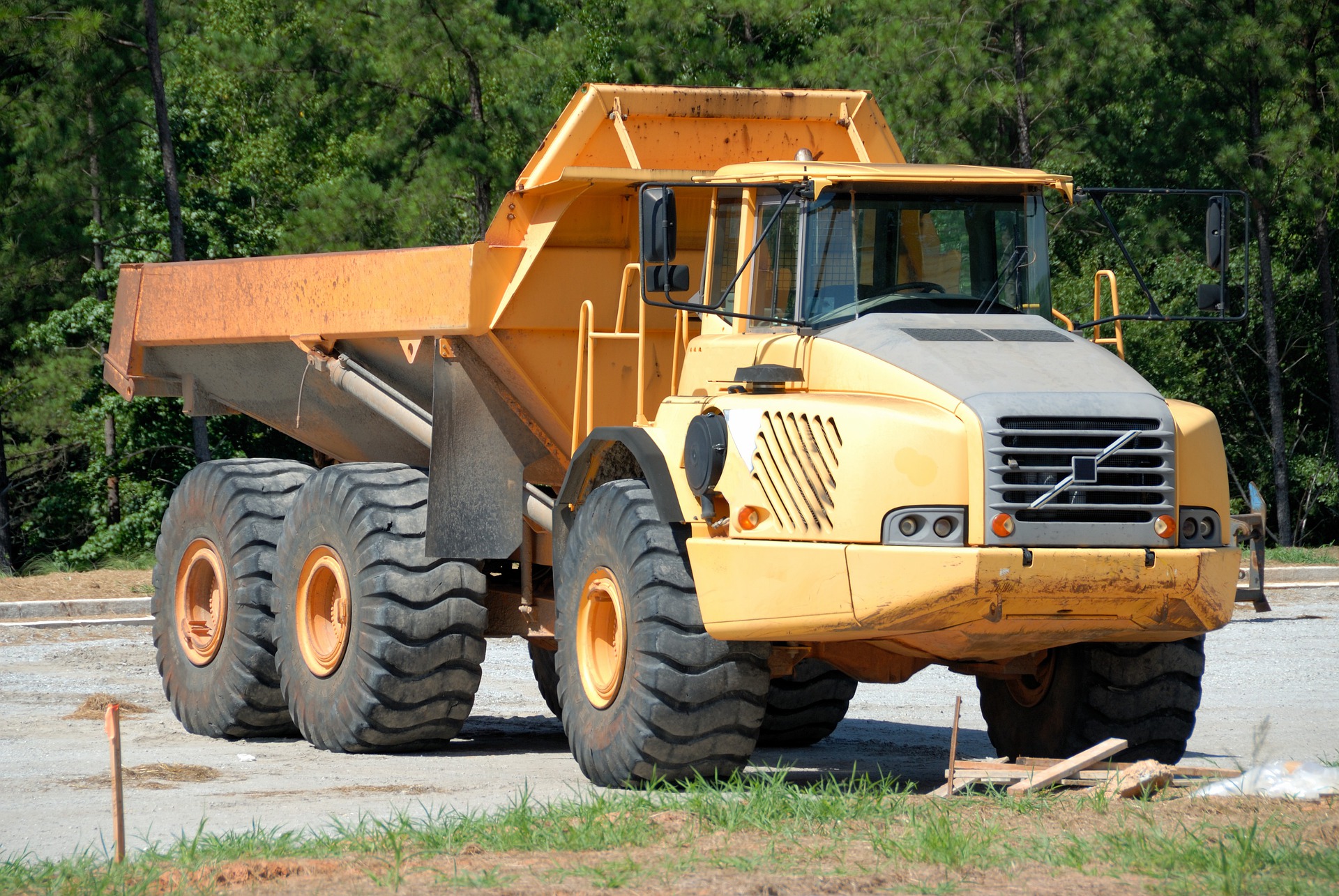
This videos covers some of the hazards you might face while operating a dump truck.
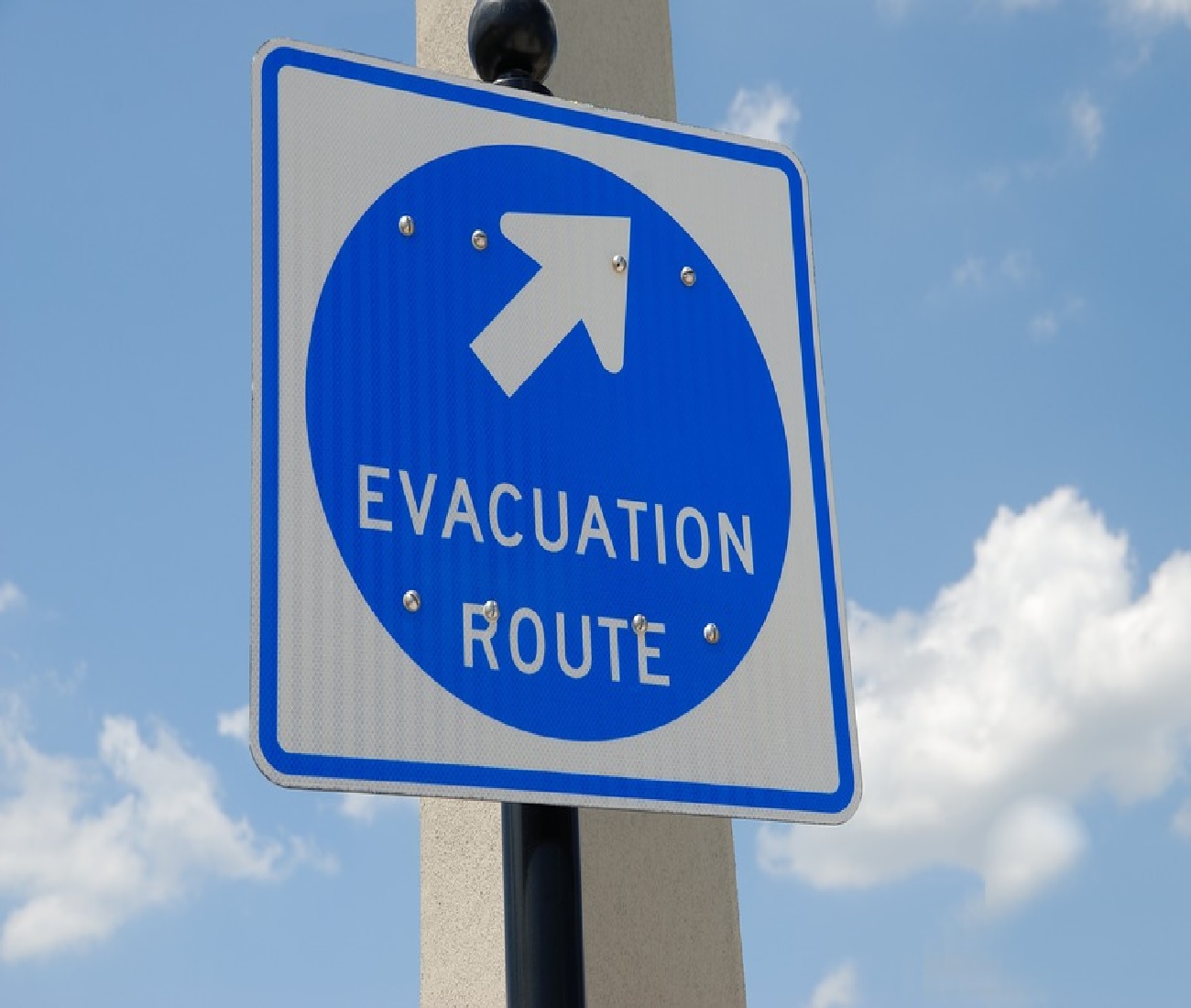
We are all vulnerable to disasters–whether they’re the work of Mother Nature in the form of earthquake, tsunami, hurricane, tornado or flood or deliberate acts of mankind in the form of arson, bombing or other act of terrorism. Surviving such disasters often hinges on being prepared.

When a serious incident happens in the workplace, everyone will be busy dealing with the emergency. Helping injured victims, assessing if the danger has abated, trying to piece together what happened. So, it’s critical to be prepared to investigate an incident before one occurs.
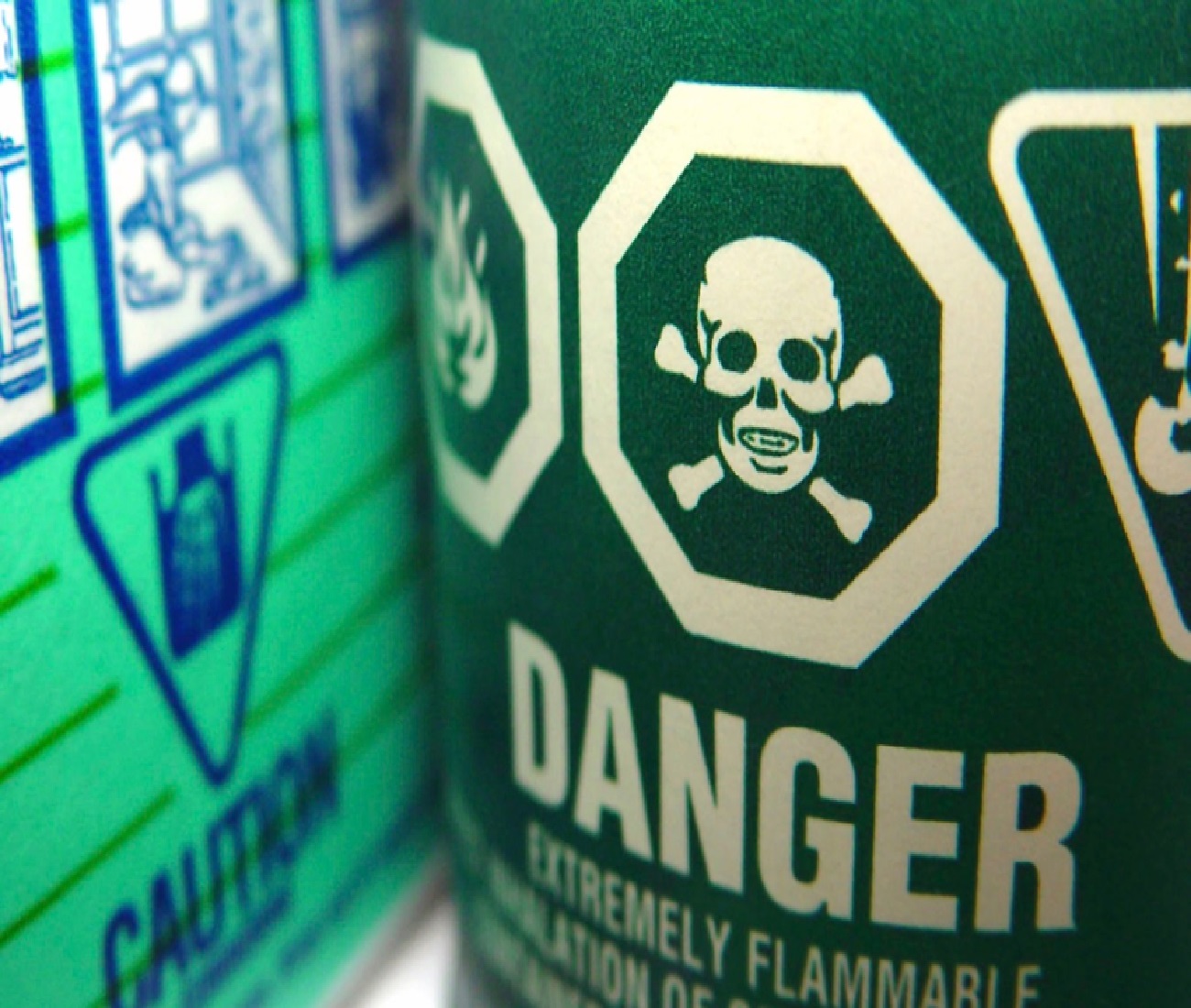
Poisoning, accidental or intentional, causes significant harm or death to many US and Canadian people. Poisoning takes many forms as harmful chemicals can be breathed in, swallowed, touched or injected.
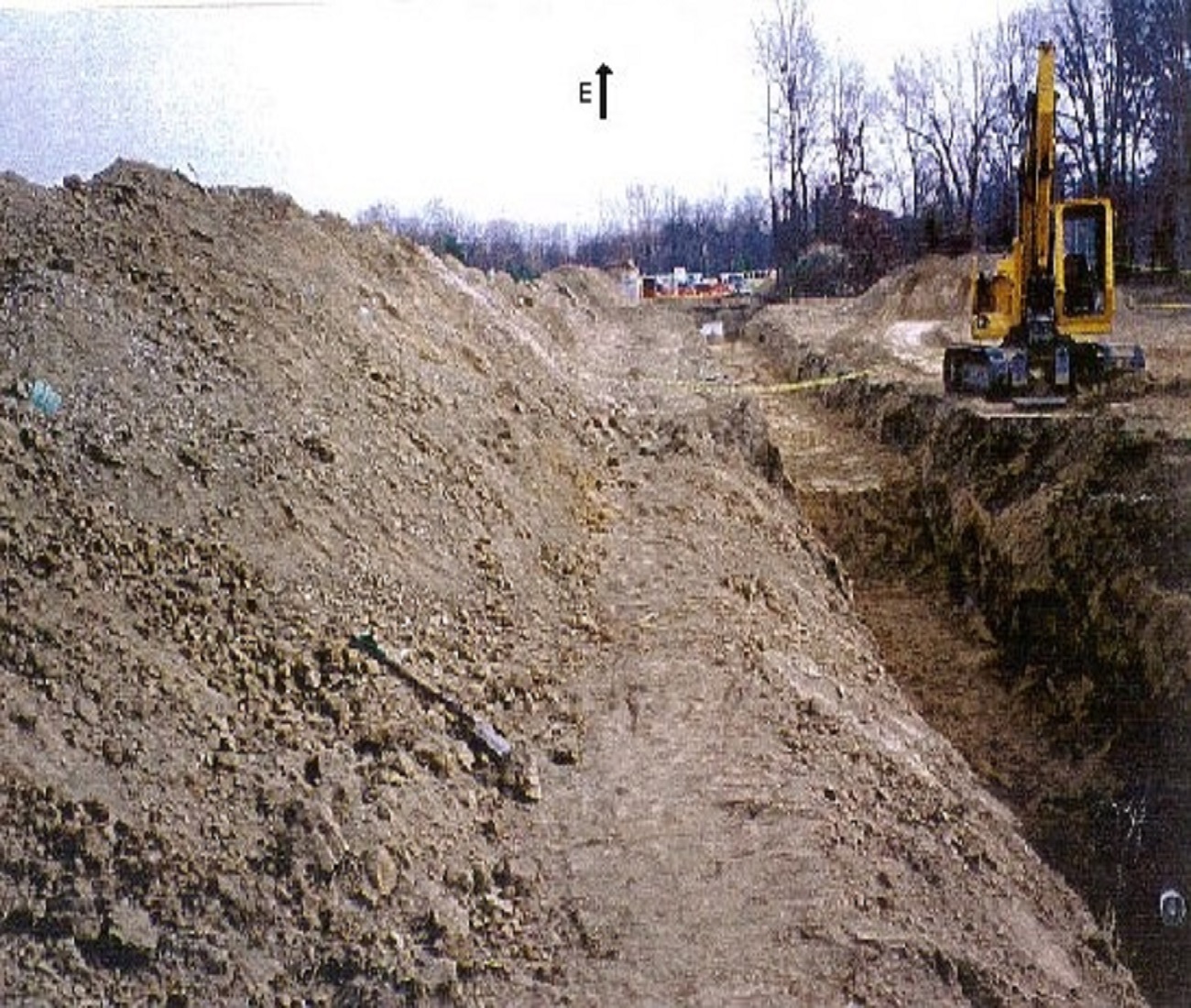
Two workers entered an unprotected trench (11 feet deep x 8 feet wide) to set new sections of pipe. Only one would survive.

Use this checklist as a starting point and edit the list as necessary for location specific regulations and work performed.

Slips, trips, and falls are consistently rank as one of the top 2 causes of injuries and deaths on the job. Our contributor, Zachary O’Dell from SafetyLine asks, “Have you taken these 6 precautions to avoid injuries in your own workplace?”

Hazardous walking and working surfaces account for hundreds of thousands of injuries and hundreds of deaths every year. This translates into billions of dollars spent on work comp, lost-time injuries, and days away from work. Set yourself, your employees, and your organization up for success by doing your part to keep these surfaces safe.

Infographic - summer safety
Since it's your first time, you may want to checkout some of the video tutorials.



 800-ICW-SAFETY (800.429.7233)
 SAFETYOnDemand@icwgroup.com