Walking and Working Surfaces Checklist
Use this checklist as a starting point and edit the list as necessary for location specific regulations and work performed.

Use this checklist as a starting point and edit the list as necessary for location specific regulations and work performed.
Staph is a very common, generally problem free, bacteria that lives in the nose or on the skin of up to 1 in 3 people. Staph only causes a problem if it gets somewhere it shouldn't, such as into a wound, or the blood. Staph can be easily treated with antibiotics but over time some bacteria have developed a resistance. These strains are commonly known as MRSA, Methicillin-resistant Staphylococcus aureus and can cause a variety of problems ranging from skin infections to pneumonia.
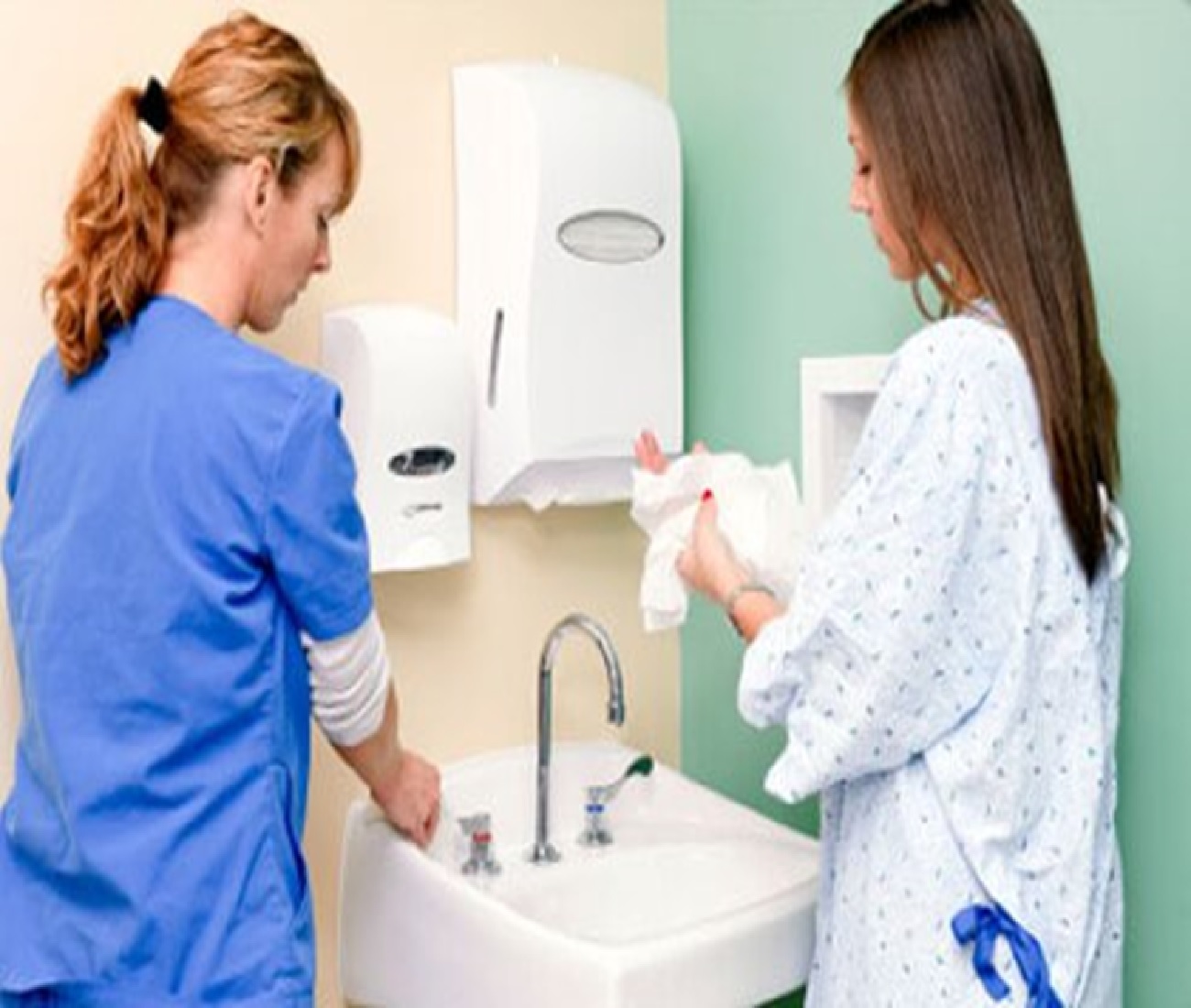
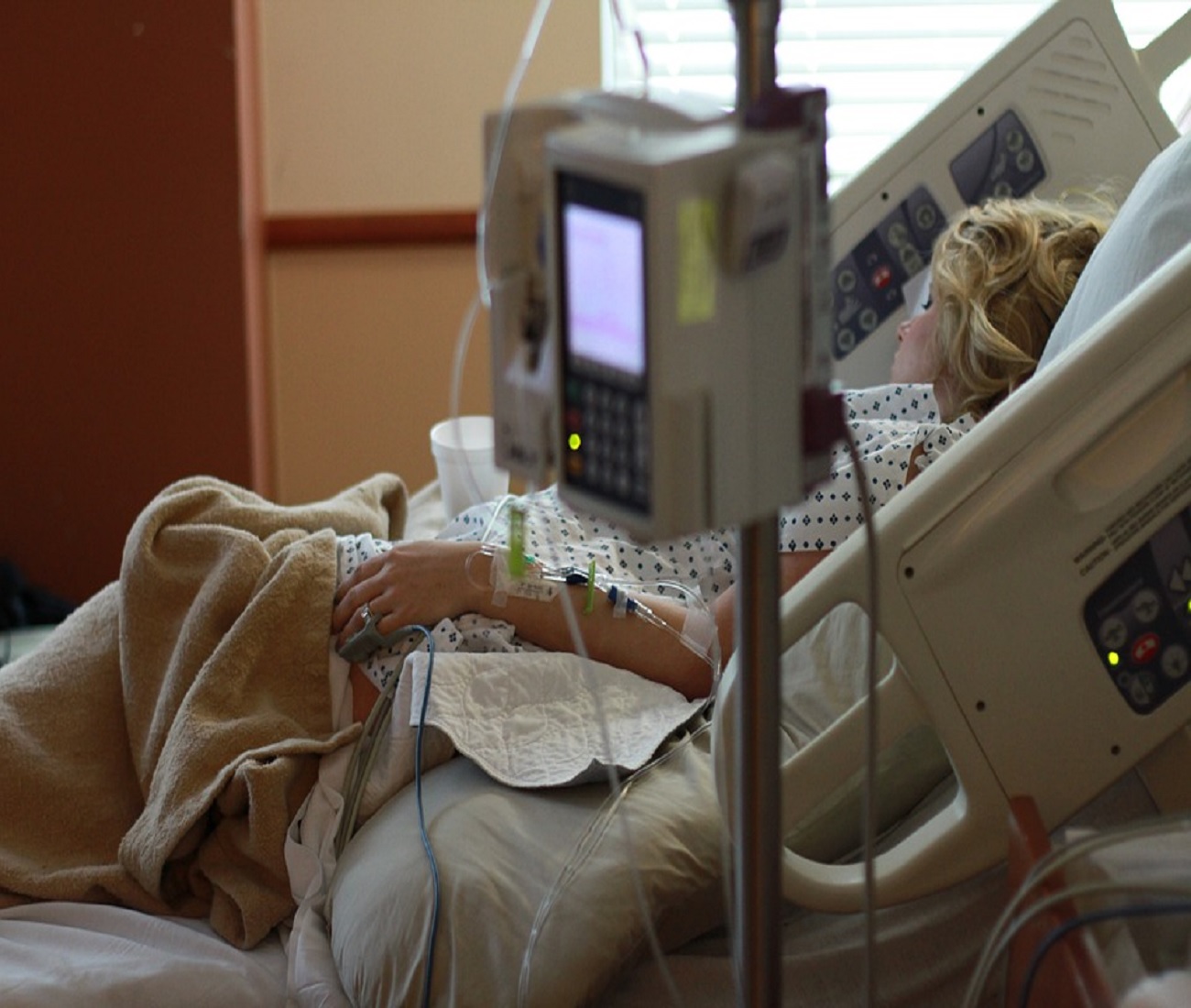
Infections are a serious problem in healthcare facilities. Many people develop an infection while using healthcare services. Such infections are known as healthcare associated infections (HAI).

Slips, trips, and falls are consistently rank as one of the top 2 causes of injuries and deaths on the job. Our contributor, Zachary O’Dell from SafetyLine asks, “Have you taken these 6 precautions to avoid injuries in your own workplace?”
During a busy shift, an OB technician helped with many crash deliveries and operations. Consequently, surgical instruments and trays that should have been washed, piled up on the sink counter and eventually knocked over a gallon jug of 4% formaldehyde. The employee was in and out of the utility room, doing the dishes between surgeries, and noticed that her throat was sore.

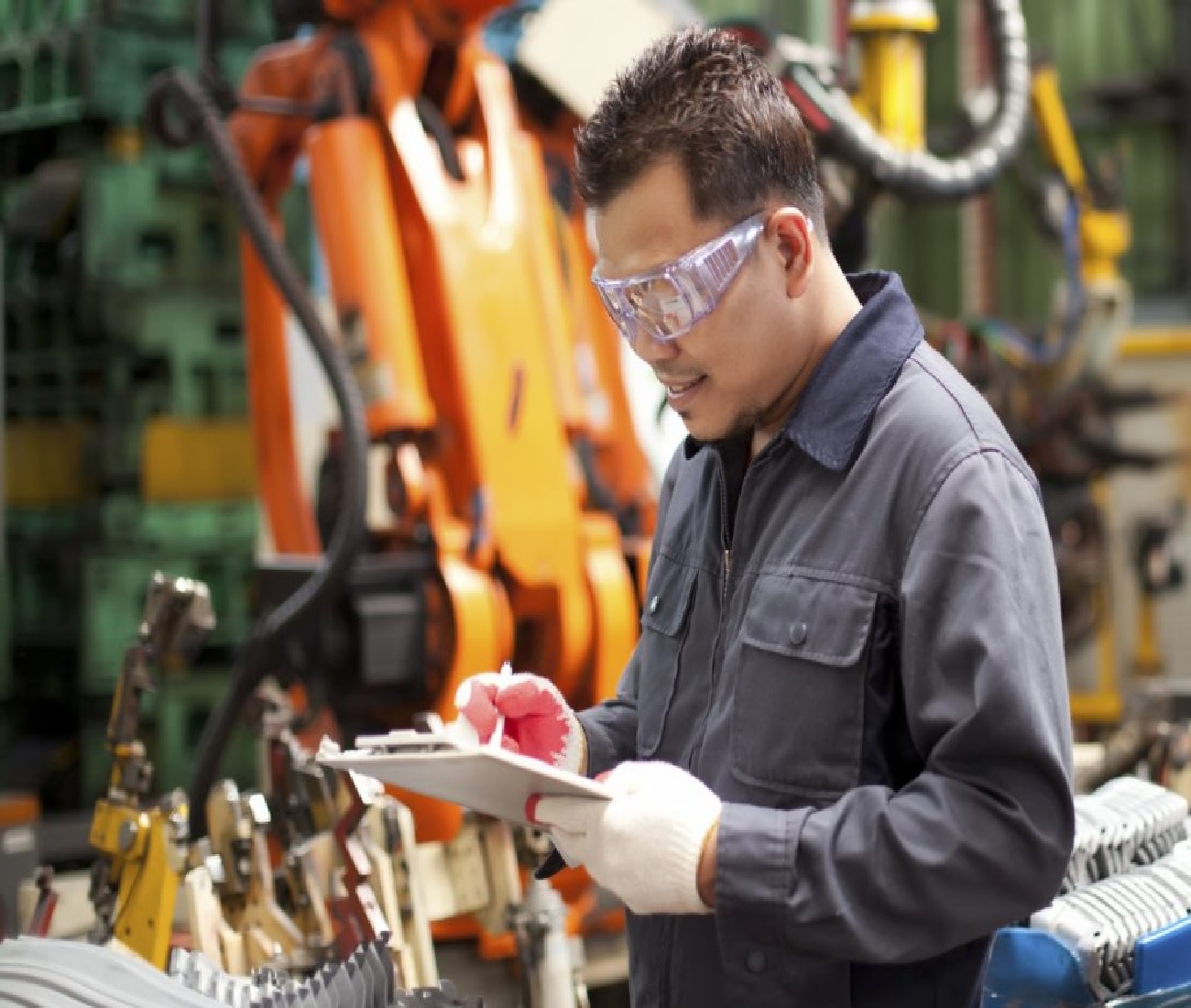
Hazardous walking and working surfaces account for hundreds of thousands of injuries and hundreds of deaths every year. This translates into billions of dollars spent on work comp, lost-time injuries, and days away from work. Set yourself, your employees, and your organization up for success by doing your part to keep these surfaces safe.

Infographic - summer safety

Flammable and combustible liquids are responsible for workplace fires and fires at home. You may not realize it, but you probably have at least a few containers hanging out in your garage, basement, or under the kitchen sink.

One of the biggest challenges when you are investigating an incident is sorting out the irrelevant information from the relevant information. One way to do this is by using a systematic approach to investigate all incidents that focuses on finding the root causes.

The use, storage, and handling of flammable and combustible materials is critical to the safety of workers, property, the community, and the environment. This is a general checklist designed to give you a starting point.

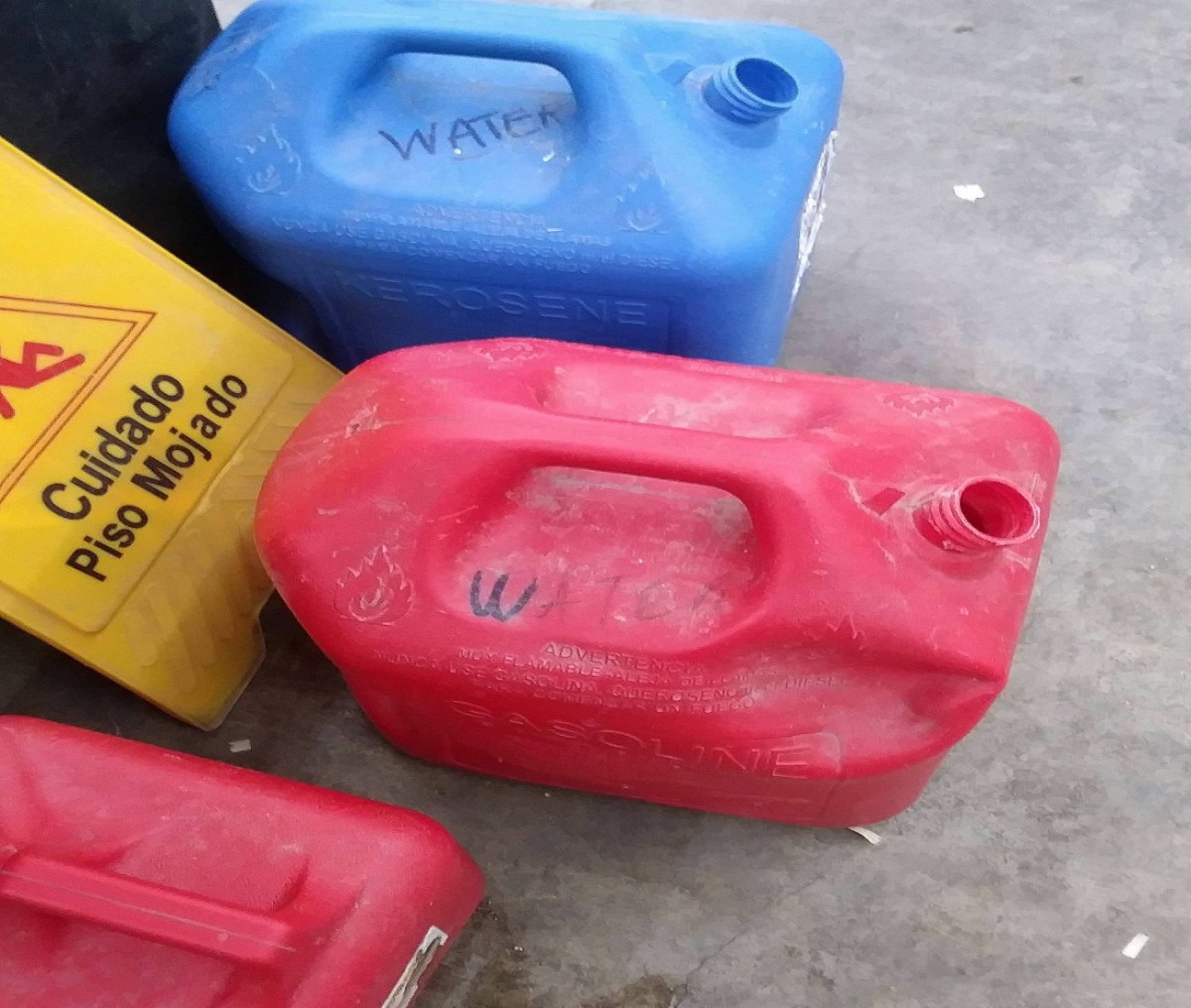
What do these dual personality containers and a woman in Utah drinking sweet tea and a BBQ joint have in common?

Investigating an incident allows you to look beyond what happened and discover why it happened. It also allows you to identify and correct deficiencies in your safety and health programs, management shortcomings, and unsafe processes, conditions, and actions.

Unsafe working conditions and unsafe work practices lead to a staggering number of workplace and work-related injuries, illnesses, and deaths.

Seventy-five percent of all accidents are preceded by one or more near misses, according to the National Safety Council. So, if you’re trying to reduce the number of injuries and incidents with property damage and other incident-related loss, it makes sense to measure and manage your near misses.

Flammable and combustible liquids can create a fire and explosion risk. Fortunately, most of the risk can be eliminated through careful use, storage, and disposal. This Workplan sets out a strategy you can implement over a 30-day period (and beyond) to prevent flammable and combustible liquid fires, fatalities, injuries and costly citations.

Workplace fire safety is about preventing fires from starting —but also vital is dealing with a fire when it does start. If fire breaks out in your workplace, do your workers know what to do?

As a host employer you may find yourself responsible for the safety and health of your workers, temporary workers provided by staffing agencies, and workers employed by other contractors or subcontractors. This can create several challenges and hazards for you and your workers, and contractors and their employees.

Your workers are about to enter a storage bin to perform cleaning operations. The bin is a permit confined space; and since it has an IDLH (immediately dangerous to life and health) atmosphere, workers must use a respirator to do the work.

There are many misconceptions about heat stress, heat illnesses, and what a person should do when they are required to work hard in a hot environment. Be in the know so you can separate fact from fiction.
Understanding what respirators must be fit tested and the different fit testing methods is something supervisors and respirator wearers should be familiar with.
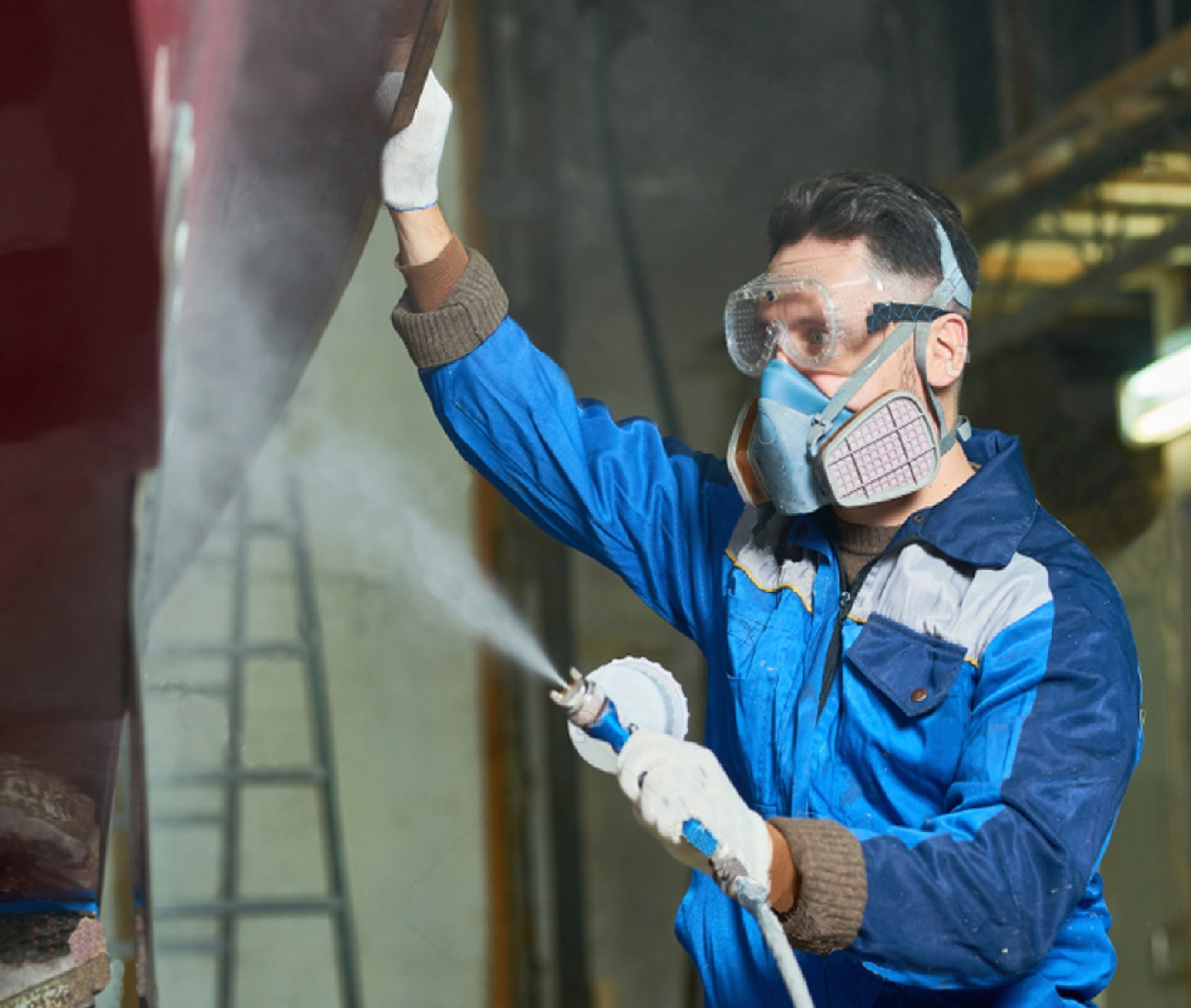
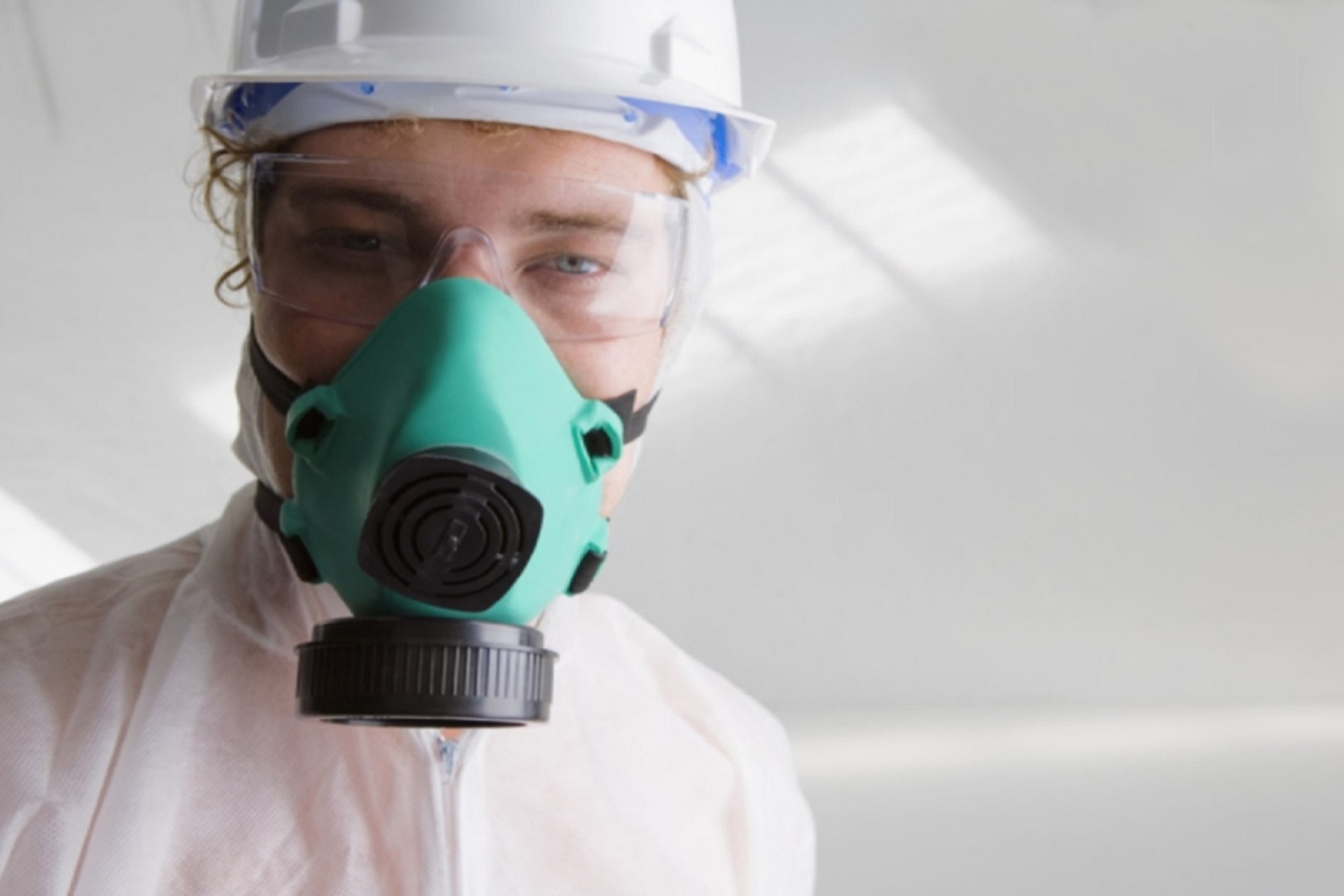
Respirators are a must for work in environments with low oxygen levels or harmful debris, fumes, gases, or vapors. Share these seven tips with your workers.

Beat the Heat! TOP 5 SUMMER HAZARDS When summertime rolls [...]
If a respirator is required for a job you’re doing it means there is a risk of inhaling contaminants such as harmful dust or gas.

From a moral and legal standpoint, it is simply unacceptable to ignore the issue of sexual harassment in the workplace.

Specific Employers Required to Submit 2017 Injury and Illness Data by July 1