Look Up for Overhead Dangers
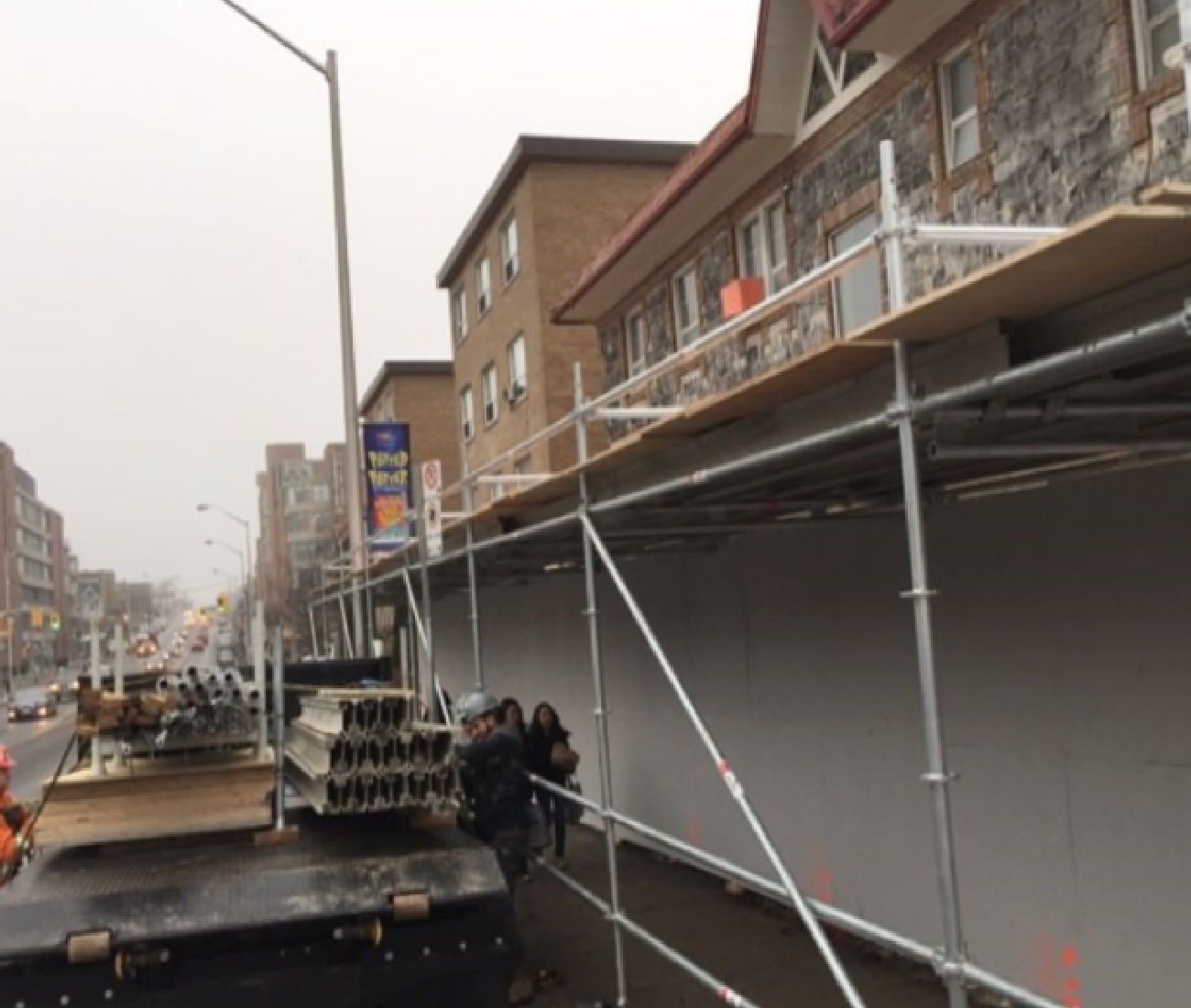
Some of the worst hazards in any work area are the ones you don’t see - because they’re above you. What’s at stake is your life, and there are two basic ways you could lose it: electrocution or falling objects.

Some of the worst hazards in any work area are the ones you don’t see - because they’re above you. What’s at stake is your life, and there are two basic ways you could lose it: electrocution or falling objects.

Electricity is the movement of electrons between atoms. In their normal state, electrons in a conductor such as copper, freely and randomly move from atom to atom.

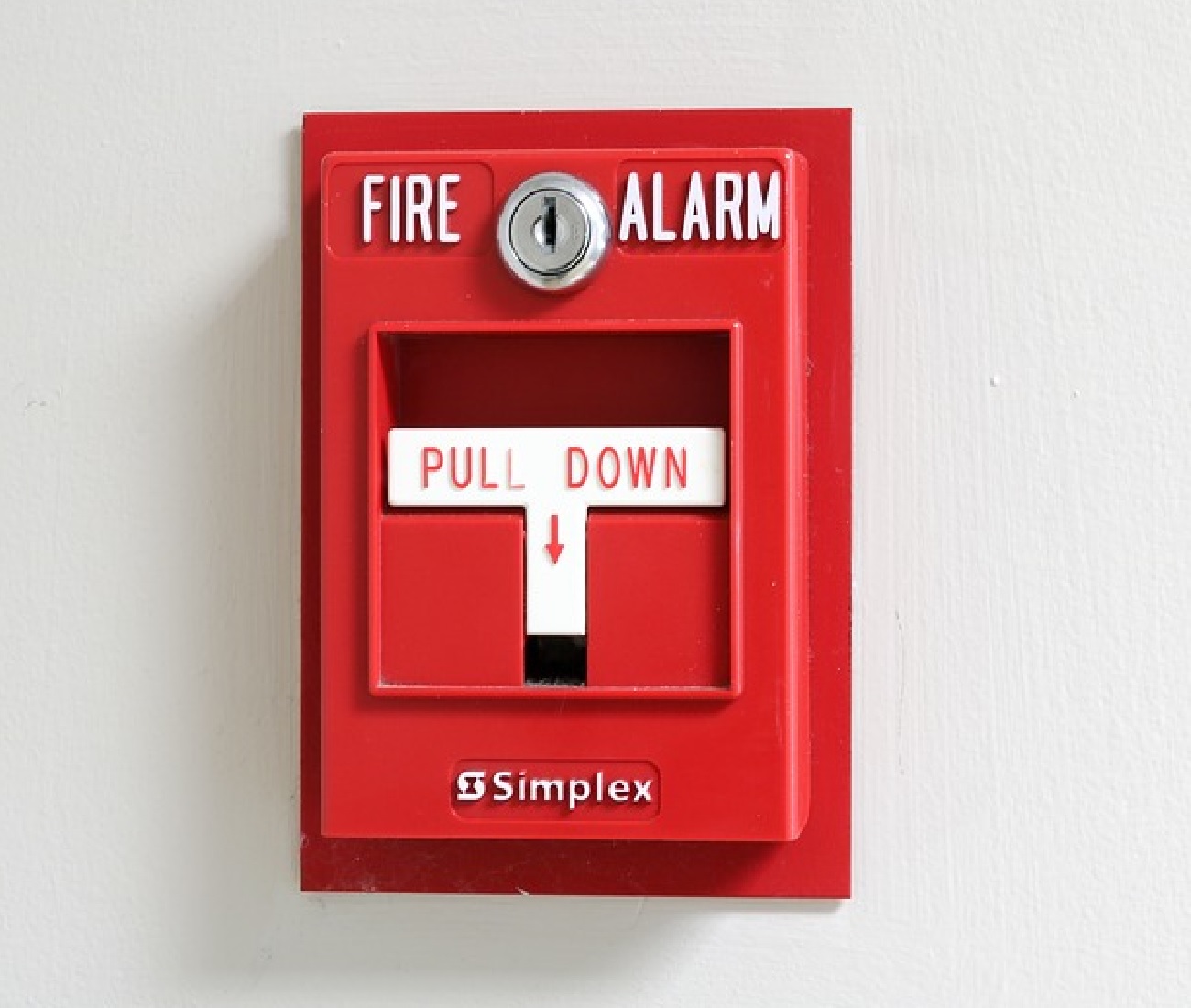
Most workplaces are required to establish and implement an Emergency Action Plan. Use this Checklist to determine if your EAP includes all required elements – or to help create a new EAP.

Fire, natural disaster, and other emergencies can strike your workplace without warning at any time. While you can’t predict them, you can prepare for them and preparedness save lives, prevent injuries and limits property damage. If that’s not motivation enough, being prepared for workplace emergencies may save your business thousands and even hundreds of thousands in safety fines avoided.

Knowing what to do in an emergency (fire, chemical spill, natural disaster, etc.) helps evacuation move quickly and safely, allows for the quick contact of emergency services, prevent further destruction, and save lives. Use this Questionnaire to quiz workers on how they would respond in an emergency. Their answers and feedback will help you identify holes in your emergency planning programs and your training. You can edit it to fit the specific needs of your organization.

Imagine being at work when suddenly the lights go out and someone starts yelling, “There’s a fire! We need to get out of here! This place is on fire!” Imagine fumbling your way in the dark and the smoke to an exit…only to find it was locked…from the outside. This is exactly what happened to Lilly Davis and 80 other workers on September 3, 1991 at the Imperial Foods chicken processing plant.

If you and your friends were facing a dangerous, deceptive enemy, you'd want to find out all you could about the enemy and share any information you come up with. The fact is you do have such a treacherous enemy—the workplace hazard. And this enemy threatens you and your co-workers daily.

You’re an accident waiting to happen if you are not alert at work. This applies to most high-risk jobs, trucking and transport jobs, repetitive jobs, such as sorting logs in a lumber mill, and a host of other jobs – regardless of the inherent risk level.

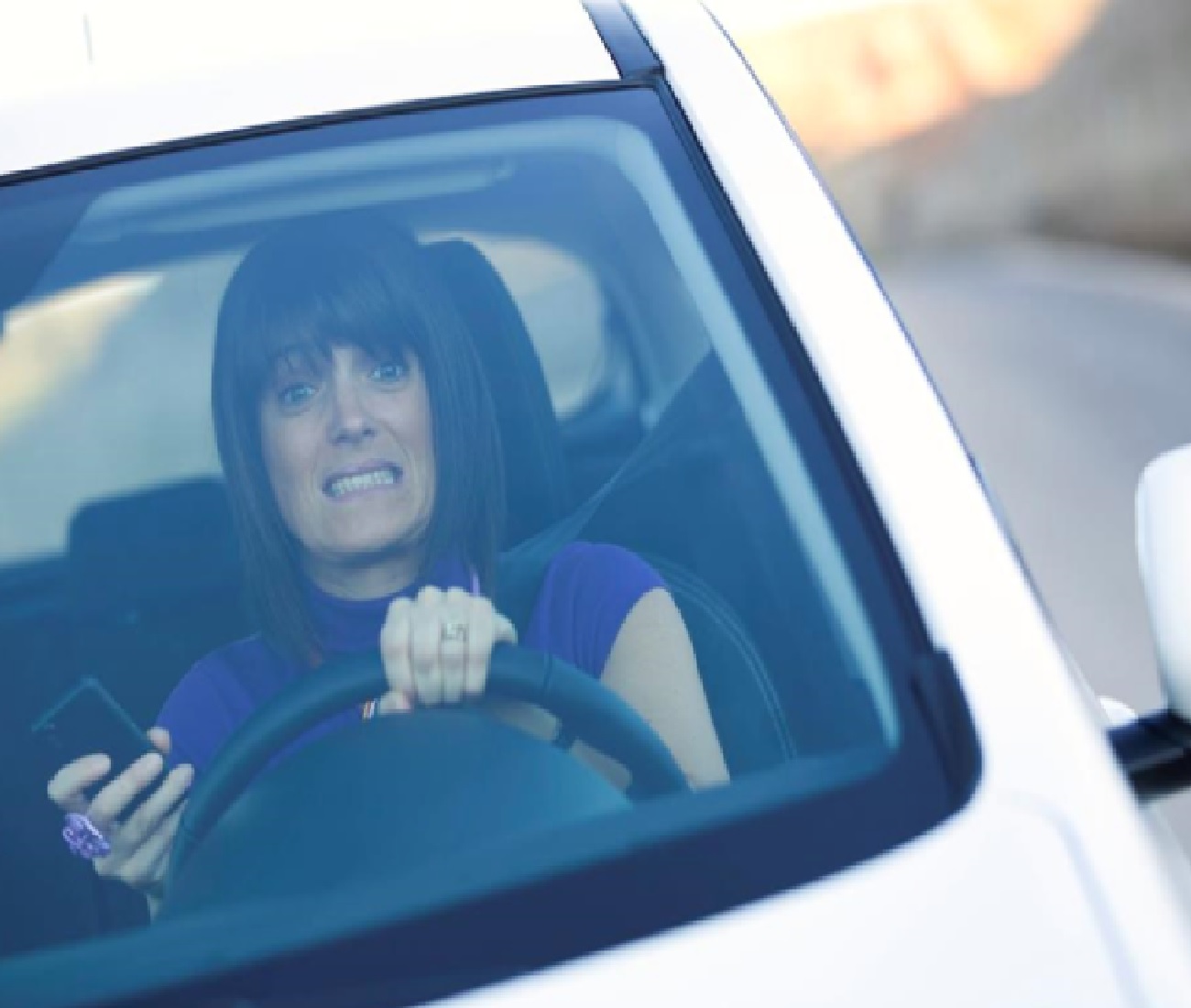
The ever-increasing use of smartphones finds most of with our heads down staring into the glow of text messages, games, tweets, twitters, selfies and more. One of the downsides to this obsession is that people mistakenly think they can perform their jobs safely while they use these devices.

Adapt and use this Hazards Assessment to determine areas of potential and existing ergonomic and materials handling concerns.

To root out ergonomic injuries you must be proactive. The first step is to do a record review and create a “snapshot” of worker injuries, so you can analyze causes and identify trends. Here’s a form you can adapt and use at your workplace to perform an effective records review.
Most offices have few hazardous chemicals and no heavy or moving machinery. If the worst that can happen is a paper cut, why do we need to talk about safety training? Because a paper cut isn’t the worst that can happen. Office employees still need to know what to do in case of an emergency, and accidents are surprisingly common. Also, people who sit down and use computers most of the day need to watch out for ergonomic issues.

Being prepared for an emergency is part of your employers and your responsibility. For help developing your emergency response planning, Ready.gov offers the following guidance.

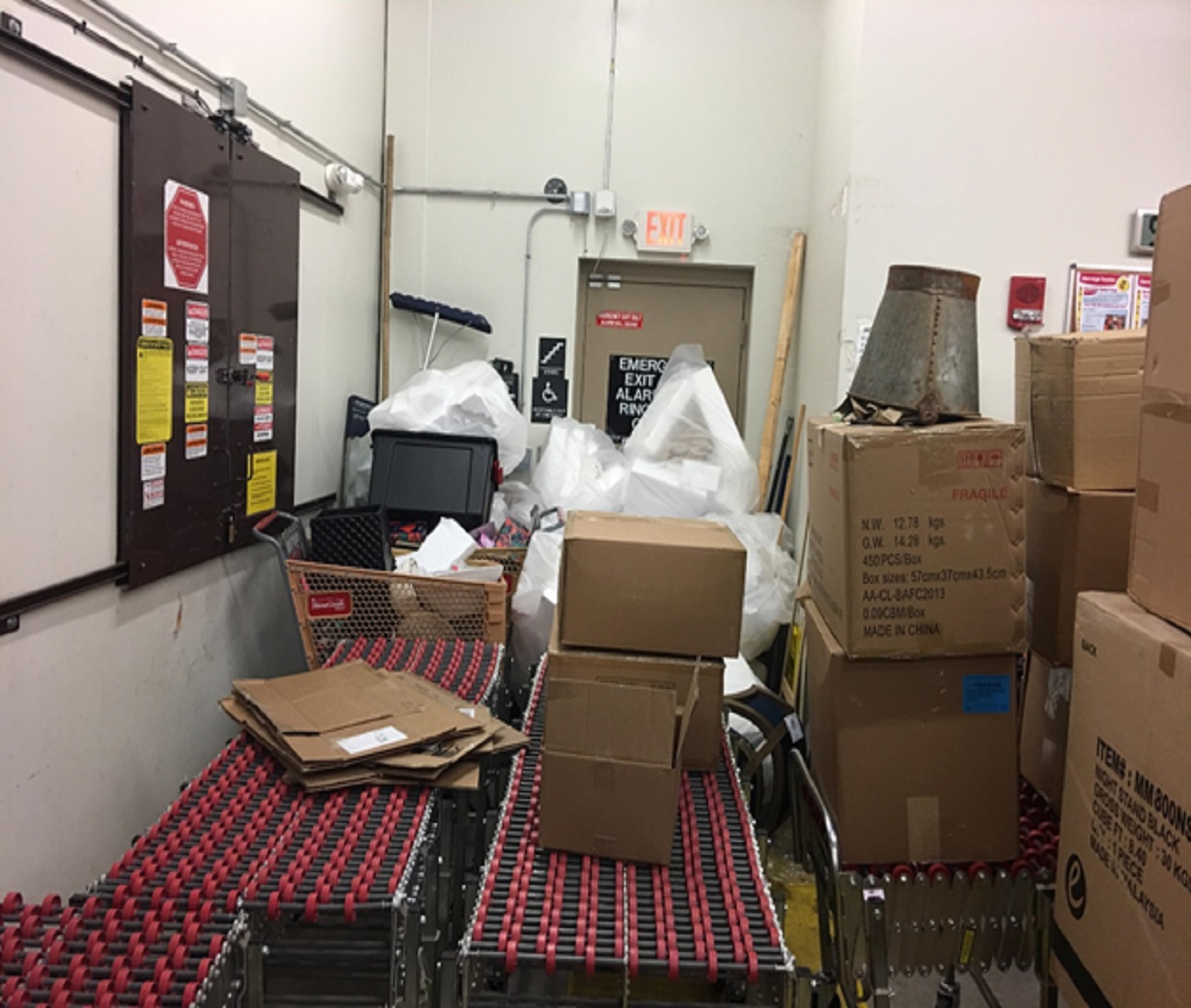
Let’s start with the obvious hazard – a blocked emergency exit. Blocked by conveyors, carts, trash, and cardboard boxes.

Unexpected emergencies occur every day in many facilities, including laboratories, offices, and residential buildings. It might be a fire, flood, earthquake, shooting, tornado, or hazardous chemical spill. If you don’t know what to do during an emergency the odds increase that you or others around you will be injured or killed.

Multidrug-Resistant Organisms (MDRO) are bacteria and other microorganisms that can lead to an infection developing that does not respond to wide range of antibiotics. If the organism does not die off when treated with antibiotics or antimicrobials, they are said to be ‘resistant’. This means that if a person has an infection caused by one of these bacteria, then they are harder to treat and the antibiotics that do work are expensive and often cause nasty side effects. Each year in the US 23,000 people die from infections caused by MDROs.
The purpose of using proper body mechanics is simple???To Prevent Injury. One of the most strenuous and potentially hazardous parts of home healthcare is bending, stretching and reaching. This program teaches how to reduce risk and prevent injury. Lift assist equipment such as gait belts, bath boards, grab bars and others are discussed as ways to reduce lifting demands. Viewers are taught to properly assess their environment and correct hazards before incidents occur. Safe Client Transfers and Ambulation are addressed in detail.
Elder and child Abuse. Tragic. Horrifying. Unthinkable. Yet, it???s estimated hundreds of thousands of elders and children are abused each year. Estimated because our picture of elder and child abuse is limited, due to the hidden and complex nature of the problem and the failure of healthcare workers and others to report elder and child abuse consistently. It can be hard to spot the more subtle forms of neglect and abuse. They???re often unrecognized, because victims tend to be isolated. By learning to recognize elder or child abuse and neglect, by learning how to respond to the cases and by committing yourself to safeguarding clients in your care.
As the title implies, this is an extremely comprehensive program relating to Bloodborne Pathogens. This program covers all aspects of an EXPOSURE CONTROL PLAN, information relating to BBP diseases, including Hepatitis B, C, and HIV, as well as modes of transmission, PPE and acceptable work practices, emergency procedures, and recordkeeping requirements. Dr. Jeffery Kahn, Liver Transplant Surgeon from the University of Southern California discusses the different types of viruses and Bloodborne Pathogens in general. Excellent program for both medical and industrial applications.
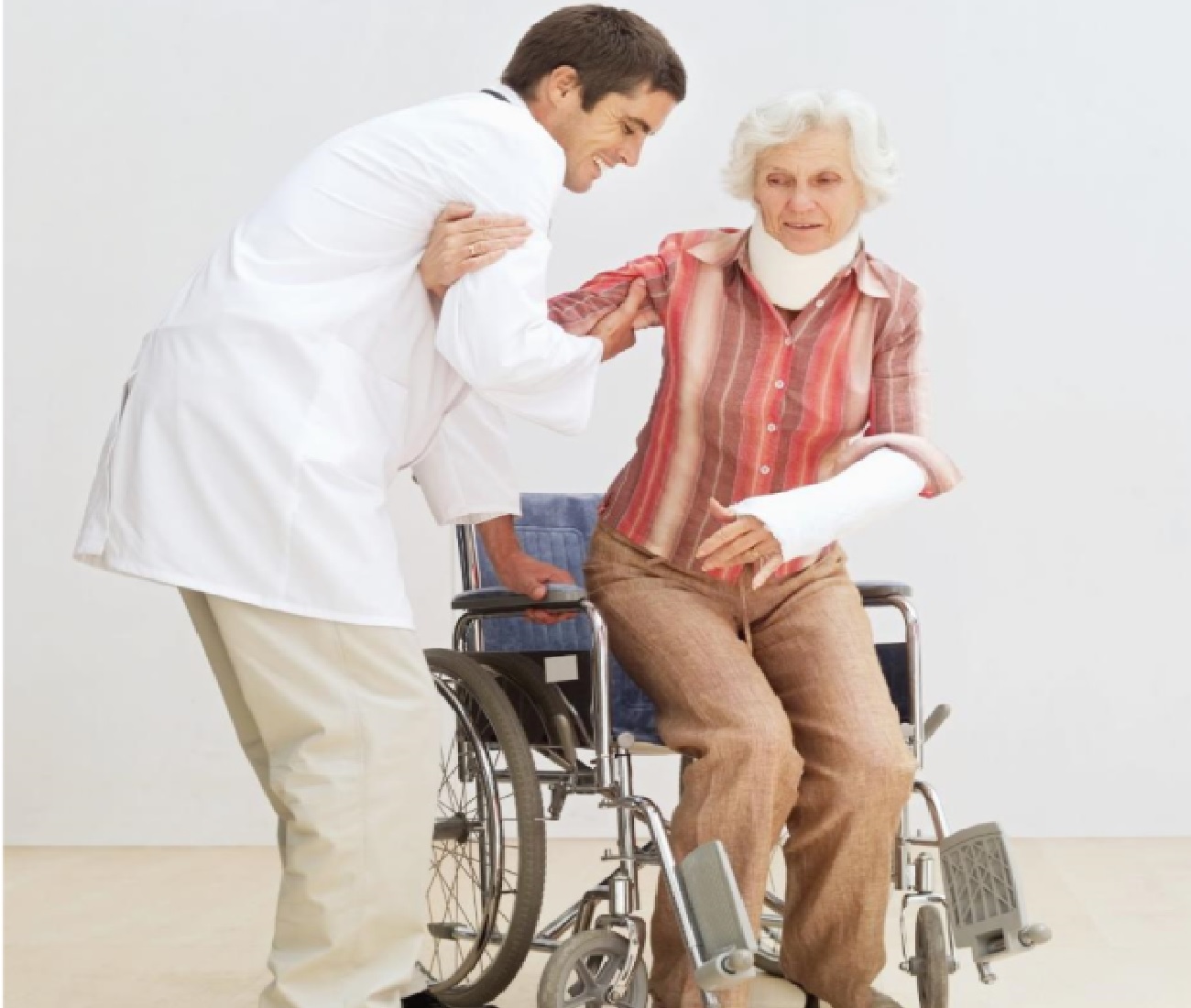
Overexertion injuries among healthcare workers is consistently two to five times greater than the rate of the general workforce. The single greatest cause for these injuries is manual patient handling such as manual lifting, moving and repositioning of hospitalized patients, home-health care patients, and nursing home residents.
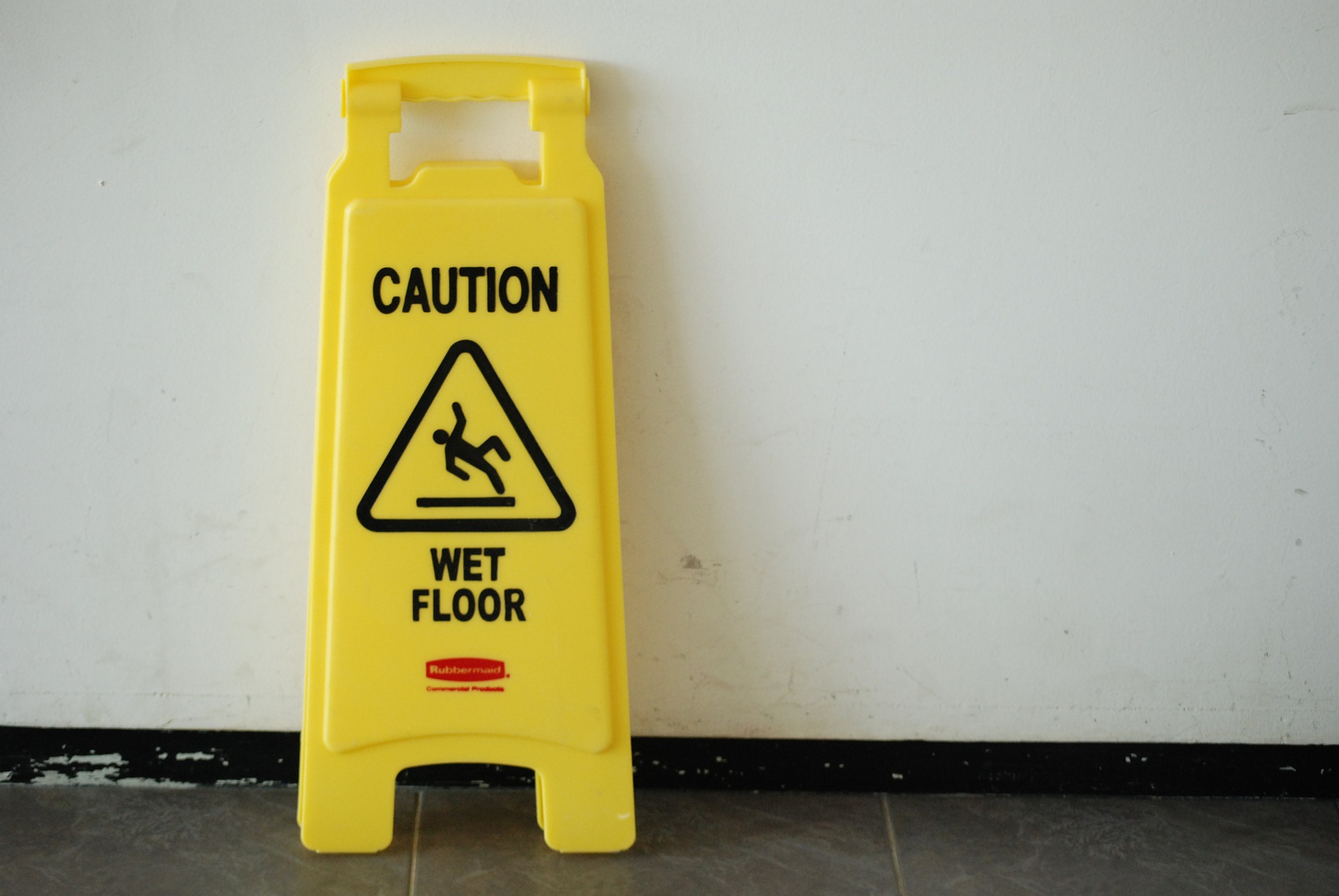
Slips, trips and falls are the second most common cause of injury for home and community health workers. These types of accidents can result in serious disabling injuries and have a major impact on one???s ability to perform their job and may result in lost work days, reduction in productivity or a diminished ability to care for a client. Recognizing and correction of household hazards is examined as the first step in prevention. Common slips and falls are examined to show what are the actual root causes and steps are outlined for workers to take to reduce hazards for everyone in the home.
As the title implies, this is an extremely comprehensive program relating to Bloodborne Pathogens. This program covers all aspects of an EXPOSURE CONTROL PLAN, information relating to BBP diseases, including Hepatitis B, C, and HIV, as well as modes of transmission, PPE and acceptable work practices, emergency procedures, and recordkeeping requirements. Dr. Jeffery Kahn, Liver Transplant Surgeon from the University of Southern California discusses the different types of viruses and Bloodborne Pathogens in general. Excellent program for both medical and industrial applications.
Slips, trips and falls are the second most common cause of injury for home and community health workers. These types of accidents can result in serious disabling injuries and have a major impact on one???s ability to perform their job and may result in lost work days, reduction in productivity or a diminished ability to care for a client. Recognizing and correction of household hazards is examined as the first step in prevention. Common slips and falls are examined to show what are the actual root causes and steps are outlined for workers to take to reduce hazards for everyone in the home.
Workplace Violence is unacceptable, regardless of the work environment. This program defines different types of workplace violence common to home health care situations and discusses ways to prevent incidents. Recognition, prevention and de-escalation are the main techniques taught.